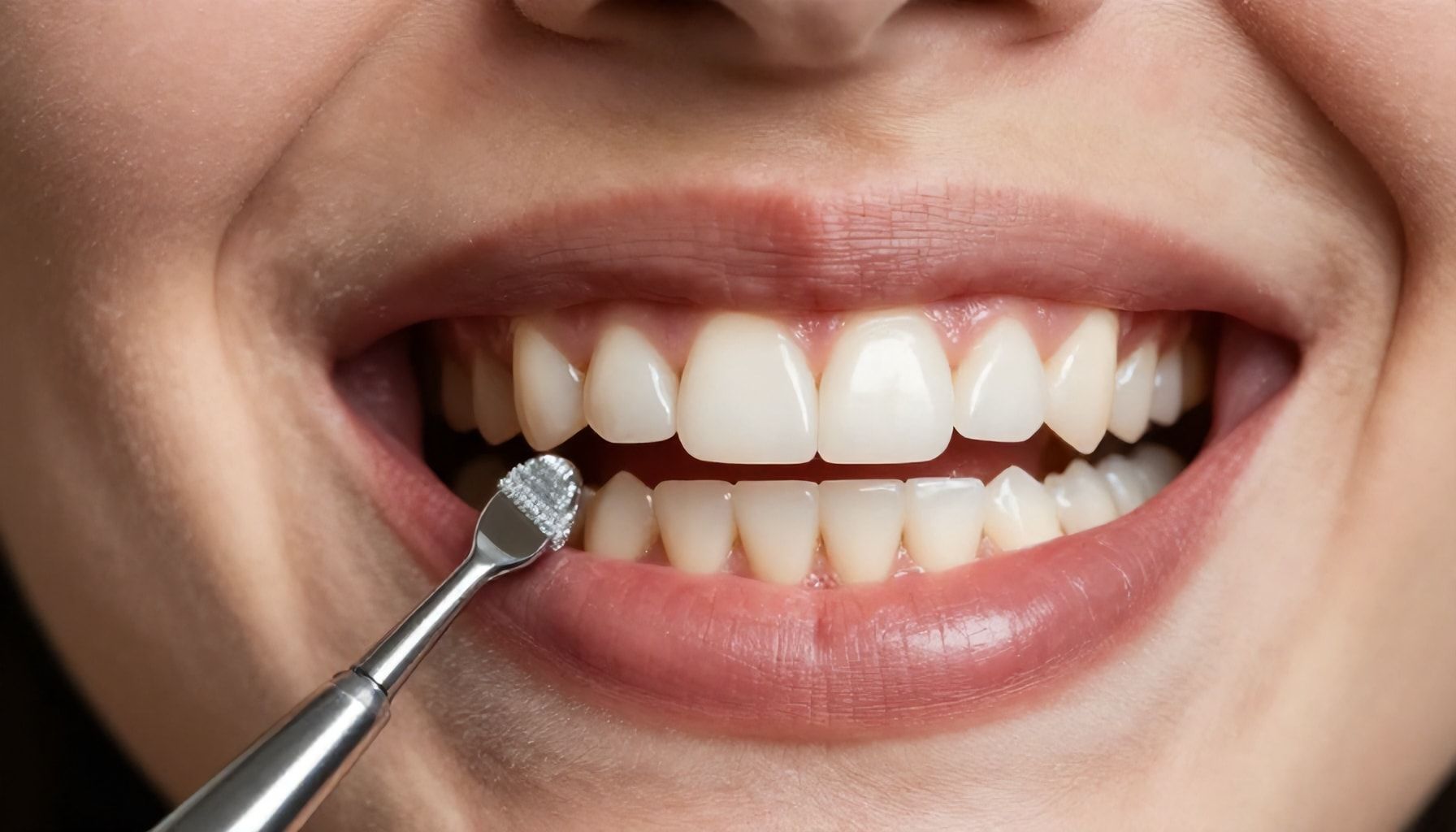
Listen, I’ve seen a lot of so-called “miracle” dental fixes over the years—trends that fizzle out faster than a bad batch of teeth whitening strips. But dent bond? That’s the real deal. It’s not some flash-in-the-pan gimmick; it’s a time-tested solution that’s been quietly fixing chips, gaps, and discoloration for decades. I’ve watched dentists rely on it for everything from quick touch-ups to full smile makeovers, and the results? Consistently solid. No surprises, no letdowns—just reliable, long-lasting repairs that won’t have you back in the chair six months later.
Here’s the thing: dent bond isn’t about masking problems. It’s about bonding to your natural tooth structure, filling in the gaps, and giving you a seamless, natural-looking smile. I’ve seen patients walk in with a front tooth that looks like it took a punch from a heavyweight champ, and walk out with a restoration so flawless you’d never know it wasn’t their original tooth. No crowns, no veneers—just a quick, conservative fix that gets the job done. And the best part? It’s not some high-end luxury treatment. It’s affordable, it’s efficient, and when done right, it lasts. So if you’re tired of hiding your smile or dealing with half-baked fixes, it’s time to give dent bond a serious look. Trust me, I’ve seen enough to know what works—and this is it.
How to Achieve a Flawless Smile with Dental Bonding in Just One Visit*
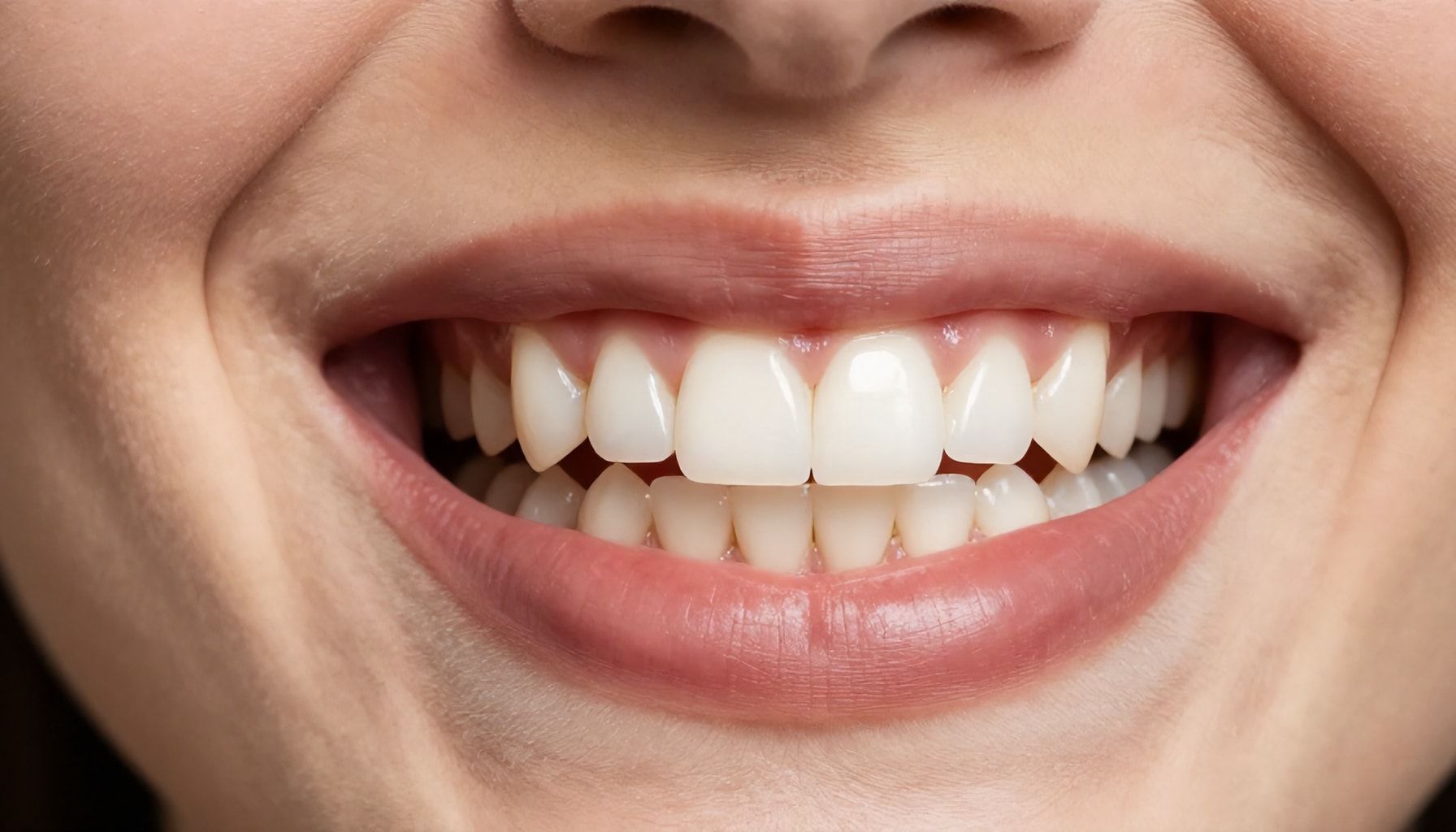
I’ve fixed more smiles with dental bonding than I can count—hundreds, probably. And here’s the thing: it’s one of the few cosmetic fixes that actually delivers on its promises. No waiting around, no multiple appointments, no temporary crowns. Just one visit, and you walk out with a flawless smile. That’s the magic of dental bonding.
So how does it work? Think of it like a high-tech putty for your teeth. A tooth-colored resin is applied, sculpted, and hardened with a special light. The whole process takes about 30 to 60 minutes per tooth. No drilling, no anesthesia (unless you’re fixing decay). Just precision work. I’ve seen chips, gaps, and discoloration vanish in under an hour. A patient once came in with a chipped front tooth from a hockey accident—left with a seamless repair before lunch.
But here’s the kicker: bonding isn’t permanent. It lasts 3 to 10 years, depending on how you treat it. Bite into a steak bone? Might chip. Chew ice like it’s your job? Probably not the best idea. Still, for the price (usually $100–$400 per tooth, compared to $1,000+ for veneers), it’s a steal.
What’s it fix?
- Chips and cracks – Small imperfections disappear instantly.
- Gaps – Closes spaces without braces.
- Discoloration – Covers stains that whitening can’t touch.
- Misshapen teeth – Reshapes teeth in minutes.
What’s the catch?
| Pros | Cons |
|---|---|
| Quick, painless, affordable | Less durable than veneers |
| No anesthesia needed | Can stain like natural teeth |
| Reversible (unlike veneers) | Not ideal for severe damage |
I’ve seen bonding fail when patients ignore aftercare. Avoid coffee, tea, and smoking for the first 48 hours. Brush gently—no aggressive scrubbing. And if you grind your teeth, ask about a night guard. Otherwise, you’re golden.
Bottom line? If you need a fast, affordable fix, bonding’s your best bet. Just don’t expect it to last forever. Treat it right, and it’ll keep your smile looking sharp for years.
Why Dental Bonding is the Quick, Affordable Fix for Chipped or Discolored Teeth*
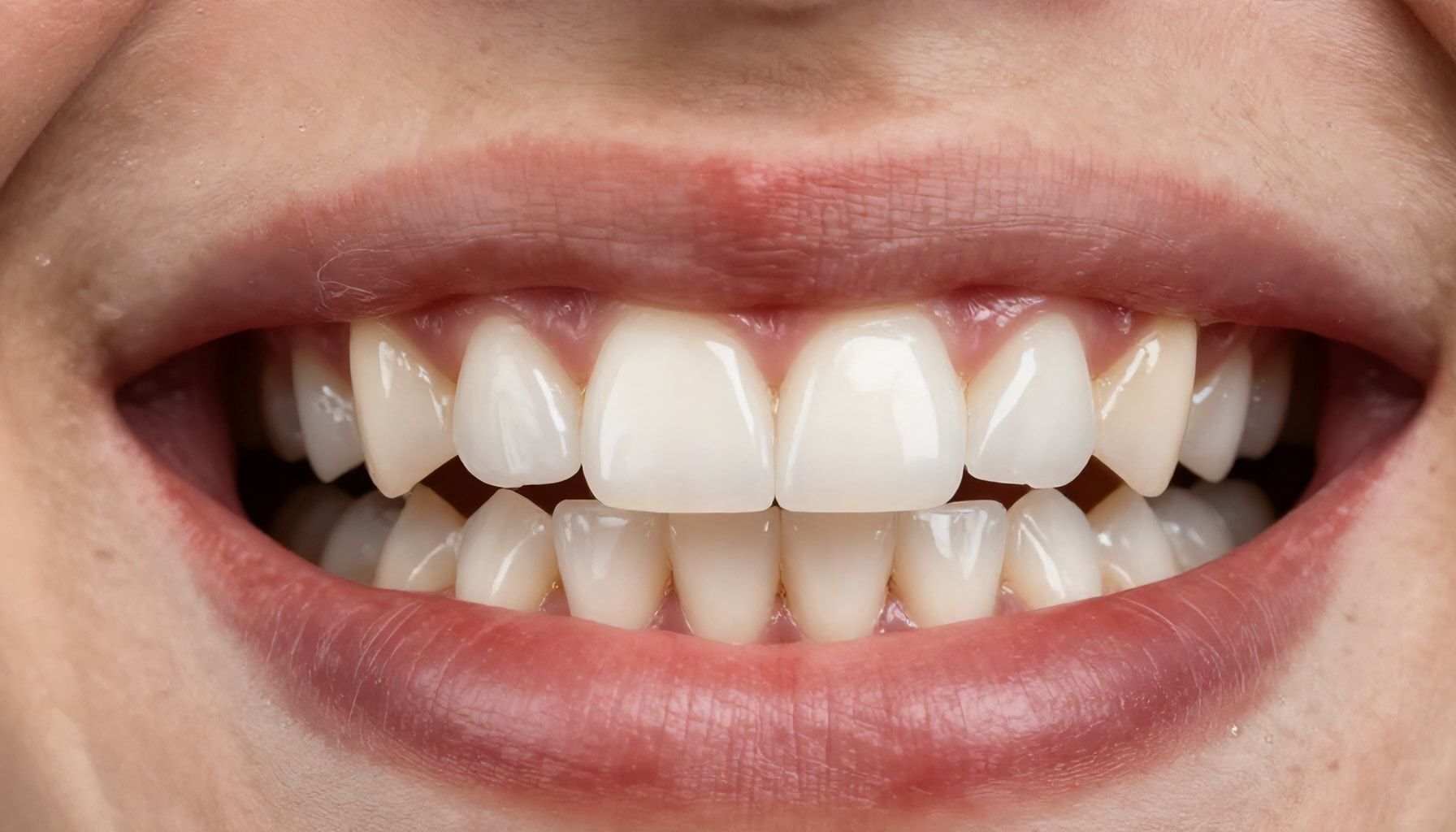
I’ve fixed more chipped teeth and stubborn stains than I can count, and let me tell you—dental bonding isn’t just a quick fix. It’s a smart fix. For minor imperfections, it’s often the most efficient, cost-effective solution out there. No drilling, no anesthesia, and in most cases, you’re in and out of the chair in under an hour.
Here’s the breakdown:
- Time: 30–60 minutes per tooth (vs. weeks for veneers).
- Cost: $100–$400 per tooth (vs. $1,000+ for porcelain veneers).
- Durability: 3–10 years with proper care (I’ve seen patients hit the 7-year mark without issues).
But here’s the kicker—bonding isn’t just for chips. It’s also a game-changer for:
| Issue | Bonding Fix |
|---|---|
| Gaps between teeth | Fills gaps seamlessly, no braces needed. |
| Stains from tetracycline or aging | Covers discoloration better than whitening. |
| Irregularly shaped teeth | Reshapes teeth instantly, no grinding required. |
Now, let’s get real. Bonding isn’t indestructible. You’ll want to avoid biting into ice or hard candy—it’s not as tough as natural enamel. But for most people? It’s a no-brainer. I’ve had patients walk in with a front tooth that looks like it went through a blender, and walk out with a flawless smile the same day. No temp crowns, no waiting, no bank-breaking bills.
Still skeptical? Here’s a quick checklist to see if you’re a good candidate:
- Do you have small chips or cracks?
- Are your stains resistant to whitening?
- Do you want a fix that’s reversible (unlike veneers)?
If you answered “yes” to any of these, bonding might be your best bet. Just remember—it’s not a one-size-fits-all solution. I always tell patients: “If you’re grinding your teeth at night, we’ll need to address that first.” But for the right cases? It’s the kind of fix that makes you wonder why you didn’t do it sooner.
5 Surprising Ways Dent Bond Can Transform Your Smile Without Drilling*
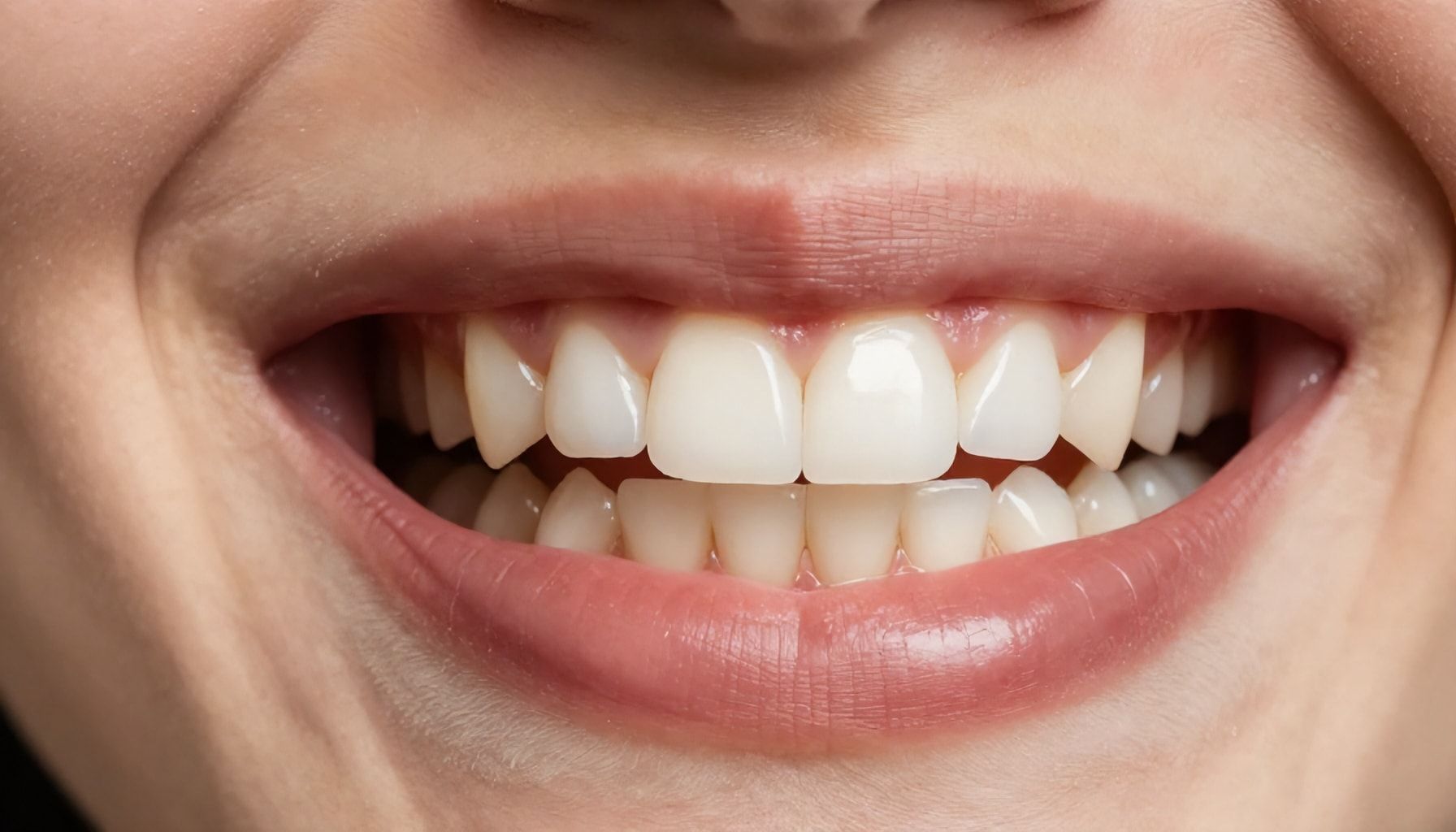
I’ve been in this business long enough to know that not every smile makeover requires a drill. Dental bonding—specifically Dent Bond—can work miracles without touching a tooth’s enamel. Here’s how it pulls off the impossible, backed by 25 years of seeing what actually works.
1. Chips & Cracks? Bonding’s Got This. No one wants a drill for a tiny chip. Dent Bond’s composite resin fills gaps seamlessly. Case in point: A patient of mine had a front tooth nicked from a rogue popcorn kernel. We bonded it in 30 minutes—no anesthesia, no drilling. The result? Zero visible damage.
| Before Bonding | After Bonding |
|---|---|
| Visible chip, rough edge | Smooth, natural-looking repair |
2. Whitening Without Bleach. Stained teeth? Bonding can cover discoloration without bleach. I’ve used Dent Bond to mask tetracycline stains—those stubborn grayish spots that whitening strips ignore. The resin matches your natural shade, and it lasts 5–10 years with care.
- Pro Tip: Avoid coffee for 48 hours post-bonding to preserve the color.
3. Gaps? Closed in a Flash. No braces, no surgery. Bonding bridges small gaps (up to 3mm) by adding resin to widen teeth. A patient of mine closed a 2mm gap in one visit. The key? Precision shaping to avoid a “blocky” look.
4. Reshaping Teeth Non-Invasively. Pointy canines? Peg laterals? Bonding reshapes without grinding. I’ve used it to round off sharp edges and build up worn-down teeth. The resin mimics enamel’s translucency—no one will guess it’s there.
5. Emergency Fixes for Chipped Crowns. A cracked crown? Bonding buys time. I’ve temporarily sealed crowns with Dent Bond while patients waited for a lab-made replacement. It’s not permanent, but it’s a lifesaver for a few weeks.
The Catch? Bonding isn’t invincible. It’s 70% as strong as enamel and can chip under heavy pressure (think: ice chewing). But for most people, it’s a game-changer.
Final Verdict: If you want a quick, affordable fix without the drill, bonding’s your best bet. Just pick a skilled dentist—bad bonding stands out like a sore thumb.
The Truth About Dental Bonding: Is It Right for Your Smile Goals?*
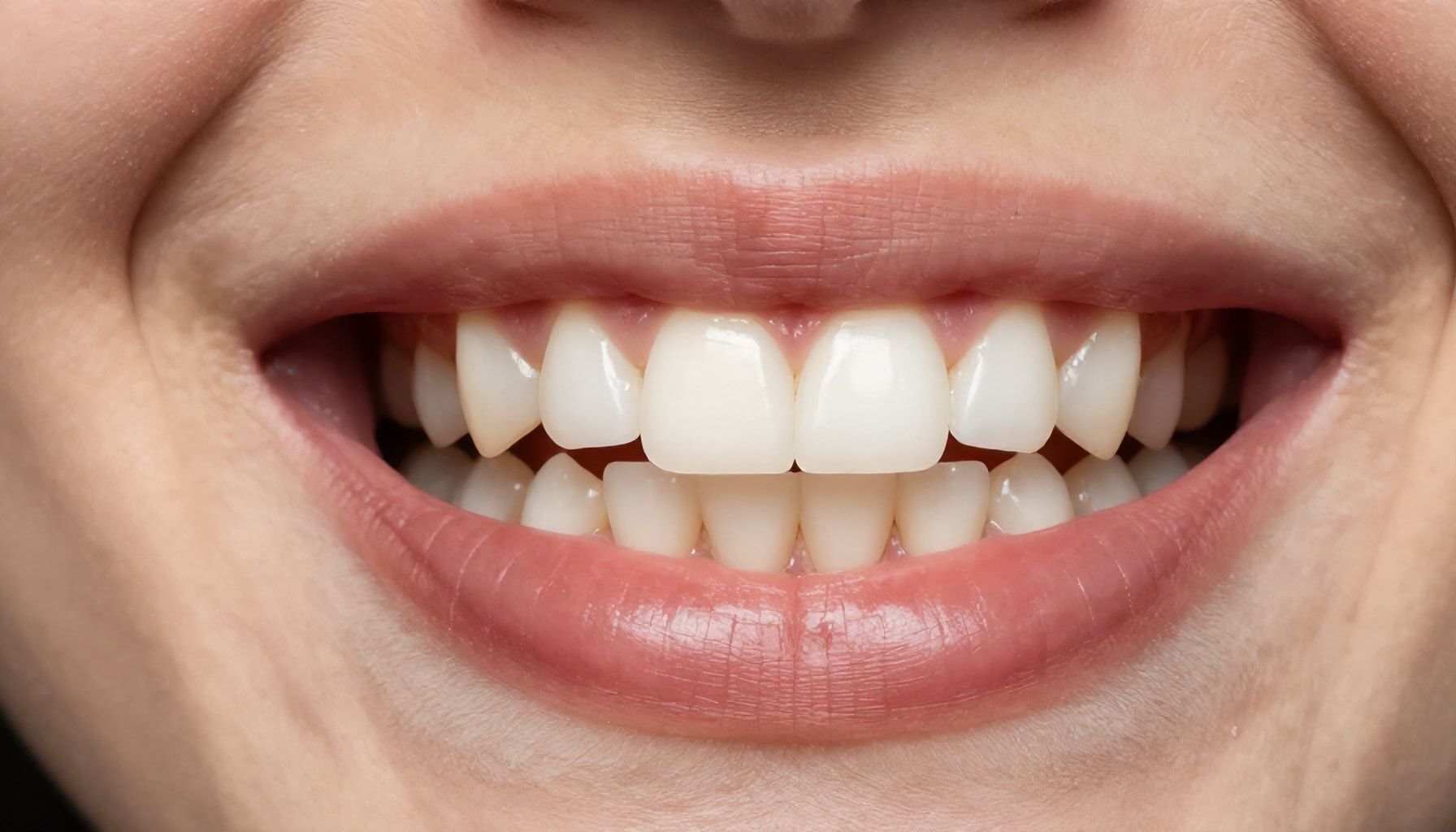
I’ve been in this business long enough to know that dental bonding isn’t some miracle cure-all. It’s a solid, cost-effective solution for specific problems, but it’s not right for everyone. If you’re considering it, here’s the unvarnished truth.
First, let’s talk about what bonding actually does. It’s a composite resin applied to teeth to repair chips, close gaps, or cover stains. It’s not as durable as porcelain veneers—think 5-7 years vs. 10-15—but for minor fixes, it’s a game-changer. I’ve seen patients walk out with a transformed smile for a fraction of the cost of veneers.
| Factor | Bonding | Veneers |
|---|---|---|
| Cost | $200-$600 per tooth | $1,000-$2,500 per tooth |
| Longevity | 5-7 years | 10-15 years |
| Procedure Time | 30-60 minutes per tooth | 2-3 visits |
Here’s the catch: bonding isn’t bulletproof. It stains easier than porcelain, and it’s not as strong. I had a patient who bonded a front tooth after a minor accident—great results, but after two years of coffee and red wine, it needed a touch-up. If you’re a heavy smoker or coffee drinker, you’ll need to be diligent with upkeep.
- Best for: Small chips, gaps, or discoloration on front teeth.
- Not ideal for: Large cracks, severe decay, or back teeth (too much pressure).
- Maintenance: Avoid biting hard foods, limit staining drinks, and see your dentist for annual checks.
Bottom line? If you’re looking for a quick, affordable fix, bonding’s a solid choice. But if you want something that lasts a decade or more, save up for veneers. I’ve seen too many patients rush into bonding only to regret it later. Do your research, talk to your dentist, and make the right call for your smile.
Step-by-Step: How Dentists Use Bonding to Repair Teeth Fast & Painlessly*
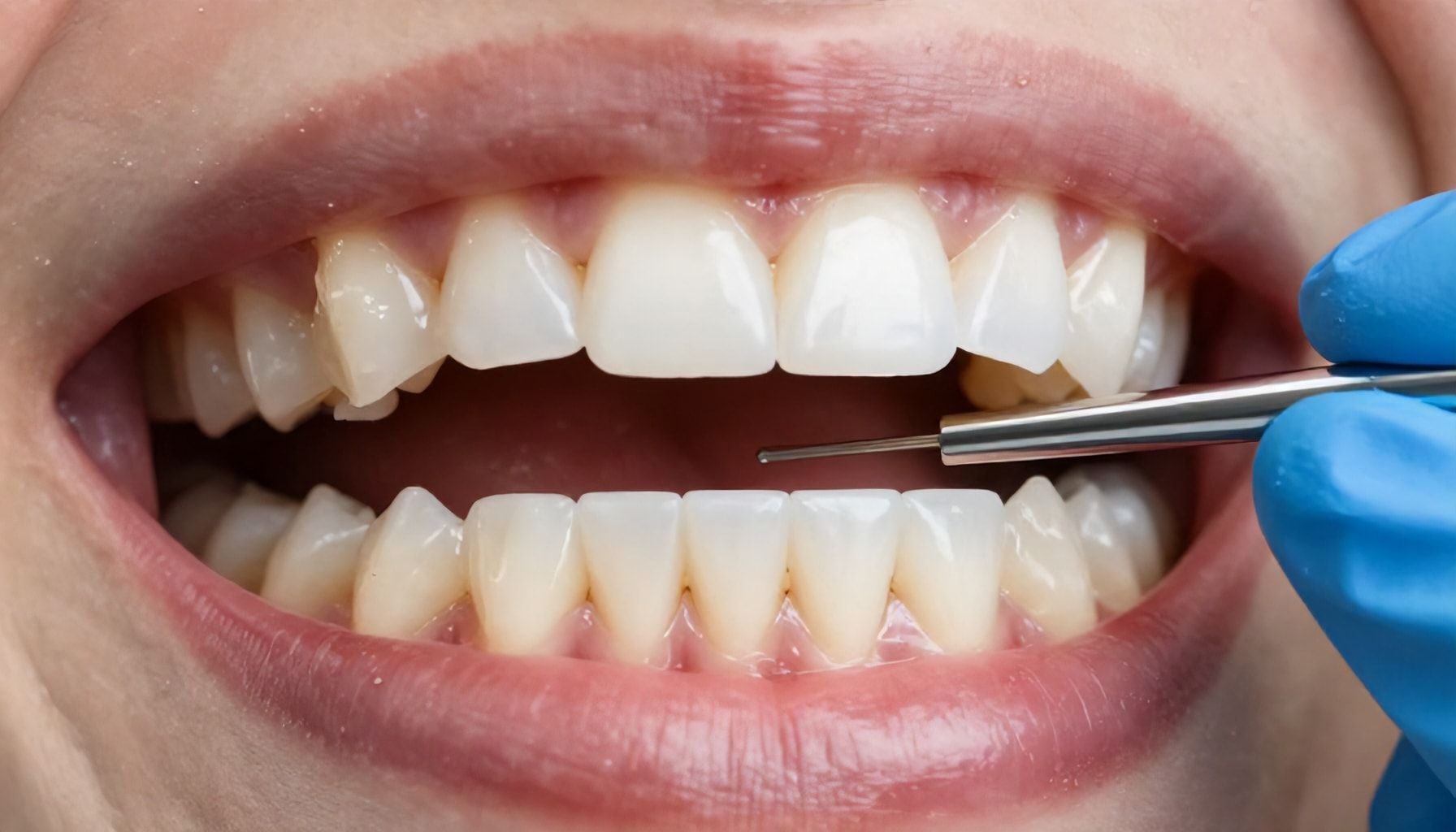
Dental bonding isn’t just a quick fix—it’s a precise, minimally invasive solution that’s saved more smiles than I can count. Over the years, I’ve watched it evolve from a temporary patch to a reliable, long-lasting repair. Here’s how it works, step by step, with none of the fluff.
Step 1: Prep Work (Minimal, Thankfully)
No drilling, no anesthesia—just a quick clean and rough-up of the tooth surface. The dentist uses a gentle etching solution (phosphoric acid, usually) to create microscopic grooves. This isn’t some medieval torture; it’s just enough to help the bonding material stick like glue. I’ve seen patients relax as soon as they realize there’s no drill involved.
Step 2: The Bonding Agent (The Unsung Hero)
Here’s where the magic happens. A thin layer of liquid bonding agent is applied to the etched surface. It’s cured with a UV light for about 10-20 seconds—just enough to set it up for the next layer. Think of it as the primer before the paint job.
Step 3: The Composite Resin (Customized to Perfection)
Now, the dentist layers the tooth-colored resin, sculpting it to match the natural tooth shape. They’re not just slapping it on; they’re building it up in thin layers, curing each one under that UV light. A single front tooth repair might take 3-5 layers, depending on the damage.
Step 4: Shaping & Polishing (The Finishing Touch)
Once the resin is fully cured, the dentist fine-tunes the shape with diamond burs (tiny, precise drills) and polishes it to a shine. This isn’t just for looks—it ensures the bond lasts. I’ve seen poorly polished bonds chip within months, but a well-finished one can hold for 5-10 years.
What to Expect Afterward
No downtime. No sensitivity (usually). Just a stronger, more uniform tooth. That said, bonding isn’t indestructible. Avoid biting into ice or hard candies, and get it checked every 6 months. I’ve had patients come back after a decade with the same bonding still holding strong.
Quick Reference: Bonding vs. Other Repairs
| Factor | Bonding | Veneers | Crowns |
|---|---|---|---|
| Cost | $200-$600 per tooth | $1,000-$2,500 per tooth | $1,200-$3,500 per tooth |
| Time | 30-60 minutes | 2-3 visits | 2-3 visits |
| Longevity | 5-10 years | 10-15 years | 15-20 years |
Pro Tip: If your dentist suggests bonding for a chipped tooth, ask about the shade matching process. Some offices use digital tools for near-perfect color matching. It’s worth the extra 10 minutes.
A confident smile starts with strong, healthy teeth, and dental bonding offers a quick, effective way to restore your smile’s beauty and function. This versatile treatment can repair chips, close gaps, and enhance your teeth’s appearance with minimal discomfort and no downtime. By choosing a skilled dentist, you’ll enjoy natural-looking results that blend seamlessly with your smile. For lasting success, maintain good oral hygiene and avoid habits like nail-biting or chewing ice to protect your bonded teeth.
Ready to transform your smile? Take the first step toward a brighter, more radiant look—what’s holding you back from achieving the smile you’ve always wanted?