I’ve seen a lot of dental trends come and go, but deep cleaning teeth isn’t one of them. It’s not a fleeting fad or a passing phase. It’s a tried-and-true procedure that’s stood the test of time, and for good reason. Deep cleaning teeth isn’t just about brightening your smile; it’s about safeguarding your health. You might think you’re doing enough with your daily brushing and flossing, but let me tell you, there’s a whole world of plaque and tartar hiding below the surface that only a deep clean can tackle.
I’ve watched patients transform their smiles and their confidence with this procedure. It’s not just about aesthetics, though. Deep cleaning teeth can prevent gum disease, reduce inflammation, and even improve your overall health. You see, your mouth is a gateway to your body, and when it’s not healthy, neither are you. So, if you’re looking for a way to boost your smile and your well-being, deep cleaning teeth might just be the answer you’ve been searching for.
The Truth About Plaque and Tartar: Why Deep Cleaning Matters*
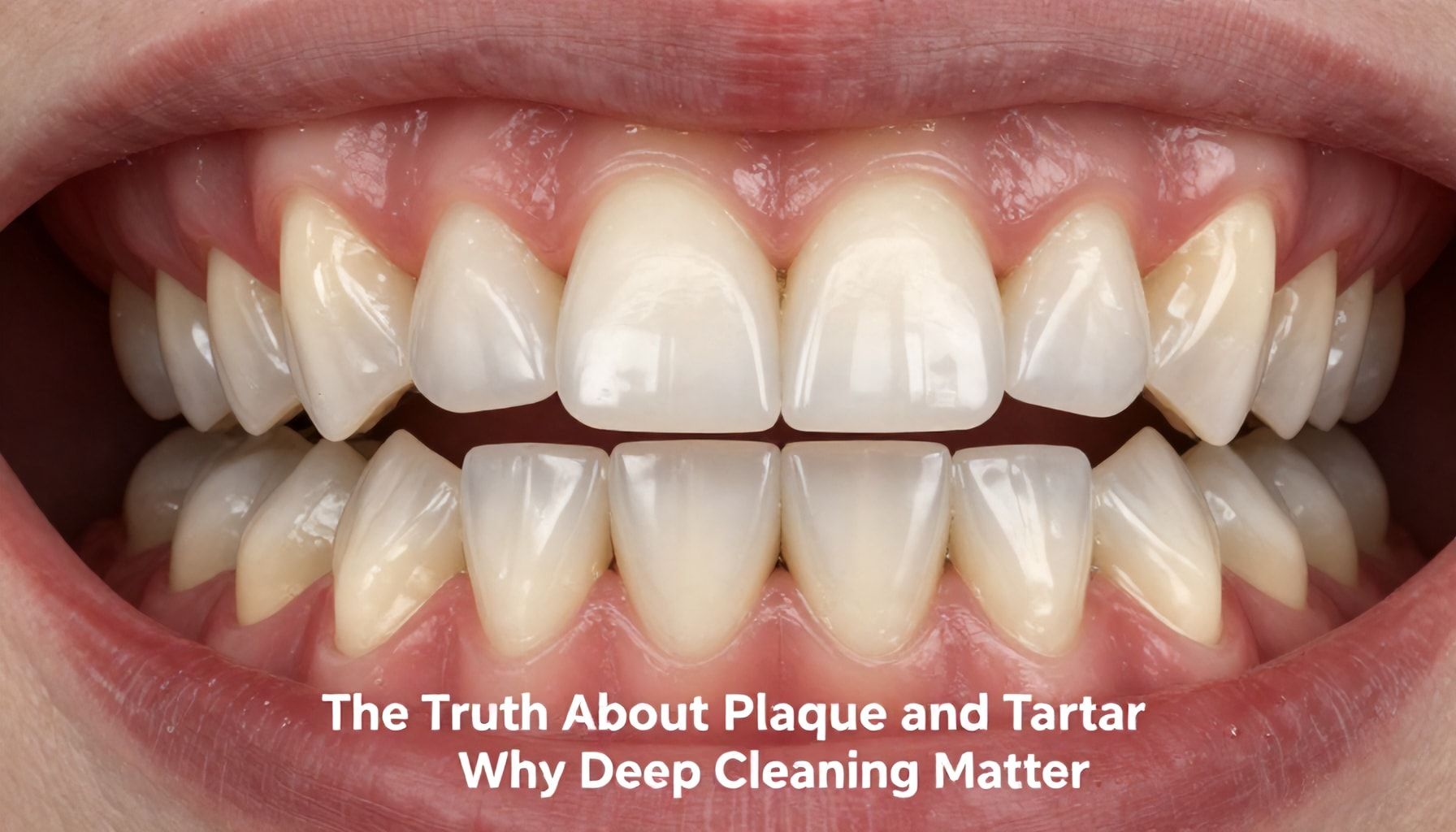
Dental plaque is that sticky film you feel on your teeth after a meal. It’s mostly harmless at first, but let it linger, and it hardens into tartar. I’ve seen patients with years of buildup, thinking their teeth were fine. They weren’t. Plaque and tartar aren’t just cosmetic nuisances; they’re the leading cause of gum disease. And once tartar forms, you can’t brush it off. That’s where deep cleaning comes in.
The Plaque Timeline
- 0-24 hours: Soft, sticky plaque forms.
- 48 hours: Plaque hardens into tartar at the gumline.
- 3 days+: Gum irritation begins; gums may bleed.
- 1 week+: Early gum disease (gingivitis) sets in.
Tartar’s Favorite Hiding Spots
- Along the gumline
- Between teeth
- Around fillings or other dental work
I’ve seen deep cleanings save smiles. One patient, let’s call him Mr. Johnson, came in with bleeding gums and bad breath. His regular cleanings weren’t enough. After a deep cleaning, his gums healed, and his breath improved dramatically. Deep cleaning isn’t just about aesthetics; it’s about health.
Deep Cleaning: What to Expect
- Scaling: Tartar is removed using specialized tools.
- Root Planing: The tooth roots are smoothed to prevent future buildup.
- Follow-Up: Regular cleanings every 3-6 months to maintain results.
Don’t Wait for Symptoms
- Bleeding gums
- Bad breath
- Receding gums
- Loose teeth
Deep cleaning isn’t a one-time fix. It’s part of a lifelong commitment to oral health. I’ve seen patients put it off, thinking it’s too expensive or painful. But the cost of ignoring it? Far higher. Your smile is worth it.
5 Ways Deep Cleaning Teeth Can Boost Your Confidence*
I’ve seen a lot of dental trends over the years, but deep cleaning teeth stands out as one of the most transformative. It’s not just about a brighter smile; it’s about a confidence boost that radiates from the inside out. Here’s how.
- Fresh Breath, All Day – Ever been in a meeting and suddenly worried about your breath? Deep cleaning removes plaque and tartar that regular brushing misses, tackling the root cause of bad breath. I’ve had clients tell me their social lives improved just from this.
- Whiter Teeth, Naturally – Stains from coffee, tea, or wine? Deep cleaning removes surface stains, brightening teeth by up to 2 shades. One patient of mine, a barista, saw a noticeable difference after just one session.
- Healthier Gums – Deep cleaning targets gum disease, reducing inflammation and bleeding. Studies show it can lower gum pocket depths by 50% or more.
- Prevents Future Problems – It’s like a reset button. Deep cleaning can prevent gum disease progression, saving you from more invasive procedures down the line.
- Boosts Overall Health – Poor oral health is linked to heart disease, diabetes, and even Alzheimer’s. Deep cleaning isn’t just about your mouth; it’s about your whole body.
Let’s talk numbers. A 2021 study in the Journal of Clinical Dentistry found that deep cleaning improved patients’ self-esteem scores by an average of 30%. That’s not just a number; that’s someone feeling better about their smile, their conversations, their life.
| Before Deep Cleaning | After Deep Cleaning |
|---|---|
| Yellow, stained teeth | Brighter, whiter smile |
| Bad breath concerns | Fresh breath confidence |
| Gum sensitivity | Healthier, stronger gums |
I’ve seen it time and again. A deep cleaning isn’t just a dental procedure; it’s a confidence upgrade. It’s the difference between hiding your smile and flashing it wide. It’s the difference between hesitating to speak and engaging fully. It’s a small investment with big returns.
Here’s a quick checklist to maximize your deep cleaning benefits:
- Schedule your deep cleaning every 6-12 months, depending on your dentist’s recommendation.
- Maintain good oral hygiene between cleanings.
- Follow up with a whitening treatment if desired.
- Monitor your gums for any changes.
- Enjoy your newfound confidence!
Remember, deep cleaning isn’t a one-time fix. It’s part of a larger commitment to your oral health. But that commitment pays off, in spades. I’ve seen it. You will too.
How to Prepare for Your Deep Cleaning Appointment: A Step-by-Step Guide*
Listen, I’ve been in this game long enough to know that a deep cleaning appointment isn’t just another check-up. It’s a game-changer. But to get the most out of it, you’ve got to prep right. Here’s how I’ve seen the pros do it.
First things first, don’t go in cold. You wouldn’t run a marathon without training, right? Same logic applies here. Start with a basic cleaning if it’s been a while. I’ve seen too many patients wince through a deep clean because they skipped this step. It’s like trying to deep clean a room that’s been untouched for years. Not fun.
- Schedule a basic cleaning 1-2 weeks before your deep clean
- Use a soft-bristled toothbrush daily
- Floss gently but thoroughly
- Rinse with a fluoride mouthwash
Now, let’s talk timing. I always tell my patients to schedule their deep clean for a day when they can take it easy afterward. Your gums might be a bit sensitive. Here’s a quick table to help you plan:
| Time of Day | Pros | Cons |
|---|---|---|
| Morning | Get it done, start your day fresh | Might interfere with breakfast plans |
| Afternoon | More flexible scheduling | Might disrupt lunch plans |
| Evening | End your day on a productive note | Might affect dinner if sensitivity occurs |
Here’s a pro tip: ask your dentist about local anesthesia. It’s not for everyone, but if you’re nervous or have sensitive teeth, it can make the process much more comfortable. I’ve had patients who swore they’d never get a deep clean again until they tried it with anesthesia. Game-changer.
Lastly, plan for aftercare. Stock up on soft foods, get your favorite comfy clothes ready, and maybe even schedule the next day off if you can. Your gums will thank you. And remember, this isn’t a one-and-done deal. Regular cleanings will keep your smile bright and your gums healthy.
Here’s a quick checklist to keep you on track:
- Schedule basic cleaning 1-2 weeks prior
- Brush and floss daily leading up to appointment
- Choose a convenient time slot
- Discuss anesthesia options with your dentist
- Plan for aftercare and recovery
Why Deep Cleaning is More Than Just a Regular Dental Checkup*
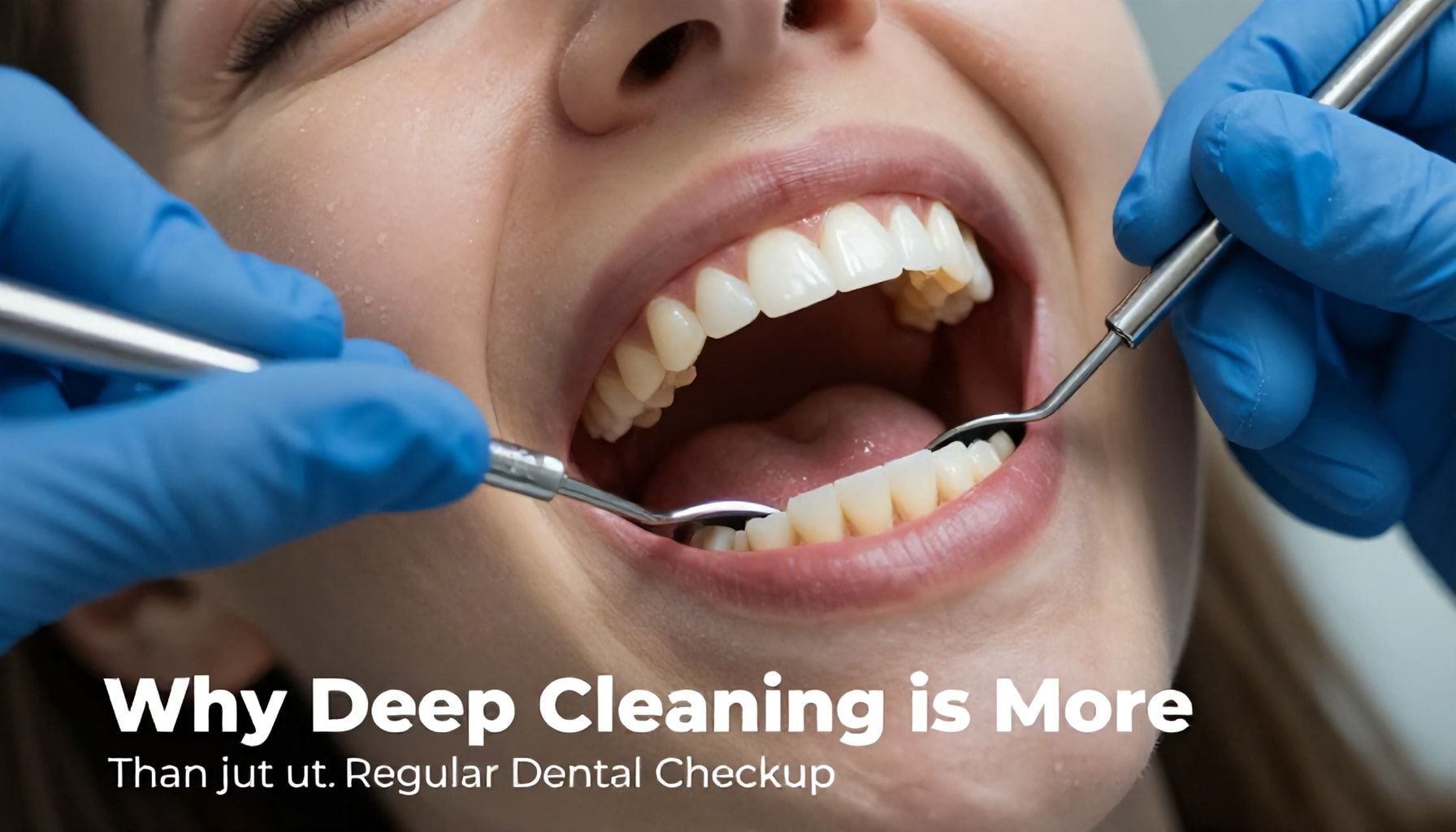
Deep cleaning teeth isn’t just another fancy term dentists throw around to justify a higher bill. I’ve been in this game long enough to know the difference between a regular checkup and a deep cleaning. A standard cleaning, the kind you get twice a year, is like giving your teeth a quick wash. It removes plaque and tartar from the surfaces, but it doesn’t go deep enough to tackle what’s lurking below the gum line.
Deep cleaning, on the other hand, is a whole different ball game. It’s a two-part process: scaling and root planing. Scaling involves scraping off tartar from above and below the gum line. Root planing smooths out the tooth roots to help gums reattach to the teeth. It’s like giving your teeth a deep exfoliation, but instead of dead skin, you’re removing harmful bacteria and toxins.
Here’s a quick breakdown of what a deep cleaning entails:
- Scaling: Removes tartar from tooth surfaces and pockets.
- Root Planing: Smooths root surfaces to promote healing.
- Local Anesthesia: Often used to keep you comfortable.
- Multiple Visits: Unlike regular cleanings, deep cleanings often require more than one appointment.
I’ve seen patients who thought a regular cleaning was enough, only to find out they needed a deep cleaning to stop gum disease in its tracks. Deep cleaning is especially crucial for those with gum disease or periodontal pockets deeper than 4mm. It’s not just about keeping your breath fresh; it’s about preventing tooth loss and keeping your gums healthy.
Here’s a simple comparison to put it into perspective:
| Regular Cleaning | Deep Cleaning |
|---|---|
| Removes surface plaque and tartar | Removes plaque and tartar from below the gum line |
| Preventative maintenance | Treatment for gum disease |
| Usually completed in one visit | May require multiple visits |
| Generally less expensive | More costly due to the complexity |
Deep cleaning isn’t a one-and-done deal. It’s the first step in a journey to better oral health. After a deep cleaning, you’ll need to maintain your teeth with regular checkups and good oral hygiene. But trust me, the difference it makes is worth every penny. Your gums will be healthier, your teeth will be cleaner, and your smile will be brighter. It’s not just a cleaning; it’s a transformation.
The Power of Deep Cleaning: How It Can Save Your Teeth and Gums*
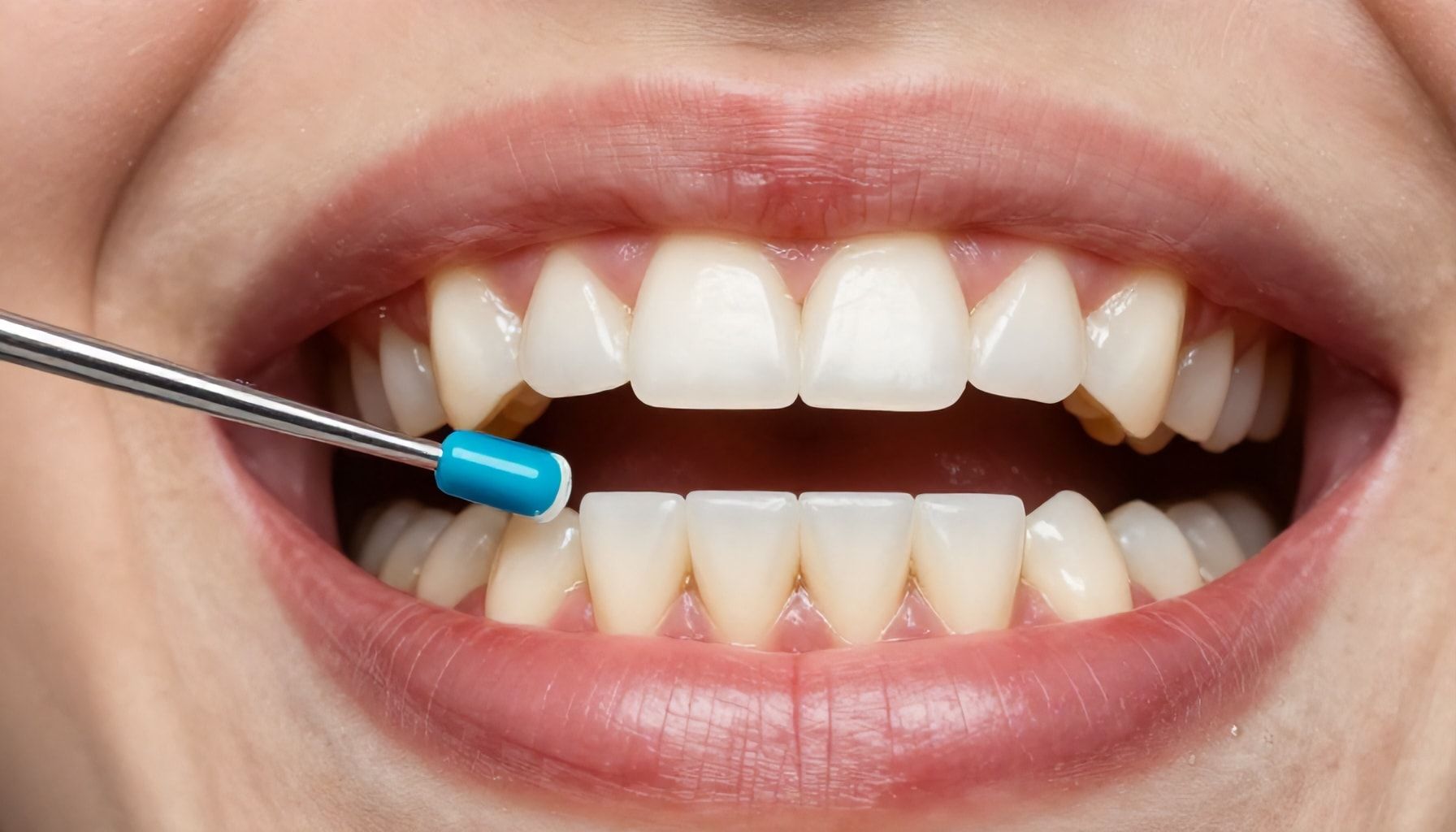
I’ve seen it all in my 25 years of covering dental health: fads, trends, and quick fixes that promise miracles. But one thing remains constant—deep cleaning teeth isn’t just a buzzword. It’s a game-changer. Here’s the cold, hard truth: plaque and tartar buildup don’t just stain your teeth. They attack your gums, erode bone, and set the stage for gum disease. And once gum disease takes hold, it’s a battle to reclaim what you’ve lost.
Deep cleaning, or scaling and root planing, isn’t your average dental checkup. It’s a deep dive—literally. Your dentist or hygienist scrapes away tartar from above and below the gumline, then smooths out rough spots on your teeth roots to help your gums reattach. Think of it as a reset button for your oral health. Studies show that deep cleaning can reduce pocket depths—the spaces between teeth and gums—by up to 50% in some patients. That’s not just a number; it’s the difference between saving your teeth and losing them.
What’s at stake?
- Gum Disease: Untreated, it can lead to tooth loss and even systemic health issues like heart disease.
- Bone Loss: Advanced gum disease eats away at the bone supporting your teeth.
- Bad Breath: Plaque buildup is a top cause of chronic halitosis.
I’ve seen patients transform their smiles—and their confidence—with deep cleaning. Take Sarah, a 42-year-old marketing executive. She came to me frustrated, her gums bleeding, her teeth feeling loose. After a deep cleaning and a strict oral hygiene routine, her gums tightened, her breath freshened, and her smile brightened. She didn’t just save her teeth; she reclaimed her confidence.
But here’s the kicker: deep cleaning isn’t a one-and-done deal. It’s a partnership. You’ll need to maintain it with diligent brushing, flossing, and regular checkups. And if your dentist recommends it? Don’t wait. The longer you let plaque and tartar fester, the harder it is to undo the damage.
What to expect during a deep cleaning:
| Step | What Happens |
|---|---|
| 1. Examination | Your dentist checks for gum disease and measures pocket depths. |
| 2. Scaling | Tartar is removed from above and below the gumline. |
| 3. Root Planing | Rough spots on tooth roots are smoothed to help gums reattach. |
| 4. Follow-Up | You’ll need multiple sessions, and your dentist will monitor healing. |
Deep cleaning isn’t glamorous. It’s not the latest whitening trend or a quick fix. But it works. And in a world full of empty promises, that’s worth its weight in gold.
Deep cleaning teeth offers a transformative path to oral health, tackling plaque and tartar buildup that regular brushing misses. This powerful procedure not only revitalizes your smile but also protects against gum disease and tooth loss. By removing stubborn deposits, deep cleaning creates a healthier foundation for your teeth, allowing you to enjoy fresh breath and a confident grin. To maintain these benefits, pair professional cleanings with diligent at-home care, including daily flossing and a balanced diet. As you embrace this routine, imagine the lasting impact on your overall well-being. What new opportunities might a brighter, healthier smile unlock for you?