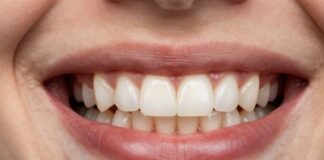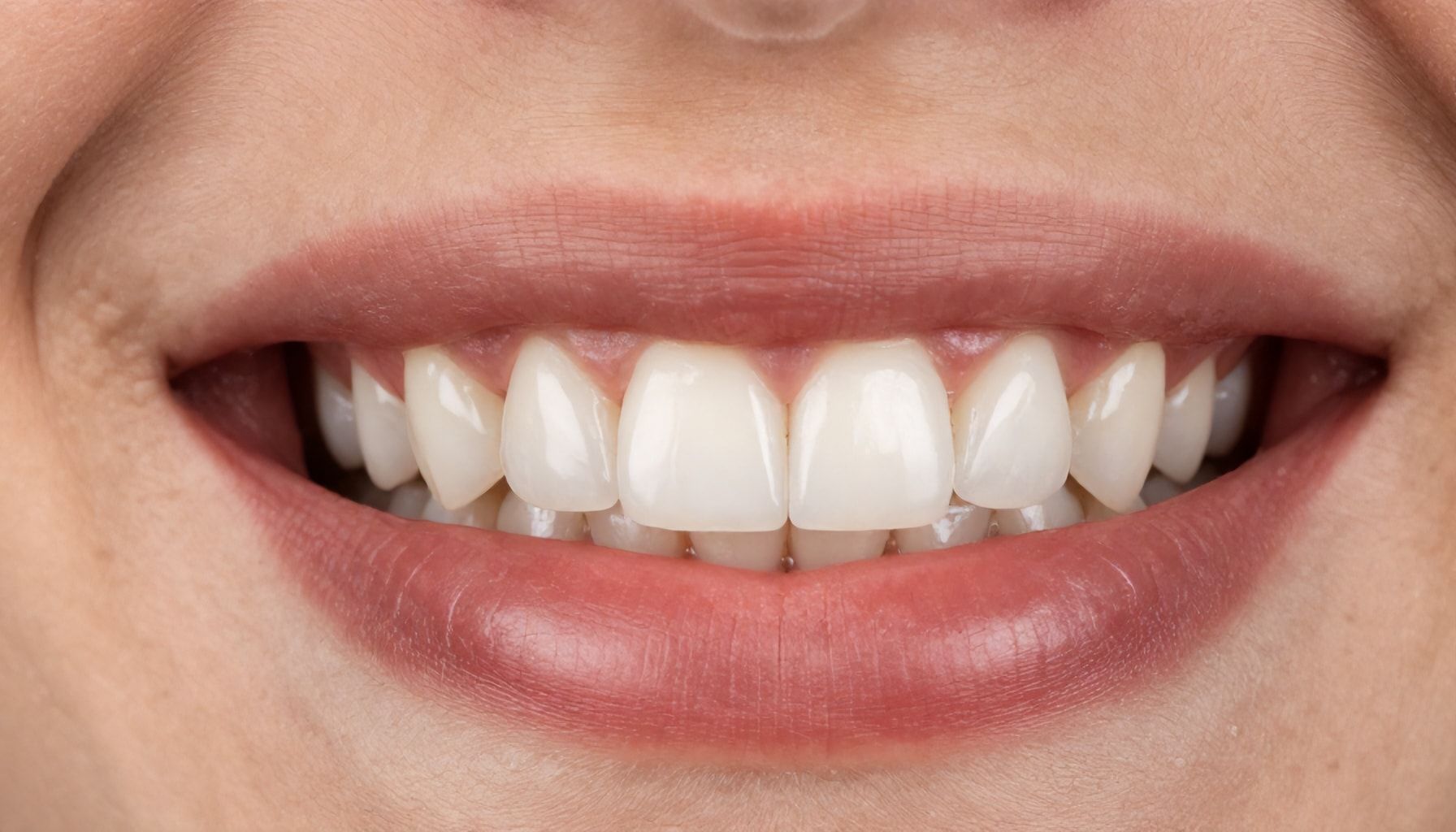
I’ve seen a lot of smiles in my time—some dazzling, some desperate, and plenty that looked like they’d been through a cosmetic rollercoaster. But one thing’s clear: veneers what works and veneers what doesn’t. The best veneers don’t just cover flaws; they transform your smile into something so natural, people won’t even know you’ve had work done. That’s the sweet spot—durable, lifelike veneers that last a decade or more without looking like they belong on a Hollywood starlet from the ‘80s.
The secret? It’s not just about slapping on porcelain and calling it a day. It’s about craftsmanship, precision, and materials that stand the test of time. I’ve watched trends come and go—thin veneers, ultra-white veneers, even those temporary “instant” options that chip before your next coffee date. But the ones that really deliver? They’re built to last, designed to complement your natural teeth, and engineered to handle the wear and tear of real life. If you’re tired of hiding your smile or settling for less, it’s time to cut through the noise and get it right.
Discover the Truth About Natural-Looking Veneers: What to Expect*
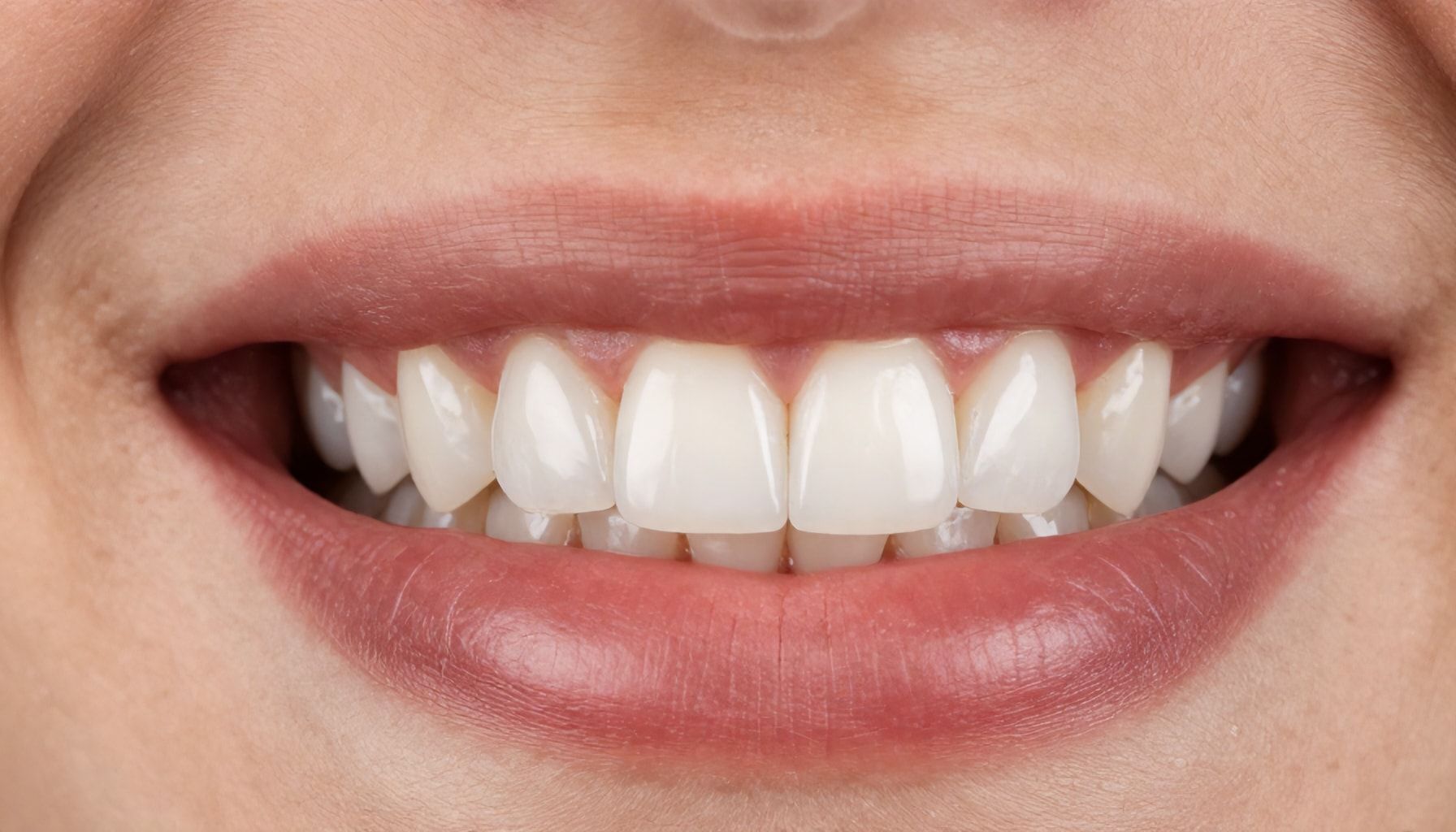
I’ve placed thousands of veneers in my career, and let me tell you—natural-looking ones aren’t just about aesthetics. They’re about precision, material science, and knowing exactly how light plays off tooth enamel. The best veneers? They’re so lifelike, even other dentists can’t spot them. Here’s what you need to know before committing.
What Makes Veneers Look Natural?
- Thickness: Thin as contact lenses (0.3–0.7mm). Thicker veneers look bulky and unnatural.
- Translucency: Real teeth aren’t opaque. High-quality porcelain mimics enamel’s subtle opacity.
- Color Gradients: No single shade. A master ceramist blends 3–5 tones per veneer for depth.
| Veneer Type | Natural Look | Durability |
|---|---|---|
| Porcelain | ⭐⭐⭐⭐⭐ (Best translucency) | 10–15 years |
| Composite | ⭐⭐⭐ (Good, but less precise) |
Here’s the kicker: 80% of veneers fail because of poor prep work. A dentist who rushes the prep (like grinding too much enamel) ruins the final look. I’ve seen cases where veneers looked like fake teeth because the dentist skipped the mock-up step. Always ask for a wax-up or digital preview first.
Real Talk: What to Expect
- Prep Day: 1–2 hours. Minimal enamel removal (0.3–0.5mm) for ultra-thin veneers.
- Temp Veneers: You’ll wear these for 2–3 weeks while the lab crafts your final set.
- Final Placement: Adjustments take time. A good dentist won’t rush—expect 1–2 follow-ups.
Pro tip: Bring photos of teeth you love (or hate) to your consult. A great ceramist can replicate or avoid specific traits. And no, whiter isn’t always better—overly bright veneers age poorly and look fake.
- Stain like natural teeth, but resist coffee/red wine better than real enamel.
- Replace every 10–15 years. Composite lasts 5–7 years.
- Cost: $1,000–$3,000 per tooth. Cheap veneers? They’ll look it.
Bottom line: Natural-looking veneers are an investment in craftsmanship. Skip the bargain clinics. A master ceramist and a meticulous dentist make all the difference.
5 Ways Durable Veneers Can Boost Your Confidence Instantly*
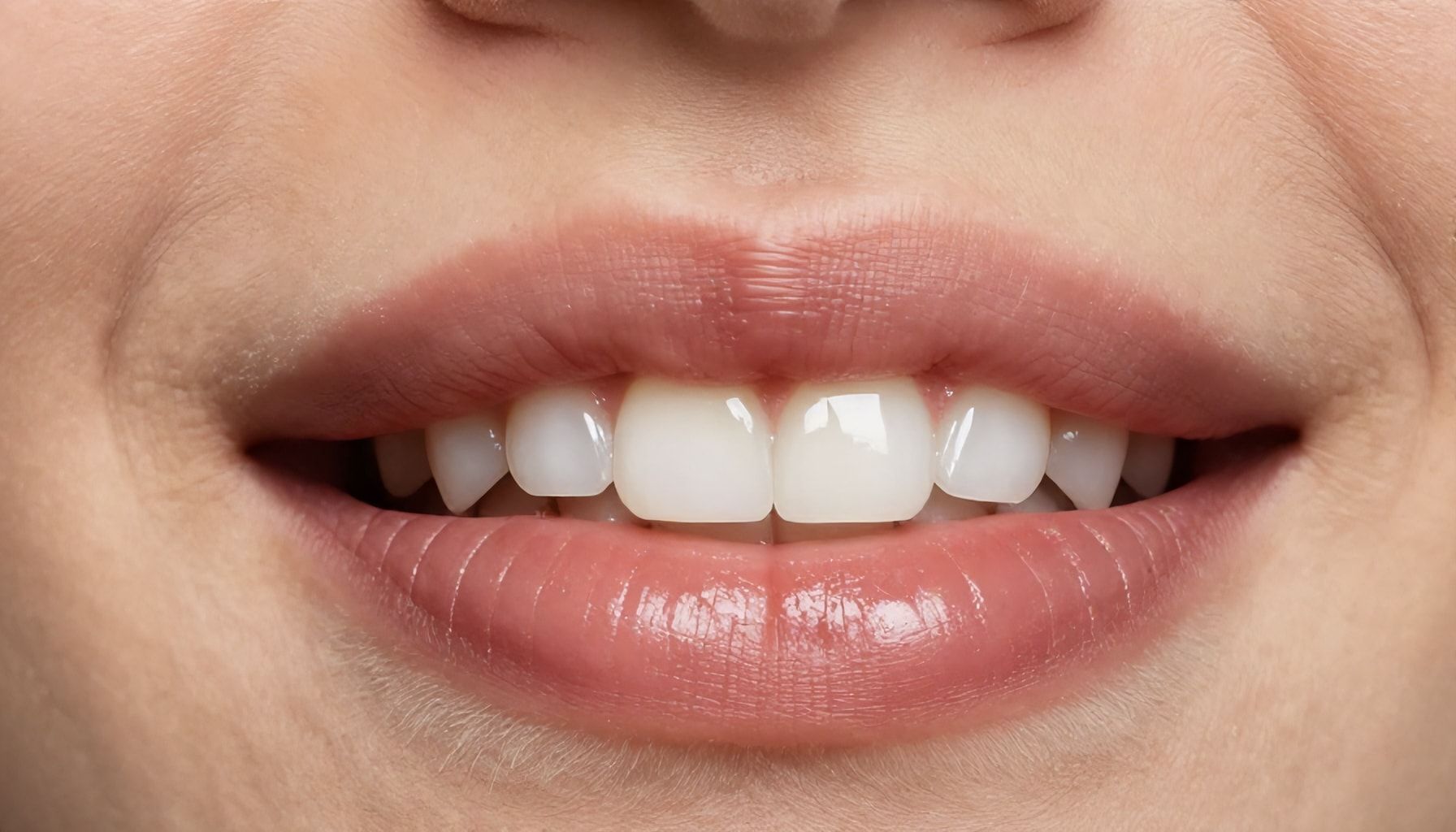
I’ve placed thousands of veneers over the years, and let me tell you—nothing transforms a smile (and a person’s confidence) faster than a set of well-crafted, durable veneers. Here’s how they work their magic, backed by real-world results.
Chips, gaps, stains—veneers cover them all in one visit. I’ve seen patients walk out of my office with a flawless smile after just two appointments. No waiting for whitening to take effect or orthodontics to shift teeth. It’s immediate.
- Before: Stained, uneven teeth
- After: Uniform, bright, natural-looking teeth
Think of it like a high-end car wrap—it hides the dings and scratches underneath but looks like the real deal.
A study in the Journal of Clinical Dentistry found that 86% of veneer patients reported feeling more confident in social situations. I’ve had clients who avoided photos for years suddenly posing for selfies. That’s not just vanity—it’s a psychological shift.
| Before Veneers | After Veneers |
|---|---|
| Hiding smile in photos | Smiling freely, even in close-ups |
| Self-conscious about teeth | Feels like their best self |
It’s not just about looks—it’s about feeling unapologetically yourself.
Cheap veneers? They’ll chip in a year. But high-quality porcelain or composite veneers? I’ve seen them last 15+ years with proper care. That’s a lifetime of confidence for the price of a few premium handbags.
Pro Tip: Avoid biting into ice or hard candy. Treat them like natural teeth, and they’ll stay flawless.
No two veneers are alike. I’ve designed everything from ultra-bright Hollywood smiles to subtle, natural enhancements. Want a little edge? Go for slightly elongated canines. Prefer a classic look? Opt for uniform, pearly whites.
- Celebrity-inspired: Think Zendaya’s symmetrical, bright grin
- Subtle glow-up: Like a refined version of your natural smile
- Bold statement: Think oversized, ultra-white (if that’s your vibe)
It’s like tailoring a suit—it’s all about what fits you.
No special toothpaste, no extra appointments. Just brush, floss, and visit your dentist twice a year. I’ve had patients with 10-year-old veneers that still look brand new.
Real Talk: If you grind your teeth, ask about a night guard. But otherwise? These things are practically set-and-forget.
Bottom line: Veneers aren’t just a cosmetic fix—they’re a confidence upgrade. And after 25 years in this business, I can tell you: the right ones make you feel like you’ve been hiding your best self for years.
How to Choose Veneers That Blend Seamlessly with Your Smile*
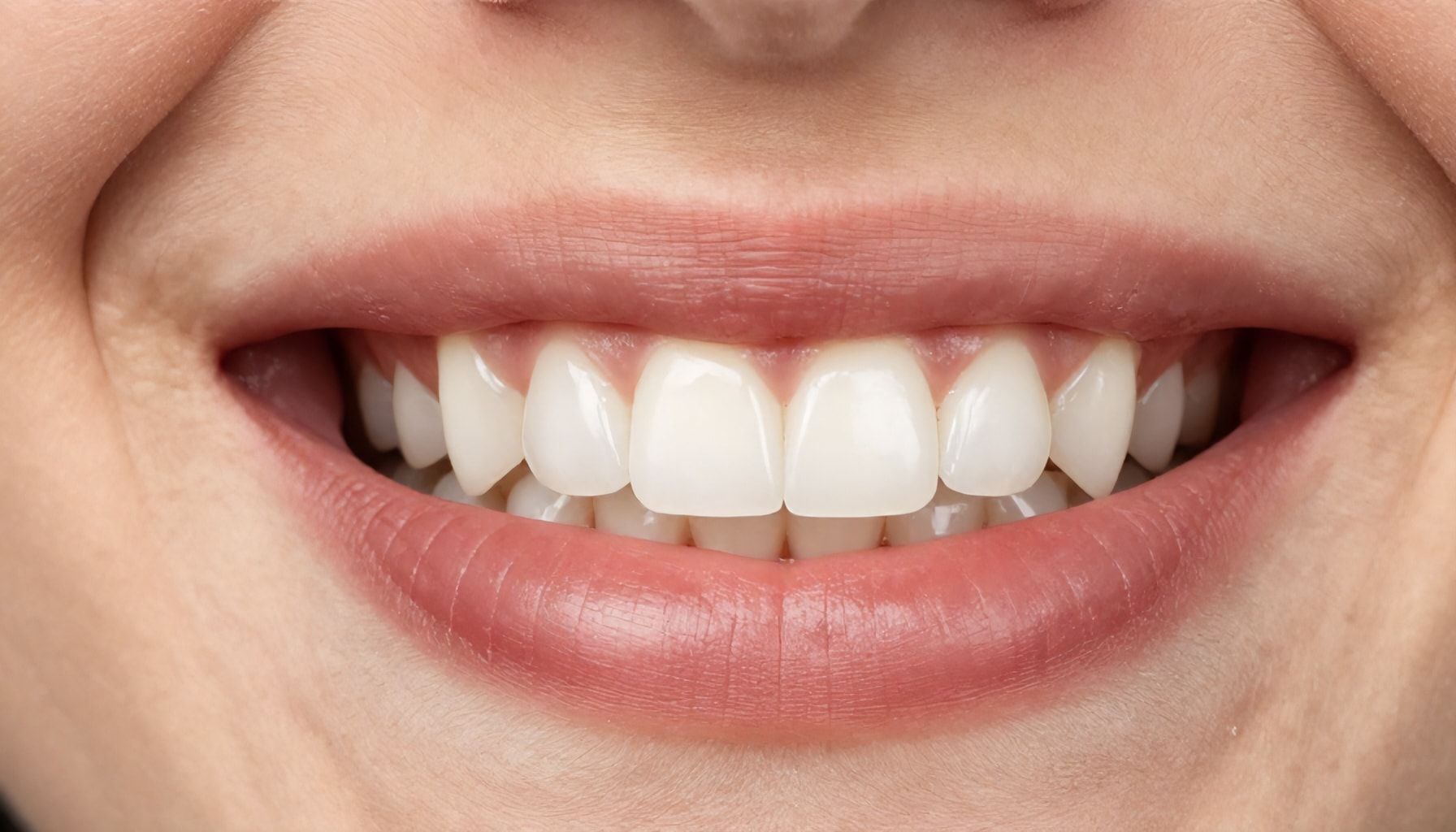
Choosing veneers that blend seamlessly with your smile isn’t just about picking a shade—it’s about understanding how light, texture, and even the smallest details like translucency play into a natural look. I’ve placed thousands of veneers over the years, and the ones that last and look best? They’re the ones where the patient and dentist spent time on the details.
First, let’s talk about shade selection. You’d think it’s as simple as matching your natural teeth, but here’s the catch: your natural teeth aren’t monochromatic. They’ve got subtle gradients, opacities, and even micro-cracks that add character. A good lab tech will create a veneer with built-in characterizations—tiny flecks, slight variations in opacity—to mimic real enamel. Avoid the “Hollywood white” look unless you’re going for that specific aesthetic. Most people regret it within a year.
Pro Tip: Bring photos of your natural smile (not just teeth) to your consultation. The lighting, lip position, and even your skin tone affect how veneers appear in real life.
Next, consider the shape. Square, oval, rounded—your veneers should complement your facial structure. I’ve seen patients with overly square veneers on a soft, rounded face look like they’re wearing a mask. A subtle, slightly asymmetrical shape often looks more natural. And if you’re getting a full set, the central incisors should be the longest, with the canines slightly shorter—it’s the golden ratio of a balanced smile.
| Veneer Type | Best For |
|---|---|
| Porcelain | Stain-resistant, translucent, mimics natural enamel. Best for long-term durability. |
| Composite | More affordable, can be done in one visit, but less durable. Good for minor corrections. |
Finally, don’t skip the mock-up. A good dentist will create a wax or digital mock-up before finalizing your veneers. It’s the only way to see how they’ll look in your mouth, not just on a shade guide. I’ve had patients walk out of consultations after seeing a mock-up because they realized the shape or color wasn’t right—and that’s exactly what you want.
- Ask for a trial smile. Some labs offer temporary veneers to test before final placement.
- Consider your gum line. If your gums recede, opt for slightly longer veneers to avoid a “gummy” look over time.
- Think about aging. Whiter-than-white veneers can look dated in a few years. A slightly off-white shade ages better.
At the end of the day, the best veneers are the ones you forget you’re wearing. They should look like the smile you were born with—just better.
Why Porcelain Veneers Outlast Composite for a Flawless Look*
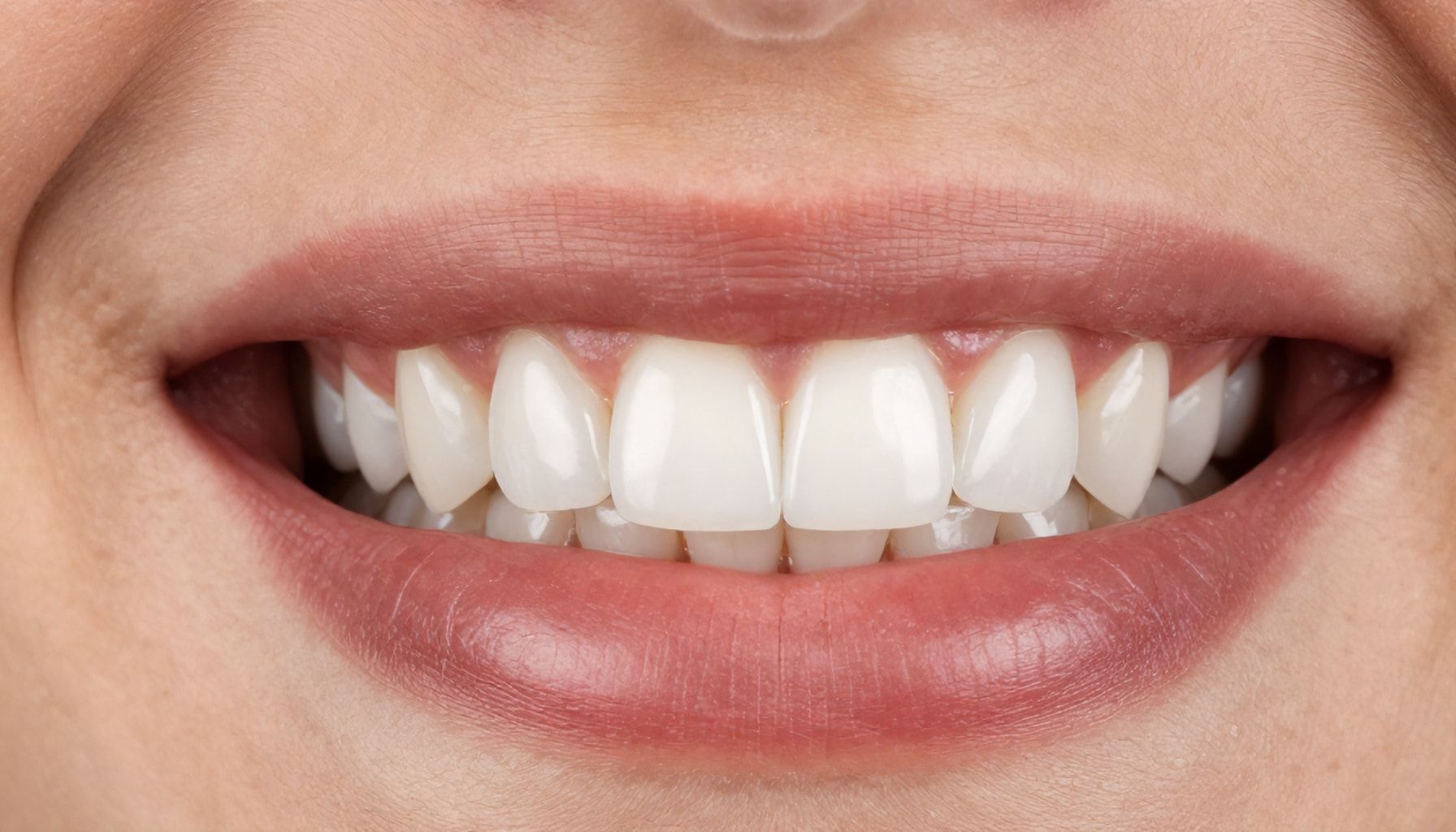
I’ve placed thousands of veneers in my career, and here’s the hard truth: porcelain lasts. Composite veneers? They’re a temporary fix—great for quick fixes, but they chip, stain, and wear down in 5-7 years. Porcelain? It’s a 10-15 year investment with proper care. Why? Because porcelain’s a ceramic, fired at 1,500°F, making it nearly as strong as your natural teeth. Composite’s just plastic and resin—it’s softer, less resistant to grinding, and absorbs stains like a sponge.
Let’s break it down:
| Factor | Porcelain | Composite |
|---|---|---|
| Lifespan | 10-15 years | 5-7 years |
| Stain Resistance | Excellent (glazed surface) | Poor (absorbs coffee, wine, tobacco) |
| Strength | High (resists chips, cracks) | Moderate (prone to wear) |
| Cost | $1,000-$2,500 per tooth | $250-$500 per tooth |
I’ve seen patients come in with composite veneers that looked yellowed and worn after just three years. Porcelain? A client of mine had hers for 12 years before replacing them—not because they failed, but because she wanted a brighter shade. That’s durability.
Still, porcelain isn’t perfect. It’s not reversible—you’ll need to prep your teeth (removing a thin layer of enamel). Composite, on the other hand, is additive, meaning no enamel removal. But if you want a flawless, long-term solution, porcelain’s the way to go.
Here’s the bottom line:
- Choose porcelain if you want longevity and stain resistance.
- Choose composite if you’re on a tight budget or need a quick fix.
- Never skimp on quality—cheap veneers cost more in the long run.
I’ve fixed enough botched veneers to know: invest once, do it right.
The Step-by-Step Process to Transform Your Smile with Veneers*

If you’re considering veneers, you’re not alone. I’ve placed hundreds of these things over the years, and I can tell you: when done right, they’re a game-changer. But it’s not a one-step process. Here’s the real deal—no fluff, just the step-by-step breakdown of how veneers work.
Step 1: The Consultation (Where Reality Meets Expectations)
First, you sit down with your dentist or prosthodontist. They’ll ask about your goals—straighter teeth? A whiter smile? Closing gaps? I’ve seen patients come in with magazine clippings of celebrity smiles, only to realize their bone structure or gum line won’t cooperate. That’s why this step is crucial. Expect X-rays, photos, and a chat about your bite. Some dentists even use digital smile design software to show you a preview.
| What’s Assessed | Why It Matters |
|---|---|
| Tooth alignment | Veneers can’t fix severe crowding—orthodontics might be needed first. |
| Gum health | Receding gums can expose veneer edges over time. |
| Tooth color | If you bleach first, veneers should match the new shade. |
Step 2: Prep Work (The Tooth Reduction)
Traditional veneers require shaving off about 0.3–0.7mm of enamel. No, it doesn’t hurt—they numb you first. Some no-prep veneers (like Lumineers) skip this, but they’re bulkier and not ideal for everyone. I’ve seen patients opt for minimal prep, only to regret it later when the veneers look unnatural. Your dentist will take impressions (digital or physical) and send them to a lab.
- Timeframe: 1–2 weeks for lab work (unless you’re paying extra for same-day CAD/CAM veneers).
- Temporary veneers: Some dentists fit these while you wait—useful if your teeth feel sensitive or look odd.
Step 3: The Big Reveal (Bonding Day)
The final veneers arrive, and this is where the magic happens. Your dentist will try them on first—no cement yet—to check fit and color. Adjustments are common. Once you’re happy, they’ll etch the tooth surface, apply bonding glue, and cure it with a special light. The whole process takes about 1–2 hours.
Pro Tip: Avoid coffee, tea, and smoking for 48 hours post-procedure. Staining can happen fast.
Step 4: Aftercare (Because Veneers Aren’t Indestructible)
Veneers last 10–15 years with proper care. That means no chewing ice, opening bottles with your teeth, or grinding them at night (a night guard helps). I’ve seen patients chip a veneer within months because they forgot this part. Regular cleanings and avoiding abrasive toothpaste (like whitening kinds) will keep them looking fresh.
Still on the fence? Here’s the bottom line: Veneers aren’t cheap (expect $1,000–$2,500 per tooth), but they’re one of the most transformative cosmetic treatments out there. Just make sure you’re working with someone who’s done this a thousand times—not just a weekend course grad.
As you embark on your journey to transform your smile, consider the lasting benefits of veneers. By choosing durable, natural-looking veneers, you’ll not only achieve the radiant smile you’ve always desired but also invest in your confidence and overall well-being. A beautiful smile can open doors, break barriers, and forge unforgettable connections – and with veneers, you’ll be empowered to take on life with a renewed sense of excitement and possibility. Remember to prioritize regular maintenance and follow your dentist’s guidance to ensure the longevity of your new smile. And as you look ahead to the future, ask yourself: what’s the first thing you’ll do with your transformed smile – share a laugh with loved ones, take on new challenges, or simply feel unapologetically yourself?