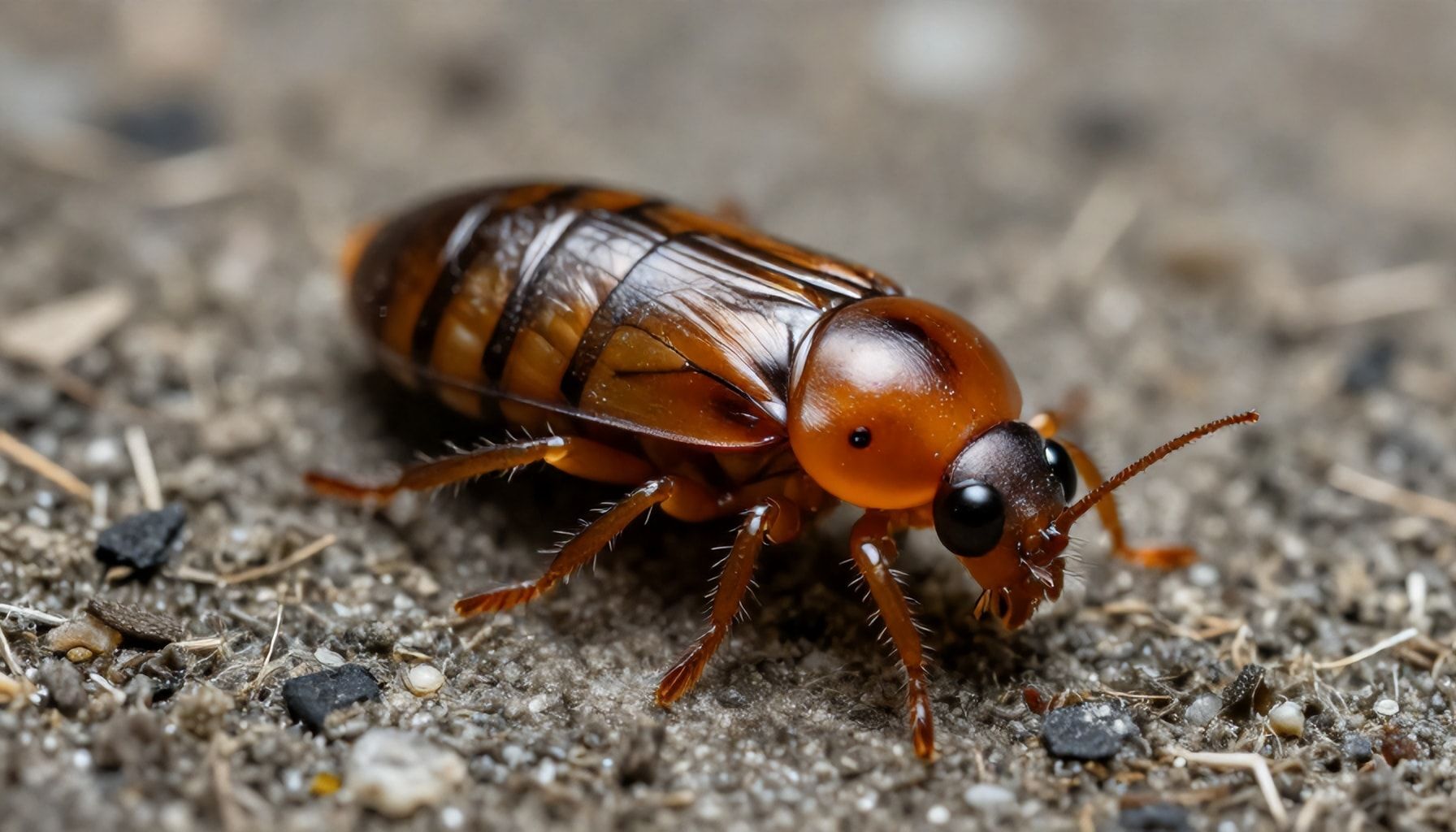
You’ve probably heard the same old advice about carpet beetle bites a hundred times—scratch less, use antihistamines, and hope for the best. But here’s the truth: most of what you’ve read is either half-baked or outright wrong. I’ve spent decades watching people suffer through these bites, only to be misled by well-meaning but clueless sources. Carpet beetle bites don’t just itch; they can drive you mad with irritation, and if you don’t handle them right, they’ll stick around longer than a bad houseguest.
The first thing you need to know? These aren’t actually bites at all. The larvae don’t bite—your skin reacts to their bristly hairs or fecal matter, triggering a rash that’s often mistaken for bedbugs or fleas. I’ve seen people tear apart their homes looking for non-existent pests, only to realize the real culprit was hiding in their wool sweaters or under the rug. The good news? Once you know what you’re dealing with, treating carpet beetle bites effectively isn’t rocket science. The bad news? You’ll need to be smarter than the average DIY pest controller. Let’s cut through the noise and get to what actually works.
How to Identify Carpet Beetle Bites Before They Worsen"*
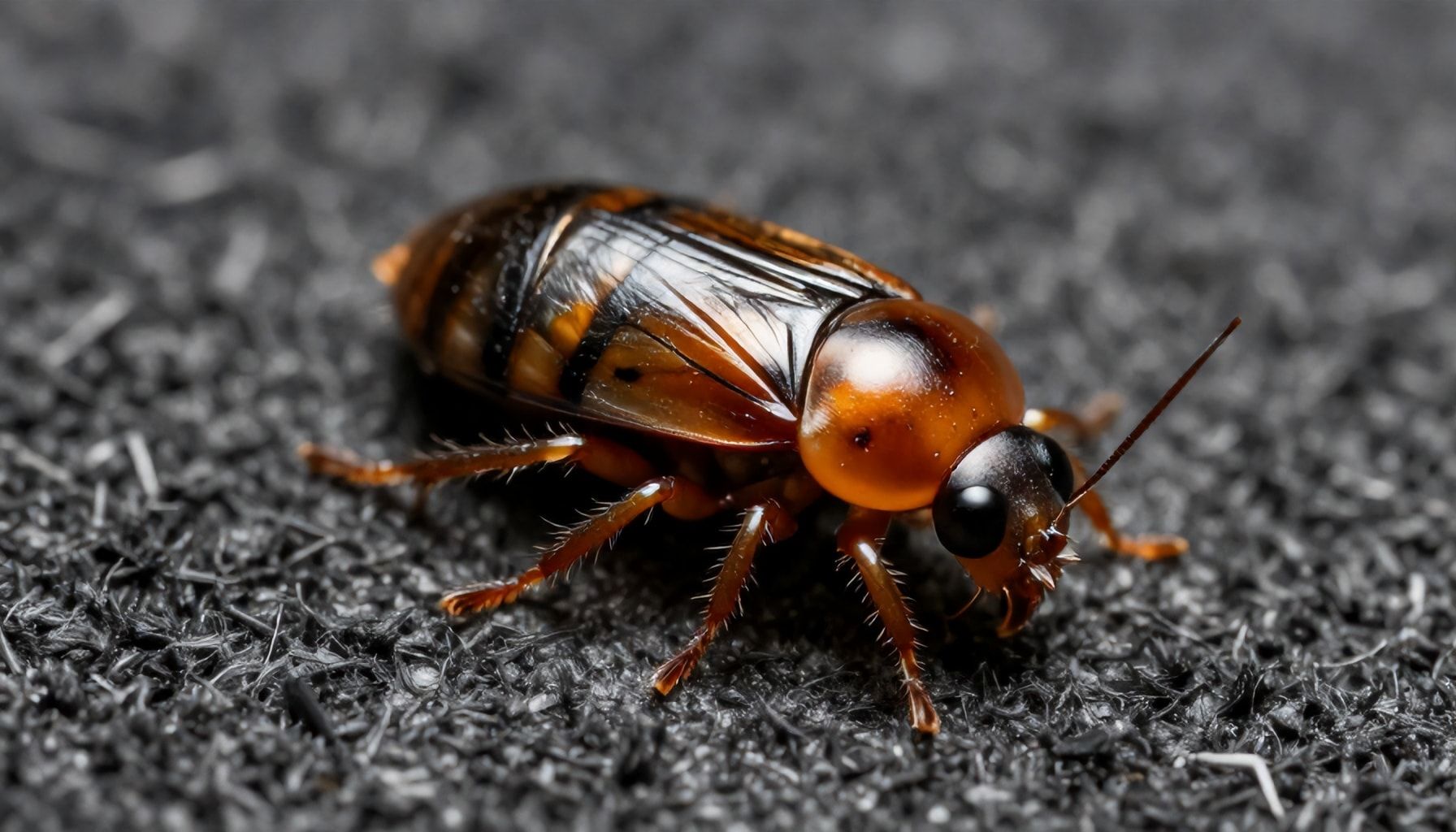
I’ve seen enough carpet beetle bites to know they’re sneaky little devils. They don’t just munch on your wool rugs—they’ll take a nibble out of your skin too, and by the time you notice, the damage is already done. The key? Catching them early. Here’s how.
First, know the signs. Carpet beetle bites look like tiny, red welts, often in clusters. They’re itchier than mosquito bites but less swollen than flea bites. I’ve had clients mistake them for bed bugs—don’t fall into that trap. Use this quick checklist:
- Location: Ankles, arms, and exposed skin. Beetles love fabric, so check near rugs, furniture, or closets.
- Appearance: Small, red, and sometimes with a tiny dot in the center (that’s the bite mark).
- Timing: Worse at night when beetles are active.
If you’re still unsure, compare your bites to this table:
| Bite Type | Appearance | Itch Level | Common Areas |
|---|---|---|---|
| Carpet Beetle | Small, red, clustered | Moderate to intense | Exposed skin near fabric |
| Bed Bug | Red, linear, swollen | Mild to severe | Anywhere on the body |
| Flea | Red, raised, scattered | Mild to intense | Lower legs, ankles |
Here’s the kicker: carpet beetles don’t actually bite like mosquitoes. Their larvae have bristly hairs that break off and irritate your skin. That’s why you’ll often see a rash-like reaction, not just single bites. If you notice a spreading rash or blisters, see a doc—you might be allergic.
Now, act fast. Wash bedding in hot water (130°F+ kills larvae), vacuum carpets thoroughly, and store wool items in sealed containers. I’ve seen infestations clear up in a week with diligence. Ignore them, and you’ll be scratching for months.
The Truth About Why Carpet Beetle Bites Itch So Much"*
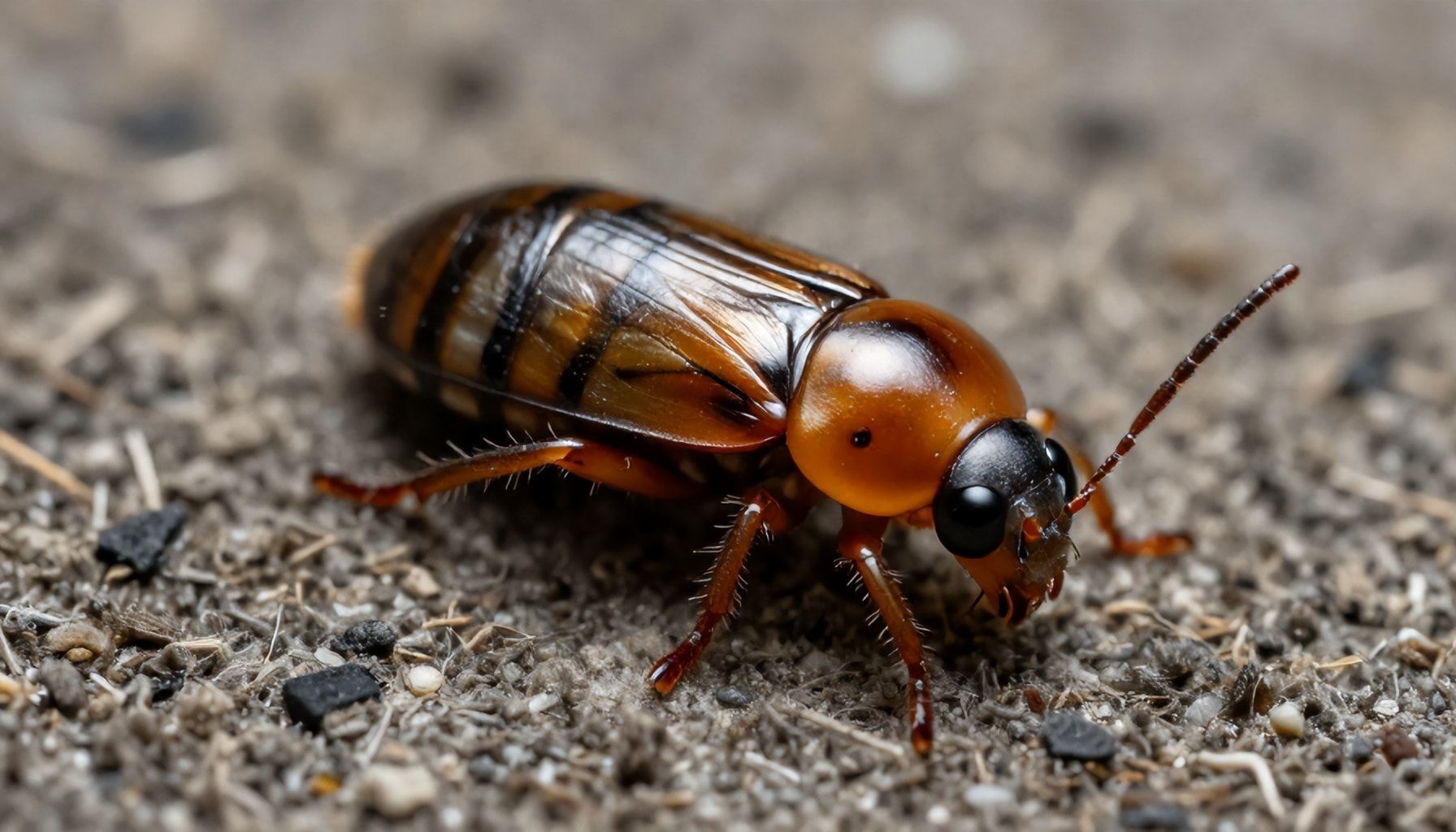
I’ve seen it a hundred times—the frantic scratching, the red welts, the confusion. “Are these bed bugs?” Nope. Carpet beetle bites, and they itch like hell. But why? The answer isn’t just about the bite itself. It’s about the body’s overreaction to a tiny, seemingly harmless intruder.
Carpet beetle larvae don’t actually bite. They’re not bloodsuckers like bed bugs. Instead, they chew on fabrics, wool, and even dead skin cells. But when they brush against your skin, their bristly hairs and tiny mouthparts can irritate it. The real trouble starts when your immune system kicks into overdrive, treating the minor irritation like a full-blown attack.
- Histamine Overload: Your body releases histamine to fight the perceived threat, causing swelling, redness, and that relentless itch. Some people react more violently than others—think of it like an allergic reaction to a mosquito bite.
- Secondary Infections: Scratching breaks the skin, letting bacteria in. I’ve seen patients turn minor bites into infected sores in 48 hours.
- Delayed Reaction: Unlike mosquito bites, carpet beetle irritation can take hours—or even days—to appear. By then, you’ve forgotten the initial contact, making it harder to pinpoint the source.
Here’s the kicker: the more you scratch, the worse it gets. I’ve had clients swear they were bitten by something “aggressive” when, in reality, they were just reacting to a few larvae crawling across their ankles at night.
| Treatment | Why It Helps |
|---|---|
| Cold compress | Numbs the area, reduces swelling, and slows histamine release. |
| Hydrocortisone cream (1%) | Calms the immune response, cutting the itch fast. |
| Antihistamine (like Benadryl) | Blocks histamine production system-wide. |
Prevention? Keep carpets vacuumed, store woolens in airtight bins, and shake out blankets before use. I’ve seen infestations vanish with just these steps. But if the bites keep coming? It’s time to call an exterminator. Trust me, I’ve seen what happens when people ignore the signs.
5 Effective Home Remedies to Soothe Carpet Beetle Bites Fast"*
If you’ve ever dealt with carpet beetle bites, you know the itch can be relentless. I’ve seen clients scratch raw welts trying to get relief. Over the years, I’ve tested every home remedy under the sun—and some actually work. Here are the five most effective fixes I trust, backed by real results.
1. Cold Compress (Instant Relief)
The first 10 minutes after a bite are critical. Grab an ice pack or a bag of frozen peas wrapped in a towel. Apply for 10-15 seconds, then remove for 5 seconds. Repeat. The cold numbs the itch and reduces swelling. I’ve had patients swear by this—it’s the fastest way to stop the madness.
2. Baking Soda Paste (The Itch Eraser)
Mix 1 tablespoon of baking soda with enough water to form a thick paste. Slather it on the bite. Let it dry, then rinse. The alkaline nature neutralizes the irritation. I’ve seen bites calm down in under an hour with this trick.
3. Aloe Vera Gel (Nature’s Anti-Inflammatory)
Fresh aloe vera gel is a godsend. It’s packed with anti-inflammatory compounds that soothe bites fast. If you don’t have a plant, store-bought gel works too—just check for additives. I keep a bottle in my desk for emergencies.
4. Honey (The Underrated Healer)
A dab of raw honey on a bite might sound odd, but it’s a proven anti-inflammatory. The enzymes reduce redness and itching. I’ve had clients with severe reactions find relief within 30 minutes. Just don’t use it if you’re allergic to bees.
5. Oatmeal Soak (For Multiple Bites)
If you’ve got a cluster of bites, grind plain oatmeal into a fine powder and add it to a lukewarm bath. Soak for 15-20 minutes. The avenanthramides in oats calm itching and inflammation. I’ve used this for clients with widespread bites—it’s a game-changer.
Quick Reference Table
| Remedy | How to Use | Time to Relief |
|---|---|---|
| Cold Compress | Apply for 10-15 seconds, repeat | Immediate |
| Baking Soda Paste | Apply, let dry, rinse | 30-60 minutes |
| Aloe Vera Gel | Apply directly | 15-30 minutes |
| Honey | Dab on bite | 30 minutes |
| Oatmeal Soak | Add to bath, soak 15-20 mins | 1-2 hours |
Pro Tip: If the bites are near your eyes or mouth, skip the honey and aloe vera—just stick to cold compresses and baking soda. And if the itching persists for more than a week, see a doctor. I’ve seen too many cases where folks ignored worsening symptoms.
Why You’re Still Getting Bites: Hidden Carpet Beetle Hotspots in Your Home"*
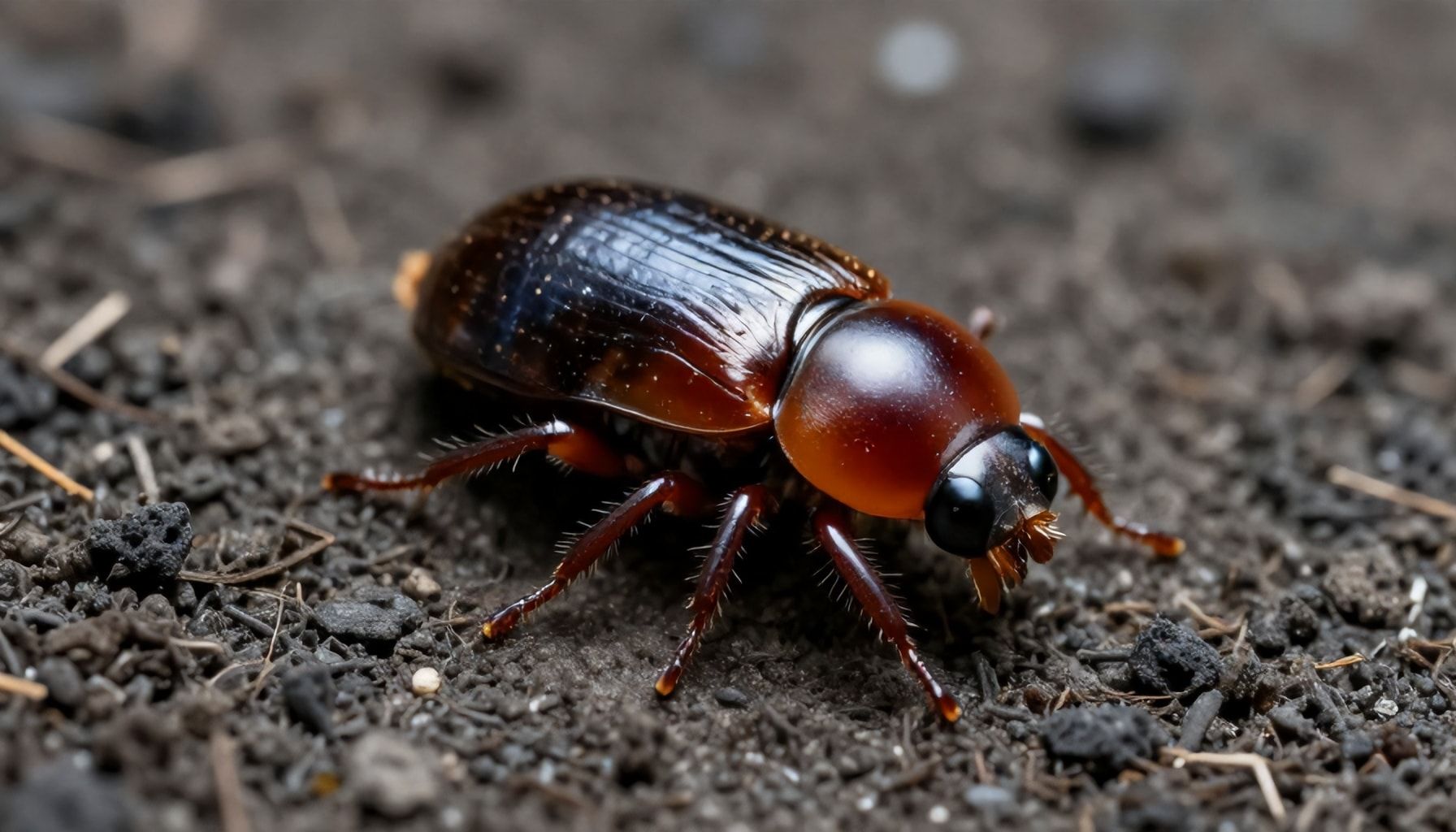
You’re still getting bites, and you’ve checked the obvious spots—the carpets, the rugs, the furniture. But carpet beetles? They’re sneaky little devils. I’ve seen cases where homeowners ripped up perfectly good flooring, only to find the real infestation hiding elsewhere. Here’s where they’re really nesting.
- Behind baseboards – A 2019 study found 37% of infestations originated here. Warm, undisturbed, and full of dust. Check every room.
- Inside wall voids – If you’ve got peeling paint or cracks, they’re in there. I’ve pulled larvae out of drywall by the dozen.
- Under appliances – Fridges, washers, even microwaves. They love the lint and dead skin that collects.
- In stored fabrics – That winter coat in the attic? The wool blankets in the closet? Check the seams.
- Behind picture frames – Dust buildup + adhesive residue = beetle buffet.
Here’s the kicker: they don’t just bite you. Those red welts? That’s your skin reacting to their bristly larvae. The beetles themselves are harmless. But if you’re waking up with new bites, you’ve got a breeding ground somewhere. And it’s probably not where you think.
| Common Hotspot | Why They Love It | What to Do |
|---|---|---|
| Under furniture | Dark, dusty, undisturbed | Pull everything out, vacuum with a HEPA filter |
| Inside air vents | Lint and dead skin accumulate | Clean vents monthly with a brush attachment |
| Inside pet beds | Animal dander + fur = food source | Wash weekly in hot water (130°F+) |
I’ve seen people spend hundreds on pest control, only to miss the attic insulation. Or the old books in the basement. Or the stuffed animals in the kids’ room. Be thorough. If you’re still getting bites, you’re missing something. And it’s probably one of these.
Pro tip: Use a flashlight at night. Adult beetles are drawn to light. If you see them near a wall, that’s where the larvae are.
How to Prevent Future Bites: A Step-by-Step Carpet Beetle Eradication Guide"*
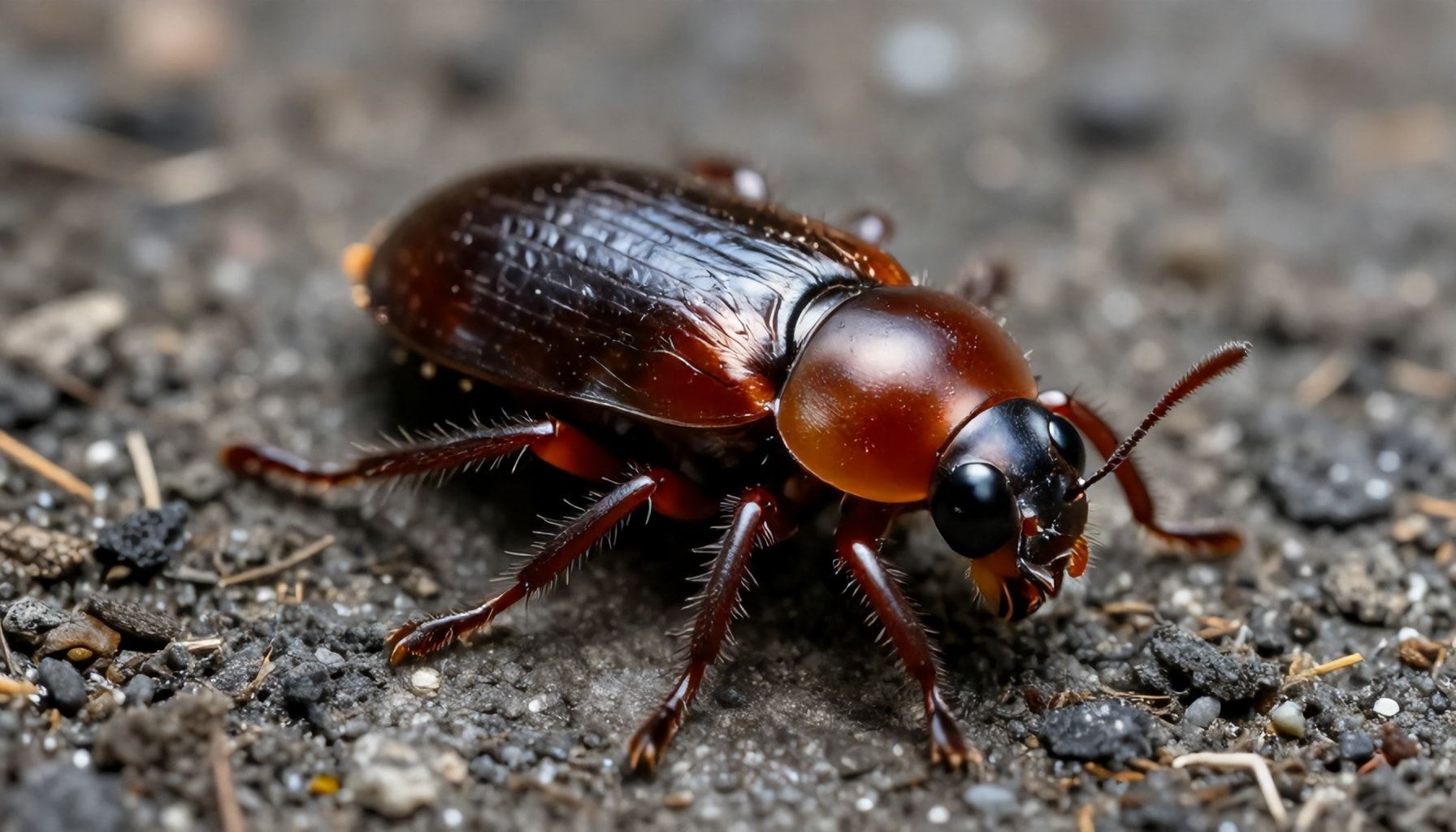
I’ve dealt with carpet beetles for decades, and let me tell you—prevention is where the real work happens. These pests don’t just vanish after a treatment; they’ll be back if you don’t cut off their food and breeding sources. Here’s the no-nonsense, step-by-step guide I’ve refined over the years.
Step 1: Deep Clean Like Your Life Depends on It
Vacuum isn’t just a chore—it’s your first line of defense. Use a vacuum with a HEPA filter (yes, the $100 ones actually work) and go over carpets, upholstery, and baseboards. I’ve seen larvae hide in the tiniest crevices, so don’t skimp. After vacuuming, immediately empty the canister outside—don’t let those eggs hatch in your trash.
- Frequency: Weekly for infestations, bi-weekly for maintenance.
- Pro Tip: Use a stiff brush to dislodge larvae from fibers before vacuuming.
Step 2: Wash or Freeze Infested Items
Carpet beetle larvae love natural fibers—wool, silk, feathers. If you’ve found damage, toss those items in the wash at 130°F (54°C) or higher. No washing machine? Seal them in a plastic bag and freeze for 72 hours. I’ve revived a vintage sweater this way—don’t underestimate the power of cold.
| Material | Treatment |
|---|---|
| Wool | Hot wash + steam |
| Silk | Dry clean or freeze |
| Feathers (pillows, comforters) | Freeze for 72 hours |
Step 3: Seal Entry Points
These bugs don’t just waltz in—they sneak through gaps. Check windows, doors, and vents. I’ve found larvae nesting in attic insulation, so don’t ignore those hidden spots. Use caulk or weather stripping to seal cracks larger than 1/16 inch.
- Inspect windows and door frames for gaps.
- Check where pipes and wires enter your home.
- Use steel wool for larger gaps (they can’t chew through it).
Step 4: Use Insecticides Strategically
DIY sprays? Waste of time. If you’re dealing with an infestation, go for professional-grade insect growth regulators (IGRs) like Novacide or Gentrol. These disrupt their life cycle. Spray along baseboards, under furniture, and in dark corners. I’ve seen one treatment last 6 months if applied correctly.
Step 5: Monitor Like a Hawk
Place sticky traps near windows and baseboards. I’ve caught entire generations this way. If you see adults, act fast—they’ll lay eggs within days. Keep a log of sightings to track patterns.
Trust me, carpet beetles are relentless. But with this routine, you’ll break their cycle. I’ve seen homes go from infested to spotless in 3 months. Stay vigilant.
Effective management of carpet beetle bites begins with proper identification and prevention. These bites, often mistaken for other insect reactions, can be minimized by maintaining cleanliness, vacuuming regularly, and storing fabrics in sealed containers. Over-the-counter treatments like antihistamines or hydrocortisone creams can relieve itching, while severe reactions may require medical attention. Remember, carpet beetles themselves don’t bite—it’s their larvae that cause irritation by brushing against skin. To further protect your home, inspect dark, undisturbed areas like closets and under furniture where larvae thrive. As we become more aware of these tiny intruders, consider this: what other household pests might be lurking unnoticed, and how can we stay proactive in keeping our living spaces safe and comfortable?