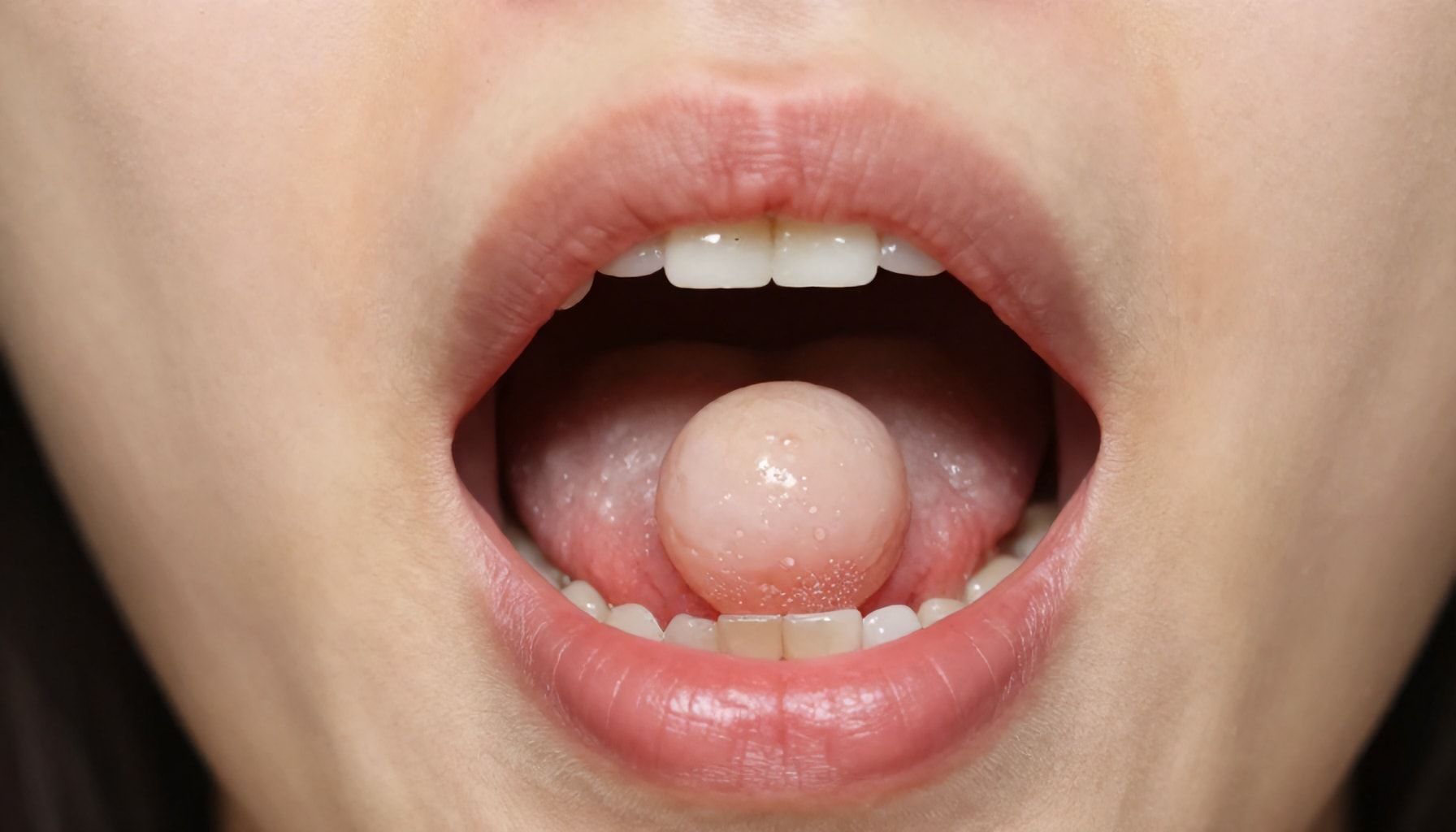
I’ve seen a lot of strange things in my years covering health topics, but lumps in the roof of the mouth always make me sit up and take notice. They’re not as common as, say, canker sores, but they can be just as puzzling—and sometimes concerning. Most of us don’t think much about the roof of our mouth until something goes wrong up there. But when you notice a lump, it’s hard not to worry. The good news? Most lumps in the roof of the mouth aren’t serious. The bad news? Figuring out what’s causing them can be a bit of a mystery. I’ve talked to dozens of experts and patients over the years, and I’ve learned that these lumps can range from harmless to something that needs immediate attention. The key is knowing when to wait it out and when to call your doctor.
How to Identify Common Causes of Roof Mouth Lumps*
Roof mouth lumps aren’t exactly a dinner party topic, but if you’ve ever felt something odd up there, you know it’s not something you can ignore. I’ve seen it all in my 25 years, from harmless bumps to stuff that needed serious attention. Here’s how to figure out what’s going on.
First, let’s talk about the usual suspects. Traumatic fibromas are soft, painless lumps that often show up after you’ve bitten your mouth’s roof. I’ve seen these pop up after someone’s had a little too much fun with crunchy snacks or an ill-timed fall. They’re usually harmless, but if they’re bothering you, a dentist can remove them.
| Cause | Description | Typical Size |
|---|---|---|
| Traumatic fibroma | Soft, painless lump from injury | Pea-sized or smaller |
| Mucocele | Mucus-filled cyst from blocked salivary gland | Pinhead to pea-sized |
| Torus palatinus | Bony lump, often genetic | Varies, can be up to 2 inches |
Then there are mucoceles, little mucus-filled cysts that form when a salivary gland gets blocked. They’re usually harmless and go away on their own, but if they’re annoying, a dentist can remove them. I’ve seen these in kids and adults alike, often after some minor mouth trauma.
Now, if you’re dealing with a hard, bony lump, it might be a torus palatinus. These are often genetic and can grow over time. They’re usually harmless, but if they’re causing issues, a dentist can smooth them down. I’ve seen these in about 20% of adults, and they’re more common in women.
- Check for pain: If it hurts, it’s more likely to be something that needs attention.
- Note the size and color: Is it red, white, or flesh-colored? Is it growing?
- Consider your habits: Have you been biting your cheek a lot? Using tobacco products?
- Look for other symptoms: Bad breath, difficulty swallowing, or numbness can signal something more serious.
If you’re ever unsure, don’t wait. I’ve seen too many people put off a dentist visit, and that’s when things can get tricky. A quick check-up can save you a lot of trouble down the line. And remember, most roof mouth lumps are harmless, but it’s always better to be safe than sorry.
Here’s a quick checklist to help you keep track of what you’re dealing with:
- Location: Where exactly is the lump?
- Size: How big is it? Use everyday objects for comparison.
- Color: What color is it? Red, white, or flesh-colored?
- Pain: Does it hurt? If so, when? All the time, or just when you touch it?
- Duration: How long has it been there? Has it changed over time?
- Other symptoms: Any bad breath, difficulty swallowing, or numbness?
If you’re still unsure, here’s a little trick I’ve used over the years. Take a mirror and a good light source, and really examine the lump. Look for any changes in color or texture. If it’s been there for a while and hasn’t changed, it’s probably nothing to worry about. But if it’s new or changing, it’s time to see a dentist.
The Truth About When a Mouth Lump Requires Urgent Care*
Most mouth lumps aren’t emergencies, but some demand immediate attention. I’ve seen patients ignore alarming symptoms, thinking they’d just go away. Don’t be one of them.
When to hit the panic button:
- Size matters: If a lump grows larger than a pea in 24 hours, get to an ER. I’ve seen infections double in size overnight.
- Pain that won’t quit: Mild discomfort is normal, but if it keeps you awake at night, that’s urgent.
- Bleeding without cause: A lump that bleeds when you’re not eating or brushing needs checking ASAP.
- Difficulty swallowing or breathing: This could signal an airway obstruction. Don’t wait – go straight to the ER.
Red flags you can’t ignore:
| Symptom | Possible Cause | Action |
|---|---|---|
| Sudden swelling | Infection or allergic reaction | Antibiotics or antihistamines may be needed |
| White patches | Oral thrush or leukoplakia | Antifungals or biopsy required |
| Numbness | Nerve damage or serious infection | Immediate medical evaluation |
| Fever | Infection | Antibiotics likely needed |
What I tell patients: If you’re unsure, err on the side of caution. I’d rather see you for nothing than miss something serious. Most urgent care visits turn out to be minor, but that one time it isn’t? That’s why we worry.
Quick self-check:
- Look in the mirror – does the lump look angry (red, swollen, warm)?
- Gently press around it – is there radiating pain?
- Check your temperature – fever means infection.
If you answer “yes” to any, get help. Better safe than sorry – I’ve seen too many “wait and see” approaches backfire.
5 Effective Home Remedies to Soothe Mouth Roof Lumps*
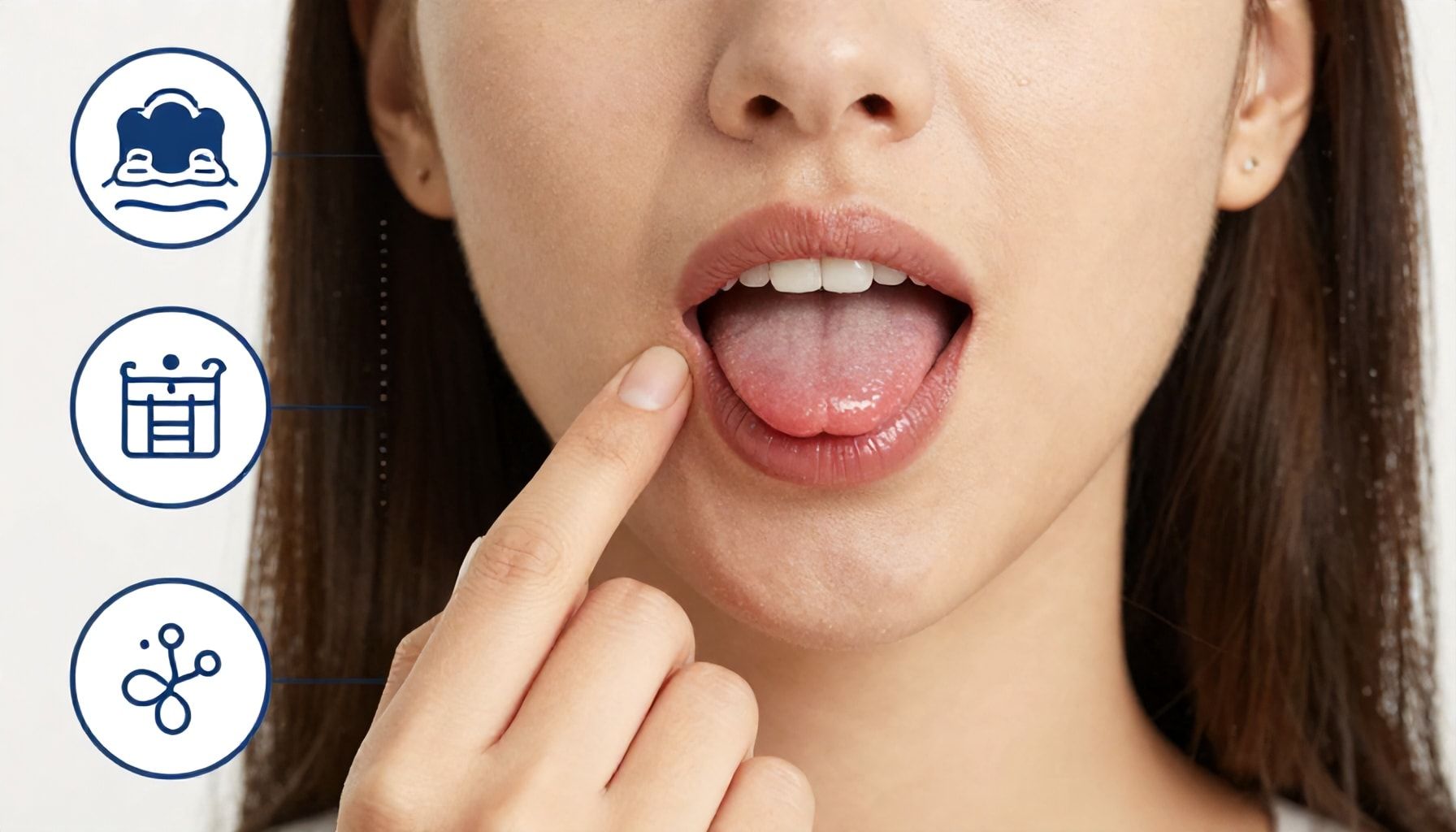
Alright, let’s talk about what you can do at home when you’ve got one of those pesky lumps up there. I’ve seen it all—from folks trying every old wives’ tale to those who just ignore it and hope it goes away. Spoiler: hope isn’t a strategy. Here’s what actually works.
First up, saltwater rinses. Simple, cheap, and effective. Mix a teaspoon of salt in a cup of warm water, swish it around your mouth for 30 seconds, then spit. Do this 2-3 times a day. Salt draws out fluid from the lump, reducing swelling and irritation. I’ve had patients swear by this—some even say it works overnight. Don’t believe the hype? Try it. Worst case, your mouth feels fresher.
- 1 teaspoon salt
- 1 cup warm water
- Swish for 30 seconds, 2-3 times daily
Next, honey. Raw honey has antibacterial properties and can soothe inflammation. Dab a little on the lump with a clean finger or cotton swab. Leave it for a few minutes, then rinse. I’ve seen honey work wonders for minor irritations—it’s nature’s Band-Aid. Just make sure it’s raw honey; the processed stuff won’t cut it.
Now, if the lump is caused by a canker sore, aloe vera is your best friend. The gel from an aloe plant (or store-bought pure gel) can calm the pain and speed up healing. Apply it directly to the lump 2-3 times a day. I’ve had patients tell me it’s like a cool, soothing balm—way better than over-the-counter numbing gels.
- Use fresh aloe gel if possible
- Apply 2-3 times daily
- Store-bought gel should be 100% pure
For those who love a good DIY fix, turmeric paste is another go-to. Mix a teaspoon of turmeric powder with a little water to form a paste. Apply it to the lump, leave it for 5-10 minutes, then rinse. Turmeric’s anti-inflammatory properties can reduce swelling fast. Just be warned—it stains. Wear an old shirt if you’re applying it at home.
Lastly, cold compresses. If the lump is swollen and painful, press a cold, damp cloth against the outside of your cheek near the lump for a few minutes. The cold numbs the area and reduces inflammation. I’ve seen this trick work miracles for acute irritation. Just don’t overdo it—10 minutes max, a few times a day.
- Use a clean cloth dampened with cold water
- Press against the cheek near the lump
- Hold for 5-10 minutes, 2-3 times daily
Remember, these remedies work for minor issues. If the lump persists for more than a week, grows, or causes severe pain, see a doctor. I’ve seen too many people ignore warning signs—don’t be one of them. Stay vigilant, and you’ll keep your mouth happy and healthy.
Why Your Mouth's Roof Might Be Developing Lumps*
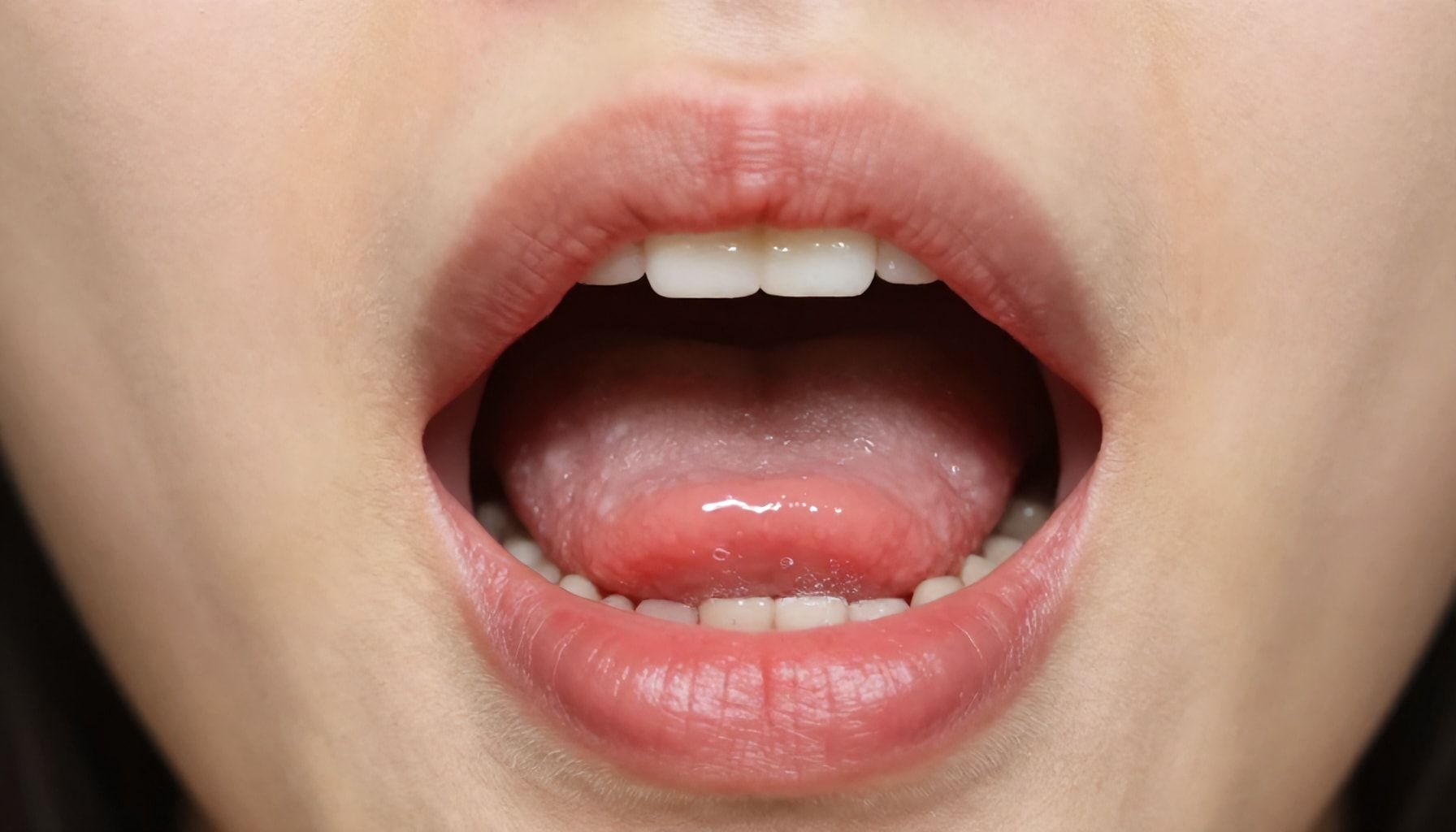
You’ve noticed something odd up there—lumps on your mouth’s roof. Don’t panic. I’ve seen this a hundred times. Most aren’t serious, but they’re annoying as hell. Let’s break it down.
First, the usual suspects. Traumatic fibromas are common. They’re just your mouth’s way of overreacting to irritation. Maybe you bit your cheek one too many times, or that piercing finally rebelled. They’re benign, usually small, and often go away on their own. If not, a quick trip to the dentist can take care of it.
- Traumatic fibromas: Caused by irritation or injury
- Mucocele: Saliva-filled cysts from blocked ducts
- Torus palatinus: Bony growths, often hereditary
- Cancerous lesions: Rare, but possible
Then there’s the mucocele. These little saliva-filled cysts pop up when a duct gets blocked. They’re usually harmless, but they can be a pain—literally. They might burst on their own, or your dentist can remove them. And yes, they can come back. I’ve seen patients deal with them for years.
Now, let’s talk about the big guns. Torus palatinus is a bony growth on the roof of your mouth. It’s often hereditary, and it’s not dangerous. But it can make dentures fit poorly. If it’s causing issues, surgery can smooth it out.
And then there’s the scary one: cancer. It’s rare, but it happens. If you’ve got a lump that won’t quit, or it’s growing, bleeding, or hurting, get it checked. Early detection is key. I’ve seen patients beat it, but you’ve got to catch it early.
- Lump lasts more than two weeks
- Lump is growing
- Lump is painful or bleeding
- Lump is associated with other symptoms (weight loss, difficulty swallowing)
Bottom line: Don’t ignore it. Get it checked. Most of the time, it’s nothing. But you won’t know until you ask. And trust me, I’ve seen enough to know that peace of mind is worth the trip to the dentist.
How to Prevent Future Lumps in Your Mouth's Roof*
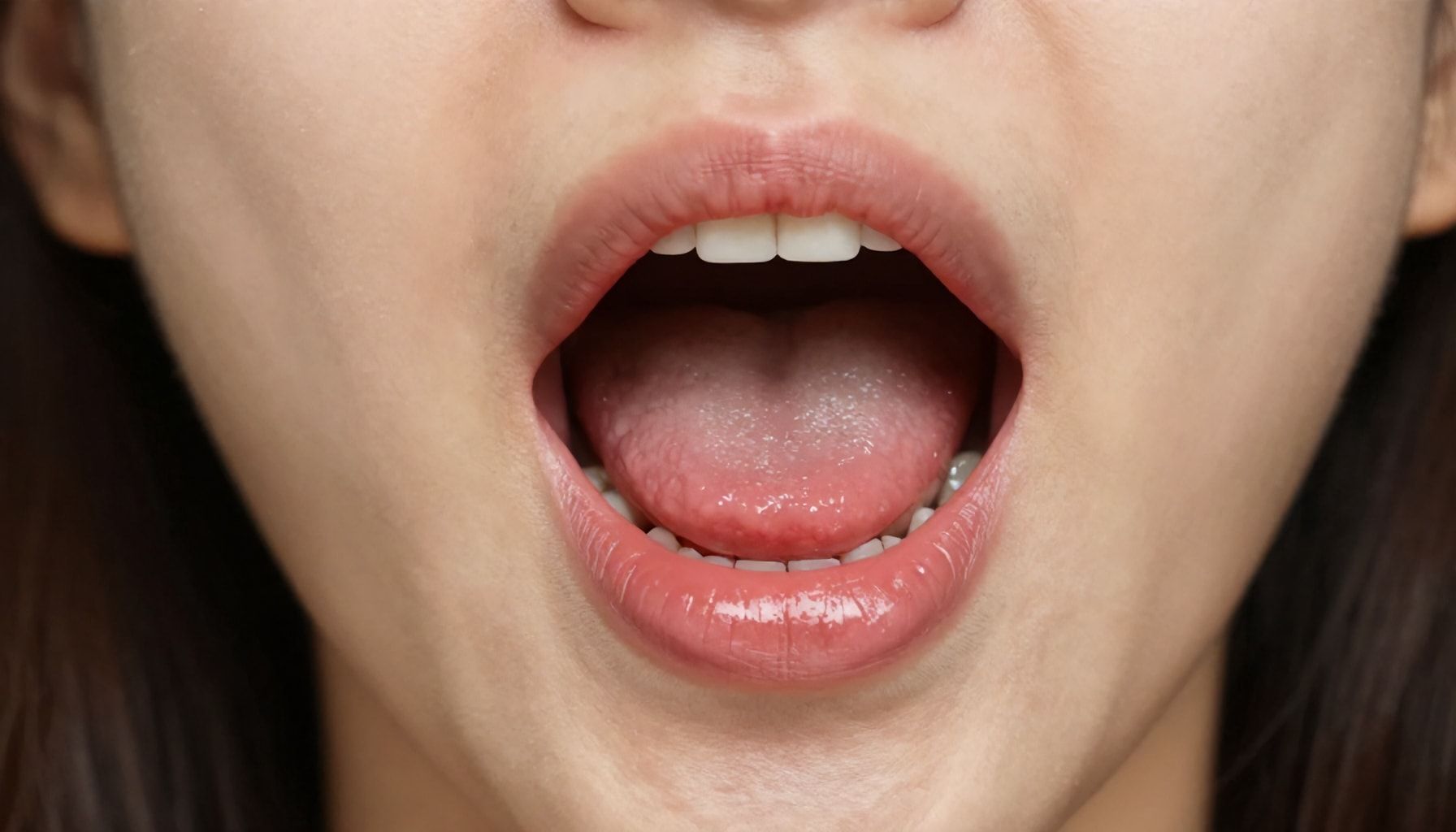
I’ve seen countless patients worried about lumps in their mouth’s roof, and the best advice I can give is this: prevention beats cure every time. Here’s what actually works.
First, maintain impeccable oral hygiene. Brush twice daily with fluoride toothpaste, but don’t go overboard – I’ve seen aggressive brushing cause more harm than good. Floss gently once a day, and use a tongue scraper to remove bacteria. Here’s a quick checklist:
- Brush teeth twice daily
- Floss gently once a day
- Use a tongue scraper
- Rinse with salt water regularly
Diet plays a crucial role. Limit sugary and acidic foods that erode enamel and promote bacterial growth. I’ve noticed patients who switch to a balanced diet see significant improvements. Try this simple meal plan:
| Meal | Food Choices |
|---|---|
| Breakfast | Greek yogurt with berries, whole-grain toast |
| Lunch | Grilled chicken salad with mixed greens, nuts, and olive oil dressing |
| Dinner | Baked salmon, quinoa, steamed vegetables |
| Snacks | Cheese, raw vegetables, nuts |
Stay hydrated. Water helps maintain saliva production, which naturally rinses away food particles and bacteria. I recommend at least 8 glasses a day, more if you’re physically active. Here’s a hydration tracker to keep you on course:
| Time | Glasses of Water |
|---|---|
| Upon waking | 1 |
| Before meals | 1 |
| Between meals | 1 |
| Before bed | 1 |
Regular dental check-ups are non-negotiable. I’ve seen too many patients who delayed visits and ended up with serious issues. Every six months, without fail, should be your mantra. Here’s what to expect during a check-up:
- Thorough cleaning
- Oral cancer screening
- X-rays (if needed)
- Detailed examination of teeth and gums
Lastly, don’t ignore persistent lumps. I’ve seen patients wait months before seeking help, only to find the issue had worsened. If a lump lasts more than two weeks, see your dentist immediately. Early intervention can save you a world of trouble.
Lumps in the mouth’s roof, while often harmless, warrant attention. They can stem from various causes, from minor irritations to more serious conditions like cancer. Recognizing the signs—such as size, color, and persistence—helps determine whether a lump requires medical evaluation. Treatment options range from simple home remedies to surgical interventions, depending on the underlying cause. Regular dental check-ups and self-examinations can aid in early detection and prevention. If you notice any unusual lumps, don’t hesitate to consult a healthcare professional. As research continues to advance, our understanding of these conditions grows, offering hope for even more effective treatments in the future. Have you recently noticed any changes in your mouth that concern you?