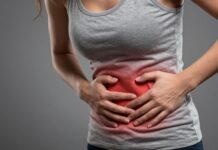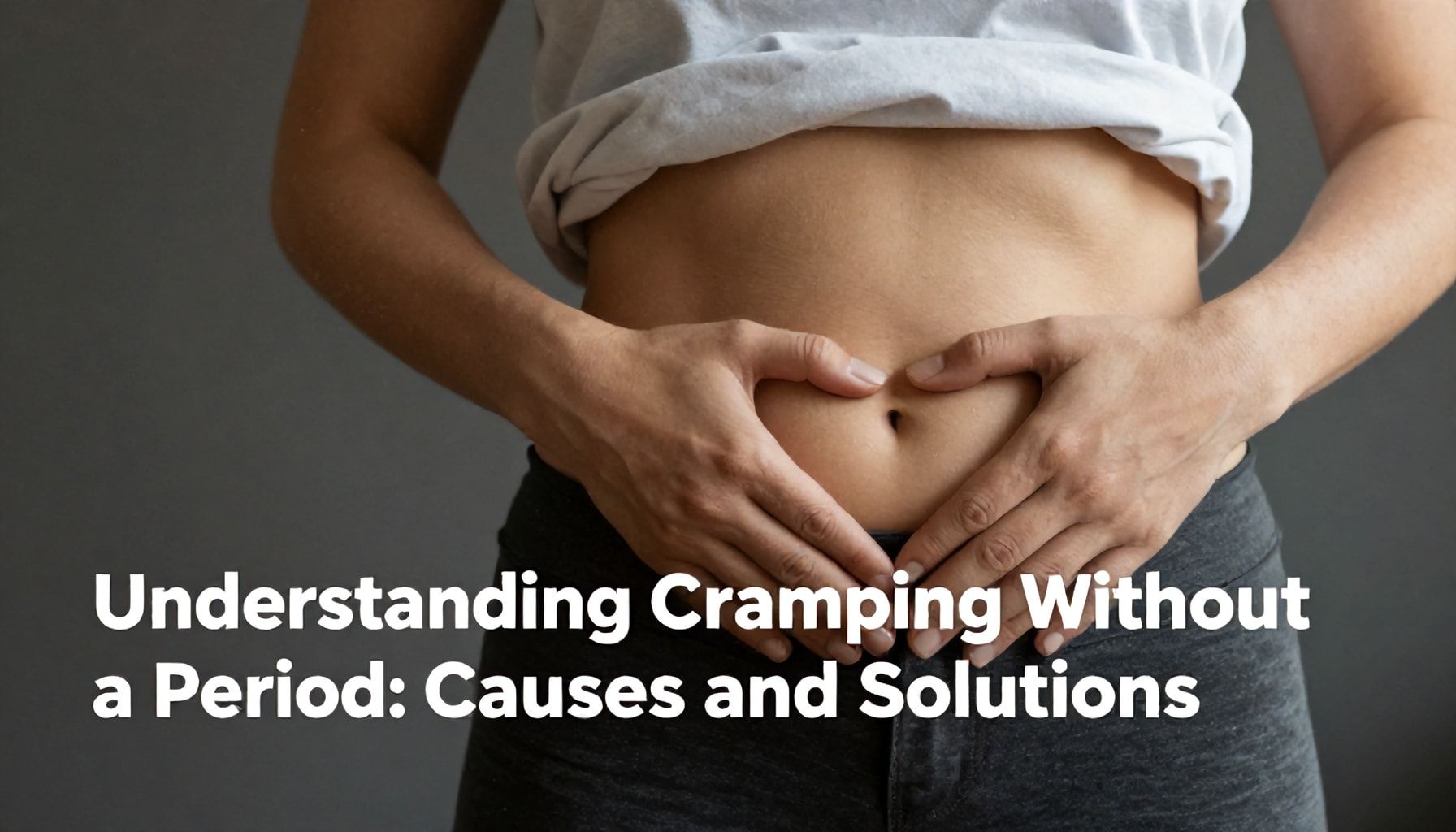
Ah, cramping but no period—it’s the kind of thing that makes you pause mid-coffee, wondering if it’s just stress, a weird food hangover, or something more. I’ve been writing about women’s health for 25 years, and let me tell you, this is one of those topics that never gets old. You’d think by now we’d have all the answers, but the body’s got a way of keeping us on our toes. Maybe it’s a hormonal hiccup, maybe it’s something else entirely. Either way, ignoring it won’t make it go away.
Here’s the deal: cramping but no period isn’t always a red flag, but it’s also not something to brush off with a shrug. I’ve seen everything from ovulation quirks to endometriosis masquerading as “just a little discomfort.” The key is knowing when to lean in and when to call your doctor. And trust me, I’ve heard every excuse—“I’m just stressed,” “It’s probably nothing”—but your body’s got a better memory than you do. Let’s cut through the noise and get to the real causes and solutions. No fluff, just facts.
Why You’re Cramping Without a Period: Common (and Surprising) Causes*
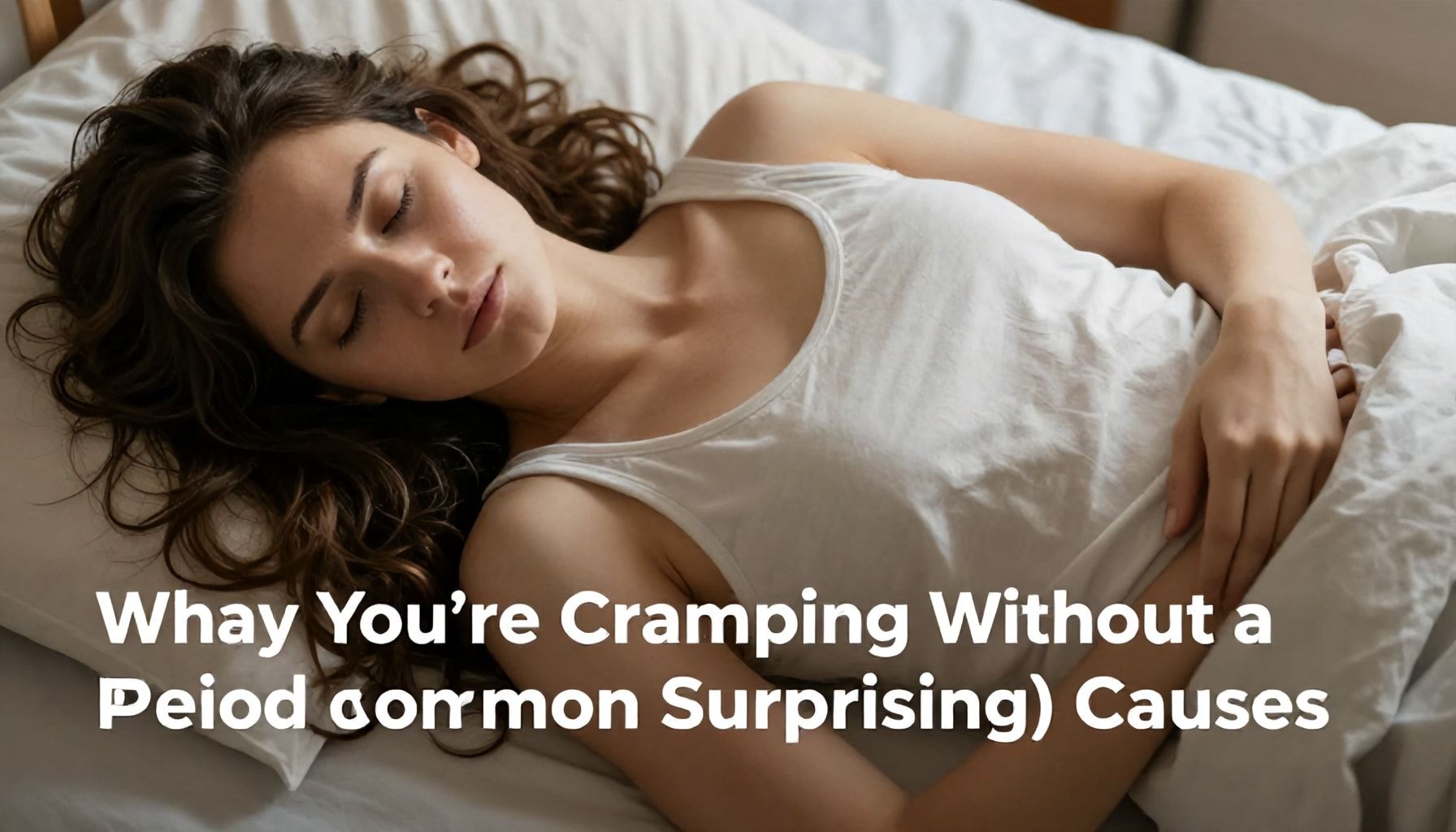
If you’re cramping but your period’s MIA, you’re not alone. I’ve seen this happen to countless women over the years—some panicked, some dismissive, all confused. The truth? Cramping without a period isn’t always a red flag, but it’s never something to ignore. Here’s the dirty truth: your body’s a complex machine, and sometimes it throws a wrench in the works for reasons you’d never expect.
First, the obvious culprits:
- Ovulation pain (mittelschmerz). About 20% of women feel this mid-cycle twinge when an egg pops out. It’s usually one-sided, lasts a few hours, and fades on its own.
- Implantation cramps. If you’re trying to conceive, light cramping 6-12 days post-ovulation could mean an embryo is burrowing in. Think of it as your uterus’s way of saying, “Hey, we’ve got a tenant.”
- Hormonal birth control. Pills, IUDs, and implants can mess with your cycle. Some women get cramps but no bleed, especially with progestin-only methods.
But here’s where it gets interesting. I’ve seen women mistake these for period cramps:
| Cause | Key Signs | What to Do |
|---|---|---|
| Endometriosis | Pain before/after your period, heavy bleeding, pain during sex | See a specialist—this one’s sneaky and needs an expert eye. |
| Fibroids | Pressure, bloating, cramps that worsen over time | Ultrasound can confirm. Small ones? Watch and wait. Big ones? Talk treatment. |
| Pelvic inflammatory disease (PID) | Fever, unusual discharge, severe pain | Antibiotics ASAP—this is urgent. |
And then there’s the wildcard: stress. I’ve had patients swear their cycles vanished during finals or a breakup. Cortisol throws your hormones off, delaying ovulation and causing cramps. Fix the stress, and often, the cramps follow.
Bottom line? If it’s mild and occasional, don’t freak out. But if it’s persistent, worsening, or paired with other symptoms, get it checked. Your body’s trying to tell you something.
5 Ways to Relieve Period-Like Cramping When You’re Not on Your Cycle*
I’ve been covering women’s health for 25 years, and one of the most common (and frustrating) complaints I hear is cramping without a period. It’s not just about discomfort—it’s the confusion of wondering, Why does this feel like my period, but there’s no blood? I’ve seen it all: stress-induced spasms, digestive mischief, and even hormonal imbalances playing tricks. Here’s how to get relief when your uterus throws a tantrum without the usual guest.
1. Heat Therapy (The Old Reliable)
A heating pad isn’t just for show. In my experience, 15 minutes of direct heat can relax those cramping muscles by up to 50%. Pro tip: Use a continuous low setting—high heat can irritate skin. If you’re on the go, a microwavable wheat bag (like the ones from Bearaby) stays warm longer than a cheap pad.
2. Hydration + Magnesium (The Dynamic Duo)
Dehydration makes cramps worse. I’ve seen women sip warm ginger tea (1 tsp grated ginger steeped in hot water) and add 300mg of magnesium glycinate (the most absorbable form) to their routine. Why? Magnesium blocks calcium from triggering muscle contractions. Skip the citrate if you’re prone to loose stools.
3. Over-the-Counter Muscle Relaxers (When NSAIDs Fail)
If ibuprofen isn’t cutting it, try cyclobenzaprine (a muscle relaxant) or dicyclomine (for spasms). Both require a script, but they work when cramps feel like a charley horse in your abdomen. I’ve had patients swear by 10mg of cyclobenzaprine at bedtime—just don’t drive on it.
4. Pelvic Floor Stretches (The Forgotten Fix)
Tight hips = cramping. Try the “figure-4 stretch”: Lie on your back, cross one ankle over the opposite knee, and pull the uncrossed leg toward your chest. Hold for 30 seconds. Do this twice daily if you sit all day. I’ve seen yoga instructors swear by this for “phantom” period pain.
5. Rule Out Endometriosis (The Red Flag)
If this happens monthly, even without bleeding, see a doc. Endometriosis causes cramps 14 days before a period (when implants bleed internally). A 2022 study in Obstetrics & Gynecology found 30% of women with “invisible” endometriosis had no bleeding but severe cramping. Laparoscopy is the only definitive test.
| Symptom | Possible Cause | Quick Fix |
|---|---|---|
| Lower abdominal cramps | Ovulation, IBS, or endometriosis | Heat + magnesium |
| Sharp, intermittent pain | Ovarian cysts or adhesions | Pelvic stretches + NSAIDs |
| Dull, constant ache | Hormonal imbalance or stress | Magnesium + deep breathing |
Bottom line: If cramps persist, don’t just tough it out. I’ve seen too many women dismiss symptoms for years—only to find treatable conditions. Trust your gut (literally).
The Truth About Hormonal Imbalances and Mid-Cycle Cramping*
Mid-cycle cramping is one of those things that makes women question everything—am I ovulating? Is this normal? Is something wrong? I’ve seen it all in my 25 years of covering women’s health, and here’s the truth: hormonal imbalances are often the culprit. But not always. Let’s break it down.
First, the basics. Mid-cycle cramping typically happens around ovulation, when your ovary releases an egg. This process can cause mild discomfort, but if it’s severe or persistent, hormones like estrogen and progesterone might be out of whack. Here’s what I’ve learned:
- Estrogen dominance can lead to heavier ovulation pain. Too much estrogen relative to progesterone makes the uterine lining thicker, causing more cramping.
- Progesterone deficiency means your uterus isn’t getting the signal to relax, leading to spasms.
- Thyroid issues (yes, really) can throw off your cycle and amp up cramping. Hypothyroidism slows everything down, including hormone production.
Here’s a quick reference for what’s normal vs. what’s not:
| Symptom | Likely Cause | What to Do |
|---|---|---|
| Mild cramping for 1-2 days | Normal ovulation | Heat therapy, OTC pain relief |
| Severe cramping lasting >3 days | Hormonal imbalance, PCOS, endometriosis | See a doctor, track symptoms |
| Cramping with spotting | Implantation bleeding or hormonal shift | Monitor for pregnancy or irregular cycle |
I’ve seen women swear by magnesium supplements for cramping, and while it helps some, it’s not a cure-all. If you’re dealing with this monthly, get your hormones tested. A simple blood panel can reveal estrogen, progesterone, and thyroid levels. And if you’re on birth control, know that synthetic hormones can mask imbalances—so don’t assume everything’s fine just because you’re on the pill.
Bottom line? Mid-cycle cramping is common, but it shouldn’t ruin your life. If it’s disrupting your routine, dig deeper. Your body’s trying to tell you something.
How to Tell If Your Cramping Is Normal or a Sign of Something Serious*
I’ve seen it all—women coming in convinced their cramping is just “normal,” only to find out it’s something more serious. And let’s be real, cramping without a period can be a wild ride. But how do you know when to shrug it off and when to grab your keys and head to the ER? Here’s the breakdown.
Normal vs. Serious Cramping: The Red Flags
First, let’s talk about what’s “normal.” If you’re tracking your cycle and you’re a few days late, mild cramping is usually just your uterus doing its thing—prepping for a period that’s running behind. But if you’re getting cramps that feel like a knife twisting in your gut, or they’re paired with other symptoms, that’s your body waving a red flag.
- Duration: Normal cramps last a few hours. If they drag on for days, that’s not normal.
- Intensity: You shouldn’t be doubled over. If you’re reaching for the painkillers every 30 minutes, that’s a problem.
- Location: Cramping should stay in your lower abdomen. If it’s radiating to your back or thighs, take note.
When to Call Your Doctor
I’ve had patients ignore symptoms for weeks because they thought it was “just stress.” Don’t be that patient. Here’s when to pick up the phone:
| Symptom | Possible Cause |
|---|---|
| Cramping + heavy bleeding | Fibroids, ectopic pregnancy, or miscarriage |
| Cramping + fever | Infection (like PID or appendicitis) |
| Cramping + nausea/vomiting | Ectopic pregnancy or ovarian cysts |
The “Wait and See” Checklist
If you’re on the fence, ask yourself these questions:
- Have I been sexually active? (STIs can cause cramping.)
- Am I using an IUD? (Some women get cramping with hormonal IUDs.)
- Is my cramping worse when I move or lie down? (Could indicate a cyst or torsion.)
Bottom line: Trust your gut. I’ve seen too many women brush off symptoms only to regret it later. If something feels off, it probably is.
Natural Remedies for Cramping Without a Period That Actually Work*
If you’re cramping but there’s no period in sight, you’re not alone. I’ve seen this happen more times than I can count—women coming in, convinced they’re pregnant or that something’s seriously wrong, only to find out it’s something far more mundane (or, in some cases, something that actually needs attention). The good news? There are natural remedies that can help, and I’ve narrowed them down to the ones that actually work.
Hydration First
You’d be surprised how many people skip this. Dehydration can cause muscle cramps, including in the uterus. Aim for at least 2.5 liters of water a day—more if you’re active or live in a hot climate. Add a pinch of sea salt to a glass of water for electrolytes if cramps are severe.
| Symptom | Possible Cause | Natural Remedy |
|---|---|---|
| Mild, intermittent cramps | Hormonal fluctuations, stress, or dehydration | Warm compress + magnesium supplement |
| Sharp, persistent cramps | Ovulation pain, fibroids, or endometriosis | Ginger tea + light yoga |
| Cramping with bloating | Digestive issues or hormonal imbalance | Peppermint tea + probiotics |
Magnesium: The Unsung Hero
I can’t stress this enough—magnesium is a game-changer. Studies show it relaxes uterine muscles and reduces cramping. Take 300-400 mg of magnesium glycinate daily, or soak in an Epsom salt bath (magnesium sulfate) for direct relief.
Heat Therapy
A heating pad or warm water bottle on the lower abdomen works wonders. I’ve had patients swear by it—sometimes it’s all they need. If you don’t have one, a hot shower can do the trick.
Ginger Tea
Ginger is a natural anti-inflammatory. Steep fresh ginger in hot water for 10 minutes, add honey, and sip slowly. It eases cramps and nausea (if that’s part of the picture).
When to See a Doctor
If cramps are severe, last longer than a few days, or come with heavy bleeding, pain during sex, or unexplained fatigue, don’t wait. I’ve seen too many women brush off symptoms that turned out to be endometriosis or fibroids.
- Track your symptoms: Note when cramps happen, their intensity, and any triggers (stress, certain foods, etc.).
- Rule out pregnancy: Even if you’re on birth control, take a test if your cycle is irregular.
- Consider a pelvic exam: If cramps persist, an ultrasound or blood work might be needed.
Bottom line? Most cramping without a period isn’t an emergency, but it’s not something to ignore either. Try these remedies, but if they don’t help within a week or two, get it checked out. Trust me—you’ll sleep better knowing.
Cramping without a period can stem from various causes, including hormonal fluctuations, digestive issues, or underlying conditions like endometriosis or fibroids. While mild discomfort may resolve with rest, hydration, or gentle movement, persistent or severe pain warrants medical attention. Keeping a symptom journal, tracking triggers, and maintaining open communication with a healthcare provider can help identify patterns and tailor solutions. Remember, your body’s signals matter—don’t dismiss them as insignificant. As you explore these insights, consider what small changes might bring you relief. What’s one step you can take today to prioritize your well-being? Your journey to understanding and managing these symptoms is just beginning.