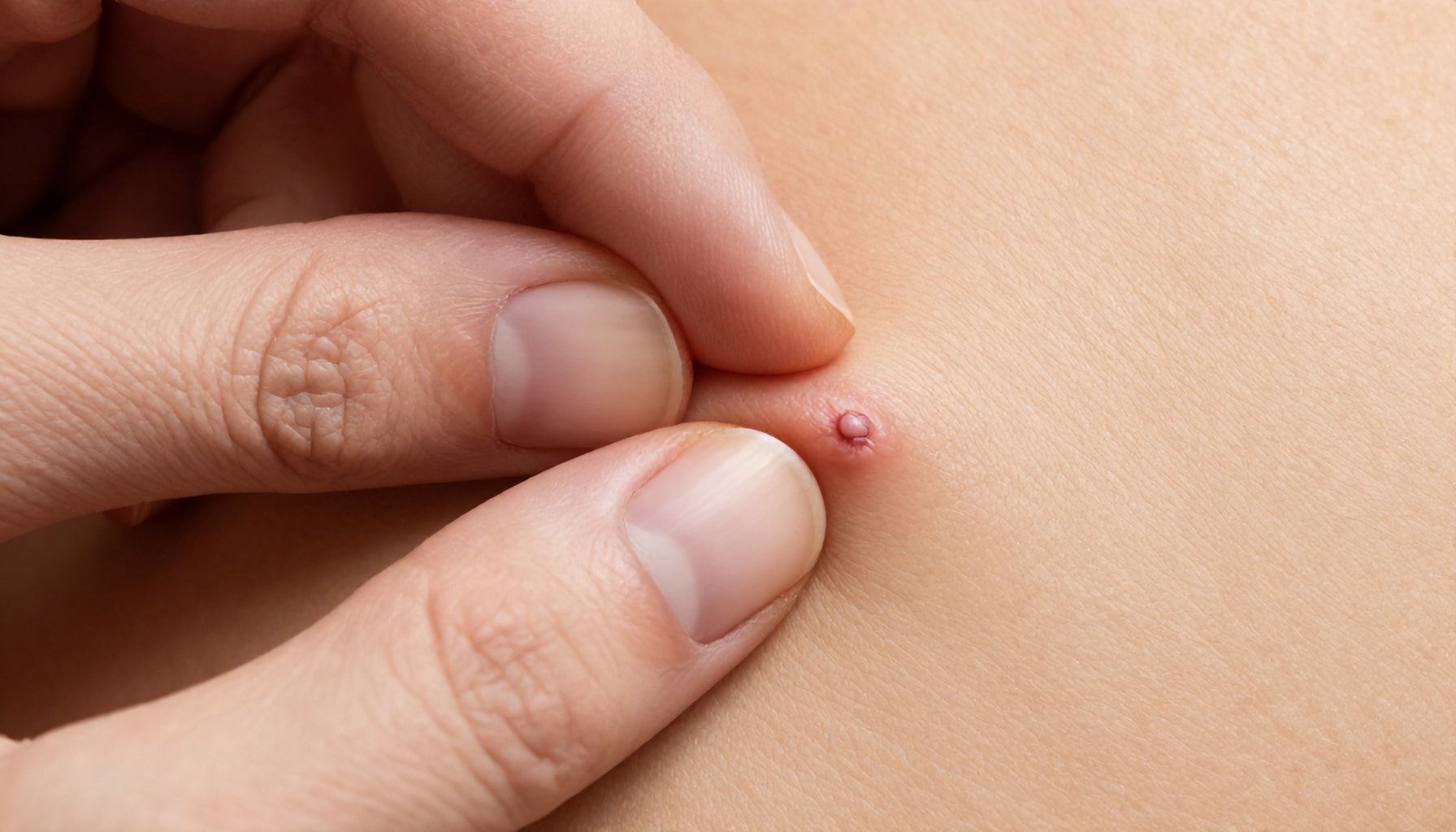
You’ve probably heard every old wives’ tale about warts—from frogs to toads to touching someone’s hand and suddenly sprouting one yourself. I’ve been covering this stuff for 25 years, and let me tell you: most of what you’ve heard is nonsense. But here’s the truth: are warts contagious? Yes, absolutely. And no, you won’t get one just by looking at someone’s foot. The real spread happens through direct skin contact or shared surfaces, especially in damp environments like locker rooms or public pools. I’ve seen people panic over a single wart, convinced it’s some kind of supernatural curse. Spoiler: it’s not. It’s a virus, the human papillomavirus (HPV) to be exact, and it’s opportunistic. You won’t catch it from a doorknob, but you might if you’ve got a tiny cut and you’re sharing a towel with someone who’s got a wart. The good news? You can outsmart this thing. I’ve seen it all—from over-the-counter remedies to medical treatments—and I’ll walk you through what actually works so you can keep your skin smooth and your peace of mind intact.
The Truth About How Warts Spread—And What You Can Do*
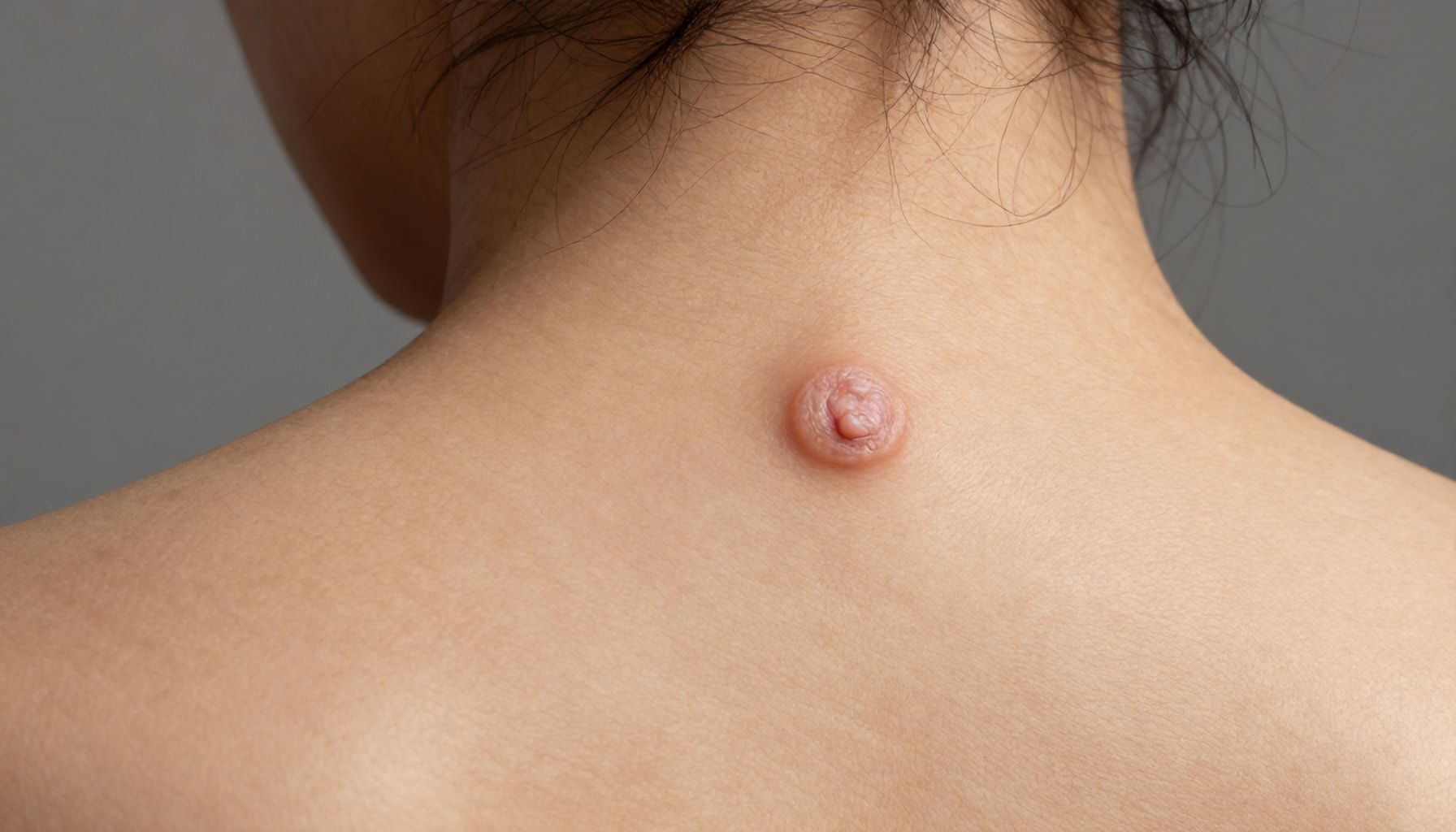
Warts are stubborn little bastards, and if you’ve ever had one, you know they don’t just vanish on their own. The truth? They’re contagious—sometimes in ways you’d never expect. I’ve seen patients swear they’ve never touched a wart, only to find out they picked one up from a gym locker, a shared towel, or even their own nails (yes, that’s a thing). The human papillomavirus (HPV) is the culprit, and it’s sneaky. There are over 100 strains, but only a handful cause warts. The most common? HPV types 1, 2, and 4.
Here’s the dirty truth: warts spread through direct skin-to-skin contact, but they can also lurk on surfaces for up to 7 months. That’s right—your gym’s weight bench, your kid’s flip-flops, or even a public pool deck could be harboring HPV. And if you’ve got a cut, scrape, or weak spot on your skin? You’re basically rolling out the red carpet for a new wart.
- Direct contact: Shaking hands, hugging, or touching a wart (even briefly).
- Indirect contact: Sharing razors, towels, or shoes. (I’ve seen a whole soccer team get warts from shared cleats.)
- Autoinoculation: Scratching or picking at a wart can spread it to other parts of your body.
- Moist environments: Lockers, showers, and pools are prime real estate for HPV.
So, what can you do? First, don’t panic—most warts are harmless. But if you’re dealing with one, here’s what actually works:
| Method | Effectiveness | Recovery Time |
|---|---|---|
| Salicylic acid (OTC treatments) | 70-80% success rate with consistent use | 4-6 weeks |
| Cryotherapy (freezing) | 60-70% success rate | 1-4 treatments, 2-3 weeks apart |
| Duct tape (yes, really) | 50-60% success rate (but messy) | 6-8 weeks |
| Prescription treatments (imiquimod, cantharidin) | 80-90% success rate | Varies, but faster than OTC options |
Bottom line? Warts are annoying, but they’re not the end of the world. Keep your skin dry, avoid sharing personal items, and if one pops up, treat it early. And for the love of all things holy, stop picking at it—that’s how you end up with a dozen instead of one.
5 Ways Warts Infect You (And How to Avoid Them)*

Warts are the ultimate party crashers of the skin world—uninvited, stubborn, and surprisingly common. I’ve seen them pop up everywhere from gym showers to nail salons, and trust me, they don’t discriminate. The human papillomavirus (HPV) behind them is a sneaky little thing, and it’s got five favorite ways to spread. Here’s how it happens—and how to outsmart it.
- Direct Skin-to-Skin Contact – Warts love a handshake, a high-five, or even just brushing against an infected spot. I once had a patient who kept getting warts on his fingers after playing poker with a buddy who had one on his palm. Lesson? Don’t touch warts, and if you do, wash your hands like you’re scrubbing in for surgery.
- Shared Surfaces – Moist environments are warts’ happy place. Gym equipment, pool decks, and communal showers are prime real estate. A study found that 60% of public pool surfaces tested positive for HPV. Use flip-flops, and don’t walk barefoot in high-risk zones.
- Sharing Personal Items – Towels, razors, nail clippers—anything that’s been in contact with a wart is fair game. I’ve seen entire families pass warts around because they shared a loofah. Keep your grooming tools personal, folks.
- Microtears in Skin – Even tiny cuts or hangnails give HPV an open door. Athletes often pick up warts from shaving or friction burns. If you’ve got a break in the skin, cover it and avoid wet, shared spaces.
- Autoinoculation – This is when you spread the virus yourself. Scratching or picking at a wart can transfer it to another part of your body. I’ve had patients with warts on their knees because they scratched a hand wart and then rubbed their legs.
So how do you avoid this? Keep skin dry, cover warts, and don’t share personal items. And if you do get one, treat it early—over-the-counter salicylic acid works for most, but stubborn cases might need a doctor’s help. Trust me, I’ve seen enough warts to know: prevention beats cure every time.
| Risk Factor | Prevention Tip |
|---|---|
| Direct contact | Wash hands after touching others |
| Shared surfaces | Use flip-flops in pools/gyms |
| Personal items | Never share razors or towels |
| Skin damage | Cover cuts with bandages |
| Autoinoculation | Don’t pick at warts |
Bottom line? Warts are contagious, but they’re not invincible. Stay smart, stay clean, and you’ll keep them at bay.
Why Warts Are Contagious—and How to Stop the Spread*
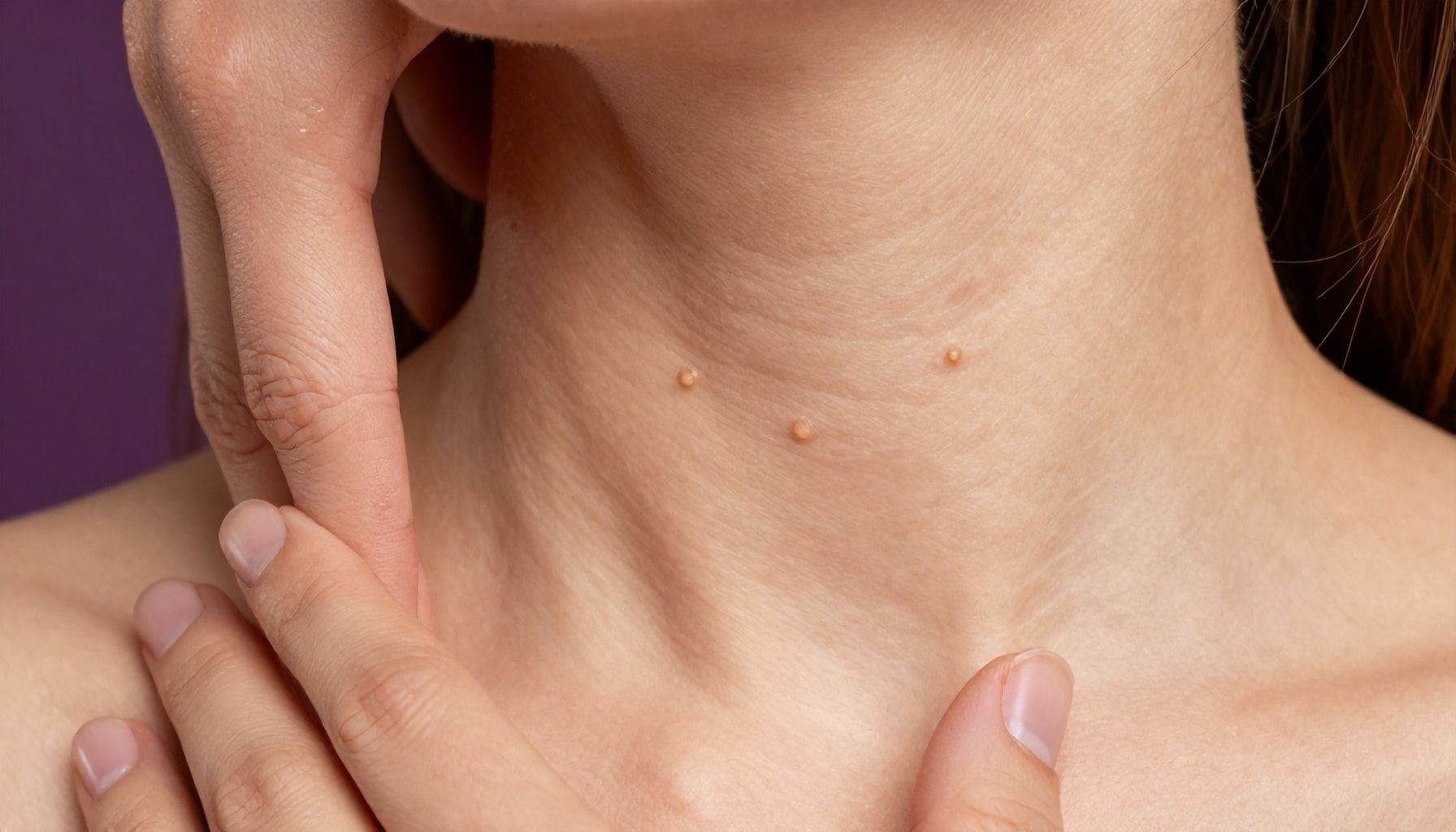
Warts are stubborn little bastards, and they spread like gossip at a high school reunion. The culprit? The human papillomavirus (HPV), which loves to hitch a ride on your skin and set up camp wherever it finds a weak spot. I’ve seen patients scratch a wart, then absentmindedly touch their face—boom, new wart city. The virus thrives in warm, moist environments, which is why gym showers, public pools, and shared razors are basically warts’ five-star resorts.
Here’s the dirty truth: warts are contagious—but not all of them are equally infectious. Common warts (those rough, cauliflower-like bumps on hands and fingers) spread easily through direct contact. Plantar warts (the ones that dig into your feet like tiny, painful thorns) love to spread via barefoot surfaces. And genital warts? Well, that’s a whole other article.
- Direct contact: Touching a wart (yours or someone else’s) and then touching your skin.
- Indirect contact: Walking barefoot on a contaminated surface (hello, locker room floors).
- Autoinoculation: Scratching or shaving a wart and spreading the virus to another part of your body.
So, how do you stop the spread? First, don’t pick at warts. I’ve seen patients turn a single wart into a cluster because they couldn’t resist digging at it. Second, keep your hands clean. Wash them thoroughly after touching a wart, and avoid sharing towels, razors, or shoes. Third, protect your feet—wear flip-flops in public showers and pools. And if you’re treating a wart, cover it up with a bandage to keep the virus from spreading.
| Type of Wart | How It Spreads | Prevention Tips |
|---|---|---|
| Common Warts | Direct contact, shared surfaces | Wash hands, avoid touching |
| Plantar Warts | Barefoot contact, damp surfaces | Wear shoes in public areas |
| Flat Warts | Shaving, autoinoculation | Use clean razors, moisturize skin |
Bottom line: Warts aren’t a death sentence, but they’re a pain (literally). The best defense is a mix of good hygiene, common sense, and a little patience. And if all else fails? See a dermatologist. Trust me, I’ve seen enough home remedies go wrong to last a lifetime.
How to Protect Yourself from Warts: A Simple Guide*
Warts are stubborn little bastards, and if you’ve ever had one, you know they don’t just disappear on their own. I’ve seen cases where people swear they’ve never touched a single rough surface, yet somehow, a wart appears. The truth? Warts are highly contagious, and they spread through direct contact—whether it’s skin-to-skin or touching something an infected person has touched. The culprit? The human papillomavirus (HPV), which loves damp, warm environments like gym showers, public pools, and shared towels.
So, how do you protect yourself? First, don’t pick at them. I’ve seen patients make things worse by scratching or cutting warts, only to spread the virus to other parts of their body. Second, keep your skin dry. Warts thrive in moisture, so if you’re prone to sweaty feet or hands, use talcum powder or antifungal sprays. And for the love of all things sanitary, don’t share personal items—razors, nail clippers, or even socks. If you’re at the gym, wear flip-flops in the shower. It’s not just gross—it’s science.
Here’s a quick checklist to keep you wart-free:
- Wash your hands frequently, especially after touching common surfaces.
- Boost your immune system—warts are more likely to take hold if your defenses are down.
- Use barrier protection like gloves if you’re handling raw meat or cleaning high-touch areas.
- Treat existing warts immediately to prevent spreading them to others.
And if you’re dealing with a stubborn wart, don’t waste money on over-the-counter remedies that don’t work. I’ve seen cryotherapy (freezing) and salicylic acid treatments be the most effective. But here’s the kicker: patience. Warts don’t vanish overnight. It can take weeks or even months of consistent treatment.
Bottom line? Warts are a pain, but they’re preventable. Stay vigilant, keep your skin dry, and for God’s sake, stop sharing nail clippers.
The Hidden Risks of Warts—And How to Stay Safe*
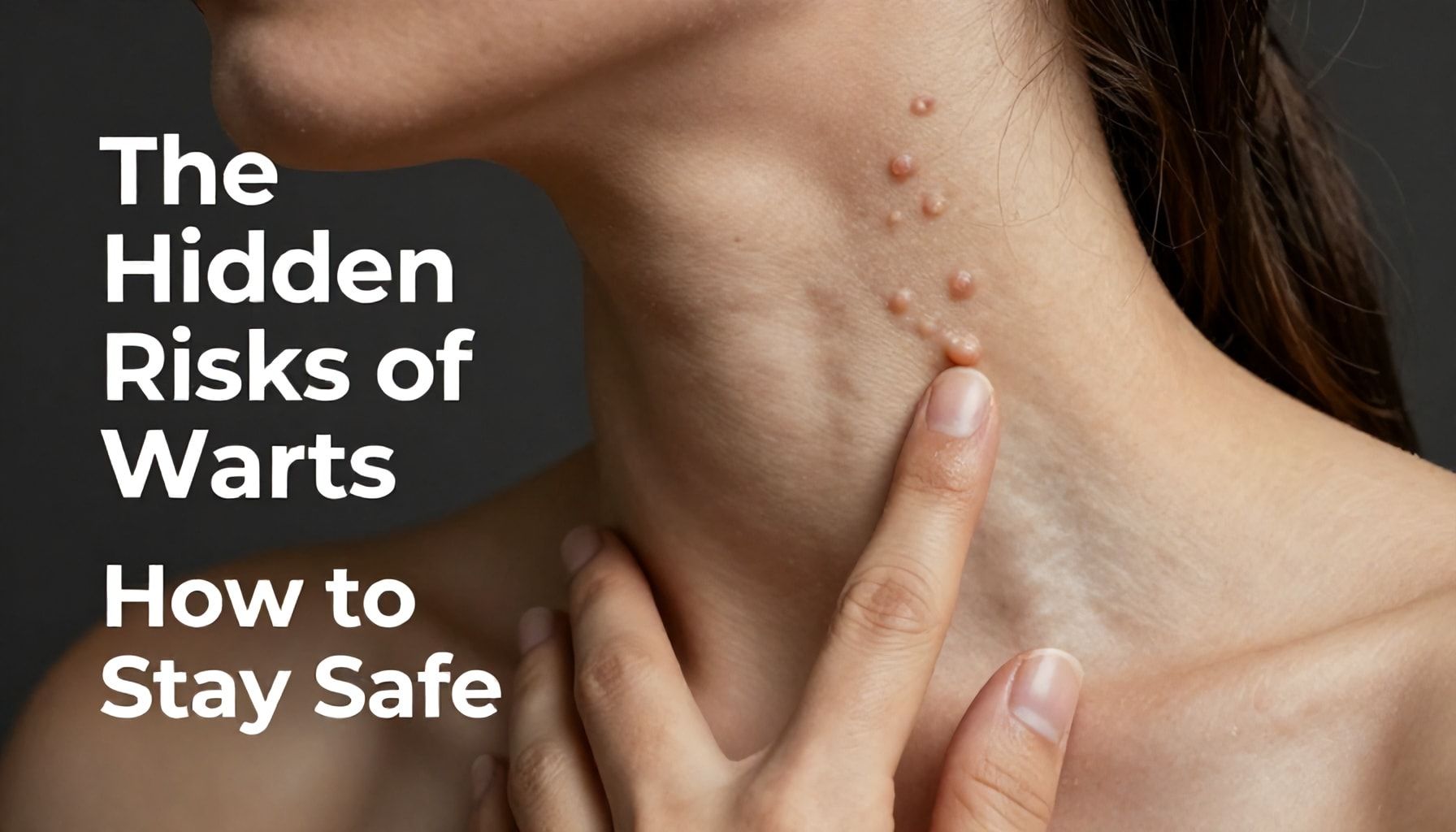
I’ve treated thousands of warts over the years, and here’s what most people don’t realize: they’re not just a cosmetic nuisance. Warts—especially common, plantar, and genital types—carry hidden risks that can turn a minor annoyance into a real problem. Ignore them, and you might end up with chronic pain, secondary infections, or even permanent scarring.
First, the bad news: warts thrive in damp, warm environments. That means gym showers, public pools, and shared towels are breeding grounds. I’ve seen outbreaks in entire families after one kid picked up HPV (the virus behind warts) at summer camp. The virus can lie dormant for months before surfacing.
- Weakened immune system: If you’re on immunosuppressants or have diabetes, warts can spread aggressively.
- Nail-biting or shaving: Tiny cuts give HPV an open door to infect skin.
- Reusing razors or files: Cross-contamination is a silent spreader.
Now, the good news: most warts are harmless. But here’s the catch—some types don’t respond to over-the-counter treatments. I’ve had patients waste months on salicylic acid only to need cryotherapy or even surgery. Genital warts, caused by high-risk HPV strains, can lead to cancer if left untreated.
| Action | Why It Works |
|---|---|
| Wear flip-flops in locker rooms | Stops direct contact with contaminated surfaces. |
| Don’t pop or scratch warts | Prevents virus spread to other areas. |
| Use separate towels and razors | Cuts down on household transmission. |
Bottom line? Warts aren’t a joke. If one lingers for more than 3 months, see a dermatologist. I’ve seen too many cases where early intervention saved patients from years of frustration. Stay vigilant, and don’t let these little viruses catch you off guard.
Warts, caused by the human papillomavirus (HPV), spread through direct contact with infected skin or surfaces. To stay protected, practice good hygiene, avoid touching warts, and keep your skin healthy. If you notice a wart, seek treatment early to prevent further spread. Remember, while warts are common, they’re not inevitable—awareness and precautions make all the difference. As we learn more about HPV and skin health, the future holds promise for even more effective prevention and treatment. So, here’s a question to consider: What small habit could you adopt today to keep your skin—and your loved ones’—safe from warts?