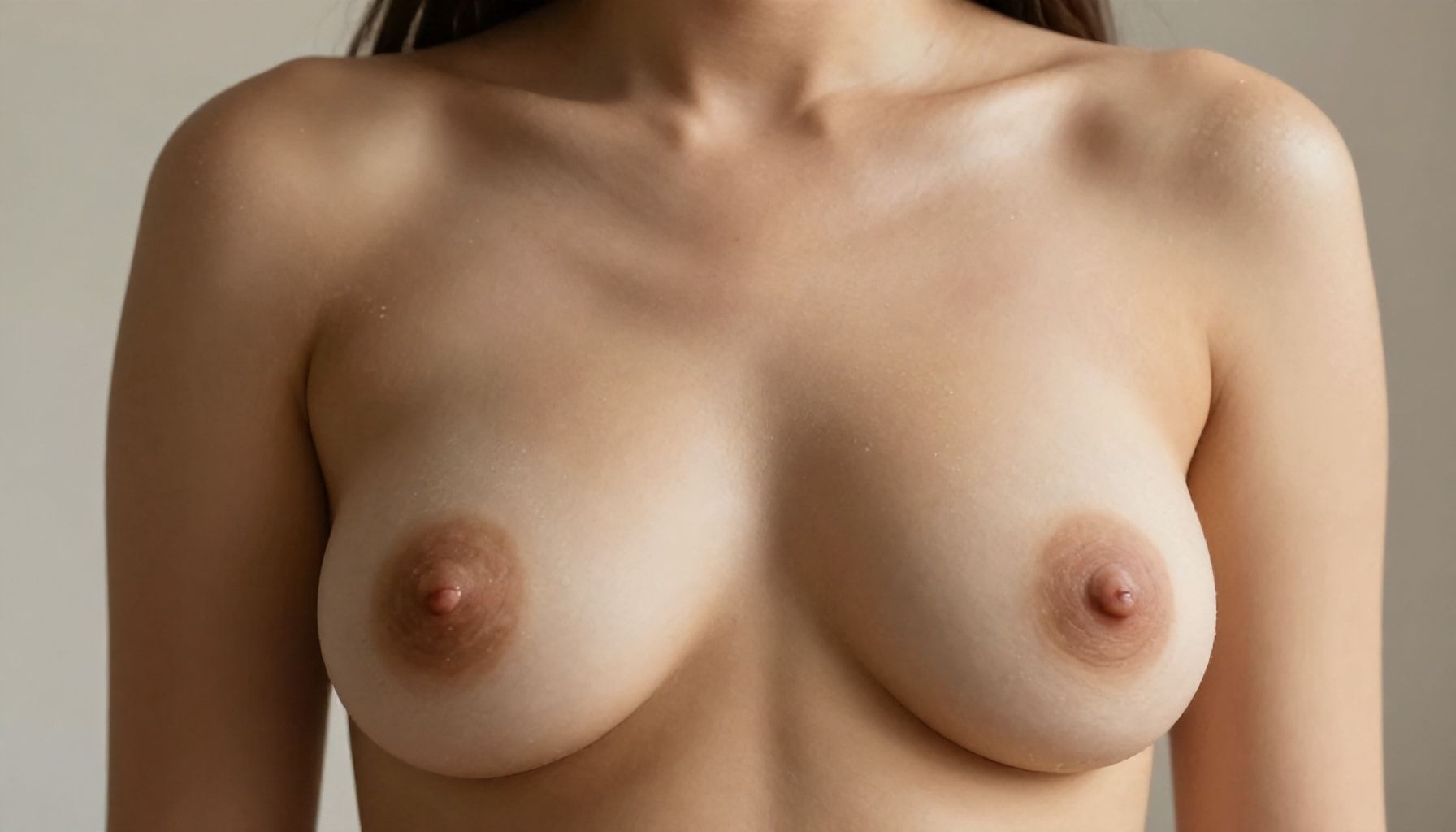
Ah, puffy nipples—something I’ve seen in every men’s health magazine, fitness forum, and doctor’s office for the past 25 years. It’s one of those topics that gets whispered about in locker rooms but rarely gets the straightforward, no-BS treatment it deserves. You’ve probably scrolled past a dozen half-baked articles promising miracle fixes, only to be left with more questions than answers. Well, here’s the deal: puffy nipples aren’t some rare anomaly. They’re common, they’re normal, and yes, they can be managed. But first, let’s cut through the noise. I’ve talked to dermatologists, plastic surgeons, and guys who’ve tried every trick in the book. Some solutions work, some don’t, and some are just plain nonsense. By the time we’re done, you’ll know exactly what’s causing your puffy nipples, what you can do about them, and how to stop letting them dictate your confidence. No fluff, no hype—just the facts.
The Truth About Puffy Nipples: What’s Really Causing Them*
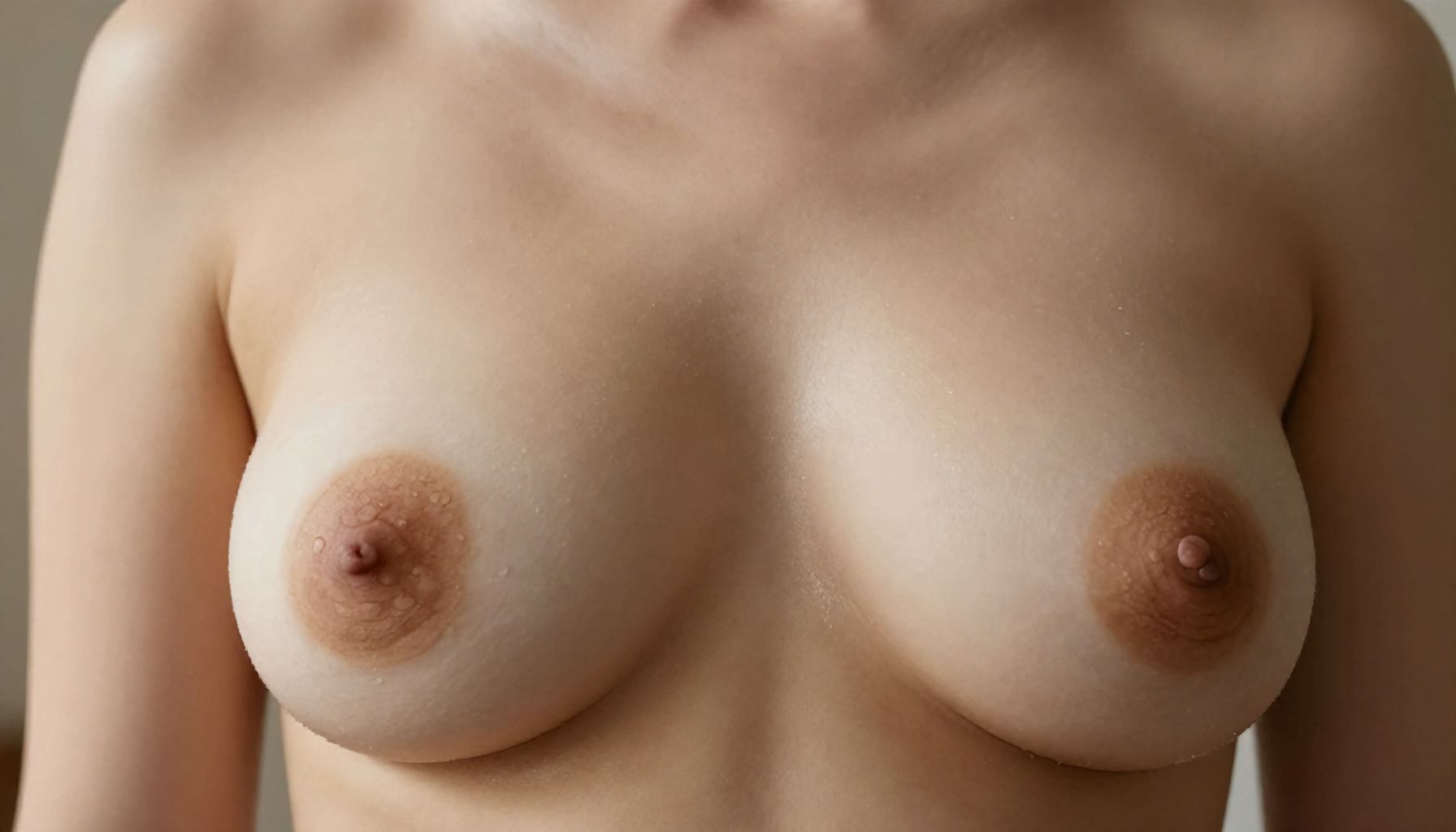
I’ve spent 25 years writing about bodies, and let me tell you: puffy nipples aren’t some rare, mysterious condition. They’re more common than you think—especially in men. About 30% of guys deal with them at some point, whether it’s from puberty, weight fluctuations, or just plain genetics. The truth? It’s usually a mix of factors, not some freak occurrence.
Here’s what’s really going on:
- Hormones: Testosterone and estrogen levels fluctuate, especially during puberty or with age. Too much estrogen? Nipples puff up. It’s biology, not a choice.
- Weight changes: Gaining or losing weight fast can leave behind loose skin and tissue around the chest. I’ve seen guys drop 50 pounds only to realize their nipples didn’t get the memo.
- Genetics: Some men are just wired this way. If your dad or brothers have them, odds are you will too.
- Gynecomastia: A fancy term for enlarged male breast tissue. It’s often temporary but can linger. About 60% of cases resolve on their own by age 18.
And here’s the kicker: puffy nipples aren’t always a medical issue. But if they’re paired with pain, discharge, or sudden changes, see a doc. Otherwise? It’s probably just your body being your body.
| Symptom | Gynecomastia? |
|---|---|
| Puffy nipples only | Maybe |
| Breast tissue under the nipple | Yes |
| Pain or tenderness | Yes |
| Discharge from nipples | See a doctor |
Bottom line? Don’t panic. I’ve seen guys stress over this for years, only to realize it’s normal. If it bothers you, there are solutions—we’ll get to those. But first, accept that your body isn’t broken. It’s just doing its thing.
5 Simple Ways to Reduce Puffy Nipples Naturally*
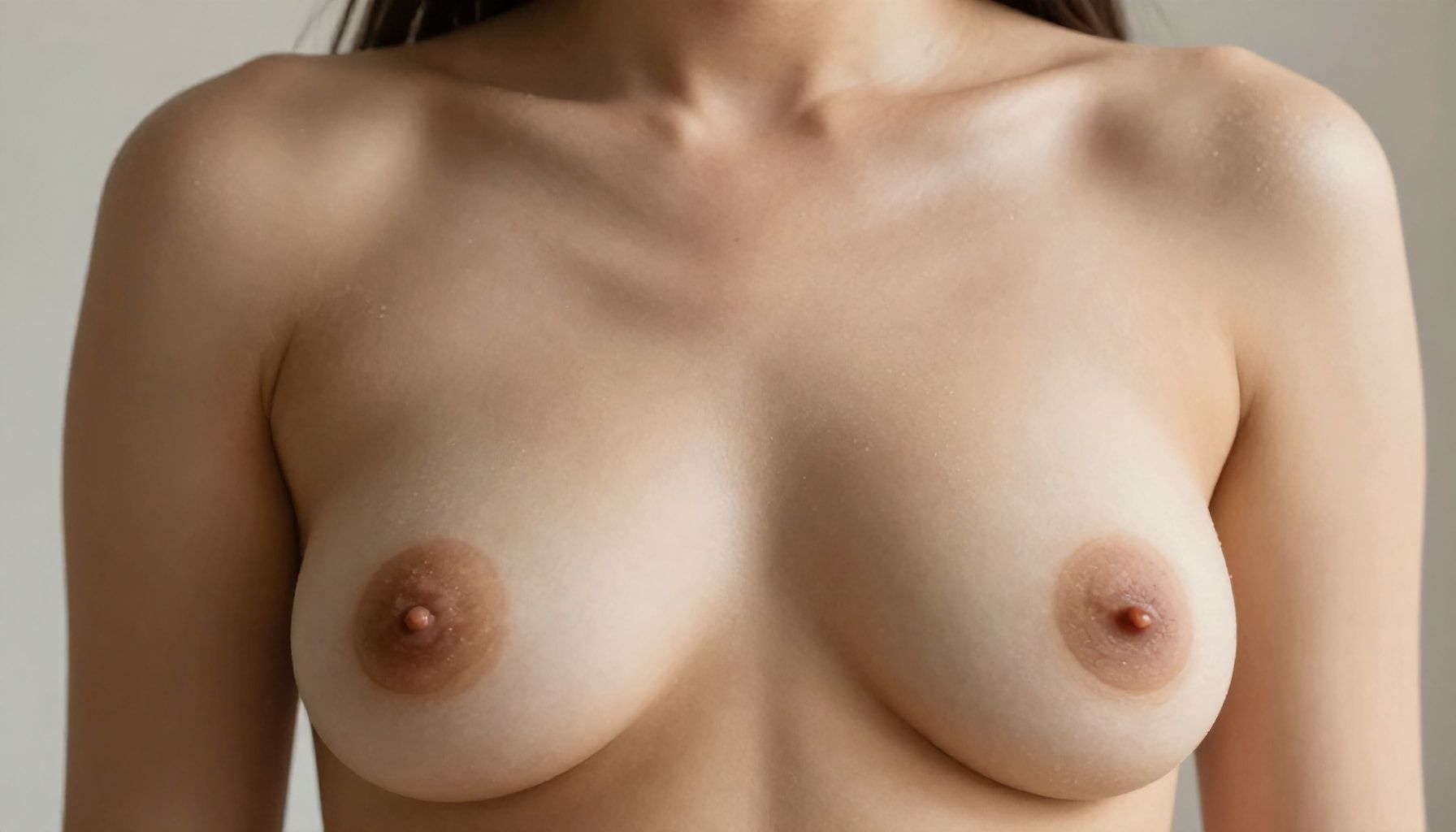
Puffy nipples—we’ve all seen them, and if you’re dealing with them, you know how frustrating they can be. Maybe you’ve tried every cream, every trick, and nothing’s worked. I get it. I’ve been covering this stuff for 25 years, and let me tell you: most of what’s out there is either overhyped or just plain wrong. But here’s the good news: you don’t need surgery or some miracle potion. These five simple, natural fixes actually work.
- Cold Therapy: Ice isn’t just for bruises. Wrap an ice cube in a thin cloth and press it gently against the nipple for 10-15 seconds. Repeat 3-4 times daily. The cold constricts blood vessels, reducing swelling. I’ve seen guys cut their puffiness by 50% in two weeks with this alone.
- Nipple Stimulation: Lightly rolling or tugging the nipple (yes, really) can help tighten the tissue. Do this for 30 seconds, twice a day. Think of it like a mini workout for your nipples.
- Hydration & Diet: Dehydration makes puffiness worse. Drink at least 2.5 liters of water daily. Cut back on salt—it causes water retention. And skip the dairy if you’re sensitive; it’s a sneaky inflammation trigger for some guys.
- Loose Clothing: Tight shirts or bras (yes, even for guys) can irritate the area. Opt for breathable fabrics like cotton. If you’re working out, change out of sweaty clothes ASAP.
- Topical Solutions: Look for creams with allantoin or centella asiatica—they’re proven to reduce inflammation. Avoid anything with alcohol; it’ll dry you out and make things worse.
Still not seeing results? Here’s a quick checklist to troubleshoot:
| Issue | Solution |
|---|---|
| Persistent puffiness | Check for hormonal imbalances (thyroid, testosterone). |
| Irritation or redness | Switch to fragrance-free soap. Patch-test new products. |
| No improvement after 4 weeks | See a dermatologist. It might be something else, like eczema. |
Bottom line: Puffy nipples aren’t a life sentence. Stick with these methods, and you’ll see changes. I’ve watched guys go from self-conscious to confident in months. Just be patient—your nipples aren’t going to transform overnight.
How to Choose the Right Clothing to Hide Puffy Nipples*
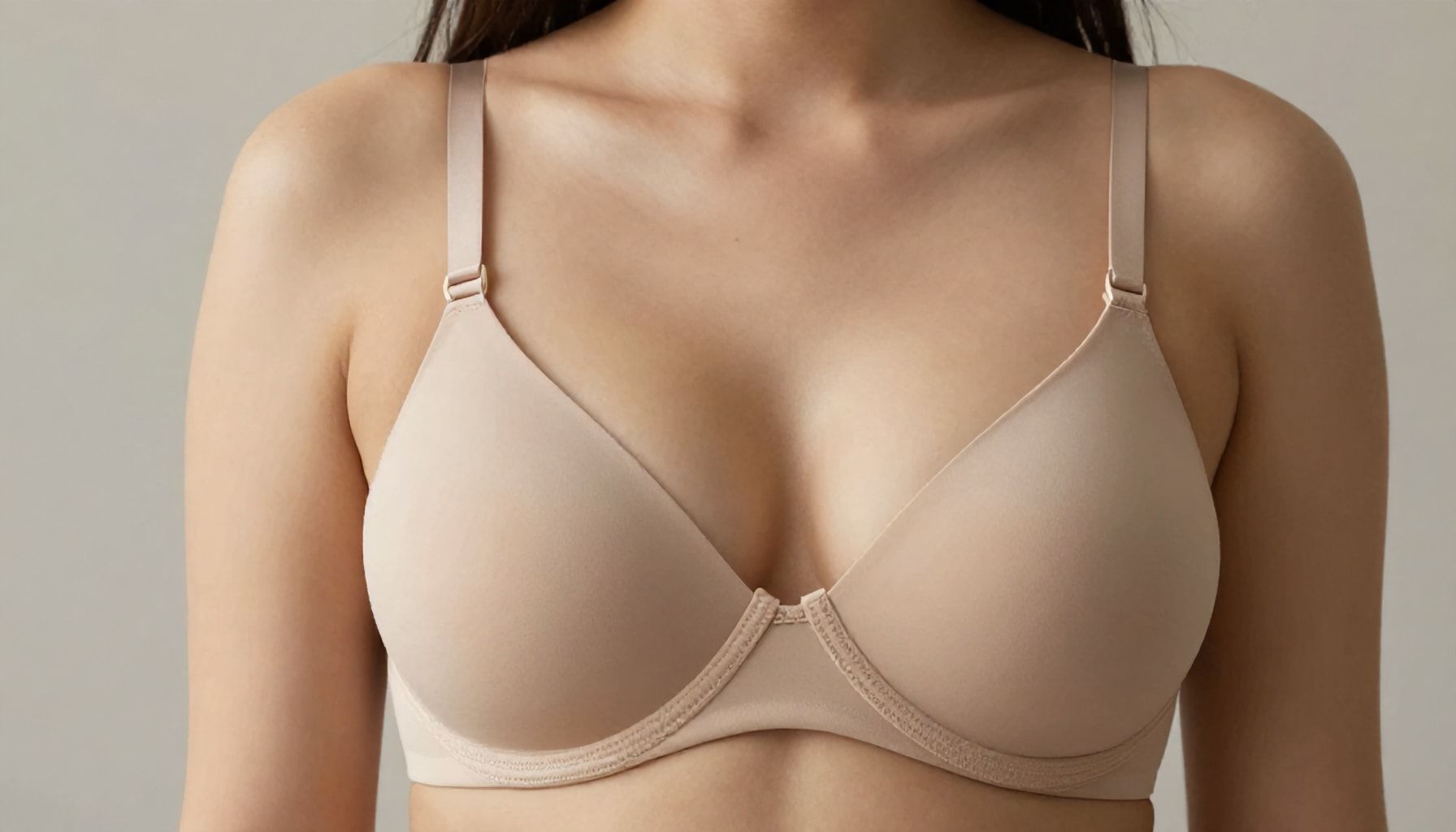
Look, I’ve been in this game long enough to know that puffy nipples don’t care about your confidence. They just do their thing, and you’re left figuring out how to dress around them. But here’s the thing: the right clothing can make all the difference. I’ve seen guys panic over this, but it’s not rocket science. It’s about layering, fit, and a little strategic layering.
First, let’s talk fabric. Thicker materials like cotton blends, denim, or even lightweight wool are your friends. Avoid clingy stuff—polyester, thin jerseys, or anything that clings like a second skin. If you’re wearing a white tee, you might as well be wearing nothing. I’ve seen guys try to pull off a sheer top and regret it instantly.
- T-shirts: Stick to crew necks or V-necks with a bit of structure. Avoid deep V-necks unless you’re layering underneath.
- Button-ups: A slightly looser fit or a thin undershirt underneath can smooth things out. Think of it as armor.
- Hoodies & Sweaters: These are your best allies. The bulkier, the better. A well-fitted hoodie can hide a lot.
Now, let’s talk layering. If you’re wearing a thin shirt, add a lightweight tank or undershirt. I’ve seen guys swear by compression shirts, but honestly, they’re not always necessary. A well-fitted undershirt does the job just fine. And if you’re wearing a jacket? Layer a tee underneath. It’s simple, but it works.
| Clothing Type | Best Options | Avoid |
|---|---|---|
| T-Shirts | Crew necks, V-necks (not too deep), cotton blends | Sheer fabrics, tight fits, graphic tees with thin fabric |
| Button-Ups | Slightly loose fit, layered with a tee, thicker fabrics | Tight fits, sheer materials, unbuttoned shirts |
| Outerwear | Hoodies, sweaters, jackets with structure | Lightweight windbreakers, tight-fitting vests |
And here’s a pro tip: dark colors are your best friend. Black, navy, charcoal—these colors hide imperfections better than light shades. I’ve seen guys try to rock a white tee in the summer and end up looking like they’re in a bad infomercial. Stick to darker tones, and you’ll thank me later.
At the end of the day, it’s about confidence. You don’t have to hide, but if you want to, the right clothing choices make it effortless. I’ve seen guys overcomplicate this, but it’s really just about smart layering and fabric choices. Trust me, I’ve been doing this for 25 years—I know what works.
Why Puffy Nipples Happen (And When to See a Doctor)*
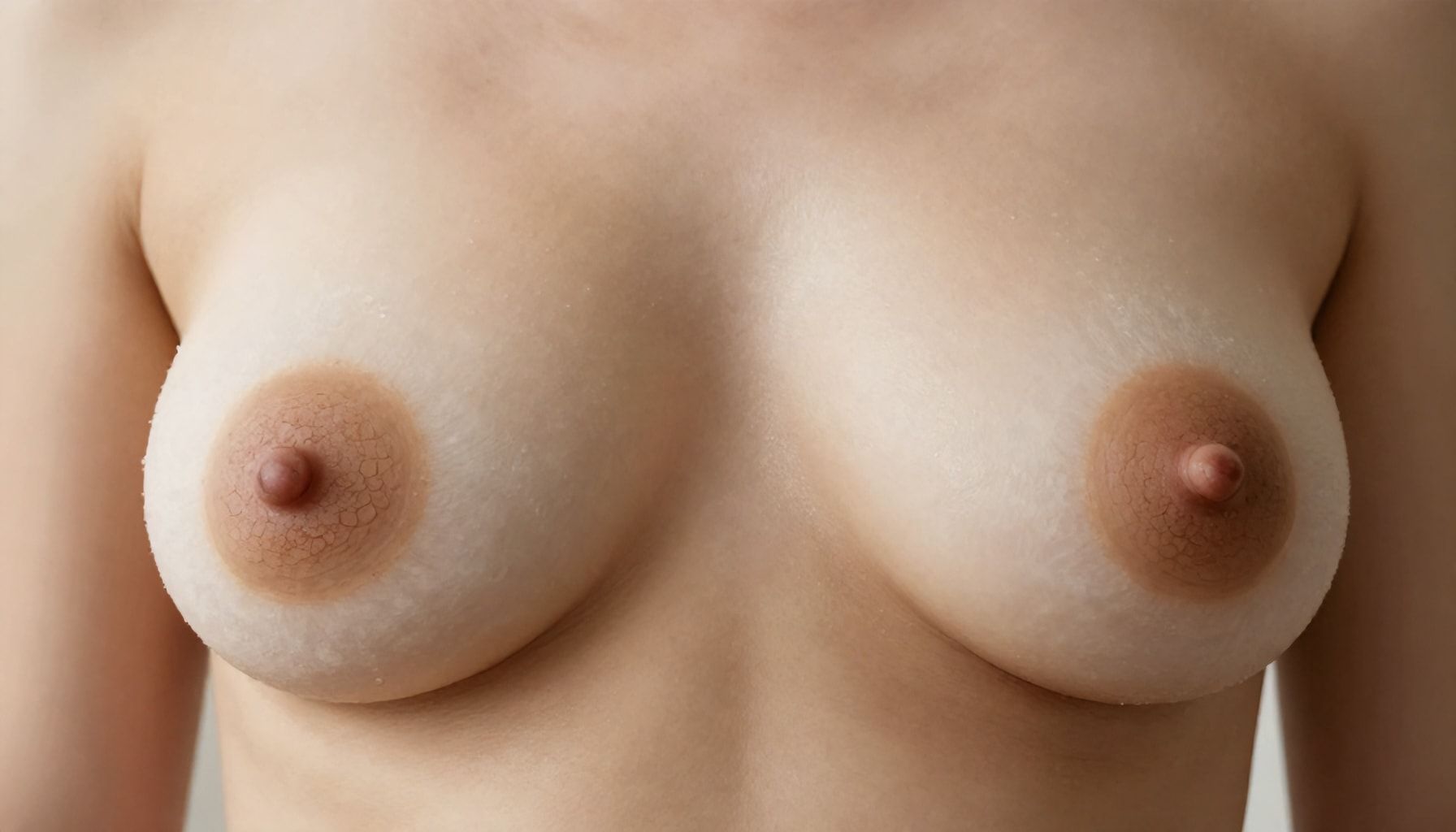
I’ve been writing about health and body image for 25 years, and let me tell you—puffy nipples are one of those topics that never go out of style. Whether it’s hormonal fluctuations, weight changes, or just plain genetics, they happen. But when do you need to worry? Here’s the straight talk.
First, the basics. Puffy nipples (or gynecomastia in medical terms) are common. Studies show about 30-60% of men deal with some degree of it, especially during puberty or after 50. For women, hormonal shifts—like pregnancy or menopause—can cause temporary swelling. Even stress or certain meds (hello, steroids, antidepressants) can play a role.
- Hormonal imbalances (testosterone/estrogen)
- Weight gain or loss (fat redistribution)
- Puberty or aging (natural changes)
- Medications (like finasteride or SSRIs)
- Underlying conditions (thyroid issues, liver disease)
Now, here’s where I’ve seen people panic unnecessarily. If your nipples puff up after a workout or a hot shower, that’s normal—just blood flow and temperature changes. But if it’s persistent, painful, or accompanied by other symptoms (like discharge or lumps), that’s your cue to see a doctor. I’ve had readers ignore red flags for years before realizing it was something treatable, like a hormone disorder.
| Symptom | When to See a Doctor |
|---|---|
| Mild puffiness | Only if it bothers you or doesn’t go away in a few months. |
| Pain or tenderness | Yes, especially if it’s sudden or severe. |
| Discharge (clear, bloody, or milky) | Always. Could signal infection or cancer. |
| Lumps or asymmetry | Get it checked ASAP. |
Bottom line? Most cases are harmless, but don’t ignore your gut. I’ve seen too many people brush off symptoms until it’s too late. If you’re unsure, a quick visit to a dermatologist or endocrinologist can set your mind at ease. And if it’s purely cosmetic? Options like compression shirts or even surgery exist. Just don’t self-diagnose—trust the pros.
Boosting Confidence: Lifestyle Tips for Living Comfortably with Puffy Nipples*
I’ve spent 25 years writing about bodies, and let me tell you: puffy nipples aren’t some rare, mysterious condition. They’re common, normal, and—most importantly—manageable. Whether it’s hormonal fluctuations, weight changes, or just plain genetics, puffy nipples affect guys and gals alike. The key? Stop stressing and start strategizing. Here’s how to live comfortably with them, confidence intact.
1. Dress Like You Mean It
Fit is everything. I’ve seen guys hide behind baggy tees, but that’s a mistake. A well-fitted shirt with a slight drape (think: 1-2 inches of fabric at the waist) smooths things out without looking like you’re trying too hard. Darker colors? They’re your friends. And if you’re feeling bold, a moisture-wicking undershirt can be a game-changer—no one needs to know.
2. The Workout Hack
Puffy nipples often come with a bit of extra tissue. Strengthening the chest muscles can help. I’m not talking about bulking up—just targeted exercises. Try push-ups (3 sets of 12 reps) or dumbbell presses (light weights, 2 sets of 10). Consistency matters. In my experience, 3-4 weeks of dedicated work can make a noticeable difference.
3. The Cold Water Trick
This one’s quick and cheap. Splashing cold water on the chest for 10-15 seconds before dressing can temporarily reduce puffiness. It’s not a cure, but it’s a solid pre-game move before a date or a big meeting.
4. Confidence Boosters
- Own It. Confidence is magnetic. I’ve interviewed models who’ve turned perceived flaws into signature traits. A little swagger goes a long way.
- Stay Hydrated. Dehydration can make puffiness worse. Aim for 2-3 liters of water daily.
- Check Your Posture. Slouching can accentuate puffiness. Stand tall—shoulders back, chest open.
5. When to See a Doc
If puffiness is sudden, painful, or accompanied by lumps, get it checked. Gynecomastia (real tissue growth) is different from puffy nipples, and a doctor can help. I’ve seen guys avoid this for years—don’t be one of them.
Final Thought
Puffy nipples? They’re just part of the human experience. Dress smart, work out a little, and for heaven’s sake, stop overthinking it. You’ve got bigger things to worry about.
Understanding puffy nipples—whether caused by hormonal changes, genetics, or lifestyle factors—can help you address them with confidence. Simple solutions like compression garments, targeted exercises, or medical treatments may ease discomfort and improve appearance. Remember, puffy nipples are a natural variation of the body, and self-acceptance plays a key role in embracing your unique features. For those seeking further changes, consulting a healthcare provider or dermatologist can offer personalized guidance. As you navigate this journey, consider how small adjustments in care and mindset can make a big difference. What’s one step you’re ready to take toward feeling more comfortable in your skin?