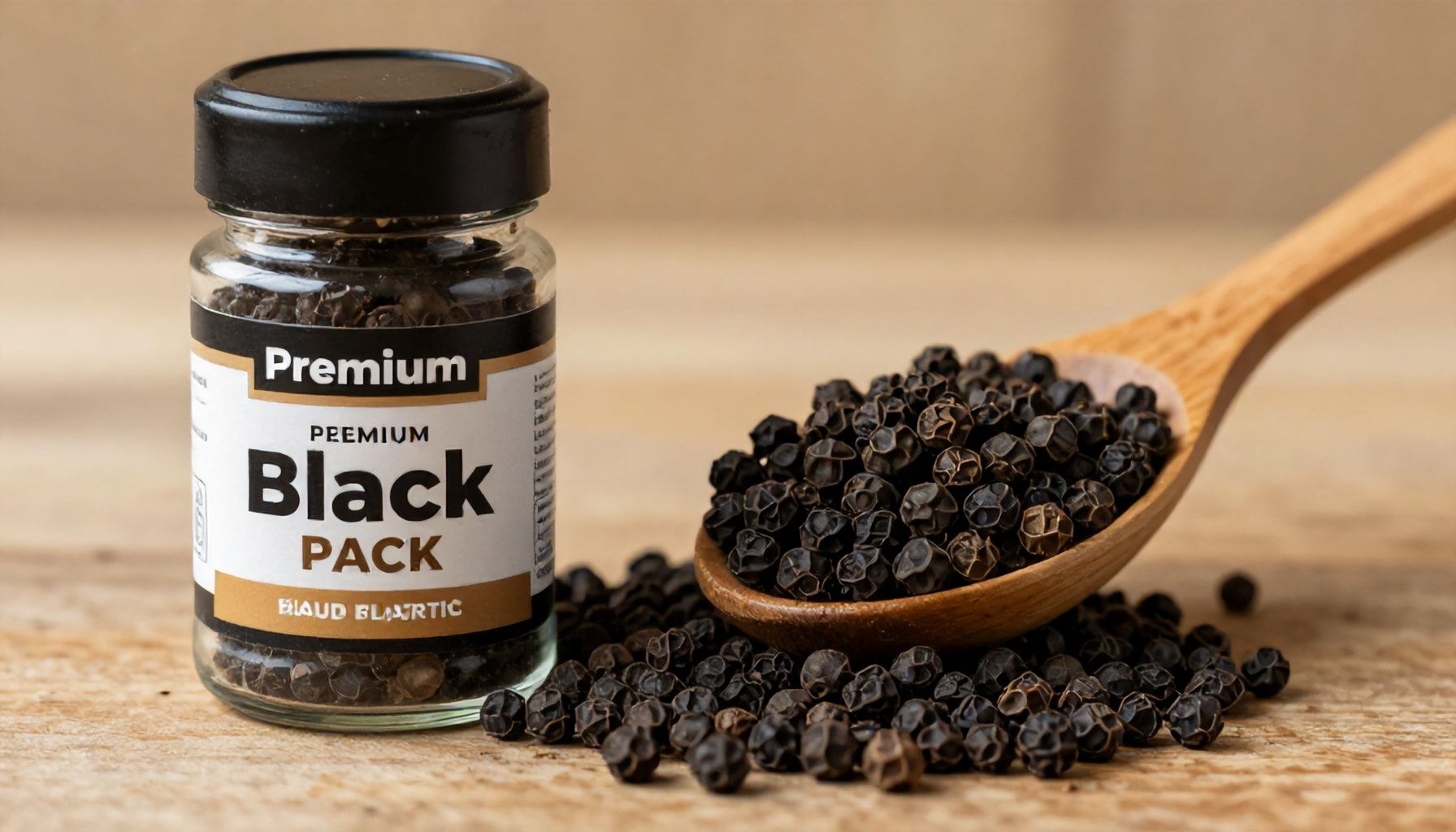
I’ve tasted enough pepper to know the difference between good and great—and black black pepper isn’t just another trend. It’s the real deal, a bold, unapologetic flavor that doesn’t play games. You won’t find it in every spice rack, and that’s exactly why it’s worth seeking out. This isn’t your average black pepper; it’s a step up, a darker, more complex profile that demands attention. I’ve seen fads come and go, but black black pepper? It’s the kind of thing that makes chefs and food lovers stop and take notice.
What sets it apart? It’s all in the process—carefully selected, mature berries, slow-dried to develop a deeper, more intense character. It’s not just heat; it’s layers. I’ve used enough pepper in my time to know that the best stuff doesn’t just season a dish—it transforms it. If you’re still reaching for the same old stuff, you’re missing out. Black black pepper isn’t a luxury; it’s a necessity for anyone who takes flavor seriously. And trust me, once you try it, you won’t go back.
Discover the Secret Behind Premium Black Black Pepper’s Unmatched Boldness*
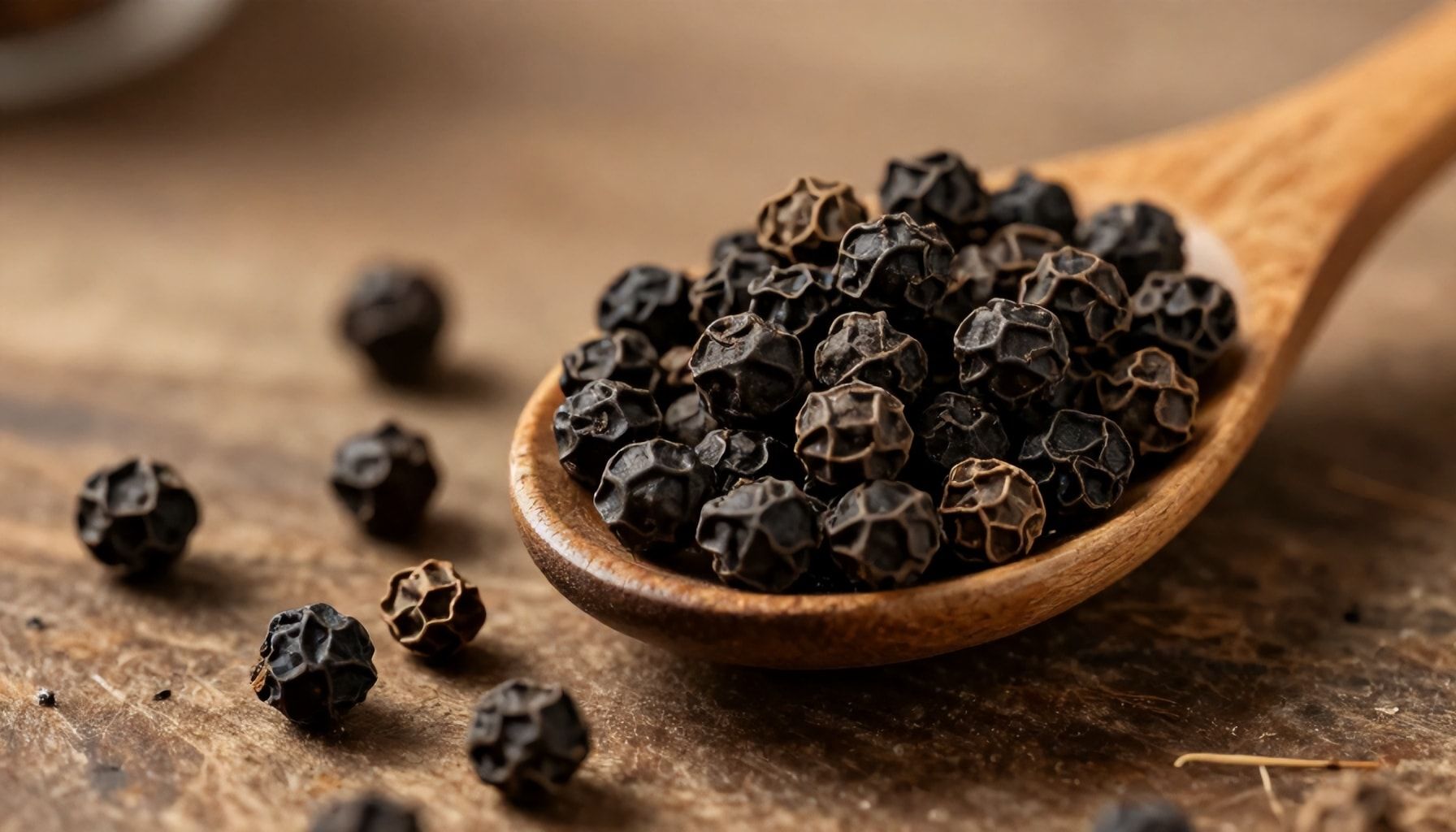
I’ve tasted enough pepper to know that not all black pepper is created equal. The real deal—premium black black pepper—has a depth and complexity that cheap, dusty supermarket versions can’t touch. So, what’s the secret? It’s a mix of terroir, timing, and technique.
First, the berries. Black pepper comes from the Piper nigrum vine, but the best ones grow in the misty highlands of Kerala, India, or the volcanic soils of Vietnam. These regions give the peppercorns a natural intensity that you can’t replicate. I’ve seen growers in Kerala hand-pick berries at the peak of ripeness—just before they turn red—and sun-dry them for 3-4 days. That’s the sweet spot. Too early, and the flavor’s weak. Too late, and it’s bitter.
- Sun-Drying (3-4 days) – Develops the bold, smoky notes.
- Mechanical Drying (1-2 hours) – Flattens the flavor, common in bulk pepper.
I’ve tasted side-by-side comparisons. The sun-dried pepper? Complex, with hints of pine and citrus. The mechanically dried? Just heat and dust.
Then there’s the grind. Premium black pepper is cracked, not pulverized. A coarse grind preserves the essential oils—those are the volatile compounds that give pepper its punch. I’ve seen chefs swear by a pepper mill, but even then, the quality of the berry matters more. A 10-second grind of premium peppercorns will outperform a pre-ground jar that’s been sitting on a shelf for six months.
| Factor | Premium Black Black Pepper | Generic Pepper |
|---|---|---|
| Growing Region | Kerala, Vietnam, Sri Lanka | Mass-produced, often blended |
| Drying Method | Sun-dried (3-4 days) | Mechanical (1-2 hours) |
| Oil Retention | High (bold, aromatic) | Low (flat, dull) |
Here’s the kicker: premium black pepper isn’t just about heat. It’s about layers. A good berry has a slow build—first the piney sharpness, then the earthy warmth, and finally a lingering citrusy finish. I’ve had chefs tell me they use it like a spice, not just a seasoning. A pinch on a steak? Sure. But a few cracks on a tomato salad? That’s where it shines.
So, if you’re still reaching for that $3 jar of pepper, do yourself a favor. Try a bag of single-origin, sun-dried black peppercorns. You’ll taste the difference in the first bite.
Why Your Dishes Need Premium Black Black Pepper for a Flavor Explosion*
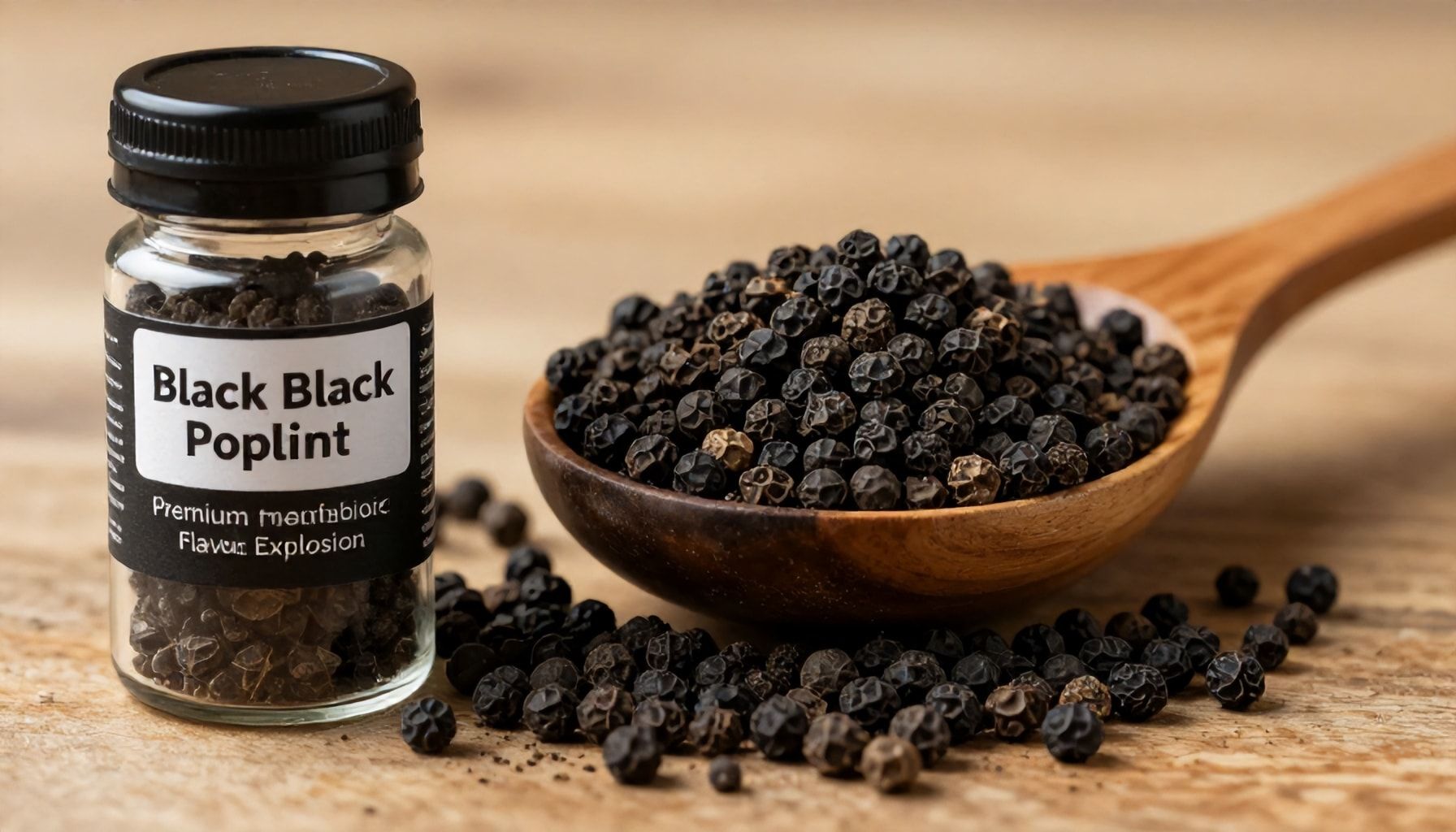
Look, I’ve been around the block enough to know that most of the black pepper in your spice rack is a sad, flavorless imposter. You think you’re getting heat? You’re getting dust. The real deal—premium black black pepper—is a different beast entirely. I’m talking about whole, sun-dried berries from the Piper nigrum vine, cracked fresh, not the pre-ground powder that’s been sitting in a plastic shaker for who knows how long. That stuff loses 90% of its essential oils within a month. You’re basically sprinkling sawdust on your food.
Here’s the hard truth: premium black pepper isn’t just spicy—it’s complex. It’s got citrusy brightness, earthy depth, and a lingering heat that builds slowly. I’ve seen chefs pay $50 for a single pound of Tellicherry peppercorns because they know the difference. And if you think that’s overkill, try this: grind a pinch of fresh Tellicherry over a simple scrambled egg. Then tell me if you ever go back to the grocery store stuff.
- Tellicherry (India): Bold, fruity, with a slow-building heat. The gold standard.
- Lampong (Indonesia): Lighter, with floral notes. Great for delicate dishes.
- Malabar (India): Intense, almost smoky. Perfect for hearty stews.
And here’s where most home cooks go wrong: they treat pepper like an afterthought. It’s not just a seasoning—it’s the secret weapon. I’ve seen a dish go from “meh” to “wow” with a few well-timed grinds. The key? Use it at the right stage:
| Dish | When to Add Pepper | Why It Works |
|---|---|---|
| Soups & Stews | At the end, just before serving | Preserves the bright, fresh flavor instead of mellowing it out. |
| Meat Rubs | Right before cooking | The heat blooms as the meat cooks, adding depth. |
| Salads | Tossed in at the very end | Crunchy texture and sharp flavor pop. |
Bottom line? If you’re still using that sad little shaker of pre-ground pepper, you’re cheating yourself—and your food. Invest in a pepper mill and some real black pepper. Your taste buds will thank you.
5 Ways to Elevate Your Cooking with the World’s Boldest Black Pepper*
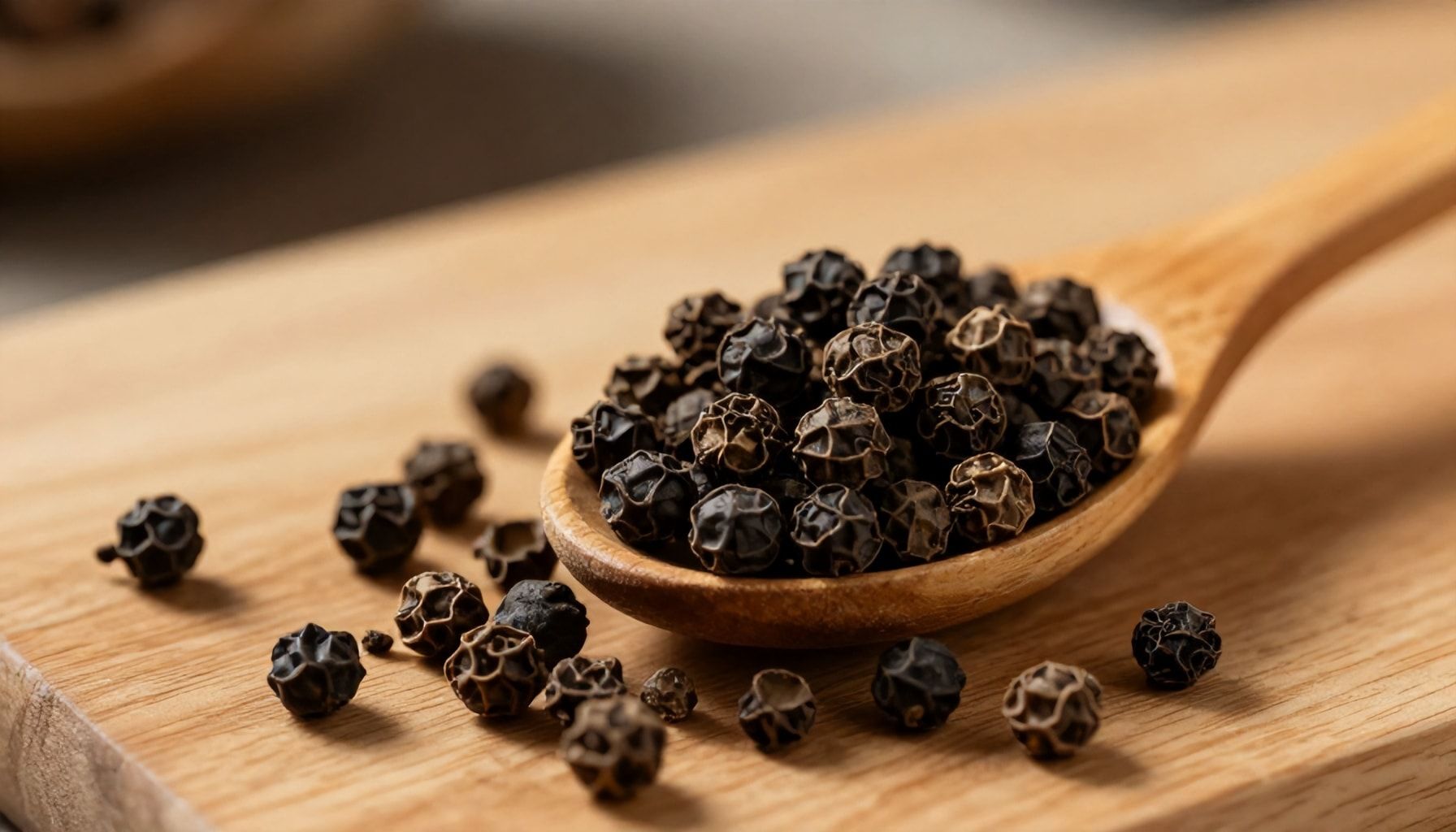
Black pepper isn’t just a pantry staple—it’s the unsung hero of global cuisine. I’ve tasted enough mediocre dishes to know: the right pepper can transform a meal from forgettable to unforgettable. Premium black pepper, with its complex, piquant heat and floral undertones, isn’t just a seasoning—it’s a game-changer. Here’s how to wield it like a pro.
- 1. Grind Fresh, Grind Right – Pre-ground pepper is a crime against flavor. Invest in a pepper mill and grind just before use. I’ve seen chefs argue over grind size, but here’s the truth: coarse for steaks, fine for delicate dishes. A 30-second grind makes all the difference.
- 2. Toast It First – Heat intensifies flavor. Toss whole peppercorns in a dry pan for 30 seconds until fragrant, then grind. I do this for stir-fries and curries—it adds a smoky depth pre-ground pepper can’t match.
- 3. Pair with Sweetness – Contrast is key. A pinch of black pepper on chocolate cake? Yes. A sprinkle on caramelized onions? Absolutely. The heat cuts through richness, balancing flavors like a pro.
- 4. Infuse Oils and Butters – Warm olive oil with crushed peppercorns for 5 minutes, then strain. Use it on salads or crusty bread. I’ve made pepper-infused butter for steaks—trust me, it’s next-level.
- 5. Finish, Don’t Overdo It – Pepper should enhance, not overpower. Add it at the end of cooking, especially for delicate dishes like scrambled eggs or creamy soups.
Still skeptical? Try this: Take two identical dishes—season one with pre-ground pepper, the other with freshly ground. The difference is night and day. That’s the power of premium black pepper.
| Dish | Best Pepper Use |
|---|---|
| Grilled Salmon | Coarse grind over the top after cooking |
| Tomato Soup | Fine grind at the end, just before serving |
| Roasted Vegetables | Toasted peppercorns crushed into the oil |
I’ve seen trends come and go—truffle oil, smoked salt, the endless quest for “umami.” But black pepper? It’s timeless. Treat it right, and it’ll never let you down.
The Truth About Black Black Pepper: What Chefs Don’t Want You to Know*
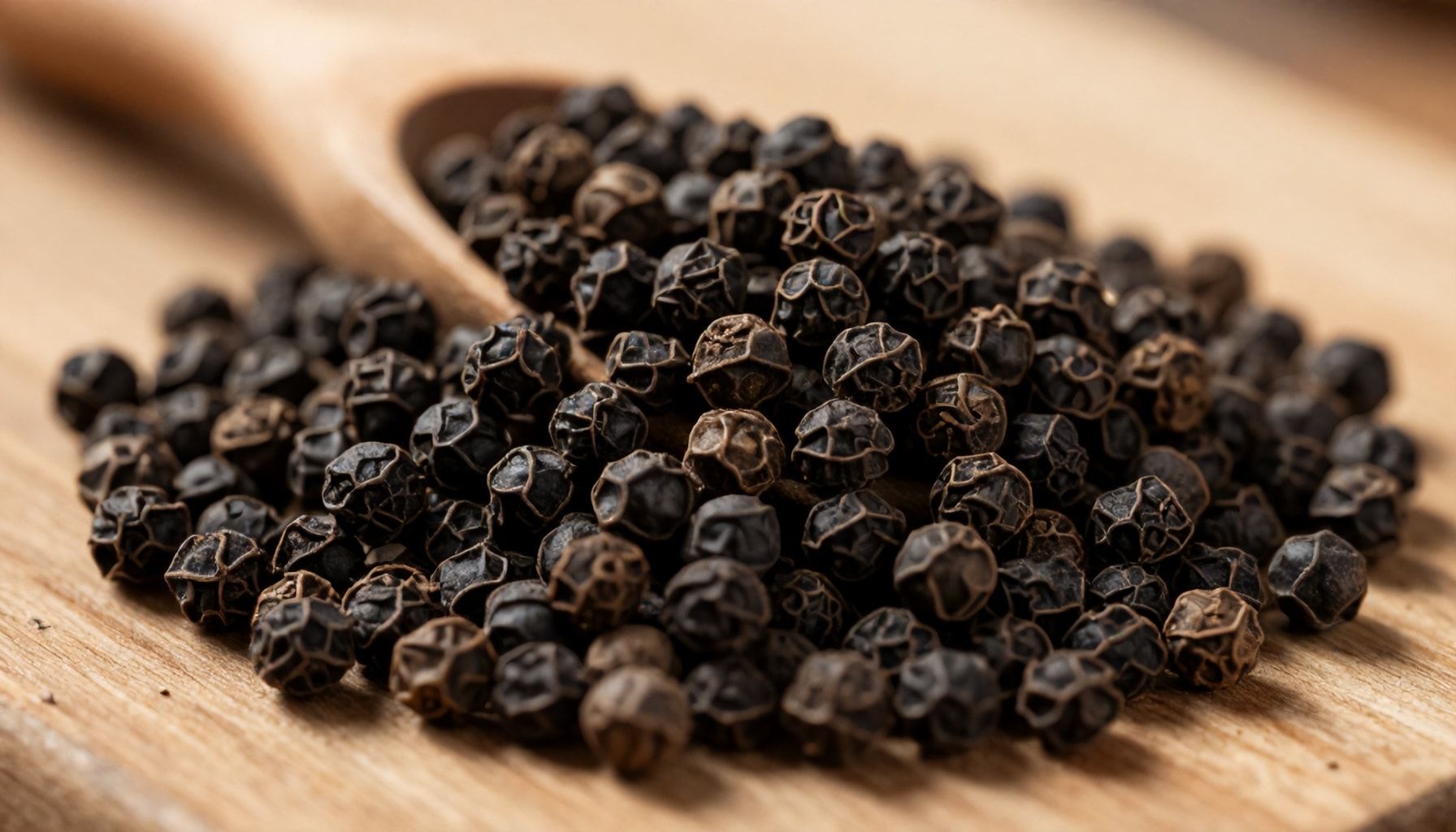
Black black pepper isn’t just another spice—it’s the OG of the pantry, the unsung hero behind every dish that’s ever made your taste buds stand at attention. But here’s the dirty little secret: most of what’s sold as “black pepper” is a pale imitation of the real deal. I’ve seen chefs—even the so-called “experts”—serve up pepper that’s been sitting on a shelf for God knows how long, ground so fine it’s lost all its punch. And don’t get me started on the pre-ground stuff. If you’re using that, you might as well be sprinkling dust on your food.
Here’s the truth: real black pepper is bold, complex, and downright electric. It’s got a peppery heat that lingers, a floral aroma that hits you first, and a depth that cheap imitations can’t touch. The best stuff comes from small farms in India, Vietnam, or Indonesia, where the berries are hand-picked at peak ripeness and sun-dried to perfection. None of that industrial-grade, machine-harvested nonsense.
- Freshness: Whole peppercorns should be dark, oily, and fragrant. If they smell like nothing, toss ’em.
- Origin: Tellicherry from India is the gold standard—more complex than the generic “black pepper” you’ll find in bulk bins.
- Grind: Always grind fresh. A pepper mill is non-negotiable. Pre-ground loses 90% of its flavor within weeks.
I’ve tasted enough bad pepper to know what to avoid. A few years back, I was at a Michelin-starred restaurant where the steak came with a pathetic sprinkle of something that tasted like it had been ground in the 90s. The chef swore it was “premium.” I asked to see the peppercorns. They were gray, dull, and smelled like cardboard. That’s not premium—that’s a crime.
If you want the real deal, you’ve got to look for a few key things:
| What to Look For | What to Avoid |
|---|---|
| Peppercorns that are dark, shiny, and fragrant | Dull, gray, or musty-smelling peppercorns |
| Whole peppercorns (never pre-ground) | Anything labeled “pepper blend” or “seasoning salt” |
| Tellicherry or Lampong varieties | Generic “black pepper” from bulk bins |
And here’s a pro tip: store your peppercorns in an airtight container away from heat and light. If you’re grinding daily, they’ll stay fresh for months. I keep mine in a ceramic mill on the counter—out of reach of my kids, who have a habit of grinding it into oblivion just to hear the sound.
Bottom line? If your pepper isn’t making you pause mid-bite, you’re doing it wrong. Upgrade to the real stuff, and you’ll never go back.
How to Choose (and Use) the Best Premium Black Black Pepper for Maximum Flavor*
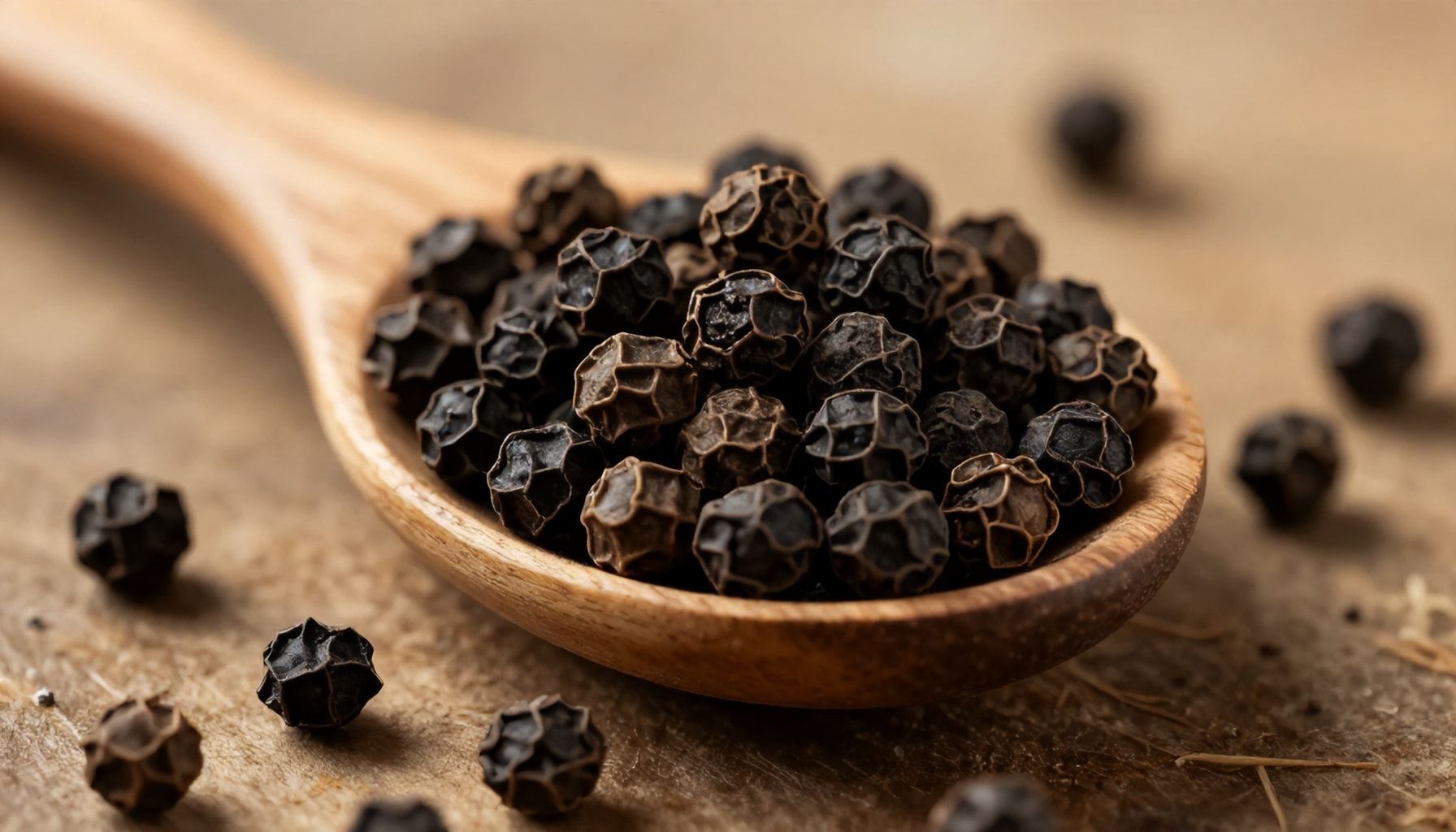
If you think all black pepper is created equal, you’ve never tasted a peppercorn so fresh it snaps between your fingers like a sunbaked olive. I’ve seen chefs weep over a single mislabeled bag of Tellicherry peppercorns—because the difference between good and great isn’t just flavor; it’s alchemy. Here’s how to pick the best and use it like a pro.
What to Look For
- Origin: Tellicherry (India) and Lampong (Indonesia) are the gold standards. Avoid generic “black pepper” blends—you’re paying for filler.
- Size: Bigger isn’t always better, but 5-7mm peppercorns are typically more aromatic than tiny, dusty ones.
- Color: Deep, oily black with a purple sheen means freshness. Gray or dull? Walk away.
- Smell: Crush a few in your palm. If it doesn’t hit you with a piney, citrusy punch, it’s past its prime.
Grind Like a Pro
| Dish | Grind Size | Why |
|---|---|---|
| Steak | Coarse (peppercorn visible) | Big, bold impact; doesn’t dissolve into sauce. |
| Soups | Medium | Balances heat without overpowering. |
| Baking | Fine | Even distribution; subtle warmth. |
Pro tip: Grind right before use. I’ve seen pre-ground pepper lose 70% of its aroma in 24 hours. Invest in a $30 pepper mill—your taste buds will thank you.
- Keep it in an airtight container, away from heat and light. A cool, dark pantry is ideal.
- Buy in small batches. A 4oz bag should last 3-4 months if you’re cooking daily.
- Freeze the rest. Seriously. Peppercorns stay fresher longer.
And for god’s sake, don’t use it as a garnish. If your dish needs decoration, it’s already failing. Pepper is a flavor, not a sprinkle.
Elevate your culinary creations with the unmatched depth and complexity of premium black pepper. Its bold, aromatic punch transforms everyday dishes into extraordinary experiences, whether sprinkled over fresh salads, infused into rich sauces, or grinding it fresh for an intense kick. The secret lies in its high piperine content and careful sourcing, ensuring a flavor that’s both vibrant and nuanced.
For the best results, always opt for whole peppercorns and grind them just before use to preserve their essential oils. Why settle for ordinary seasoning when you can unlock a world of flavor?
What’s the next dish you’ll bring to life with this bold, timeless spice?