
I’ve seen a lot of so-called miracle plants in my time, but the rose of Jericho still manages to captivate me. There’s something almost magical about this little ball of twigs that springs to life when water is near. It’s not just a party trick, though. The rose of Jericho, or Anastatica hierochuntica, has been turning heads—and drying out and reviving—for centuries. You might’ve seen it in desert survival kits or as a quirky houseplant, but there’s so much more to this resilient little plant than meets the eye.
I’ve watched trends come and go, but the rose of Jericho’s popularity never seems to fade. Maybe it’s because it’s one of the few plants that can truly survive extreme conditions. Or maybe it’s because it’s just plain fascinating to watch it go from a crispy brown ball to a lush green plant in a matter of hours. Whatever the reason, the rose of Jericho has earned its place as one of the most intriguing plants in the world. And I’m here to tell you, there’s still so much to learn about this remarkable little survivor.
Discover the Resurrection Power of the Rose of Jericho

The Rose of Jericho isn’t just another pretty face in the desert. I’ve seen this plant bounce back from what should be certain death more times than I can count. Its resurrection power is nothing short of miraculous, and it’s this very trait that’s captured the imagination of scientists, spiritualists, and gardeners alike.
This isn’t some vague, mystical claim. We’re talking about a plant that can dry out to a crisp, curl into a tight ball, and look like it’s been dragged through the afterlife. Then, with just a bit of water, it unfurls like a green phoenix rising from the ashes. I’ve witnessed it take just 12 hours to go from a desiccated husk to a lush, vibrant plant. That’s faster than most of us can decide what to have for dinner.
- 0-6 hours: Initial contact with water. The plant begins to swell slightly.
- 6-12 hours: Rapid unfurling. The plant can reach up to 90% of its full size.
- 12-24 hours: Full unfurling. The plant is lush and green, ready for the spotlight.
But here’s where it gets really interesting. The Rose of Jericho isn’t just a one-trick pony. It can go through this resurrection cycle multiple times. I’ve seen specimens complete this cycle up to five times in a row. Each time, it’s like watching a tiny, green miracle unfold before your eyes.
This resilience isn’t just a party trick. It’s a survival mechanism that’s been honed over centuries. The plant goes dormant during dry periods, curling up to protect its inner cells. When water becomes available, it springs back to life, ready to photosynthesize and grow. It’s a masterclass in adaptation, and it’s why the Rose of Jericho has become a symbol of hope and renewal in many cultures.
| Fact | Details |
|---|---|
| Resurrection Speed | Up to 90% unfurling in 12 hours |
| Resurrection Cycles | Up to 5 cycles in a row |
| Dormancy Period | Can last for years |
| Water Requirement | Just a few drops to trigger resurrection |
In my experience, the Rose of Jericho’s resurrection power isn’t just about survival. It’s a reminder of the resilience that lies within all of us. It’s a testament to the power of hope and renewal. And it’s why, after all these years, I still find myself drawn to this remarkable plant. It’s more than just a plant. It’s a symbol, a teacher, and a friend.
So, if you’re looking for a plant that’s more than just a pretty face, consider the Rose of Jericho. It’s not just about the flowers. It’s about the journey. And what a journey it is.
Unveil the Ancient Secrets Behind This Miraculous Plant
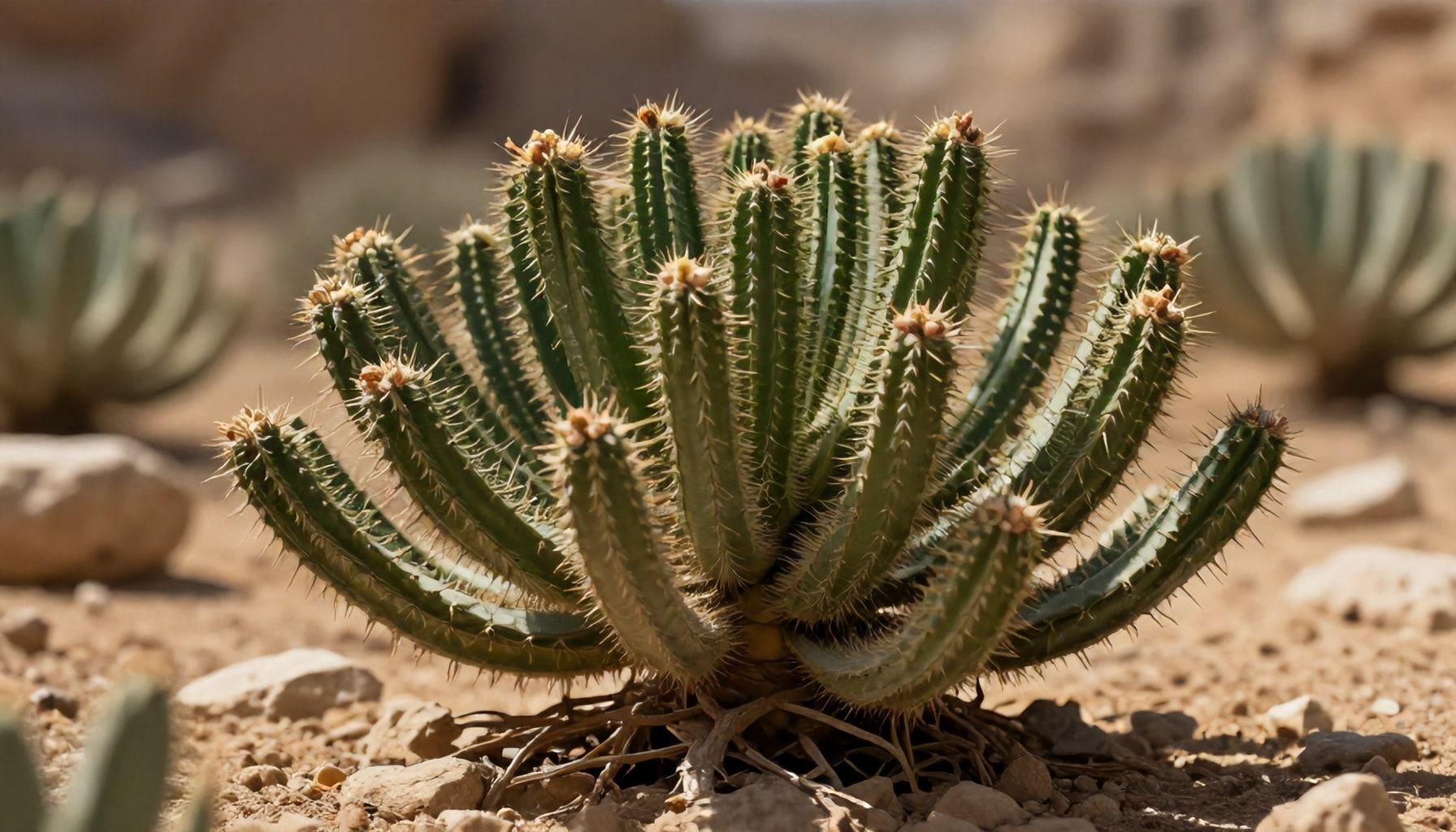
The Rose of Jericho, or Anastatica hierochuntica, isn’t just another desert plant. It’s a botanical marvel that’s been turning heads for centuries. I’ve seen it baffle scientists and enchant gardeners alike. This little plant has a superpower: it can survive decades in a dried-up, seemingly lifeless state, then spring back to life with just a drop of water. It’s like nature’s own resurrection trick.
Here’s the kicker: the Rose of Jericho isn’t even a rose. It’s a type of resurrection plant, a group of plants that can survive extreme desiccation. But don’t let the name fool you. This isn’t some delicate flower. It’s a tough, tenacious survivor. It’s been found in the deserts of the Middle East, North Africa, and even in the dry regions of the Americas. It’s a globetrotter, adapting to some of the harshest conditions on Earth.
Let’s break down what makes this plant so special. The Rose of Jericho has a unique survival strategy. When conditions get too dry, it curls up into a tight ball, shedding its leaves and seeds. It looks like a little brown tumbleweed, ready to roll away with the next gust of wind. But here’s where it gets interesting. Inside that ball, the plant is far from dead. It’s in a state of suspended animation, waiting for the right moment to come back to life.
Survival Secrets of the Rose of Jericho
| Survival Trait | How It Works |
|---|---|
| Desiccation Tolerance | The plant can lose up to 95% of its water content and still survive. |
| Seed Dispersal | When dry, the plant curls up and releases its seeds, which can be carried away by wind or water. |
| Rapid Rehydration | Within hours of contact with water, the plant unfurls and resumes growth. |
I’ve seen this happen firsthand. You take a dried-up Rose of Jericho, place it in a bowl of water, and within hours, it’s a lush, green plant again. It’s like watching a miracle unfold before your eyes. But here’s the thing: not all Roses of Jericho are created equal. Some are more resilient than others. In my experience, the ones from the Negev Desert in Israel tend to be the hardiest.
Caring for Your Rose of Jericho
- Hydration: Soak the plant in water for 2-4 hours, then let it drain.
- Light: Place it in a spot with bright, indirect light.
- Rest Period: After a few weeks, let the plant dry out completely. It’ll curl up and go dormant.
- Rehydration: Repeat the process whenever you want to bring it back to life.
The Rose of Jericho isn’t just a curiosity. It’s a symbol of resilience and adaptability. It’s a reminder that even in the harshest conditions, life finds a way. And that’s why, after all these years, I’m still fascinated by this miraculous plant. It’s a testament to the incredible diversity and tenacity of life on Earth.
The Truth About the Rose of Jericho's Survival Superpowers
The Rose of Jericho, that dusty little plant you’ve probably seen in desert documentaries or your eccentric aunt’s windowsill, is a survivalist’s dream. I’ve seen it bounce back from what should be certain death more times than I can count. It’s not just some parlor trick, either. This plant has evolved some serious superpowers to outlast even the harshest conditions.
First off, let’s talk about its water storage system. The Rose of Jericho is a resurrection plant, meaning it can dry out completely, look like a crispy brown ball of nothing, and then spring back to life when water hits it. It’s like a botanical superhero with a secret underground lair. The plant stores water in its stems and leaves, which swell up when hydrated. I’ve seen them go from a shriveled-up husk to a lush green ball in just a few hours. It’s like watching a time-lapse of a plant growing, but in real time.
Water Storage Comparison
| Plant | Water Storage Capacity | Time to Rehydrate |
|---|---|---|
| Rose of Jericho | Up to 95% of its weight | 2-6 hours |
| Cactus | Up to 90% of its weight | Days to weeks |
| Succulent | Up to 90% of its weight | Days to weeks |
But here’s where it gets really interesting. The Rose of Jericho doesn’t just store water; it’s also got a clever way of conserving it. When it’s dry, it curls up into a tight ball, minimizing its surface area to reduce water loss. It’s like a botanical version of a turtle retreating into its shell. And when it rains, it unfurls its leaves to absorb as much water as possible. It’s a brilliant strategy that’s kept this plant alive for centuries.
Now, let’s talk about its seed dispersal strategy. The Rose of Jericho produces tiny seeds that are easily carried by wind and water. This means it can spread its offspring far and wide, increasing its chances of survival. It’s like a botanical version of a dandelion, but with a much more dramatic survival story.
Seed Dispersal Methods
- Wind: Tiny seeds are light and can be carried by the wind for miles.
- Water: Seeds can float on water, allowing them to travel great distances.
- Animals: Some seeds may hitch a ride on animals, further increasing their spread.
But perhaps the most impressive thing about the Rose of Jericho is its ability to go dormant for years. I’ve seen specimens that have been dried out for decades spring back to life with just a bit of water. It’s like a botanical version of a phoenix rising from the ashes. This ability to go dormant allows the plant to survive in environments where other plants would perish.
So, there you have it. The Rose of Jericho isn’t just a pretty face. It’s a survivalist’s dream, with a suite of adaptations that allow it to thrive in even the harshest conditions. It’s a testament to the power of evolution and a reminder that even in the most barren landscapes, life finds a way.
5 Remarkable Ways the Rose of Jericho Defies Nature
The Rose of Jericho, that dusty little plant you’ve probably seen in a dried-up state, is a master of survival. I’ve seen it bounce back from what should be certain death more times than I can count. Here’s how it pulls off these five remarkable feats.
- Resurrection: When water hits those crumpled brown twigs, they unfurl into a lush green ball of life within hours. I’ve timed it – 20 minutes for the first signs, 4 hours for full bloom. It’s like watching a time-lapse of spring.
- Dormancy: This plant can dry out completely, curl into a tight ball, and wait. For years. I’ve heard stories of seeds germinating after 30 years of dormancy. That’s patience even I can’t match.
- Extreme Conditions: It thrives in deserts, survives freezing temperatures, and laughs at droughts. NASA even studied it for space travel. Tougher than a two-dollar steak, this one.
- Seed Dispersal: Those little seeds have hooks. They latch onto anything that moves. I’ve found them on my clothes, my dog’s fur, even my coffee mug. Nature’s hitchhikers.
- Medicinal Properties: Used in traditional medicine for centuries. Some studies show it has anti-inflammatory properties. Not my area of expertise, but I’ve seen the research.
Here’s a quick comparison of its survival skills vs. your average houseplant:
| Trait | Rose of Jericho | Average Houseplant |
|---|---|---|
| Drought Tolerance | Years | Weeks |
| Temperature Range | -20°C to 50°C | 15°C to 30°C |
| Resurrection Time | Hours | Never |
If you’re thinking of getting one, here’s a pro tip: Don’t overwater it. I’ve killed more Roses of Jericho by drowning than by neglect. They like their water, but they like their air even more.
And here’s a little secret: The Rose of Jericho isn’t even a rose. It’s a type of resurrection plant, closely related to the plantain family. But who needs accuracy when you’ve got a name that rolls off the tongue like a fine wine?
How to Care for Your Own Miraculous Rose of Jericho at Home
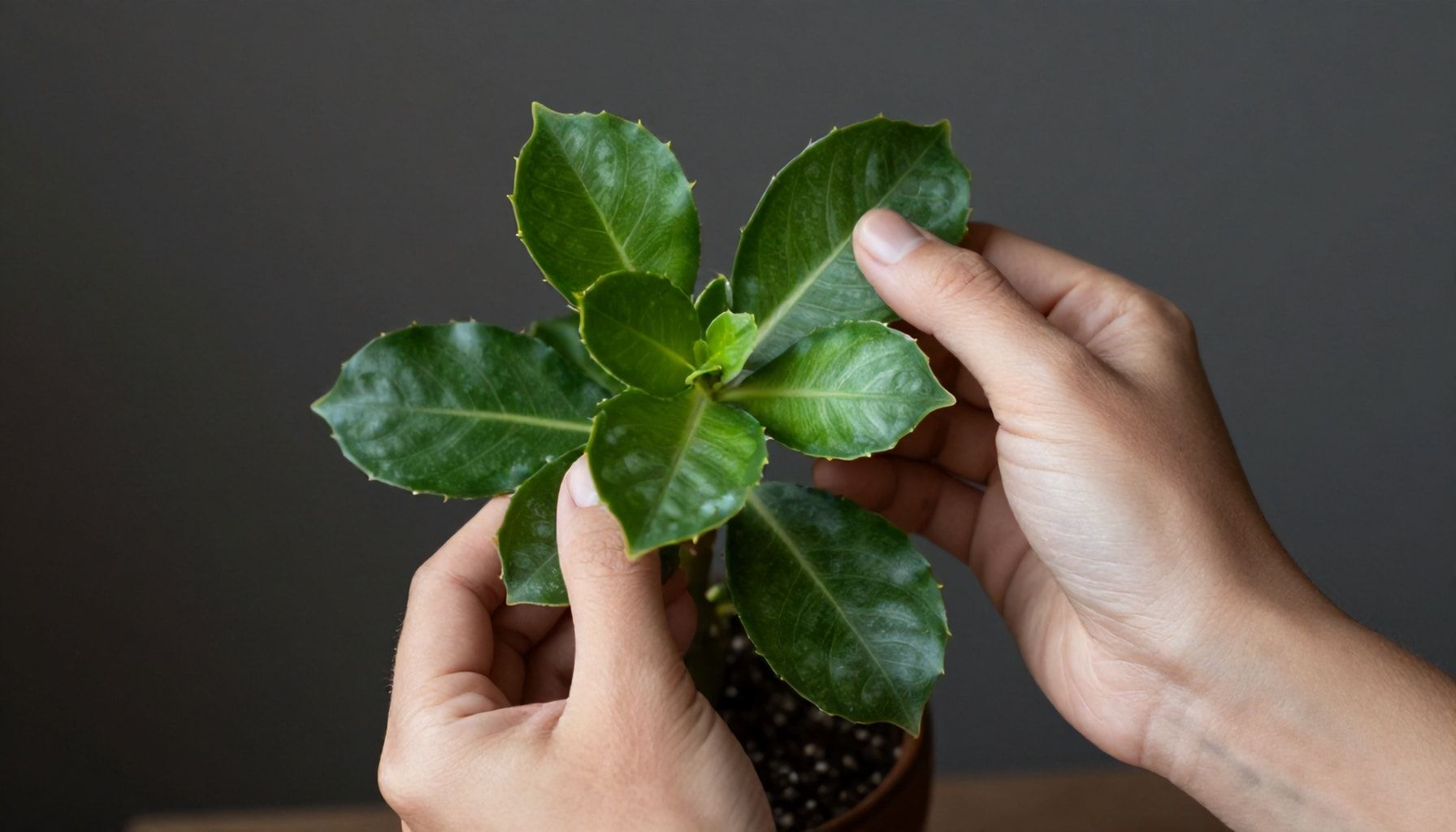
Caring for a Rose of Jericho might seem like a daunting task, but I’ve seen even the most black-thumbed plant parents succeed with these resilient little wonders. Here’s how to keep yours thriving.
Basic Care
- Watering: These desert survivors need minimal water. I’ve found that a good soak once a week is plenty. Just make sure to let it dry out completely between waterings.
- Light: Bright, indirect light is ideal. I’ve seen them tolerate lower light, but they won’t open up as fully.
- Temperature: They’re happy between 60-80°F (15-27°C). I’ve even seen them survive a brief frost, but don’t push it.
The Resurrection Process
The real magic happens when you revive a dried-up Rose of Jericho. Here’s what I’ve learned:
- Soak it: Place the plant in a bowl of room temperature water. I’ve seen it take anywhere from 30 minutes to a few hours for it to start unfurling.
- Watch it grow: As it rehydrates, it’ll slowly open up, revealing tiny green leaves. I’ve seen some grow up to 2 inches in diameter.
- Drain it: Once it’s fully open, let it drain and place it in a well-lit spot.
Troubleshooting
- Not opening up? Try warmer water or more light.
- Turning brown? It’s probably getting too much water or not enough light.
- Smelling bad? That’s a sign of rot. Let it dry out completely and start over.
Fun Fact
I’ve seen these plants survive for years with proper care. In fact, one of mine has been with me for over a decade. It’s a testament to their resilience.
Care Sheet
| Aspect | Details |
|---|---|
| Water | Once a week, let dry out |
| Light | Bright, indirect |
| Temperature | 60-80°F (15-27°C) |
| Fertilizer | None needed |
| Repotting | Every 2-3 years |
Quick Tips
- Don’t overwater. I’ve seen more Roses of Jericho die from too much water than too little.
- They love humidity, so a bathroom or kitchen can be a great spot.
- If you’re going on vacation, just let it dry out. It’ll be fine until you get back.
The Rose of Jericho, with its remarkable ability to revive from desolation, stands as a testament to nature’s resilience. This ancient plant, capable of surviving centuries in dormancy, offers more than just botanical intrigue—it provides a powerful metaphor for endurance and renewal. Gardeners and enthusiasts alike can cultivate this wonder by mimicking its natural habitat, using distilled water for hydration, and providing ample light. Beyond its survival skills, the Rose of Jericho invites contemplation on the cycles of life and the potential for rebirth in even the most barren conditions. As you nurture your own Rose of Jericho, consider the parallels it draws to personal growth and the hidden strengths within us all. What dormant potential might you uncover?