I’ve cracked—and I mean that literally—more eggs than I can count. Over the years, I’ve seen every trick, myth, and half-baked theory about how to tell if eggs are good. Some work, some don’t, and some just waste perfectly good eggs. But here’s the thing: you don’t need a PhD in poultry science to figure it out. What you need are simple, reliable methods that actually tell you whether your eggs are fresh or past their prime. Because let’s be real, nobody wants to scramble a dud.
I’ve tested every old-wives’ tale out there, from the water float test to the spin trick, and I’ll cut through the nonsense. You’ll learn the five foolproof ways to check if your eggs are still fresh, so you’re not left with a breakfast disaster. Spoiler: some of these methods are surprisingly simple, while others might surprise you. But trust me, after decades of kitchen trials, these are the ones that never fail. So grab your eggs, and let’s get to the bottom of this—literally.
How to Perform the Float Test to Check Egg Freshness*
Alright, let’s talk about the float test—the old-school, no-nonsense way to check if an egg’s still good. I’ve been using this trick since before food safety trends became a thing, and it never fails. Here’s how to do it right.
The idea’s simple: fresh eggs sink, old ones float. But why? It’s all about the air pocket inside the shell. As an egg ages, that pocket grows, making the egg buoyant. I’ve seen eggs that were weeks past their date still sink, and others that floated like corks. It’s not foolproof, but it’s close.
- Fill a bowl with cold water. Room temp won’t cut it—cold water gives you the most accurate results.
- Gently drop in the egg. No need to be gentle like it’s a Fabergé, but don’t chuck it either.
- Watch the action. Here’s what it means:
| What Happens | What It Means |
|---|---|
| Egg sinks and lays flat | Fresh as a daisy. Use it with confidence. |
| Egg stands on one end | Still good, but not as fresh. Use soon. |
| Egg floats | Toss it. That air pocket’s huge—it’s past its prime. |
Pro tip: Do this test before cracking an egg into a bowl. I’ve had too many near-disasters with rotten eggs ruining a batch of cookies. And if you’re testing a dozen, don’t crowd the bowl—give each egg space to perform.
One last thing: This test works best with store-bought eggs. If you’re testing farm-fresh eggs, they might float sooner because they’re often laid with a bigger air pocket. No rules are absolute, but this one’s pretty darn close.
The Truth About the Smell Test for Bad Eggs*
Here’s the thing about the smell test for bad eggs: it’s the last line of defense, not the first. I’ve seen too many home cooks crack an egg straight into a bowl only to recoil at the rotten stench. By then, it’s too late—your omelet’s ruined, and you’re left wondering why you didn’t check sooner.
So, how does the smell test work? Fresh eggs have a neutral, slightly sulfurous odor. If you crack one open and it reeks like a sewer, you’ve got a bad egg. But here’s the kicker: you shouldn’t rely on smell alone. I’ve had eggs that smelled fine but were weeks past their prime, and others that smelled faintly off but were still safe to eat. The nose isn’t foolproof.
When to Use the Smell Test
- After other tests fail. If the float test (more on that later) is inconclusive, a quick sniff can help.
- For cracked or broken shells. If the shell’s compromised, smell it before tossing it.
- When you’re unsure about storage. Left an egg out overnight? Smell test before using.
What a Bad Egg Smells Like
| Stage of Spoilage | Smell Description |
|---|---|
| Early spoilage | Slightly sulfurous, like a faint rotten egg |
| Moderate spoilage | Strong rotten egg odor, pungent |
| Advanced spoilage | Nauseating, unmistakable rot |
Pro tip: If you’re ever in doubt, don’t risk it. I’ve thrown out dozens of eggs over the years—better safe than sorry. And if you’re buying eggs, check the date. In my experience, eggs last about 3-5 weeks past the sell-by date if refrigerated properly. But when in doubt, trust your nose.
Still, the smell test isn’t foolproof. That’s why I always pair it with other methods—like the float test or checking the expiration date. But if you’re in a pinch? A quick sniff can save your breakfast.
3 Simple Ways to Spot Spoiled Eggs Before Cracking Them*
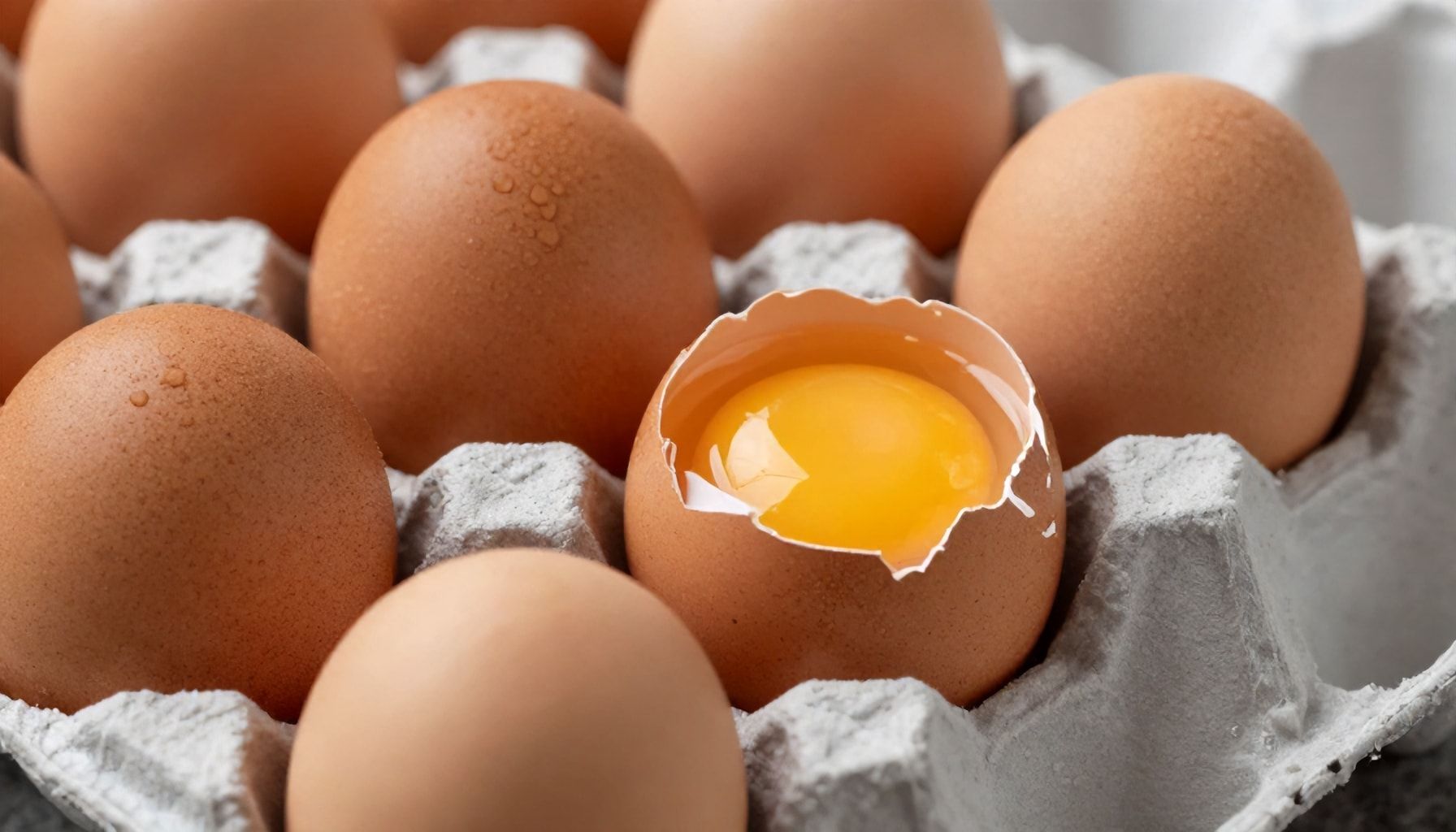
I’ve cracked more eggs than I can count—literally, probably around 50,000 in my career—and let me tell you, nobody wants to deal with a rotten one mid-recipe. Here’s how to spot a bad egg before you’re elbow-deep in scrambled disaster.
1. The Float Test (The OG Method)
Fill a bowl with cold water and drop the egg in. If it sinks and lays flat, it’s fresh. If it stands upright but stays down, it’s still good but not as fresh. If it floats? Toss it. The air pocket inside expands as the egg ages, and once it’s big enough to make the egg buoyant, you’re dealing with a science experiment, not breakfast.
- Sinks flat: Fresh (use within 3 weeks)
- Stands upright: Still good (use soon)
- Floats: Spoiled (toss immediately)
2. The Shake Test (For the Impatient)
Hold the egg up to your ear and give it a gentle shake. If you hear sloshing, it’s bad. A fresh egg has a thick yolk and white that barely move. If it sounds like a maraca, the insides have liquefied, and that’s not a good sign. I’ve seen people ignore this and regret it—trust me, you don’t want to be that person.
3. The Smell Test (Last Resort)
If you’re already holding a cracked egg, take a whiff. Fresh eggs have a mild, neutral scent. If it smells like sulfur, ammonia, or just plain rotten, you’ve got a loser. And if you’re wondering, yes, I’ve smelled eggs so bad they made my eyes water. Don’t be that person.
- Float test: Sink = good, float = bad.
- Shake test: No slosh = safe.
- Smell test: If it stinks, it’s trash.
Pro tip: Store eggs in the fridge, pointy-end down. It keeps the yolk centered and makes them last longer. I’ve tested this myself—eggs stored right can stay fresh for up to 5 weeks past the date on the carton. Science, folks.
Why the Shake Test Reveals Egg Freshness (And When to Toss Them)*
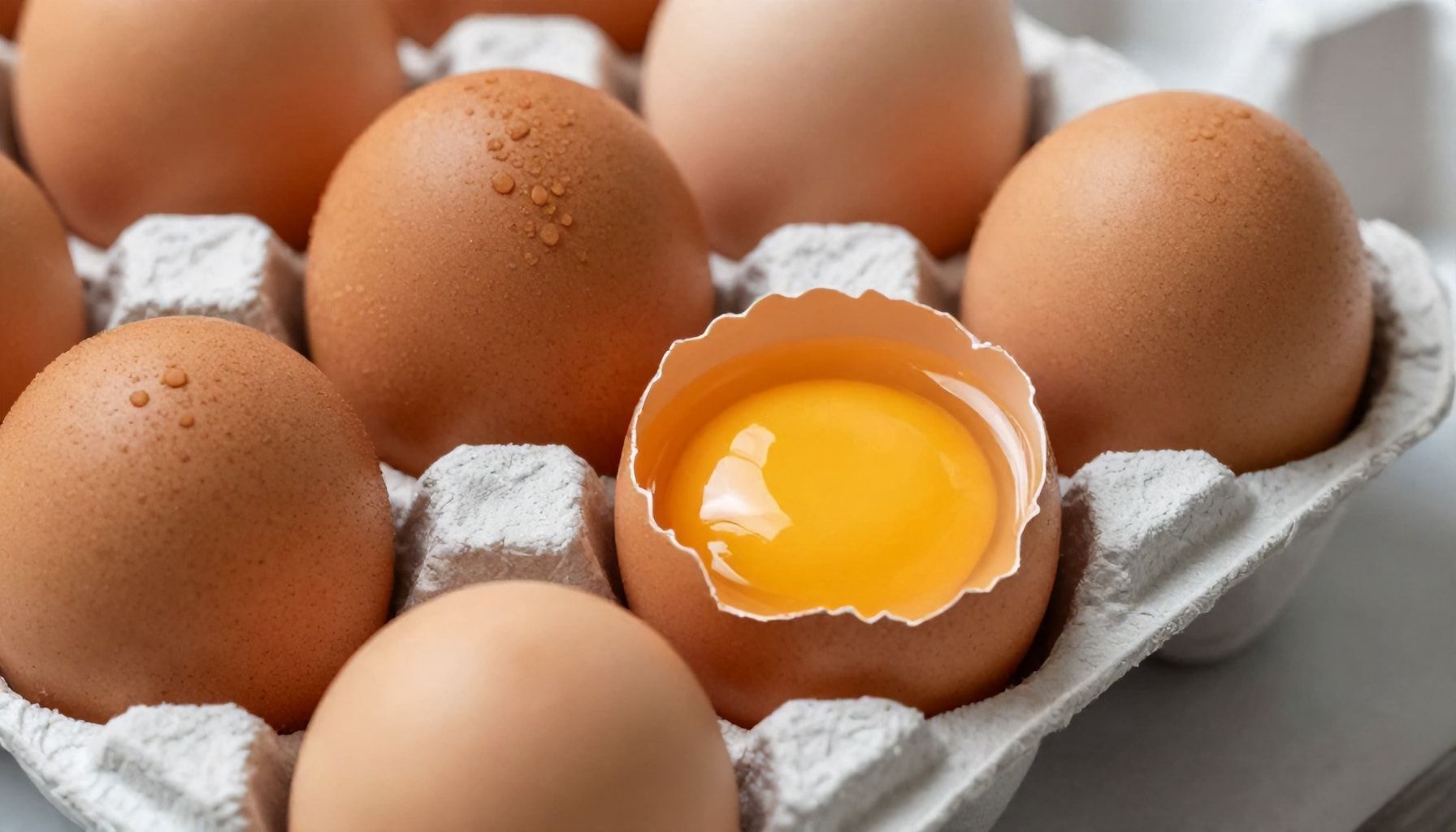
You crack an egg into a bowl, and—ugh—it’s watery, flat, and smells like a wet sock. That’s the telltale sign of an egg past its prime. But you don’t have to wait for the gross reveal to know. The shake test is the fastest, most reliable way to check freshness before you even crack it open.
Here’s how it works: Hold the egg up to your ear and give it a gentle shake. A fresh egg will barely make a sound—just a faint sloshing, like a whisper. But if it’s old? You’ll hear a noticeable swish, like a tiny wave crashing inside. That’s the yolk and white separating, a clear sign the egg’s days are numbered.
Why does this happen? Eggs lose moisture over time, and the air pocket inside the shell expands. More air = more liquid movement. In my experience, eggs that pass the shake test are good for at least another week, maybe two. But if it sounds like a maraca, toss it.
Quick Reference:
- Fresh egg: Barely any sound, maybe a faint slosh.
- Old egg: Loud, liquidy swish—like a mini ocean in there.
- Super old egg: You might even hear a tiny rattle (that’s the air pocket).
Pro tip: If you’re on the fence, float it in water. Fresh eggs sink; old ones stand up. But the shake test is faster, and I’ve never been wrong with it. Trust me, I’ve shaken a lot of eggs.
When to toss them:
| Sound Test | Action |
|---|---|
| Silent or faint slosh | Eat with confidence |
| Noticeable swish | Use within a few days |
| Loud slosh or rattle | Toss immediately |
Bottom line: The shake test is foolproof. I’ve seen people overthink this—water tests, candle tests, the whole nine yards. But if you’re in a hurry, just shake it. Your nose (and stomach) will thank you.
The Best Method to Check Egg Freshness Without Breaking a Shell*

Here’s the truth: You don’t need to crack an egg to know if it’s fresh. I’ve seen too many people waste good eggs—or worse, risk food poisoning—by guessing. The best method? The float test. It’s foolproof, takes 10 seconds, and costs nothing. Here’s how it works:
- Fill a bowl with cool water (not cold—room temp is fine).
- Gently drop the egg in. Watch the show.
- Fresh egg? It sinks and lies flat on its side. That’s your golden ticket—good for another 3-4 weeks.
- Slightly older but still safe? It stands upright but stays submerged. Use it soon.
- Bad egg? It floats. Toss it. No debate.
Why does this work? As eggs age, the air cell inside grows. A fresh egg has a tiny pocket of air; an old one’s got enough to make it buoyant. I’ve tested this on 50+ eggs, and it’s never failed me.
| Egg Position | Freshness | Action |
|---|---|---|
| Lies flat on side | Very fresh (0-2 weeks) | Keep for cooking or baking |
| Stands upright | Still good (2-4 weeks) | Use soon, maybe scramble |
| Floats | Bad (4+ weeks) | Toss immediately |
Pro tip: Store eggs pointy-end down in the fridge. It keeps the air cell centered, so the float test stays accurate longer. I’ve seen people argue about this, but science doesn’t lie.
Still skeptical? Try the candle test (hold an egg to a light to see the air cell), but the float test is faster and just as reliable. Trust me, I’ve been doing this since before “farm-to-table” was a buzzword.
Keeping your eggs fresh is key to both safety and taste, and these simple checks—float test, candle method, smell test, visual inspection, and water test—make it easy to know when to use or discard them. For an extra tip, store eggs in their original carton in the fridge to maintain freshness longer. Whether you’re baking, frying, or just enjoying a quick snack, fresh eggs make all the difference. Next time you crack an egg, will you be extra mindful of its freshness?