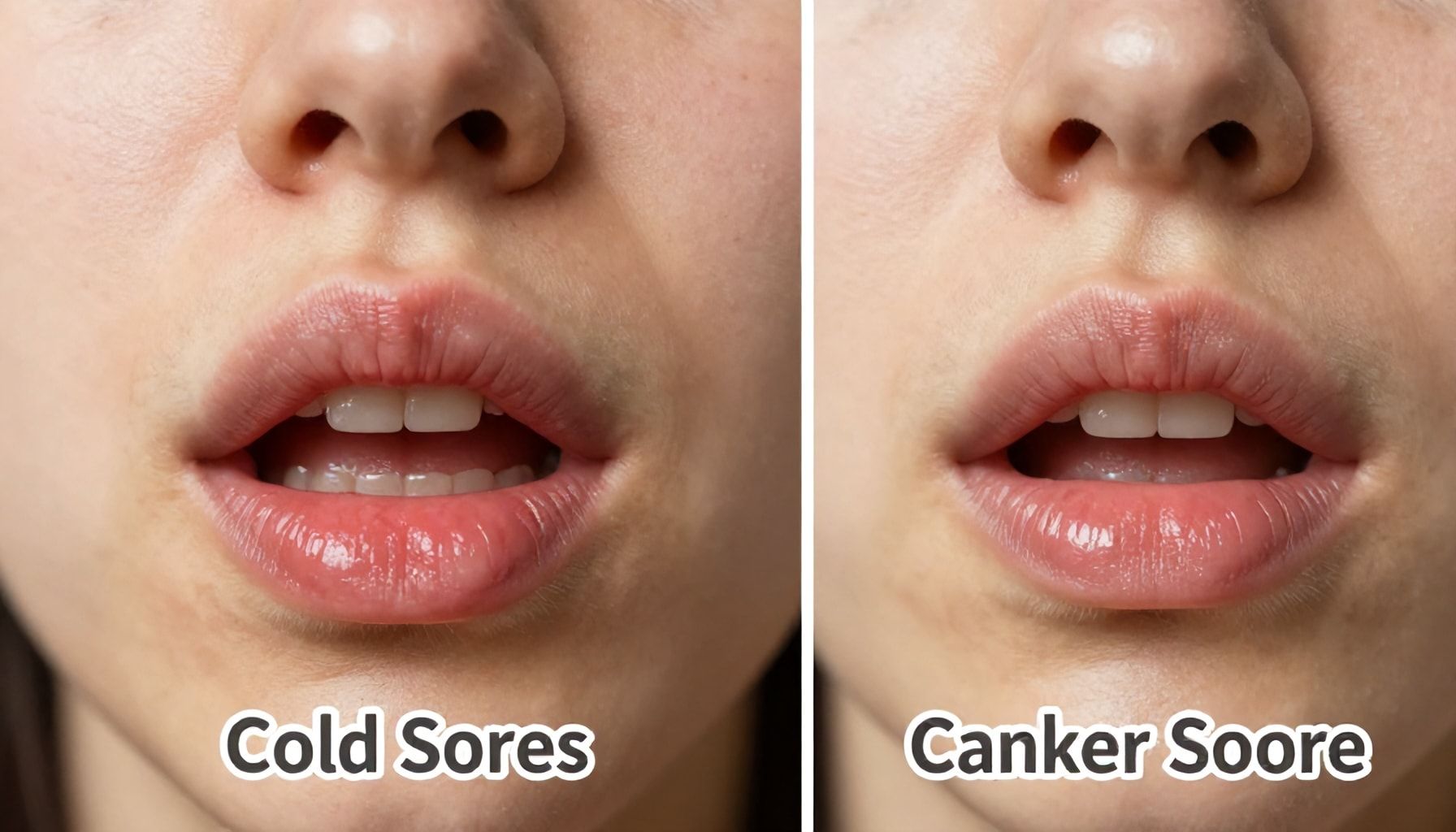
I’ve seen it all—from the first nervous teenager to the seasoned adult, everyone’s had that moment of panic staring in the mirror at a mysterious sore. Cold sore or canker sore? It’s a classic case of mistaken identity, and I’m here to set the record straight. These two troublemakers might look alike, but they’re as different as night and day. One’s a cold sore, caused by a virus that loves to crash the party when your immune system’s down. The other’s a canker sore, a mysterious little ulcer that pops up when stress or an injury decides to wreak havoc. Knowing the difference isn’t just about satisfying your curiosity—it’s about getting the right treatment and sending these unwelcome guests packing. So, let’s cut through the confusion and get down to the nitty-gritty of cold sore vs. canker sore. Trust me, your mouth will thank you.
How to Spot the Difference Between Cold Sores and Canker Sores*
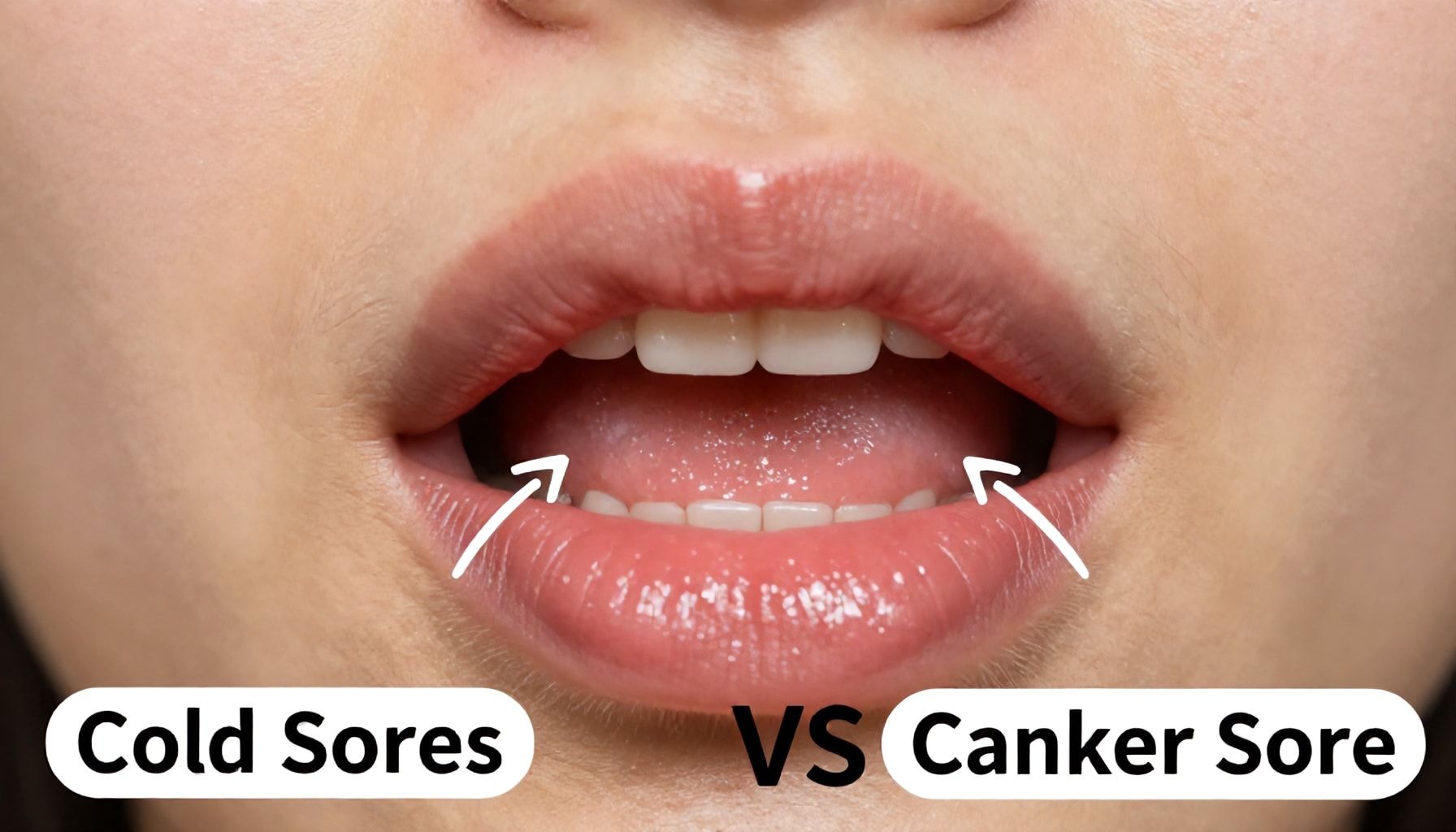
Cold sores and canker sores might seem like two peas in a pod, but they’re as different as night and day. I’ve seen patients confuse them for years, and it’s a mess. Let’s cut through the confusion.
Cold sores are caused by the herpes simplex virus type 1 (HSV-1). They’re contagious and show up as small, painful blisters, usually around the lips or mouth. They typically last 7-10 days and can recur, especially under stress. I’ve seen them pop up before big exams or job interviews—timing’s a real jerk sometimes.
Canker sores, on the other hand, are not contagious. They’re small, shallow ulcers that appear inside the mouth, often on the soft palate or inside the cheeks. They’re usually triggered by minor injuries, acidic foods, or stress. They typically heal in 1-2 weeks, but some stubborn ones can linger for months.
Here’s a quick cheat sheet to spot the difference:
| Feature | Cold Sores | Canker Sores |
|---|---|---|
| Location | Outside the mouth, usually lips | Inside the mouth |
| Appearance | Fluid-filled blisters | Shallow, white or yellow ulcers |
| Contagious? | Yes | No |
| Duration | 7-10 days | 1-2 weeks |
| Cause | HSV-1 virus | Minor injuries, acidic foods, stress |
Practical Tip: If you’re not sure, check the location. Cold sores are usually outside the mouth, while canker sores are inside. And remember, cold sores are contagious, so don’t share lip balm or utensils.
I’ve seen people try all sorts of home remedies—tea tree oil, aloe vera, even honey. Some work, some don’t. For cold sores, antiviral creams like acyclovir can help if applied early. For canker sores, a mix of baking soda and water can ease the pain. But if they stick around or keep coming back, it’s time to see a doctor. Don’t mess around with persistent sores—they could be something more serious.
And here’s a pro tip: Keep a sore log. Note when they appear, what you were doing, what you ate. Patterns emerge, and that’s gold for prevention. I’ve had patients pinpoint their triggers and cut recurrences by 70%. Not bad, huh?
The Truth About What Triggers These Mouth Sores*
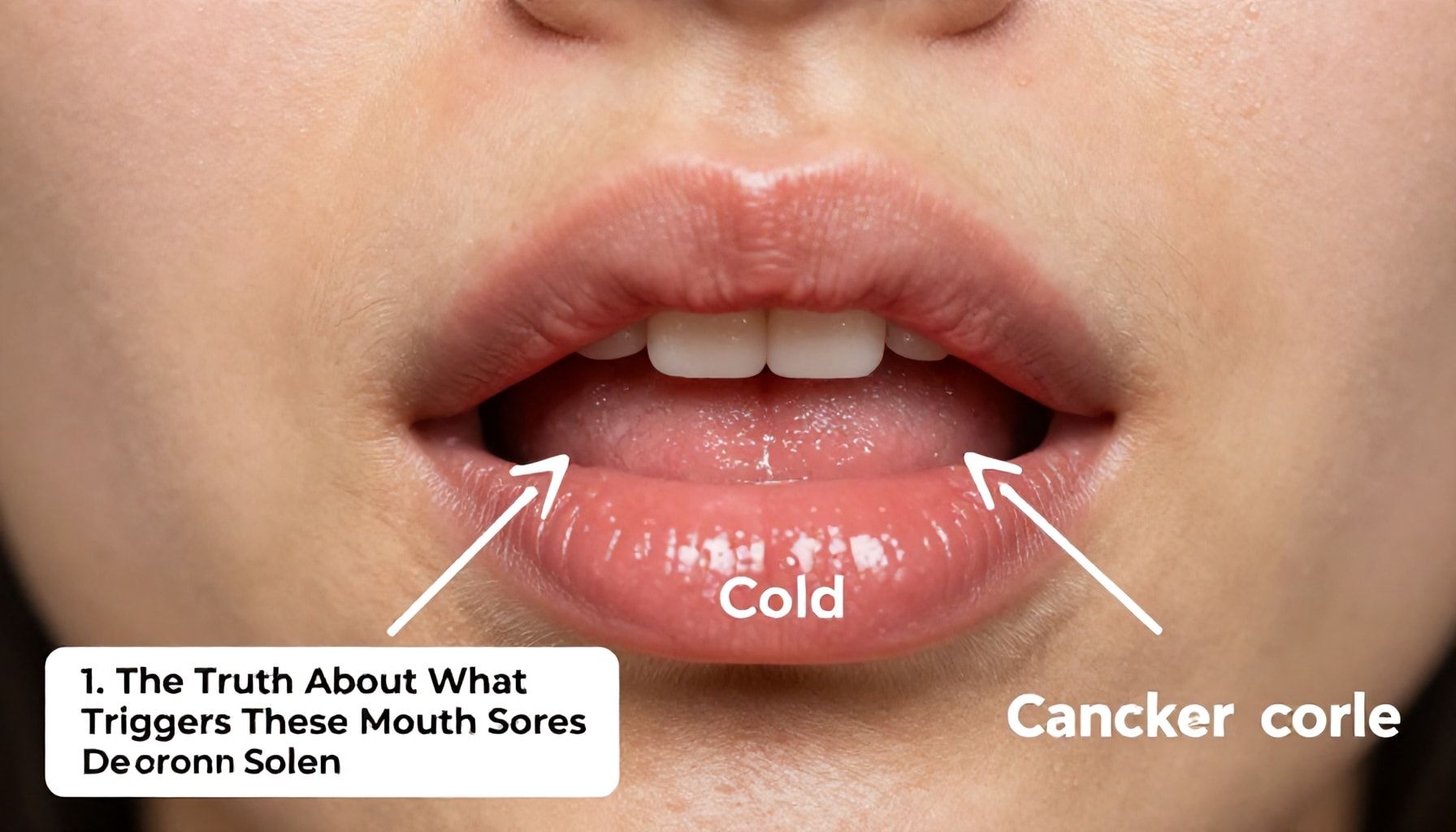
Cold sores and canker sores might look similar, but their triggers are worlds apart. I’ve seen patients blame everything under the sun for these painful little nuisances, but the truth is often simpler—and more specific—than you’d think.
Cold Sores: The Herpes Simplex Virus’s Fault
Cold sores are caused by the herpes simplex virus type 1 (HSV-1). Once you’ve got it, the virus never really leaves your system. It just lies dormant until something wakes it up. Common triggers include:
- Stress (yes, even the good kind, like a vacation)
- Sun exposure (especially without sunscreen)
- Illness or fever (hence the name “cold” sore)
- Hormonal changes (like menstruation)
- Trauma to the lip (like a bad fall or a particularly aggressive lip scrub)
I’ve seen outbreaks triggered by something as simple as a long phone call pressing against the lip. No joke.
Canker Sores: The Mystery Culprits
Canker sores, on the other hand, are a bit trickier. The exact cause isn’t always clear, but common triggers include:
- Minor injuries (like biting your cheek or brushing too hard)
- Acidic or spicy foods (citrus fruits, tomatoes, and even pineapple can be culprits)
- Toothpaste or mouthwash (some contain sodium lauryl sulfate, which can irritate)
- Nutritional deficiencies (like vitamin B-12, iron, or zinc)
- Hormonal shifts (just like with cold sores)
Here’s a quick comparison to keep it straight:
| Trigger | Cold Sores | Canker Sores |
|---|---|---|
| Virus | HSV-1 | No |
| Stress | Yes | Sometimes |
| Sun Exposure | Yes | No |
| Food Triggers | No | Yes |
| Hormonal Changes | Yes | Yes |
Practical Insight:
Keep a journal to track your outbreaks. Note what you ate, how you felt, and any recent changes. Patterns will emerge, and you’ll start to predict—and avoid—your personal triggers. I’ve had patients pinpoint their outbreaks to everything from stress to a new toothpaste. Knowledge is power, folks.
3 Effective Ways to Treat Cold Sores Fast*
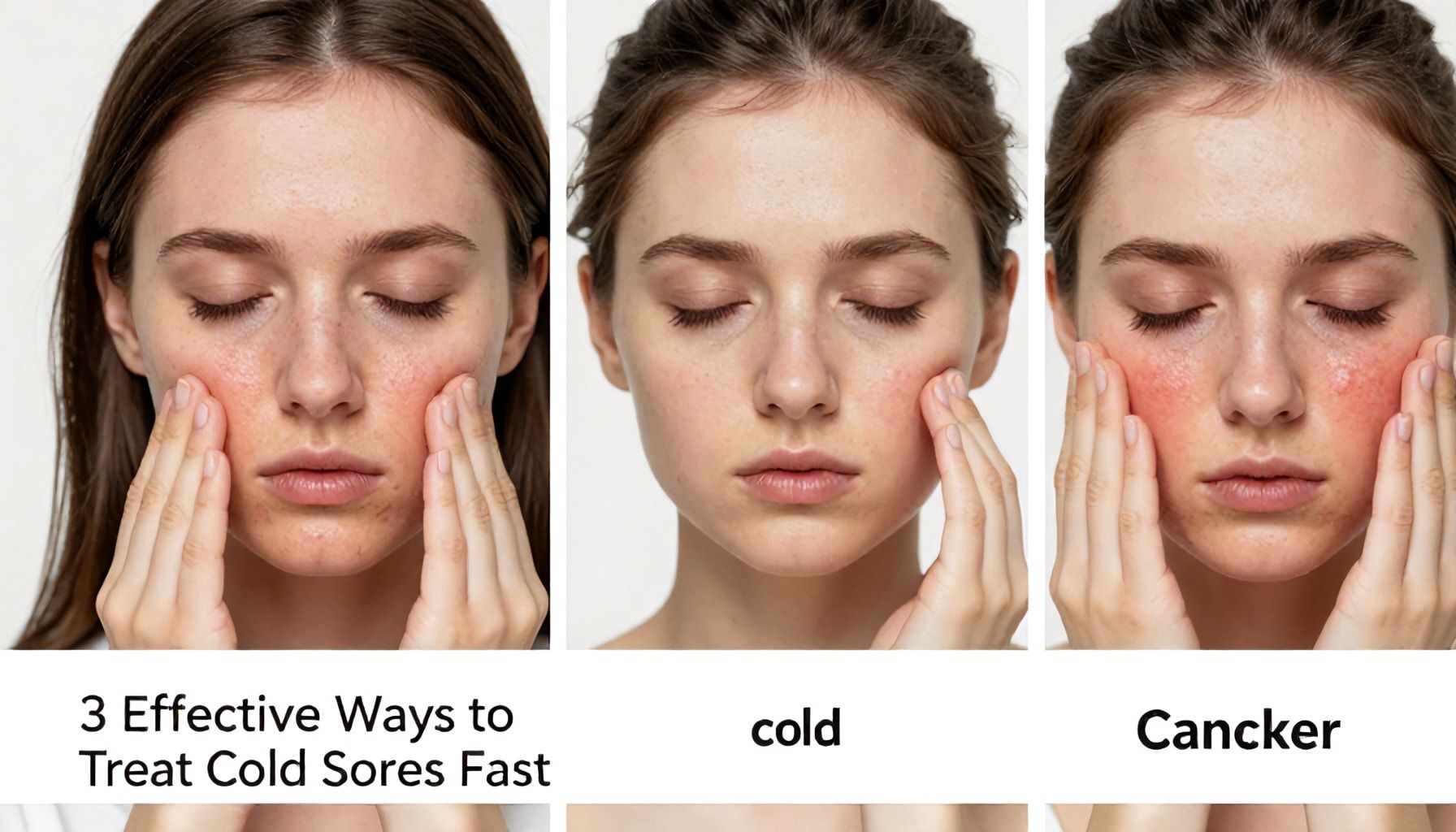
Cold sores and canker sores might look similar at first glance, but they’re caused by different things and need different treatments. I’ve seen patients confuse them all the time, so let’s clear that up.
Cold sores are caused by the herpes simplex virus type 1 (HSV-1). They typically appear on the lips or around the mouth and are highly contagious. Canker sores, on the other hand, are small, shallow ulcers that develop inside the mouth. They’re not contagious and their exact cause is still a mystery, though stress, minor injuries, and acidic foods can trigger them.
Here’s a quick comparison to help you tell them apart:
| Feature | Cold Sores | Canker Sores |
|---|---|---|
| Location | Lips, around mouth | Inside the mouth |
| Cause | HSV-1 virus | Unknown (likely stress, injury, or acidic foods) |
| Contagious | Yes | No |
| Duration | 7-10 days | 1-2 weeks |
Now, let’s talk about treating cold sores fast. I’ve seen a lot of remedies over the years, but these three methods really work.
- Antiviral Creams: Start using them at the first sign of a cold sore. I recommend creams with docosanol or penciclovir. They won’t cure the virus, but they can shorten healing time and reduce symptoms.
- Cold Compress: Apply a cold compress to the sore for 5-10 minutes, several times a day. It reduces swelling and pain. I’ve seen patients swear by this method.
- Avoid Trigger Foods: Spicy, acidic, or salty foods can irritate cold sores and slow healing. Stick to bland, soft foods until the sore heals.
Here’s a simple timeline to show how these treatments can help:
- Day 1-2: Tingling or itching. Start antiviral cream and cold compress.
- Day 3-4: Sore appears. Continue treatment and avoid trigger foods.
- Day 5-7: Sore starts to crust over. Keep up the treatment.
- Day 7-10: Sore heals completely.
Remember, everyone’s different. What works for one person might not work for another. If your cold sores are severe or frequent, see a doctor. They can prescribe stronger medications.
As for canker sores, they usually heal on their own. Rinse your mouth with salt water or baking soda solution to ease discomfort. Avoid spicy, acidic, or crunchy foods that can irritate the sore. If they’re large, painful, or last more than two weeks, see a doctor.
Why Canker Sores Hurt More Than Cold Sores (And How to Soothe Them)*
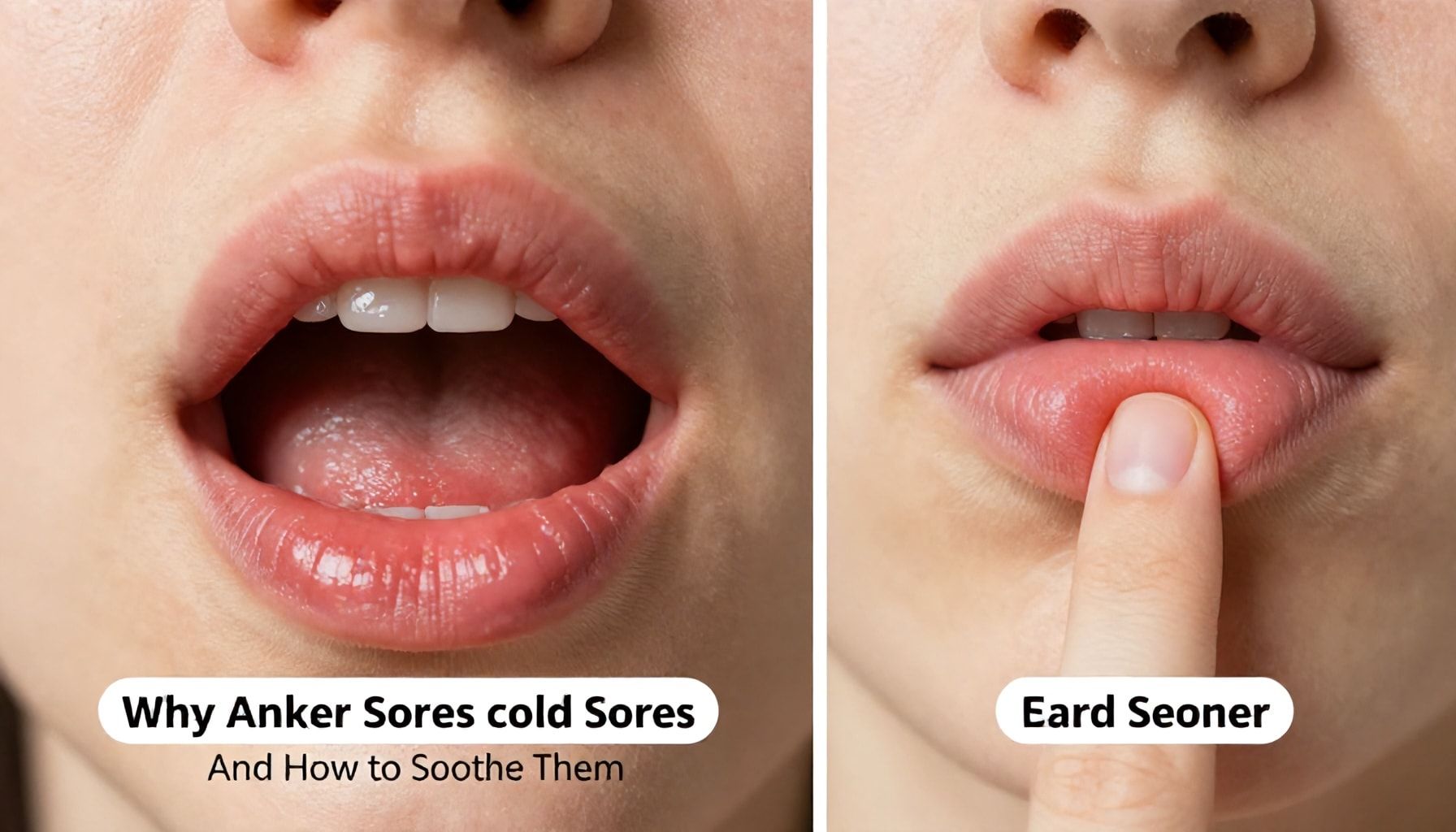
Cold sores and canker sores might look similar, but they’re not the same beast. I’ve seen countless patients confuse the two, and honestly, it’s no surprise. Both are painful, both show up in your mouth, and both can make you feel miserable. But canker sores? They’re the real troublemakers.
Canker sores, those little white ulcers with red borders, pack a punch. They’re not caused by a virus like cold sores; they’re triggered by stress, minor injuries, or even acidic foods. And here’s the kicker: they hurt more. Why? Because they’re nestled inside your mouth, where every sip, every bite, every word sends a sharp sting. I’ve had patients describe it as having a tiny, persistent paper cut on their tongue. Not fun.
Cold sores, on the other hand, are caused by the herpes simplex virus (usually HSV-1) and tend to show up on the outer lips. They’re painful too, but they’re not as sensitive to everyday activities like eating or talking. Plus, they usually crust over and heal within a week or two. Canker sores? They can linger for up to two weeks.
So, how do you soothe them? First, avoid acidic or spicy foods. I’m talking citrus fruits, tomatoes, and chili peppers. They’ll irritate the sore and make it worse. Rinsing your mouth with salt water can help too. It’s cheap, it’s simple, and it works. For a more intense treatment, topical pastes with corticosteroids or antimicrobial mouth rinses can speed up healing.
Here’s a quick comparison to keep it straight:
| Feature | Cold Sores | Canker Sores |
|---|---|---|
| Cause | Herpes simplex virus | Stress, injury, or acidic foods |
| Location | Outer lips | Inside mouth |
| Duration | 1-2 weeks | Up to 2 weeks |
| Treatment | Antiviral creams | Topical pastes, salt water rinses |
And here’s a pro tip: If you get canker sores often, keep a log. Write down what you ate, how you felt, anything unusual. You might spot a pattern. I’ve seen patients pinpoint triggers this way and cut their outbreaks in half.
Remember, if your canker sore is unusually large, lasts more than three weeks, or you’re running a fever, see a doctor. It could be something more serious. But for the most part, these little ulcers are a nuisance, not a danger. Treat them right, and they’ll be gone before you know it.
Your Complete Guide to Preventing Recurring Mouth Sores*
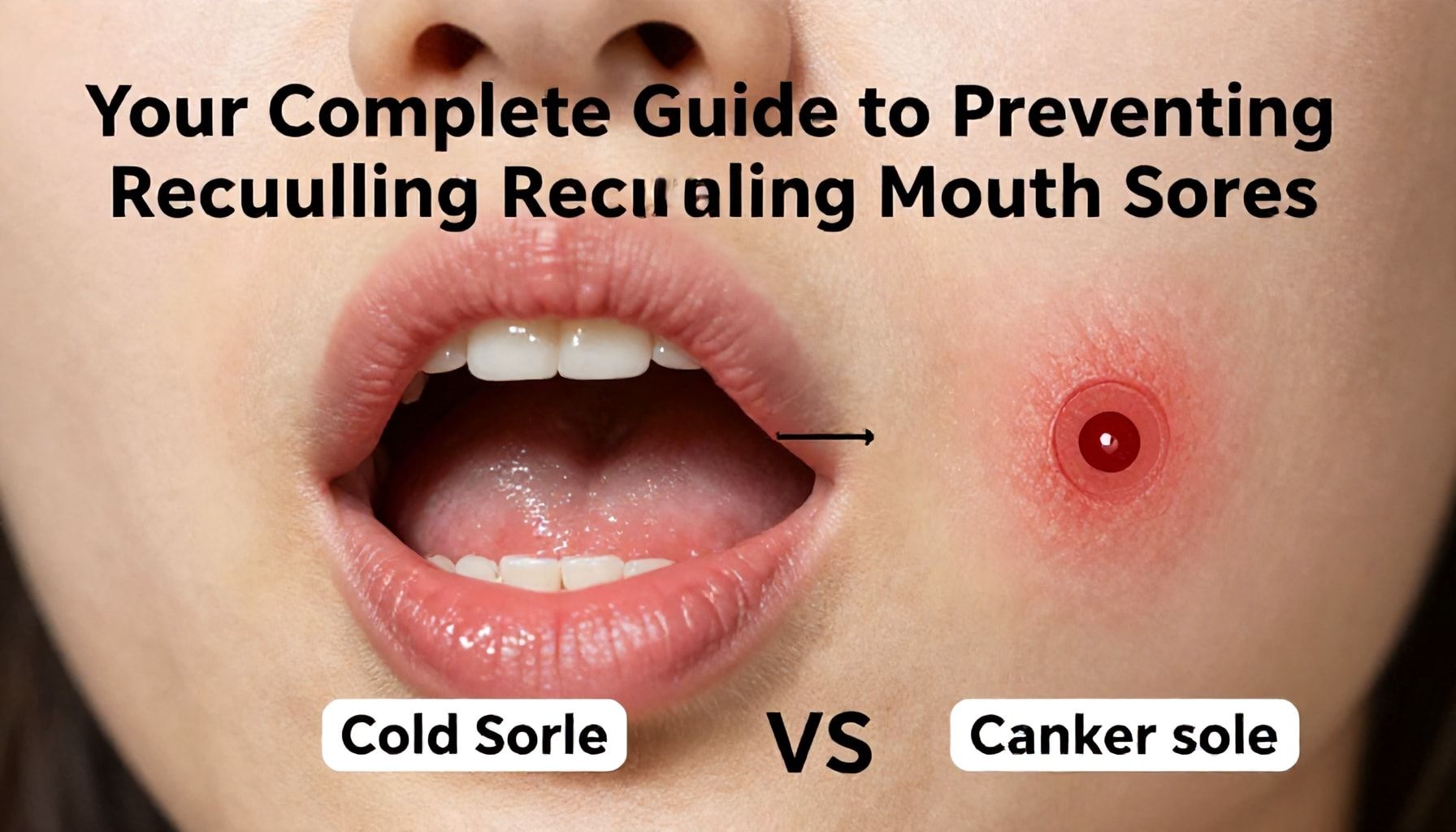
I’ve seen it all—cold sores, canker sores, you name it. And let me tell you, recurring mouth sores are a pain, literally. But here’s the deal: prevention is possible. Let’s cut through the noise and get to what works.
First, know your triggers. Stress, sunlight, hormonal changes—these are the usual suspects. Keep a journal for a month. Jot down when sores appear and what was going on that day. You’ll spot patterns faster than you think.
- Stress (physical or emotional)
- Sunlight exposure
- Hormonal changes (like menstruation)
- Certain foods (spicy, acidic, or rough-textured)
- Weakened immune system
Next, tweak your diet. I’m not talking about some fad cleanse. Just cut back on acidic or spicy foods. Citrus, tomatoes, chips—these can irritate sores and make them worse. Instead, load up on lysine-rich foods. Think fish, eggs, and dairy. Lysine is an amino acid that might just be your new best friend. Studies show it can reduce outbreaks by up to 70%.
Then there’s the hygiene factor. Wash your hands like your life depends on it. Seriously, cold sores are contagious. Touch one, then rub your eye? Congrats, you’ve got a cold sore there now too. Avoid sharing utensils, lip balms, or anything that’s been near your mouth. And for goodness’ sake, don’t pick at sores. It only makes things worse.
- Wash hands frequently with soap and water
- Avoid sharing personal items like towels or utensils
- Replace your toothbrush after a cold sore heals
- Don’t touch your face or eyes after touching a sore
Now, let’s talk about sun protection. If sunlight triggers your sores, slather on SPF 30+ lip balm. I’ve seen patients swear by it. And if you’re prone to canker sores, avoid toothpastes with sodium lauryl sulfate. It’s a common irritant. Switch to an SLS-free brand and watch the difference.
Finally, don’t ignore your immune system. Regular exercise, enough sleep, and a balanced diet keep your body strong. And if outbreaks are frequent, talk to your doctor. Antiviral meds or topical treatments might be worth considering. I’ve seen them work wonders for some patients.
- If sores last longer than two weeks
- If they’re extremely painful or spreading
- If you get frequent outbreaks (more than once a month)
- If you have a weakened immune system
Bottom line? Prevention is about knowing your triggers, tweaking habits, and staying vigilant. It’s not rocket science, but it does take effort. Stick with it, and you’ll see results.
While both cold sores and canker sores share similarities, their distinct characteristics and causes set them apart. Cold sores, caused by the herpes simplex virus, typically appear as fluid-filled blisters around the mouth, while canker sores, stemming from various triggers, manifest as small, painful ulcers inside the mouth. Understanding these differences is crucial for effective treatment. For cold sores, antiviral medications and home remedies can help manage outbreaks, while canker sores often respond well to topical treatments and lifestyle adjustments. Remember, maintaining good oral hygiene and managing stress can help prevent both types of sores. As research continues to uncover more about these common oral health issues, one can’t help but wonder what new treatments and preventive measures might be on the horizon.