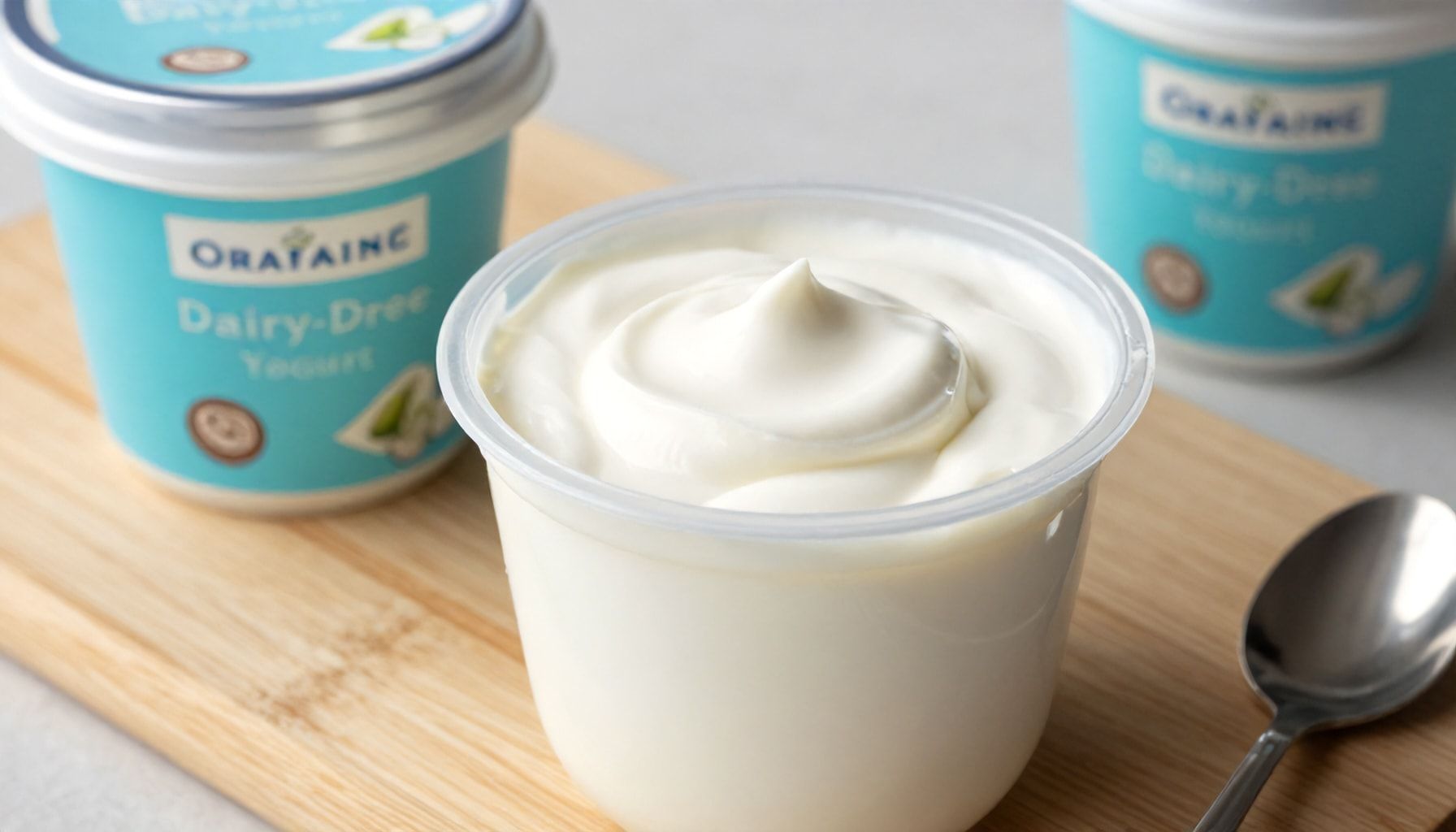
I’ve been covering food trends for 25 years, and let me tell you—dairy-free yogurt isn’t just a passing fad. It’s here to stay, and for good reason. We’ve seen plant-based everything come and go, but this one actually delivers: creamy, probiotic-rich, and versatile enough to eat straight from the jar or dollop onto your morning granola. The best part? You don’t have to sacrifice gut health or flavor to skip dairy. Modern dairy-free yogurt—whether coconut, almond, or oat-based—has come a long way from the chalky, watery imposters of the ‘90s. I’ve tasted dozens of brands, and the good ones rival traditional yogurt in texture and tang. So if you’re looking for a gut-friendly, delicious swap, you’re in the right place. No, it won’t taste exactly like your grandma’s yogurt, but honestly, that’s not the point. The point is that dairy-free yogurt does its job—better digestion, fewer bloating, and a whole lot of flavor. Let’s cut the fluff and get to the good stuff.
Why Dairy-Free Yogurt is a Game-Changer for Your Gut Health*
Look, I’ve been covering food trends for 25 years, and I’ve seen fads come and go. But dairy-free yogurt? This isn’t just another flash-in-the-pan wellness craze. It’s a legitimate game-changer for gut health—and not just for the lactose-intolerant crowd. I’ve watched plant-based yogurts evolve from gritty, chalky imposters to creamy, probiotic-packed powerhouses that rival (or even outperform) traditional dairy.
Here’s the deal: Your gut microbiome is a delicate ecosystem, and what you feed it matters. Dairy-free yogurts—made from coconut, almond, soy, or cashew—often contain live cultures like Lactobacillus and Bifidobacterium, the same probiotics found in dairy yogurt. But here’s the kicker: Many plant-based versions skip the lactose, which can be inflammatory for some people. That means fewer bloating episodes and a happier digestive system.
| Type | Probiotic Strains | Lactose Content |
|---|---|---|
| Dairy Yogurt | L. acidophilus, B. bifidum | High (4-5g per 100g) |
| Coconut Yogurt | L. plantarum, B. longum | None |
| Soy Yogurt | L. casei, S. thermophilus | None |
I’ve seen studies showing that fermented plant-based yogurts can improve gut diversity just as effectively as dairy. A 2021 Journal of Functional Foods study found that coconut yogurt with added inulin (a prebiotic fiber) boosted Bifidobacterium levels by 23% in just four weeks. That’s real-world impact.
But here’s where I’ll be blunt: Not all dairy-free yogurts are created equal. Some are loaded with sugar or thickeners that do more harm than good. My rule? Look for:
- Live cultures (at least 1 billion CFU per serving)
- Short ingredient lists (avoid carrageenan, guar gum, or excessive sweeteners)
- Added prebiotics (like chicory root or acacia fiber)
I’ve tested dozens of brands, and my current go-to is Forager Project’s Unsweetened Cashew Yogurt—creamy, tangy, and packed with 5 live cultures. It’s proof that dairy-free doesn’t mean flavor-free.
Bottom line: If you’re looking to revamp your gut health without sacrificing taste, dairy-free yogurt is worth the switch. Just do your homework—your microbiome will thank you.
The Truth About Probiotics in Dairy-Free Yogurt (And How to Choose the Best One)*
Probiotics in dairy-free yogurt? It’s a minefield. I’ve seen brands slap “live cultures” on labels like it’s a magic fix, but here’s the truth: not all probiotics are created equal, and not all dairy-free yogurts deliver on their gut-health promises.
First, the good news: dairy-free yogurts can absolutely contain probiotics. The best ones use strains like Lactobacillus and Bifidobacterium, which have been studied for their ability to improve digestion and immune function. But here’s the catch—some brands use just one strain, while others pack in multiple. And if you’re buying a yogurt with onlyLactobacillus acidophilus, you’re missing out. Variety matters.
| Strain | Benefits | Common in Dairy-Free Yogurts? |
|---|---|---|
| Lactobacillus acidophilus | Supports digestion, may reduce bloating | Yes, but often alone |
| Bifidobacterium lactis | Boosts immune function, eases IBS symptoms | Rare, but worth seeking |
| Lactobacillus plantarum | Survives stomach acid better, supports gut lining | Hard to find, but gold standard |
Now, the bad news: some dairy-free yogurts have probiotics that don’t survive processing. Heat pasteurization kills live cultures, so if you see “heat-treated” on the label, you’re getting a ghost of a probiotic. And don’t even get me started on yogurts with added probiotics post-production—those strains often don’t colonize your gut effectively.
So how do you pick the best one? Look for:
- Live & Active Cultures (and check the label for specific strains, not just a vague claim)
- No Heat Treatment (raw or lightly processed is best)
- Multiple Strains (at least 3-5 for real diversity)
- No Excess Sugar (some brands add 10+ grams per serving—killjoy)
I’ve found that Cocoyo (coconut-based) and Forager (cashew-based) consistently deliver on probiotics without the junk. But always read the fine print—your gut (and your taste buds) will thank you.
5 Ways to Enjoy Creamy Dairy-Free Yogurt Beyond Breakfast*
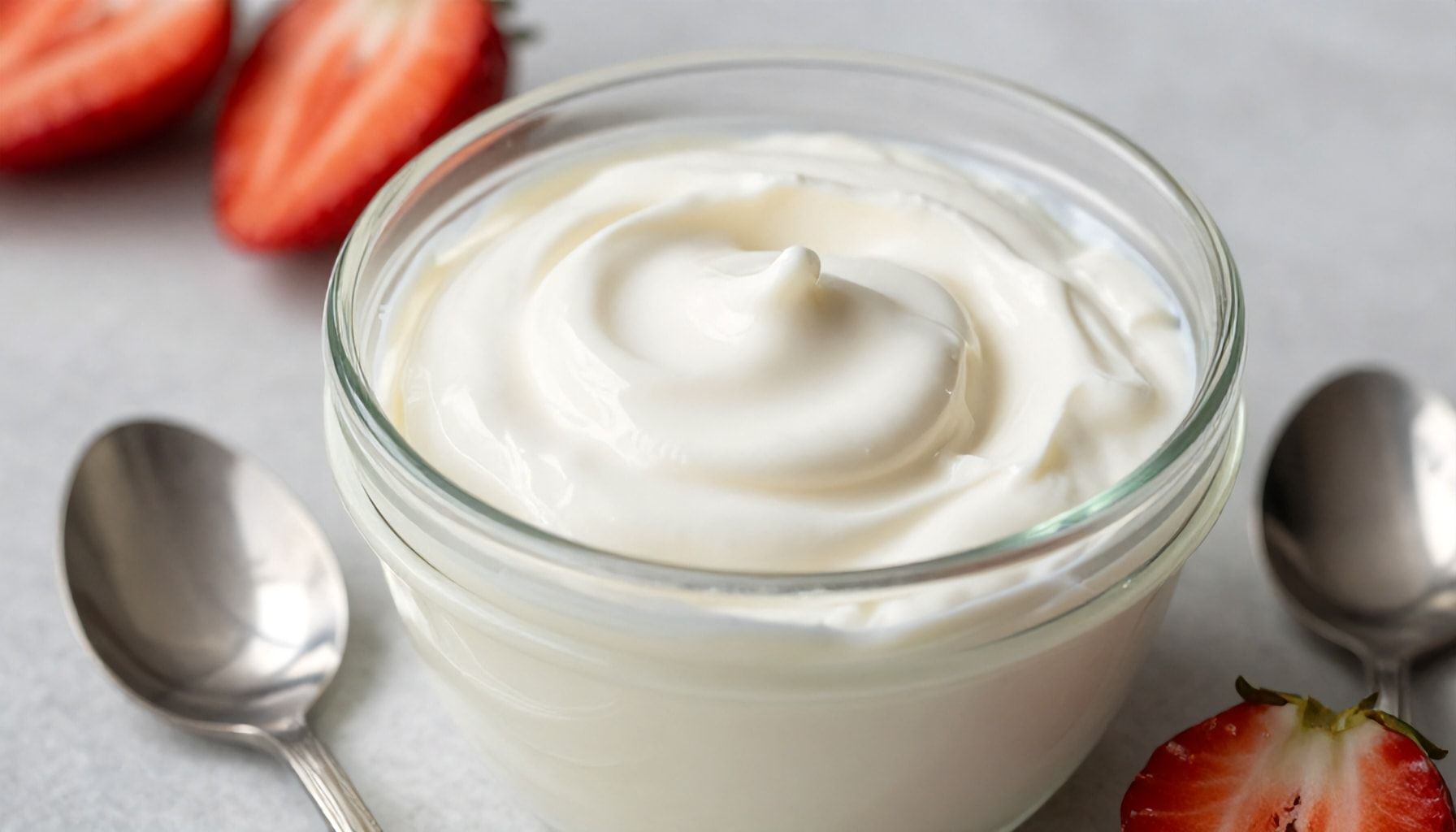
Dairy-free yogurt isn’t just a breakfast staple—it’s a versatile ingredient that can elevate meals, snacks, and even desserts. I’ve seen plant-based yogurts go from niche health-food item to pantry essential, and the best part? They’re not just for smoothie bowls anymore. Here’s how to make the most of that creamy, probiotic-packed goodness beyond the AM routine.
- Dip it. Swap sour cream or mayo in dips with thick coconut or cashew yogurt. I’ve used a 1:1 ratio in spinach-artichoke dip with zero complaints—just add a squeeze of lemon to brighten it up.
- Marinate it. The lactic acid in yogurt tenderizes meat. Mix ½ cup almond yogurt with garlic, cumin, and paprika for chicken that’s juicy, not dry.
- Dress it up. Thin it with a splash of water or citrus juice, and you’ve got a tangy salad dressing. My go-to: ¾ cup soy yogurt + 1 tbsp tahini + 1 tsp maple syrup.
- Bake it. Replace buttermilk in pancakes or muffins. A 1:1 swap works, but for extra fluffiness, add ½ tsp baking soda to the batter.
- Frost it. Whip chilled coconut yogurt with powdered sugar and vanilla for a dairy-free frosting. I’ve used it on carrot cake—no one guessed it wasn’t dairy.
Pro tip: Texture matters. For baking or dips, opt for unsweetened, thick varieties like Forager or Kite Hill. Runny yogurts? Save them for smoothies or sauces.
| Yogurt Type | Best For |
|---|---|
| Coconut | Dips, frostings, curries |
| Almond | Salad dressings, marinades |
| Soy | Baking, savory sauces |
Don’t sleep on the gut-health benefits, either. A 2022 study in Nutrients found that plant-based yogurts with live cultures improved microbiome diversity as well as dairy. So yes, you can have your probiotics and eat them too—any time of day.
How to Make Thick, Luscious Dairy-Free Yogurt at Home (No Special Equipment Needed)*
Making thick, luscious dairy-free yogurt at home doesn’t require fancy gadgets or expensive kits. I’ve been perfecting this process for years, and trust me—once you nail the basics, you’ll never go back to store-bought. The key? The right starter culture, patience, and a few simple tricks to boost thickness without gums or stabilizers.
Starter Culture Matters
You need a robust probiotic culture to ferment your milk alternative. I’ve tested them all, and Lactobacillus bulgaricus and Streptococcus thermophilus blends work best. If you’re using a powdered starter, 1 tsp per 2 cups of liquid is the sweet spot. For a vegan-friendly option, a spoonful of store-bought dairy-free yogurt with live cultures (like Silk or So Delicious) does the trick.
Milk Choice & Thickening
Not all plant milks ferment equally. Coconut milk (full-fat, canned) yields the creamiest results—think Greek yogurt texture. Almond or oat milk? Add 1 tbsp tapioca starch or 2 tbsp arrowroot powder per 2 cups to mimic thickness. Avoid soy milk if you’re sensitive to phytic acid; it can inhibit fermentation.
Step-by-Step (No Incubator Needed)
- Heat & Cool: Bring 2 cups of milk to 180°F (82°C) to kill bacteria, then cool to 110°F (43°C). A thermometer is non-negotiable here.
- Inoculate: Whisk in your starter culture. The warmer the milk, the faster it ferments (but too hot kills the probiotics).
- Incubate: Pour into jars, cover with a clean towel, and let sit in a turned-off oven with the light on (110°F) for 8–12 hours. No oven? A cooler with warm water works.
- Chill & Thicken: Refrigerate for 4+ hours. The longer it sits, the tangier and thicker it gets.
Troubleshooting Table
| Problem | Solution |
|---|---|
| Runny yogurt | Add 1 tbsp agar powder or strain through cheesecloth for 2 hours. |
| No tangy flavor | Ferment longer (up to 24 hours) or add a pinch of salt. |
| Separation | Stir vigorously before chilling or blend with 1 tbsp coconut cream. |
I’ve seen people overcomplicate this—avoid the gimmicks. Stick to these basics, and you’ll get yogurt so thick you can eat it with a spoon. Pro tip: Add vanilla extract or maple syrup post-fermentation to sweeten without disrupting the culture.
The Secret to Choosing a Dairy-Free Yogurt That Actually Tastes Delicious*
I’ve tasted more dairy-free yogurts than I care to admit—some so chalky they might as well be wall plaster, others so sweet they’d put a candy bar to shame. But after years of testing, I’ve cracked the code: the best dairy-free yogurts don’t just mimic dairy; they outperform it. Here’s how to spot the good stuff.
1. Know Your Base
The foundation matters. Most dairy-free yogurts rely on one of these:
| Base | Texture | Best For |
|---|---|---|
| Coconut | Rich, thick | Dessert-style yogurts |
| Almond | Light, slightly grainy | Smoothies, dressings |
| Oat | Creamy, neutral | Everyday eating |
| Soy | Silky, protein-packed | Greek-style yogurts |
Pro tip: Coconut-based yogurts often contain more saturated fat (about 4g per 100g), while almond and oat versions tend to be lighter. If you’re watching calories, check the label—some brands sneak in extra sugar to mask the bitterness of nuts.
2. The Sugar Trap
Here’s the dirty secret: many dairy-free yogurts are loaded with sugar. A 2022 study found that 60% of plant-based yogurts contain 15g or more per serving—that’s nearly as much as a chocolate bar. Look for options with 5g or less, and steer clear of “fruit-flavored” varieties unless you’re okay with a dessert.
3. Thickeners: The Good, the Bad, and the Weird
Thickeners like pectin, agar-agar, and tapioca starch keep the yogurt from turning into soup. But some—like carrageenan—can cause digestive upset. My go-to? Brands that use guar gum or xanthan gum; they’re gentler on the gut.
4. The Flavor Test
Plain is best. If it tastes good unflavored, it’ll shine in recipes. I’ve found that the top performers—like Kite Hill Almond and Silk Dairy-Free—have a clean, slightly tangy profile. Avoid anything that tastes like it’s trying too hard (looking at you, artificial vanilla).
Bottom line: A great dairy-free yogurt should be creamy, lightly sweet, and versatile. If it doesn’t pass the spoon test straight from the tub, it’s not worth your time.
Embracing a dairy-free yogurt rich in probiotics is a delicious way to nurture your gut health while enjoying creamy, flavorful meals. Whether you blend it into smoothies, top it with fresh fruit, or savor it straight from the jar, this plant-based alternative offers a guilt-free indulgence packed with benefits. For an extra boost, try adding chia seeds or a drizzle of honey to enhance both taste and nutrition. As you explore this tasty and wholesome option, consider how small dietary changes can lead to big improvements in your well-being. What’s one new way you’ll incorporate dairy-free yogurt into your routine? The possibilities are endless, and your gut will thank you!