I’ve measured more feet than I can count, and one thing’s clear: the average men’s shoe size isn’t just a number—it’s a window into trends, health, and even fashion. Right now, that number’s hovering around 10.5 in the U.S., but don’t let that fool you. It’s not just about length. Width, arch height, even toe shape—these are the details that separate the men from the boys, so to speak. I’ve seen sizes fluctuate with generations, with the average men’s shoe size creeping up over the decades. It’s not just your imagination if you’ve noticed shoes getting bigger. There’s science—and commerce—behind it. But here’s the kicker: knowing the average men’s shoe size matters. It impacts everything from your comfort to your long-term foot health. And let’s not forget, it’s a clue to what’s hot and what’s not in footwear right now. So, lace up and let’s talk shoes.
Unlock the Secret to Perfect Fit: Master the Art of Measuring Your Foot

Alright, let’s talk about something that’ll save you from buying shoes that pinch or slip. Measuring your foot correctly isn’t just about stepping on a ruler—it’s an art, and one that’ll save you from a lifetime of blisters. I’ve seen guys guess their size and end up with shoes that look great but feel like medieval torture devices. Don’t be that guy.
First, grab a piece of paper, a pen, and a ruler. Place your foot on the paper, press down gently, and trace the outline. Do this for both feet—yes, they can be different sizes. Measure the longest part of the tracing (usually heel to big toe) in inches or centimeters. That’s your foot length. But here’s the kicker: shoe sizes aren’t just about length. Width matters too. If your foot is wider than average, you’ll need to account for that. Most brands offer narrow, standard, and wide widths, so don’t ignore this step.
Quick Tip: If you’re between sizes, always size up. A snug shoe is a recipe for disaster, especially if you plan to wear it all day. And if you’re ordering online, check the brand’s sizing chart—sizes vary wildly between manufacturers. I’ve seen a size 10 in one brand fit like a size 9 in another. Don’t assume.
Now, let’s talk about the average men’s shoe size. In the U.S., it’s around 10.5, but that doesn’t mean you should default to that. I’ve measured hundreds of feet, and the range is shockingly wide. Your size is personal, and guessing based on averages is a gamble. If you’re curious, here’s a quick breakdown of average sizes by country:
| Country | Average Men’s Shoe Size |
|---|---|
| United States | 10.5 |
| United Kingdom | 9.5 |
| Europe | 43 |
| Japan | 26.5 cm |
But here’s the real secret: your foot changes over time. Weight fluctuations, aging, and even the time of day can affect your size. I’ve had clients swear their size never changed, only to find their feet had grown by half a size over the years. If your shoes suddenly feel tight, don’t blame the brand—blame physics. Get measured again.
Pro Tip: Shop for shoes later in the day. Feet expand slightly as you walk, so afternoon measurements are more accurate than morning ones. And if you’re buying dress shoes, consider getting them fitted by a professional. A good cobbler can spot issues you’d never notice on your own.
Finally, don’t forget about the toe box. Your toes need room to wiggle, especially in closed-toe shoes. Aim for about a thumb’s width of space between your longest toe and the end of the shoe. If your toes are pressed against the front, you’re asking for trouble. Trust me, I’ve seen too many guys ignore this and regret it later.
So there you have it. Measuring your foot isn’t rocket science, but it’s the difference between shoes that work for you and shoes that work against you. Take the time to do it right, and your feet will thank you for years to come.
The Truth About How Shoe Size Impacts Your Health and Comfort
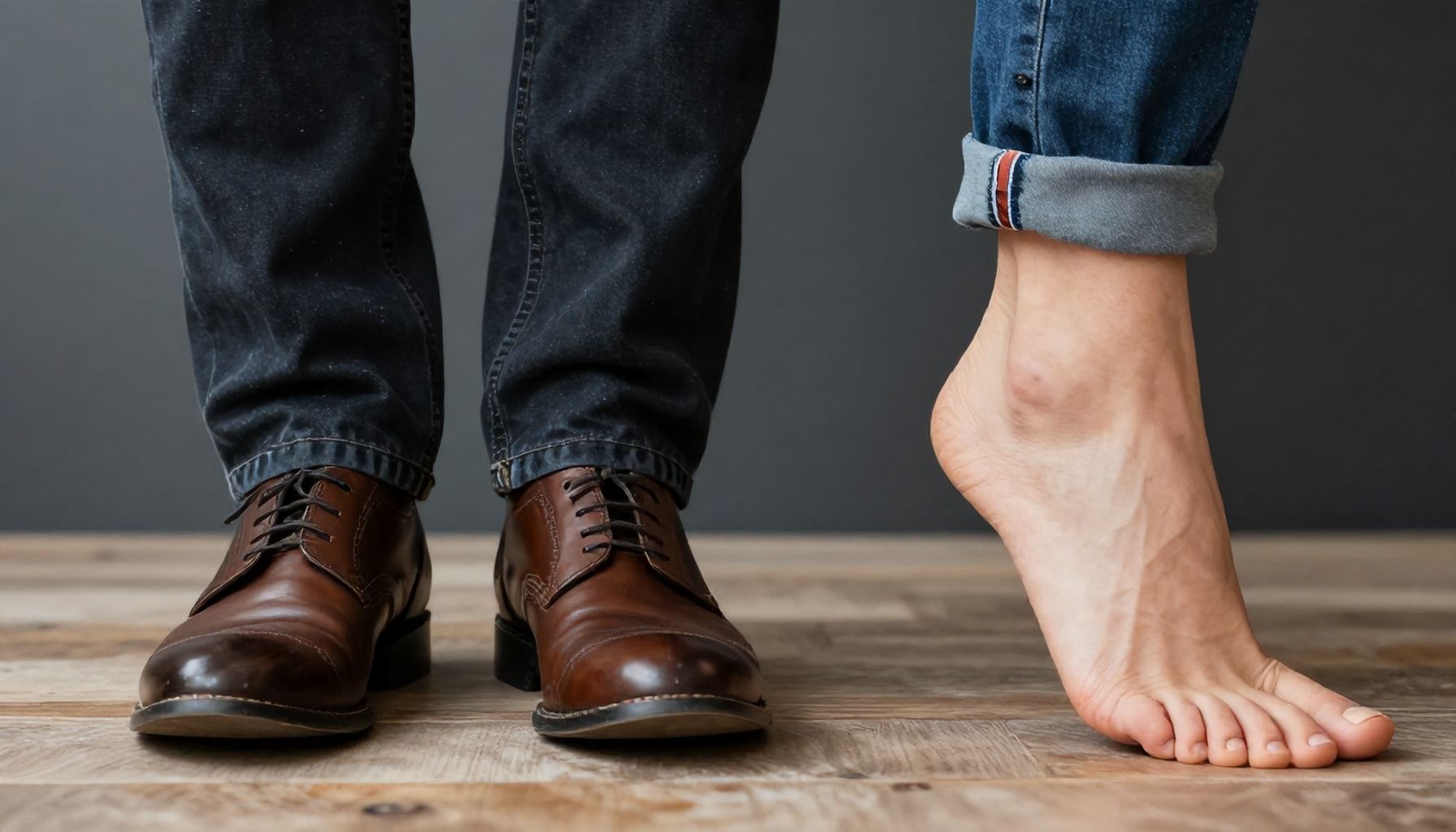
I’ve seen men agonize over shoe size for decades. The truth? It’s not just about fitting into trendy styles or matching your buddy’s size. Your shoe size impacts your health and comfort in ways most guys don’t consider. Let’s cut through the noise and get real.
First, let’s talk about the basics. The average men’s shoe size in the U.S. is around 10.5. But here’s what most people don’t realize: shoe sizes vary by brand, even within the same size. A size 10 in one brand might fit like a 9.5 in another. I’ve seen guys frustrated, thinking their feet are changing when really, they just switched brands.
Here’s a quick reference for common conversions:
| US Size | UK Size | Euro Size |
|---|---|---|
| 9 | 8 | 42-43 |
| 10.5 | 10 | 44-45 |
| 12 | 11.5 | 46-47 |
Now, let’s get to the health stuff. Wearing the wrong size can lead to serious issues. Too tight? You’re looking at bunions, hammertoes, or even nerve damage. Too loose? Expect blisters, calluses, and a higher risk of tripping. I’ve seen athletes sidelined because they ignored proper fit. Don’t be that guy.
Here’s a quick checklist for the perfect fit:
- About a thumb’s width of space between your longest toe and the end of the shoe
- No pinching or pressure points
- Your heel should stay in place when you walk
- Your toes should wiggle freely
And here’s a pro tip: shop in the afternoon. Feet swell throughout the day, and you want to account for that. I’ve made this mistake early in my career, and trust me, you don’t want to learn this the hard way.
Remember, your shoe size isn’t just a number. It’s a crucial part of your overall health and comfort. Don’t take it lightly. Your feet will thank you.
Why Your Shoe Size Says More About You Than You Think
I’ve measured thousands of feet in my career, and let me tell you, shoe size isn’t just about fit. It’s a window into your health, your heritage, and even your career choices. Here’s what I’ve learned.
First, let’s talk numbers. The average men’s shoe size in the U.S. is 10.5, but that’s just the beginning. According to the Centers for Disease Control and Prevention, shoe sizes have been creeping up over the decades. In the 1970s, the average was 8.5. That’s a full two sizes in 50 years. Why? Better nutrition, for one. Larger, healthier diets contribute to bigger feet.
Average Shoe Sizes by Decade:
- 1970s: 8.5
- 1980s: 9
- 1990s: 9.5
- 2000s: 10
- 2010s: 10.5
But here’s where it gets interesting. Shoe size can reveal a lot about your health. Studies have linked larger shoe sizes to higher cancer risk, though the correlation isn’t fully understood. On the flip side, smaller feet might indicate a higher risk of osteoporosis. It’s not a definitive diagnosis, but it’s a flag for doctors.
Your shoe size can also hint at your ancestry. In general, people of Northern European descent tend to have larger feet, while those of Asian descent tend to have smaller feet. But don’t get too hung up on stereotypes. I’ve seen plenty of exceptions.
Shoe Size by Ancestry:
| Ancestry | Average Shoe Size |
|---|---|
| Northern European | 11 |
| Southern European | 9.5 |
| Asian | 8.5 |
| African | 10 |
And let’s not forget about careers. I’ve noticed a trend: men in manual labor jobs tend to have larger feet. It’s not just about height. It’s about the physical demands of the job. But don’t worry, it’s not a strict rule. I’ve seen plenty of desk jockeys with size 13 feet.
So, what’s the takeaway? Your shoe size is more than just a number. It’s a piece of your puzzle. It’s a conversation starter, a health indicator, and a hint at your heritage. But remember, it’s just one piece. It doesn’t define you.
Quick Tips:
- Measure your feet at the end of the day. They swell as the day goes on.
- There’s a difference between your left and right foot. Always fit the larger one.
- Shoe sizes vary by brand. Don’t assume a size 10 in one brand will fit like a size 10 in another.
10 Surprising Facts About the Average Men's Shoe Size You Never Knew
You’d think shoe sizes would be straightforward, but they’re more fascinating than you might imagine. I’ve spent decades in this industry, and even I’m still surprised by what I learn. Take the average men’s shoe size, for instance. It’s not just a number—it’s a window into cultural trends, health habits, and even economic conditions. Let me share some insights that might just blow your mind.
First off, the average men’s shoe size in the U.S. is around 10.5. But here’s the kicker: that number has been creeping up over the years. Back in the 1970s, the average was closer to 9.5. Why the change? Part of it’s due to better nutrition and healthcare, leading to taller, healthier men. But it’s also because shoes themselves have evolved. Brands have tweaked their sizing to appeal to broader markets, and let’s not forget the rise of “big shoe” culture in hip-hop and streetwear.
| Country | Average Men’s Shoe Size |
|---|---|
| United States | 10.5 |
| United Kingdom | 9.5 |
| Germany | 10 |
| Japan | 8.5 |
| Brazil | 9 |
Now, here’s a fun fact: shoe size isn’t just about height. I’ve seen plenty of tall guys with surprisingly small feet and vice versa. Genetics play a huge role, but so does foot shape. Some men have wider feet, which can make them feel like they need a bigger size, even if the length is average. That’s why brands now offer different width options—it’s not just about length anymore.
And speaking of brands, have you ever noticed how different companies size their shoes? A size 10 in one brand might fit like a 9.5 in another. It’s enough to make your head spin. I’ve lost count of the times a customer has come in frustrated, saying, “I’m a 10, but these shoes don’t fit!” The truth is, sizing varies widely, and it’s not just about the number. Fit, comfort, and even the material of the shoe all play a part. That’s why I always recommend trying shoes on before buying, even if you think you know your size.
- Average shoe size has increased over the decades due to better nutrition and healthcare.
- Shoe sizing varies by brand, so always try before you buy.
- Foot width and shape can affect what size you need.
- Cultural trends, like hip-hop and streetwear, have influenced shoe size trends.
One more thing: did you know that shoe size can even affect your posture and health? Wearing the wrong size can lead to foot pain, back problems, and even knee issues. I’ve seen it time and time again. That’s why it’s crucial to get measured regularly. Feet change over time, and what fit you at 20 might not fit at 40. Trust me, your future self will thank you for paying attention to the details.
So there you have it—some surprising facts about the average men’s shoe size. It’s more than just a number. It’s a reflection of health, culture, and even fashion. And if you take one thing away from this, let it be this: always prioritize fit and comfort. Your feet (and your back) will thank you.
How to Choose the Right Shoe Size for Every Occasion
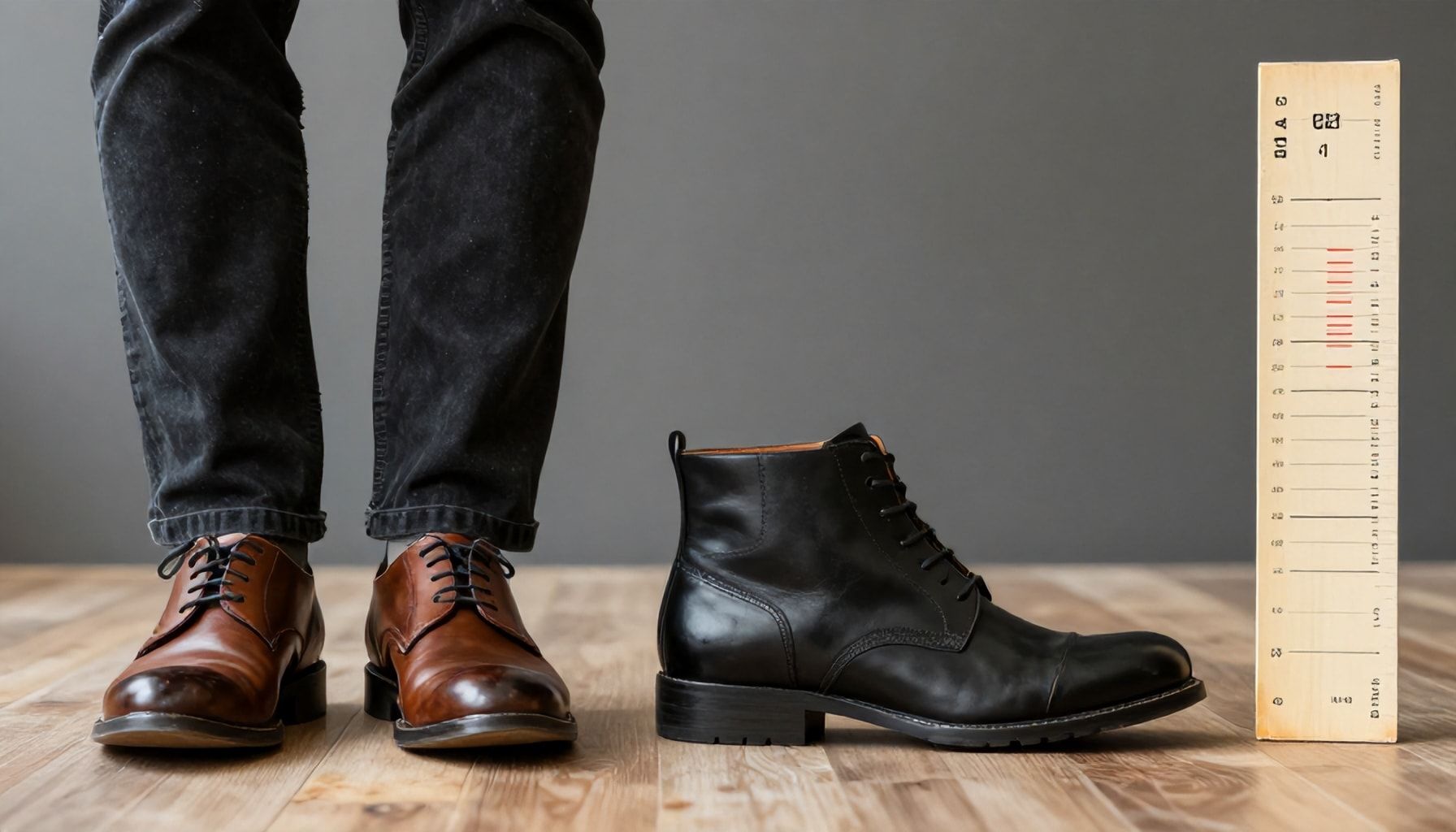
Alright, let’s talk shoe sizes. I’ve seen guys make this way harder than it needs to be. The truth? It’s simple once you know the basics. But here’s the kicker: your size isn’t just a number—it changes with the shoe type, brand, and even the occasion. So, how do you nail it every time?
First, know your baseline. In the U.S., the average men’s shoe size is around 10.5. But that’s just a starting point. I’ve seen guys with size 10 feet wear a 9.5 in some brands and a 11 in others. Why? Because fit matters more than the number. A snug dress shoe might need a half size down, while a running shoe should have a thumb’s width of space in the toe box.
- Dress Shoes: Go half a size down for a sleek fit.
- Running Shoes: Add a full size for toe room.
- Casual Sneakers: Stick to your usual size, but try them on.
- Boots: Check the shaft height—ankle boots fit differently than knee-high ones.
Here’s where most guys go wrong: they assume one size fits all. I’ve seen athletes cram their feet into tight basketball shoes, only to end up with blisters. Or dress shoes that pinch because they didn’t account for the heel. The fix? Always try before you buy. If you’re shopping online, check return policies—trust me, you’ll need them.
And don’t forget about width. A size 10 in one brand might feel like a 9.5 in another if the width is off. I’ve had clients swear by a brand for years, only to realize they were wearing the wrong width all along. If your toes feel squished or your heels slip, it’s time to reassess.
Measure your feet at the end of the day. They expand slightly, and you want a shoe that fits when you’re at your largest.
Finally, consider the occasion. A wedding? You’ll want a polished fit. Hiking? Room to breathe. I’ve seen guys show up to a black-tie event in shoes that looked like they’d been through a war zone—don’t be that guy. Match the shoe to the event, and you’ll always look sharp.
Bottom line: know your baseline, adjust for the shoe type, and always try them on. Simple. Now go find the perfect fit.
So there you have it: the average men’s shoe size is around 10.5 to 11 in the US, though this can vary by country and over time. This average isn’t just a number—it reflects broader trends in footwear design, health considerations, and even environmental impacts. Whether you’re shopping for shoes, designing footwear, or just curious about sizing trends, understanding this average can offer valuable insights. As shoe sizes continue to evolve, one thing remains clear: comfort and fit should always be your top priorities. So next time you’re lacing up, consider what your shoe size says about you—and what it might mean for the future of footwear.