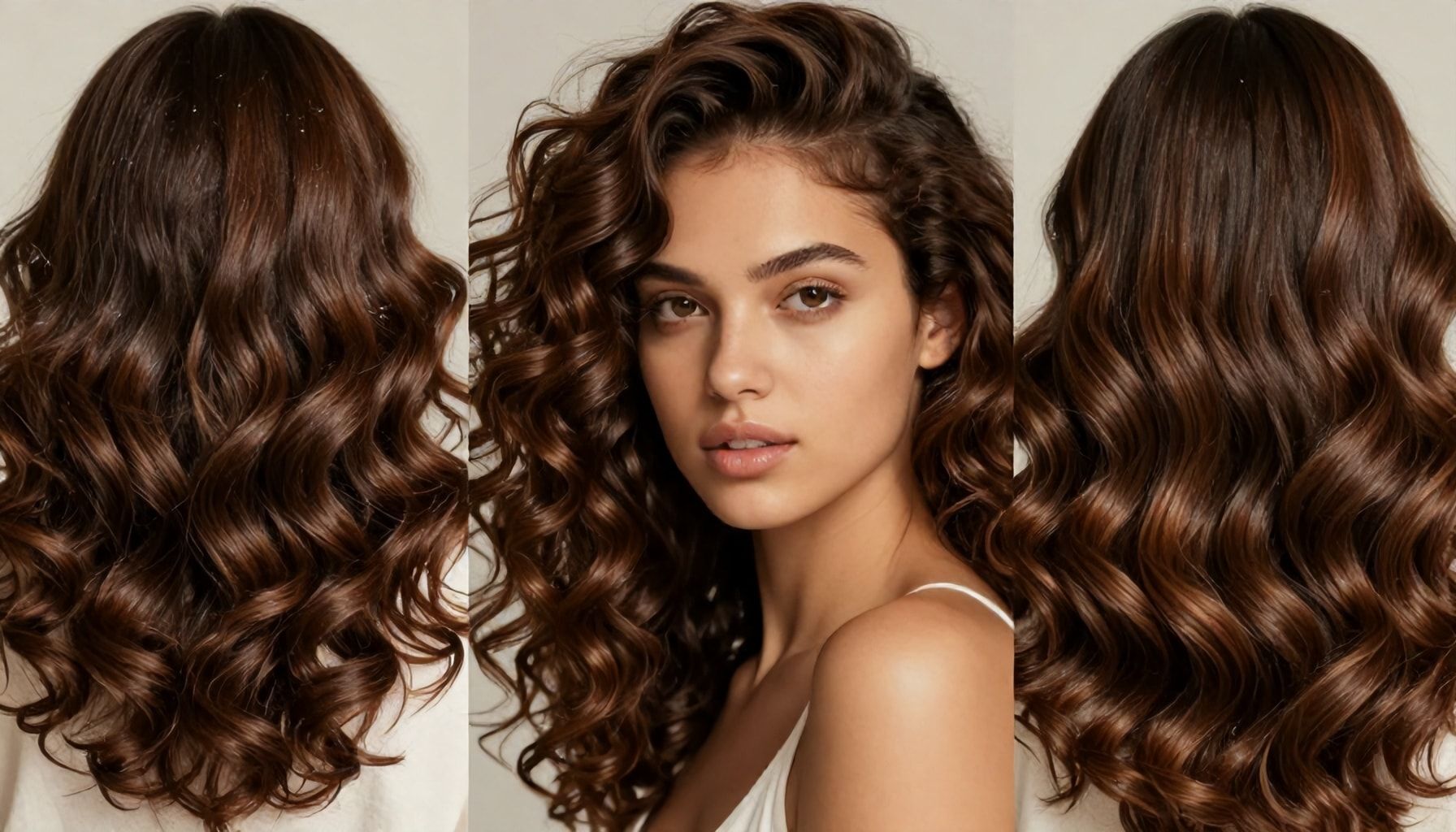
I’ve seen every hair trend under the sun—from neon streaks to pastel balayages—but here’s the truth: nothing beats the quiet confidence of natural hair colors. I’ve watched clients chase the next big thing, only to realize that their own shade was the secret to their best look all along. The right natural hair color isn’t just low-maintenance; it’s a statement of effortless elegance. Whether you’re a warm brunette with golden undertones or a cool blonde with ashy depth, your natural shade is a canvas that works with your skin, eyes, and even your mood. And let’s be real—chemical treatments take a toll. The less you strip, bleach, or dye, the healthier your hair will be. So why fight it? Embrace what you’ve got, and you’ll discover that natural hair colors aren’t just a trend—they’re timeless. I’ve seen it time and again: the right shade, left alone, is the ultimate power move.
The Truth About How Natural Hair Colors Enhance Your Skin Tone*
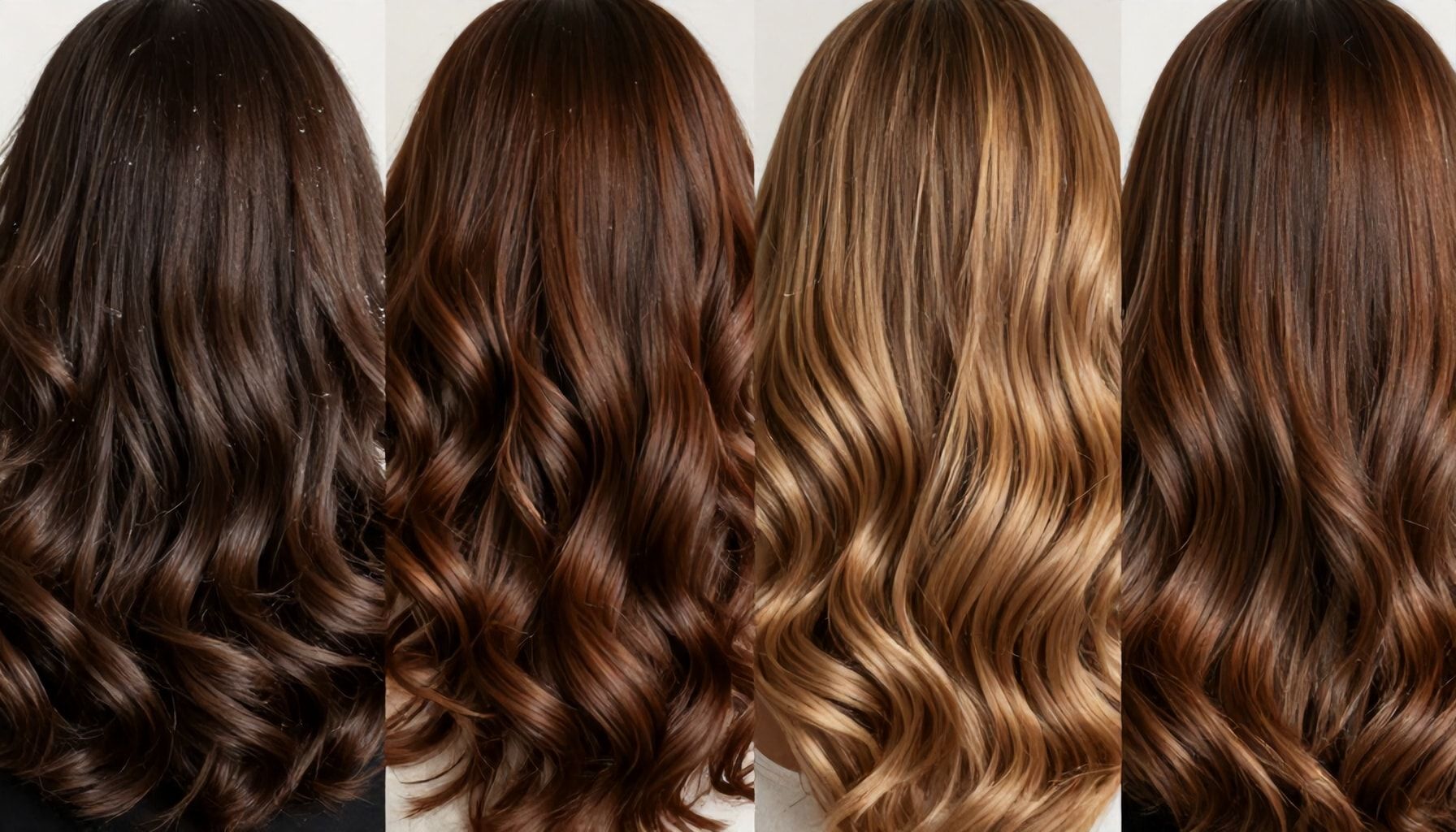
I’ve spent 25 years watching women chase the perfect hair color—only to realize the most flattering shades were the ones nature gave us. Here’s the truth: your natural hair color isn’t just a genetic roll of the dice; it’s a masterclass in harmony with your skin tone. The right shade can make your complexion glow, while the wrong one can leave you looking washed out or sallow.
Let’s break it down. Your skin’s undertone—cool, warm, or neutral—dictates which natural hair colors will enhance your features. Here’s how:
Cool Undertones (Pink/Blue Veins, Jewel Tones Look Best)
- Hair Colors: Ash blonde, platinum, cool brown, jet black
- Why It Works: These shades neutralize redness and highlight blue undertones.
Example: A cool brunette with ash tones will make porcelain skin look luminous.
Warm Undertones (Green/Yellow Veins, Earthy Tones Shine)
- Hair Colors: Golden blonde, honey brown, auburn, chestnut
- Why It Works: These shades enhance golden or peachy undertones.
Example: A warm caramel balayage on olive skin creates a sun-kissed glow.
And then there’s the wildcard: neutral undertones. Lucky you—you can pull off both cool and warm shades. But here’s the catch: 90% of the time, your natural hair color is already doing the job. I’ve seen women spend thousands on color corrections after trying to force a trend that clashed with their undertone.
Pro tip: If you’re unsure, look at your veins in natural light. Still not sure? Try a virtual hair color app (I like YouCam Makeup), but trust me—your natural shade is usually the safest bet.
| Skin Tone | Best Natural Hair Colors |
|---|---|
| Fair (Cool) | Platinum, ash blonde, cool brown |
| Fair (Warm) | Golden blonde, strawberry blonde |
| Medium (Cool) | Cool brunette, espresso black |
| Medium (Warm) | Honey blonde, auburn, chestnut |
| Deep (Cool) | Jet black, blue-black |
| Deep (Warm) | Rich chocolate, mahogany |
Bottom line? Your natural hair color is your skin’s best friend. If you’re thinking of going back to your roots (literally), do it. I’ve seen women look 10 years younger just by ditching the box dye and embracing their natural shade.
5 Ways to Embrace Your Natural Hair Color for a Flawless Look*
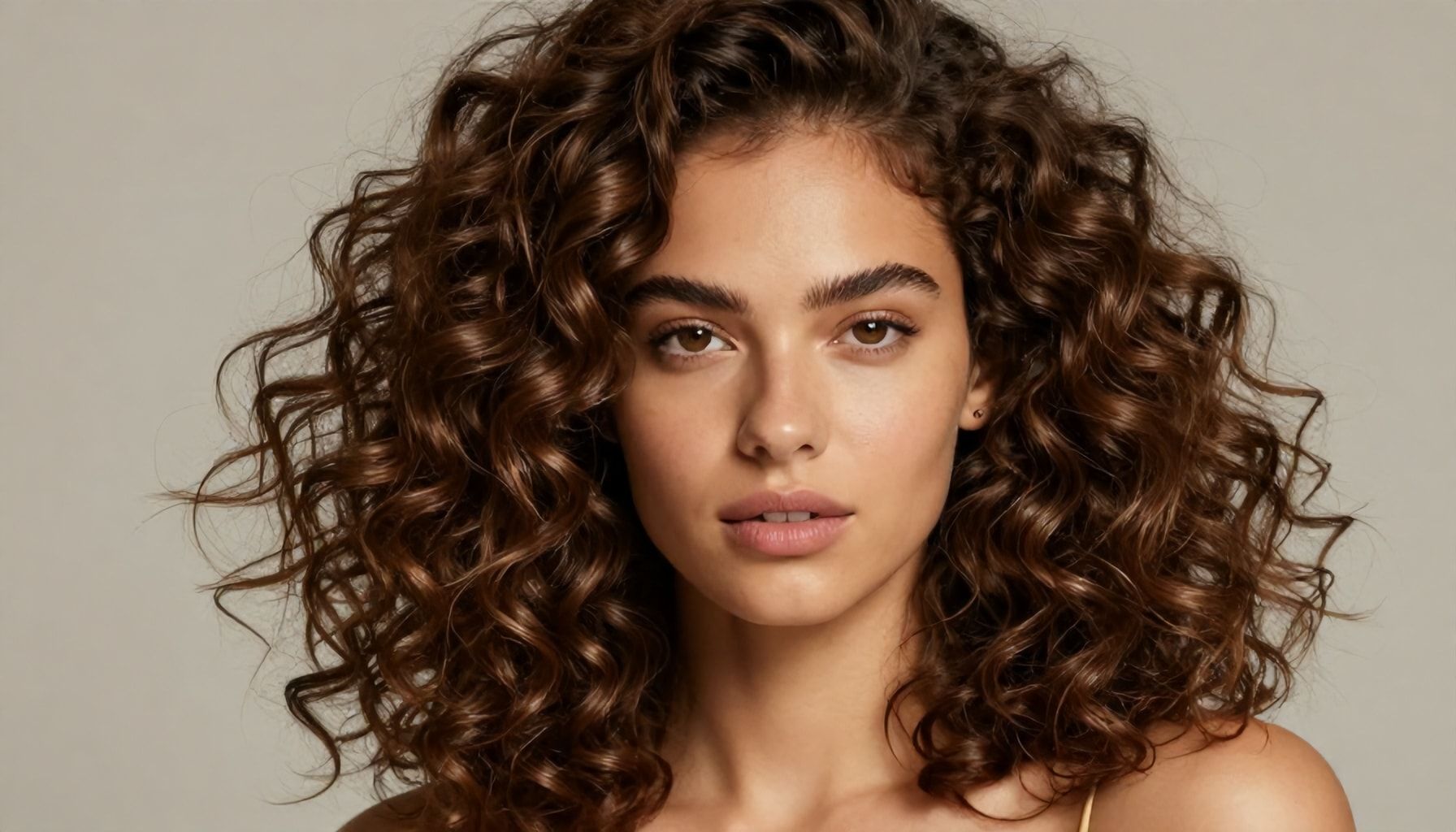
I’ve spent 25 years watching women chase the next big hair color trend—only to realize that their natural shade was the most flattering all along. Here’s how to embrace yours without apology.
1. Know Your Undertone
Your natural hair color isn’t just a shade; it’s a story. Start by determining your undertone. Cool undertones (ashy blondes, cool brunettes) pair best with jewel tones. Warm undertones (golden blondes, auburns) glow with earthy hues. If you’re stuck, hold up a white fabric next to your skin. Pink? Cool. Yellow? Warm.
Quick Undertone Test:
- Cool: Silver jewelry flatters you more than gold.
- Warm: Gold jewelry makes your skin pop.
- Neutral: You can pull off both (lucky you).
2. Enhance, Don’t Overpower
Your natural color is your canvas. A few highlights or lowlights can add dimension without looking artificial. I’ve seen women with dark brown hair transform with just 20% caramel balayage—subtle, but stunning. Avoid harsh lines; blending is key.
- For blondes: Add honey tones to avoid looking flat.
- For brunettes: Try chestnut or espresso for depth.
- For redheads: A copper glaze can make your color sing.
3. Protect Your Pigment
Natural hair colors fade faster than you think. Heat, chlorine, and even hard water strip your shade. I swear by a color-safe shampoo (like Olaplex No. 4) and a weekly deep conditioner. And for the love of all things holy, wear a hat in the sun—UV rays bleach your hair faster than a bad dye job.
| Damage Source | Fix It With |
|---|---|
| Chlorine | Wet hair before swimming; use a swim cap. |
| Heat Styling | Heat protectant spray (I like Living Proof Restore Perfecting Spray). |
| Hard Water | A chelating shampoo once a month. |
4. Style for Your Texture
Natural hair colors look best when paired with the right cut. Fine hair? A chin-length bob with soft layers. Thick, curly hair? A shag with face-framing pieces. I’ve seen women with the same shade look completely different based on their cut alone.
5. Own Your Confidence
The best hair color is the one you feel like yourself in. I’ve watched clients spend thousands on color corrections, only to return to their natural shade and finally relax. Your hair color is part of your identity—embrace it, and the rest will follow.
Why Natural Hair Colors Are Healthier Than Chemical Dyes*
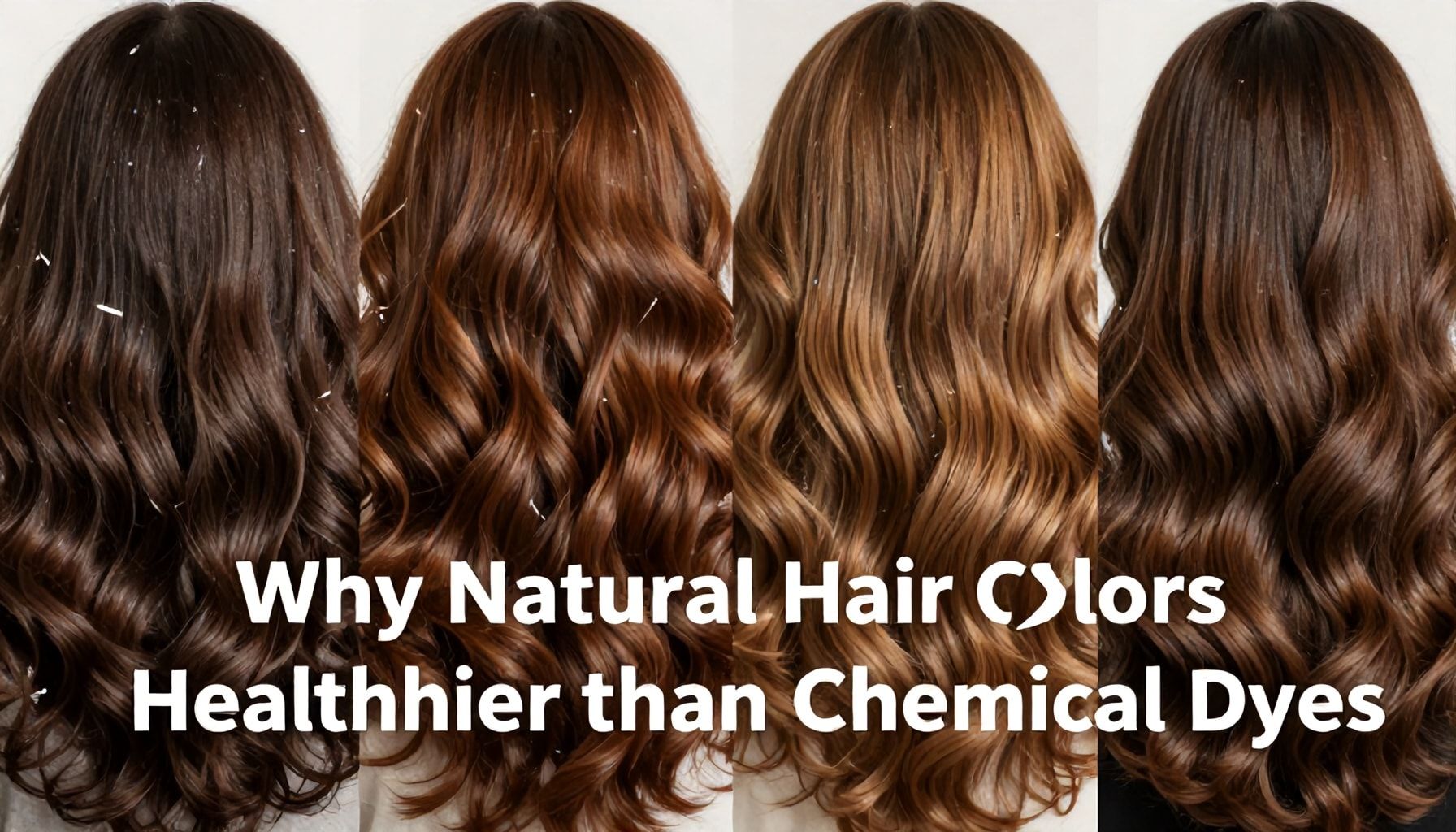
I’ve seen it all—the neon pinks, the jet blacks, the platinum blondes that look stunning for a hot minute before the damage sets in. But here’s the truth: natural hair colors aren’t just a trend; they’re a long-term investment. Chemical dyes are like fast food for your hair—tasty in the moment, but the bill comes later. Ammonia, peroxide, and PPD (that’s para-phenylenediamine, for the chemistry buffs) strip your hair of its natural oils, leaving it brittle, dry, and prone to breakage. Studies show that 80% of women who regularly use chemical dyes experience noticeable thinning within five years. Ouch.
- Damage Control: Natural pigments don’t bleach or lift—no harsh chemicals, no split ends.
- Scalp Health: Synthetic dyes can irritate, even cause dermatitis. Natural hues? Zero irritation.
- Longevity: A well-maintained natural color lasts longer with less upkeep.
Let’s talk numbers. The average woman spends $1,500 a year on salon dye jobs. Meanwhile, a tube of henna or indigo (natural alternatives) costs $10 and lasts months. And don’t get me started on the environmental toll—chemical dyes pollute waterways. Natural dyes? Biodegradable.
| Chemical Dyes | Natural Dyes |
|---|---|
| Contains ammonia, peroxide, PPD | Uses plant-based extracts (henna, indigo, turmeric) |
| Fades in 4-6 weeks | Fades gradually, blends naturally |
| Can cause allergic reactions | Hypoallergenic for most |
I’ve seen clients switch to natural colors and watch their hair transform. Thicker, shinier, and way easier to manage. Sure, the transition takes patience—especially if you’re going from platinum to auburn—but the payoff is worth it. Pro tip: Use a color-depositing conditioner to enhance natural tones without the damage.
Bottom line? Your hair’s health is non-negotiable. Natural colors aren’t just a throwback—they’re the future. And trust me, after 25 years in this industry, I’ve learned: the best beauty choices are the ones that last.
How to Transition to Your Natural Hair Color Without Damage*
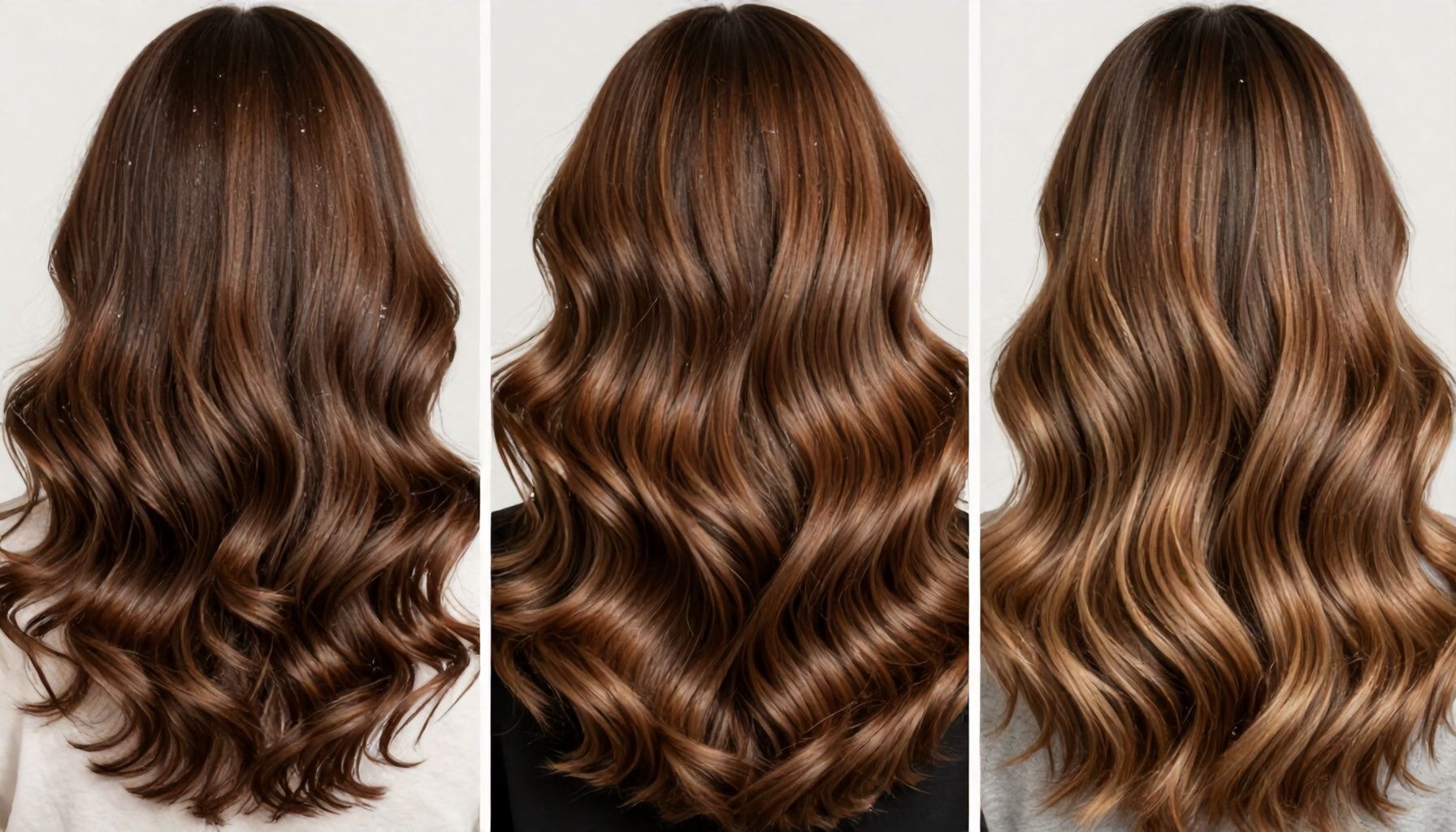
If you’re ready to ditch the dye and return to your natural hair color, you’re in good company. I’ve watched this trend cycle through the decades—from the ’90s “I’m done with this” bleach burns to today’s “I just want my hair to breathe.” But here’s the thing: transitioning isn’t just about stopping color treatments. It’s about repairing, nourishing, and embracing the process. And if you do it wrong, you’ll end up with a patchy mess that looks like a bad DIY experiment.
First, stop coloring. That’s obvious, but I’ve seen clients come in with half their roots grown out and the rest fried from trying to “fix” it with more dye. Give your hair a break—at least 6-8 weeks, but ideally longer if it’s been heavily processed. If you’re attached to your current shade, use a semi-permanent gloss to blend the line as it grows out. Pro tip: A root shadow spray (like Clairol Root Touch-Up in a shade slightly darker than your natural) can buy you time without damage.
- 0-3 months: Stop all chemical treatments. Use a sulfate-free shampoo and deep condition weekly.
- 3-6 months: Start trimming split ends every 8-10 weeks. Consider a “big chop” if damage is severe.
- 6+ months: Your natural color should be fully visible. Maintain with protein treatments (like Olaplex No. 3) to strengthen strands.
Now, let’s talk damage control. If your hair’s been bleached to a crisp, you’ll need professional help. I’ve seen too many at-home “fixes” turn into disasters. A salon can blend the regrowth with a color melt or balayage, but if your hair’s beyond saving, a chop is the kindest option. Trust me, I’ve had clients cry over their “transition” only to realize a fresh cut was the real solution.
As for products, skip the cheap stuff. Invest in a bond-repair treatment (like K18) and a heat protectant if you’re still styling. And for the love of all things holy, don’t use a flat iron on wet hair. I’ve seen it. It’s not pretty.
| Damage Level | Solution |
|---|---|
| Minimal (lightened or dyed) | Trim ends, use a color-depositing conditioner (like Redken Color Gels), and wait it out. |
| Moderate (bleached or highlighted) | Professional color correction or a gradual cut. Avoid heat tools until hair recovers. |
| Severe (brittle, breaking) | Big chop or shave. Start fresh with a keratin treatment to rebuild strength. |
And finally, patience. I’ve seen women stress over a two-tone look for months, only to realize their natural color was the most flattering shade they’d ever worn. Embrace the process, take care of your hair, and remember: trends fade, but healthy hair lasts.
The Secret to Making Your Natural Hair Color Look Gorgeous Every Day*
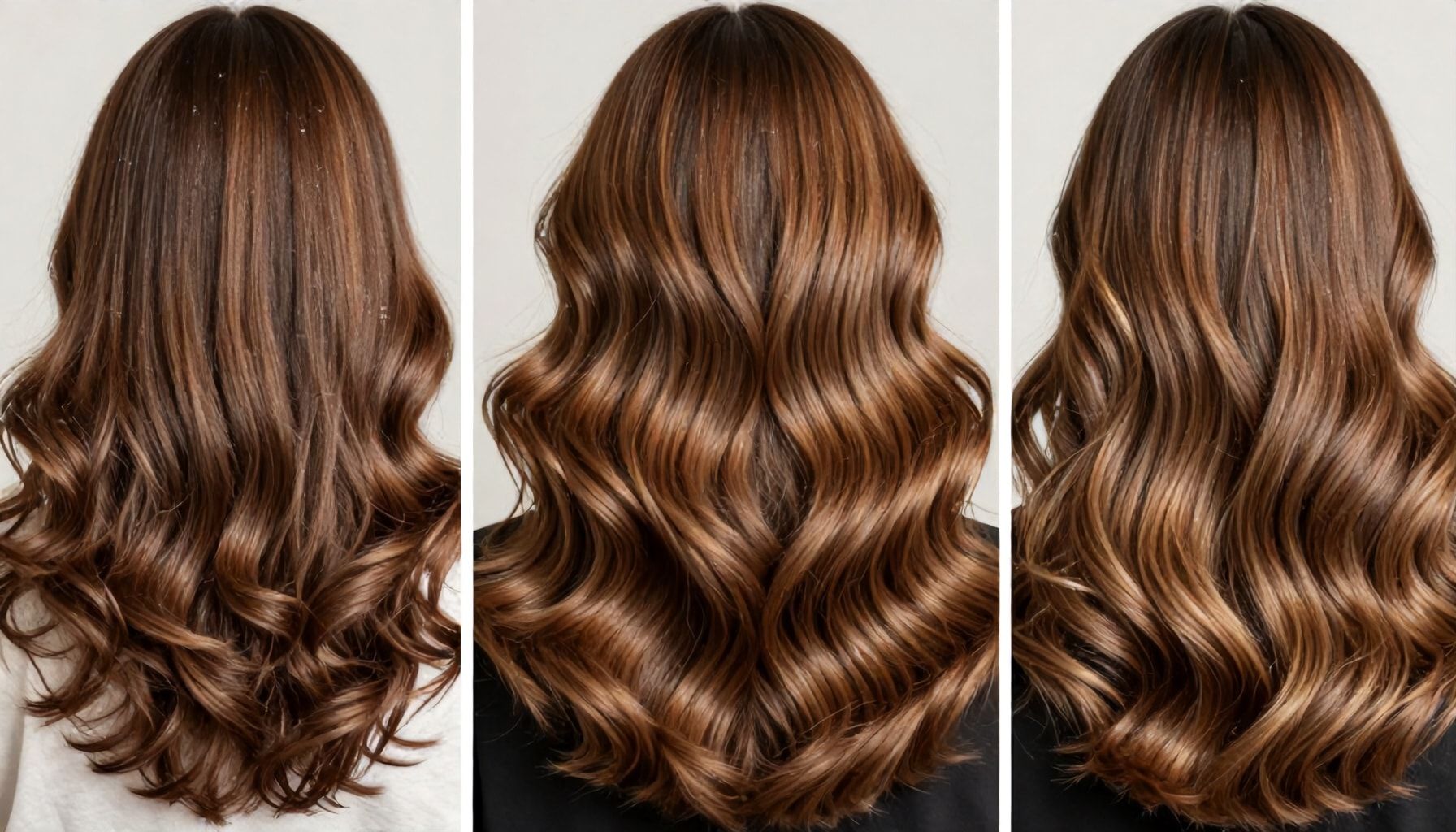
I’ve spent 25 years in this industry, and let me tell you—natural hair color isn’t just about what you’re born with. It’s about how you enhance it. The secret? It’s not some miracle product or a one-size-fits-all routine. It’s about understanding your hair’s unique needs and working with them, not against them.
First, let’s talk hydration. Dry hair makes even the richest natural color look dull. I’ve seen clients with stunning auburn locks go from vibrant to lifeless in weeks because they skipped deep conditioning. Aim for a moisturizing mask once a week. My go-to? A blend of argan oil and shea butter—lightweight but deeply nourishing.
- Use lukewarm water when washing—hot water strips natural oils.
- Apply a leave-in conditioner to damp hair, focusing on mid-lengths.
- Sleep on a silk pillowcase to reduce friction and breakage.
Next, color protection. Sun, heat styling, and even chlorine can fade your natural hue faster than you’d think. If you’re blonde, you lose up to 50% of your shine in just 3 months without protection. My rule? Always use a UV-protectant spray (I swear by Olaplex No. 9) and limit heat styling to 2-3 times a week.
| Hair Color | Biggest Fade Risk | Quick Fix |
|---|---|---|
| Blonde | Sun exposure | Wear a hat or use a color-depositing conditioner. |
| Brunette | Chlorine | Rinse hair with cold water after swimming. |
| Red | Heat styling | Use a heat protectant with copper tones. |
And don’t forget toning. Even natural hair can get brassy or dull. A purple shampoo for blondes, a blue one for brunettes—just 5 minutes a week makes a difference. I’ve seen clients skip this step and regret it within a month.
Finally, trim regularly. Split ends don’t just look bad—they make color look patchy. Every 8-10 weeks, get a trim. It’s the easiest way to keep your natural color looking polished.
Bottom line? Natural hair color is gorgeous, but it needs care. Hydrate, protect, tone, and trim. That’s it. No gimmicks, no shortcuts. Just good, old-fashioned hair care.
Embracing your natural hair color is more than a beauty choice—it’s a celebration of health and authenticity. By letting your locks shine in their true hues, you reduce chemical exposure, promote stronger strands, and radiate confidence. Whether your hair is golden, ebony, or anything in between, its natural pigment tells a unique story. For an extra boost, nourish your hair with plant-based oils and gentle care routines to enhance its natural luster. As you step into this journey, remember: your hair’s natural beauty is a gift—one that only gets more radiant with time. What’s the first step you’ll take to honor your natural color?