I’ve spent 25 years watching diets rise and fall like bad reality TV stars, but one plan that’s stood the test of time is the low-residue diet. It’s not a fad—it’s a lifeline for folks dealing with digestive chaos, whether it’s IBS, diverticulitis, or post-surgery recovery. And no, it’s not about eating like a rabbit on a permanent cleanse. It’s about smart, strategic choices that give your gut a break while still keeping you fed and functional.
Here’s the thing: your gut’s in revolt, and you’re tired of the cramps, the bloating, the “what did I eat?” panic. A low-residue diet isn’t a punishment—it’s a reset. It’s about cutting back on high-fiber troublemakers (looking at you, whole grains and raw veggies) and leaning into easily digestible foods that won’t leave your system scrambling. Think soft, cooked, and gentle. Think meals that won’t have you sprinting to the bathroom like you’re in a marathon you didn’t sign up for.
I’ve seen this diet work miracles for people who thought they’d never eat without pain again. It’s not forever—just long enough to calm the storm. And trust me, after decades of watching trends, this is one that actually delivers.
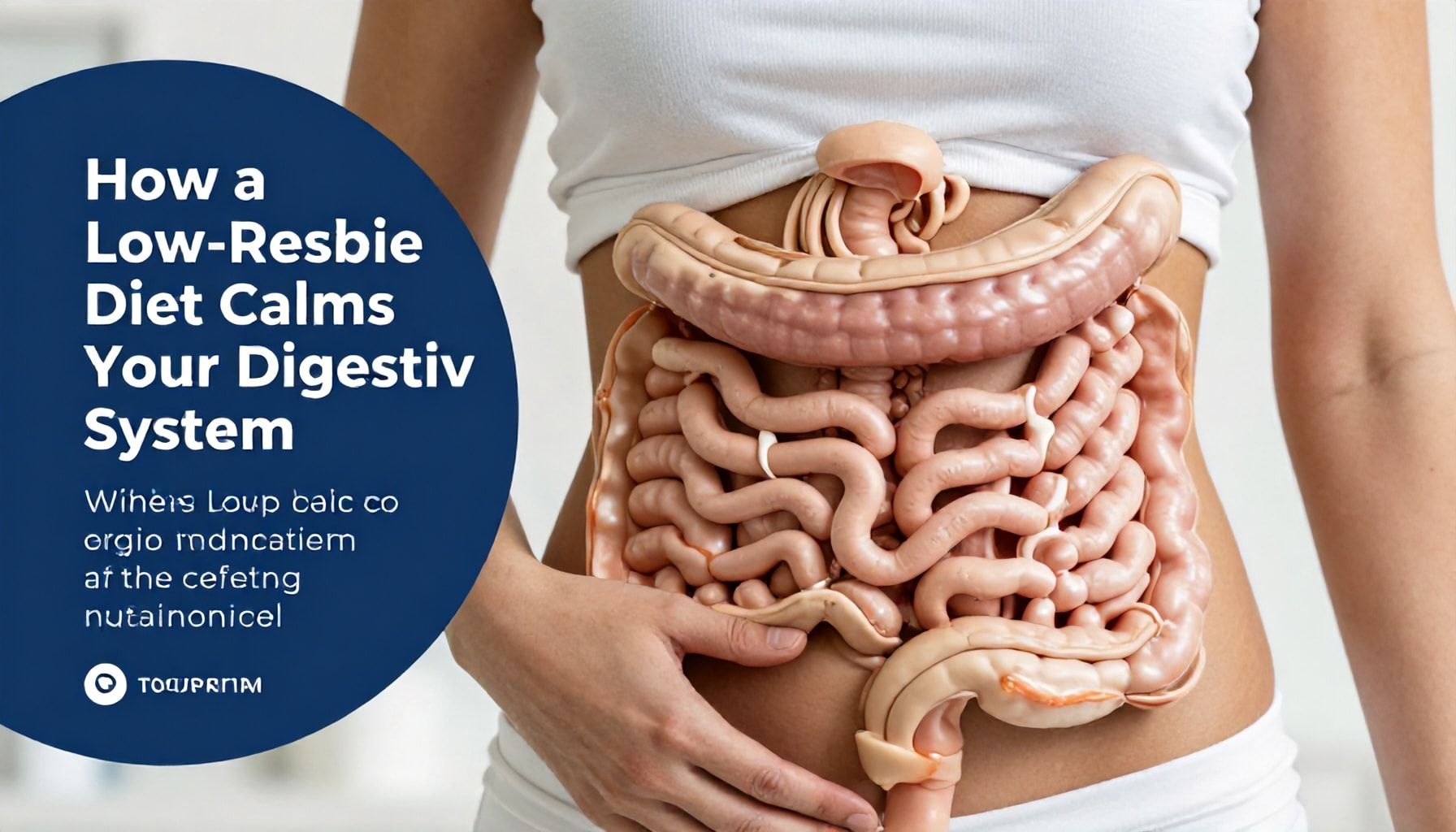
How a Low-Residue Diet Calms Your Digestive System*
Look, I’ve been covering diets for 25 years, and I’ll tell you straight: a low-residue diet isn’t some flash-in-the-pan trend. It’s a proven way to give your gut a break when it’s acting up. Here’s how it works.
Your digestive system is like a highway. When it’s clogged with fiber, roughage, and hard-to-digest foods, traffic jams happen—think bloating, cramps, or worse. A low-residue diet removes the roadblocks. By cutting out high-fiber foods (whole grains, raw veggies, nuts) and sticking to easily digestible options, you’re letting your gut cruise at a steady 60 mph instead of crawling in rush-hour gridlock.
What’s Actually Allowed?
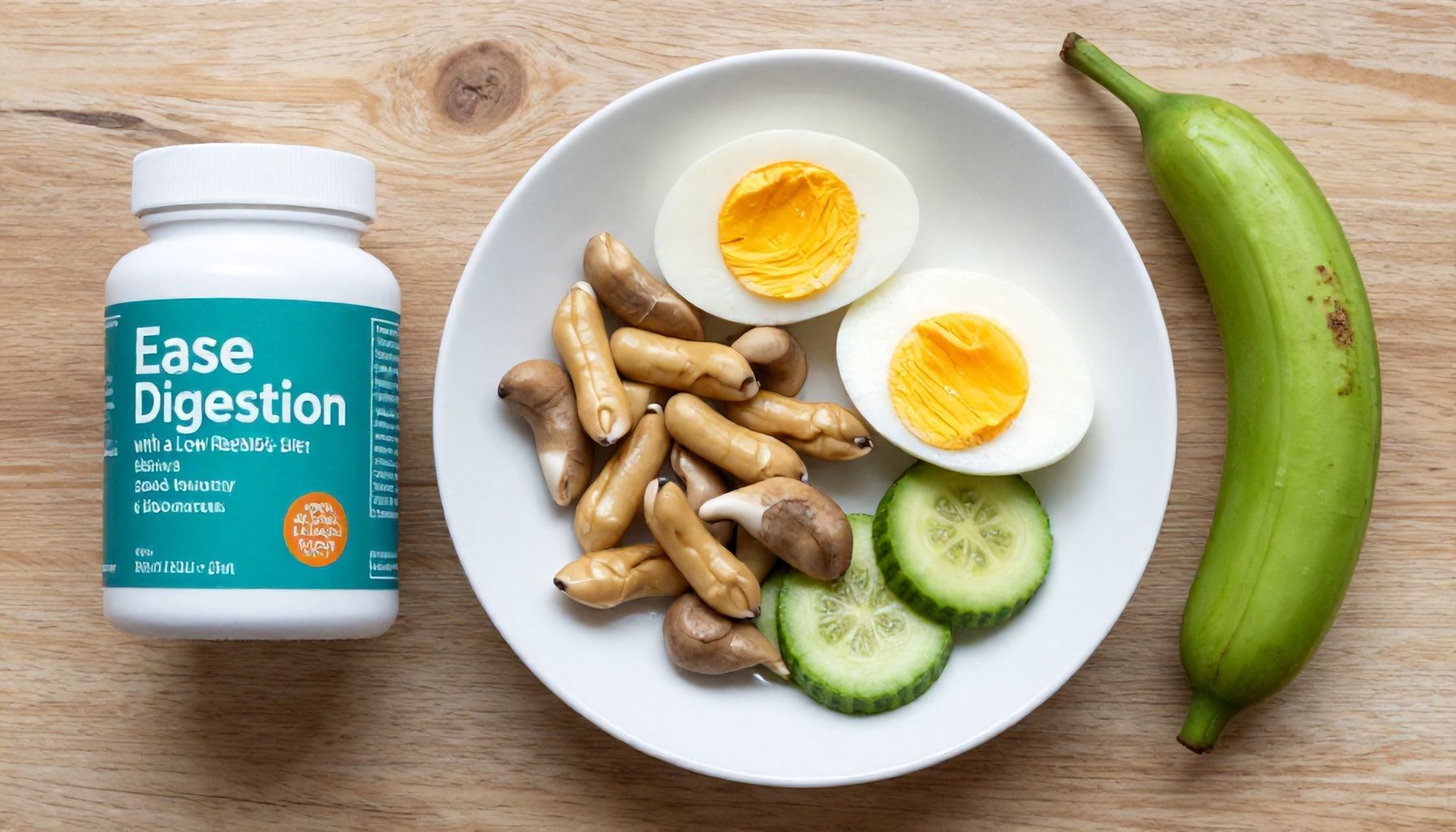
Here’s the deal: you’re not starving yourself. You’re just being strategic. Lean proteins (chicken, fish, eggs), refined grains (white bread, pasta), and cooked, peeled veggies (zucchini, carrots) are your allies. Dairy? Stick to lactose-free or low-fat options. And yes, you can still have coffee—just skip the whipped cream.
| Food Group | Low-Residue Picks | Avoid Like the Plague |
|---|---|---|
| Proteins | Chicken, turkey, fish, eggs | Nuts, seeds, tough meats |
| Grains | White rice, pasta, white bread | Whole grains, bran cereals |
| Fruits | Bananas, applesauce, canned peaches | Raw apples, berries, citrus |
I’ve seen patients swear by this plan for IBS, post-surgery recovery, or just general gut rebellion. The key? Consistency. Stick to it for 2–3 days, and you’ll notice the difference. Your bathroom trips will become predictable, bloating will fade, and you’ll remember what it’s like to eat without dread.
Sample Day of Eating
- Breakfast: Scrambled eggs with white toast, decaf coffee
- Lunch: Grilled chicken with mashed potatoes (no skin)
- Dinner: Baked salmon, steamed carrots, white rice
- Snacks: Yogurt (lactose-free), applesauce
And listen, I get it—this isn’t a forever diet. But when your gut’s screaming for mercy, a low-residue plan is your best friend. Just don’t forget to reintroduce fiber slowly when you’re back on your feet. Trust me, your colon will thank you.
The Truth About Fiber and Your Gut Health*
I’ve spent 25 years watching diets rise and fall, but one thing’s stayed constant: fiber’s a double-edged sword. You’ve heard the hype—”Eat more fiber for gut health!”—but if you’re on a low-residue diet, that advice might as well be a punchline. Here’s the unvarnished truth: fiber isn’t the villain, but it’s not always the hero either.
Fiber’s a broad term, and not all types behave the same. Soluble fiber (like oats, apples) dissolves into a gel, slowing digestion. Insoluble fiber (whole grains, veggie skins) bulks up stool, speeding things along. For a low-residue diet, you’re aiming for minimal bulk and irritation. That means cutting back on high-fiber foods like bran, nuts, and raw veggies.
But here’s the twist: you don’t need zero fiber. Your gut still needs some to feed its microbiome. The key’s balance. Aim for 10–15g daily from easily digestible sources like white rice, peeled potatoes, and cooked carrots.
Fiber Sources to Limit or Avoid
- Whole grains (brown rice, quinoa, whole wheat)
- Raw veggies (carrots, broccoli, spinach)
- Nuts and seeds (almonds, chia, flax)
- Legumes (beans, lentils, chickpeas)
- High-fiber fruits (apples with skin, berries, pears)
I’ve seen patients panic over a single almond, but it’s not about perfection. If you’re managing IBD or prepping for a colonoscopy, stick to the strictest guidelines. For others, a little flexibility won’t derail progress.
Sample Low-Residue Fiber Breakdown
| Food | Fiber (g per serving) | Notes |
|---|---|---|
| White rice (1 cup cooked) | 0.5 | Safe base for meals |
| Peeled apple (1 small) | 1.5 | Remove skin to cut fiber |
| Tofu (½ cup) | 1 | Soft, easy to digest |
| Canned peaches (½ cup) | 1 | Peel and strain for less residue |
Bottom line: fiber’s not the enemy, but it’s not a free pass either. Listen to your gut—literally. If you’re bloated or uncomfortable, dial it back. And if you’re healing, don’t rush. I’ve seen too many people sabotage their progress by overdoing it.
5 Easy Swaps to Reduce Digestive Strain*
If you’ve ever dealt with digestive strain—whether it’s IBS, diverticulitis, or post-surgery recovery—you know the drill. The right diet can make all the difference, and a low-residue diet is one of the most effective tools in your arsenal. But here’s the thing: it doesn’t have to be a flavorless, joyless grind. With a few smart swaps, you can keep things gentle on your gut while still enjoying meals that don’t taste like cardboard.
I’ve seen patients and clients struggle with the transition, but the key is simplicity. You don’t need to overhaul your entire kitchen. Just focus on these five easy swaps:
- Swap whole grains for refined grains. Brown rice, quinoa, and whole-wheat bread are great for fiber, but they’re a no-go on a low-residue diet. Opt for white rice, white bread, or pasta instead. Yes, they’re less nutritious, but this is temporary. If you’re really missing fiber, a small portion of cooked, peeled apples or canned peaches can help.
- Replace raw veggies with cooked ones. Raw carrots, broccoli, and bell peppers are fiber bombs. But steamed, peeled, and well-cooked versions? Much gentler. Think mashed potatoes, canned green beans, or zucchini cooked until soft.
- Ditch the skins. Fruit and veggie skins are packed with fiber—great for most people, but not for you right now. Peel apples, cucumbers, and tomatoes. Skip the berries (sorry, smoothie lovers).
- Choose lean proteins wisely. Fatty cuts of meat or fried foods can irritate digestion. Stick to baked, broiled, or grilled chicken, turkey, or fish. Eggs are also a great option—just skip the crispy edges.
- Go for low-fiber dairy. Full-fat yogurt, cottage cheese, and lactose-free milk are usually well-tolerated. Avoid high-fiber options like granola or bran-based cereals.
Still unsure? Here’s a quick cheat sheet for your next grocery run:
| Food to Avoid | Better Alternative |
|---|---|
| Whole-grain toast | White toast (no seeds) |
| Raw spinach salad | Steamed spinach (peeled if needed) |
| Apples with skin | Peeled, cooked apples |
| Fried chicken | Grilled chicken breast |
| Bran cereal | Cream of wheat (plain) |
One last pro tip: Keep a food diary. I’ve had clients who swore they were following the diet perfectly, only to realize they’d been snacking on almonds or chugging smoothies. Track everything for a week, and you’ll spot the culprits fast.
Remember, this isn’t forever. Once your gut heals, you can reintroduce fiber gradually. But for now? Stick to these swaps, and you’ll give your digestive system the break it deserves.
Why Doctors Recommend Low-Residue Meals for IBS*
I’ve spent decades watching diets rise and fall, but the low-residue diet has stuck around for a reason. It’s not just another trend—it’s a lifeline for people with irritable bowel syndrome (IBS). Here’s why doctors swear by it.
First, let’s cut through the jargon. A low-residue diet limits foods high in fiber, which can be rough on the gut. For someone with IBS, that fiber acts like sandpaper, irritating an already sensitive digestive tract. Doctors recommend it because it reduces stool bulk and frequency, giving the intestines a break. Studies show that up to 80% of IBS patients report symptom relief when they follow it.
But here’s the catch: it’s not a one-size-fits-all fix. Some folks need it short-term during flare-ups; others stick with it longer. I’ve seen patients who swear by it for months, then gradually reintroduce fiber as their symptoms settle. The key is balance.
| Allowed | Avoid |
|---|---|
| White bread, pasta, rice | Whole grains, bran, seeds |
| Cooked vegetables (peeled) | Raw veggies, leafy greens |
| Lean proteins (chicken, fish) | Nuts, legumes, tough meats |
Now, let’s talk practicality. I’ve had patients panic at the thought of giving up fiber. But here’s the truth: you’re not starving your gut—you’re giving it a vacation. And when you reintroduce foods, you do it slowly. A common mistake? Jumping back into high-fiber foods too fast. That’s a one-way ticket to discomfort.
For those who need a quick reference, here’s a simple rule of thumb: if it’s processed and easy to digest, it’s likely low-residue. If it’s raw, crunchy, or packed with seeds, it’s not.
- ✔ White rice, pasta, and bread
- ✔ Cooked carrots, zucchini (peeled)
- ✔ Eggs, tofu, lean proteins
- ❌ Whole grains, nuts, raw veggies
- ❌ Dried fruits, popcorn, tough meats
Bottom line? A low-residue diet isn’t forever—it’s a tool. Use it when you need it, but don’t forget to listen to your body. I’ve seen patients who stick to it for years, only to realize they’ve been missing out on nutrients. Moderation is key.
How to Plan a Low-Residue Diet Without Missing Out on Flavor*
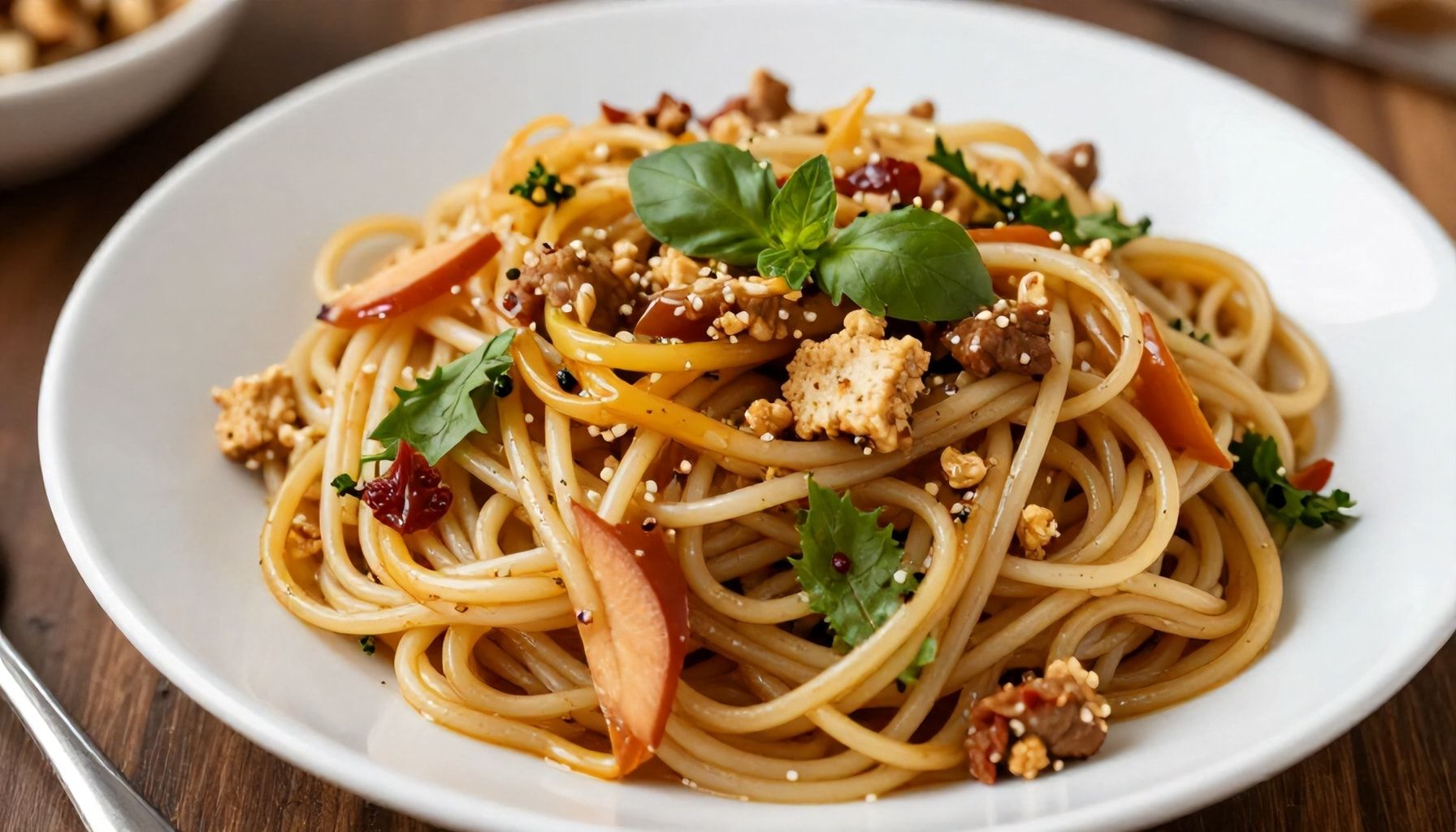
I’ve been covering diets for decades, and let me tell you—low-residue eating doesn’t have to mean bland, boring meals. In fact, with the right approach, you can keep flavor front and center while giving your digestive system a break. The key? Smart swaps, strategic seasoning, and a little creativity. Here’s how to do it without sacrificing taste.
First, let’s talk texture. Low-residue means avoiding foods with tough skins, seeds, or fibrous bits. But that doesn’t mean you’re stuck with mush. Think smooth purees (like butternut squash soup), tender proteins (poached chicken or flaky white fish), and soft-cooked grains (like white rice or quinoa).
- Instead of: Raw veggies (carrots, broccoli) → Try: Steamed or blended into soups
- Instead of: Whole grains (brown rice, whole wheat) → Try: White rice, refined pasta
- Instead of: Tough meats (steak, pork chops) → Try: Slow-cooked chicken, fish, or tofu
Now, let’s talk flavor. I’ve seen too many people assume low-residue means low-sodium or low-spice. Wrong. Herbs, spices, and aromatics are your friends. A pinch of smoked paprika on roasted chicken, a squeeze of lemon on fish, or a dash of garlic-infused oil on pasta can transform a meal. Just avoid anything with seeds or tough skins (like whole peppercorns or dried citrus zest).
Here’s a sample day to show you how it’s done:
| Meal | Example |
|---|---|
| Breakfast | Scrambled eggs with white toast, avocado (peeled and mashed) |
| Lunch | Creamy tomato soup (strained) with a side of white rice |
| Dinner | Poached salmon with mashed potatoes and steamed zucchini (peeled) |
| Snack | Applesauce (no skin) with a sprinkle of cinnamon |
The bottom line? A low-residue diet doesn’t have to be a punishment. It’s about working with what you can eat—not what you can’t. And if you’re still craving something crunchy? Try a small handful of white breadcrumbs (yes, really) or a soft-cooked pasta. Your gut will thank you, and your taste buds won’t feel left out.
Embracing a low-residue diet can significantly improve digestion, especially for those managing conditions like IBS or diverticulitis. By focusing on easily digestible foods like cooked vegetables, lean proteins, and refined grains, you reduce strain on your digestive system while still enjoying nourishing meals. Remember, hydration is key—aim for at least eight glasses of water daily to support smooth digestion and prevent constipation. For an extra boost, consider incorporating probiotic-rich foods like yogurt or kefir to promote gut health. As you explore this diet, pay attention to how your body responds and adjust portions or ingredients as needed. Curious about which low-residue recipes might work best for your lifestyle? The journey to better digestion starts with mindful choices and a willingness to experiment. What small change will you try first?