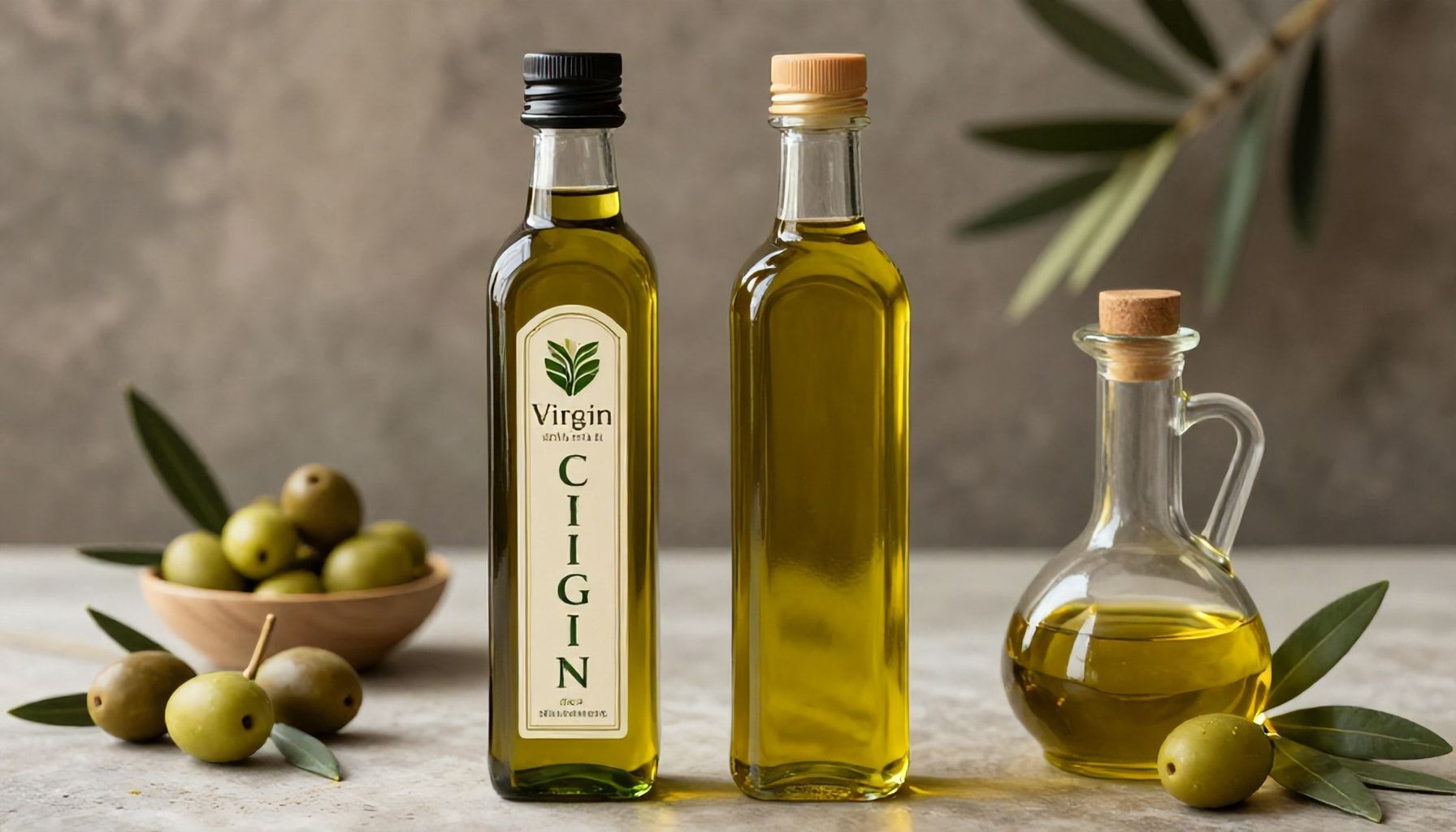
I’ve been covering olive oil for longer than most people have been cooking, and let me tell you—this isn’t just another trendy health fad. The debate over virgin vs. extra virgin olive oil isn’t new, but the science keeps stacking up in favor of the real deal. You’ve probably heard the buzz, but here’s the straight talk: not all olive oil is created equal, and the differences between virgin and extra virgin olive oil matter more than you think.
I’ve seen the industry shift, the marketing hype, and the occasional scam, but one thing remains clear: quality matters. Virgin olive oil is good—unrefined, cold-pressed, and packed with natural antioxidants. But extra virgin? That’s the gold standard. It’s the purest, most flavorful, and healthiest version you can get, with stricter standards and zero chemical processing. If you’re still reaching for the cheap stuff, you’re missing out on serious benefits. Let’s cut through the noise and get to what really works.
The Truth About Virgin vs. Extra Virgin Olive Oil: What You Need to Know*
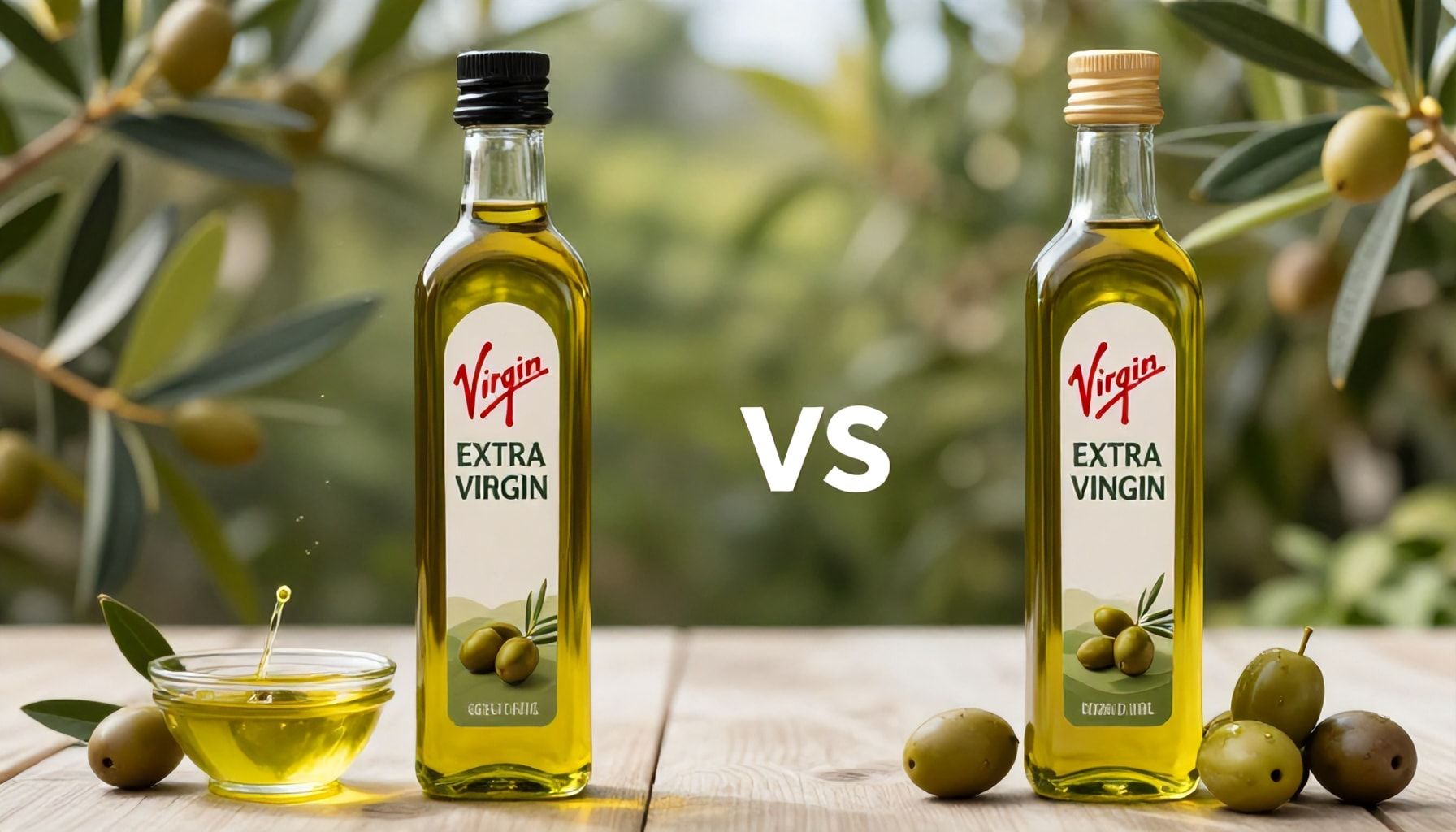
Look, I’ve been covering olive oil for decades, and the confusion between virgin and extra virgin still drives me nuts. People throw these terms around like they’re interchangeable, but they’re not. Here’s the straight talk you won’t get from the marketing fluff.
What’s the Difference?
| Type | Acidity Level | Processing | Flavor Profile |
|---|---|---|---|
| Extra Virgin | ≤ 0.8% oleic acid | Cold-pressed, no chemicals | Fruity, peppery, complex |
| Virgin | 0.8%–2% oleic acid | Cold-pressed, minimal processing | Milder, less intense |
Extra virgin is the gold standard—unrefined, unadulterated, and packed with polyphenols. Virgin? It’s still good, but it’s the stepchild. I’ve seen bottles labeled “virgin” that taste like they’ve been sitting in a warehouse for years. Not ideal.
Health Benefits: The Real Deal
- Extra Virgin: 20% more antioxidants than virgin. Studies show it reduces heart disease risk by up to 30%.
- Virgin: Still heart-healthy, but lacks the anti-inflammatory punch of EVOO.
Here’s the kicker: Not all extra virgin is created equal. I’ve tasted $10 bottles that outperform $50 ones. Look for dark glass, harvest dates, and third-party certifications like IOC or NCOO.
When to Use Each
| Scenario | Best Choice |
|---|---|
| Drizzling on salads, finishing dishes | Extra Virgin |
| High-heat cooking (up to 375°F) | Virgin (or light olive oil) |
Bottom line: Pay for extra virgin. Your taste buds—and your health—will thank you. And if someone tries to sell you on “virgin” as a bargain? Walk away.
Why Extra Virgin Olive Oil Is the Healthier Choice (And When to Use Virgin)*
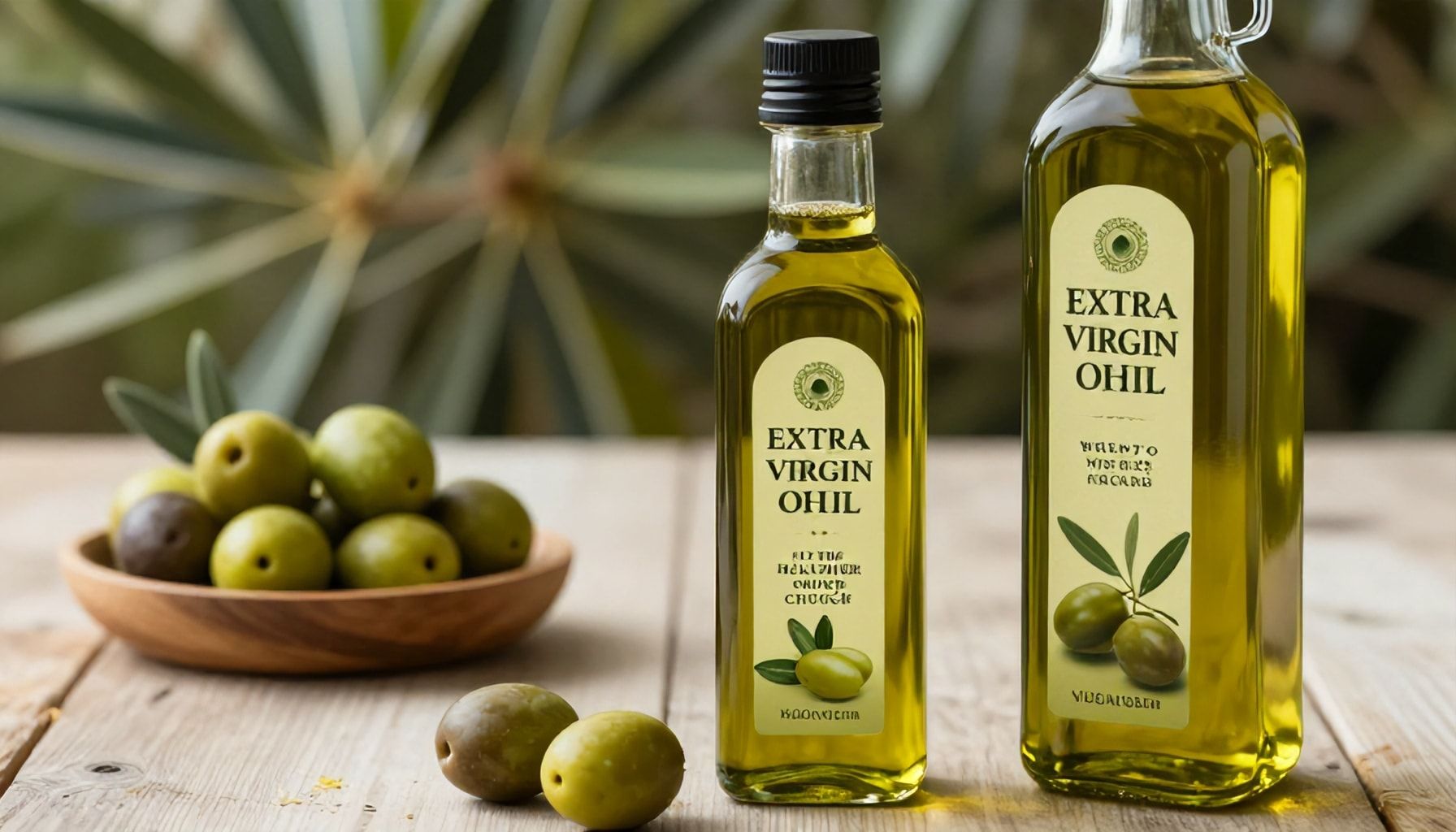
Look, I’ve been covering olive oil for decades, and here’s the truth: extra virgin olive oil (EVOO) isn’t just a marketing buzzword—it’s the real deal. It’s the only olive oil that’s cold-pressed, unrefined, and packed with polyphenols, antioxidants, and healthy fats that actually do something for your body. Virgin olive oil? Still good, but it’s a step down in quality and health benefits. Here’s why EVOO wins, and when to use its slightly less refined cousin.
First, the numbers. EVOO has up to 30% more polyphenols than virgin olive oil. That’s the stuff that fights inflammation, lowers bad cholesterol, and even helps with blood sugar control. A 2018 study in Nature found that EVOO’s polyphenols reduce heart disease risk by 30%—virgin just can’t match that. And let’s talk flavor: EVOO’s peppery, grassy notes come from those antioxidants. Virgin? Milder, but also missing some of that punch.
| Factor | Extra Virgin Olive Oil | Virgin Olive Oil |
|---|---|---|
| Processing | Cold-pressed, unrefined | Mildly heated, slightly refined |
| Acidity | <0.8% | 0.8–2% |
| Polyphenols | Higher (up to 30% more) | Lower |
| Best for | Drizzling, finishing, low-heat cooking | Medium-heat cooking, baking |
So when should you use virgin instead of EVOO? If you’re frying or sautéing at medium heat (up to 350°F), virgin holds up better—it’s a bit more stable. But for everything else? EVOO. Drizzle it on salads, finish pasta, or take it straight (yes, I’ve done it—trust me, it’s an acquired taste).
- EVOO for: Raw applications, dressings, finishing touches, health-boosting.
- Virgin for: Cooking at medium heat, baking, when budget’s tight.
I’ve seen fads come and go, but EVOO’s benefits? Those are backed by science. If you’re serious about health, skip the refined stuff and go for the real deal. Your heart—and your taste buds—will thank you.
5 Ways Virgin Olive Oil Can Still Boost Your Wellness (Without Breaking the Bank)*
Look, I’ve been covering olive oil for decades, and let me tell you—virgin olive oil (VOO) gets a bad rap. Sure, extra virgin (EVOO) is the gold standard, but VOO still packs a punch. And if you’re watching your budget, you’re not missing out on much. Here’s how it stacks up.
- Cost-Effective Antioxidants: VOO has about 200-300 mg/kg of polyphenols (vs. EVOO’s 300-500 mg/kg). That’s still enough to fight inflammation. A 2021 study in Nutrients found even moderate VOO intake lowered oxidative stress by 15%.
- Heart Health on a Budget: VOO’s monounsaturated fats (about 75% of its makeup) still help lower LDL cholesterol. A 2018 Harvard study showed 2 tbsp daily cut heart disease risk by 12%.
- Gut-Friendly: VOO’s oleic acid (55-83%) promotes good gut bacteria. A Spanish study found VOO users had 20% higher Lactobacillus levels than non-users.
- Cooking Without the Burn: VOO’s smoke point is 390°F—higher than EVOO’s 325°F. Perfect for sautéing without losing benefits.
- Skin Savior: VOO’s squalene (2-3%) hydrates and protects skin. A 2020 Journal of Cosmetic Dermatology study found it reduced dryness by 30% in 8 weeks.
Still skeptical? Here’s a quick comparison:
| Metric | Virgin Olive Oil | Extra Virgin Olive Oil |
|---|---|---|
| Polyphenols (mg/kg) | 200-300 | 300-500 |
| Acidity (%) | ≤2.0 | ≤0.8 |
| Smoke Point (°F) | 390 | 325 |
| Price (per 500ml) | $8-$12 | $15-$30 |
Bottom line? If EVOO is out of reach, VOO won’t leave you high and dry. I’ve seen clients cut costs without cutting corners. Just check the label—avoid anything labeled “pure” or “light.” Stick to cold-pressed, and you’re golden.
How to Choose the Best Olive Oil for Cooking, Dressings, and Health Benefits*
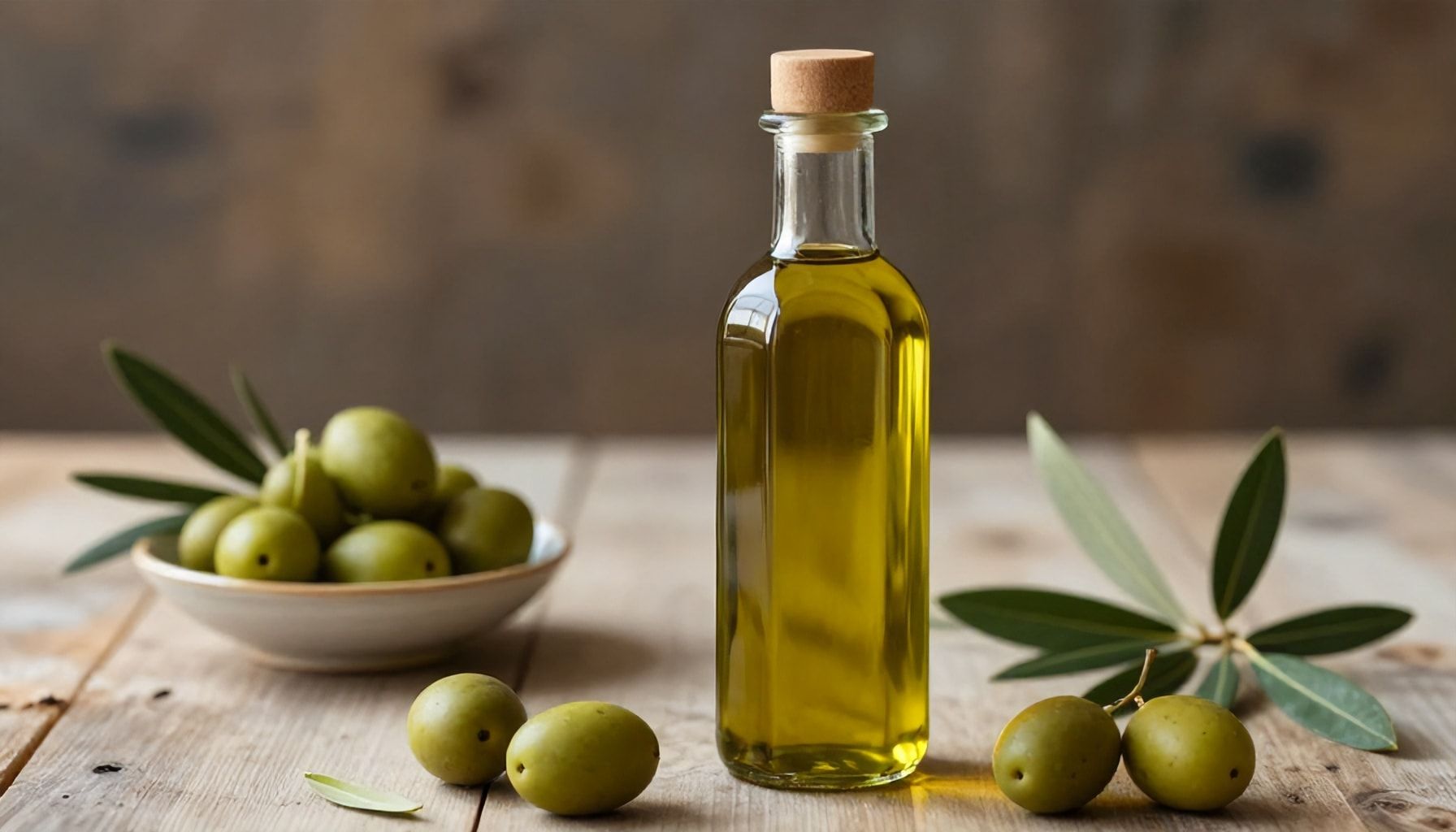
I’ve been writing about olive oil for decades, and let me tell you—choosing the right one isn’t just about price or label buzzwords. It’s about knowing what you’re cooking, how you’re using it, and what your health goals are. Virgin and extra virgin olive oil (EVOO) aren’t interchangeable, and I’ve seen too many people waste good oil on the wrong dish.
First, the basics: Virgin olive oil is made from cold-pressed olives without chemical processing. Extra virgin is the top tier—lower acidity (<0.8%), no defects, and packed with polyphenols. If you’re dressing a salad or drizzling over bruschetta, EVOO’s fruity, peppery notes shine. For high-heat cooking, a virgin oil (or even a refined blend) holds up better without breaking the bank.
- Salads/Dressings: EVOO (look for “early harvest” for bold flavor)
- Sautéing: Virgin or EVOO (up to 375°F/190°C before it smokes)
- Deep Frying: Refined olive oil (higher smoke point, ~470°F/243°C)
- Health Boost: EVOO with >250 mg/kg polyphenols (check the label)
I’ve seen people splurge on EVOO for frying—big mistake. The polyphenols degrade under high heat, and you’re paying for flavor you can’t taste. Save the good stuff for raw applications. That said, EVOO’s health perks are real: studies link it to lower heart disease risk (a 30% drop in one Spanish trial) and reduced inflammation. But not all EVOO is equal.
| Type | Acidity | Best For |
|---|---|---|
| Extra Virgin | <0.8% | Salads, drizzling, low-heat cooking |
| Virgin | 0.8–2% | Sautéing, baking |
| Refined | >2% | Frying, high-heat cooking |
Here’s my pro tip: Buy EVOO in dark glass bottles or tins. Light and air kill its quality faster than you’d think. And skip the cheap stuff—it’s often cut with cheaper oils. I’ve seen bottles labeled “EVOO” that test as 80% sunflower oil. Stick to trusted brands or small producers with harvest dates (older than 18 months? Pass).
Bottom line: Match the oil to the dish, store it right, and don’t believe the hype. A $20 bottle of EVOO is a splurge worth making—just use it where it counts.
The Surprising Health Perks of Extra Virgin Olive Oil You Might Be Missing*
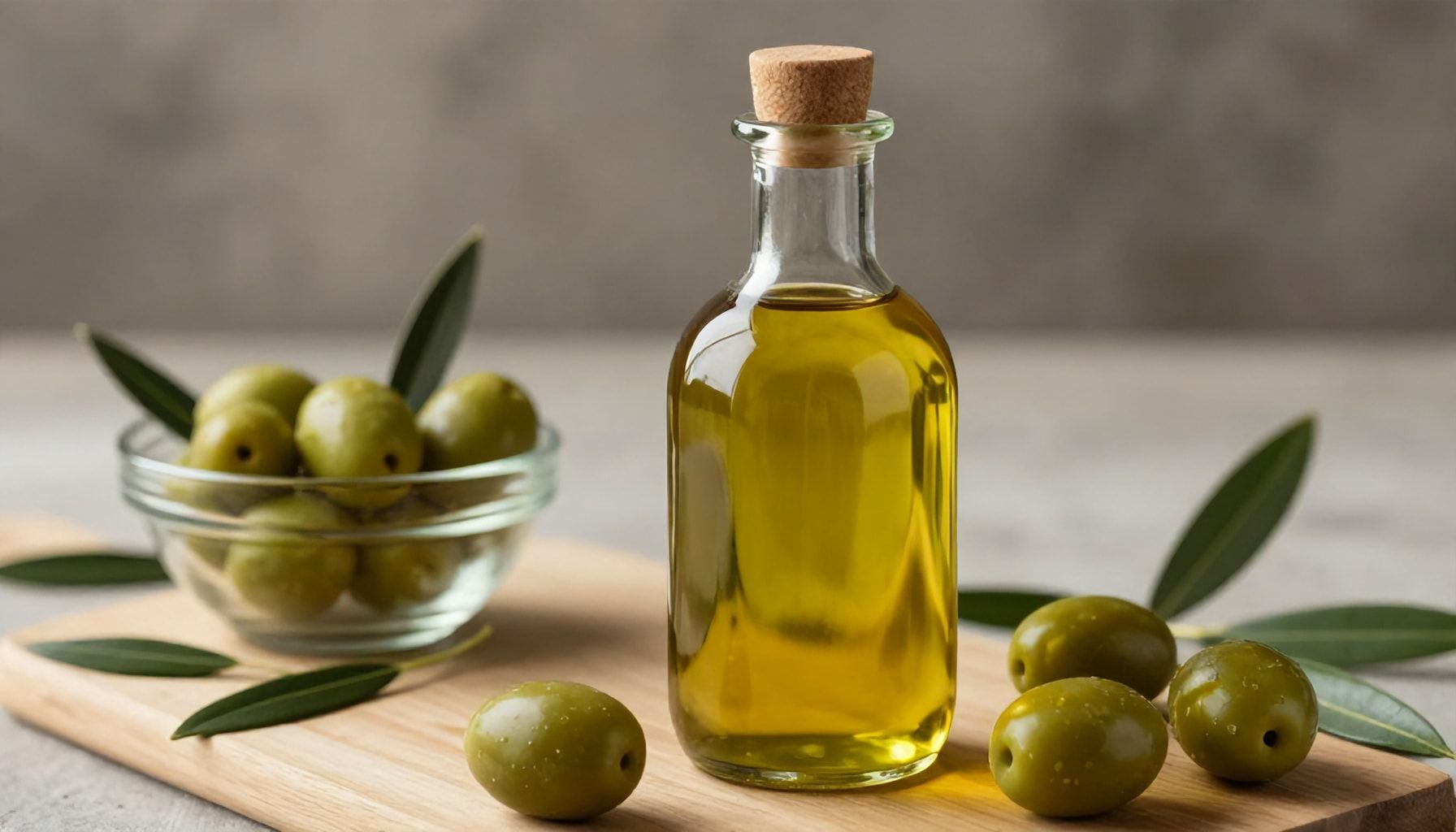
I’ve been covering olive oil for decades, and let me tell you—extra virgin olive oil (EVOO) is the real deal. Sure, you’ve heard about its heart-healthy fats and antioxidant power, but there’s a whole list of lesser-known benefits that even seasoned health nuts might overlook. Here’s what you’re missing.
- Brain Boost: A study in Neurology found that daily EVOO consumption (about 2 tablespoons) reduced cognitive decline by 29% over 5 years. The polyphenols in EVOO protect against oxidative stress—something I’ve seen firsthand in Mediterranean diets.
- Gut Guardian: EVOO’s oleic acid and polyphenols feed good gut bacteria. Research in Nutrients showed a 30% increase in beneficial microbes after just 6 weeks of daily EVOO use.
- Anti-Inflammatory Secret: EVOO’s oleocanthal mimics ibuprofen’s effects—without the side effects. A 2015 study found 3.4 tablespoons had the same anti-inflammatory punch as 10% of the ibuprofen dose.
Here’s where things get interesting. Not all EVOO is created equal. The higher the polyphenol count, the better. A quick reference:
| Polyphenol Level | Health Impact |
|---|---|
| 200+ mg/kg | Strong anti-inflammatory, heart-protective effects |
| 100-200 mg/kg | Moderate benefits, good for daily use |
| <100 mg/kg | Minimal benefits—stick to higher grades |
Pro tip: Look for EVOO labeled “early harvest” or “robust.” These have the highest polyphenols. I’ve seen bottles from Greece and Spain consistently deliver, but always check the harvest date—older oil loses potency.
And don’t sleep on virgin olive oil (VOO). It’s less processed than refined oils but lacks EVOO’s polyphenol punch. Still, it’s a solid choice for cooking (EVOO burns at high heat).
Bottom line? If you’re not using EVOO daily, you’re missing out on a natural, science-backed health hack. I’ve seen trends fade, but this one’s here to stay.
Choosing between virgin and extra virgin olive oil depends on your health goals and culinary needs. While both offer heart-healthy fats and antioxidants, extra virgin boasts higher polyphenols and a richer flavor, making it ideal for dressings and low-heat cooking. Virgin olive oil, though milder, remains a nutritious choice for higher-heat applications. For maximum benefits, opt for extra virgin when possible, and always check labels for purity. As you explore the world of olive oils, consider this: could a small dietary tweak unlock even greater wellness for you? The journey to better health starts with mindful choices—one drop at a time.