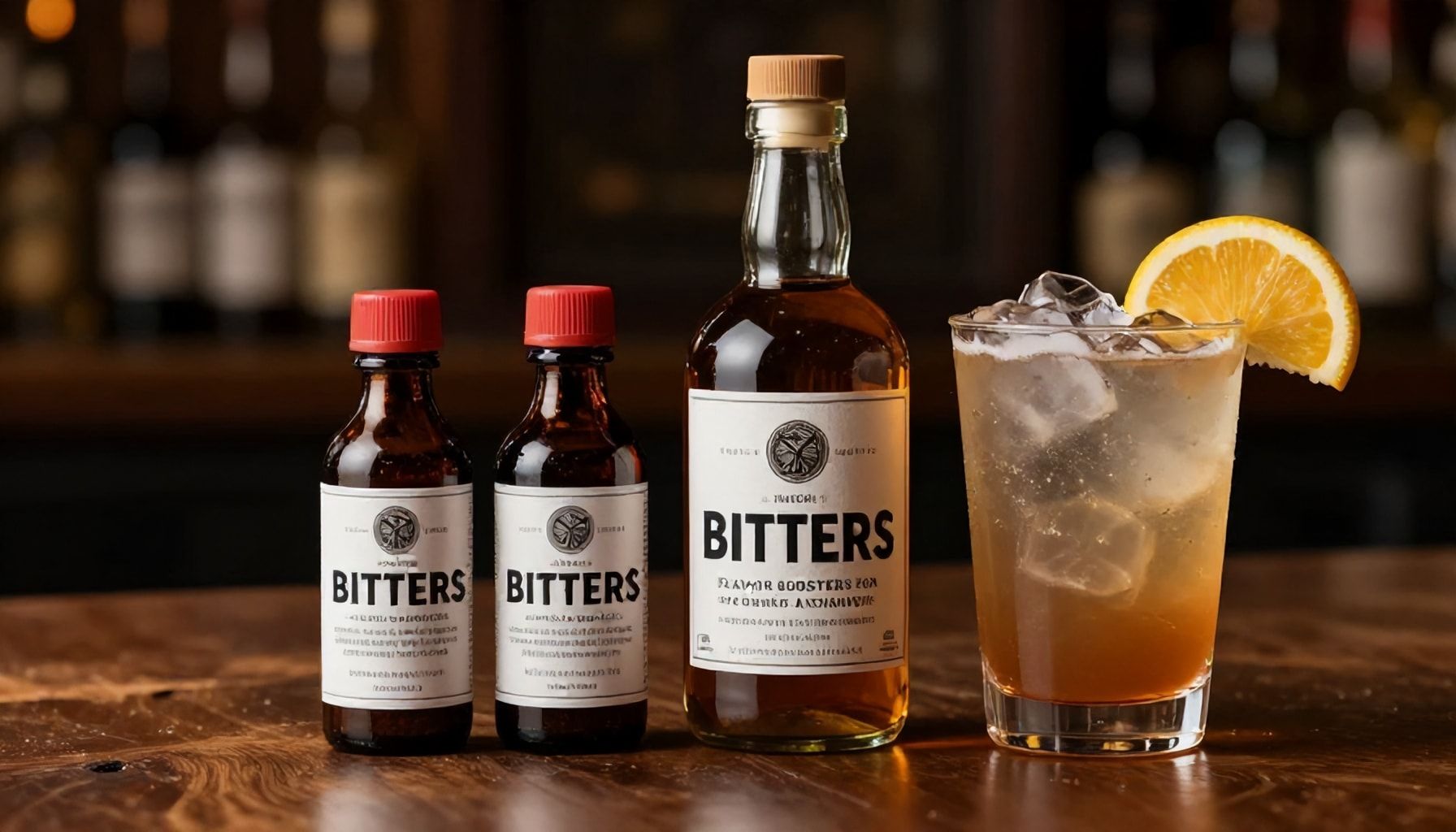
Alright, listen up. I’ve been around the block enough times to know that bitters aren’t just some fleeting trend. They’re the unsung heroes of the bar world, the secret handshake between mixologists and flavor. Bitters are concentrated, aromatic liquids that pack a punch, adding depth and complexity to cocktails. Think of them as the spice rack of the bartender’s world. They’re not just for old-school classics like the Manhattan or Old Fashioned anymore. Bitters have gone mainstream, and for good reason. They’re the difference between a drink that’s just okay and one that’s unforgettable.
But what are bitters, really? They’re a blend of botanicals—spices, herbs, fruits, and sometimes even bark—steeped in alcohol. The result is a potent, complex liquid that can transform a drink. I’ve seen bartenders use them to tweak flavors, balance sweetness, or add a little mystery to a cocktail. And it’s not just about cocktails. Bitters have sneaked their way into cooking, adding a kick to everything from marinades to desserts. The versatility? It’s what makes bitters so dang fascinating. They’re the little black dress of the flavor world—elegant, adaptable, and always in style.
Unlock the Secrets of Bitters: Flavor Boosters for Cocktails and More
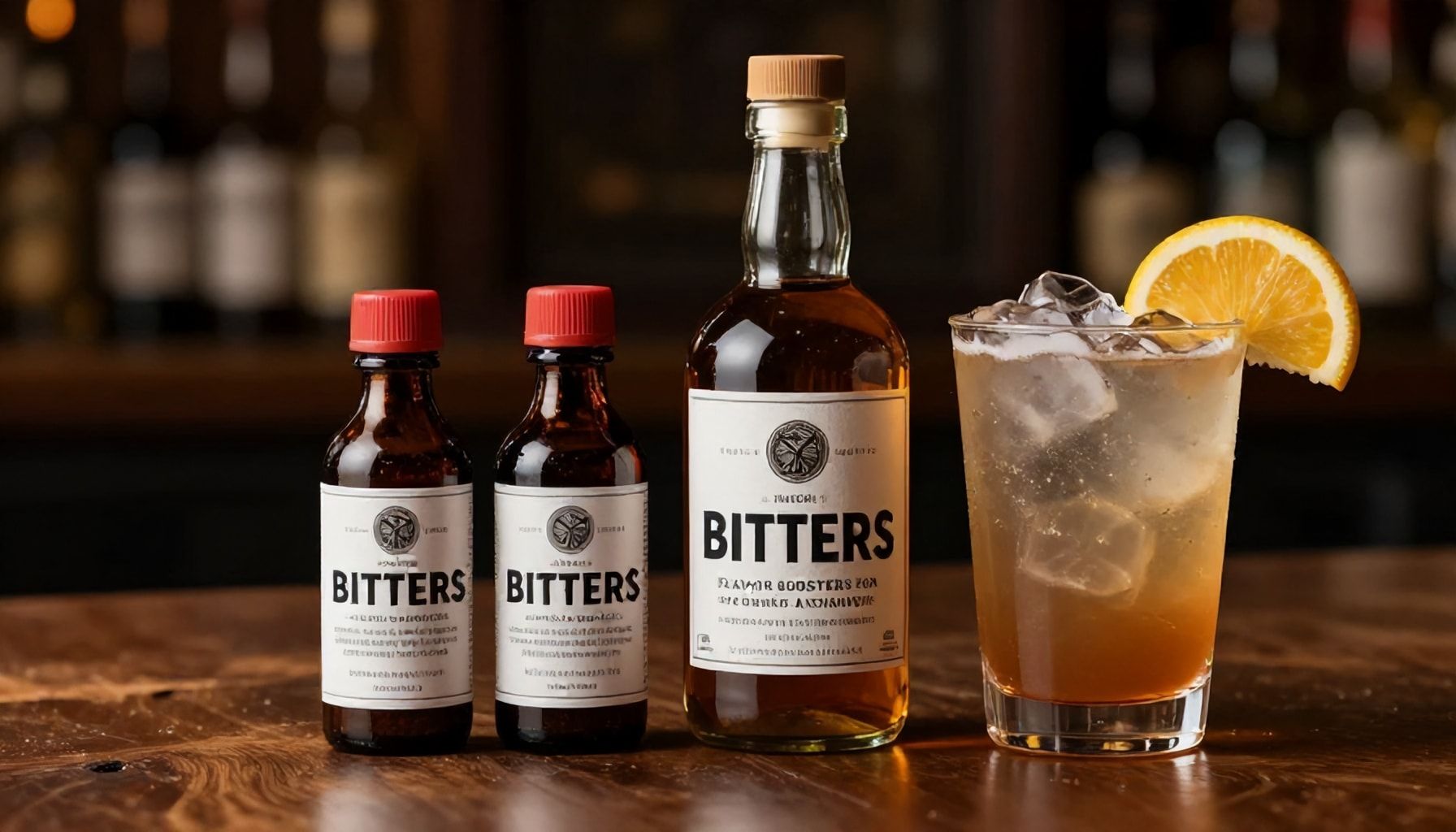
Bitters, those tiny bottles of concentrated flavor, have been the bartender’s secret weapon since the early 1800s. I’ve seen them evolve from a mere medicinal tonic to the heart and soul of modern mixology. They’re not just for cocktails anymore; bitters add depth to everything from coffee to desserts.
Bitters are essentially a blend of herbs, spices, fruits, and sometimes roots or bark, steeped in alcohol. The result? A complex, aromatic liquid that can transform a drink with just a dash or two. The most common types you’ll find in any well-stocked bar are Angostura, Peychaud’s, and orange bitters. But don’t stop there—there are hundreds of artisanal bitters out there, each with its own unique profile.
| Bitters | Key Flavors | Classic Cocktail |
|---|---|---|
| Angostura | Clove, cinnamon, citrus, cardamom | Old Fashioned, Manhattan |
| Peychaud’s | Anise, cherry, vanilla, gentian | Sazerac |
| Orange | Citrus peel, vanilla, cinnamon | Whiskey Sour, Martini |
If you’re new to bitters, start with a classic like Angostura. It’s versatile and pairs well with almost any spirit. But don’t be afraid to experiment. I’ve seen bartenders use bitters to add a smoky depth to a margarita or a floral note to a gin and tonic. The key is to start small—just a dash or two—and adjust to taste.
Bitters aren’t just for cocktails, either. A few drops can elevate a simple espresso or add a twist to a chocolate dessert. In my experience, the best way to understand bitters is to taste them straight (diluted with a little water) and see how they interact with different flavors. It’s all about finding what works for you.
- Start Small: A little goes a long way. Begin with a dash or two and adjust to taste.
- Experiment: Don’t be afraid to try different bitters in various drinks.
- Taste Straight: Dilute a few drops with water to understand the base flavor.
- Explore Beyond Cocktails: Bitters can enhance coffee, desserts, and even savory dishes.
Bitters are a world of flavor waiting to be explored. Whether you’re a seasoned mixologist or a curious home bartender, there’s always something new to discover. So go ahead, unlock the secrets, and let your taste buds guide you.
The Truth About Bitters: Your Secret Weapon for Complex Flavors
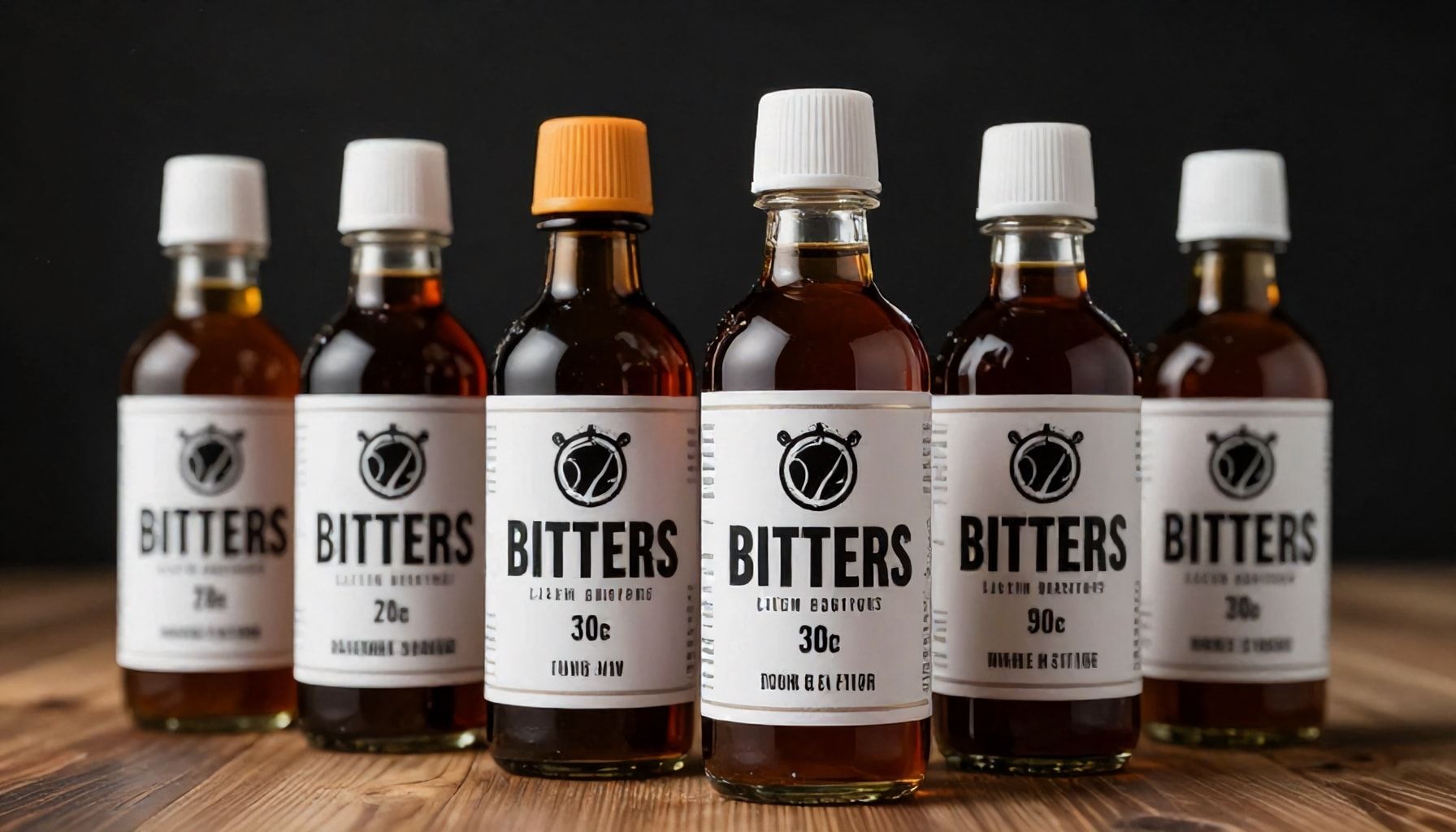
Bitters, those tiny, often overlooked bottles lurking in the back of your bar cart, are the unsung heroes of mixology. I’ve seen them transform lackluster drinks into something extraordinary more times than I can count. They’re not just for cocktails, either. Bitters can add depth to cooking, baking, even coffee. But what exactly are they?
Bitters are concentrated, aromatic tinctures made from a blend of herbs, spices, fruits, and sometimes roots or barks. The exact recipes are often closely guarded secrets, passed down through generations. Angostura bitters, for instance, has been a staple since 1824, and its precise formula remains a mystery. What we do know is that they’re typically alcohol-based, with a high proof to preserve the ingredients and extract their flavors.
- Alcohol Content: Usually between 70-90% ABV
- Serving Size: Typically 2-4 dashes (about 1/8 to 1/2 teaspoon)
- Shelf Life: Indefinite, thanks to the high alcohol content
- Common Ingredients: Cinnamon, cardamom, orange peel, gentian root, and quinine
In my experience, bitters are like the seasoning salt of the cocktail world. They don’t just add bitterness, despite the name. They bring complexity, balancing sweet, sour, and spicy notes. Take a classic Old Fashioned, for example. It’s not just about the whiskey and sugar. The bitters tie all the flavors together, adding a subtle, aromatic complexity that makes the drink sing.
But don’t limit yourself to cocktails. I’ve seen chefs use bitters to enhance everything from chocolate desserts to braised meats. A dash in your morning coffee? It’s a game-changer. The key is to start small. Bitters are potent, and a little goes a long way.
| Dish | Bitters Pairing | Why It Works |
|---|---|---|
| Dark Chocolate Desserts | Chocolate Bitters | Enhances the chocolate flavor and adds depth |
| Braised Meats | Aromatic Bitters (e.g., Angostura) | Adds a subtle spice and complexity |
| Coffee | Orange or Chocolate Bitters | Balances bitterness and adds a hint of sweetness |
Ready to experiment? Start with a few classic bitters like Angostura, orange, and Peychaud’s. They’re versatile and widely available. Then, explore the world of artisanal bitters. There are now flavors inspired by everything from smoked paprika to black truffle. Just remember, bitters are about subtlety. They’re not the star of the show, but they sure know how to make the star shine brighter.
How to Choose the Right Bitters for Your Cocktail Creations
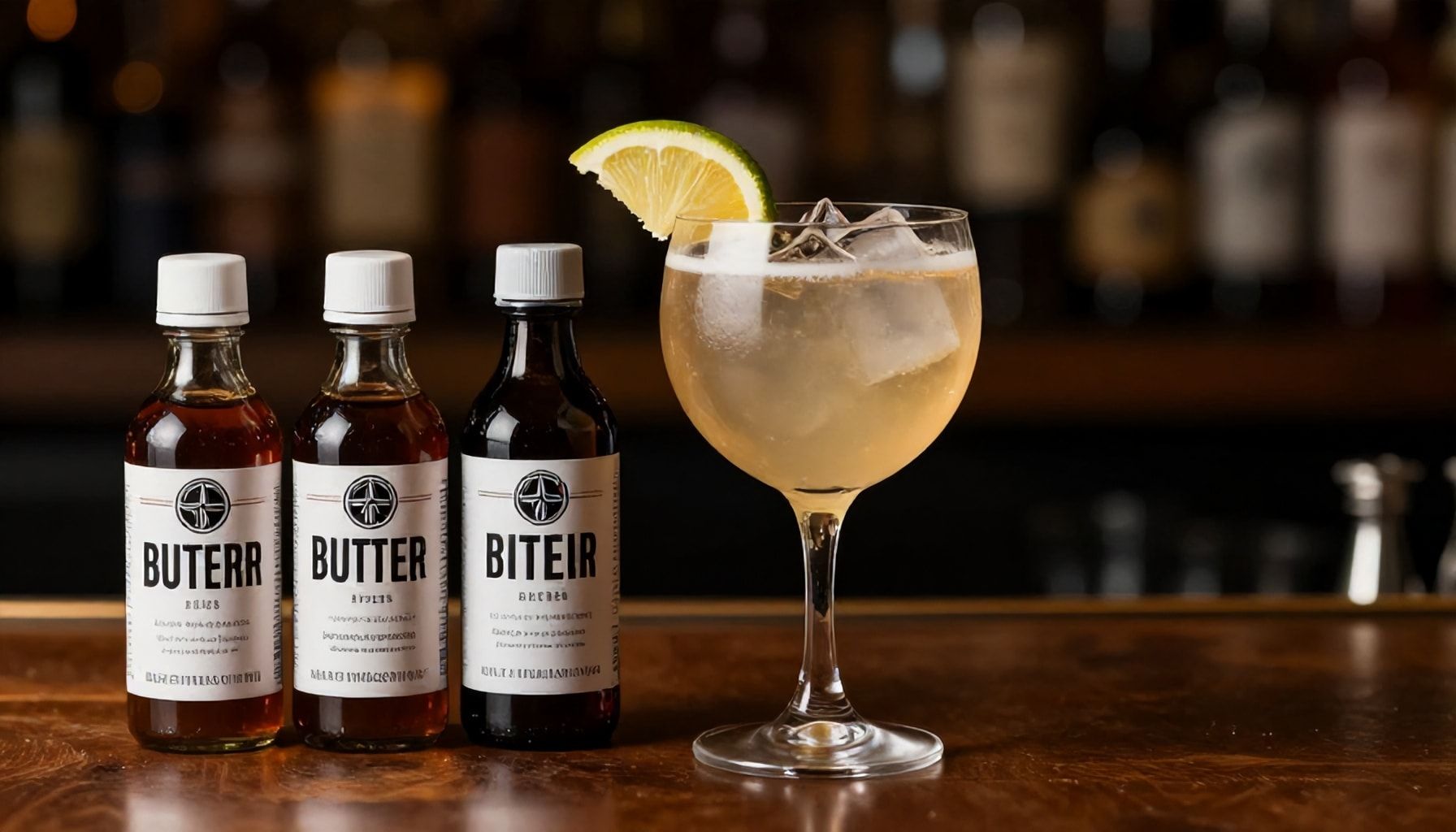
The right bitters can transform a cocktail from ho-hum to holy-cow. But with shelves stocked with more options than a kid in a candy store, how do you choose? First, understand the two main types: aromatic and flavor. Aromatic bitters, like Angostura, are the workhorses of the bar world. They’re versatile, adding depth to everything from an Old Fashioned to a Manhattan. Flavor bitters, on the other hand, are more specialized. Orange, cherry, and chocolate bitters bring specific notes to the party.
I’ve seen bartenders go wild with bitters, but the best ones know balance is key. Start with a classic cocktail recipe, then tweak. A dash of orange bitters in a Margarita? Game-changer. A few drops of chocolate bitters in a White Russian? Trust me, it’s worth the experiment. But don’t go overboard. Bitters are like salt in a dish—too much, and you’ve ruined the whole thing.
Here’s a quick cheat sheet for pairing bitters with cocktails:
| Cocktail | Recommended Bitters |
|---|---|
| Old Fashioned | Angostura, Orange |
| Manhattan | Angostura, Cherry |
| Margarita | Orange, Lavender |
| Mojito | Mint, Lime |
If you’re feeling adventurous, try making your own bitters. It’s easier than you think. Steep spices, herbs, or fruits in high-proof alcohol for a few weeks, then strain. I’ve seen homebrewers create bitters from everything from rosemary to black pepper. The results? Sometimes hit, sometimes miss, but always memorable.
Lastly, don’t forget about non-alcoholic uses. Bitters add depth to coffee, cocktails, and even desserts. A dash in a chocolate mousse? You’re welcome. The key is to taste as you go. Bitters are powerful, so start small. With a little practice, you’ll be a bitters boss in no time.
Why Bitters Are Essential for Balancing Sweet and Sour Notes
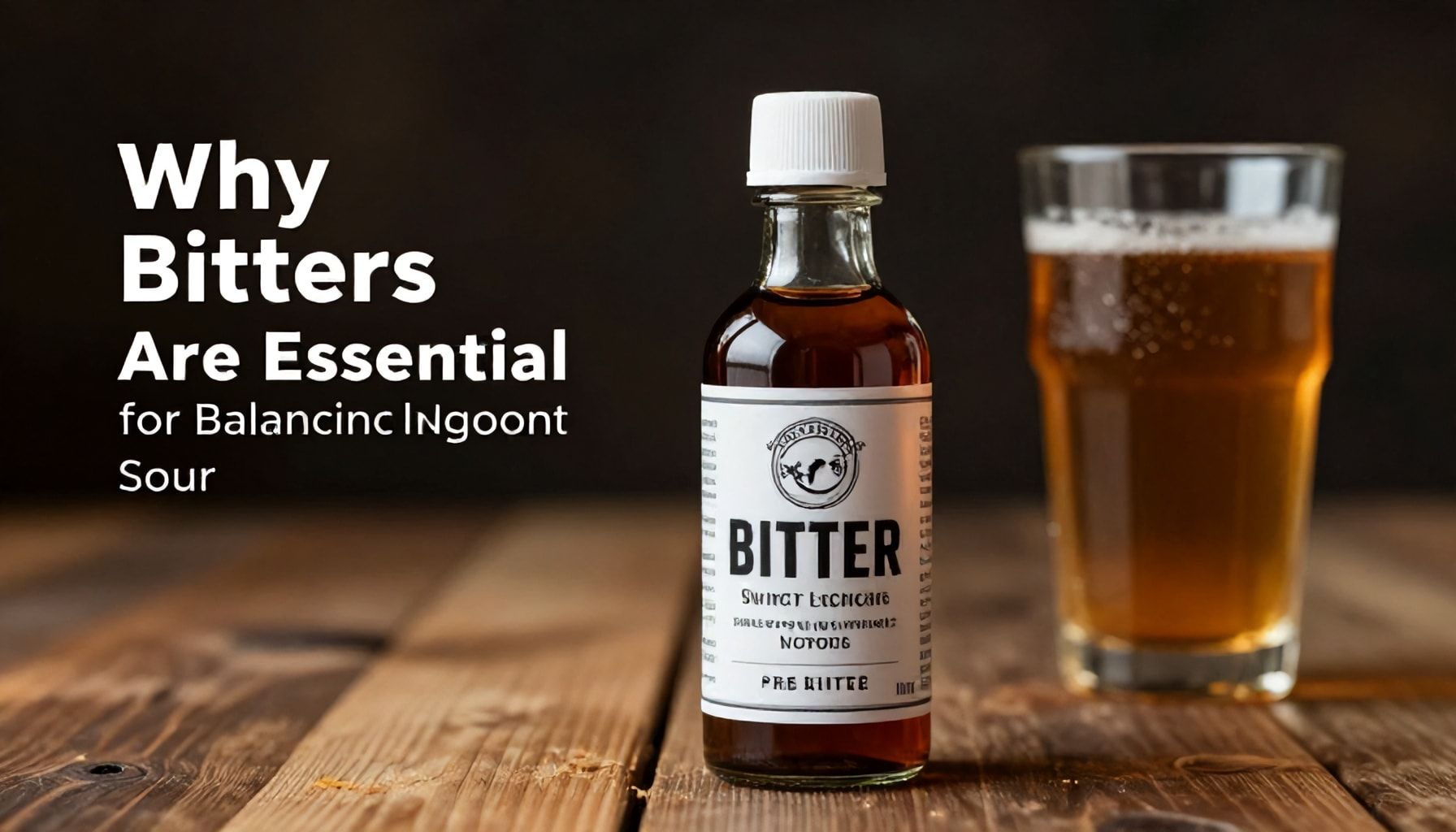
Bitters are the unsung heroes of the cocktail world. I’ve seen bartenders swear by them, and for good reason. These potent, concentrated flavor extracts are the secret weapon for balancing sweet and sour notes in any drink. Think of them as the salt in your cooking—essential, transformative, and often overlooked.
Bitters are made from a blend of herbs, spices, fruits, and sometimes even tree bark, all steeped in alcohol. A few dashes can turn a mediocre drink into something extraordinary. Take the classic Old Fashioned, for example. Without bitters, the sweetness of the sugar and the burn of the whiskey would clash, leaving you with a one-dimensional drink. But add a couple of dashes of Angostura bitters, and suddenly, you’ve got a harmonious blend of flavors that dance on your palate.
But bitters aren’t just for cocktails. They’re also fantastic in cooking. A dash of orange bitters can elevate a simple vinaigrette, while a few drops of aromatic bitters can add depth to a chocolate dessert. The possibilities are endless.
Bitters 101: A Quick Guide
- What they are: Concentrated flavor extracts made from herbs, spices, and other botanicals.
- How they’re used: Typically added in small amounts (a few dashes) to cocktails or dishes.
- Why they’re essential: They balance sweet and sour notes, adding complexity and depth to flavors.
Popular Bitters and Their Uses
| Bitters | Flavor Profile | Common Uses |
|---|---|---|
| Angostura | Spicy, aromatic | Cocktails like the Old Fashioned and Manhattan |
| Orange | Citrusy, sweet | Cocktails like the Whiskey Sour and Margaritas |
| Peychaud's | Light, floral | Cocktails like the Sazerac and Vieux Carré |
| Chocolate | Rich, bitter | Desserts, coffee, and chocolate-based cocktails |
In my experience, the key to using bitters effectively is to start small. A little goes a long way, and you can always add more if needed. And don’t be afraid to experiment. Bitters come in a wide range of flavors, from smoky and spicy to fruity and floral. The more you play around with them, the more you’ll discover their incredible versatility.
So next time you’re mixing up a cocktail or whipping up a dish, don’t forget the bitters. They might just be the missing ingredient you’ve been looking for.
5 Unexpected Ways to Use Bitters Beyond Cocktails
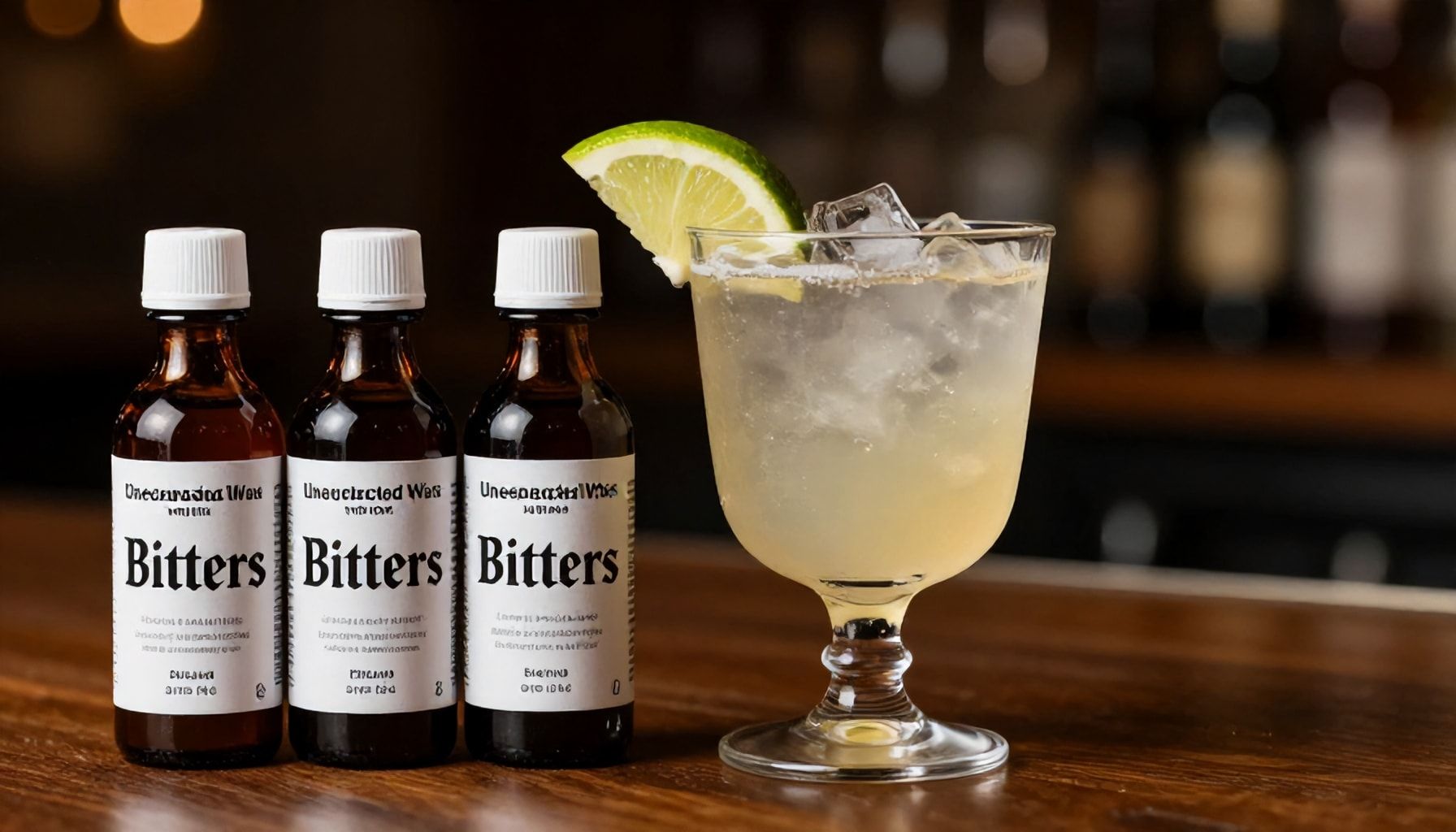
Bitters, those tiny bottles packed with intense flavor, aren’t just for cocktails anymore. I’ve seen bartenders and home cooks alike get creative with these potent extracts, and the results are impressive. Here are five unexpected ways to use bitters that’ll make you rethink this versatile ingredient.
1. Elevate Your Morning Coffee
A couple of dashes of bitters in your coffee can transform your morning brew. I’ve found that aromatic bitters work best here, adding depth and complexity. Try it: add 2 dashes of aromatic bitters to a 12 oz cup of black coffee. You’ll taste the difference.
2. Enhance Your Favorite Smoothie
Bitters can balance sweetness and add an intriguing twist to smoothies. Here’s a quick guide:
| Smoothie Base | Bitters Type | Dashes |
|---|---|---|
| Berry Blend | Orange | 3 |
| Tropical | Angostura | 2 |
| Green | Chocolate | 2 |
3. Upgrade Your Ice Cream
A dash or two of bitters can make homemade ice cream extraordinary. I’ve had success with chocolate and vanilla bases. Here’s a simple ratio to start with: 1 pint of ice cream base, 3 dashes of bitters.
4. Revitalize Your Salad Dressing
Bitters can add a sophisticated kick to vinaigrettes. I’ve found that 3 dashes of bitters in a standard vinaigrette recipe (3 parts oil, 1 part vinegar, salt, and pepper) works wonders.
5. Improve Your Baked Goods
A little bitterness can make sweet treats more interesting. I’ve used bitters in chocolate cakes, brownies, and even cookies. Start with 2 dashes in your favorite recipe and adjust to taste.
Bitters are more versatile than most people realize. Don’t be afraid to experiment. You might just discover your new favorite use.
Bitters, those tiny bottles packed with intense flavor, have quietly revolutionized mixology and beyond. From balancing cocktails to enhancing dishes, their versatility knows no bounds. Whether you’re a seasoned bartender or a curious home cook, experimenting with these aromatic extracts opens doors to endless creativity. Remember, a little goes a long way—start with a few drops and adjust to taste. As you explore the world of bitters, consider this: what classic recipe could use a modern twist, or what unexpected pairing might surprise your palate? The journey of discovery is just beginning, and the possibilities are as vast as your imagination.