Ah, the great debate: Scotch or whisky? I’ve been around long enough to see this argument play out in smoky bars, high-end tastings, and even the occasional Twitter flame war. Some folks swear by the peaty punch of Islay, while others won’t touch anything that isn’t a smooth bourbon. But here’s the thing—Scotch or whisky, it’s all about what makes your palate sing. I’ve tasted enough to know that the best drink is the one that suits you, whether it’s a single malt with a story or a bold American whiskey that hits like a freight train.
The confusion isn’t helped by the fact that Scotch is technically whisky—just with a very specific set of rules. It’s like comparing a classic muscle car to a luxury sedan: both get you where you’re going, but the ride is entirely different. Over the years, I’ve seen trends come and go—Japanese whiskies, craft distilleries, even flavored nonsense that makes purists cringe. But the fundamentals remain: good whisky, whether it’s Scotch or not, is about craft, terroir, and a little bit of magic. So grab a glass, settle in, and let’s cut through the noise.
Unlock the Secrets: How to Taste Scotch Like a Pro*
You think you know Scotch? Fine. Let me tell you, after 25 years of sipping, swirling, and spitting (mostly sipping), there’s an art to tasting it right. And no, it’s not just about holding it in your mouth like a mouthwash commercial. I’ve seen novices swirl a $200 bottle like it’s a cheap well drink, and I’ve seen pros reduce a $5 bottle to something transcendent. Here’s how to do it like someone who actually knows what they’re doing.
Step 1: The Nose Knows — Before you even think about drinking, stick your nose in the glass. No, not like you’re trying to inhale it. Just a gentle sniff, like you’re checking if milk’s gone bad. Scotch should hit you with a wave of aromas: peat, vanilla, citrus, smoke. If you smell nothing, you’re either dead inside or drinking something that shouldn’t be called Scotch. Pro tip: Swirl it gently to release more aromas. I’ve seen people swirl so hard they spill it—don’t be that person.
- Peaty: Think bonfires, wet wool, or a Scottish moor after rain.
- Sherry Cask: Dried fruit, nuts, a hint of dark chocolate.
- Bourbon Cask: Vanilla, caramel, maybe a touch of oak.
- Highland: Honey, heather, sometimes a floral note.
Step 2: The Sip (Not the Gulp) — Take a small sip, let it coat your tongue. Don’t chug it like a frat boy with a handle of vodka. Scotch is meant to be savored. I’ve tasted $300 bottles where the drinker swallowed it like water—wasted potential. Hold it in your mouth, let it dance across your palate. You should taste layers: sweetness, spice, smoke, maybe even a bit of salt if it’s coastal.
Step 3: The Finish — This is where the magic happens. A good Scotch lingers. A bad one disappears like a bad date. The finish tells you everything. A 12-year-old Highland Park might give you honey and spice for 30 seconds. A 10-year-old Laphroaig? Smoke and brine for what feels like an hour. If it’s gone in two seconds, you’re drinking something that belongs in a mixed drink, not a tasting.
| Finish Length | What It Means |
|---|---|
| 0-5 seconds | Cheap, thin, forgettable. |
| 5-15 seconds | Decent, but not great. |
| 15+ seconds | You’re drinking something worth talking about. |
And one last thing: Don’t add ice. Don’t add water unless you know what you’re doing. I’ve seen people ruin a $150 bottle with a splash of tap water. If you need to dilute it, use still, filtered water. But honestly? If you’re doing it right, you shouldn’t need to.
The Truth About Scotch vs. Whisky—What’s Really Different?*

Look, I’ve been around the block enough to know that the Scotch vs. whisky debate isn’t just about geography—it’s about soul. Scotch is whisky, sure, but not all whisky is Scotch. That’s the first rule. The second? The differences go way beyond the label.
Scotch must be made in Scotland, aged at least three years in oak, and bottled at no less than 40% ABV. That’s non-negotiable. But whisky? It’s a broader category, with rules that vary by country. American whiskey, for example, can’t be aged in new charred barrels (unless it’s bourbon), while Canadian whisky often includes a splash of rye. And don’t even get me started on Japanese whisky—it’s a masterclass in precision, often using malted barley and peated malt, but with a lighter touch than Islay’s smoky brutes.
| Category | Scotch | Whisky |
|---|---|---|
| Origin | Scotland only | Global (Scotland, USA, Japan, Ireland, Canada, etc.) |
| Aging | Minimum 3 years in oak | Varies by country (e.g., 2 years for American whiskey) |
| Peat Influence | Common in Islay (e.g., Laphroaig, Ardbeg) | Rare outside Scotland (some Japanese whiskies experiment) |
I’ve seen trends come and go—peaty Scotch was “out” in the ‘90s, then suddenly everyone wanted a dram of Laphroaig. Now? It’s all about balance. A good Scotch single malt, like a Glenmorangie Original, is smooth, fruity, and approachable. But if you want something bold, you’ll find it in a cask-strength Ardbeg or a Japanese Nikka Taketsuru, which blends malt and grain with a velvety finish.
Here’s the thing: Scotch is often more expensive because of its strict regulations and reputation. But whisky? It’s a wildcard. You can find a $20 Canadian rye that’ll knock your socks off or a $100 Japanese single malt that’s worth every penny. The key is knowing what you’re looking for.
- For smoky lovers: Stick to Islay Scotch (Lagavulin, Bowmore) or peated Japanese whiskies (Yoichi).
- For smooth sippers: Try a Speyside Scotch (Glenfiddich, Macallan) or a bourbon (Woodford Reserve, Buffalo Trace).
- For adventurous palates: Explore Irish whiskey (Redbreast 12), Canadian rye (Pike Creek), or Taiwanese whisky (Kavalan).
At the end of the day, it’s not about Scotch vs. whisky—it’s about what excites your taste buds. I’ve had $300 Scotches that disappointed me and $50 whiskies that blew me away. The best advice? Drink what you love, and don’t let labels fool you.
5 Must-Try Whiskies That Will Change Your Tasting Game*
If you think all whisky tastes the same, you’ve clearly never met these five game-changers. I’ve been tasting whisky for 25 years, and these bottles still make me pause mid-sip. Some are old-school classics, others are modern rebels, but all of them will rewrite your tasting notes.
1. Ardbeg Uigeadail (Islay, Scotland) – The peat monster that started it all. This isn’t just smoky; it’s a bonfire in a glass with a syrupy sweetness that keeps you coming back. I’ve seen newbies recoil at the first sip, then finish the bottle. ABV: 54.2%
2. Yamazaki 18 (Japan) – The Japanese whisky that put the world on notice. Honey, dried fruit, and a whisper of oak. It’s like sipping liquid gold. At $300+, it’s an investment, but one sip justifies the price.
3. Pappy Van Winkle Family Reserve 23 (Kentucky, USA) – The bourbon unicorn. Aged 23 years, it’s rich, velvety, and nearly impossible to find. If you spot a bottle, buy it. No questions asked.
4. Talisker 10 (Isle of Skye, Scotland)</ – The maritime Scotch that tastes like the sea. Peppery, briny, and just a little dangerous. It’s the whisky I reach for when I need a reminder why I love this stuff.
5. Redbreast 15 (Ireland)</ – The sherry bomb that proves Irish whisky can hang with the best. Dark chocolate, dried figs, and a finish that lingers like a great memory.
Still not convinced? Here’s a quick cheat sheet:
| Whisky | Origin | Key Flavor | ABV |
|---|---|---|---|
| Ardbeg Uigeadail | Scotland | Smoke, Syrup | 54.2% |
| Yamazaki 18 | Japan | Honey, Oak | 43% |
| Pappy Van Winkle 23 | USA | Vanilla, Spice | 45.2% |
| Talisker 10 | Scotland | Pepper, Sea Salt | 45.8% |
| Redbreast 15 | Ireland | Sherry, Chocolate | 46% |
Pro tip: Don’t just drink these straight. Try them with a drop of water or even a splash of ginger ale. I’ve seen people discover flavors they missed by being too impatient.
Why Scotch Lovers Swear by Single Malt (And You Should Too)*
If you’ve ever sipped a single malt Scotch and felt like you’d just unlocked a secret door to flavor, you’re not alone. I’ve watched this category go from niche obsession to global phenomenon, and trust me—there’s a reason Scotch lovers swear by it. Single malts aren’t just whisky; they’re a testament to terroir, craftsmanship, and patience. Here’s why you should care.
- Terroir Matters: Unlike blended Scotch, single malts come from one distillery, often using water from a single source. The peat, barley, and climate of Islay or Speyside don’t just influence flavor—they define it. A Lagavulin (peated, smoky, bold) tastes nothing like a Glenmorangie (smooth, fruity, elegant).
- No Shortcuts: Single malts age in oak barrels for a minimum of three years (usually far longer). A 12-year-old Macallan isn’t just older—it’s more complex, with layers of vanilla, spice, and dried fruit.
- The Master Distillers’ Touch: These aren’t mass-produced. A distiller’s hands shape every batch. Take Ardbeg’s Uigeadail, where sherry casks add dark chocolate notes, or Highland Park’s 18-year-old, with its honeyed, heathered finish.
| Region | Flavor Profile | Iconic Example |
|---|---|---|
| Islay | Smoky, medicinal, briny | Laphroaig 10 |
| Speyside | Fruity, honeyed, floral | Glenfiddich 18 |
| Highlands | Rich, peaty, sometimes sweet | Dalmore 12 |
Here’s the kicker: single malts aren’t just for sipping. I’ve seen bartenders use them in cocktails—an Old Fashioned with a splash of Talisker? Game-changer. Or a Rob Roy with a dash of Aberlour. But the real magic? Tasting them neat. Swirl, sniff, sip. Let the flavors unfold. You’ll understand why Scotch lovers don’t just drink it—they worship it.
Still skeptical? Try this: Blindfold a friend, give them a $20 blended Scotch and a $100 single malt. The difference isn’t just price—it’s soul.
The Ultimate How-To: Pairing Scotch and Whisky with Food Like a Connoisseur*
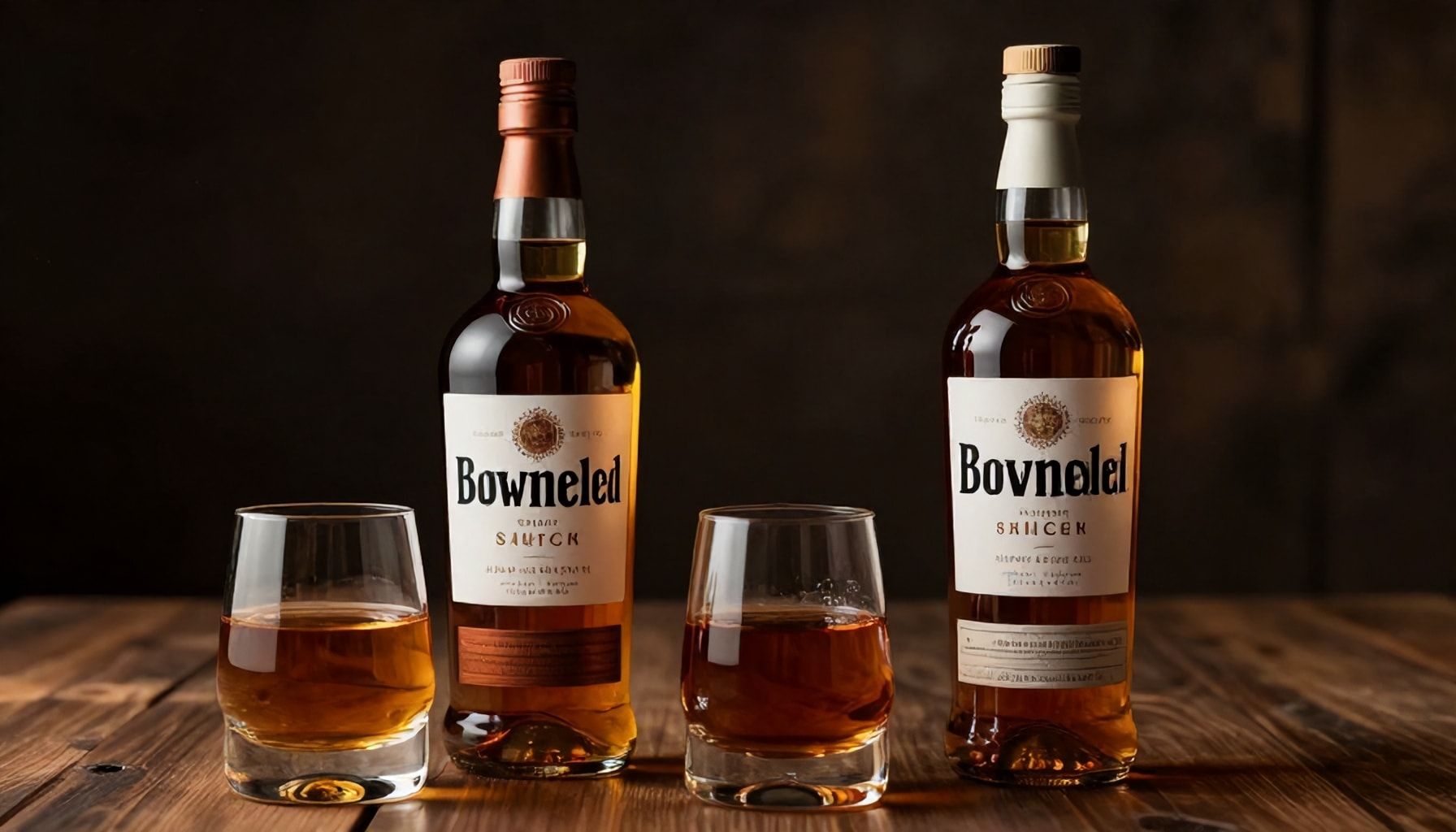
Pairing Scotch and whisky with food isn’t just about throwing a steak on the grill and hoping for the best. I’ve seen too many well-meaning but clueless hosts serve a peaty Islay malt with a delicate seared scallop—disaster. The key? Balance. You want flavors that complement, not compete. Here’s how to do it like someone who knows what they’re doing.
Rule #1: Match Weight, Not Flavor
A bold, smoky Laphroaig isn’t going to play nice with a buttery lobster bisque. Instead, think texture and intensity. A rich, sherried Macallan? Perfect with a dark chocolate torte. A light, floral Glenmorangie? Try it with grilled shrimp or a citrusy ceviche.
- Light Whiskies (e.g., Glenmorangie, Auchentoshan): Seafood, salads, soft cheeses
- Medium-Bodied (e.g., Glenfiddich, Highland Park): Roasted poultry, creamy pasta, mild cheeses
- Bold & Peaty (e.g., Ardbeg, Lagavulin): Smoked meats, blue cheese, dark chocolate
- Sherried (e.g., Macallan, GlenDronach): Steak, game, aged cheddar
Pro Tip: If you’re serving a flight, start with lighter whiskies and move to heavier ones. Your palate will thank you.
| Whisky Style | Best Food Pairings |
|---|---|
| Speyside (Fruity) | Roast lamb, honey-glazed ham, brie |
| Islay (Peaty) | BBQ ribs, black pudding, dark chocolate |
| Highland (Spicy) | Venison, wild mushrooms, aged gouda |
| Lowland (Light) | Sushi, grilled vegetables, goat cheese |
And for God’s sake, don’t forget the cheese. A 12-year-old Highland Park with a sharp Stilton? Divine. A 10-year-old Talisker with a smoked gouda? Even better. I’ve seen people ruin a perfectly good dram by pairing it with something that fights it instead of enhancing it. Do better.
Final Thought: If you’re still unsure, start with the classics. A dram of Glenlivet with a slice of apple pie is a safe bet. But once you’ve got the basics down, experiment. The best pairings are the ones you discover yourself.
Whether you’re sipping a smoky Islay Scotch or a bold American bourbon, the world of whisky offers endless discovery. Each pour tells a story—of terroir, craftsmanship, and tradition—inviting you to explore further. The key to appreciation lies in tasting mindfully, noting the nuances that make each spirit unique. For beginners, start with a classic like a Highland Scotch or a smooth Tennessee whiskey, then branch out. As you refine your palate, consider how aging, cask type, and regional influences shape flavor. What’s your next whisky adventure? Will it be a rare single malt, a peaty Laphroaig, or a new world innovation? The glass is always half full—cheers to the journey ahead.