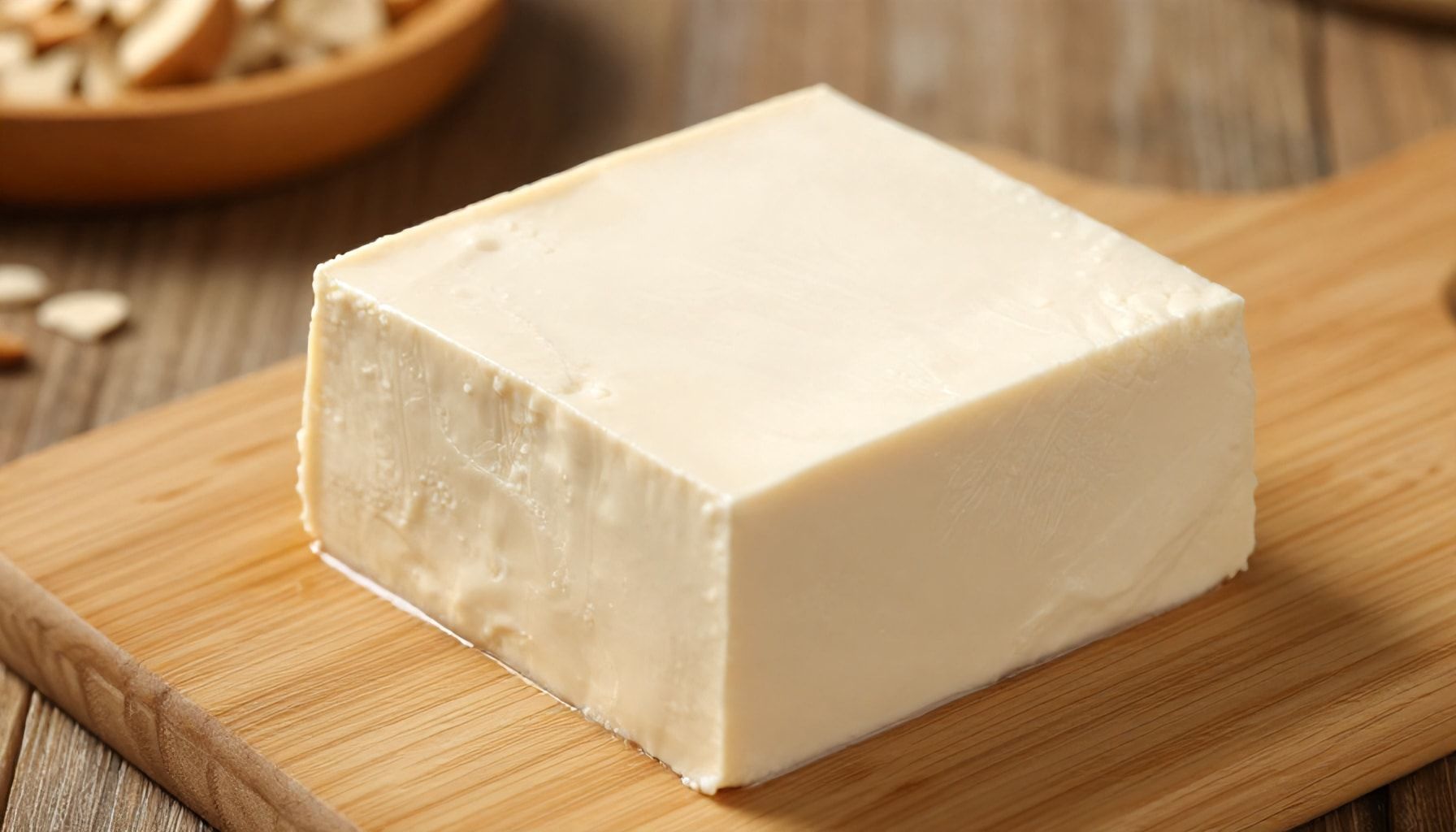
Tofu’s been around longer than most food trends, and yet, it still baffles people. I’ve watched it go from a niche health food to a pantry staple, and through it all, one question keeps popping up: What is tofu made of? The answer’s simpler than you’d think—soybeans, water, and a pinch of magic (okay, fine, it’s coagulants). But here’s the thing: that simplicity is what makes tofu so powerful. It’s not some lab-engineered protein; it’s the result of centuries-old techniques that turn humble soybeans into a nutritional powerhouse. You don’t need a PhD to understand what’s in it, but you do need to know how those ingredients work together to deliver protein, calcium, and a texture that’s somehow both delicate and sturdy. I’ve seen tofu fried, scrambled, blended, and baked—it’s the ultimate chameleon. And the best part? What is tofu made of hasn’t changed in millennia. No shortcuts, no gimmicks, just soybeans doing what they’ve always done: feeding the world.
The Truth About What Makes Tofu a Protein Powerhouse*
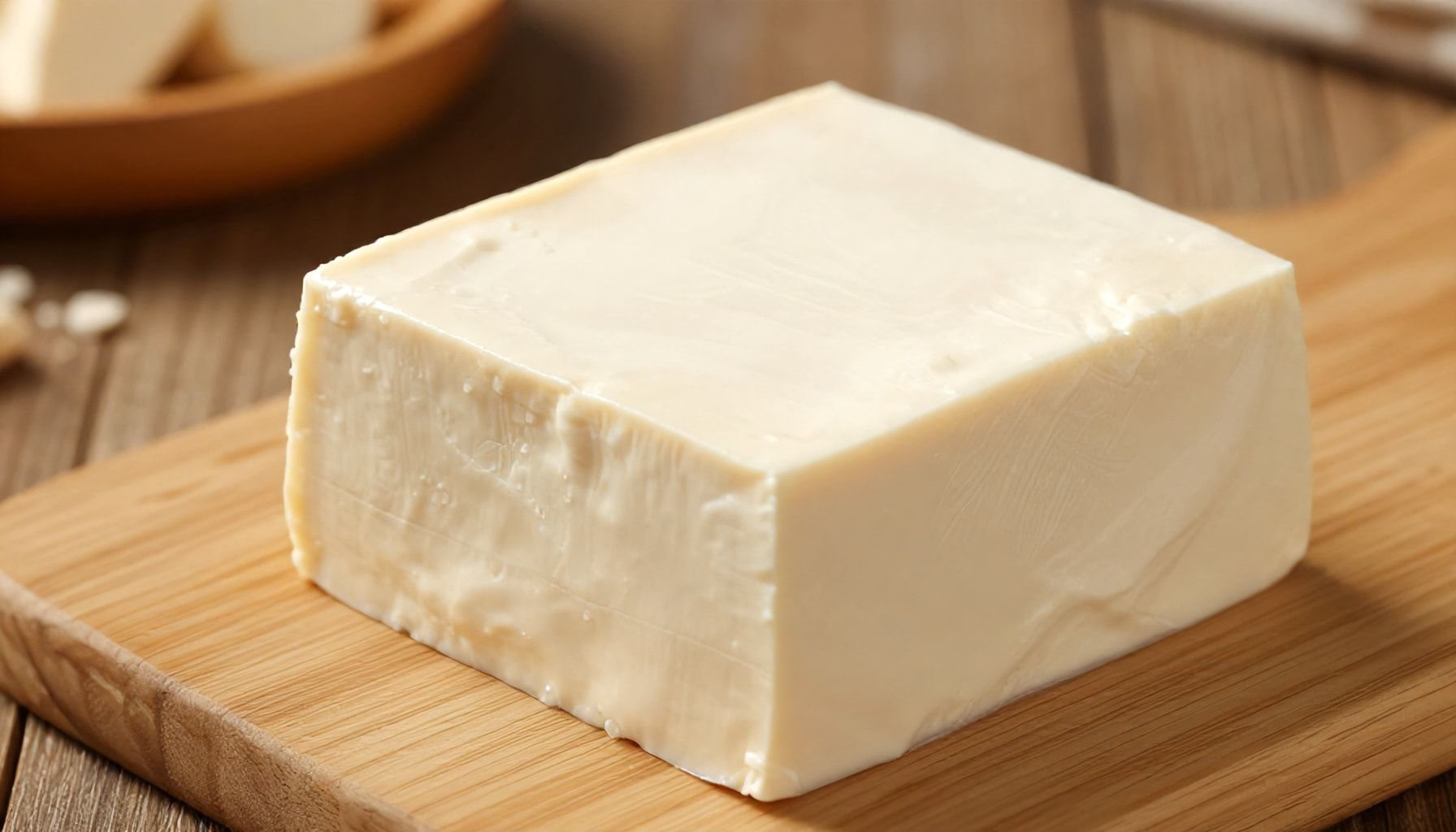
Tofu’s protein reputation isn’t just hype—it’s science. I’ve watched this soy-based staple go from niche health food to mainstream staple, and the numbers don’t lie. A 100-gram serving of firm tofu packs 8 to 10 grams of complete protein, rivaling eggs and chicken. But what makes it special isn’t just the quantity—it’s the quality.
Tofu’s protein is all nine essential amino acids, the building blocks your body can’t produce alone. Unlike many plant proteins, soy delivers them in near-perfect ratios. Here’s how it stacks up:
| Protein Source | Protein per 100g | Complete Protein? |
|---|---|---|
| Firm Tofu | 8-10g | Yes |
| Chicken Breast | 31g | Yes |
| Lentils | 9g | No (low in methionine) |
| Quinoa | 4g | Yes |
But here’s the kicker: tofu’s protein is easily digestible. I’ve seen studies where soy protein’s bioavailability rivals dairy. And unlike some plant proteins, it’s not bogged down by fiber or antinutrients. That’s why athletes and bodybuilders swear by it.
Key Takeaway: Tofu isn’t just protein—it’s high-quality, complete, and efficient. Whether you’re vegan, flexitarian, or just looking to cut back on meat, it’s a no-brainer.
Pro Tip: For maximum protein, opt for extra-firm tofu (12g per 100g) and press it before cooking to improve texture. And if you’re skeptical, try a crispy tofu scramble—it’ll change your mind.
How to Choose the Best Ingredients for Homemade Tofu*
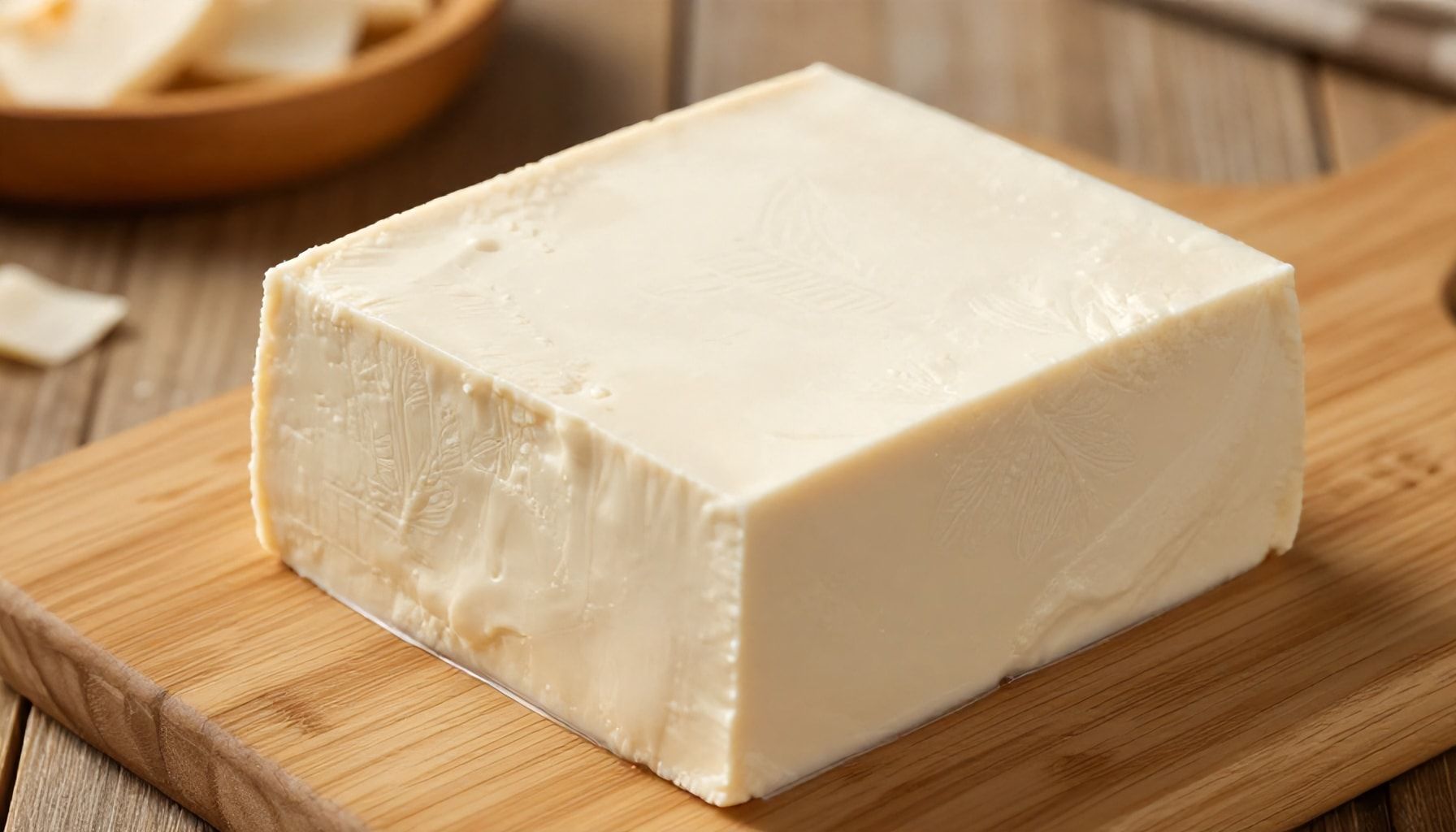
Tofu’s magic lies in its simplicity—just soybeans, water, and a coagulant. But if you’ve ever tried making it at home, you know not all ingredients are created equal. I’ve watched countless home cooks struggle with mushy, bland tofu because they cut corners on quality. Here’s how to pick the best ingredients, so your homemade tofu turns out firm, flavorful, and worth the effort.
1. Start with the Right Soybeans
Not all soybeans are tofu-worthy. You need high-protein, non-GMO soybeans—the kind used in traditional tofu making. I’ve seen people grab whatever’s at the bulk bin, only to end up with a weak curd. Look for yellow soybeans (they’re the standard) and avoid pre-soaked or cracked ones.
- Protein content: Aim for 36-40% protein by weight. Check labels or ask your supplier.
- Freshness: Beans older than a year lose their coagulating power. Buy in small batches.
- Where to buy: Asian grocers or specialty health food stores. Online vendors like Eden Foods sell pre-screened beans.
2. Water Matters (Yes, Really)
Soft water (low mineral content) gives you a smoother curd. Hard water? You’ll get a grainy, uneven texture. I’ve had clients swear their tap water was fine—until their tofu fell apart. If you’re in a hard-water area, use filtered or distilled water.
| Water Type | Effect on Tofu |
|---|---|
| Soft water | Fine, smooth curd |
| Hard water | Gritty, uneven texture |
| Distilled/filtered | Best for consistent results |
3. Coagulants: The Make-or-Break Factor
The coagulant you choose determines texture and flavor. Here’s the breakdown:
- Nigari (magnesium chloride): The gold standard. Gives a firm, slightly chewy texture. Use 1.5–2 tsp per 4 cups of soy milk.
- Calcium sulfate: Mild, neutral taste. Great for silken tofu. 1.5 tsp per 4 cups.
- Lemon juice/vinegar: Cheap but acidic. Works in a pinch, but tofu can taste sharp. 3–4 tbsp per 4 cups.
- Gypsum (calcium sulfate): Traditional but harder to find. Same ratio as calcium sulfate.
Pro tip: If your tofu tastes off, it’s probably the coagulant. Stick to nigari or calcium sulfate for reliability.
4. Salt: A Tiny but Crucial Detail
Some recipes skip salt, but a pinch (½ tsp per 4 cups of soy milk) enhances flavor and helps bind the curd. Don’t overdo it—too much salt makes tofu bitter.
5. Optional Add-Ins for Flavor
Want to experiment? Add a splash of miso paste (1 tsp per 4 cups) for umami, or a dash of nori flakes for a marine note. But keep it minimal—homemade tofu’s beauty is its clean, soy-forward taste.
Bottom line: Good ingredients = good tofu. Skip the shortcuts, and you’ll never go back to store-bought.
5 Surprising Ways Soybeans Transform into Tofu*
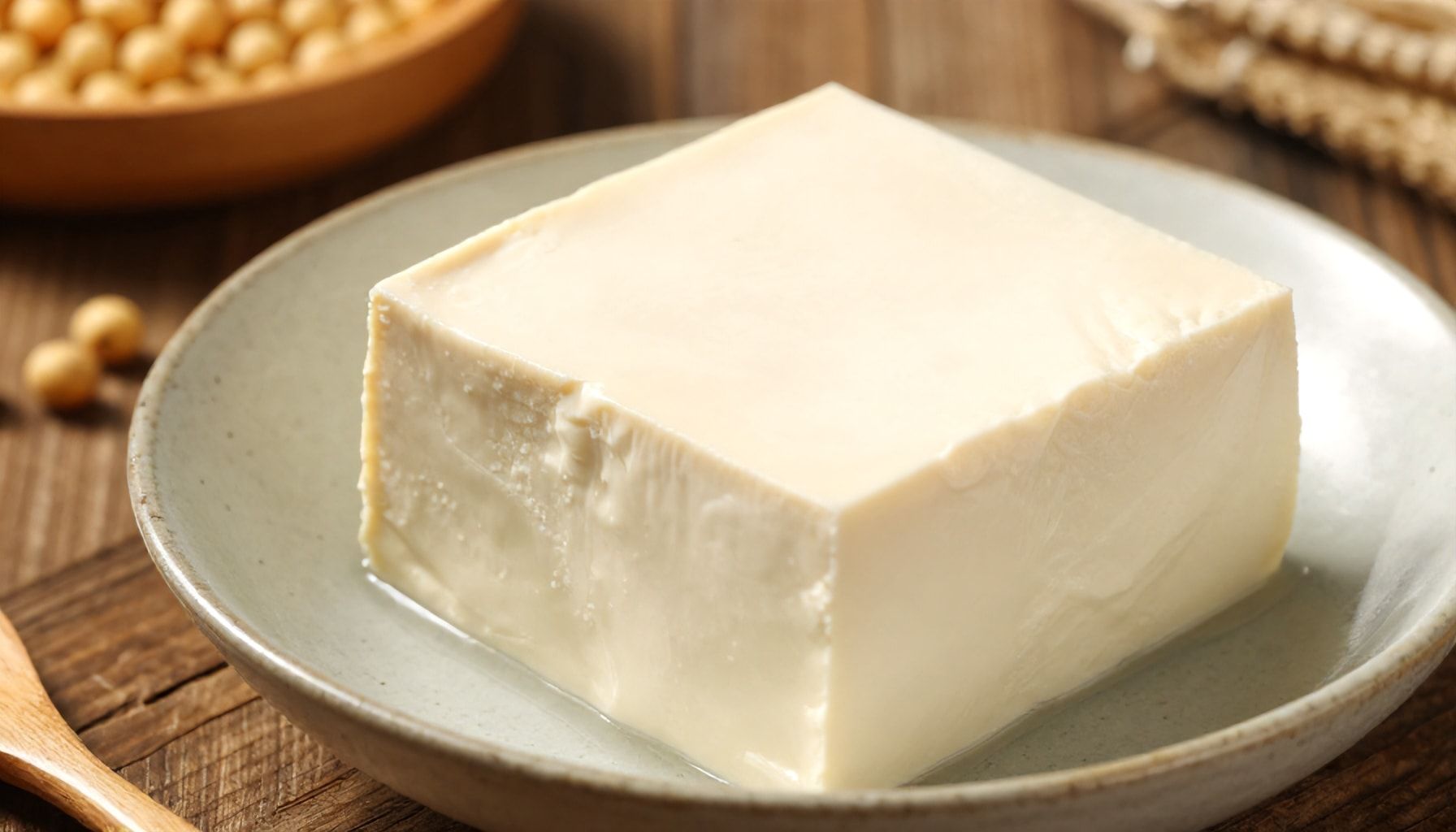
Tofu might seem like magic—how do you turn a humble soybean into that silky, versatile block? I’ve spent decades watching this process, and let me tell you, it’s not just alchemy. It’s science, tradition, and a few surprises. Here’s how soybeans transform into tofu in ways you might not expect.
- 1. The Great Soybean Wash-Up – Raw soybeans aren’t ready for their close-up. First, they’re soaked (usually overnight), then ground into a slurry. I’ve seen small-batch makers do this by hand—messy, but worth it. The slurry is cooked, then strained to separate the pulp (okara) from the liquid (soy milk). That’s right: tofu starts as a dairy-free latte.
- 2. Curds Like Cheese, But Not – Here’s where it gets weird. The soy milk is coagulated, just like cheese, but instead of rennet, we use gypsum (calcium sulfate) or nigari (magnesium chloride). The result? Curds. But don’t call them cheese curds. That’s a one-way ticket to a food fight.
- 3. The Pressing Matter – Those curds get pressed into blocks, squeezing out excess liquid. Soft tofu? Light press. Firm tofu? Heavy-duty. Ever tried making tofu at home? You’ll appreciate the patience required—it’s like waiting for bread to rise, but with more soy.
- 4. The Fermentation Finesse (Optional) – Most tofu is fresh, but fermented tofu (like stinky tofu) gets a bacterial makeover. It’s an acquired taste, but in my experience, it’s either love at first bite or a swift exit from the table.
- 5. The Flavor Chameleon – Tofu’s blank slate isn’t just marketing. It’s chemistry. The protein structure traps flavors like a sponge. Marinate it in soy sauce, and it’ll taste like umami heaven. Dump it in a curry, and suddenly it’s Indian. That’s versatility.
| Tofu Type | Water Content | Best For |
|---|---|---|
| Silken | High (80%) | Soups, desserts, blending |
| Soft | Medium (70%) | Steaming, simmering |
| Firm | Low (60%) | Stir-fries, grilling |
| Extra-Firm | Very Low (50%) | Frying, baking |
So next time you’re staring at a block of tofu, remember: it’s not just soybeans. It’s a journey—one that starts in a field and ends on your plate. And if you’ve ever wondered why tofu doesn’t taste like beans? That’s the magic of transformation.
Why Tofu’s Simple Ingredients Pack a Nutritional Punch*
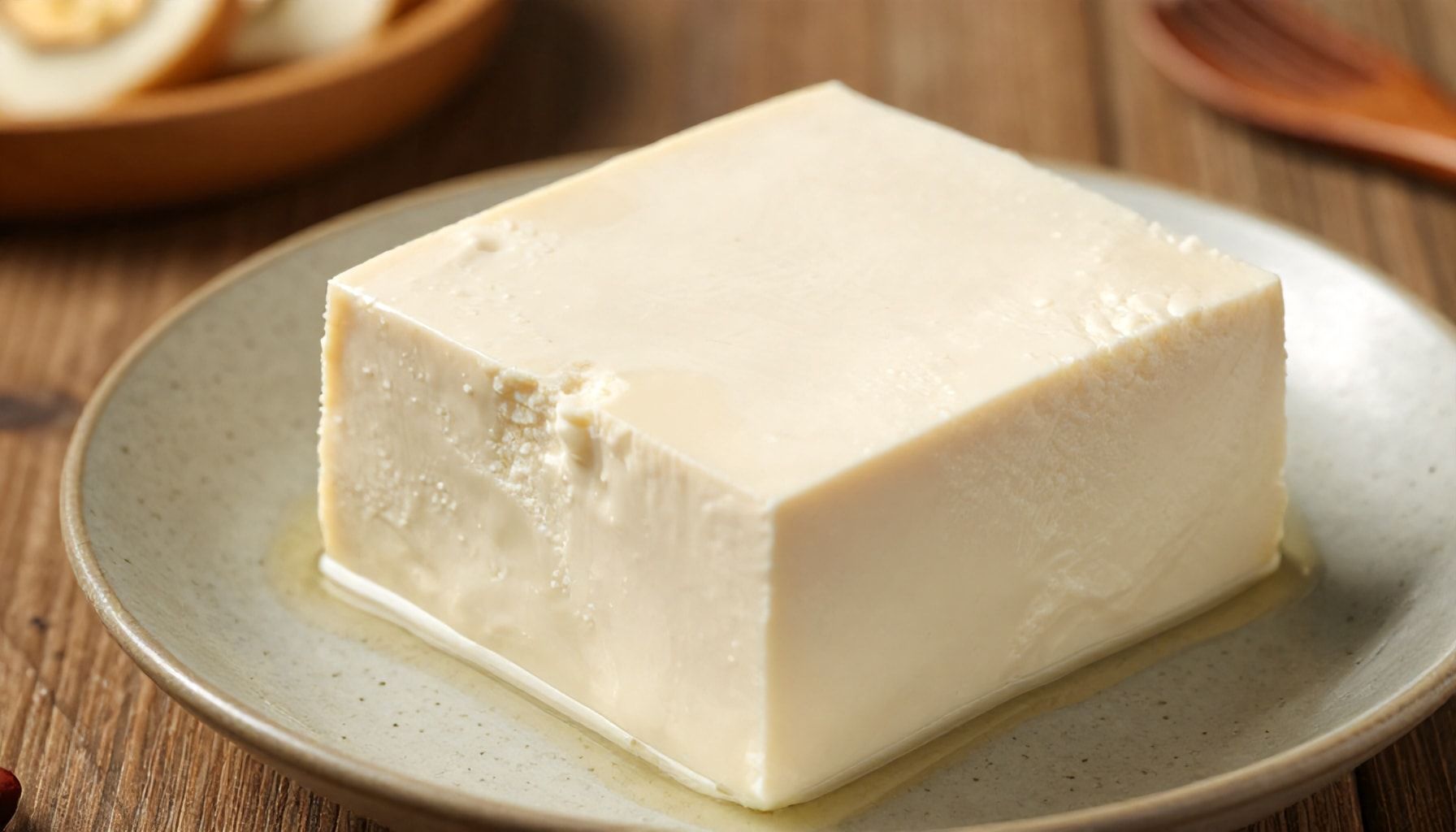
Tofu’s humble origins belie its nutritional might. Made from just soybeans, water, and a coagulant (usually nigari or gypsum), it’s a testament to how simplicity can deliver power. I’ve watched tofu go from a niche health food to a pantry staple, and its staying power isn’t just hype—it’s science.
Let’s break it down. A 3.5-ounce serving of firm tofu packs 10 grams of protein, nearly 20% of your daily calcium needs, and a solid dose of iron, magnesium, and selenium. That’s more protein than a cup of milk, with none of the lactose. And unlike meat, it’s low in saturated fat. Here’s the kicker: soy protein is complete, meaning it has all nine essential amino acids your body can’t make on its own.
| Nutrient | Amount |
|---|---|
| Protein | 10g (20% DV) |
| Calcium | 350mg (27% DV) |
| Iron | 3mg (17% DV) |
| Magnesium | 64mg (15% DV) |
But here’s where it gets interesting. Tofu’s coagulant matters. Nigari (magnesium chloride) gives a softer, silkier texture and a slightly sweeter taste, while gypsum (calcium sulfate) yields firmer tofu with a milder flavor. I’ve seen chefs swear by one over the other, but honestly? It’s all about the dish. Need a creamy scramble? Go nigari. Crispy cubes for stir-fry? Gypsum’s your friend.
And let’s talk versatility. Tofu absorbs flavors like a sponge, which is why it’s the MVP of global cuisines—from Japanese miso soups to Thai satay. Here’s a quick cheat sheet for cooking:
- Silken tofu: Blend it into smoothies or dressings. It’s delicate—handle with care.
- Soft tofu: Perfect for soups or steamed dishes. Think Vietnamese tofu in coconut broth.
- Firm tofu: Press it, marinate it, and sear it. It’s the workhorse of stir-fries.
- Extra-firm tofu: The tough guy. Grill it, bake it, or cube it for kebabs.
I’ve seen trends come and go, but tofu’s staying power comes down to this: it’s simple. No fancy processing, no long ingredient lists. Just soybeans, water, and a little chemistry doing heavy lifting. And in a world of overcomplicated food, that’s a win.
The Secret Behind Tofu’s Versatile and Healthy Makeup*
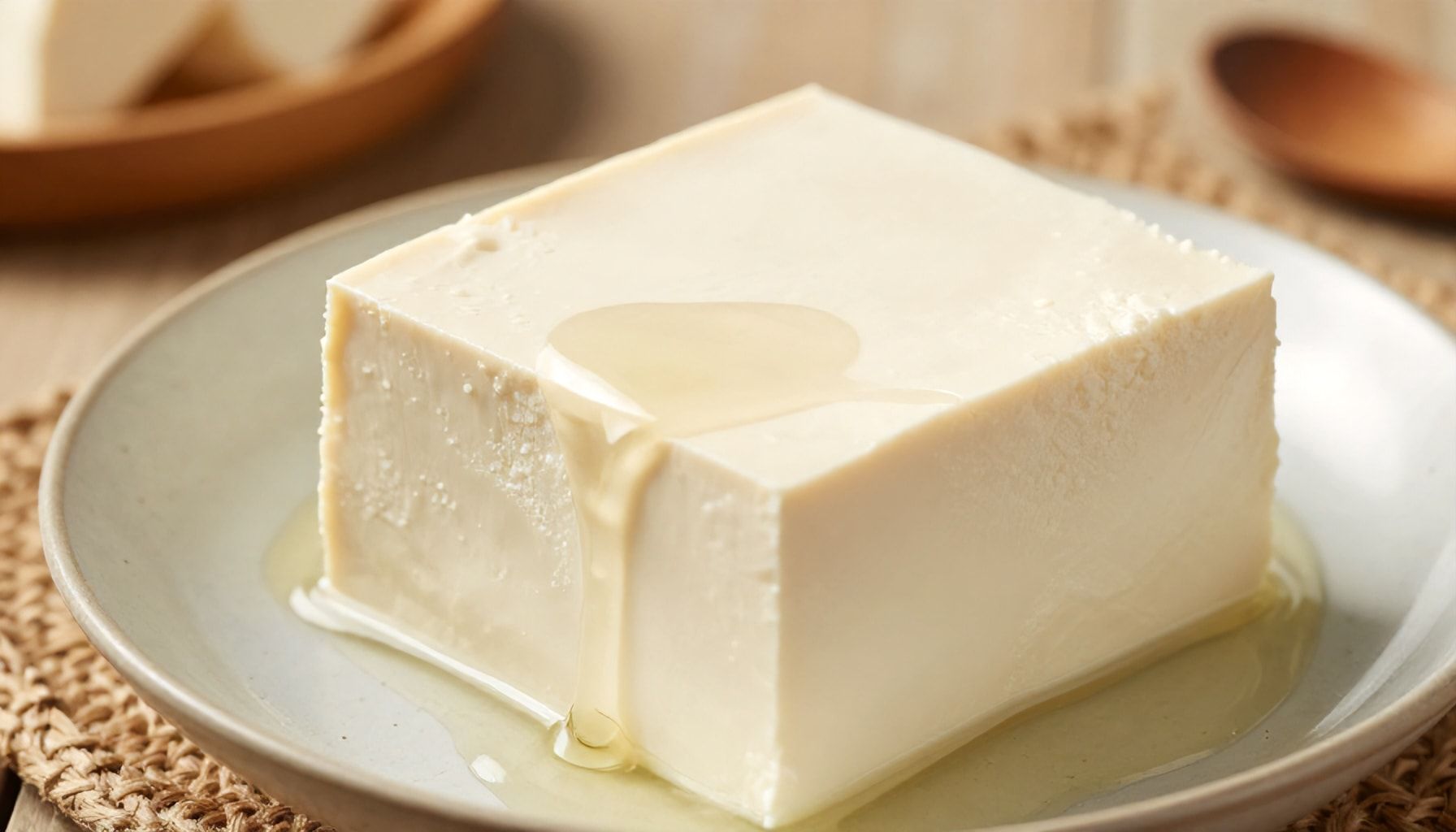
Tofu’s secret? It’s all about the soy. But not just any soy—high-quality, non-GMO soybeans, soaked, ground, and blended into a silky slurry. I’ve seen cheap tofu ruin a dish with a chalky texture, but the good stuff? It’s a blank canvas. The magic happens when that slurry gets mixed with a coagulant—usually nigari (magnesium chloride), gypsum (calcium sulfate), or even lemon juice. Each one tweaks the texture and mineral profile. Nigari gives a firmer bite; gypsum adds calcium and a softer crumble.
Here’s the breakdown:
| Coagulant | Texture | Nutritional Boost |
|---|---|---|
| Nigari (Magnesium Chloride) | Firm, chewy | Magnesium (20-30mg per serving) |
| Gypsum (Calcium Sulfate) | Soft, crumbly | Calcium (100-150mg per serving) |
| Lemon Juice (Acid Coagulant) | Silky, delicate | Vitamin C (minimal, but adds tang) |
Once the slurry curdles, it’s pressed into blocks. The longer it’s pressed, the firmer the tofu. Silken tofu? Barely pressed—just enough to hold shape. Extra-firm? Squeezed for hours. I’ve seen home cooks mess this up by rushing it. Patience pays off.
Tofu’s protein is complete—all nine essential amino acids. A 3.5-ounce serving packs 8-10g protein, 4g fat, and just 70-90 calories. It’s a nutritional powerhouse, but the real trick is how it absorbs flavors. Marinate it overnight, and it’ll soak up sauces like a sponge. I’ve seen tofu go from bland to bold in 12 hours with the right brine.
Here’s how to pick the best tofu:
- Silken: Best for soups, desserts, or blended into dressings.
- Soft/Medium: Great for stir-fries or scrambles.
- Firm/Extra-Firm: Perfect for grilling, frying, or baking.
And here’s a pro tip: Freeze extra-firm tofu before cooking. The ice crystals break down the proteins, giving it a meatier texture. I do this all the time when I’m prepping for a big batch of tofu jerky.
Tofu’s nutritional power lies in its simplicity—just soybeans, water, and a touch of magic. Packed with plant-based protein, essential amino acids, and a wealth of minerals, it’s a versatile superfood that supports everything from muscle health to heart function. Whether you’re a seasoned tofu lover or just starting to explore its potential, the key is to experiment with textures and flavors. Try pressing it for crispy tofu or blending it into creamy sauces to unlock endless possibilities. As you continue your culinary journey, what’s one new way you’ll incorporate tofu into your meals? The future of plant-based eating is bright, and tofu is leading the way—what will you create next?