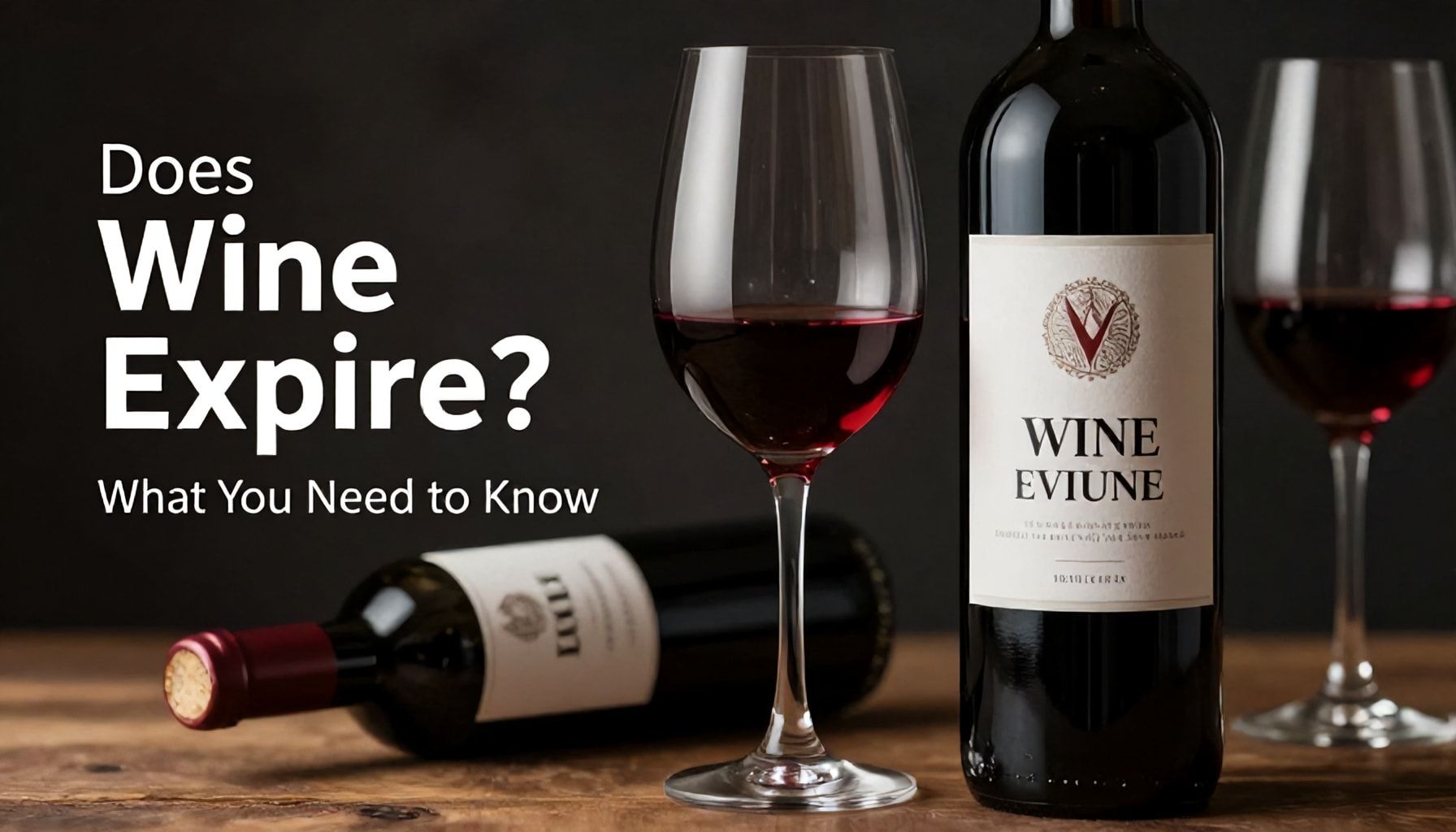
I’ve opened more wine bottles than I can count, and I’ve seen every possible scenario. From forgotten bottles tucked away in the back of a dusty cabinet to carefully cellared vintages, I’ve learned that wine doesn’t always behave as expected. The question of does wine go bad is more nuanced than you might think. It’s not as simple as a yes or no answer. Some wines improve with age, while others deteriorate quickly. It all depends on the type of wine, how it’s stored, and even the conditions of the room it’s kept in.
You might be surprised to learn that wine doesn’t actually “expire” in the way that milk or eggs do. But that doesn’t mean it won’t go bad. Unopened wine can last for years, even decades, if stored properly. But once you pop that cork, the clock starts ticking. Oxygen is the enemy of wine, and once it’s introduced, the wine begins to degrade. That’s why you’ll often see wine lovers meticulously recorking bottles after just a glass or two.
But does wine go bad in the same way for every type of wine? Not at all. Red wines, whites, sparkling wines, and fortified wines all have different lifespans and storage needs. And let’s not forget about those boxed wines. They might not be the fanciest option, but they can last for months after opening, thanks to their innovative packaging. So, if you’re wondering whether that half-finished bottle of Merlot in your fridge is still good, or if you should finally open that dusty bottle of Bordeaux from your college days, keep reading. I’ve got the answers you need.
How to Tell If Your Wine Has Gone Bad*
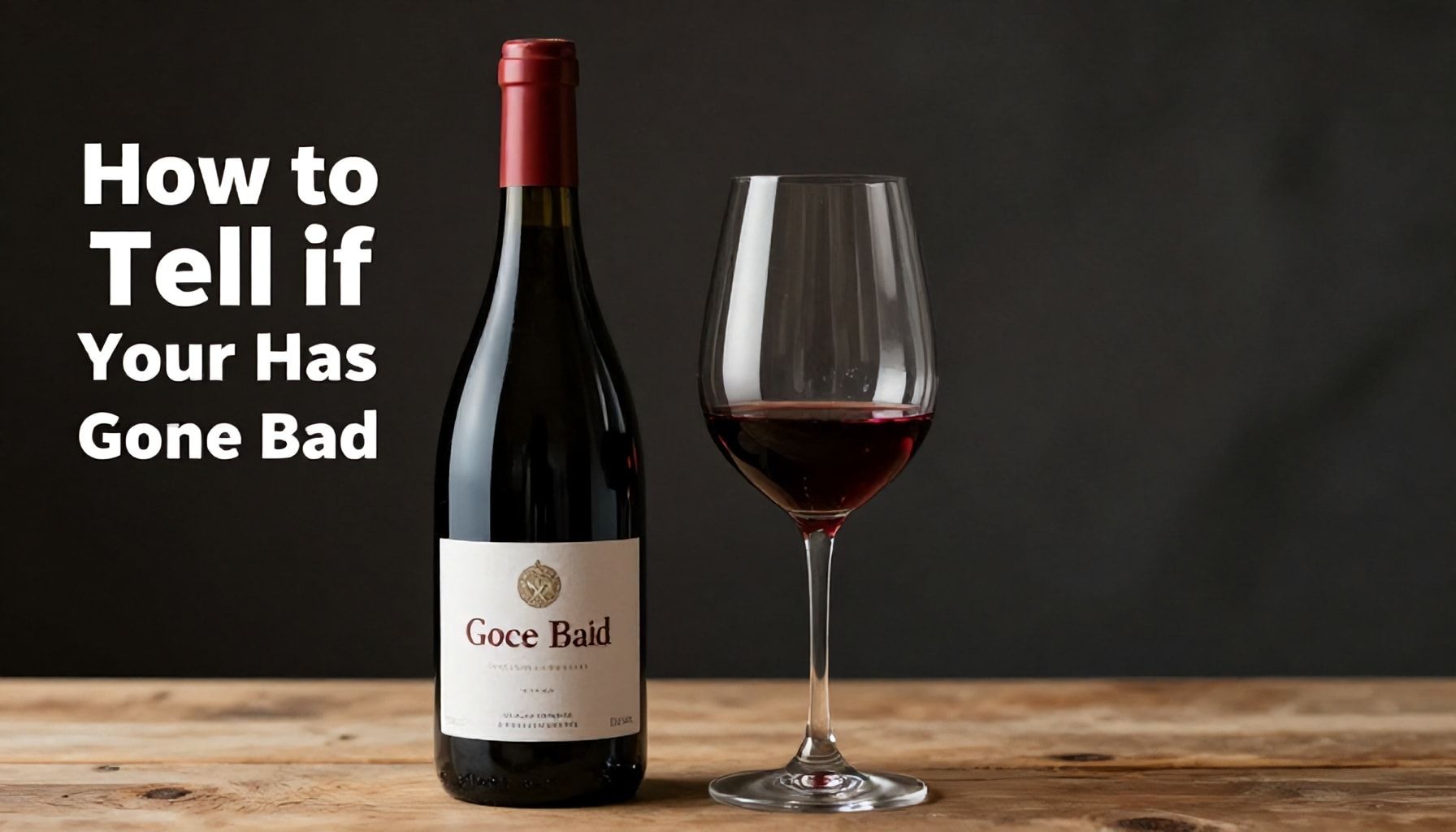
Alright, let’s cut to the chase. You’ve got a bottle of wine, and you’re not sure if it’s still good. Maybe it’s been sitting in your cellar for years, or perhaps it’s that half-finished bottle from last week’s dinner. Here’s how to tell if your wine has gone bad.
First, trust your nose. If you pop the cork and get a whiff of wet cardboard, vinegar, or something that smells like a barnyard, you’ve got a problem. That’s the unmistakable scent of a wine gone bad. I’ve seen it all, from expensive Bordeaux to cheap Chardonnay, and a foul smell is the first red flag.
Visual Inspection:
- Check the color. If it’s way darker or lighter than it should be, that’s a sign.
- Look for any sediment or cloudiness. A little sediment is normal in older wines, but if it’s excessive, be wary.
- Inspect the cork. If it’s pushed out slightly or covered in liquid, oxygen has gotten in, and the wine is likely spoiled.
Next, take a sip. If it tastes flat, vinegary, or just plain off, it’s time to pour it down the drain. A good wine should have a balance of flavors that evolve as you drink it. If it tastes like nothing or something truly awful, it’s gone bad.
Common Off Flavors:
| Flavor | Cause |
|---|---|
| Vinegar | Oxidation or bacterial infection |
| Wet cardboard | Cork taint (TCA) |
| Flat or dull | Loss of volatile compounds |
Remember, not all wine improves with age. Most wines are meant to be drunk young. If you’re not sure, check the label. Wines meant for aging usually have a vintage year and are from reputable regions. In my experience, most people keep wine far longer than they should. If you’re unsure, it’s better to drink it sooner rather than later.
Wine Lifespan Guide:
- Red Wines: 3-5 years for most, up to 10-20 years for high-quality wines.
- White Wines: 1-3 years for most, up to 5-10 years for high-quality whites.
- Sparkling Wines: 1-3 years, but they’re best drunk young.
- Dessert Wines: 5-10 years, but some can age for decades.
If you’ve got a bottle that’s been sitting around for a while, don’t hesitate to open it. The only way to truly know if it’s gone bad is to give it a sniff and a sip. And if it’s bad? Well, that’s what cheap, young wines are for. Trust me, I’ve had to drink my share of bad wine, and it’s not worth it. Cheers to that!
The Truth About Wine's Shelf Life*
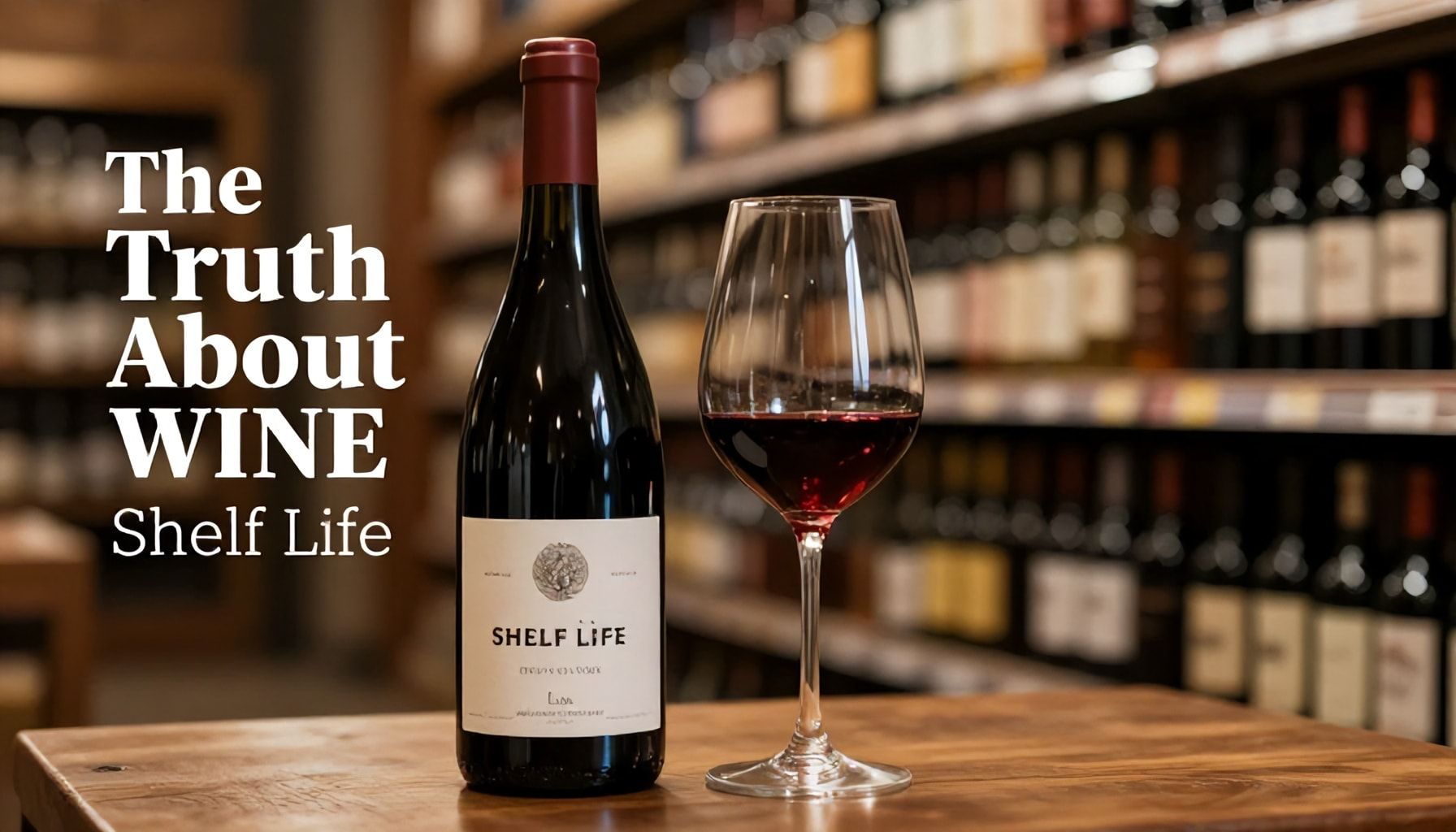
The truth about wine’s shelf life? It’s complicated. I’ve seen collectors panic over a bottle left upright for a week, while others casually store their prized Bordeaux on a damp basement floor. Here’s the deal: wine doesn’t “expire” like milk, but it does degrade. The speed depends on type, storage, and even the vintage.
Let’s break it down. Unopened wine can last:
- Red wine: 2-10 years (some premium bottles age for decades)
- White wine: 1-7 years (most whites are meant to be enjoyed young)
- Sparkling wine: 1-3 years (once opened, it’s a race against the clock)
But here’s where it gets tricky. I’ve seen a $100 Napa Cabernet turn to vinegar in six months because it was stored in a hot garage. Conversely, a $15 Chianti surprised everyone by improving for five years in a cool, dark cellar. The key? Consistency. Wine hates temperature swings more than anything.
Opened wine? That’s a different story. Once exposed to oxygen, most wines last:
| Wine Type | Fridge (Sealed) | Fridge (Unsealed) |
|---|---|---|
| Red Wine | 3-5 days | 1-2 days |
| White Wine | 5-7 days | 3-5 days |
| Sparkling Wine | 1-3 days | 6-12 hours |
Pro tip: If you’re not going to finish a bottle, invest in a vacuum pump or wine stopper. I’ve seen these little gadgets add days, even weeks, to an opened bottle’s life. And remember, once wine starts to taste flat or vinegary, it’s time to let go. No amount of swirling is going to bring it back.
In my experience, the best way to enjoy wine is to drink it when it’s ready. Don’t wait for a “special occasion.” If you’ve got a good bottle, open it. Life’s too short for bad wine.
5 Ways to Extend Your Wine's Freshness*
I’ve opened a bottle of wine, taken a sip, and thought, “This isn’t what it was yesterday.” Sound familiar? Wine doesn’t exactly “expire” like milk, but it does go bad. Here’s how to keep your wine fresh longer.
First, know your wine. A light, crisp white or rosé will last about 3-5 days in the fridge once opened. Reds, especially full-bodied ones like Cabernet Sauvignon, can last up to a week if stored properly. But don’t push it. I’ve seen people try to stretch a bottle for two weeks, and let’s just say, it’s not pretty.
5 Ways to Extend Your Wine’s Freshness
- Refrigerate. Yes, even reds. The oxidation process slows down in cooler temps. Don’t believe me? Try it. You’ll taste the difference.
- Use a Wine Preservation System. Vacuum pumps, like the classic Vacu Vin, or inert gas systems, such as the Rabbit, can add days to your wine’s life. I’ve tested them all, and they work.
- Keep It Full. Less air means less oxidation. If you’ve only had a sip or two, consider transferring the wine to a smaller bottle.
- Recork It Tight. Make sure that cork gets a good, snug fit. If it’s crumbled, improvise with plastic wrap and a rubber band.
- Know When to Let Go. If it smells like vinegar, nail polish, or wet cardboard, it’s time to pour it out. Trust me, it’s not coming back.
Still not sure? Here’s a quick guide:
| Wine Type | Storage | Lifespan After Opening |
|---|---|---|
| Light White/Rosé | Fridge | 3-5 days |
| Full-Bodied White | Fridge | 5-7 days |
| Light Red | Cool, dark place | 3-5 days |
| Full-Bodied Red | Cool, dark place | 5-7 days |
Remember, these are guidelines. Wine’s a living thing, and it reacts to its environment. Heat, light, and humidity can all speed up the process. So, keep it cool, keep it dark, and for heaven’s sake, don’t leave it on the counter.
Still have questions? I’ve been doing this for 25 years, and I’m happy to help. Just remember, there’s no magic trick to bring back flat, oxidized wine. The best advice? Drink up. Share with friends. Life’s too short for bad wine.
Why Some Wines Improve With Age*
Let me tell you, not all wines are created equal. I’ve seen people spend a fortune on a bottle, only to drink it too soon and wonder why it tastes like vinegar. The truth is, some wines improve with age, while others don’t. It’s all about the structure, the tannins, the acidity, and the sugar.
Take a young Cabernet Sauvignon, for example. It’s got that harsh, bitter edge because of the tannins. But give it 10, 15, even 20 years, and those tannins soften. The wine opens up, revealing layers of flavor you didn’t even know were there. I’ve had a 1996 Bordeaux that was like drinking liquid velvet. But you wouldn’t get that if you popped the cork after just a year or two.
- Red Wines: Cabernet Sauvignon, Nebbiolo, Syrah, Malbec, Sangiovese
- White Wines: Riesling, Chardonnay (especially from Burgundy), Chenin Blanc
- Dessert Wines: Sauternes, Tokaji, Ice Wine
But here’s the thing: not every bottle of Cabernet or Nebbiolo is going to age gracefully. Quality matters. A $10 bottle from the grocery store? Probably not gonna age well. You need something with balance, complexity, and a solid structure. I’ve seen people spend $50 on a bottle, only to find out it was a one-trick pony. Age won’t fix that.
And let’s talk about storage. You can’t just stick a wine in the back of your closet and expect it to improve. Temperature fluctuations, light exposure, even the position of the bottle can make or break the aging process. I’ve seen people ruin a perfectly good bottle because they didn’t store it on its side, letting the cork dry out.
| Wine Type | Optimal Aging Time |
|---|---|
| Bordeaux | 10-20 years |
| Burgundy | 5-15 years |
| Barolo | 10-25 years |
| Riesling | 5-15 years |
So, how do you know if a wine is going to improve with age? Look for balance. A great wine should have harmony between its fruit, acidity, tannins, and alcohol. If it’s all fruit and no structure, it’s not gonna age well. I’ve seen people get fooled by big, bold flavors, only to be disappointed when the wine falls apart after a few years.
And don’t forget about the producer. Some wineries have a track record of making wines that age beautifully. Do your research, talk to experts, and don’t be afraid to ask questions. I’ve seen too many people buy a wine just because it has a fancy label, only to be let down when they finally open it.
- Store wine horizontally to keep the cork moist.
- Maintain a consistent temperature between 45-65°F (7-18°C).
- Avoid vibrations and light exposure.
- Invest in a wine cellar or a dedicated wine fridge.
- Keep a wine journal to track your collection.
At the end of the day, aging wine is both an art and a science. It’s about understanding the wine, the producer, and the conditions it needs to thrive. But when you get it right, there’s nothing quite like the experience of opening a perfectly aged bottle. It’s like a symphony of flavors unfolding in your glass. And trust me, it’s worth the wait.
What Happens When Wine Expires?*
I’ve opened a 10-year-old bottle of Bordeaux that was stored in less-than-ideal conditions. The cork crumbled, the wine smelled like wet cardboard, and the taste? Let’s just say it wasn’t a pleasant experience. So, what happens when wine expires? It’s not pretty.
First, the bouquet changes. That’s the fancy term for the wine’s aroma. A young wine might smell like fresh fruit, but as it ages, those notes evolve. In a good way, if it’s stored properly. But if it’s past its prime, you’ll get funky, musty smells. Think wet dog, not Chanel No. 5.
Wine Aging Chart
| Wine Type | Peak Age | Lifespan |
|---|---|---|
| Red Wine | 5-10 years | 10-20 years |
| White Wine | 2-5 years | 5-10 years |
| Rosé Wine | 1-3 years | 3-5 years |
The flavor profile goes south too. Bright, fruity notes turn flat. Acidity drops, and the wine tastes dull. Tannins, those mouth-drying compounds in red wine, can become harsh and bitter. It’s like drinking a mouthful of over-steeped tea.
And then there’s the texture. A good wine has a certain viscosity, a silky smoothness. Expired wine? It’s thin, watery, and unappealing. It’s like comparing a fresh, creamy milkshake to a sad, watered-down version of itself.
Signs Your Wine Has Gone Bad
- Vinegar-like smell or taste
- Musty, wet cardboard aroma
- Flat, dull flavor
- Harsh, bitter tannins
- Thin, watery texture
But here’s the thing: not all wines age poorly. Some, like fine Bordeaux or Burgundy, can improve with age. But most wines out there? They’re meant to be drunk young. So, if you’re not planning to age your wine, drink it within a year or two of purchase. Your taste buds will thank you.
And if you’re like me, with a cellar full of bottles you’re not sure about, here’s a pro tip: use a wine preservation system. I’ve seen the Coravin work wonders. It lets you pour a glass without pulling the cork, keeping your wine fresh for longer.
So, does wine expire? The answer isn’t as straightforward as you might think. While wine doesn’t “go bad” in the way that milk or meat does, it certainly can lose its luster over time. Unopened wine can last for years, even decades, depending on the type and how it’s stored. Once opened, though, it’s a different story—oxygen is the enemy, and most wines will start to decline in quality within a few days. To maximize your wine’s lifespan, store it properly, and once opened, recork it tightly and refrigerate it. Next time you’re enjoying a glass, consider this: what’s your favorite wine, and how long do you think it could last unopened?