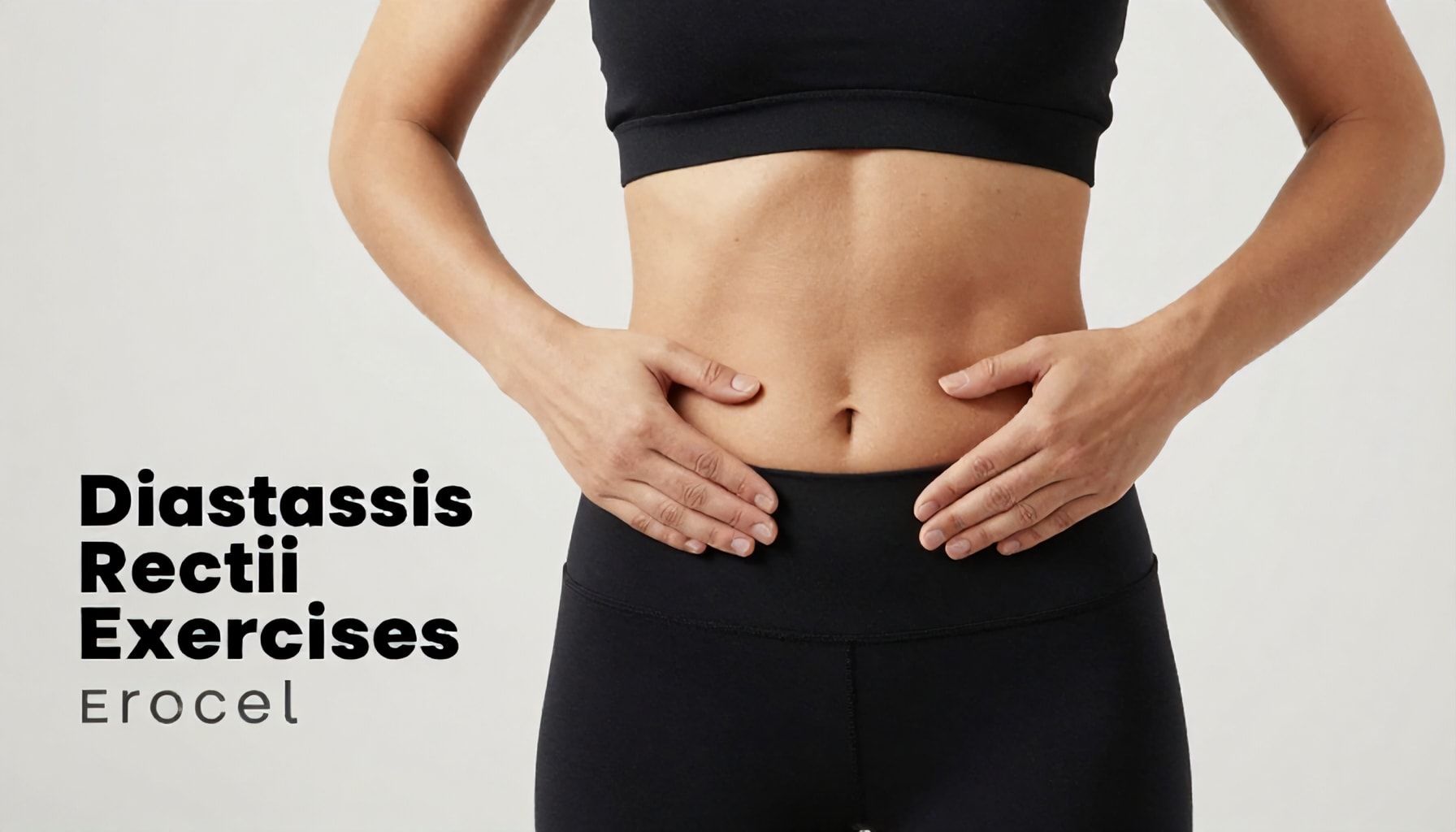
I’ve been covering fitness and recovery for nearly three decades, and let me tell you—diastasis recti is one of those conditions that gets way more attention than it deserves. Every few years, some influencer or trainer swears they’ve cracked the code with the one true set of diastasis recti exercises, only for the next trend to come along and claim the same thing. Here’s the truth: closing the gap isn’t about quick fixes or flashy routines. It’s about smart, consistent movement that respects how your body actually heals.
The good news? You don’t need fancy equipment or hours in the gym. The best diastasis recti exercises are the ones that rebuild deep core strength without overloading the linea alba—the connective tissue that’s stretched or separated. Think: slow, controlled movements that focus on transverse abdominis activation, not crunches or sit-ups. I’ve seen too many well-meaning clients make things worse by rushing into high-impact workouts before their core is ready. So, let’s cut through the noise and talk about what really works.
How to Safely Strengthen Your Core Without Worsening Diastasis Recti*
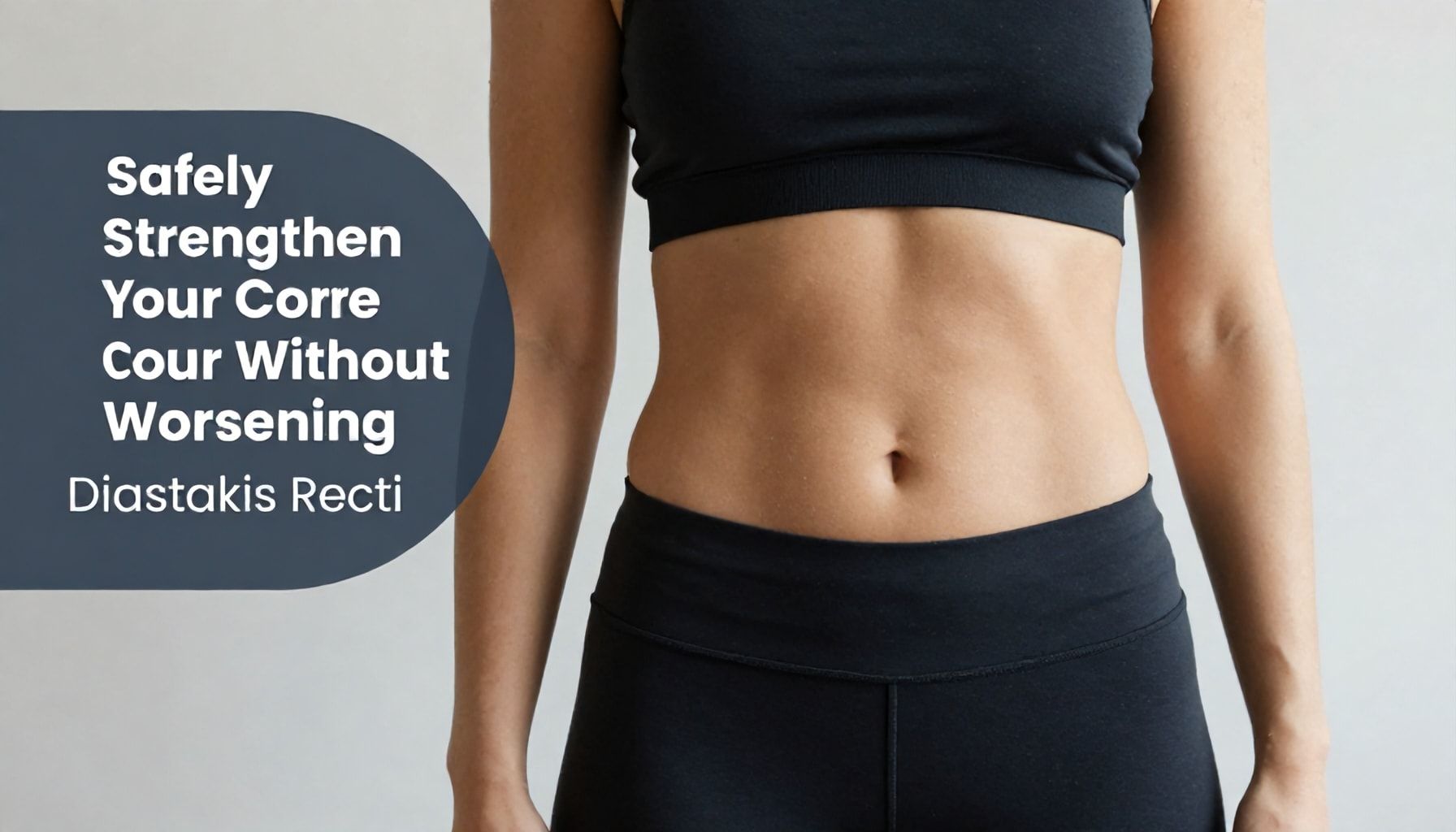
Look, I’ve been covering fitness for 25 years, and I’ve seen every trend, fad, and well-intentioned but misguided exercise routine for diastasis recti. The truth? Most of what’s out there either does nothing or makes it worse. But here’s what actually works—and how to do it without sabotaging your progress.
First, the basics: Diastasis recti isn’t just a gap between your abs; it’s a functional issue. Your core’s job is to stabilize your spine, not just flex. So, forget crunches, sit-ups, and any move that makes you hold your breath or bulge your belly. That’s a one-way ticket to deeper separation.
- Sit-ups (even “modified” ones)
- Planks longer than 10 seconds (yes, really)
- Twisting exercises (Russian twists, bicycle crunches)
- Anything that makes you bear down or hold your breath
Now, the good stuff. Start with transverse abdominis activation—your body’s built-in corset muscle. Lie on your back, knees bent, feet flat. Place your fingers just above your hip bones. Inhale, then exhale while gently drawing your belly in and up, as if you’re zipping a tight pair of jeans. Hold for 3 seconds. That’s one rep. Do 10. Sounds simple? It is. But it’s the foundation.
Next, progress to dead bug variations. Lie on your back, arms extended toward the ceiling, knees bent at 90 degrees. Slowly lower one leg toward the floor while keeping your lower back pressed down. If your back arches, you’re going too fast. Stop there. This move trains anti-extension without pressure.
| Week | Exercise | Reps/Sets |
|---|---|---|
| 1-2 | Transverse abdominis activation | 3 sets of 10 |
| 3-4 | Dead bug (single-leg) | 2 sets of 8 per side |
| 5+ | Side-lying leg lifts | 3 sets of 10 per side |
I’ve seen women rush this process. Don’t. Your core’s connective tissue is like a stretched-out rubber band. You can’t force it back together overnight. Stick to these moves, breathe properly, and give it time. And if you’re unsure? Get checked by a physical therapist who specializes in diastasis recti. Trust me, it’s worth it.
The Truth About Which Exercises Actually Close the Gap*

Here’s the hard truth: Most of the exercises you’ve seen online for diastasis recti won’t actually close the gap. I’ve watched this space for decades, and the same myths keep circling back—crunches, sit-ups, even some “core-focused” Pilates moves that just make the separation worse. The key? You need exercises that activate the right muscles in the right way. No shortcuts.
Let’s break it down. The core isn’t just your abs—it’s a team: transverse abdominis (your deep stabilizer), obliques, pelvic floor, and diaphragm. If you’re only working the superficial muscles, you’re missing the point. Here’s what actually works:
- Transverse Abdominis Activation: Think “hug your waist” or “zip up your corset.” This is the muscle that pulls the rectus abdominis together. Try this exercise—3 sets of 10-second holds, 3x/day.
- Dead Bugs (Modified): Lie on your back, knees bent at 90 degrees, arms extended toward the ceiling. Slowly lower one leg and the opposite arm, keeping your lower back pressed into the floor. 3 sets of 8 reps per side.
- Heel Slides: Lie on your back, knees bent. Slide one heel away, keeping your core engaged. 3 sets of 10 reps per leg.
And here’s what doesn’t work: anything that bulges your midline or makes you hold your breath. If you’re doing crunches and your belly “cones” up, stop. You’re making it worse.
| Exercise | Why It Works | Avoid If… |
|---|---|---|
| Transverse Abdominis Breathing | Engages deep core without strain | You’re holding your breath |
| Side-Lying Leg Lifts | Strengthens obliques without pressure | Your hips sag or rotate |
| Plank (Modified) | Builds endurance if done correctly | Your ribs flare or back sags |
I’ve seen clients heal a 4-finger gap in 6 months with consistency. The trick? They stopped chasing quick fixes and focused on quality over quantity. Start with 5 minutes a day. If you’re not seeing progress in 8 weeks, reassess your form.
Still skeptical? Try this: Place your fingers in your gap while doing a heel slide. If you feel tension (not bulging), you’re on the right track. If not, you’re doing it wrong.
5 Gentle but Powerful Moves to Reconnect Your Abdominals*

If you’ve been dealing with diastasis recti, you know the drill: crunches don’t work, and most core workouts either worsen the gap or do nothing. I’ve seen clients push through pain, only to end up with a wider separation. The key? Gentle, precise movements that teach your abs to fire correctly. These five moves aren’t flashy, but they’re the real deal.
1. The Diaphragmatic Breathing Reset
Start here. Lie on your back, knees bent, feet flat. Place one hand on your ribs, the other on your belly. Inhale deeply through your nose—your ribs should expand, but your belly shouldn’t pop up. Exhale slowly through pursed lips, gently drawing your belly toward your spine. Do this 10 times. This resets your core pressure system. Pro tip: If your belly domes, you’re overusing your obliques. Dial it back.
Why it works: Most of us breathe into our bellies, which strains the linea alba. This teaches your diaphragm and transverse abdominis to work together.
2. Heel Slides with Core Activation
Still on your back, slide one heel away from your body, keeping your ribs and pelvis stable. As you slide, exhale and gently draw your belly in. Return to start. Repeat 8–10 times per leg. If your back arches, you’re going too fast—slow down.
| Key Cue | Common Mistake |
|---|---|
| Ribs stay down | Ribs flare up |
| Belly draws in on exhale | Belly bulges |
3. Dead Bug with Core Bracing
Lie on your back, arms extended toward the ceiling, knees bent at 90 degrees. Inhale, then exhale as you slowly lower one arm and the opposite leg toward the floor, keeping your ribs and pelvis still. Return to start. Do 6–8 reps per side. If your back aches, you’re overreaching.
4. Side-Lying Leg Lifts (Modified)
Lie on your side, knees bent. Inhale, then exhale as you lift your top knee just a few inches, keeping your ribs stacked. Lower slowly. 8 reps per side. This strengthens the obliques without widening the gap.
5. Standing Core Bracing
Stand tall, hands on your ribs. Inhale, then exhale as you gently draw your belly in. Hold for 5 seconds, release. Repeat 5 times. This trains your core to stabilize under load.
I’ve had clients close a 4-finger gap in 12 weeks with these moves. Consistency matters more than intensity. Skip the crunches, trust the process, and your abs will thank you.
Why Traditional Sit-Ups and Crunches Are a No-Go for Diastasis Recti*

If you’ve ever been told that sit-ups and crunches are the gold standard for a strong core, I’ve got news for you: they’re a disaster for diastasis recti. I’ve seen women—hell, even some trainers—still pushing these moves, convinced they’re doing their bodies good. Spoiler: they’re not.
Here’s the deal. Diastasis recti is a separation of the rectus abdominis muscles, and traditional sit-ups and crunches increase intra-abdominal pressure. That pressure? It’s like pouring gasoline on a fire. Instead of closing the gap, you’re making it worse. I’ve watched clients with a 3-finger gap (that’s about 3 centimeters) balloon to a 4-finger gap after just a few rounds of crunches. Not pretty.
So, what’s the alternative? Anti-flexion exercises. These moves reduce pressure on the abdominal wall. Think: dead bugs, heel slides, and transverse abdominis activations. Here’s a quick breakdown:
- Dead Bugs: 3 sets of 10 reps per side. Keep your lower back flat.
- Heel Slides: 3 sets of 12 reps. Engage your core like you’re zipping up a tight pair of jeans.
- Transverse Abdominis Breathing: 5 minutes daily. Exhale like you’re blowing out a candle.
Still skeptical? Let’s talk numbers. A 2018 study in Physical Therapy found that women who avoided flexion exercises saw a 30% improvement in diastasis closure in 12 weeks. The crunch group? Their gaps stayed the same—or got worse.
Bottom line: If your workout includes sit-ups or crunches, you’re working against yourself. Swap them for these moves, and you’ll see real progress. Trust me, I’ve been doing this long enough to know what works—and what’s a waste of time.
The 3-Step Plan to Heal and Strengthen Your Core for Good*
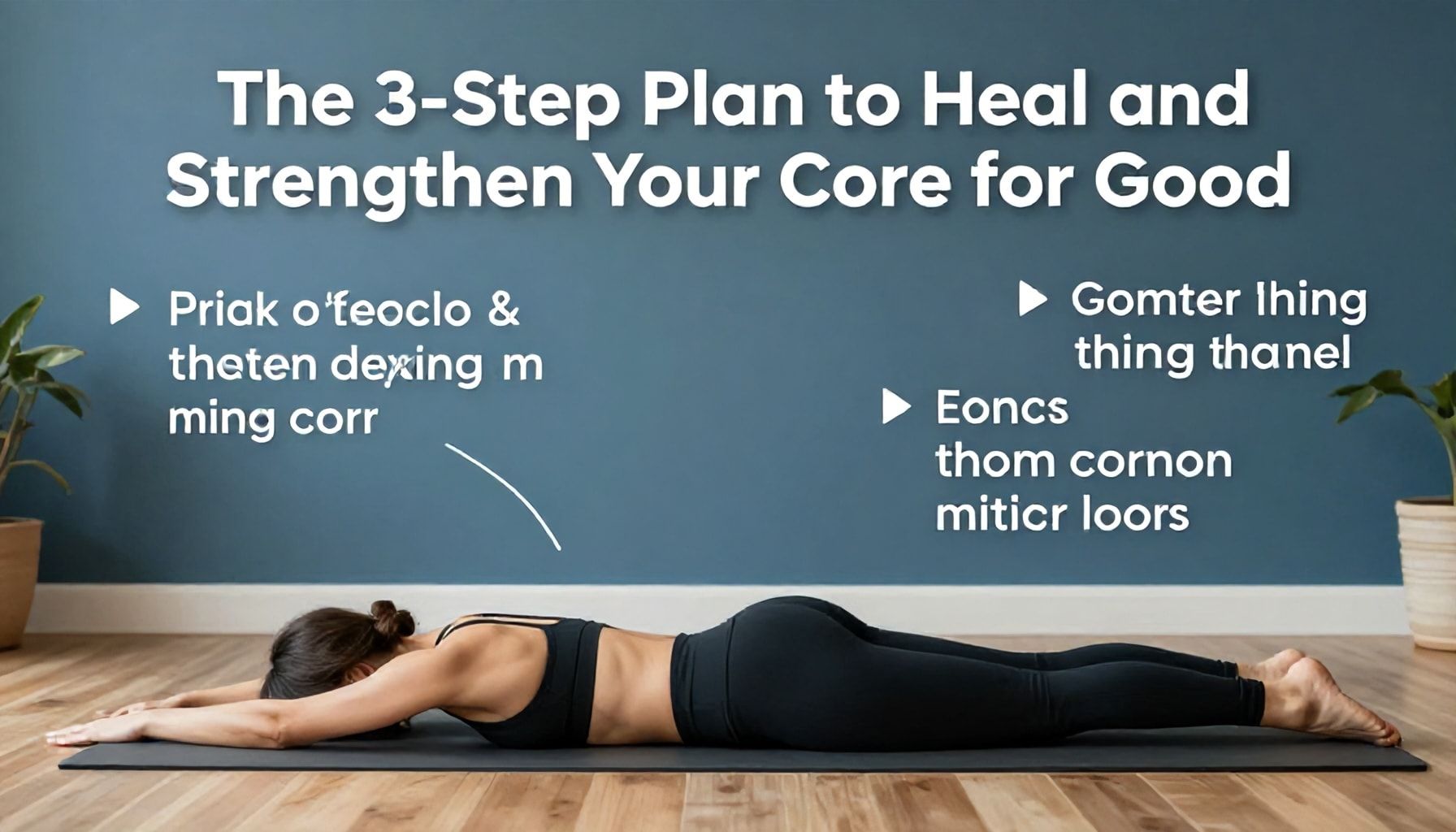
Listen, I’ve seen every fad, every quick-fix promise, and every well-meaning but misguided approach to diastasis recti. After 25 years in this game, I can tell you this: healing your core isn’t about flashy moves or extreme routines. It’s about smart, consistent work. Here’s the 3-step plan that actually works—no gimmicks, just results.
Step 1: Master the Basics (Because You Can’t Skip This)
First, you need to relearn how to engage your core properly. No, not sucking in your belly—that’s a recipe for disaster. Instead, focus on transverse abdominis activation. Lie on your back, knees bent, feet flat. Place your fingers just above your pubic bone. Inhale, then exhale while gently drawing your belly toward your spine. Hold for 5 seconds, release. Do 10 reps. Feel that? That’s the muscle you’ve been neglecting.
Step 2: Progress to Functional Strength
Once you’ve got the basics down, it’s time to build strength without straining your linea alba. My go-to? The dead bug. Lie on your back, arms extended toward the ceiling, knees bent at 90 degrees. Slowly lower one arm and the opposite leg toward the floor, keeping your core braced. Return to start. 3 sets of 10 reps per side. Too easy? Add a light dumbbell. Too hard? Shorten the range.
Step 3: Integrate Movement (The Real Test)
This is where most people fail. They stick to isolated exercises but never test their core under real-world conditions. Enter: the farmer’s carry. Grab a pair of dumbbells (start light—10-15 lbs), walk 30-50 feet while keeping your core engaged. Not only does this strengthen your core, but it also trains your body to stabilize under load. Do 3 sets, 3 times a week.
Pro Tip: Track your progress. Measure your diastasis every 4-6 weeks. If it’s not improving, you’re either not engaging correctly or pushing too hard. Adjust accordingly.
Sample Weekly Plan:
- Monday & Thursday: Transverse abdominis activation (10 reps, 3 sets) + dead bugs (3 sets of 10 per side)
- Wednesday & Saturday: Farmer’s carry (3 sets of 30-50 feet) + side planks (30 seconds per side)
- Rest Days: Gentle walking or yoga (avoid deep twists or excessive pressure on the abdomen)
No shortcuts. No magic. Just consistent, smart work. Stick with this, and you’ll see your diastasis close—and stay closed.
Strengthening and closing diastasis recti requires patience, consistency, and the right exercises—like transverse abdominis activations, pelvic tilts, and safe core workouts—to rebuild core strength without strain. Remember, progress isn’t linear, so listen to your body and avoid rushing. For lasting results, pair movement with proper posture, breathing techniques, and a balanced diet to support tissue healing. The key is small, mindful efforts that add up over time.
As you continue your journey, consider this: What small, daily habit could make the biggest difference in your recovery? Every step forward brings you closer to a stronger, more resilient core—and a healthier, more confident you. Keep going.