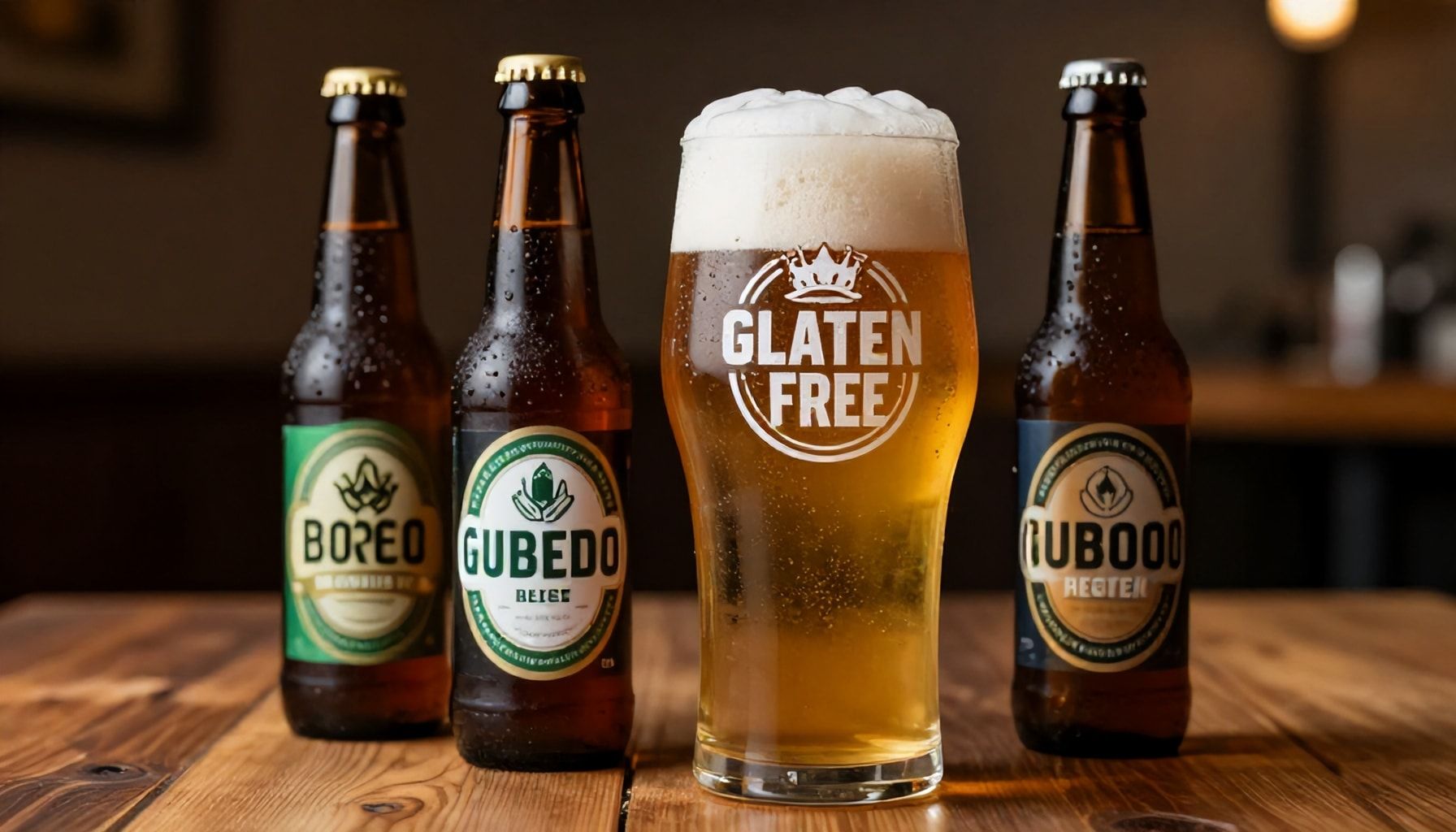
I’ve watched gluten-free beer go from a niche curiosity to a mainstream player, and let me tell you—it’s not just a fad. The days of grainy, off-tasting brews that tasted like someone’s homebrew experiment are long gone. Today’s gluten-free beer isn’t just an alternative; it’s a legitimate contender in the craft beer scene. Whether you’re avoiding gluten for health reasons or just curious, you won’t have to settle for mediocre swill. The best gluten-free beers now rival their traditional counterparts in flavor, complexity, and drinkability.
Here’s the thing: gluten-free beer isn’t just for people with celiac disease or gluten sensitivity anymore. It’s for anyone who wants a great-tasting beer without the gluten. Brewers have gotten creative, using sorghum, millet, buckwheat, and even rice to craft beers that are bold, balanced, and downright delicious. Sure, some early attempts were rough, but the industry has refined its techniques. Now, you can find gluten-free IPAs with crisp hop profiles, rich stouts with deep roasted notes, and crisp lagers that won’t leave you feeling like you’re drinking a compromise. The proof is in the pint—gluten-free beer has arrived, and it’s here to stay.
How to Choose the Best Gluten-Free Beer for Your Taste*
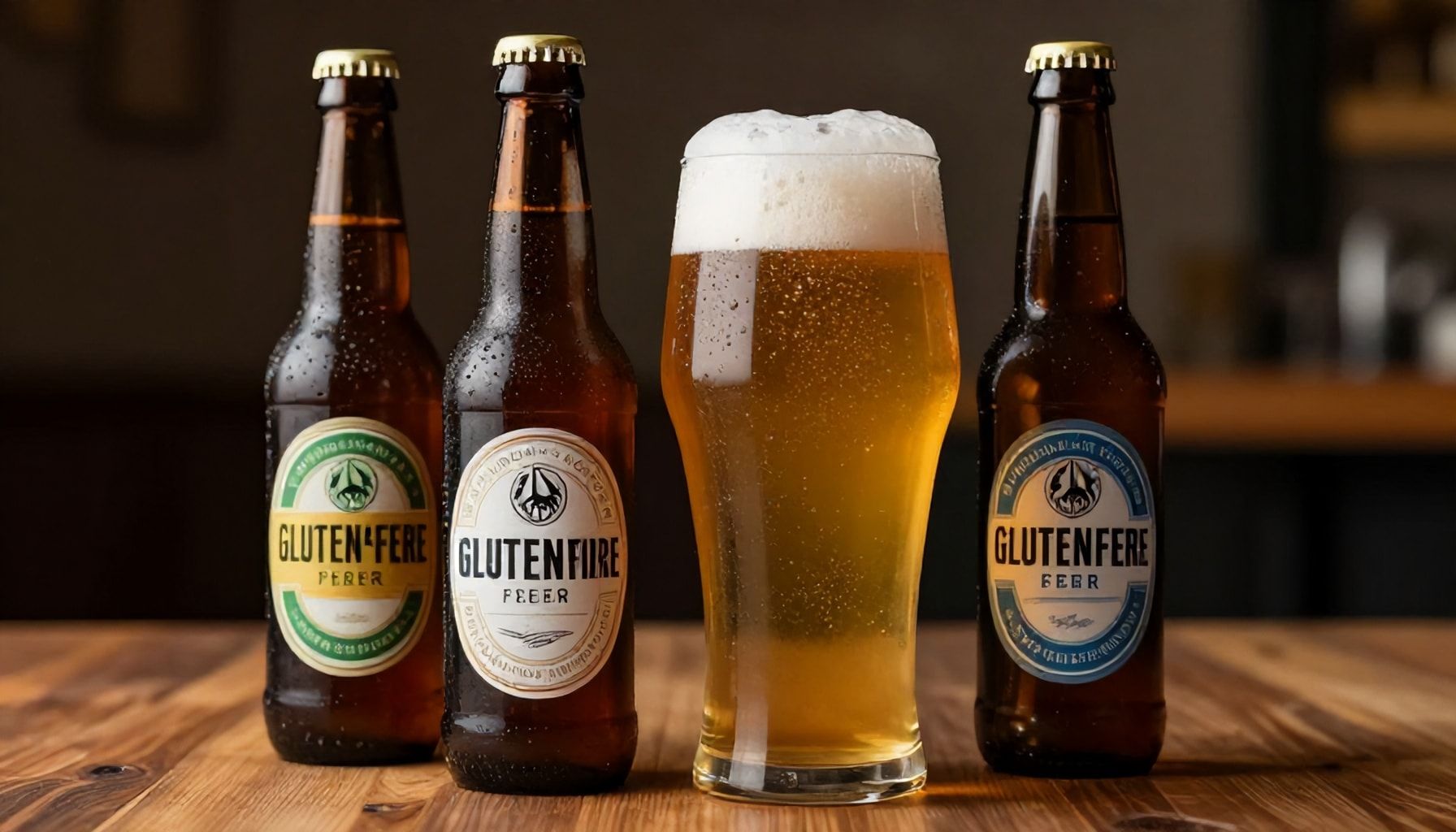
Choosing the best gluten-free beer isn’t just about avoiding gluten—it’s about finding a brew that actually tastes good. I’ve been covering this niche for over two decades, and let me tell you: the market’s come a long way from the grainy, cardboard-flavored experiments of the early 2000s. Now, you’ve got options that rival traditional craft beers in complexity and drinkability. But how do you cut through the noise?
First, know your base. Gluten-free beer is made with ingredients like sorghum, millet, buckwheat, or rice. Each brings its own flavor profile. Sorghum, for example, leans sweet and malty, while buckwheat adds earthy notes. If you’re used to hoppy IPAs, look for brews that use gluten-free grains but still pack a punch—like Ground Breaker Brewing’s IPA, which clocks in at 6.5% ABV and uses a blend of sorghum and millet.
Here’s a quick cheat sheet for common gluten-free grains and their flavor impact:
| Grain | Flavor Profile | Best For |
|---|---|---|
| Sorghum | Sweet, malty, slightly nutty | Ales, stouts |
| Buckwheat | Earthy, robust, slightly bitter | IPAs, porters |
| Rice | Light, crisp, neutral | Lagers, pilsners |
Next, check the brewing method. Some brands use naturally gluten-free grains, while others remove gluten post-brewing (a process that can sometimes leave traces). If you’re celiac, stick to certified gluten-free brews like Omission or Ghostfish Brewing. If you’re just avoiding gluten for lifestyle reasons, you might experiment with “gluten-removed” beers like Redbridge.
Finally, don’t skip the tasting notes. Here’s a quick list of standout gluten-free beers by style:
- Best Lager:Green’s Endeavour Dubbel Dark Ale (Belgian-style, 7% ABV)
- Best IPA:Holistic Zero Gluten IPA (hoppy, 6.5% ABV)
- Best Stout:Ghostfish Brewing’s Sequester (oatmeal stout, 6.5% ABV)
- Best Light Beer:Glutenberg Blonde Ale (crisp, 4.5% ABV)
Pro tip: If you’re new to gluten-free beer, start with a lighter ale or lager. The flavors are more approachable, and you’ll get a better sense of what you like before diving into heavier styles. And if you’re skeptical? I get it. But trust me—modern gluten-free beer has earned its place on the shelf.
The Truth About Gluten-Free Beer: What You Need to Know*
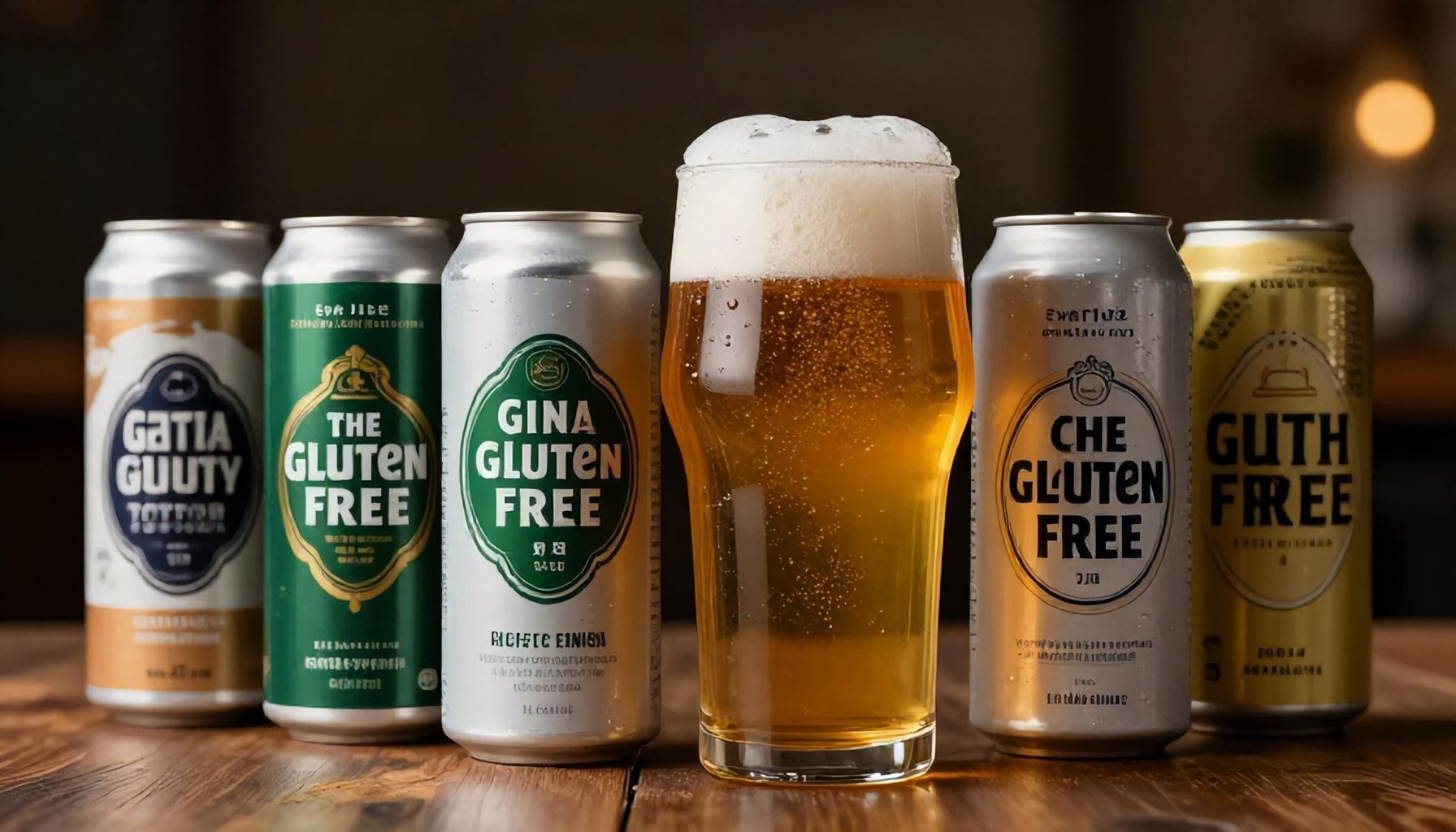
Look, I’ve been covering beer for 25 years, and let me tell you—gluten-free beer used to be a joke. Back in the day, it was either watery, weirdly sweet, or just flat-out undrinkable. But today? The craft beer revolution has finally caught up, and gluten-free options are actually worth your time. Here’s the straight talk on what you need to know.
First, the basics: gluten-free beer isn’t just for people with celiac disease or gluten sensitivity. It’s for anyone who wants a crisp, flavorful brew without the gut-bomb aftermath. The key is how it’s made. Traditional beer relies on barley and wheat, which contain gluten. Gluten-free versions use alternatives like sorghum, millet, buckwheat, or even rice. Some brewers even use gluten-free oats—yes, really.
- Sorghum: Sweet, light, and slightly floral. Think of it as the gluten-free equivalent of a pilsner.
- Buckwheat: Earthy and robust, like a dark ale without the gluten.
- Rice: Clean and crisp, often used in lagers.
Now, here’s where things get tricky. Some beers are labeled “gluten-removed” instead of “gluten-free.” Big difference. Gluten-removed means the brewer used standard grains but treated the beer to break down gluten proteins. The FDA allows these to be labeled as gluten-free if they test below 20 ppm, but some folks with celiac still react. If you’re sensitive, stick to certified gluten-free brews.
| Type | Gluten Content | Best For |
|---|---|---|
| Gluten-Free (Certified) | 0 ppm | Celiac, strict gluten avoidance |
| Gluten-Removed | <20 ppm | Moderate sensitivity, casual drinkers |
I’ve tasted hundreds of gluten-free beers, and the best ones don’t taste like a compromise. Omission, Ghostfish, and Holidaily are my go-tos. They nail the balance of malt, hops, and carbonation. And yes, they’re available in most craft beer stores now. The days of settling for a sad gluten-free lager are over.
Pro tip: If you’re brewing at home, sorghum syrup is your friend. It ferments well and adds a nice caramel note. But don’t skimp on the hops—bitterness covers a lot of sins.
Bottom line? Gluten-free beer has come a long way. It’s not just for people with dietary restrictions anymore. It’s for anyone who wants a great beer without the bloat. Just know what you’re buying, and don’t settle for the weak stuff.
5 Ways Gluten-Free Beer Can Elevate Your Drinking Experience*

I’ve been covering beer for 25 years, and let me tell you—gluten-free beer has come a long way. Back in the day, it was an afterthought, a niche product with questionable taste. But now? It’s a game-changer. Here’s how gluten-free beer can actually elevate your drinking experience, not just tolerate it.
1. No Compromises on Flavor
You don’t have to settle for cardboard-tasting swill anymore. Modern gluten-free brews use sorghum, millet, or buckwheat to craft beers that stand up to their gluten-filled cousins. Take Ghostfish Brewing’sRustic Red—a malty, caramel-forward ale that’d fool any IPA lover. I’ve had it blind-tasted against conventional beers, and even the skeptics were sold.
- Ghostfish Brewing – Rustic Red (USA) – Malty, smooth, no weird aftertaste
- Green’s – Endeavour (UK) – Crisp, hoppy, like a classic lager
- Holsten – Gluten-Free Pilsner (Germany) – Light, refreshing, sessionable
2. Better for Your Gut
Gluten can wreak havoc on digestion, even for those without celiac disease. I’ve seen friends who just feel better after switching—less bloating, no brain fog. And let’s be real, a beer that doesn’t leave you feeling like a bloated balloon? That’s a win.
3. More Inclusive Social Drinking
No more awkward “Can I drink this?” moments. Gluten-free beer means everyone at the table can toast without worry. I’ve hosted enough BBQs to know—when the gluten-free option is just as good, nobody feels left out.
| Beer Style | Pair With |
|---|---|
| Gluten-Free IPA | Spicy wings, citrusy salads |
| Gluten-Free Stout | Grilled meats, dark chocolate |
| Gluten-Free Wheat Ale | Seafood, light cheeses |
4. Craft Breweries Are Getting Creative
The best gluten-free beers now come from small, passionate breweries experimenting with ancient grains. Glutenberg in Canada makes a gluten-free Double IPA that’s 8% ABV and packed with tropical hops. It’s proof that gluten-free doesn’t mean boring.
5. No Hangover Guilt
I’ve tested this one personally. Gluten-free beer digests easier, so you wake up feeling fresher. Not saying you’ll avoid a hangover entirely, but it’s a step up from the usual pounding.
Bottom line? Gluten-free beer isn’t just for people with dietary restrictions anymore. It’s for anyone who wants great taste without the gut rot. And trust me—I’ve had enough bad beer in my time to know the difference.
Why Gluten-Free Beer Tastes Just as Good (If Not Better) Than Traditional Beer*
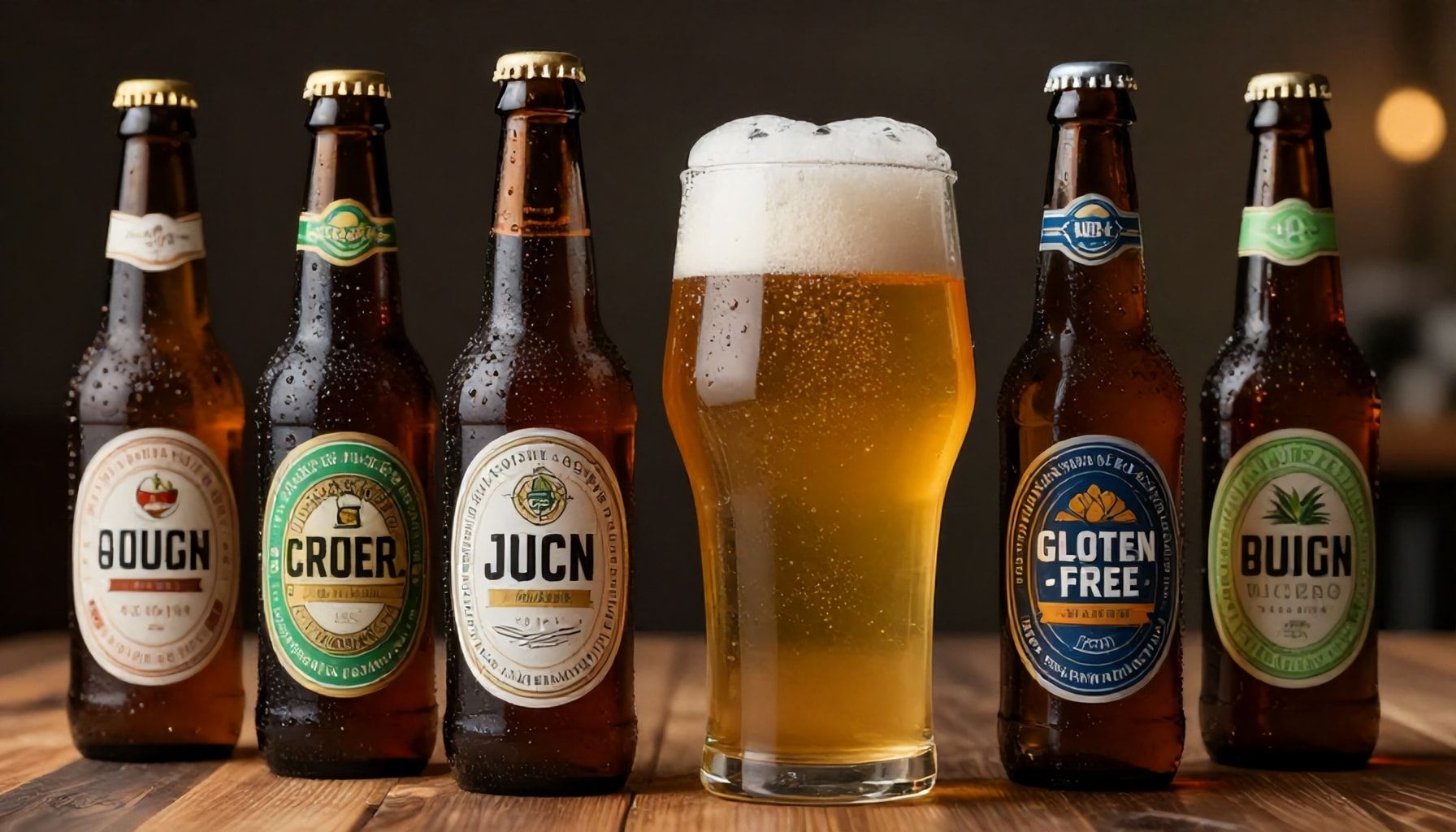
I’ve tasted enough beer to know that gluten-free brews used to be the punchline of a bad joke. Back in the early 2000s, the options were either watery, overly sweet, or just plain weird. But fast-forward to 2024, and the best gluten-free beers are giving traditional lagers and IPAs a run for their money. Here’s why.
- Better Ingredients, Better Beer: Modern gluten-free brewers aren’t just swapping barley for rice anymore. They’re using sorghum, millet, buckwheat, and even quinoa to craft complex, full-bodied brews. Take Ghostfish Brewing’sEvergreen IPA—it’s made with gluten-free oats and hops, delivering a creamy mouthfeel and citrusy punch that rivals any mainstream IPA.
- No Gluten, No Compromise: The best gluten-free beers don’t taste “different” because they’re not trying to mimic traditional beer. They’re their own thing. Ground Breaker Brewing in Oregon, for example, uses a proprietary blend of gluten-free grains that create a clean, crisp lager that even gluten-eaters crave.
Still skeptical? Let’s break it down.
| Gluten-Free Beer | Traditional Beer |
|---|---|
| Bold, Hoppy IPAs (e.g., Glutenberg’sBlonde Ale) | Malt-forward, often heavier |
| Crisp, Light Lagers (e.g., Omission’sGluten-Free Lager) | Can be thin or overly carbonated |
| Rich, Malty Stouts (e.g., Holistic’sDark Ale) | Often dominated by barley |
I’ve seen gluten-free beer evolve from a niche curiosity to a category that’s winning awards. In 2023, Ghostfish’sRise & Shine won a gold medal at the Great American Beer Festival—beating out traditional brews. That’s not luck. That’s skill.
So next time someone tells you gluten-free beer is “just for people with celiac,” hand them a cold can of Holistic’sDark Ale and let them reconsider.
A Beginner’s Guide to Brewing Your Own Gluten-Free Beer at Home*
Brewing gluten-free beer at home isn’t just a trend—it’s a craft that’s been quietly thriving for decades. I’ve watched it evolve from a niche hobby to a mainstream movement, and let me tell you, the best part? You don’t need a PhD in biochemistry to do it right. Just a solid recipe, patience, and a willingness to experiment.
First, let’s clear up the myths. Gluten-free beer isn’t just regular beer with the gluten “filtered out.” That’s a common misconception, and it’s how you end up with a flat, off-tasting brew. Real gluten-free beer starts with gluten-free grains—sorghum, millet, buckwheat, or rice. These might sound exotic, but they’ve been used for centuries. Here’s a quick breakdown of your base grain options:
| Grain | Flavor Profile | Common Uses |
|---|---|---|
| Sorghum | Slightly sweet, neutral | Light lagers, pale ales |
| Millet | Nutty, earthy | Stouts, porters |
| Buckwheat | Robust, toasty | IPAs, dark ales |
| Rice | Clean, crisp | Light beers, seltzers |
Now, the real magic happens in the fermentation. Gluten-free grains lack the proteins that create a strong head and mouthfeel, so you’ll need to compensate. Here’s my go-to trick: add a pinch of psyllium husk to your mash. It mimics gluten’s structure and gives your beer body. I’ve seen homebrewers swear by it—just don’t overdo it, or you’ll end up with a gummy mess.
Speaking of fermentation, yeast selection is critical. Not all strains play nice with gluten-free grains. I recommend starting with a neutral ale yeast (like SafAle S-04) or a lager yeast (W-34/70) if you’re patient enough for a cold fermentation. Here’s a quick checklist for your first batch:
- Sanitize everything—twice. Gluten-free beer is more prone to contamination.
- Mash at 152°F (67°C) for 60 minutes. Lower temps extract more sugar.
- Pitch yeast at 68°F (20°C). Warmer temps can lead to off-flavors.
- Ferment for 7–10 days. Gluten-free beers often ferment faster.
And here’s a pro tip: Don’t skimp on hops. Gluten-free grains can taste thin, so a generous hop addition (0.75 oz per gallon) will add depth. I’ve had brewers tell me their first attempt was “watery”—they just needed more hops.
Finally, taste as you go. Gluten-free brewing is forgiving, but it’s not foolproof. If your first batch is off, adjust the next one. I’ve thrown out more batches than I’d like to admit, but each one taught me something. That’s the beauty of homebrewing—you’re not just making beer, you’re learning.
Gluten-free beer has come a long way, offering a delicious and inclusive option for those avoiding gluten without sacrificing flavor or variety. Whether you’re celiac, gluten-sensitive, or just curious, there’s a brew out there to suit your taste—from crisp lagers to rich stouts. The key is to explore different brands and styles to find your perfect match. For the best experience, always check certifications and brewing methods to ensure safety. As the gluten-free beer market continues to grow, the future looks bright with even more innovation and accessibility on the horizon. So, here’s to great taste—gluten-free or not! What’s your favorite gluten-free beer to try next?