Ah, cooking oil—the unsung hero of the kitchen. I’ve watched fads come and go, from butter to coconut oil to the latest “miracle” extract, but here’s the truth: the right cooking oil can make or break a dish. It’s not just about heat tolerance or flavor; it’s about nutrition, versatility, and how it works with your food. You don’t need a dozen bottles cluttering your pantry. Just a few smart choices, and you’re set for everything from searing steaks to dressings that actually taste like something.
I’ve seen people overcomplicate this. They’ll spend a fortune on trendy oils that sit on the shelf, unused, while the basics—olive, avocado, sesame—do the heavy lifting. The best cooking oil isn’t the one with the flashiest label; it’s the one that enhances your meal without stealing the show. And no, not all fats are created equal. Some are downright harmful when heated, while others deliver a punch of nutrients. So let’s cut through the noise and talk about what actually matters.
Discover the Truth About Healthy Cooking Oils: Which One is Right for You?*
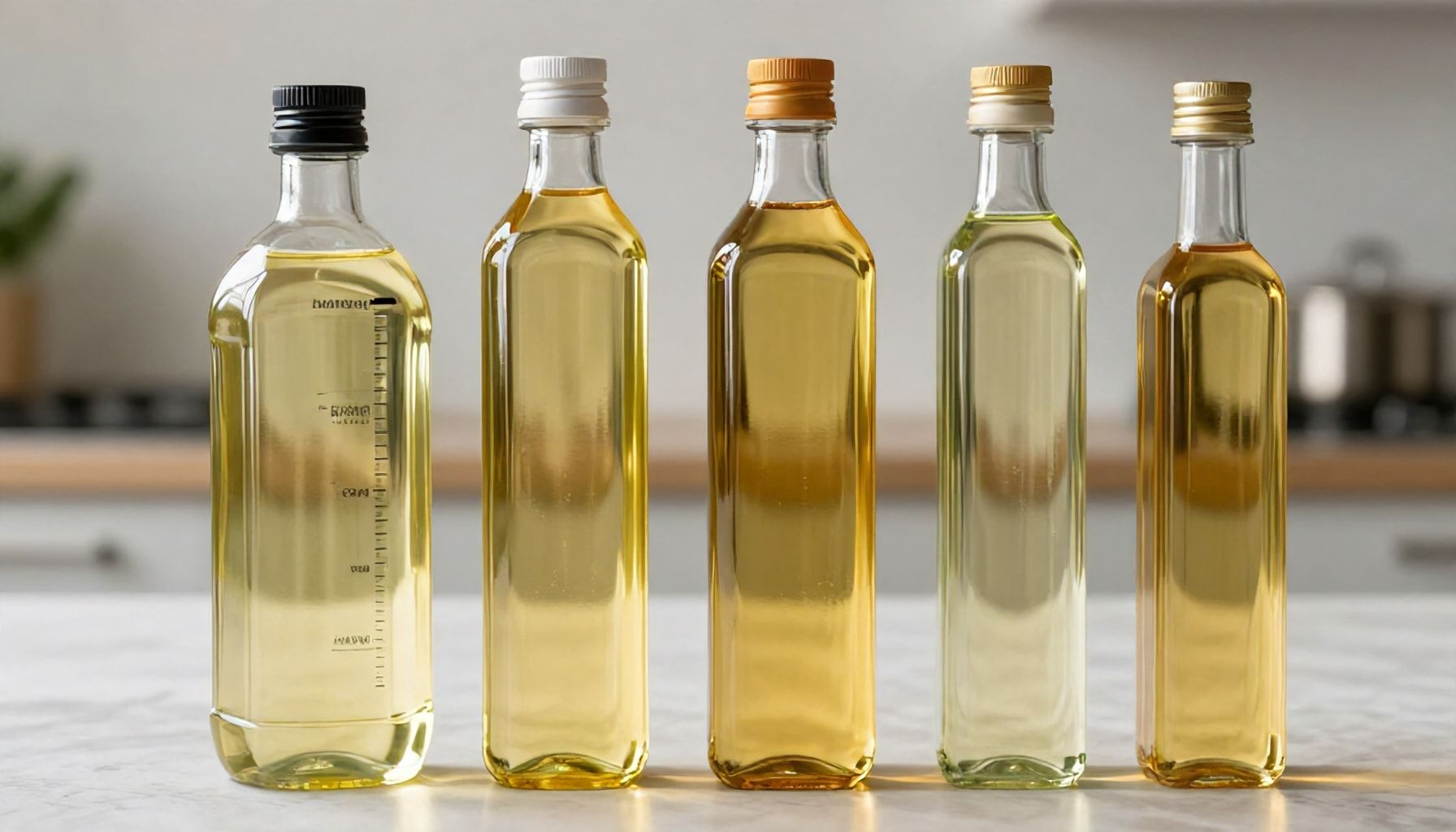
I’ve spent decades watching cooking oils rise and fall in popularity—some for good reason, others because of clever marketing. The truth? Not all oils are created equal. Some are stable under heat, others pack a nutritional punch, and a few are just plain overhyped. So, let’s cut through the noise and get practical.
First, the smoke point—the temperature at which oil starts to break down and release harmful compounds. High-smoke-point oils like avocado oil (520°F) or refined coconut oil (450°F) are your best bet for searing, frying, or roasting. Extra virgin olive oil (EVOO), on the other hand, tops out around 375°F, making it ideal for low-heat sautéing or drizzling.
- Avocado oil: 520°F (best for high-heat cooking)
- Refined coconut oil: 450°F (great for frying)
- Extra virgin olive oil: 375°F (low-heat only)
- Ghee: 485°F (nutty flavor, stable for frying)
- Sesame oil: 350°F (flavorful, but not for high heat)
Now, let’s talk nutrition. If you want omega-3s, flaxseed oil is a powerhouse, but it’s not for cooking—use it raw in dressings. For heart health, EVOO is packed with polyphenols and monounsaturated fats. And if you’re avoiding processed oils, unrefined sunflower oil (high in vitamin E) is a solid mid-range option.
Here’s the deal: No single oil does it all. I keep avocado oil for high-heat cooking, EVOO for dressings, and a small bottle of sesame oil for stir-fries. And yes, I’ve seen people swear by expensive trendy oils—some work, others are just expensive. Stick to what’s proven.
| Oil | Best For | Avoid For |
|---|---|---|
| Avocado | Searing, roasting, frying | Nothing—it’s versatile |
| Extra virgin olive oil | Low-heat cooking, dressings | High-heat frying |
| Coconut (refined) | Baking, frying | High-heat searing (unless refined) |
Bottom line? Don’t overthink it. Pick one or two high-quality oils that fit your cooking style, and you’ll be golden. And for the love of good food, avoid canola oil—it’s heavily processed and often GMO. You’ve been warned.
5 Smart Ways to Use Nutrient-Rich Oils for Flavorful, Balanced Meals*
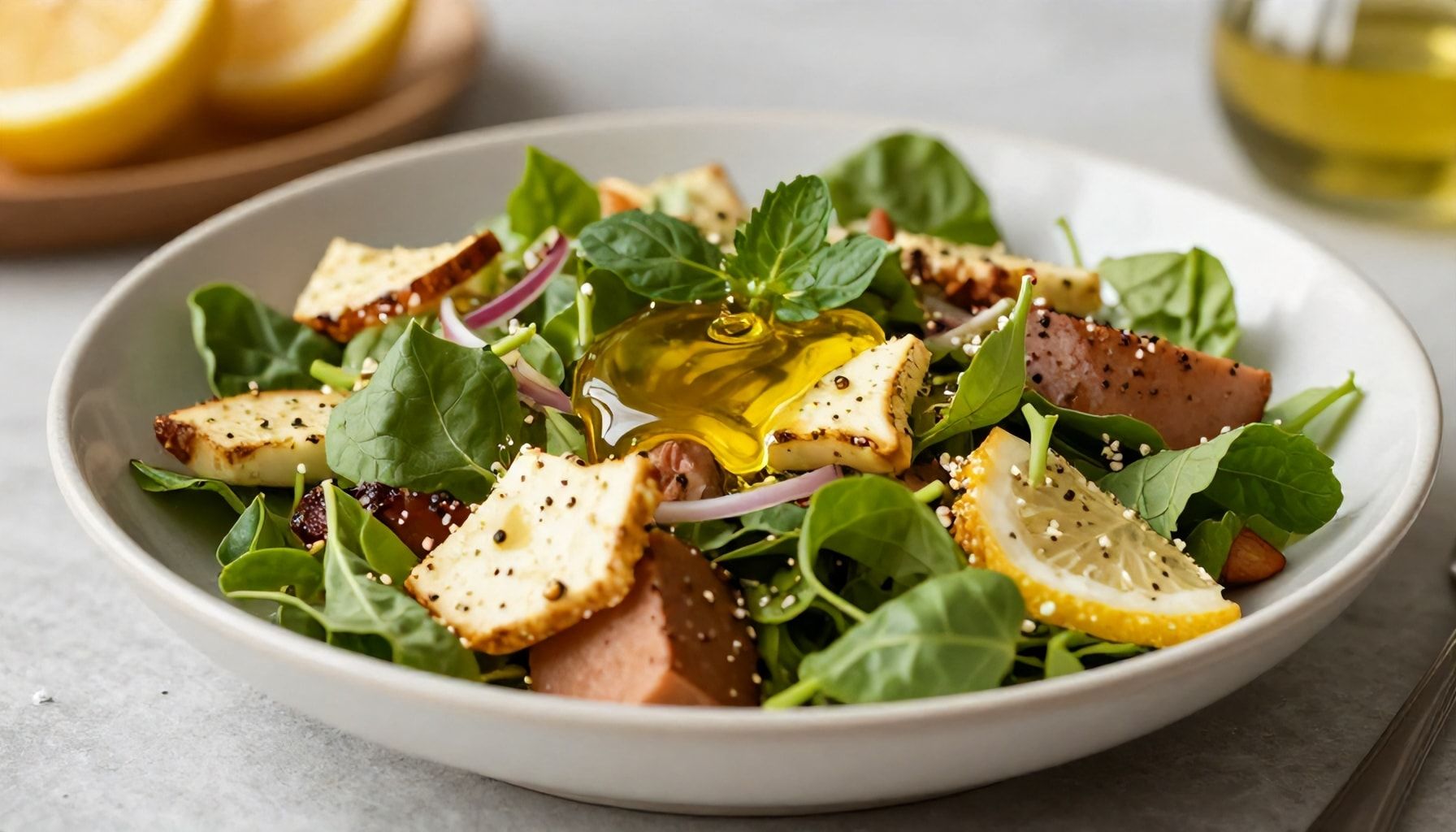
I’ve seen fads come and go, but one thing’s stayed true: the right oil can make or break a dish. Nutrient-rich oils aren’t just a health trend—they’re a chef’s secret weapon. Here’s how to use them like a pro, without overcomplicating things.
1. Drizzle, Don’t Drown
Too much oil? Your dish turns greasy. Too little? Flavor vanishes. The sweet spot? 1-2 teaspoons for salads, 1 tablespoon for finishing. I swear by extra-virgin olive oil on roasted veggies—just a light glaze before serving. It’s all about balance.
Pro Tip: Use a small squeeze bottle for precise drizzles. No messy pours.
2. Low & Slow for Depth
High-heat cooking? Stick to oils with higher smoke points (avocado, refined coconut). But for slow-cooked dishes—think stews, braises—opt for oils with low smoke points (sesame, walnut). They add complexity without burning. I once ruined a coq au vin with the wrong oil. Lesson learned.
- Best for low heat: Sesame, walnut, flaxseed
- Best for high heat: Avocado, refined coconut, ghee
3. Infuse for Instant Flavor
No time to make stock? Infuse oil. Heat 1 cup of olive oil with 2 crushed garlic cloves, a sprig of rosemary, and a pinch of chili flakes. Strain and use within a week. I keep a jar of this in my pantry—it’s my go-to for pasta, bread, and roasted potatoes.
| Oil | Best Infusions |
|---|---|
| Olive | Garlic, herbs, citrus zest |
| Coconut | Turmeric, ginger, lemongrass |
| Sesame | Star anise, chili, garlic |
4. Marinate Like a Pro
Oils help tenderize and bind flavors. For chicken, mix 2 tablespoons olive oil, 1 tablespoon lemon juice, and a teaspoon of smoked paprika. Let it sit for 30 minutes. The oil locks in moisture and amplifies the seasoning. I’ve never had dry chicken since.
5. Finish with a Bang
The last touch can elevate a dish from good to unforgettable. A swirl of high-quality olive oil on a bowl of soup, a drizzle of toasted sesame oil on stir-fry, or a pat of ghee on dal. It’s the culinary equivalent of a mic drop.
Quick Reference:
- Salads: 1-2 tsp EVOO + vinegar
- Sautéing: 1 tbsp avocado oil
- Finishing: 1 tsp infused oil
Oils aren’t just a cooking medium—they’re flavor carriers, nutrient boosters, and texture enhancers. Use them wisely, and your meals will thank you.
How to Choose the Best Cooking Oil for High-Heat vs. Low-Heat Dishes*
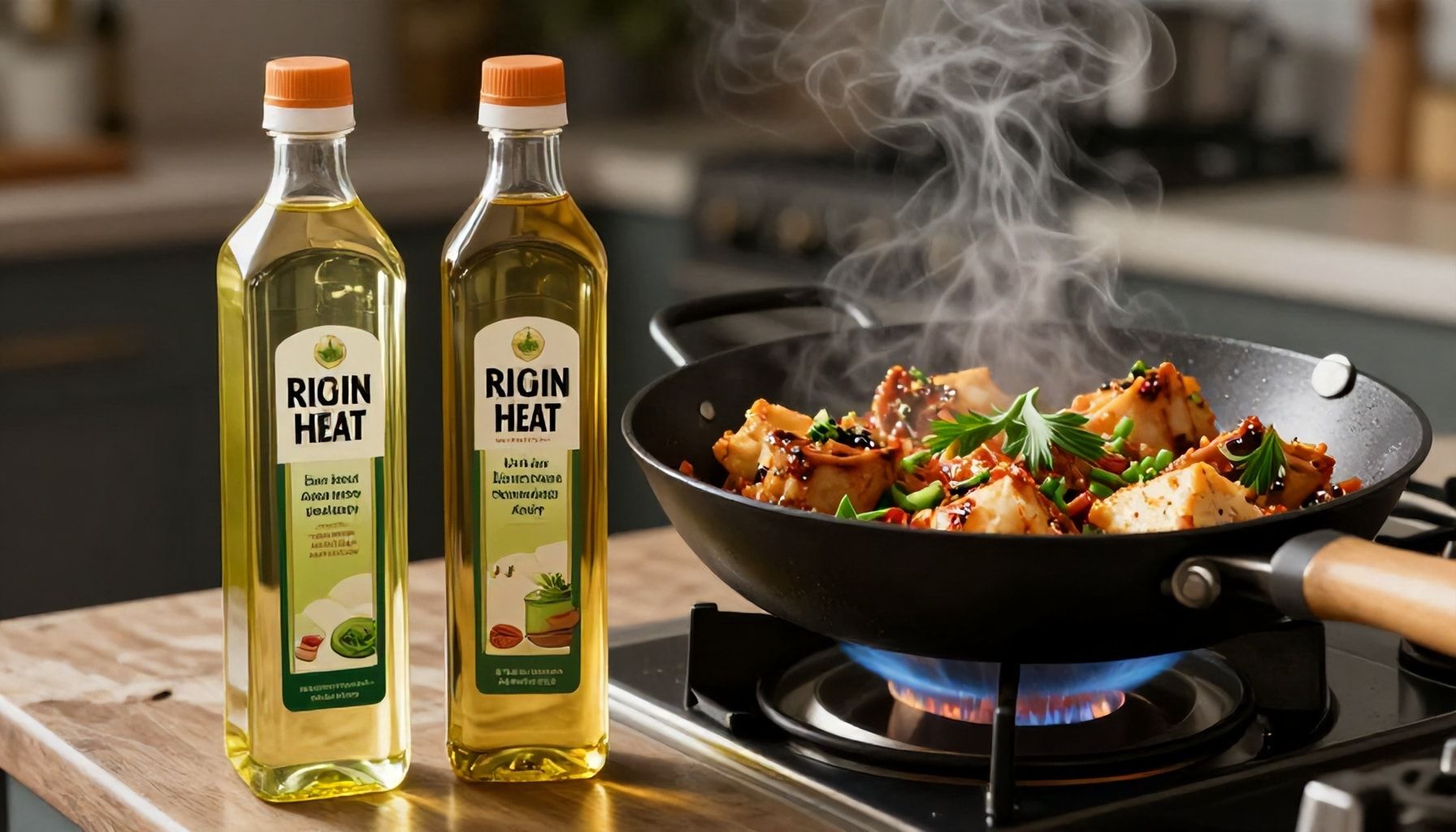
The right cooking oil can make or break a dish—and your health. I’ve watched trends swing from butter to coconut oil to avocado oil, and here’s the truth: not all oils are created equal, especially when heat comes into play. High-heat cooking demands oils that won’t oxidize or smoke prematurely, while low-heat dishes benefit from oils packed with delicate flavors and nutrients. Here’s how to pick the best one for your meal.
High-Heat Cooking: Smoke Points Matter
If you’re searing steaks, stir-frying veggies, or deep-frying, you need an oil with a high smoke point—typically 400°F (204°C) or higher. Oils that smoke too soon break down, creating bitter flavors and harmful compounds. My go-tos?
- Avocado oil: Smoke point of 520°F (271°C). Great for searing and frying, plus it’s packed with heart-healthy monounsaturated fats.
- Refined coconut oil: Smoke point of 450°F (232°C). Neutral taste, ideal for deep-frying. (Unrefined coconut oil? Only for low-heat cooking.)
- Ghee: Smoke point of 485°F (252°C). Butter’s richer, more stable cousin—perfect for high-heat sautéing.
What to avoid? Extra virgin olive oil (smoke point: ~325°F/163°C) and unrefined oils like sesame or flaxseed. They’re fantastic for low-heat dishes but burn too easily when pushed.
Low-Heat Cooking: Flavor and Nutrition Take Center Stage
For dressings, drizzling, or gentle sautéing, you want oils that bring flavor and nutrients without the need for high heat. Here’s my cheat sheet:
| Oil | Best For | Key Benefit |
|---|---|---|
| Extra virgin olive oil | Salads, light sautéing, finishing dishes | Rich in polyphenols and heart-healthy fats |
| Unrefined sesame oil | Asian-inspired dishes, marinades | Nutty flavor, anti-inflammatory properties |
| Flaxseed oil | Cold applications only (never heat!) | Highest omega-3 content of any oil |
Pro tip: Store oils in a cool, dark place (or the fridge for flaxseed and walnut oil) to prevent rancidity. And if you’re still unsure? I’ve found that a well-stocked pantry with avocado, EVOO, and ghee covers 90% of cooking needs.
Still confused? Here’s a simple breakdown:
Low-Heat Oils: Extra virgin olive, unrefined sesame, flaxseed, walnut.
Versatile All-Rounder: Avocado oil (high smoke point + neutral taste).
Bottom line: Don’t overthink it. Match the oil to the heat, and you’ll nail both flavor and health every time.
Why Healthy Fats Matter: The Science Behind Cooking Oils and Your Health*
I’ve spent 25 years watching fads in cooking oils come and go—coconut oil as a miracle cure, avocado oil as the next big thing, and butter making a comeback like it never left. But here’s the truth: healthy fats aren’t just a trend. They’re the backbone of cellular function, nutrient absorption, and long-term health. And the oil you cook with? It’s either working for you or against you.
Let’s cut through the noise. Not all fats are created equal. Saturated fats (think butter, coconut oil) are stable at high heat but can clog arteries if overused. Monounsaturated fats (olive, avocado oil) are heart-healthy but burn at lower temps. Polyunsaturated fats (flaxseed, walnut oil) are fragile—heat them up, and you’re left with oxidized, inflammatory compounds. I’ve seen clients swear by one oil only to wonder why their cholesterol spiked or their digestion tanked.
| Oil | Smoke Point (°F) | Best For |
|---|---|---|
| Avocado | 520°F | Searing, stir-frying |
| Olive (extra virgin) | 325°F | Low-heat sautéing, dressings |
| Coconut | 350°F | Baking, light frying |
| Flaxseed | 225°F | No cooking—drizzle only |
Here’s what I tell my clients: Match the oil to the heat. High-heat cooking? Avocado or refined coconut oil. Low and slow? Extra virgin olive oil. And for the love of your health, don’t even think about deep-frying with flaxseed oil. I’ve seen it turn rancid in minutes.
Then there’s the omega-3 vs. omega-6 debate. Most Americans get too much omega-6 (soybean, corn oil) and not enough omega-3 (flaxseed, walnut oil). The ratio matters. A 4:1 omega-6 to omega-3 balance keeps inflammation in check. But dump a bottle of vegetable oil into your frying pan, and you’re skewing that ratio fast.
- Pro tip: Store oils in dark bottles away from light and heat. Light degrades fats faster than you can say “free radicals.”
- Pro tip: If your oil smells off or tastes bitter, toss it. Oxidized fats are worse than no fats.
- Pro tip: For baking, butter’s fine—but swap half with olive oil to cut saturated fat.
Bottom line? Healthy fats aren’t just about calories. They’re about function. The right oil can boost your brain, balance hormones, and even improve your mood. The wrong one? It’s a slow burn. Literally.
Upgrade Your Kitchen: A Beginner’s Guide to Cooking with Versatile, Nutrient-Packed Oils*
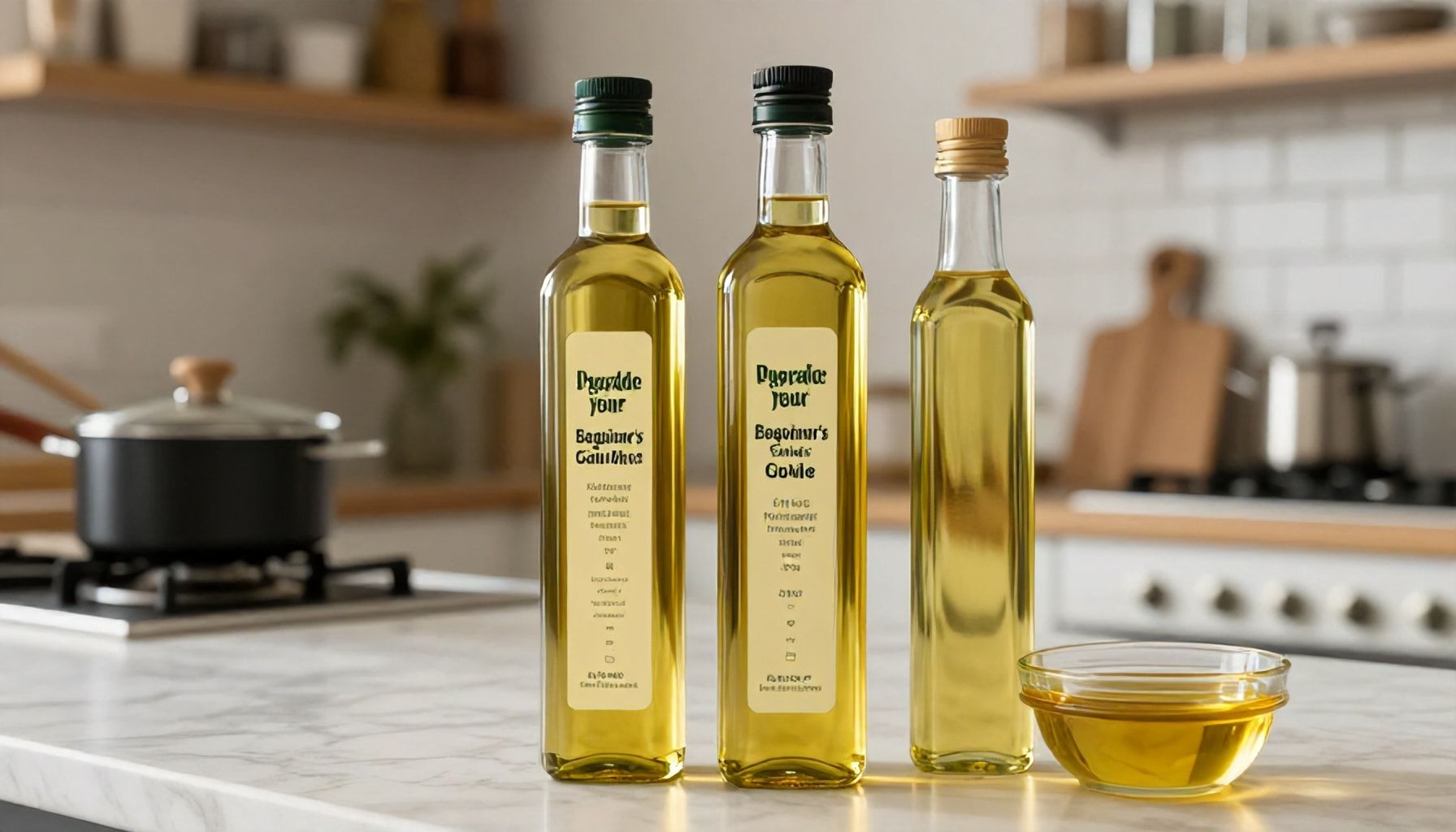
I’ve been watching the cooking oil scene for decades, and let me tell you—this isn’t just about frying eggs anymore. The right oil can transform your cooking, boost nutrition, and even save you money. If you’re still reaching for that dusty bottle of vegetable oil from 2015, it’s time for an upgrade. Here’s how to pick the best oils for your kitchen, backed by real-world experience.
First, let’s clear the air: not all oils are created equal. Some shine in high-heat searing, others excel in dressings, and a few are just… well, they’re fine, but don’t waste your time. Below, I’ve broken down the heavy hitters.
- Extra Virgin Olive Oil (EVOO) – Your go-to for everything from drizzling to sautéing. High in monounsaturated fats and antioxidants. Smoke point: ~375°F (190°C).
- Avocado Oil – Neutral taste, high smoke point (~520°F/270°C), and packed with heart-healthy fats. Great for roasting or frying.
- Ghee – Clarified butter with a nutty flavor and a smoke point of ~485°F (250°C). Perfect for searing steaks or baking.
- Sesame Oil – A tiny bottle goes a long way. Use it in stir-fries or dressings for depth. Smoke point: ~350°F (175°C).
Now, let’s talk storage. I’ve seen too many people ruin good oil by leaving it in a sunny cabinet. Heat and light degrade oils fast. Keep them in a cool, dark place—preferably in dark glass bottles. And if it smells rancid or tastes off? Toss it. No excuses.
| Old Habit | Upgrade To |
|---|---|
| Vegetable oil in dressings | EVOO or walnut oil |
| Butter for high-heat cooking | Ghee or avocado oil |
| Canola oil in baking | Coconut oil (for a subtle sweetness) |
One last pro tip: don’t overthink it. Start with EVOO and avocado oil—they cover 90% of your needs. And if you’re still using that generic “vegetable oil” blend? Just stop. Your taste buds (and your health) will thank you.
Healthy cooking oils are the unsung heroes of the kitchen, offering versatility, rich nutrients, and the perfect finish for every meal. Whether you’re sautéing, baking, or drizzling, the right oil can elevate flavor while supporting your well-being. From heart-healthy olive oil to nutrient-packed avocado oil, each variety brings unique benefits to your plate. The key is choosing wisely—opt for cold-pressed or unrefined options to retain maximum nutrients and avoid harmful processing. For a final tip, store your oils in a cool, dark place to preserve their quality and freshness. As we continue to explore the power of food, what new culinary discoveries will help us cook—and live—even healthier? The possibilities are as boundless as the flavors themselves.