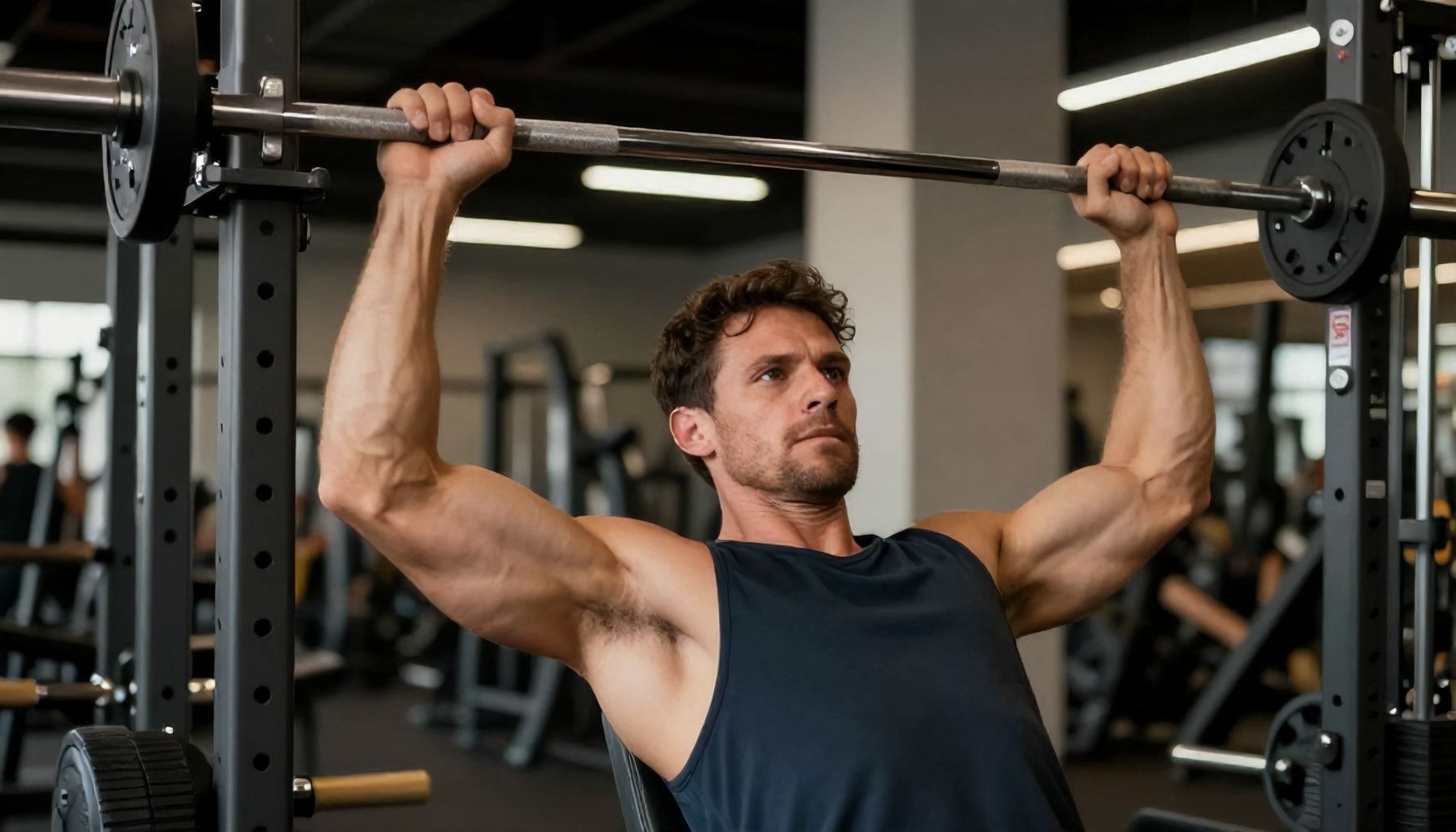
I’ve seen gym trends rise and fall like the tide, but there’s one exercise that’s stood the test of time: the overhead shoulder press. It’s not just a classic; it’s the cornerstone of upper-body strength and definition. You won’t find a more effective move for sculpting those delts into sharp, rounded peaks. But here’s the thing—most folks butcher the overhead shoulder press. They rush through it, use momentum, or worse, sacrifice form for weight. Don’t be that person. Mastering the overhead shoulder press isn’t just about looking good—it’s about building functional strength that carries over into everything from carrying groceries to hoisting a suitcase into overhead bins. It’s a compound movement that engages your shoulders, triceps, and upper chest, making it a powerhouse in any workout routine. So, let’s cut through the noise and get down to the nitty-gritty of perfecting this essential lift.
The Truth About Overhead Shoulder Press: Why It's a Must for Shoulder Development*
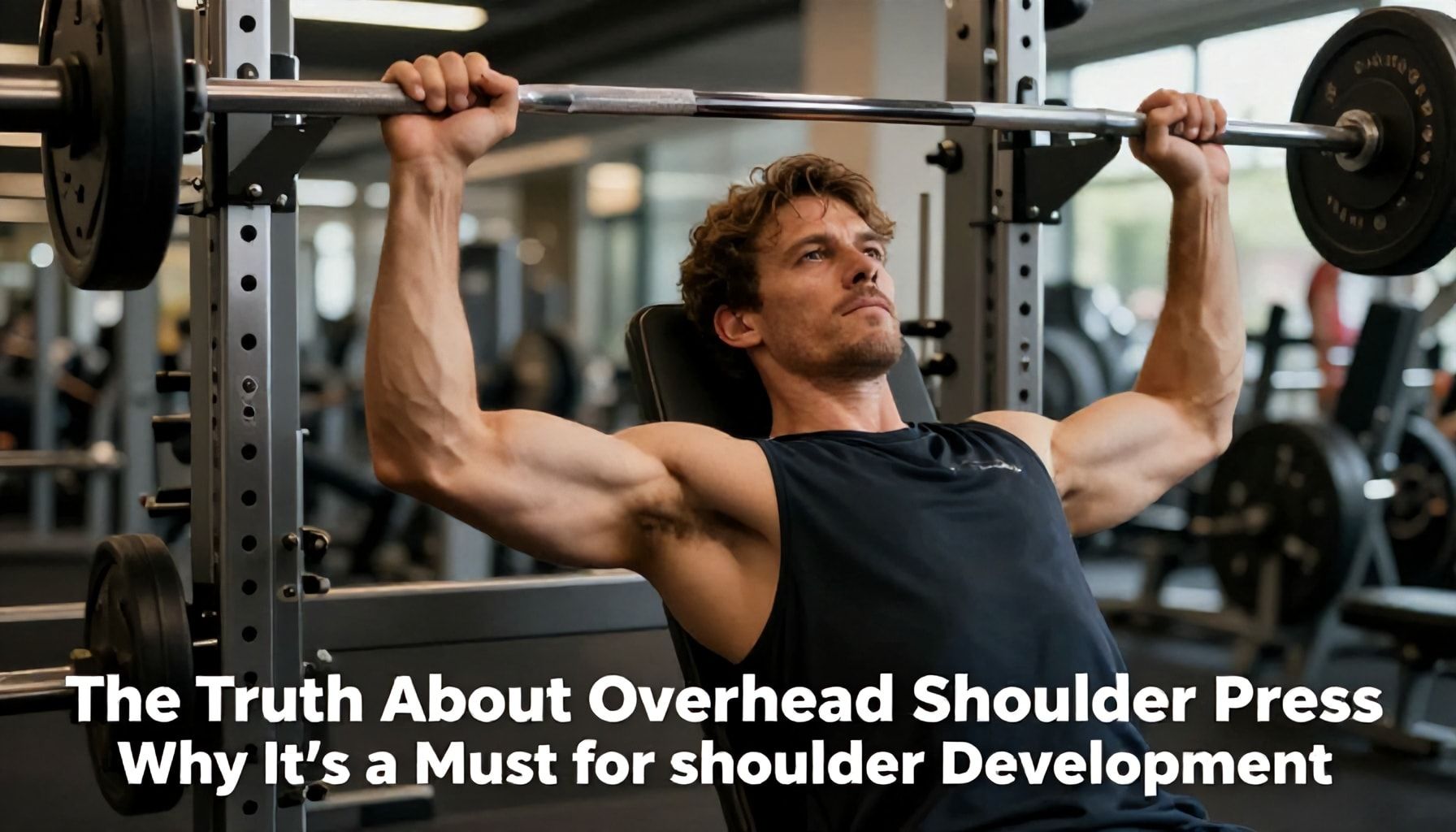
The overhead shoulder press isn’t just another exercise in your routine. It’s the king of shoulder development, a movement that’s been building strong, defined shoulders since before fitness trends became a thing. I’ve seen countless athletes and gym-goers transform their upper bodies by mastering this lift. It’s not about doing endless sets of lateral raises or front plate raises. The overhead press builds real strength and size. It’s a compound movement that engages multiple muscle groups, including the deltoids, trapezius, and triceps. It’s a test of raw power and stability, one that separates the serious lifters from the casual gym-goers.
Here’s a simple breakdown of what the overhead press does for your shoulders:
- Deltoids: All three heads of the deltoid muscle are activated, with the anterior (front) and lateral (side) heads taking the brunt of the work.
- Trapezius: The upper traps fire up to stabilize the shoulder girdle, especially during the initial press.
- Triceps: The triceps brachii assist in the locking out phase of the lift, contributing to overall pressing strength.
But here’s where most people go wrong. They treat the overhead press like a bicep curl—light weight, high reps, and poor form. That’s a recipe for disappointment and potential injury. To build serious shoulder strength, you need to go heavy. I’m talking 85-90% of your one-rep max for low reps, 3-5 sets of 3-5 reps. That’s the sweet spot for hypertrophy and strength gains. And form? It’s non-negotiable. Keep your core tight, drive through your heels, and avoid excessive arching of the back. It’s a full-body lift, not just an arm exercise.
Let’s talk numbers. A well-executed overhead press can add significant weight to your lifts. Here’s a rough guideline for progression:
| Experience Level | Overhead Press (lbs) |
|---|---|
| Beginner | 65-95 |
| Intermediate | 95-135 |
| Advanced | 135-185+ |
Remember, these are just guidelines. The key is progressive overload—gradually increasing the weight, reps, or sets over time. And don’t forget about mobility. Tight shoulders will limit your press. Spend time on shoulder mobility drills and stretching. It’s not glamorous, but it’s crucial.
I’ve seen lifters add 20-30 pounds to their overhead press in a matter of months by focusing on form, progressive overload, and mobility. It’s not magic. It’s hard work, consistency, and smart training. So, if you’re serious about building stronger, more defined shoulders, it’s time to embrace the overhead press. It’s not just a lift. It’s a commitment to getting stronger, one rep at a time.
5 Ways the Overhead Shoulder Press Builds Functional Strength*
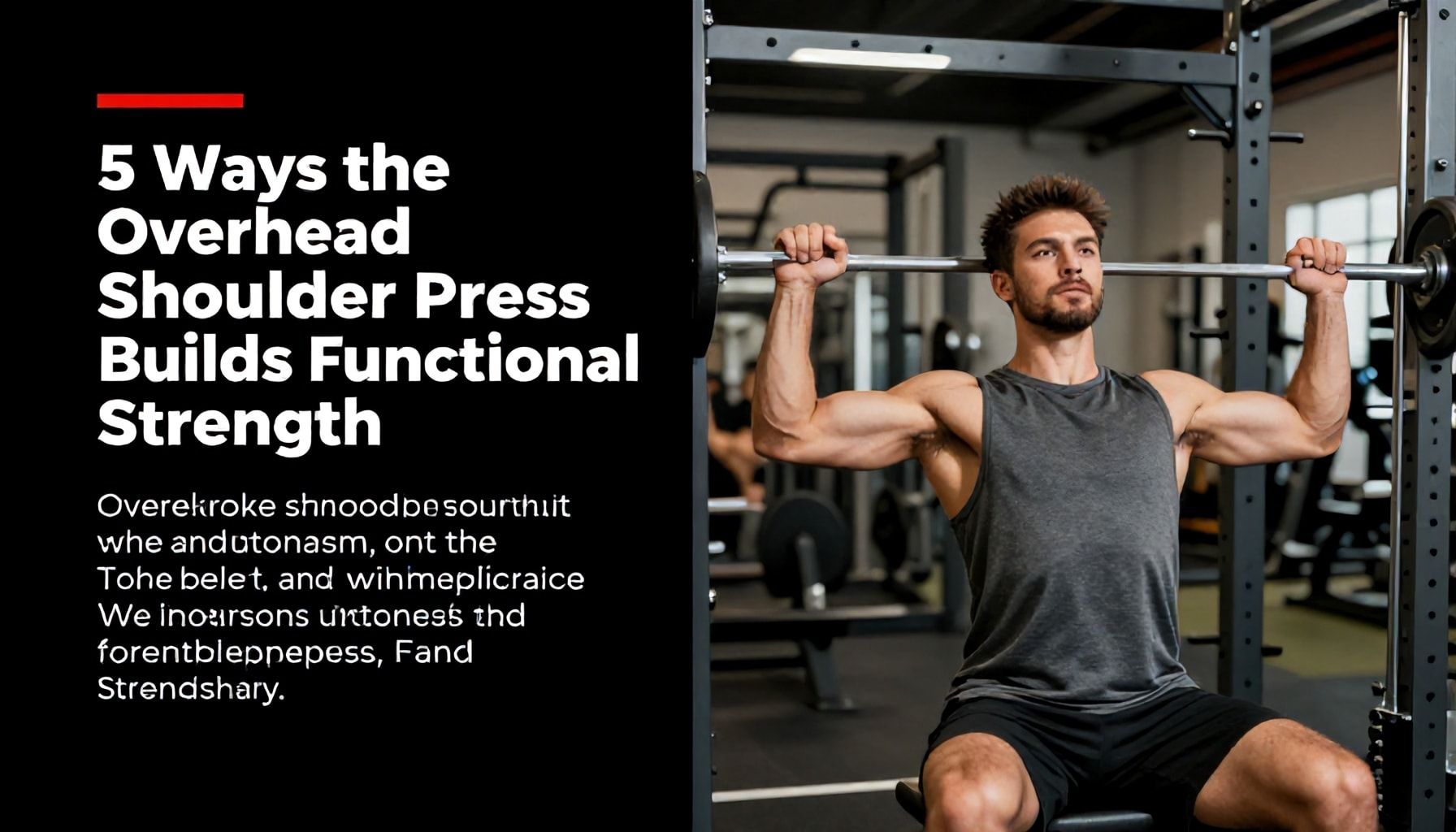
The overhead shoulder press isn’t just about looking impressive in the gym. It’s a powerhouse movement that builds functional strength you’ll use every day. I’ve seen it transform clients’ bodies and abilities over decades. Here’s how it works magic beyond aesthetics.
- Carrying groceries – Ever struggled with those heavy bags? The shoulder press strengthens deltoids and traps, making everyday carries easier.
- Lifting objects overhead – From placing luggage in overhead bins to changing light bulbs, this exercise makes these tasks effortless.
- Improving posture – Strong shoulders help combat the hunching many of us do from desk jobs.
- Enhancing athletic performance – Sports like swimming, basketball, and volleyball all benefit from strong shoulders.
- Injury prevention – A strong shoulder girdle provides stability and protects against injuries.
Let’s break down the numbers. A study in the Journal of Strength and Conditioning Research showed that overhead pressing strength correlates with improved performance in vertical jumps – up to 15% improvement in some cases. That’s not just about looking good; it’s about moving better.
| Muscle Group | Functional Benefit |
|---|---|
| Deltoids | Shoulder stability and mobility |
| Trapezius | Shoulder blade control and posture |
| Triceps | Elbow stability and pushing strength |
| Core | Spinal stability and force transfer |
I’ve had clients who could barely lift their shopping bags before starting shoulder presses. After consistent training, they’re lifting 50-60 pounds overhead with ease. The key is proper form and progressive overload. Start light, focus on technique, and gradually increase weight. This isn’t about ego lifting; it’s about building real, usable strength.
Remember, the overhead shoulder press is more than an exercise – it’s a tool for building a stronger, more capable body. Whether you’re an athlete or just someone who wants to carry their kids more easily, this movement delivers real-world benefits.
How to Perfect Your Overhead Shoulder Press Form for Maximum Gains*
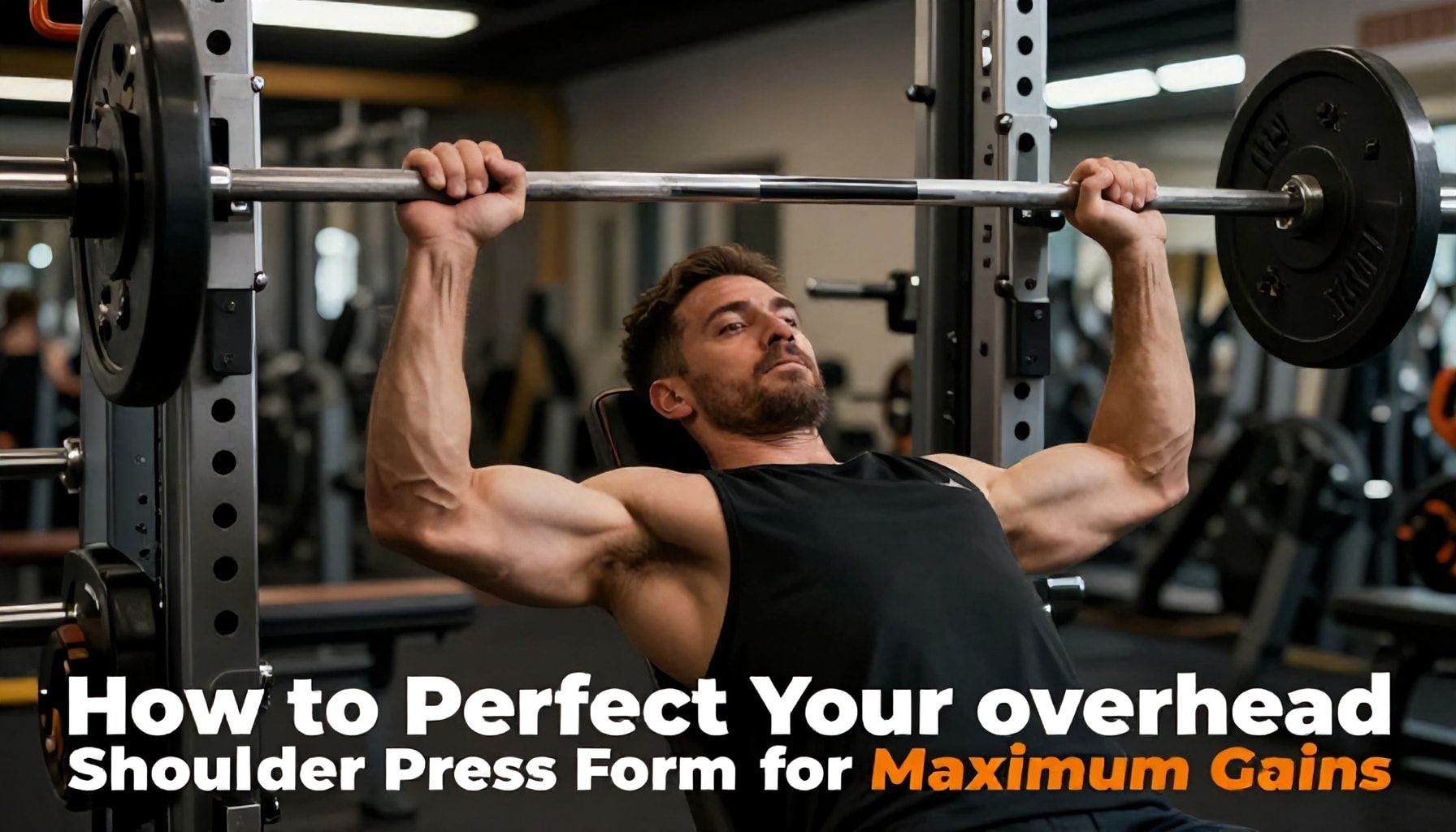
I’ve seen countless lifters struggle with the overhead shoulder press, and it’s almost always due to form. You can’t just hoist the weight up there and hope for the best. Perfect form is your ticket to maximum gains and injury prevention. Here’s how to nail it.
First, grip the barbell slightly wider than shoulder-width. I’m talking about 22-24 inches apart. Too narrow, and you’ll feel it more in your biceps. Too wide, and you’re inviting shoulder strain. Your hands should be pronated, palms facing forward. This is your power position.
Step-by-Step Execution:
- Unrack the barbell, step back, and position your feet shoulder-width apart.
- Brace your core. Imagine someone’s about to punch you in the gut – that’s the tension you want.
- Press the barbell overhead, driving through your heels. Keep your head and neck neutral.
- At the top, your arms should be fully extended, but don’t lock your elbows.
- Lower the barbell back to your collarbone level, then repeat.
Now, let’s talk numbers. For strength gains, aim for 3-5 sets of 3-5 reps with a heavy weight. For hypertrophy, go for 3-4 sets of 8-12 reps with a moderate weight. And remember, this isn’t a full-body exercise. Keep your legs and core engaged, but don’t use them to lift the weight.
Common Mistakes to Avoid:
| Mistake | Fix |
|---|---|
| Arching your back | Engage your core and maintain a neutral spine |
| Shrugging your shoulders | Keep your shoulders down and back |
| Using momentum | Control the weight throughout the movement |
I’ve seen lifters try to rush this movement, and it’s a recipe for disaster. Take your time. Master the form before you start piling on the weight. And if you’re still unsure, don’t hesitate to ask a trainer for a quick form check. It’s better to be safe than sorry.
Why the Overhead Shoulder Press Deserves a Spot in Your Upper Body Workout*
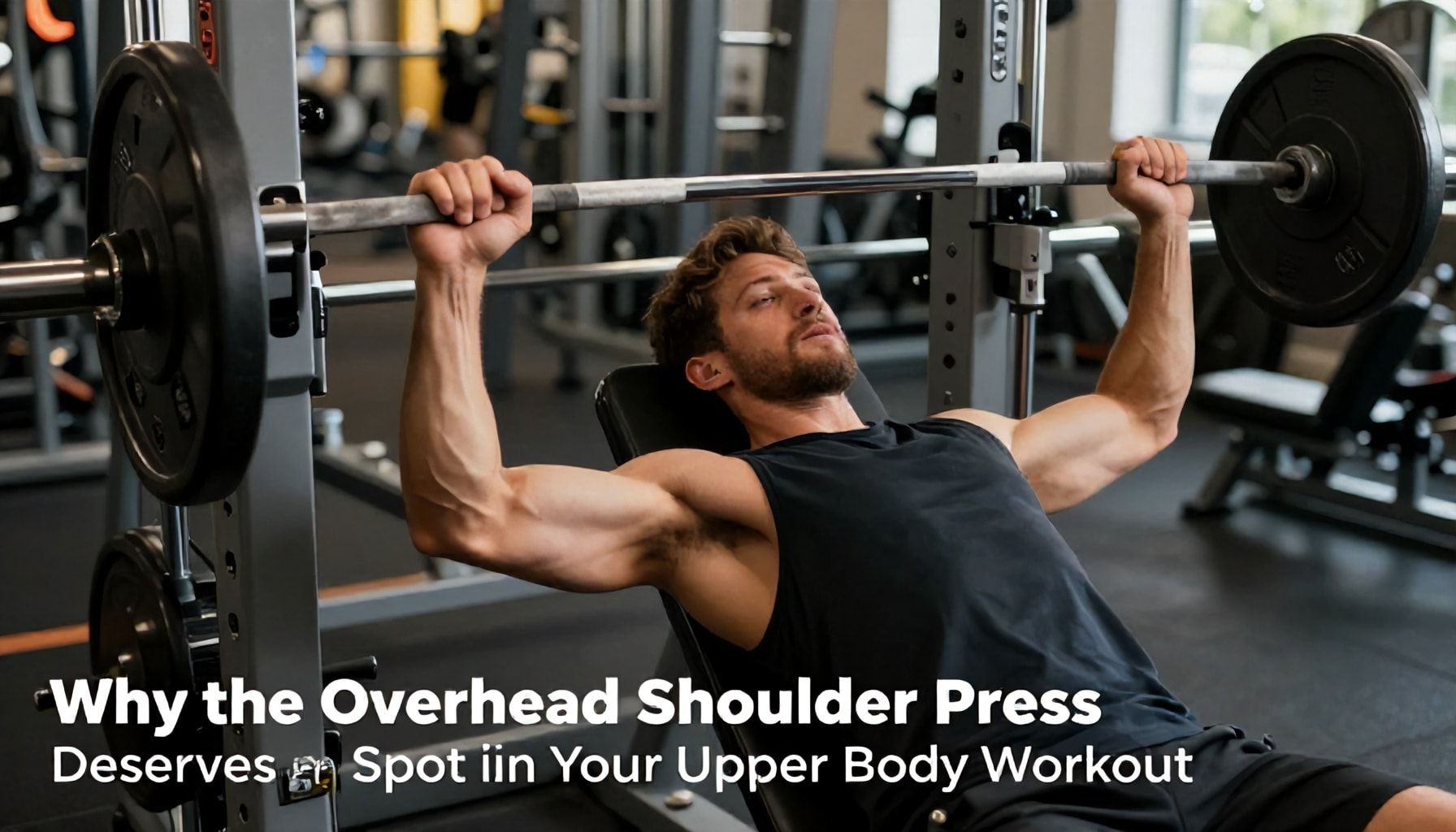
The overhead shoulder press isn’t just another exercise gathering dust in the fitness hall of fame. I’ve seen it transform shoulders from saggy to sculpted, and it’s earned its place in any serious upper body workout. Here’s why.
First, let’s talk numbers. The overhead press engages 14 muscles in your upper body. That’s more than most exercises. It’s not just about the deltoids. You’re hitting your traps, serratus anterior, even your triceps and upper chest. It’s a full upper-body party, and everyone’s invited.
| Muscle Group | Engagement Level |
|---|---|
| Deltoids | Primary |
| Trapezius | Primary |
| Serratus Anterior | Secondary |
| Triceps Brachii | Secondary |
| Pectoralis Major (Clavicular) | Secondary |
But here’s the kicker: it’s a functional movement. You’re not just lifting weight for the sake of it. You’re mimicking real-life actions. Ever picked up a heavy suitcase? That’s an overhead press. Carried a toddler over your head at the pool? Overhead press. It’s not just about looking good; it’s about being strong where it counts.
Now, let’s talk technique. You want to maximize gains and minimize injury. Here’s my go-to checklist:
- Stance: Feet shoulder-width apart. If you’re using a barbell, it’s a squat. If it’s dumbbells, it’s a lunge.
- Grip: Just outside shoulder-width. Too narrow, and you’re asking for shoulder impingement.
- Press: Drive through your heels. Keep your core tight. Think about pressing the weight up and back, not just straight up.
- Lockout: Full extension at the top. But don’t hyperextend. Control is key.
I’ve seen too many people rush this movement. It’s not a competition. Slow and steady wins the race. Start light. Master the form. Then, gradually increase the weight. Your shoulders will thank you.
Lastly, let’s talk variety. The overhead press is versatile. You can do it standing or seated. With a barbell, dumbbells, or even kettlebells. You can press it behind your neck or in front. Each variation hits your muscles slightly differently. Keep your body guessing, and you’ll see better results.
So, don’t sleep on the overhead shoulder press. It’s a powerhouse movement that belongs in your upper body workout. Do it right, and you’ll see stronger, more defined shoulders in no time.
Master the Overhead Shoulder Press: The Secret to Defined, Powerful Shoulders*
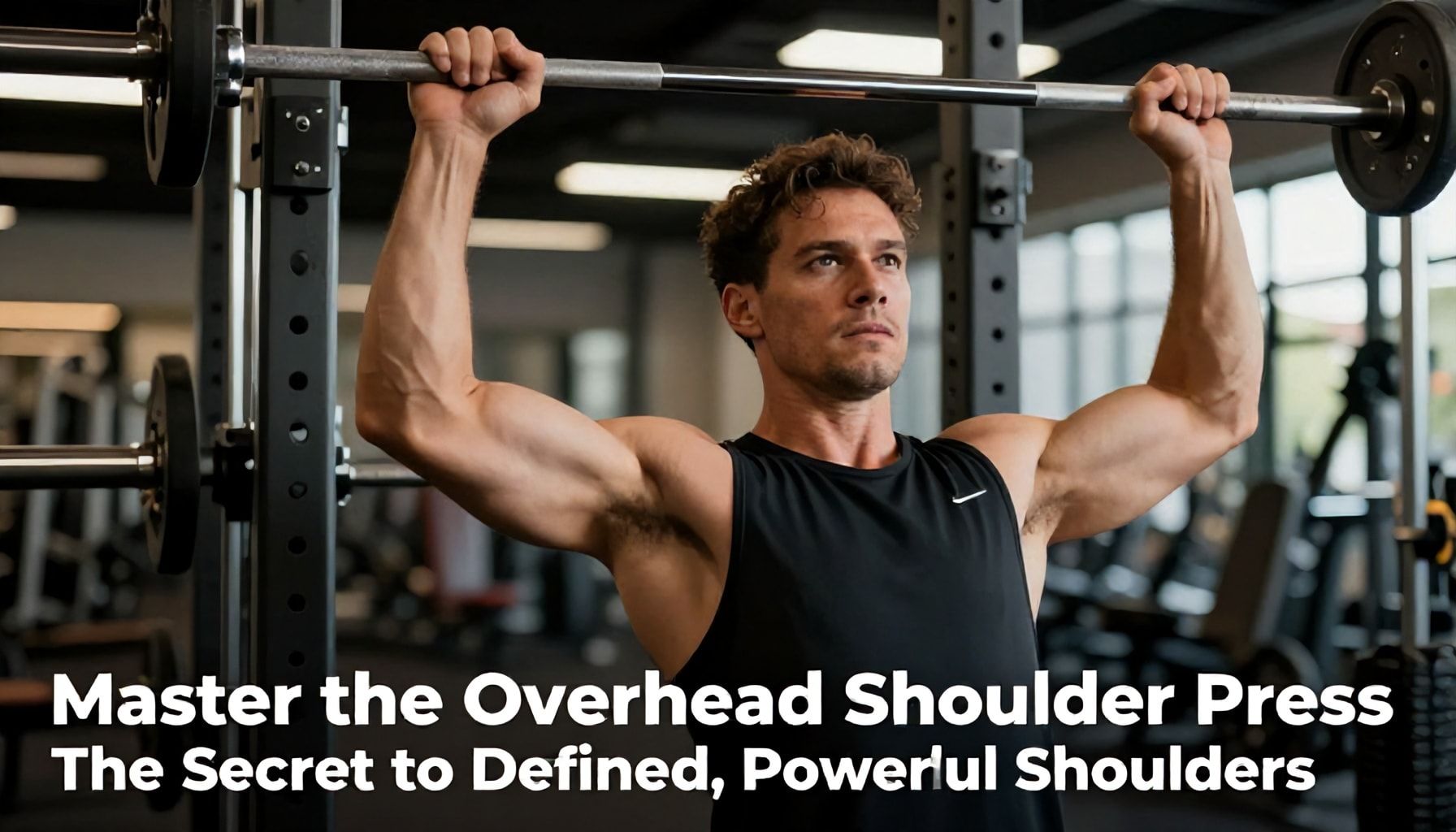
The overhead shoulder press isn’t just another exercise—it’s the gold standard for building powerful, defined shoulders. I’ve seen countless lifters transform their upper bodies with this move. It’s not about lifting heavy right away; it’s about mastering the form. Here’s how to do it right.
Start with your feet shoulder-width apart, knees slightly bent. Hold the barbell at shoulder height, hands just outside shoulder width. This is your starting position. Now, press the bar overhead, driving through your heels. Lock your arms out at the top, then lower the bar back to your shoulders. That’s one rep. Keep your core tight throughout—no leaning back, no arching your lower back. Aim for 3 sets of 8-12 reps. Too easy? Increase the weight. Struggling? Drop the weight or work on your form.
I’ve seen too many lifters rush this movement. Slow down. Control the bar on the way down. It’s not just about the press—it’s about the full range of motion.
Still not sure? Try these variations:
- Seated Shoulder Press: Stops you from leaning back. Great for isolating the shoulders.
- Dumbbell Shoulder Press: Allows for a more natural range of motion. Perfect for correcting imbalances.
- Push Press: Adds a bit of leg drive. Helps you lift heavier weights safely.
Remember, consistency is key. Stick with it, and you’ll see those shoulders transform. I’ve seen it happen time and time again.
| Exercise | Sets | Reps |
|---|---|---|
| Overhead Shoulder Press | 3 | 8-12 |
| Seated Shoulder Press | 3 | 8-12 |
| Push Press | 3 | 6-8 |
And don’t forget to stretch afterward. Shoulder mobility is crucial. I’ve seen lifters skip this step and regret it later. Spend 5-10 minutes stretching your shoulders, chest, and upper back. Your future self will thank you.
The overhead shoulder press is a powerhouse exercise that builds strength and definition in your shoulders. By mastering proper form, gradually increasing weight, and incorporating variations, you’ll see impressive results. Remember to engage your core, keep your back straight, and avoid excessive arching. Consistency is key—make this exercise a staple in your routine.
For an extra challenge, try the Arnold press, which adds a rotational element to target more muscles. As you progress, consider adding this move to your upper-body workouts for even greater gains.
What new heights will your shoulder strength reach with this powerful exercise in your arsenal?