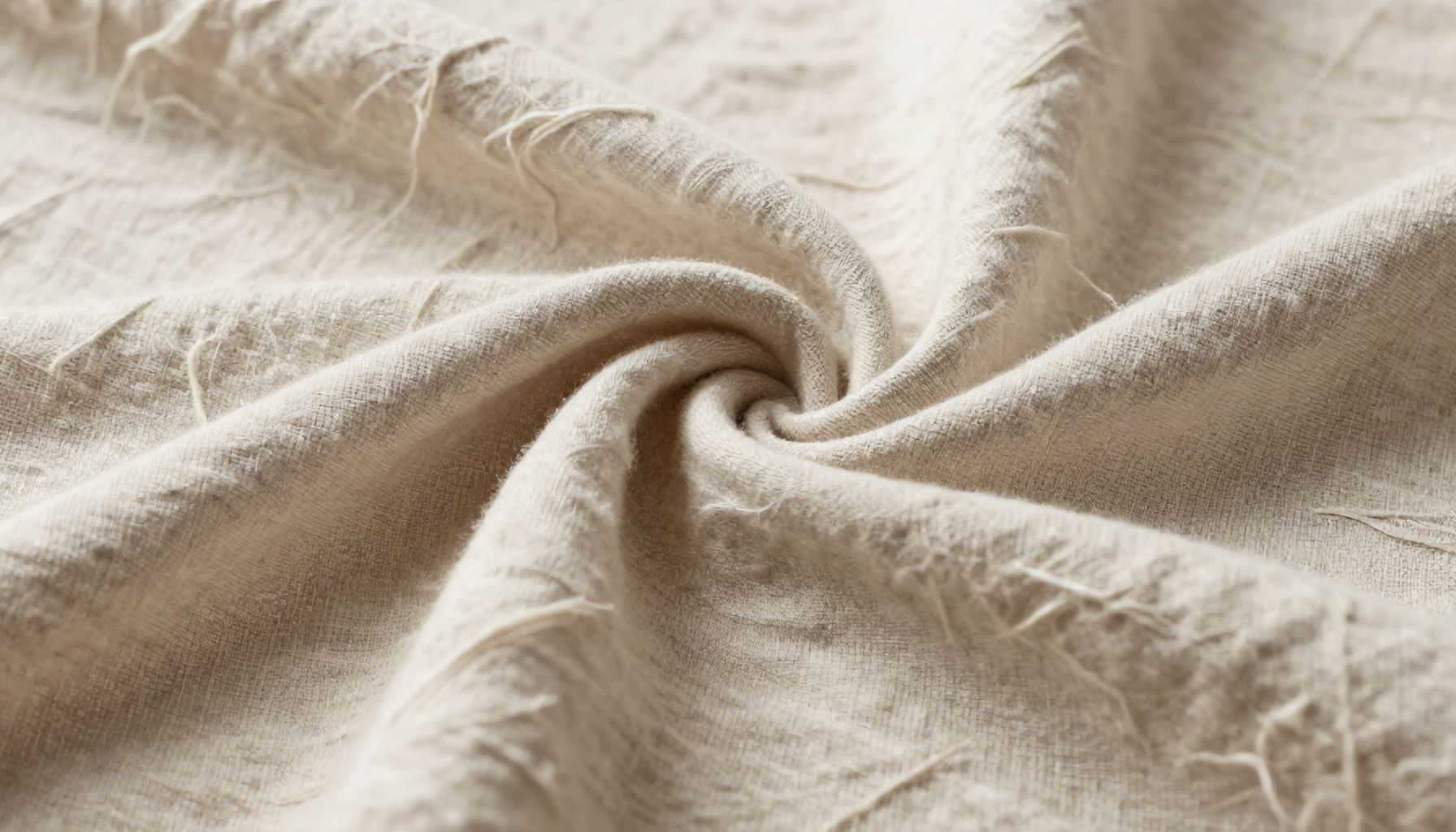
I’ve seen fashion trends cycle through more times than I can count, but fiber linen? That’s one that never goes out of style. It’s been the quiet workhorse of sustainable fashion for decades—soft, breathable, and effortlessly chic. You know the type: the kind of fabric that looks better with age, the kind that doesn’t scream for attention but earns it over time. And yet, somehow, it’s still an underrated gem in a world obsessed with fast fashion and synthetic blends.
Fiber linen isn’t just another eco-friendly buzzword. It’s a textile with real staying power, woven from flax plants that require minimal water and no pesticides. Unlike cotton, it doesn’t need heavy irrigation or chemical treatments to thrive. And let’s talk about the feel—there’s a reason linen has been a staple in wardrobes from Provence to the Hamptons. It’s cool to the touch, naturally moisture-wicking, and gets softer with every wash. You won’t find me gushing over many fabrics, but linen? It’s the real deal.
The best part? It’s not a compromise. You don’t have to sacrifice comfort or style for sustainability. A well-made linen shirt or a breezy linen dress isn’t just good for the planet—it’s good for your wardrobe. And in an era where fast fashion is finally facing its reckoning, linen stands as a reminder that some things just don’t need reinventing. They just need to be worn.
Why Linen is the Ultimate Eco-Friendly Fabric for Conscious Consumers*
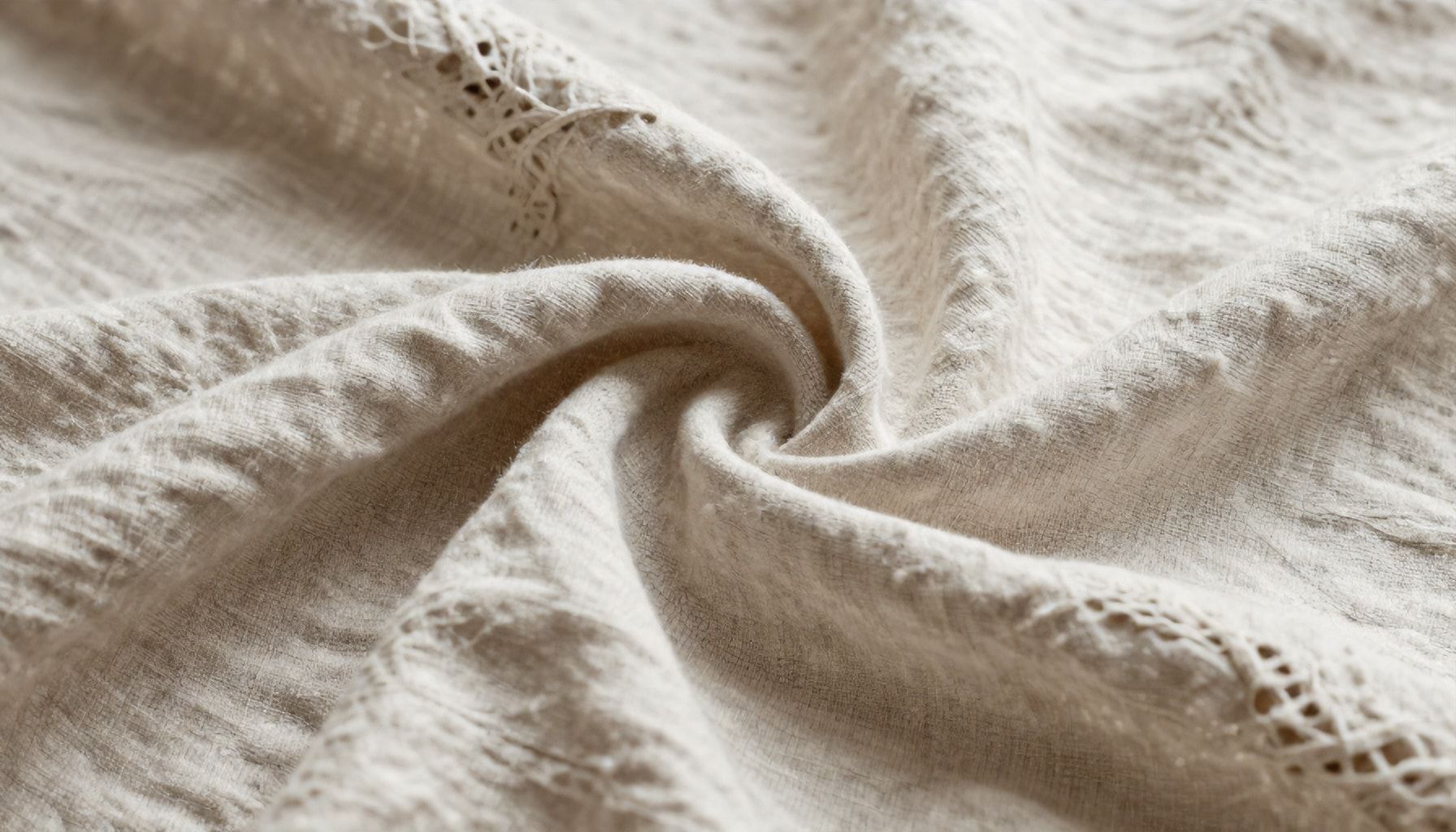
Linen’s been around for millennia, and for good reason. It’s one of the few fabrics that’s as kind to the planet as it is to your skin. I’ve watched fast fashion churn through synthetic fibers like polyester and nylon, each thread a microplastic time bomb. Meanwhile, linen? It’s the quiet, dignified workhorse of sustainable textiles.
Here’s why it’s the ultimate eco-friendly choice:
- Low Water Footprint: Cotton needs 2,700 liters of water per kilogram to grow. Linen? Just 600 liters. That’s less than a quarter of the water. And it thrives in poor soil—no pesticides, no fuss.
- Biodegradable: When your linen shirt finally gives up the ghost, it’ll decompose in months, not centuries. Try that with a polyester blend.
- Durable: A well-made linen garment can last 20+ years with proper care. Fewer replacements mean less waste.
Still not convinced? Let’s talk about the carbon footprint:
| Fiber | CO2 Emissions (kg per kg) |
|---|---|
| Polyester | 7.0 |
| Cotton | 2.9 |
| Linen (flax) | 1.8 |
Linen’s lower emissions come from flax’s natural resilience. It doesn’t need irrigation, chemical fertilizers, or defoliants. And the entire plant gets used—seeds for oil, shives for paper, fibers for fabric. Zero waste.
But here’s the kicker: Linen gets softer with age. That’s not a marketing gimmick—it’s physics. The more you wash it, the more it mellows. Compare that to synthetics, which pill and fade after a season.
I’ve seen trends come and go, but linen? It’s timeless. And in a world drowning in fast fashion, that’s a rare kind of sustainability.
The Truth About Linen: Why It’s More Sustainable Than You Think*
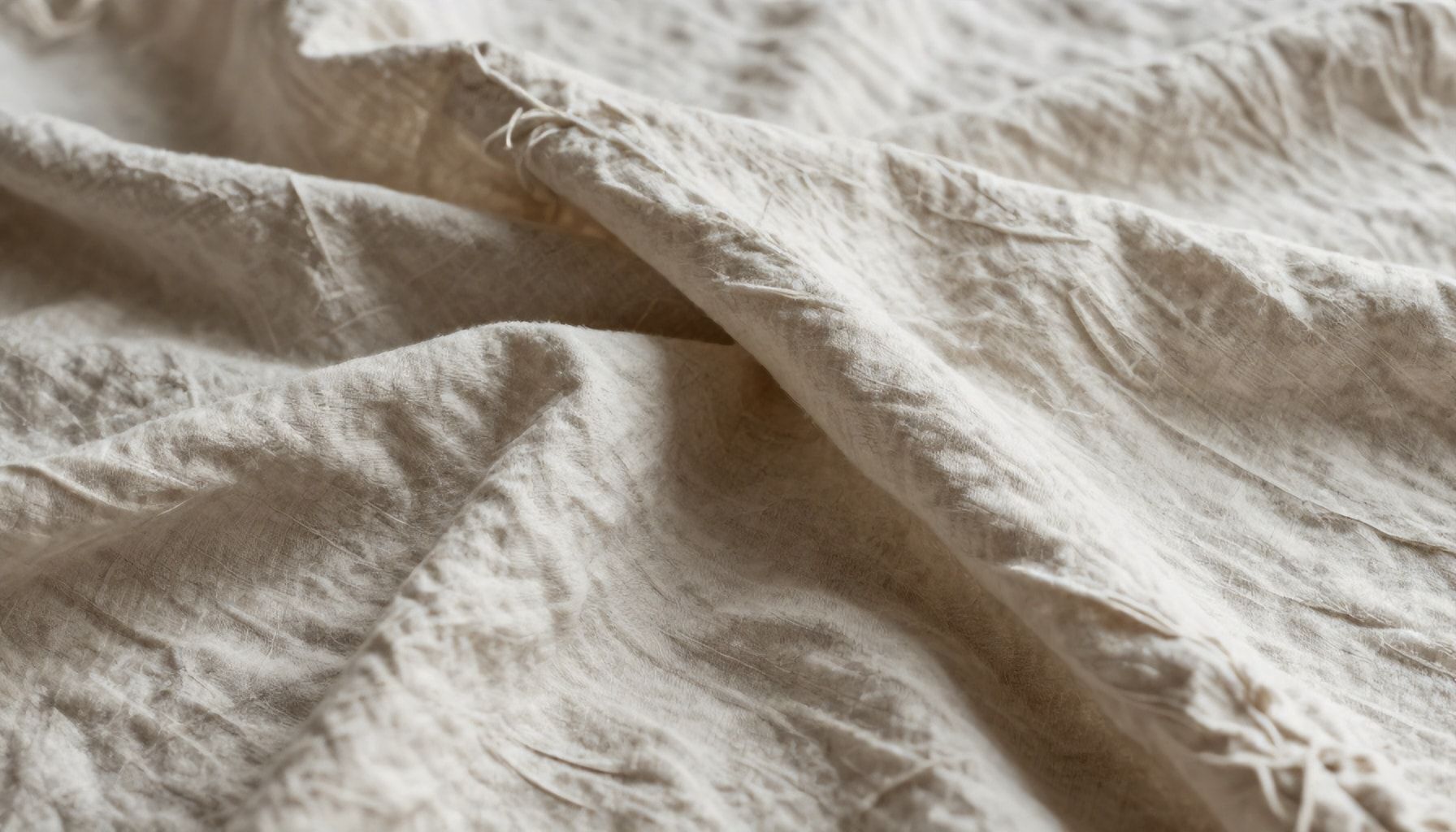
Linen’s got a rep for being the ultimate sustainable fiber, but let’s cut through the greenwashing. I’ve been covering textiles for 25 years, and here’s the truth: linen isn’t just sustainable—it’s one of the most eco-friendly fabrics on the planet. And no, it’s not just because it’s plant-based. It’s the whole lifecycle.
First, the numbers. Flax (linen’s source) requires 30% less water than cotton to grow. No irrigation? No problem—it thrives in poor soil with rainwater alone. Compare that to cotton’s thirsty fields, and you’ve got a clear winner. Plus, flax plants don’t need pesticides—they’re naturally pest-resistant. Cotton? It soaks up 25% of the world’s insecticides. Ouch.
Linen vs. Cotton: The Sustainability Showdown
| Metric | Linen | Cotton |
|---|---|---|
| Water Use | 30% less | Heavy irrigation |
| Pesticides | None needed | 25% of global insecticides |
| Soil Health | Improves soil | Depletes soil |
Here’s where it gets interesting. Flax plants regenerate soil. Their deep roots break up compacted earth, leaving it richer for the next crop. Cotton? It strips nutrients, forcing farmers to rotate with synthetic fertilizers. And linen’s durability? A well-made linen shirt lasts decades—no fast-fashion turnover here.
But sustainability isn’t just about growing. Linen’s production is cleaner, too. The entire plant is used: seeds for oil, straw for paper, fibers for fabric. Zero waste. Cotton? Most of the plant is discarded. And linen’s biodegradable—toss it in the compost, and it’ll break down in months. Synthetic fibers? They’ll sit in landfills for centuries.
- Linen’s Zero-Waste Bonus: Seeds → oil, straw → paper, fibers → fabric. Nothing goes to waste.
- Biodegradability: Linen decomposes in months. Polyester? Not for 200+ years.
- Durability: A linen garment can outlast three cotton ones.
I’ve seen trends come and go, but linen’s staying power isn’t just about aesthetics. It’s the real deal—sustainable from seed to shirt. If you’re serious about eco-friendly fashion, linen’s your best bet. No gimmicks, just facts.
5 Ways to Style Linen for Effortless, Sustainable Everyday Wear*
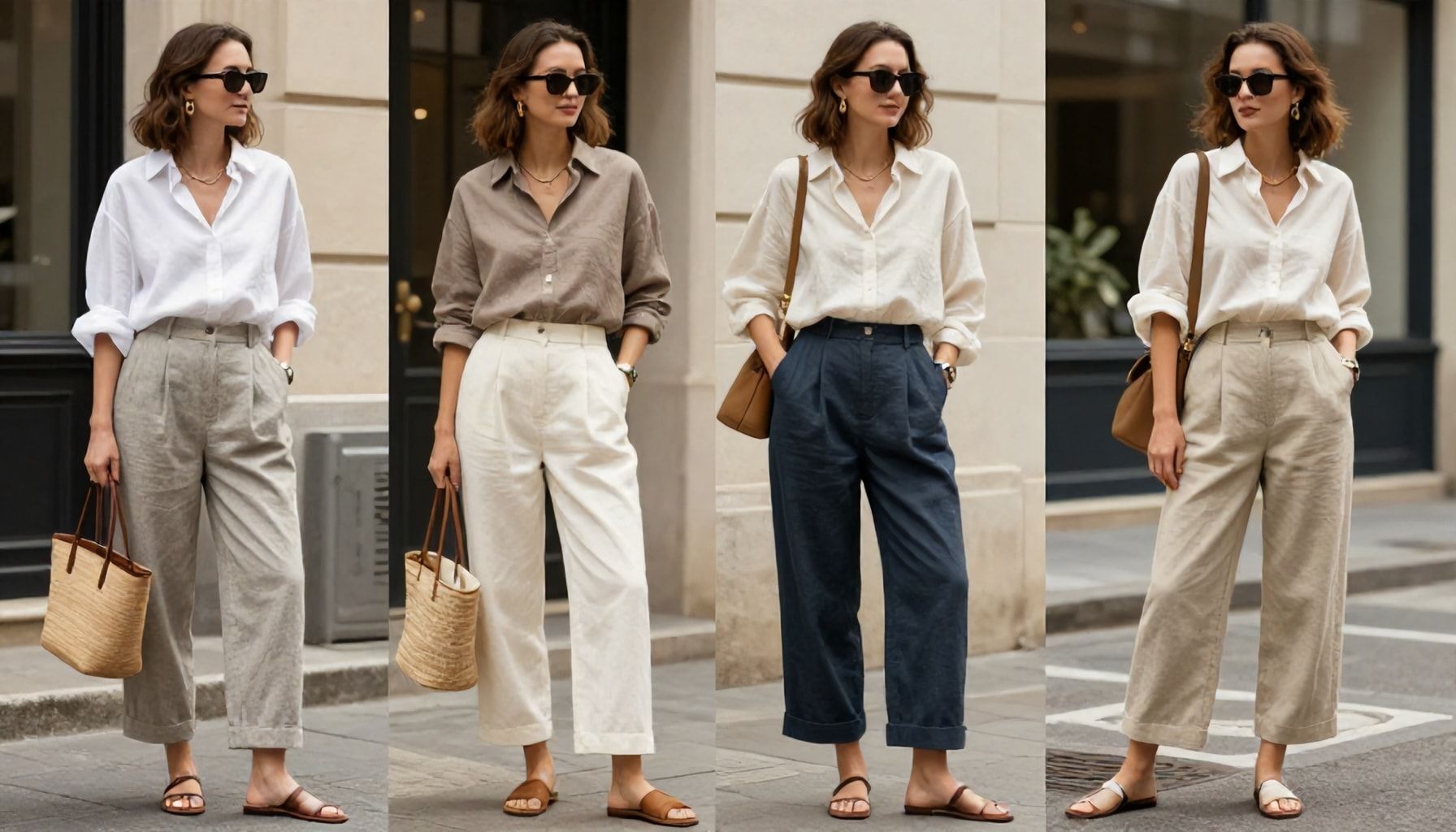
Linen’s got a bad rap for being stiff and wrinkled, but I’ve seen it evolve into one of the most versatile, sustainable fabrics out there. It’s not just for summer dresses or tablecloths anymore—it’s a year-round staple if you know how to style it. Here’s how I’ve learned to make linen work for effortless, everyday wear.
- 1. The Relaxed Linen Shirt – A well-fitted linen shirt is your best friend. I’ve got a 100% linen button-up that’s been in rotation for five years. Roll the sleeves, leave a few buttons undone, and pair it with jeans or linen trousers. The wrinkles? They’re part of the charm.
- 2. The Layered Linen Look – Linen’s breathability makes it perfect for layering. I’ll throw on a lightweight linen tee under a oversized linen jacket in fall. In winter, add a wool sweater underneath. It’s all about texture and ease.
- 3. The Effortless Linen Dress – A midi-length linen dress is a game-changer. I’ve got one in a neutral beige that I dress up with sandals or down with sneakers. The fabric softens with every wash, so it only gets better.
- 4. The Casual Linen Pants – Wide-leg linen pants are my go-to for lazy Sundays. They’re lightweight, airy, and pair well with anything from a tank top to a chunky knit. Pro tip: Size up—linen relaxes over time.
- 5. The Accessorized Linen Set – A linen set (shirt + pants or skirt) is a minimalist’s dream. I’ll add a belt, a straw hat, or a woven bag to elevate it. Keep the colors muted for a timeless look.
Still not convinced? Here’s a quick comparison:
| Fabric | Durability | Breathability | Sustainability |
|---|---|---|---|
| Linen | 8/10 (lasts decades) | 10/10 (naturally breathable) | 10/10 (biodegradable, low water use) |
| Cotton | 6/10 (wears out faster) | 8/10 (breathable but less so) | 6/10 (higher water use) |
| Polyester | 7/10 (but sheds microplastics) | 3/10 (traps heat) | 0/10 (non-biodegradable) |
Bottom line? Linen’s worth the investment. It ages beautifully, gets softer with wear, and never goes out of style. I’ve seen trends fade, but linen? It’s a classic.
How to Care for Linen: Keep Your Clothes Soft, Breathable, and Long-Lasting*
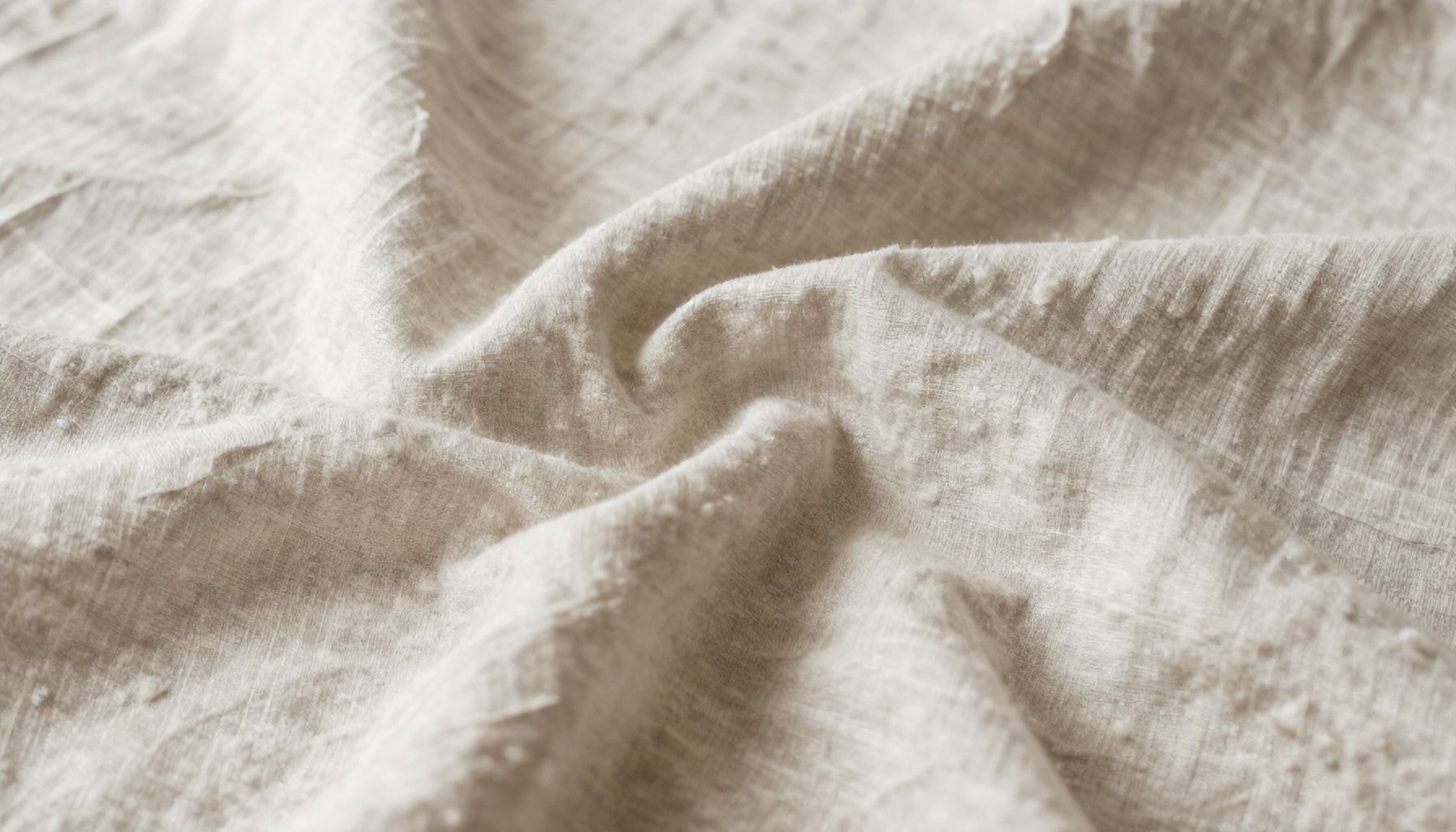
Linen’s got a reputation for being finicky, but I’ve seen it outlast polyester blends by years if you treat it right. The key? Don’t fight its natural texture—work with it. Here’s how to keep your linen soft, breathable, and durable without turning it into a stiff, brittle relic.
Washing: Cold, Gentle, and Rarely
Hot water’s your enemy. It shrinks linen like nobody’s business—up to 5% per wash if you’re not careful. Stick to cold or lukewarm water, and turn garments inside out to protect the fibers. Machine wash on a delicate cycle or, better yet, hand wash. I’ve seen linen last a decade with this method.
Pro Tip: Add a cup of white vinegar to the rinse cycle. It softens fabric and removes detergent residue without harsh chemicals.
Drying: Air Is Your Friend
Tumble dryers? Only if you enjoy wrinkles and stiffness. Linen dries fast—hang it outside in the shade or lay flat to preserve its drape. If you must use a dryer, toss in a wool dryer ball to reduce wrinkles and static. And for the love of all things breathable, never iron linen when it’s fully dry. Lightly mist with water first, or it’ll scorch.
| Do | Don’t |
|---|---|
| Hang dry in shade | Use high heat in dryer |
| Iron while damp | Over-starch (it kills breathability) |
| Store folded, not hung | Crush into a ball in a drawer |
Storing: Fold, Don’t Hang
Linen hates tension. Hanging it long-term creates creases that won’t come out. Fold neatly in a cool, dry place—think cedar-lined drawers if you’re fancy. And if you’ve got a linen suit or blazer? Use padded hangers and give it a breather between wears.
Follow these rules, and your linen will stay as soft and resilient as the day you bought it. Trust me, I’ve seen linen hand-me-downs from the ‘80s still holding up. That’s the kind of legacy fabric you want.
Linen vs. Cotton: The Eco-Friendly Fabric Showdown You Need to Know*
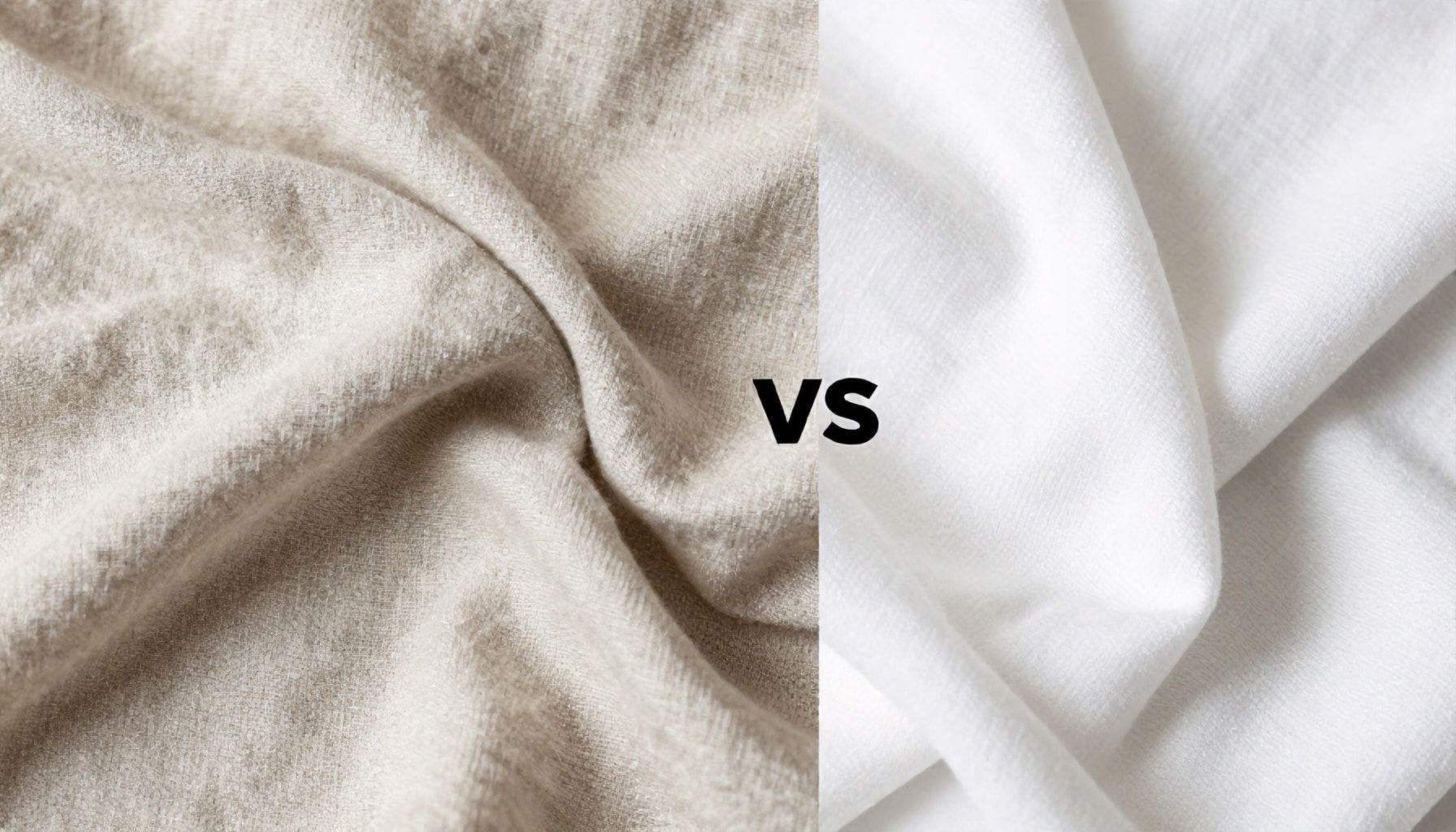
If you’ve been paying attention to sustainable fashion, you’ve probably heard the debate: linen vs. cotton. Both are natural fibers, but they’re not created equal. I’ve seen trends push one over the other, but here’s the truth—linen wins on sustainability, durability, and breathability. Cotton? It’s got its place, but it’s not the eco-warrior you might think.
Let’s break it down. Linen comes from flax, a hardy plant that requires minimal water (just 6 liters per kilogram of fiber) and no pesticides. Cotton? It’s a thirsty crop, guzzling up to 10,000 liters of water per kilogram. And don’t get me started on conventional cotton farming—it’s responsible for 25% of the world’s insecticides. Organic cotton is better, but it’s still not in linen’s league.
| Factor | Linen | Cotton |
|---|---|---|
| Water Usage | 6L/kg | 10,000L/kg |
| Pesticide Use | None | High (unless organic) |
| Durability | Lasts decades | Wears out faster |
But what about comfort? Linen’s got that effortless, breezy vibe. It’s naturally moisture-wicking and dries quickly—perfect for hot climates. Cotton? It’s soft, sure, but it traps heat and holds onto moisture. And let’s talk wrinkles. Linen’s got a reputation for being crinkly, but I’ve found that’s part of its charm. Cotton? It pills and fades faster.
Here’s the kicker: linen gets softer with every wash. Cotton? It breaks down. I’ve seen linen shirts from the 1920s still holding up. That’s sustainability in action.
- Linen’s edge: Low-impact farming, long-lasting, naturally breathable.
- Cotton’s edge: Softer initially, but at what cost?
Bottom line? If you’re serious about sustainability, linen’s the clear winner. Cotton’s got its uses, but for everyday wear, linen’s the fabric that keeps giving.
Linen’s timeless appeal lies in its effortless blend of comfort, durability, and eco-consciousness, making it a standout choice for everyday wear. Its natural breathability and softness adapt seamlessly to any season, while its low environmental impact ensures your wardrobe aligns with sustainability goals. Whether you’re dressing for work, leisure, or travel, linen’s versatility and effortless style make it a wardrobe essential. To keep your linen pieces looking their best, opt for gentle washing and air-drying to preserve their texture and longevity. As we embrace a more mindful approach to fashion, linen stands as a testament to how sustainable choices can be both practical and stylish. What’s your favorite way to incorporate linen into your daily routine?