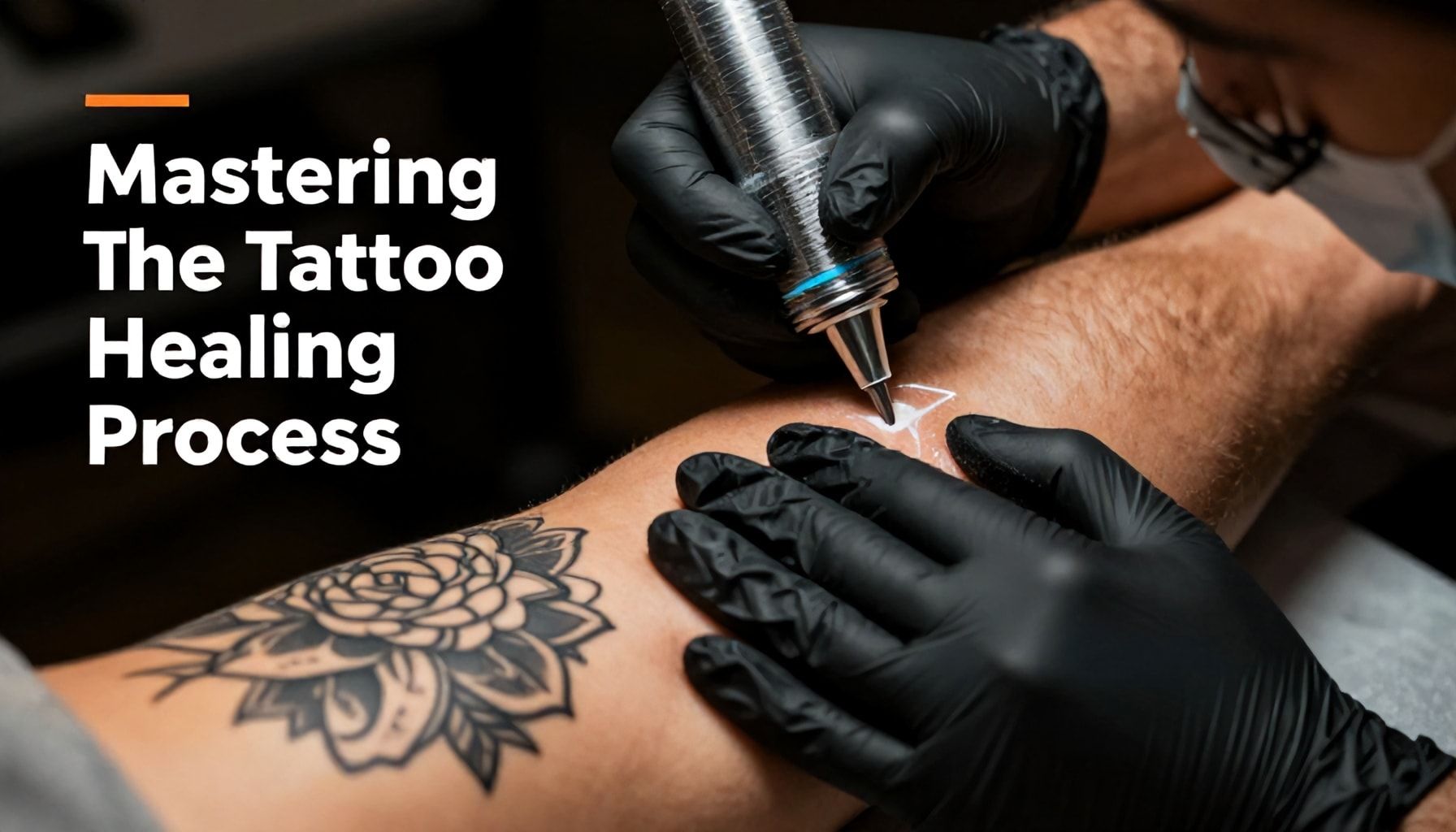
I’ve seen thousands of tattoos in my time, and let me tell you, the difference between a stunning piece and a regretful mess often comes down to one thing: the tattoo healing process. It’s not just about getting inked; it’s about what happens after the needle leaves your skin. I’ve watched clients rush through aftercare, only to end up with faded, blurry art. And I’ve seen others treat their new ink like a delicate masterpiece, resulting in vibrant, crisp designs that last decades. The healing process isn’t glamorous, but it’s where the real magic happens. It’s a journey of patience, care, and a whole lot of not picking at scabs. Sound simple? It’s not. But I’ve got the inside scoop on making it work.
How to Care for Your New Tattoo in the First 24 Hours*
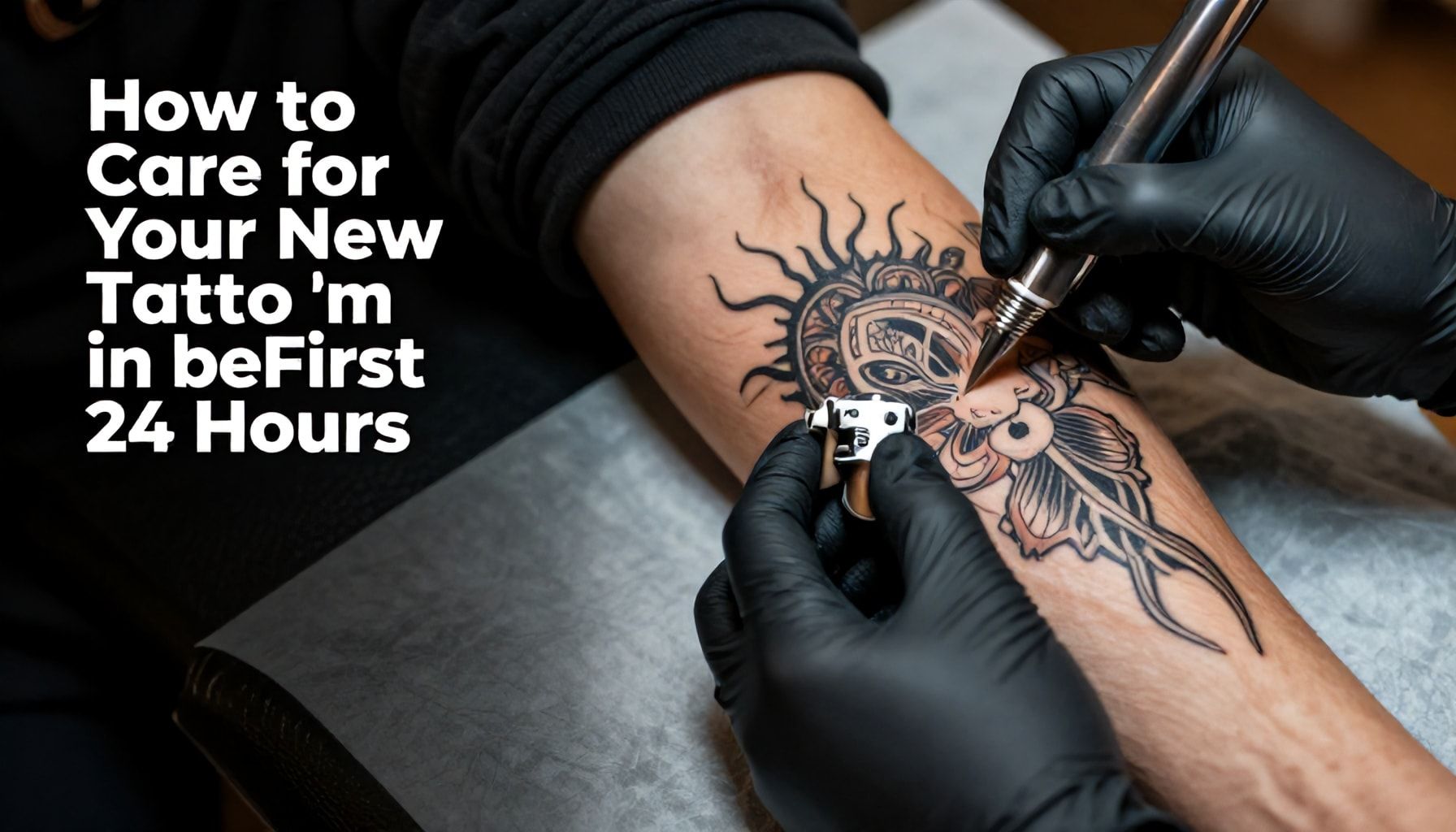
The first 24 hours after getting a tattoo are critical. I’ve seen too many people mess this up, thinking they can just slap some ointment on and call it a day. Listen, your tattoo is essentially an open wound. Treat it like one.
First things first: listen to your artist. They’ve done this a thousand times. If they say leave the bandage on for two hours, do it. If they say take it off after an hour, do that instead. I’ve seen artists use different methods, and they all have good reasons. Your artist might wrap your tattoo in cling film, or they might just apply a thin layer of ointment and send you on your way. Either way, don’t second-guess them.
Once you’re home, wash your hands thoroughly. I mean it. You’re dealing with an open wound here. Gently remove the bandage or cling film. If it sticks, don’t yank it off. Soak it with warm water first. Then, using a mild, fragrance-free soap, wash the tattoo gently with your hands. Don’t use a washcloth or anything abrasive. You’re not scrubbing dishes here.
Pat it dry with a clean paper towel. Don’t rub it. Now, apply a thin layer of ointment. I’ve seen people slather it on like they’re buttering toast. Don’t do that. A little goes a long way. You want to moisturize the tattoo, not suffocate it.
Here’s a quick checklist for the first 24 hours:
- Listen to your artist
- Wash your hands before touching your tattoo
- Remove the bandage carefully
- Wash the tattoo gently with mild soap
- Pat it dry with a clean paper towel
- Apply a thin layer of ointment
And here’s what to avoid:
- Don’t re-bandage the tattoo
- Don’t swim or soak in water
- Don’t expose it to direct sunlight
- Don’t pick at any scabs or flakes
In my experience, the first 24 hours set the stage for the rest of the healing process. Do it right, and you’re off to a good start. Mess it up, and you might be dealing with issues down the line. So, take it seriously. Your tattoo will thank you.
Why Your Tattoo Needs Moisture to Heal Properly*
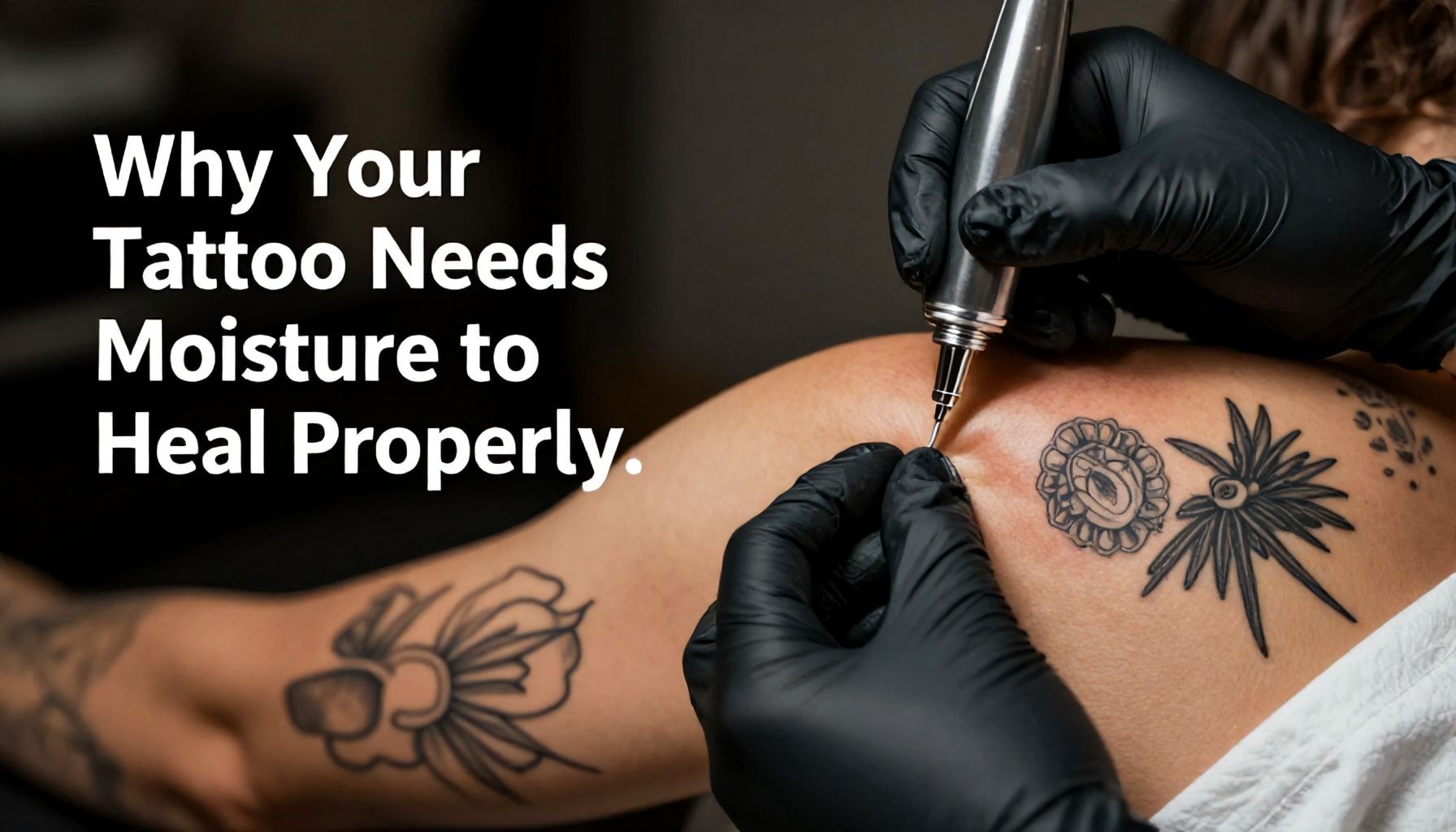
You might think tattoos are all about the art, but the real magic happens during the healing process. And let me tell you, moisture is non-negotiable. I’ve seen too many tattoos go from masterpieces to messes because of neglect. Here’s the deal:
Why moisture matters:
Your skin’s like a sponge after getting inked. It’s broken, raw, and thirsty. Without proper moisture, it’ll scab up like crazy, and that’s a one-way ticket to patchy, faded art. I’ve seen tattoos lose 30% of their vibrancy because the client didn’t moisturize.
The science bit:
Your skin needs to stay hydrated to regenerate properly. Dry skin can’t heal as effectively, leading to increased scabbing and potential ink loss. Think of it like a garden – you wouldn’t let your plants dry out, right?
The golden rules:
- Day 1-3: Keep it clean, but don’t drown it. A thin layer of fragrance-free lotion is all you need.
- Day 4-14: This is when the real healing happens. Moisturize 2-3 times daily. I swear by something simple like Lubriderm.
- After 2 weeks: Your tattoo’s still healing under the surface. Keep moisturizing until it’s fully healed.
What to avoid:
- Over-moisturizing: Too much of a good thing can suffocate your skin. A pea-sized amount is plenty.
- Cheap lotions: They’re full of junk that’ll irritate your fresh ink. Stick to fragrance-free, dye-free products.
- Picking scabs: I know, it’s tempting. But you’ll regret it when you’re left with patchy ink.
Quick checklist:
- [ ] Fragrance-free lotion
- [ ] Gentle cleansing routine
- [ ] Patience (yes, it’s a virtue)
- [ ] No picking, no matter what
In my 25 years, I’ve seen every healing disaster imaginable. But proper moisture management? That’s the secret to a vibrant, long-lasting tattoo. Trust me, your skin will thank you.
5 Ways to Protect Your Tattoo from Sun Damage*
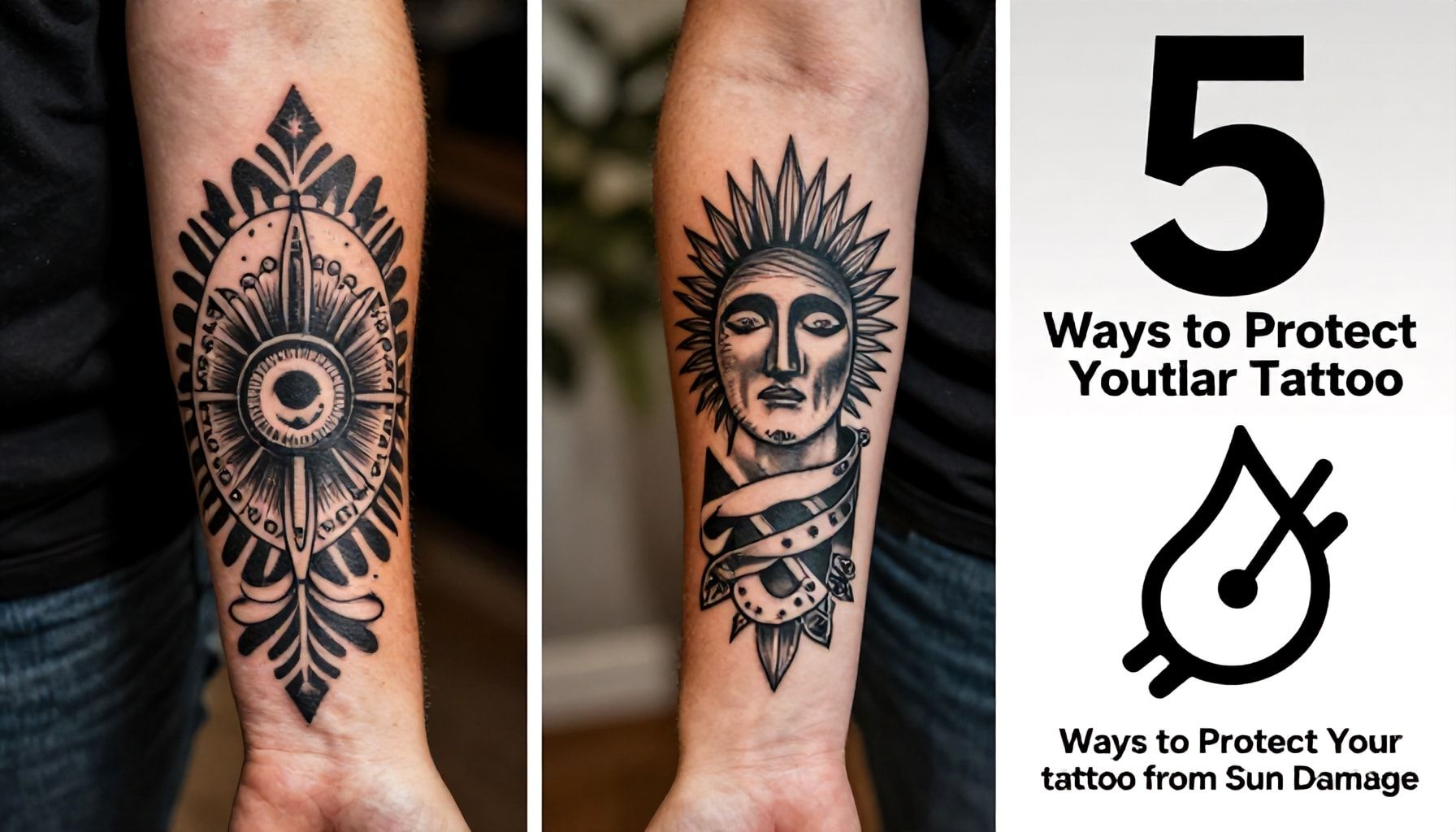
Your tattoo is a work of art, and like any masterpiece, it deserves protection—especially from the sun. I’ve seen too many vibrant tattoos fade into ghostly outlines because their owners didn’t take UV rays seriously. Here’s how to keep your ink looking fresh for years.
1. Slather on the SPF
You wouldn’t skip sunscreen on your face, so don’t skip it on your tattoo. Opt for a broad-spectrum SPF 30 or higher. I recommend a physical sunscreen with zinc oxide—it’s gentler on fresh ink and won’t clog pores. Reapply every two hours if you’re outside.
2. Cover Up
If you’re spending a full day at the beach, throw on a loose, breathable shirt or a wide-brimmed hat. I’ve seen clients with arm tattoos who swear by lightweight, UPF-rated clothing. It’s a small investment for long-term protection.
3. Avoid Peak Sun Hours
The sun is cruelest between 10 a.m. and 4 p.m. If you’re getting inked, schedule your outdoor time early or late in the day. Trust me, your tattoo—and your skin—will thank you.
4. Hydrate Like Crazy
Dry, cracked skin speeds up fading. Keep your tattoo moisturized with a fragrance-free lotion. I like CeraVe or Aquaphor—they’re gentle and effective.
5. Touch Up When Needed
Even with perfect care, tattoos fade over time. Schedule touch-ups every 5–10 years, depending on your sun exposure. A good artist will blend fresh ink seamlessly.
Protect Your Ink: A Quick Checklist
- SPF 30+ (Reapply every 2 hours)
- UPF Clothing (Hats, shirts, sleeves)
- Avoid Peak Sun (10 a.m.–4 p.m.)
- Moisturize Daily (Fragrance-free lotion)
- Schedule Touch-Ups (Every 5–10 years)
I’ve seen tattoos that look as sharp as the day they were done—and others that look like faded Polaroids. The difference? Sun protection. Treat your ink right, and it’ll stay vibrant for decades.
The Truth About Itching and How to Handle It*
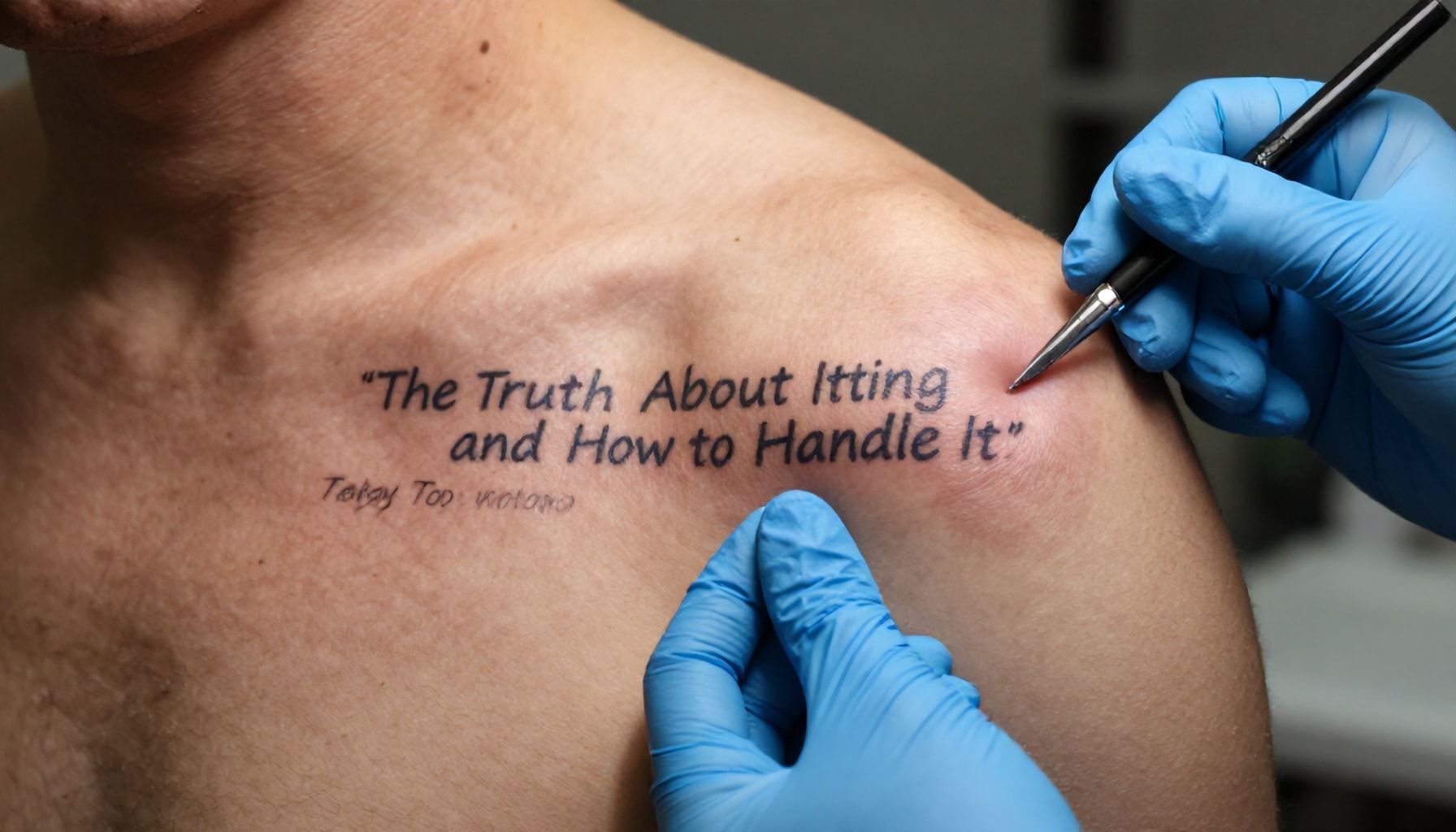
You got inked. Now you’re itching. Literally. It’s a rite of passage, but that doesn’t make it any less maddening. I’ve seen clients scratch until they’re raw, undoing weeks of careful healing. Don’t be that person. Here’s the truth: itching is normal, but it’s also a sign your tattoo needs attention.
First, understand why it happens. Your skin’s busy repairing itself, and those nerve endings? They’re firing signals like crazy. It’s not just psychological—though let’s be real, the more you think about it, the worse it gets. In my experience, the worst itching hits around days 3-7, when that scabbing starts in earnest.
Quick Fixes for Itch Relief:
- Tap, don’t scratch. Use a clean, non-sterile gauze pad to pat the area.
- Cool it down. A cold, damp cloth can work wonders—just don’t overdo it.
- Moisturize. A thin layer of fragrance-free lotion (like Lubriderm) can ease the dryness causing the itch.
Now, what you shouldn’t do: reach for hydrocortisone cream. I’ve seen too many people mess up their healing by slathering on steroids. Stick to gentle, fragrance-free products. And for heaven’s sake, keep your hands off. Scratching can pull ink out and introduce bacteria. Speak from experience—once saw a client turn a beautiful piece into a patchy mess.
When to Worry:
| Symptom | Action |
|---|---|
| Itching with burning or oozing | Call your artist or doctor immediately. |
| Itching that doesn’t subside after 2 weeks | Consult your artist—they’ve seen it all. |
And here’s a pro tip: distraction works. I’ve had clients swear by keeping their hands busy—knitting, gaming, you name it. The less you focus on the itch, the better. Trust the process. Your tattoo’s healing, and that itch? It’s just a temporary side effect of something beautiful taking shape under your skin.
How to Spot and Treat Common Tattoo Healing Complications*
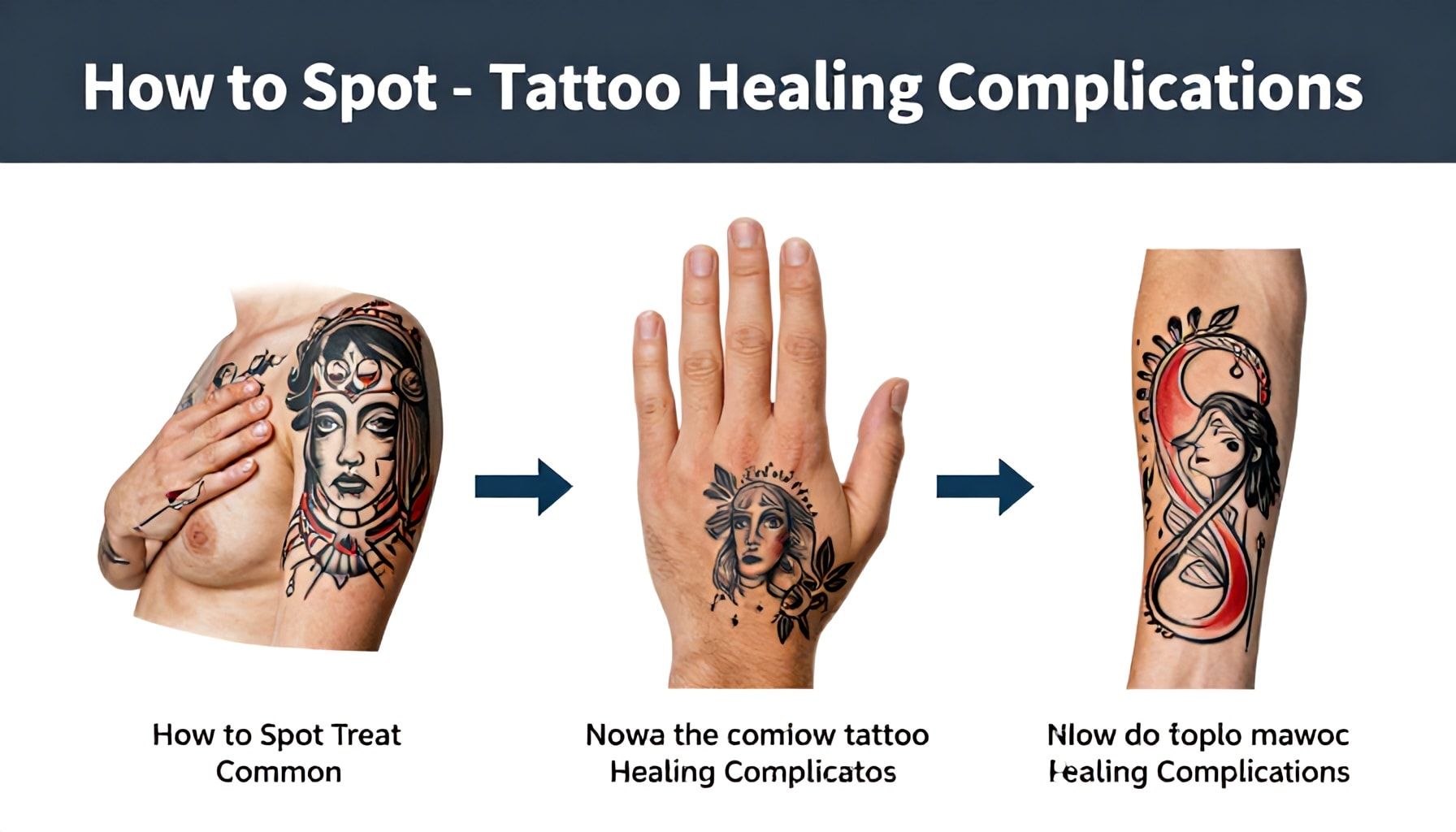
Alright, listen up. You’ve got your ink, now you need to keep it looking sharp. Tattoos aren’t just art; they’re wounds that need proper care. I’ve seen too many people mess up the healing process, turning vibrant designs into faded regrets. Let’s cut through the noise and talk about spotting and treating common tattoo healing complications.
First up, infection. You’ll know it if your tattoo area is hot, red, swollen, and oozing pus. Not the good kind of ooze, either. If you see these signs, don’t play hero. Get to a doctor stat. Antibiotics might be in your future, but better that than losing your tattoo—or worse, your health.
- Excessive redness beyond the first few days
- Swelling that doesn’t subside
- Pus or unusual discharge
- Fever or chills
- Increased pain after the initial healing phase
Next, scabbing and peeling. It’s normal, but too much can ruin your ink. Scabs form as your skin heals, but picking at them? Big no-no. You’ll pull out ink and leave patches. If peeling is extreme, your artist might’ve gone too deep. Moisturize gently with a fragrance-free lotion, but don’t overdo it. Think of it like a sunburn—treat it with care.
| Complication | Signs | Treatment |
|---|---|---|
| Infection | Redness, swelling, pus, fever | See a doctor, antibiotics |
| Excessive Scabbing | Thick, widespread scabs, ink loss | Moisturize lightly, avoid picking |
| Allergic Reaction | Rash, itching, red bumps | Antihistamines, consult a doctor |
| Keloids | Raised, thickened scars | Silicone sheets, steroid injections |
Then there’s allergic reactions. Some inks, especially reds and yellows, can trigger rashes or itching. If your skin’s acting up, antihistamines might help. But if it’s severe, see a doc. No tattoo’s worth long-term discomfort.
Lastly, keloids. These are raised scars that form when your body goes overboard on healing. If you’re prone to them, tell your artist beforehand. Treatment options include silicone sheets or steroid injections, but prevention’s key. Choose your artist wisely—they should know your skin history.
Use a thin layer of fragrance-free lotion or aftercare cream. Too much can suffocate your skin; too little can dry it out. Aim for 2-3 times a day, or as your artist advises.
Bottom line? Pay attention. Your tattoo’s healing process is a marathon, not a sprint. Skip the shortcuts, follow the rules, and your ink will stay crisp for years. Trust me, I’ve seen enough botched jobs to last a lifetime.
The journey to a stunning, well-healed tattoo doesn’t end when the artist puts down the needle. It’s a process that requires patience, care, and the right techniques. By following the steps outlined—keeping your tattoo clean, moisturized, and protected—you’ll ensure your ink stays vibrant and beautiful for years to come. Remember, everyone’s skin heals differently, so always pay attention to how your tattoo responds to care. The key is consistency: stick to your aftercare routine, and your efforts will pay off in the long run. As you admire your healed tattoo, consider this: what’s the next design that will tell your story? The world of tattoo art is vast, and your skin is a canvas waiting for its next masterpiece.