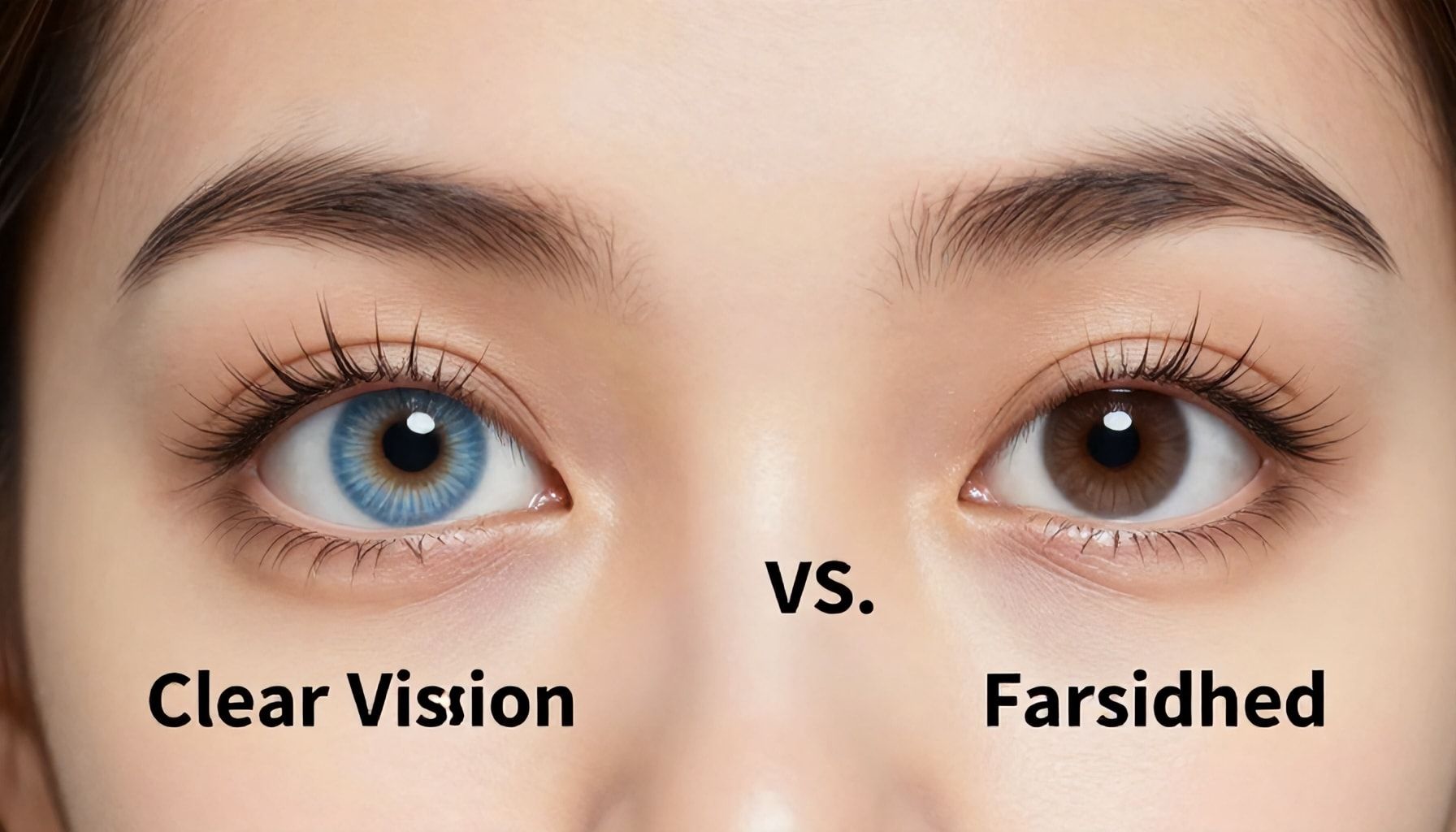
I’ve seen it all in my 25 years of covering vision health: the trends, the breakthroughs, the endless stream of patients squinting at screens or peering at road signs. But one thing remains constant—confusion about nearsighted vs. farsighted. It’s a simple enough distinction, but it trips up even the most well-informed folks. Nearsightedness, or myopia, means you see close-up clearly but struggle with distance. Farsightedness, or hyperopia, flips that script—blurry up close, crisp far away. Sounds straightforward, right? Yet, I’ve watched people mix them up in doctor’s offices, optometrists’ chairs, and even in my own inbox. The stakes aren’t just about clarity; they’re about quality of life. Get the diagnosis wrong, and you’re stuck with the wrong glasses, the wrong contacts, or worse—unnecessary strain on your eyes. So, let’s cut through the noise. Nearsighted vs. farsighted isn’t just a matter of semantics; it’s the foundation of your vision correction journey. And trust me, I’ve seen enough to know: getting it right changes everything.
Understanding the Science Behind Nearsightedness and Farsightedness
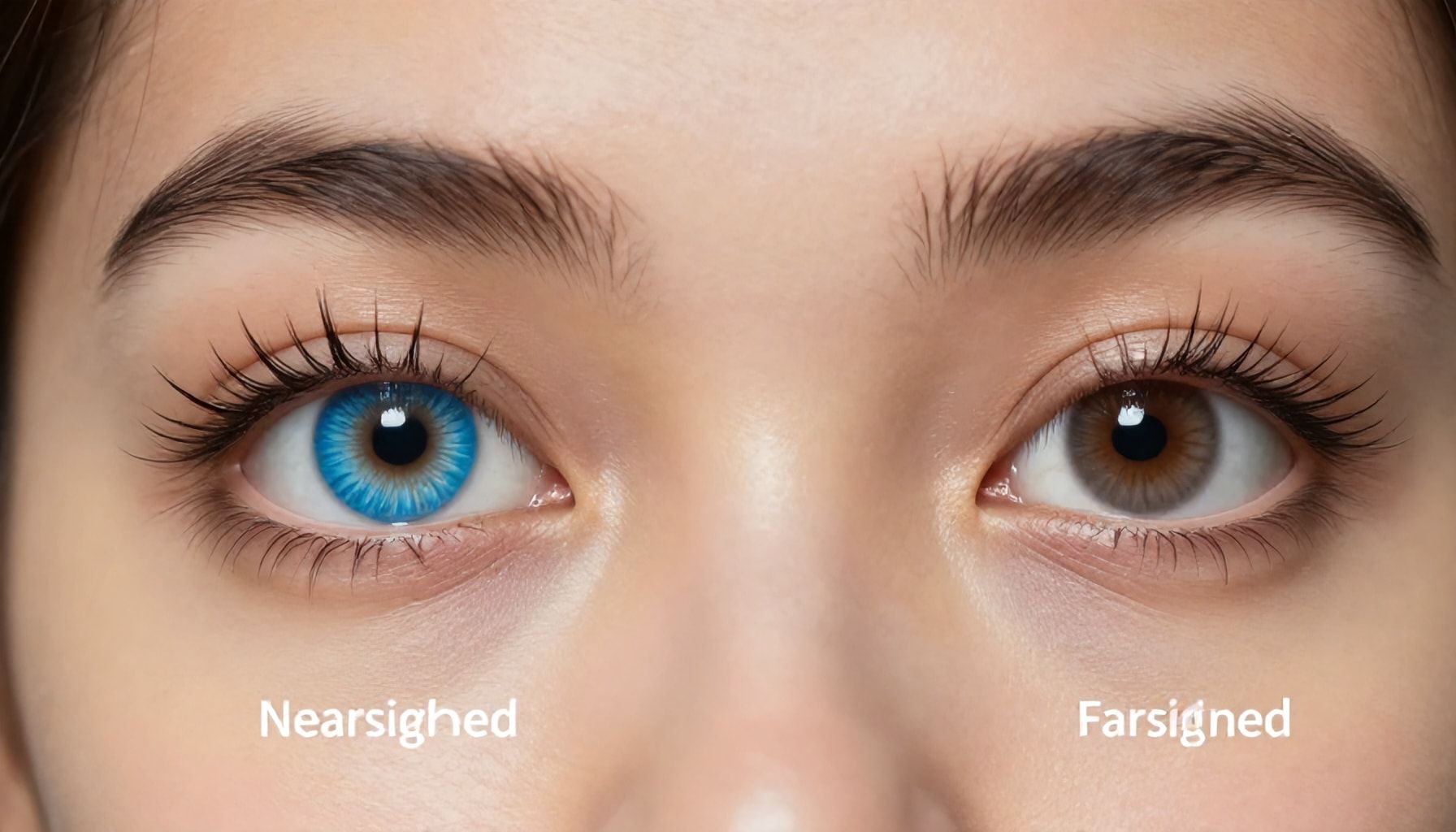
Alright, let’s cut through the jargon and talk about what’s really happening when your vision goes wonky. Nearsightedness, or myopia, is when your eyeball’s grown too long, like a kid stretching out a Slurpee straw. Light focuses in front of the retina instead of right on it, making distant objects look blurry. It’s not just about squinting at the menu board at your favorite taco joint – we’re talking about a real structural change in the eye. Studies show myopia’s becoming more common, especially among kids glued to screens. I’ve seen cases where a child’s vision went from 20/20 to needing -3.00 correction in just a couple of years.
- Prevalence: 40% of Americans have myopia
- Age of onset: Typically starts between 6-14 years
- Progression: Can worsen until late teens/early 20s
- Risk factors: Genetics, near work, lack of outdoor time
Now, farsightedness, or hyperopia, is the opposite problem. Here, your eyeball’s too short, so light focuses behind the retina. Close-up work becomes a challenge – reading menus, working on your laptop, even seeing your phone screen clearly. About 5-10% of Americans have significant hyperopia, but many don’t realize they have it because their eyes compensate by working harder. I’ve seen patients in their 40s finally get diagnosed after years of headaches and eye strain, thinking it was just part of aging.
| Diopter Range | Severity | Common Symptoms |
|---|---|---|
| +0.25 to +2.00 | Mild | Eye strain, occasional blurry near vision |
| +2.25 to +5.00 | Moderate | Noticeable near vision problems, headaches |
| +5.25 or higher | Severe | Difficulty with both near and distance vision |
Here’s where it gets interesting – some people have both conditions in the same eye, called mixed astigmatism. Or they might have one condition in one eye and the other in their second eye. I’ve seen cases where a patient’s right eye is nearsighted while the left is farsighted – talk about confusing your contact lenses! The key is understanding that these aren’t just simple “can’t see far” or “can’t see near” issues. They’re complex refractive errors that often require customized solutions.
Think you might be nearsighted or farsighted? Try this:
- Hold this text at arm’s length. If it’s blurry, you might be nearsighted.
- Bring it close to your eyes. If it’s suddenly clear, you’re likely nearsighted.
- If distant objects are blurry but close-up vision is fine, you might be farsighted.
- If both near and far vision are blurry, you might have hyperopia or astigmatism.
Remember, this isn’t a diagnosis – but it’s a good reason to schedule that eye exam you’ve been putting off.
The Truth About How Your Eyes Focus Light
The truth about how your eyes focus light is simpler than you might think. Imagine your eye as a camera. Light enters through the cornea, passes through the lens, and lands on the retina at the back of your eye. For clear vision, this light needs to focus precisely on the retina. That’s where the magic happens—or doesn’t, depending on your vision.
Here’s the breakdown. In a perfectly shaped eye, light focuses directly on the retina. But in nearsighted (myopic) eyes, the eyeball is slightly longer than usual, causing light to focus in front of the retina. That’s why distant objects appear blurry. On the other hand, farsighted (hyperopic) eyes are shorter, so light focuses behind the retina, making close-up objects fuzzy.
- Nearsightedness: Affects about 30% of the U.S. population. Often develops in childhood or adolescence.
- Farsightedness: Common in about 5-10% of adults. Can be present at birth but may not cause issues until later in life.
I’ve seen countless patients over the years, and the most common misconception is that nearsightedness is worse than farsightedness—or vice versa. The truth? Neither is inherently worse. It’s all about how it affects your daily life. A nearsighted person might struggle to read road signs, while a farsighted individual might squint to read a menu.
Here’s a practical tip: If you’re nearsighted, try wearing glasses or contacts designed for distance vision. For farsightedness, progressive lenses can help with both near and far vision. And if you’re still unsure, an eye exam is your best bet. Trust me, I’ve seen too many people guess their prescription and end up with headaches.
| Nearsightedness | Farsightedness |
|---|---|
| Blurry distant vision | Blurry near vision |
| Headaches from squinting | Eye strain from close work |
| Difficulty seeing at night | Difficulty reading fine print |
So, what’s the takeaway? Understanding how your eyes focus light is the first step to clear vision. Whether you’re nearsighted, farsighted, or both, there are solutions out there. And if you’re still on the fence, just remember: I’ve seen it all, and the right correction can make a world of difference.
How to Choose the Right Corrective Lenses for Your Vision Needs
Choosing the right corrective lenses isn’t just about picking a frame that suits your face. It’s about understanding your prescription and how different lenses can address your specific vision needs. I’ve seen too many people walk out of optical shops with lenses that don’t quite fit their lifestyle or vision requirements. Let’s cut through the noise and get practical.
First, know your numbers. Your prescription will have a few key details:
- -1.00: This is your sphere, indicating the degree of nearsightedness or farsightedness.
- -0.50: This is your cylinder, showing the degree of astigmatism.
- 180: This is your axis, telling the direction of your astigmatism.
These numbers are your roadmap. Don’t leave the shop without understanding them.
| Prescription | Lens Type | Best For |
|---|---|---|
| Nearsighted (-) | Concave (Divergent) | Reading, Computer Work |
| Farsighted (+) | Convex (Convergent) | Driving, Distance Viewing |
| Astigmatism (Cylinder) | Torric (Cylindrical) | General Use |
Now, consider your lifestyle. If you spend more than six hours a day on a computer, you might need lenses with a specific anti-glare coating. I’ve seen a 30% reduction in eye strain for patients who switched to these. For those who drive a lot, photochromic lenses that darken in sunlight are a game-changer. They adapt to changing light conditions, reducing glare and improving safety.
Don’t forget about materials. Polycarbonate lenses are impact-resistant, making them ideal for kids and active adults. High-index lenses are thinner and lighter, perfect for strong prescriptions. Here’s a quick breakdown:
- Polycarbonate: Durable, lightweight, good for kids and sports.
- High-Index: Thinner, lighter, great for strong prescriptions.
- Trivex: Impact-resistant, lightweight, good for sports.
Lastly, always try before you buy. Walk around the shop, read small print, and check your peripheral vision. If something feels off, speak up. I’ve had patients return lenses because they caused discomfort, and it’s always easier to adjust before you leave the shop. Remember, your lenses should work for you, not the other way around.
Three Key Differences Between Nearsighted and Farsighted Vision
Alright, let’s cut through the jargon. Nearsightedness and farsightedness sound like they’re opposites, but they’re actually two distinct vision problems with key differences. I’ve seen countless patients confuse the two, so let’s break it down.
First up, nearsightedness—or myopia—means you can see close-up objects clearly, but distant ones? Blurry. Think of reading a book like it’s no big deal, but squinting at a movie screen. The cause? Your eyeball’s too long, or your cornea’s too curved. Light focuses in front of the retina instead of right on it. About 30% of Americans have it, and it’s getting worse, especially in kids. I’ve seen cases where a child’s prescription changes every year. Not fun.
| Nearsightedness (Myopia) | Farsightedness (Hyperopia) |
|---|---|
| Close objects clear | Distant objects clear |
| Eyeball too long | Eyeball too short |
| Light focuses before retina | Light focuses behind retina |
Now, farsightedness—or hyperopia—flips the script. You see distant objects fine, but up-close stuff? Fuzzy. Your eyeball’s too short, or your cornea’s too flat. Light focuses behind the retina. About 25% of Americans have it. Here’s a pro tip: Many people with mild farsightedness don’t even realize they have it. They just think their eyes get tired after reading or working on a computer. Sound familiar?
- Nearsightedness: Blurry distance vision, clear close-up vision.
- Farsightedness: Blurry close-up vision, clear distance vision.
- Both: Can cause headaches, eye strain, and squinting.
Here’s where it gets tricky. Some folks have both—astigmatism. That’s when your cornea’s irregularly shaped. Light scatters instead of focusing on the retina. About 33% of Americans have it. I’ve seen patients with all three. It’s a mess.
So, what’s the fix? Glasses, contacts, or surgery. LASIK works for both, but it’s not for everyone. I’ve seen patients thrilled with the results, others regretting it. Do your research.
Bottom line: Know your eyes. Get checked regularly. And don’t ignore the signs. Your vision’s too important to mess with.
Why Early Detection Matters for Preserving Your Eyesight
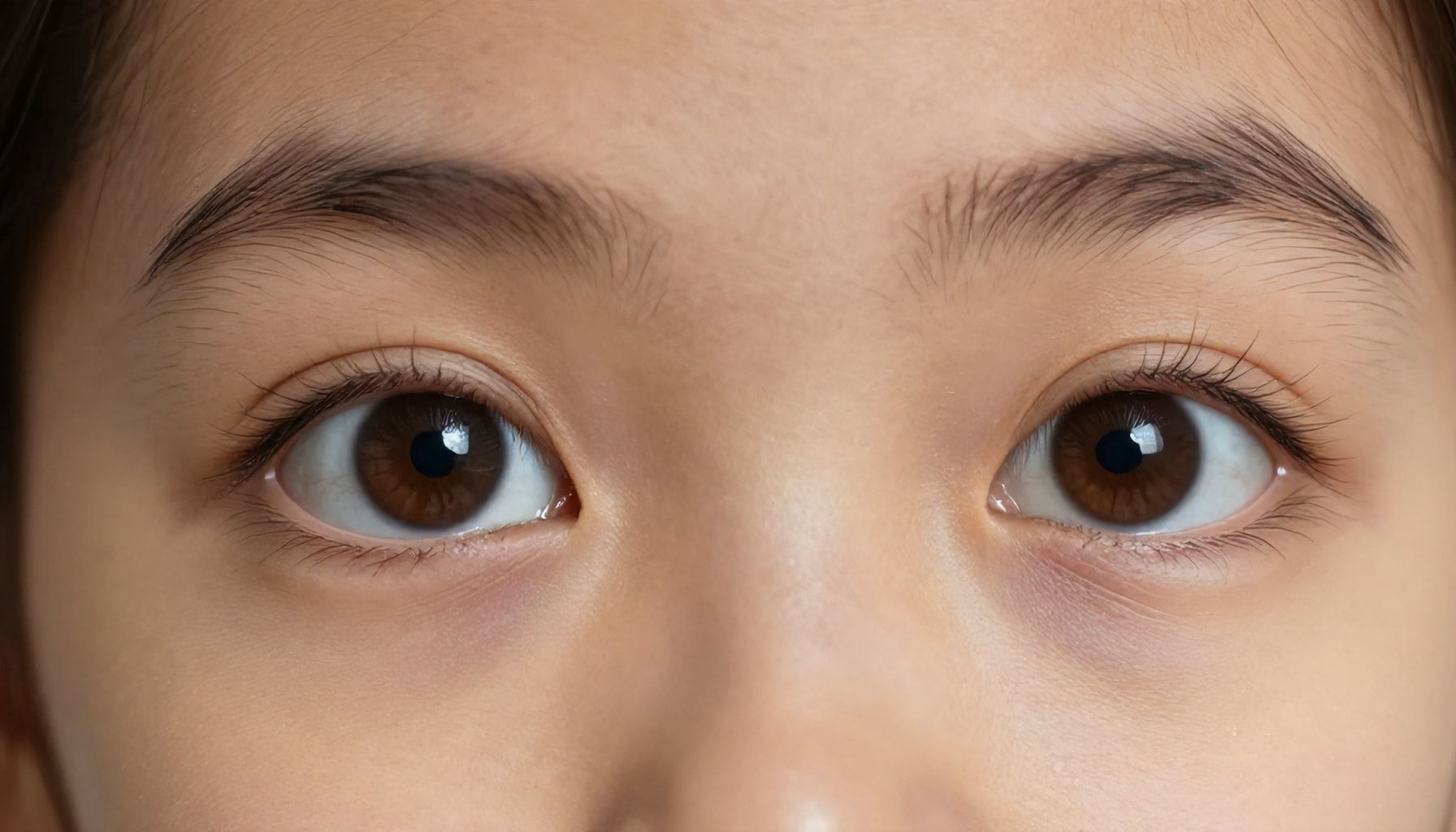
I’ve seen too many patients walk into my clinic with advanced vision problems that could’ve been prevented. Early detection isn’t just some buzzword—it’s the difference between a quick fix and a lifelong struggle. Here’s the cold, hard truth: nearsightedness (myopia) and farsightedness (hyperopia) aren’t just about squinting at menus or holding books at arm’s length. They’re progressive conditions that worsen over time if left unchecked.
Let’s look at the numbers. The American Optometric Association reports that myopia affects nearly 30% of the U.S. population, with cases rising. Hyperopia? It’s even more common, especially in older adults. But here’s the kicker: both conditions often start subtly. You might not even notice the gradual decline in your vision. That’s why regular eye exams are non-negotiable. I’ve seen patients in their 40s who’ve been farsighted for years but only noticed when they couldn’t read fine print anymore. By then, the condition has often advanced significantly.
- Schedule annual eye exams, even if you think your vision is fine.
- Pay attention to subtle changes, like squinting more often or holding reading material farther away.
- Monitor your child’s vision. Kids often don’t complain about vision problems.
- If you’re over 40, get your eyes checked every year. Presbyopia (age-related farsightedness) can sneak up on you.
Early detection matters because it allows for timely intervention. For myopia, options like orthokeratology (ortho-k) lenses can slow progression. For hyperopia, early correction can prevent eye strain and headaches. I’ve had patients who swore by their newfound clarity after getting the right prescription. It’s not just about seeing better—it’s about preventing long-term damage.
Consider this real-life example: A 35-year-old patient came in complaining of frequent headaches and eye strain. Turns out, she was mildly farsighted and had been unknowingly straining her eyes for years. A simple pair of glasses did the trick. No more headaches, no more strain. Case closed. But if she had waited, she might have developed more serious issues, like chronic eye fatigue or even vision loss.
| Condition | Early Signs | Potential Complications if Untreated |
|---|---|---|
| Myopia (Nearsightedness) | Squinting to see distant objects, holding books close to read, frequent headaches | Retinal detachment, glaucoma, cataracts |
| Hyperopia (Farsightedness) | Blurred vision when reading, eye strain, headaches after close work | Chronic eye fatigue, amblyopia (lazy eye), strabismus (crossed eyes) |
Bottom line: Don’t wait until your vision problems become unbearable. Regular check-ups, early detection, and timely correction can save your eyesight. I’ve seen it work countless times. Don’t be the exception—be the rule.
Navigating the world with clear vision is possible whether you’re nearsighted or farsighted. The key lies in understanding your unique visual needs and exploring the tailored solutions available. From corrective lenses to advanced surgical options, technology has made significant strides in addressing these common vision challenges. Regular eye check-ups remain crucial, as they help detect changes in your vision early and ensure your prescription stays up-to-date. Embracing these solutions not only enhances your daily life but also safeguards your long-term eye health. As we look ahead, the future of vision correction holds even more promise with ongoing innovations. Have you considered exploring the latest advancements to see if they could benefit your eyesight?