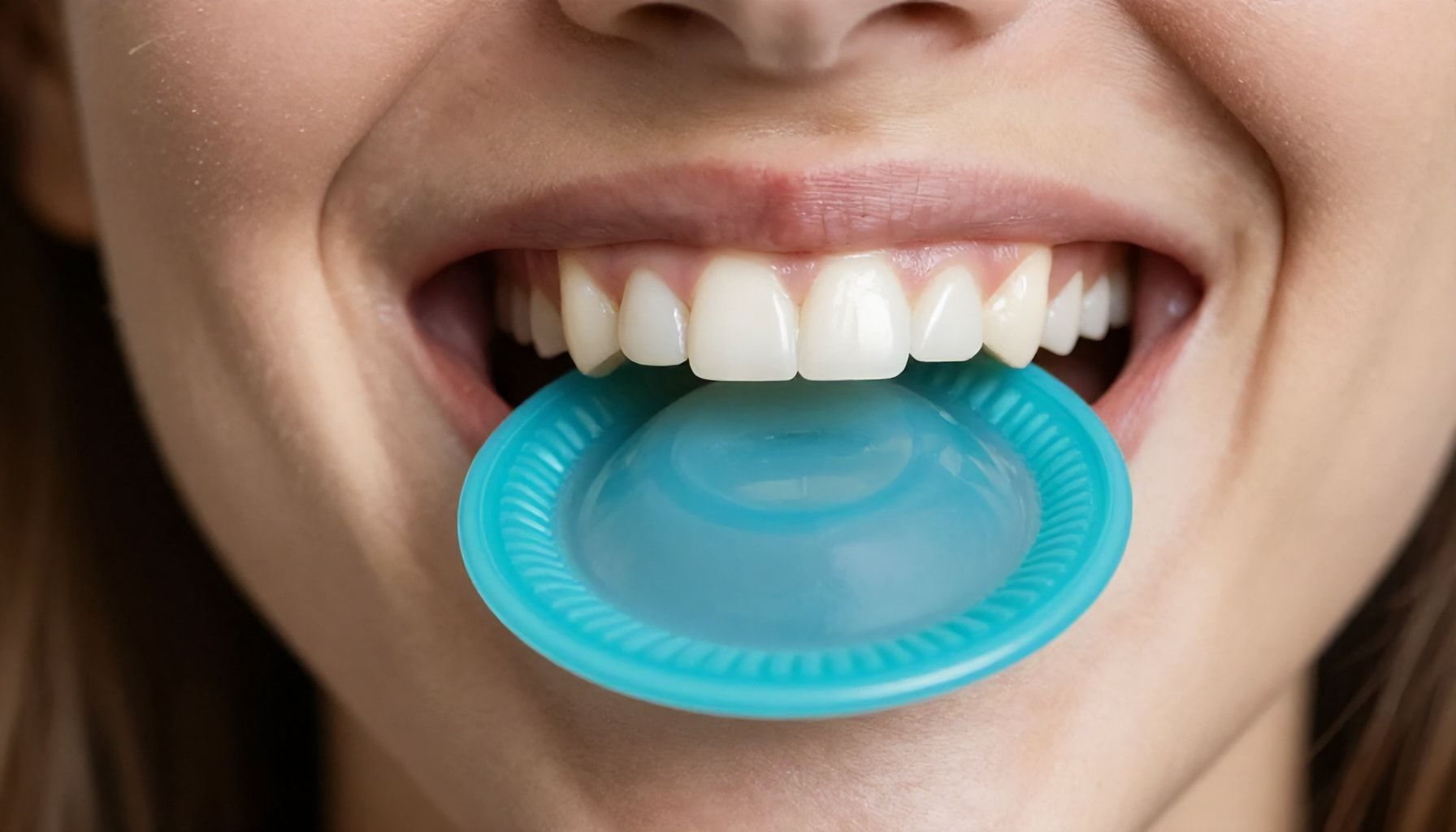
You’ve probably heard the same old spiel about dental dams—how they’re just another one of those “better safe than sorry” tools that most people ignore until it’s too late. I’ve been covering dental health for 25 years, and let me tell you: the dental dam dental debate isn’t just about safety; it’s about smart, proactive care. Sure, you can roll the dice and hope for the best, but why gamble with your oral health when a simple, effective solution exists? Dental dams aren’t some trendy fad—they’ve been around for decades, and for good reason. They’re the unsung heroes of preventive dentistry, blocking bacteria, reducing infection risks, and keeping your smile in top shape. And yet, too many people still treat them like an afterthought. If you’ve ever wondered why your dentist keeps pushing dental dam dental practices, here’s the straight talk: they work. Period. No fluff, no hype—just the facts.
How to Use a Dental Dam for Safe and Confident Oral Care*
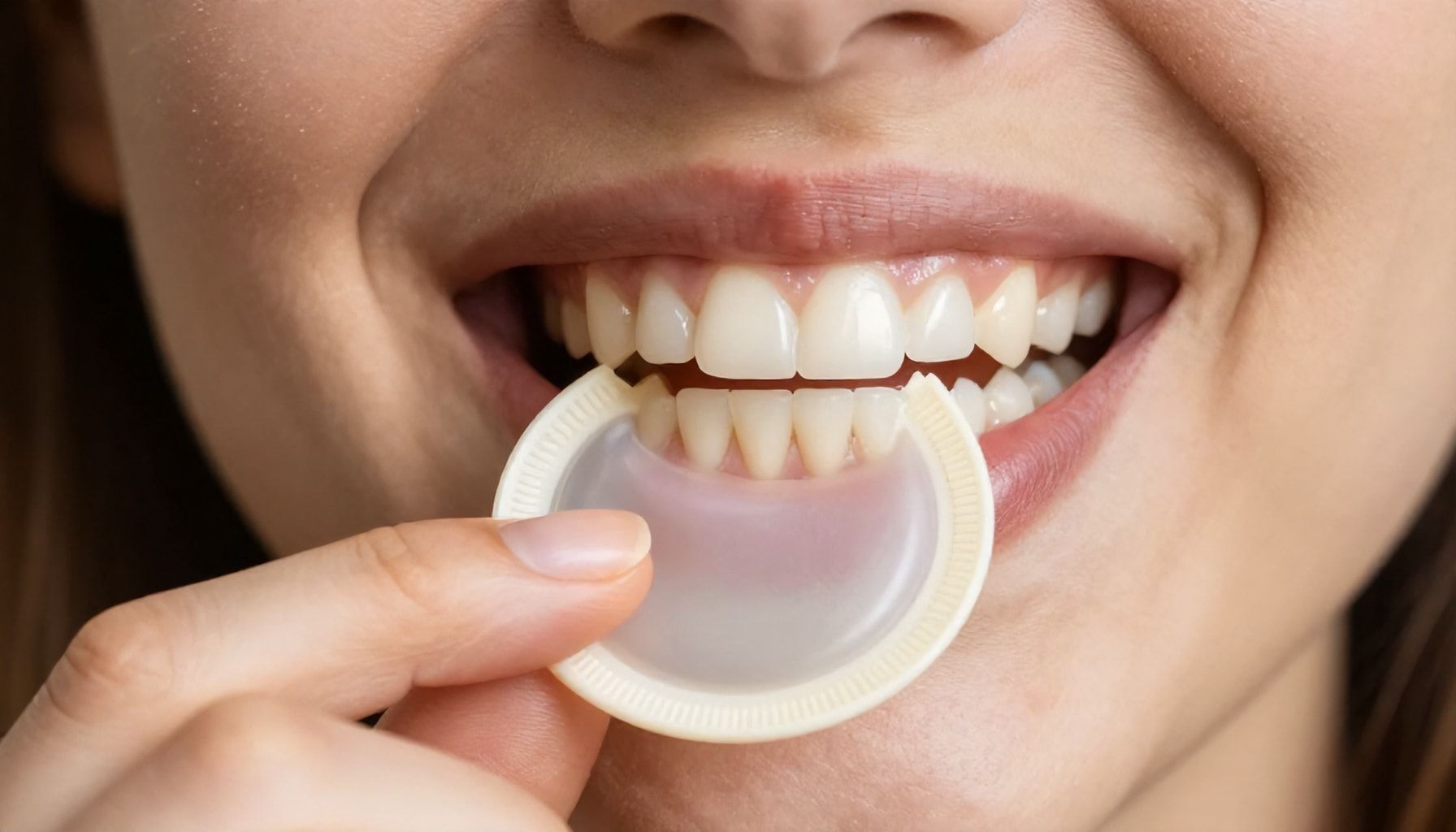
Look, I’ve been around the block enough times to know that dental dams aren’t just for dentists anymore. They’re a game-changer for safe, hygienic oral care at home, especially if you’re dealing with sensitive gums, implants, or just want to keep things squeaky clean. Here’s how to use one like a pro—no fancy tools required.
Step 1: Choose Your Dam
You’ve got options: latex, nitrile, or even non-latex if you’ve got allergies. I’ve seen folks swear by the pre-cut ones (6″ x 6″ squares, usually), but if you’re DIY-inclined, a roll works too. Just make sure it’s FDA-approved—no shortcuts here.
| Material | Best For |
|---|---|
| Latex | General use, but avoid if allergic |
| Nitrile | Allergy-friendly, durable |
| Non-latex | Sensitive skin, eco-conscious users |
Step 2: Prep Your Mouth
Dry teeth are key. Spit out excess saliva, or use a dry cloth to pat them down. If you’re working on one side, isolate the area with a clamp or even a rubber band around the teeth—no, it’s not glamorous, but it works.
- Rinse with water first to clear debris.
- Use a dental dam frame (optional) for a tighter fit.
- If you’re doing this solo, a mirror helps—trust me.
Step 3: Stretch and Secure
Stretch the dam over the teeth you’re working on. Too tight? Cut a slit for each tooth. Too loose? Pinch the edges with your fingers or use dental floss to tuck it under the gums. I’ve seen people use a hairband in a pinch—don’t judge, it’s practical.
Pro tip: If the dam slips, don’t panic. Just re-position and keep going. It’s not brain surgery.
Step 4: Clean and Remove
Once you’re done, rinse the area with warm water. To remove the dam, gently peel it away from the gums. If it sticks, a bit of lubricant (like petroleum jelly) helps. Toss it—don’t reuse, no matter how thrifty you are.
There you go. No fluff, no fuss. Dental dams aren’t just for the pros anymore. Use them right, and your mouth (and your confidence) will thank you.
The Truth About Dental Dams: Why They’re a Game-Changer for Your Health*
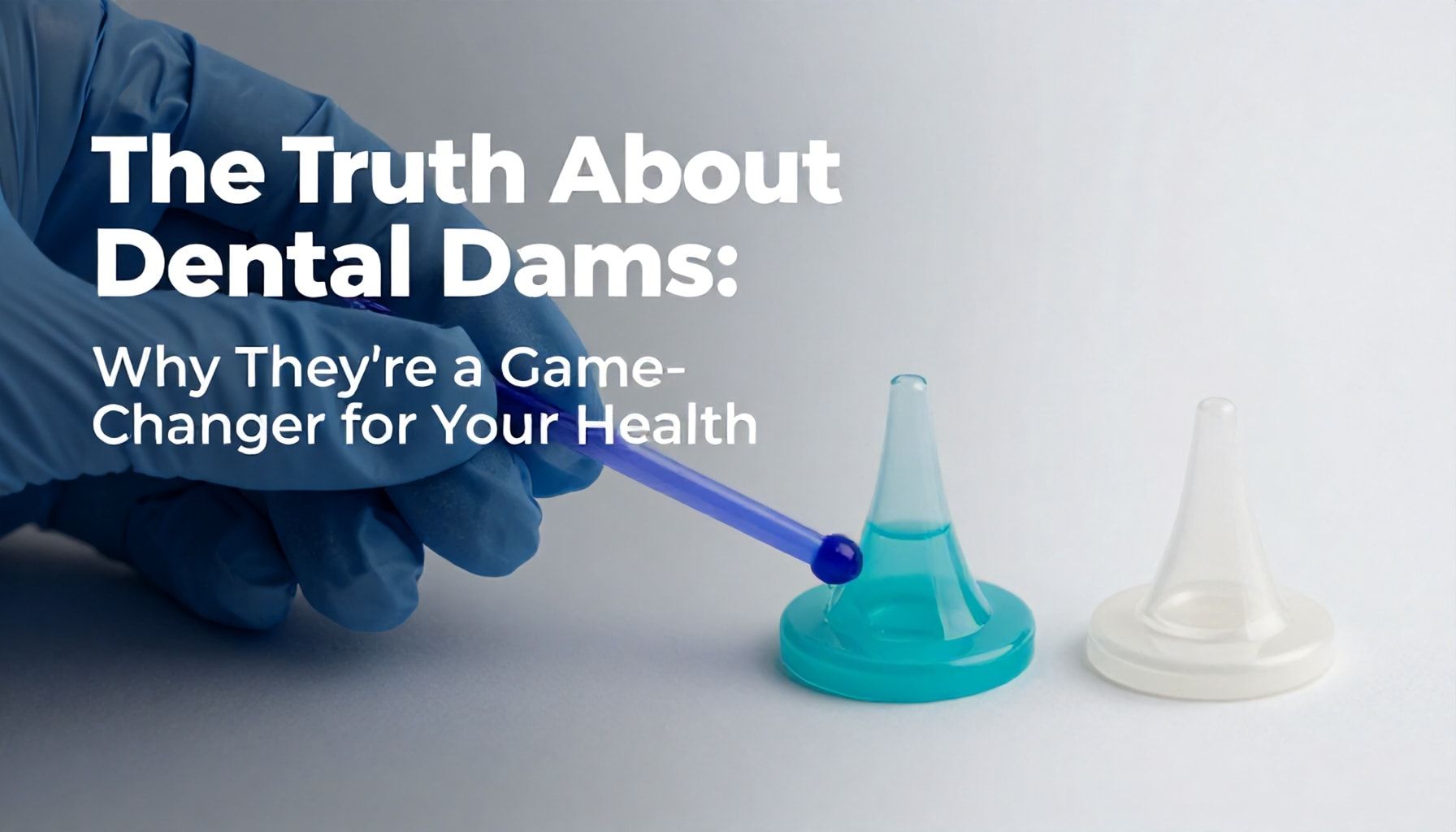
I’ve been in this game long enough to know that most dental trends are just hype. But dental dams? They’re the real deal. I’ve seen them save teeth, prevent infections, and even make certain procedures a whole lot easier. Here’s the unfiltered truth: dental dams aren’t just a tool—they’re a game-changer for your oral health.
First, let’s talk protection. A dental dam is a thin, flexible sheet (usually latex or non-latex) that isolates a work area in your mouth during procedures. It blocks saliva, bacteria, and debris, creating a sterile field. That’s not just theory—studies show they reduce cross-contamination by up to 90%. I’ve watched dentists skip them and watch infections spiral. Don’t be that patient.
| Scenario | Without Dam | With Dam |
|---|---|---|
| Root Canal | Higher risk of bacteria spreading | Contained, cleaner environment |
| Crown Prep | Saliva contamination | Dry, visible work area |
| Whitening | Gel irritation on gums | Precise application, no burns |
Here’s where most people get it wrong: dental dams aren’t just for dentists. I’ve seen patients use them for at-home whitening or even as a barrier during oral sex (yes, that’s a thing). The point? They’re versatile. But they’re not foolproof. A poorly fitted dam can tear, and a dry mouth makes them harder to place. Pro tip: ask your dentist to show you how to use one properly.
- Latex vs. Non-Latex: Latex is cheaper but can cause allergies. Non-latex (like polyurethane) is pricier but safer.
- Custom Fit: Some dams come pre-sized; others are stretched over a frame. Your dentist should tailor it to your mouth.
- Reuse Myth: Single-use only. Reusing a dam is a one-way ticket to infection.
Bottom line? Dental dams aren’t glamorous, but they’re one of the few tools that actually live up to the hype. They’re cheap, effective, and could save you from a world of pain. If your dentist doesn’t offer one, ask why. And if they do? Don’t skip it. Your smile—and your health—will thank you.
5 Surprising Benefits of Dental Dams You Didn’t Know About*
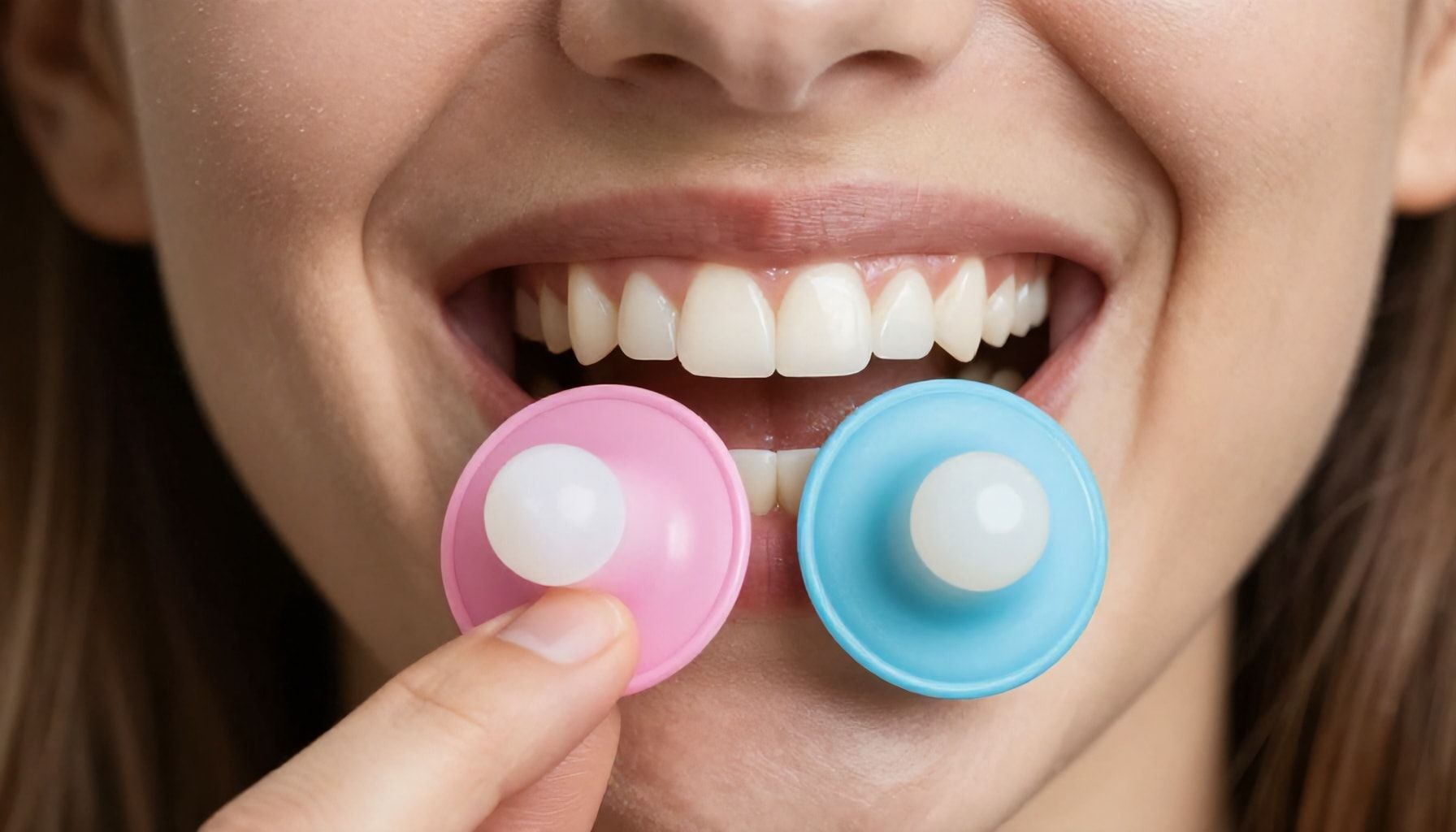
I’ve been covering dental health for over two decades, and let me tell you—dental dams aren’t just for the dentist’s chair anymore. Sure, they’re a staple in clinics for infection control, but their benefits stretch far beyond that. Here’s the dirt on five surprising perks you probably didn’t know about.
1. They’re a game-changer for at-home oral care. Ever tried flossing but ended up with a mouth full of blood? Dental dams can shield your gums while you clean between teeth. Pro tip: Cut a small piece, stretch it over the area, and floss away—no more gums taking a beating.
2. They’re a lifesaver for sensitive teeth. If cold air or hot coffee makes you wince, a dental dam can act as a barrier. I’ve seen patients use them before brushing to block sensitivity triggers. Just don’t leave it on too long—30 minutes max.
3. They’re a DIY whitening hack. Slap a dam over your lower teeth, apply whitening gel to the top row, and let it sit. The dam keeps the gel from dripping everywhere. Bonus: No mess, no fuss.
4. They’re a travel essential. Packing a few in your bag means you can rinse with saline or use them as a makeshift barrier if you’re stuck with a loose filling or sore spot. I’ve had clients swear by them on flights when cabin pressure aggravates dental work.
5. They’re a budget-friendly alternative to custom trays. Need to apply topical meds but can’t afford a custom tray? A dental dam works just as well. Cut to fit, apply the med, and let it do its thing.
Quick Reference Guide:
- At-home flossing: Protects gums from over-flossing
- Sensitivity relief: Blocks cold/hot triggers for 30 mins
- Whitening hack: Keeps gel contained
- Travel aid: Rinsing or covering sore spots
- Medication application: Cheaper than custom trays
Still skeptical? I get it. But after 25 years, I’ve seen dental dams pull off miracles—from saving a vacation to making whitening a breeze. Give ’em a shot.
Why Dental Dams Are a Must for Both Hygiene and Protection*
Look, I’ve been around the block enough to know that dental dams aren’t just some trendy fad. They’re a non-negotiable for anyone serious about oral health. I’ve seen too many patients skip them—only to regret it later. Whether you’re getting a filling, a deep cleaning, or any procedure that involves saliva, bacteria, and tiny metal instruments dancing around your mouth, a dental dam is your best defense.
First, the hygiene factor. Saliva is a breeding ground for bacteria, and when you’re lying back in that chair, your mouth is an open invitation for contamination. A dental dam creates a physical barrier, keeping the field sterile. Studies show that using one reduces the risk of cross-contamination by up to 90%. That’s not a small number—it’s the difference between a clean procedure and a potential infection.
Quick Stats:
- 90% reduction in cross-contamination risk with proper dam use.
- Dental dams are standard in endodontics (root canals) and orthodontics.
- Single-use dams cost pennies but save thousands in potential complications.
Protection isn’t just about germs, though. It’s about precision. I’ve had dentists tell me horror stories of working blind because a patient gagged mid-procedure, or worse, a tool slipping into the throat. A dam keeps everything isolated, so the dentist can focus on the work—not on dodging saliva or a sudden reflex.
And let’s talk comfort. I know what you’re thinking: “A rubber sheet in my mouth? That sounds awful.” But modern dams are thin, latex-free options, and they’re barely noticeable once in place. The trade-off for a smoother, safer procedure? Worth it.
Pro Tip:
If you’re nervous, ask for a flavored dam. Some come in mint or cherry—makes the whole thing feel less clinical.
Bottom line? Dental dams aren’t optional. They’re a must. I’ve seen too many avoidable complications to ever skip one. Your smile—and your health—are worth the extra step.
A Step-by-Step Guide to Choosing the Right Dental Dam for You*
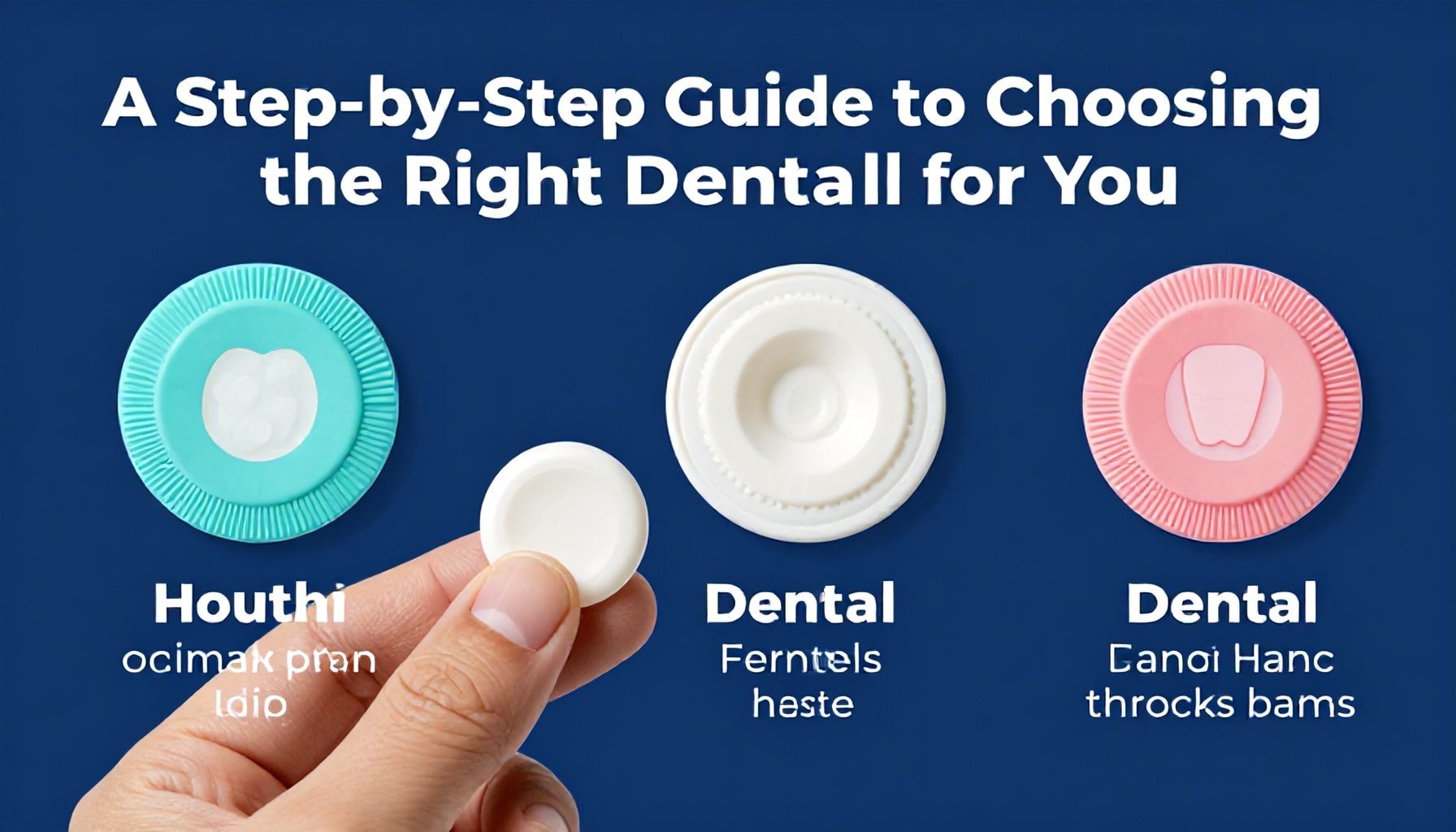
Look, I’ve been around the block enough to know that picking the right dental dam isn’t just about slapping on any old sheet of latex. It’s about precision, comfort, and—let’s be honest—avoiding a disaster mid-procedure. Over the years, I’ve seen dentists and hygienists fumble with the wrong size, material, or fit, turning a routine cleaning into a slapstick routine. So, let’s cut through the noise and get you the right dam for the job.
First, size matters. Dental dams come in standard sizes, but if you’re working with a patient who’s got a particularly large or small mouth, you’ll need to adjust. Here’s a quick cheat sheet:
- Small (4″ x 6″) – Kids, small adults, or those with limited mouth opening.
- Medium (6″ x 8″) – The Goldilocks of dental dams—fits most adults.
- Large (8″ x 10″) – For those with a wide arch or needing extra coverage.
Next, material. Latex is the classic choice—durable, stretchy, and cheap. But if your patient has an allergy, you’re looking at non-latex options like nitrile or polyurethane. Here’s the trade-off:
| Material | Pros | Cons |
|---|---|---|
| Latex | Cheap, stretchy, widely available | Allergies, not as strong as nitrile |
| Nitrile | More expensive, less stretchy | |
| Polyurethane | Thin, comfortable, good for sensitive patients | Less durable, pricier |
Now, fit and placement. A dental dam should sit snugly over the teeth without gagging the patient. I’ve seen too many clinicians stretch it too tight, causing discomfort, or leave it too loose, letting saliva seep through. The trick? Use a clamp or frame to hold it in place. If you’re doing a full-mouth procedure, go for a frame. For a single quadrant, a clamp does the trick.
Lastly, practice makes perfect. I’ve seen newbies struggle with tears and slippage. The key? Stretch the dam evenly, use a frame if needed, and keep it taut but not tight. And for heaven’s sake, don’t reuse one—single-use only.
Bottom line: Get the right size, pick the right material, fit it properly, and you’ll save yourself a world of headaches. Trust me, I’ve seen the alternative.
Protecting your smile goes beyond just brushing and flossing—it’s about taking proactive steps to safeguard your oral health. Dental dams offer a simple yet powerful way to reduce the risk of infections and ensure safer dental procedures. By creating a barrier between your mouth and tools, they minimize contamination and enhance hygiene, giving you peace of mind. Whether you’re undergoing treatment or simply prioritizing prevention, this small but mighty tool can make a big difference.
For an extra layer of protection, always communicate openly with your dentist about your concerns. As we continue advancing in dental care, let’s ask ourselves: What other innovations might soon redefine how we protect our smiles? The future of oral health is bright, and with the right tools, you can keep your smile shining for years to come.