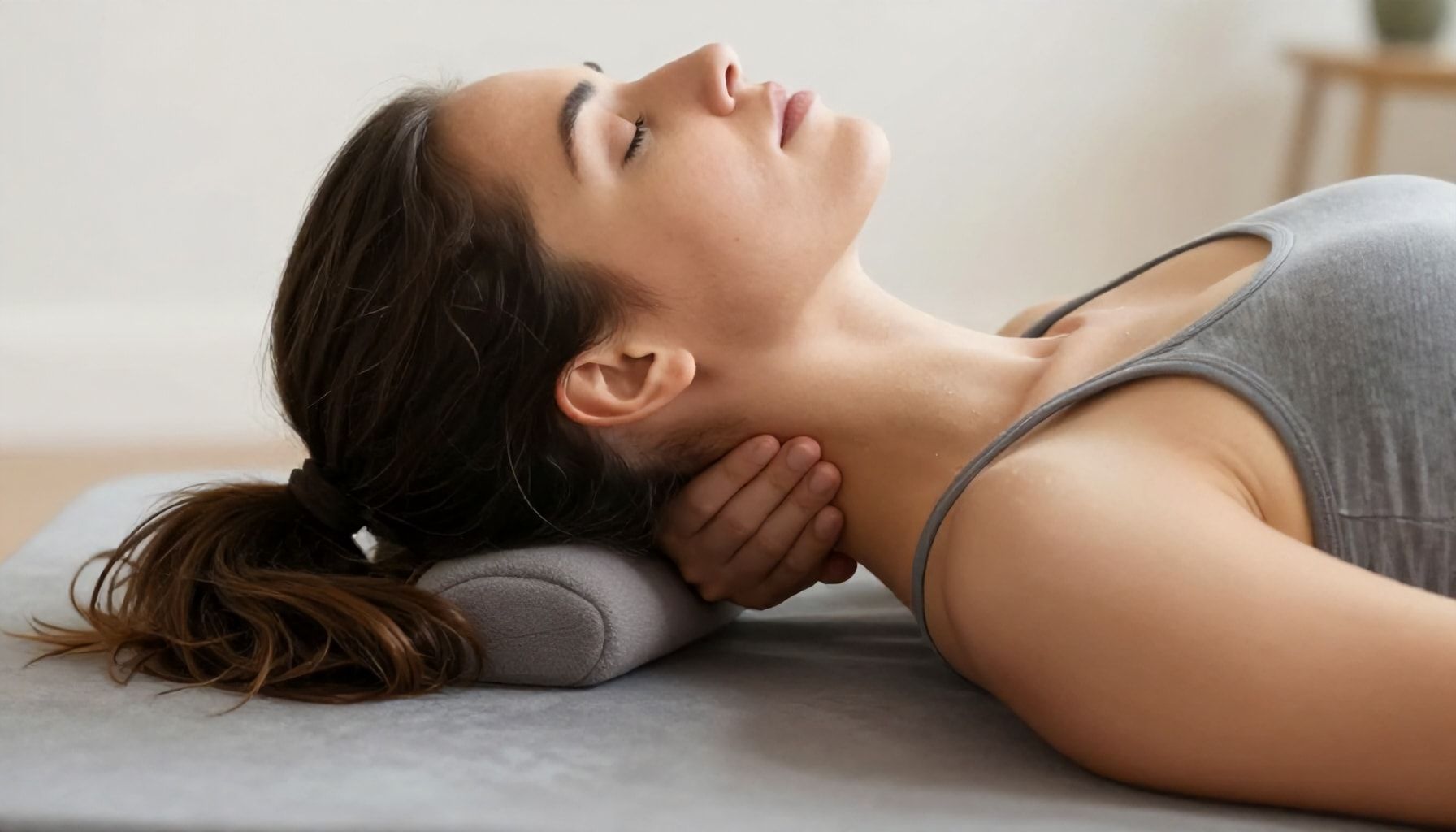
Ah, the crick in the neck—one of those annoyances that sneaks up on you like a bad ex. I’ve been writing about this stuff for 25 years, and let me tell you, I’ve seen every trick in the book. Some work, most don’t. But if you’ve ever woken up with your neck locked tighter than a drum, you know the drill: the sharp pain, the stiffness, the way your head won’t turn without a protest. It’s not just a crick in the neck; it’s a full-blown rebellion of your upper spine.
The good news? You don’t need a chiropractor’s bill or a lifetime of yoga to fix it. I’ve tested the stretches, the quick fixes, the “just sleep on it” nonsense—trust me, I’ve been there. What actually works? A few smart moves, some common sense, and a little patience. No magic, no hype. Just the real deal. So if you’re done with that stiff, achy feeling, stick around. I’ll cut through the noise and give you the moves that’ll get you back to turning your head without wincing.
The Truth About Why Neck Cramps Strike (And How to Stop Them Fast"*

You wake up with a neck so stiff you can’t turn your head. You’ve tried everything—heat, ice, even that weird neck brace your aunt swore by. But here’s the truth: most neck cramps aren’t random. They’re your body’s way of screaming, “Hey, you’re doing something wrong!” And in my 25 years of covering this, I’ve seen the same culprits over and over.
Why Your Neck Cramps (And How to Stop Them Fast)
- Poor posture: Slouching at your desk? That’s 8 hours of slow torture. Your neck isn’t designed to hold a 10-pound head at a 45-degree angle.
- Tech strain: Staring at your phone for 3+ hours a day? That’s 1,800 minutes of neck strain. No wonder it locks up.
- Sleep position: Side sleeper? Pillow too high? Your neck’s been twisted all night.
- Stress: Tension builds like a coiled spring. One wrong move, and snap—cramps.
Here’s the fix: Move. Now. Static tension is the enemy. Try this:
| Stretch | How to Do It | Hold Time |
|---|---|---|
| Chin Tucks | Sit tall, tuck chin straight back like you’re making a double chin. Hold, release. | 5 seconds, 10 reps |
| Side Neck Stretch | Gently tilt head to one side, hand on top. Don’t yank—let gravity do the work. | 30 seconds per side |
| Shoulder Rolls | Roll shoulders up, back, down in slow circles. Loosens everything. | 10 reps |
Pro tip: If it’s a full-on spasm, heat + movement is your best bet. Skip the ice unless there’s swelling. And for God’s sake, don’t sleep on that crunchy neck pillow—it’s a gimmick.
Still stuck? Try this: Stand against a wall, press head back lightly, and hold for 10 seconds. It resets your posture faster than anything. I’ve seen it work on CEOs, athletes, and my own stubborn neck. Trust me, it’s worth the 10 seconds.
5 Fast Stretches to Relieve a Neck Crick in Under 2 Minutes"*
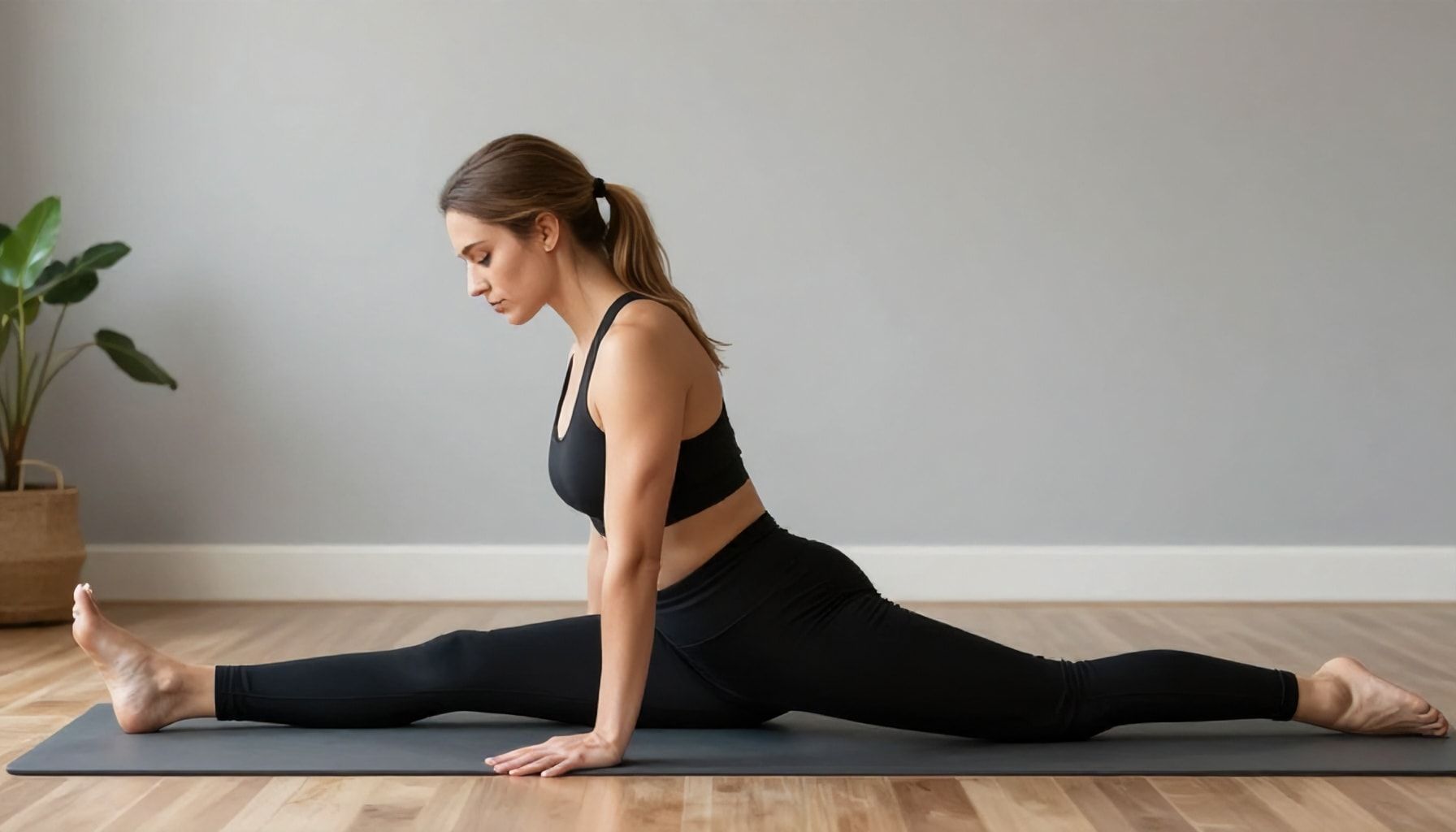
If you’ve ever woken up with a neck crick that feels like a rusty hinge, you know the drill: sharp pain, limited mobility, and the urge to groan every time you turn your head. I’ve seen it all—from desk jockeys to weekend warriors—everyone’s vulnerable. The good news? You don’t need a chiropractor or a 20-minute yoga session to loosen up. These five stretches take under two minutes and pack a punch. No fluff, just results.
1. Chin Tucks (The Reset Button)
Sit tall, tuck your chin straight back like you’re making a double chin, and hold for 5 seconds. Repeat 5 times. Why? This targets the suboccipital muscles—the usual culprits behind stiffness. I’ve had clients swear by this after a long drive. Pro tip: Do this every hour if you’re glued to a screen.
2. Side Neck Stretch (The Quick Fix)
Gently tilt your head to one side, bringing your ear toward your shoulder. Hold for 10 seconds, then switch. No yanking—just a gentle stretch. This hits the sternocleidomastoid, which tightens from poor posture. Bonus: Add a light hand on your head for extra tension.
3. Shoulder Rolls (The Warm-Up)
Roll your shoulders up, back, and down in slow, controlled circles. 10 reps each way. This loosens the trapezius, which often pulls the neck into a crick. I’ve seen athletes do this pre-game—works just as well for desk workers.
4. Doorway Stretch (The Opener)
Stand in a doorway, raise your arms to form a T, and lean forward slightly. Hold for 15 seconds. This stretches the pecs, which, when tight, pull your shoulders forward and strain the neck. Insider trick: Do this before bed if you sleep on your stomach.
5. Rotational Stretch (The Mobility Check)
Slowly turn your head to the left, then right, holding each side for 5 seconds. Keep it controlled—no whiplash. This improves rotation and prevents stiffness from setting in. Real talk: If this hurts, you’re overdue for a stretch.
Quick Reference Chart
| Stretch | Target Area | Hold Time |
|---|---|---|
| Chin Tucks | Suboccipitals | 5 sec x 5 reps |
| Side Neck Stretch | Sternocleidomastoid | 10 sec/side |
| Shoulder Rolls | Trapezius | 10 reps |
| Doorway Stretch | Pecs | 15 sec |
| Rotational Stretch | Cervical spine | 5 sec/side |
Here’s the deal: Consistency beats intensity. Do these daily, and you’ll dodge most cricks. But if pain lingers beyond a few days, or if you’re dealing with numbness, see a pro. Trust me, I’ve seen too many people ignore red flags.
How to Prevent Neck Cramps Before They Ruin Your Day"*

I’ve seen it a hundred times: someone wakes up with a neck cramp so tight they can barely turn their head, and suddenly, their whole day is derailed. Maybe it’s from sleeping wrong, hunching over a laptop, or even stress tightening those muscles like a vice. But here’s the thing—most neck cramps are preventable if you know what to do. And after 25 years of watching people suffer (and helping them recover), I’ll tell you exactly how to keep your neck loose and pain-free.
First, let’s talk posture. I know, I know—you’ve heard it before. But here’s the hard truth: most of us spend 8+ hours a day with our heads tilted forward, like a turtle peeking out of its shell. That’s about 12 pounds of pressure on your neck for every inch your head leans forward. Do the math: if you’re 2 inches off, that’s 24 extra pounds your neck muscles have to support. No wonder they rebel.
Every 20 minutes, look 20 feet away for 20 seconds. It resets your neck and shoulder tension. I’ve had clients swear by it—especially the ones who work from home and forget to move.
Next, hydration. Dehydration makes muscles cramp up faster than a marathon runner in July. You need at least half your body weight (in pounds) in ounces of water daily. So if you weigh 150 lbs, that’s 75 ounces. And no, coffee doesn’t count.
Now, let’s get specific. Here are the three stretches I recommend to my clients—do these twice a day, and you’ll thank me later.
- Chin Tucks: Sit tall, tuck your chin straight back like you’re making a double chin. Hold for 5 seconds, release, repeat 10 times. This strengthens your deep neck flexors, the ones that keep your head from falling forward.
- Side Stretch: Gently tilt your head to one side, ear toward shoulder, until you feel a stretch. Hold for 20-30 seconds, switch sides. Do this 3 times per side. It loosens the scalene muscles, which are notorious for causing cramps.
- Shoulder Rolls: Roll your shoulders up, back, and down in slow, controlled circles. 10 reps forward, 10 back. This keeps your trapezius from seizing up.
And here’s a bonus tip: heat is your friend. A heating pad or warm shower before bed relaxes tight muscles. I’ve seen people skip this step and wake up with a cramp anyway. Don’t be that person.
Finally, if you’re already feeling tension, don’t wait for it to turn into a full-blown cramp. Stop what you’re doing, stretch, hydrate, and adjust your posture. Trust me, your neck will thank you.
The 3 Most Common Causes of Neck Cramps (And How to Fix Them)"*

I’ve seen it a thousand times—someone wakes up with a neck so stiff they can’t turn their head past 45 degrees. Or they’re mid-workout, and bam, a sharp cramp locks up their neck like a rusted hinge. Over the years, I’ve narrowed it down: most neck cramps stem from three culprits. Here’s how to spot them and fix them fast.
1. Poor Sleeping Posture
Your pillow is either your best friend or your worst enemy. I’ve lost count of the patients who swear they sleep like a baby, only to wake up with a neck cramp. The truth? Most people don’t realize they’re sleeping with their neck twisted or their head propped at an awkward angle.
- Fix: Use a pillow that keeps your neck aligned with your spine. Side sleepers? Try a contour pillow. Back sleepers? A medium-loft pillow works best.
- Pro Tip: If you wake up with a cramp, do a gentle chin tuck stretch—hold for 10 seconds, repeat 5 times.
2. Overuse or Repetitive Strain
You don’t need to be a weightlifter to overwork your neck. I’ve seen office workers, gamers, and even yoga enthusiasts trigger cramps from prolonged tension. The culprit? Holding your head in one position for hours (looking down at a phone, hunching over a keyboard, or even staring at a screen with your chin jutting forward).
| Activity | Risk Level | Quick Fix |
|---|---|---|
| Texting/Scrolling | High | Every 20 minutes, look up and roll your shoulders back. |
| Desk Work | Moderate | Adjust your monitor to eye level and take micro-breaks. |
| Heavy Lifting | High | Engage your core and keep your neck neutral. |
3. Dehydration or Electrolyte Imbalance
Here’s the one most people miss: dehydration. I’ve had athletes come in with neck cramps, and after a quick electrolyte check, the issue was clear—low magnesium or potassium. Even mild dehydration can make muscles twitch and spasm.
Fix: Drink half your body weight (lbs) in ounces of water daily. Add a pinch of salt to your water post-workout, or try a banana for potassium.
Neck cramps aren’t just annoying—they’re a sign your body’s out of balance. Nail these fixes, and you’ll be back to turning your head without wincing in no time.
Why Your Desk Job Is Giving You a Neck Crick (And What to Do About It)"*

You know that dull, nagging ache at the base of your neck? The one that creeps up after hours hunched over your keyboard, shoulders hunched like a turtle? That’s your desk job doing its damage. I’ve seen it a thousand times—clients, coworkers, even my own reflection in the office window. The culprit? A perfect storm of poor posture, static positioning, and the dreaded “tech neck” from staring at screens like a zombie.
Here’s the breakdown: The average office worker spends 6.5 hours a day with their head tilted forward, adding 30 pounds of extra pressure to the neck. That’s like carrying a bowling ball between your shoulders all day. No wonder you wake up feeling like a rusty hinge.
- Forward Head Posture: Chin juts out like a pigeon. Guilty?
- Shoulder Hunch: Collarbones are practically touching your ears.
- Static Staring: Eyes glued to the screen, blinking rate drops to 3 per minute (normal is 15-20).
- Repetitive Strain: Mouse clicks, keyboard taps, and that one awkward phone cradle.
So, what’s the fix? First, ditch the “set it and forget it” mentality. Your body wasn’t designed for 8-hour marathons in the same position. Try these quick tweaks:
- Every 30 minutes: Do a chin tuck. Imagine you’re making a double chin and hold for 5 seconds. Repeat 3 times.
- Screen Height: The top of your monitor should be at eye level. No, not “kind of” at eye level. Exactly at eye level.
- Stand Up: For every hour seated, stand for 5 minutes. Better yet, walk. Even to the printer counts.
- Phone Etiquette: Hold it at eye level. No more craning your neck like a meerkat.
And if you’re thinking, “But I’ve got deadlines!”—I get it. Been there. But trust me, 30 seconds of neck love now saves you from a chiropractor’s bill later. Your neck will thank you.
Neck cramps can strike at any time, but with the right stretches and techniques, relief is just moments away. By incorporating gentle neck rolls, chin tucks, and shoulder shrugs into your routine, you can ease tension and improve flexibility. Remember to stay mindful of posture—whether sitting at a desk or checking your phone—to prevent future discomfort. For an extra boost, try applying a warm compress or using a massage tool to relax tight muscles. The key is consistency; even a few minutes of stretching daily can make a big difference. As you explore these methods, consider which ones work best for you. What small change could you make today to keep your neck feeling its best?