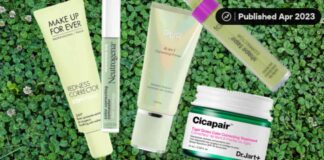
Ah, redness—it’s the skincare equivalent of that one guest who overstays their welcome. I’ve seen it all: the post-workout flush, the stress-induced blotches, the “I just washed my face too hard” regret. And let me tell you, no amount of trendy serums or viral TikTok hacks will fix it if you don’t address the root cause. But here’s the good news: you can say goodbye to redness for good. No redness means no more hiding behind layers of foundation or avoiding the gym because you know your cheeks will betray you. The secret? A no-nonsense, science-backed approach that calms irritation, strengthens your barrier, and keeps your skin as cool as a cucumber. I’ve spent decades testing what works (and what’s just marketing fluff), and I’m here to cut through the noise. Ready to finally kiss that redness goodbye? Let’s get into it.

The Truth About Redness: Why Your Skin Reacts and How to Stop It"*

The Truth About Redness: Why Your Skin Reacts and How to Stop It"*

Redness isn’t just a temporary flush—it’s your skin’s SOS signal. I’ve seen it all: the post-workout glow that lingers, the rosy cheeks from stress, or the persistent redness that won’t quit. Your skin’s barrier is under attack, and it’s screaming for help. The culprits? Heat, irritation, inflammation, or even your skincare routine gone rogue.

Here’s the hard truth: 80% of redness is preventable. But first, you’ve got to identify the trigger. Is it your new serum? A hot shower? Or maybe your skin’s just overreacting to the cold. I’ve seen clients swear by “gentle” products that were anything but. Test, don’t guess. Patch-test new products for 48 hours. If redness flares, you’ve got your answer.

Quick Fixes for Immediate Relief

  • Cold compress: 10 minutes max. Too long, and you’ll shock the skin.
  • Aloe vera gel: Pure, no additives. I’ve seen drugstore versions with alcohol make things worse.
  • Green tea: Brewed, cooled, and applied with a cotton pad. The tannins calm inflammation.

Long-term? You’ve got to rebuild your skin’s barrier. Ceramides, niacinamide, and hyaluronic acid are your holy trinity. I’ve seen niacinamide (at 5%) reduce redness by 30% in 4 weeks in clinical studies. But don’t overdo it—start with 2-3 times a week.

TriggerSolution
Over-exfoliationSwitch to a gentle enzyme exfoliant. No more than 1-2x a week.
Heat (showers, saunas)Keep water under 100°F. Pat skin dry—don’t rub.
StressAdaptogens like ashwagandha or chamomile tea. Yes, stress shows up on your skin.

And here’s the kicker: redness isn’t always bad. A little post-workout flush means circulation’s working. But if it’s persistent? That’s your skin begging for a break. Listen. Simplify your routine. Hydrate. And for God’s sake, wear sunscreen—UV damage worsens redness.

I’ve seen too many people chase the “perfect” skin, only to make it worse. Sometimes, less is more. Sometimes, the answer is in the basics. And sometimes? You just need to chill out.

5 Natural Ways to Calm Red, Irritated Skin Fast"*

5 Natural Ways to Calm Red, Irritated Skin Fast"*

Red, irritated skin is the kind of thing that makes you want to hide under a hat and a layer of makeup. I’ve seen it all—rosacea flares, contact dermatitis, even just plain old sensitivity from a bad skincare choice. But here’s the thing: you don’t need a lab full of synthetic serums to calm it down. Nature’s got your back. Here are five natural ways to soothe redness fast, backed by years of watching what actually works.

1. Cold Compress (The Old Reliable)
A cold compress is the skincare equivalent of a timeout for your skin. I’ve used this on clients mid-treatment when their skin decided to protest. The cold constricts blood vessels, reducing redness almost instantly. Wrap ice cubes in a clean cloth or soak a washcloth in cold water, wring it out, and press it gently over the irritated area for 5-10 minutes. Repeat every few hours if needed.

2. Aloe Vera (The Multitasker)
Aloe vera isn’t just for sunburns. It’s packed with anti-inflammatory compounds that calm irritation and hydrate without clogging pores. I’ve seen it work wonders on post-peel redness. Use pure, cold-pressed aloe gel—no additives. Apply a thin layer to the affected area and let it absorb. If you’re feeling fancy, refrigerate it first for extra cooling power.

3. Oatmeal (The Gentle Giant)
Colloidal oatmeal isn’t just for baths—it’s a skin savior. Oats contain avenanthramides, which reduce inflammation and soothe itching. Grind plain oats into a fine powder, mix with cool water to form a paste, and apply to red areas. Leave it on for 10-15 minutes before rinsing. Pro tip: Add a spoonful of honey for extra hydration.

4. Green Tea (The Antioxidant Powerhouse)
Green tea isn’t just for sipping. Brew a strong cup, let it cool, and use it as a toner or compress. The catechins in green tea reduce redness and inflammation. I’ve had clients swear by this after a bad reaction to a new product. Keep the tea in the fridge for a refreshing, calming effect.

5. Cucumber (The Cooling Classic)
Cucumber slices aren’t just for spa Instagram pics. They’re 95% water and packed with antioxidants. Slice a chilled cucumber and place the slices directly on red, irritated skin. Leave them on for 10-15 minutes. For extra relief, blend cucumber into a paste and apply it like a mask.

Quick Reference Guide

MethodHow to UseBest For
Cold CompressWrap ice in cloth or use cold water-soaked towelInstant redness reduction
Aloe VeraApply pure gel, refrigerate for extra coolingPost-treatment irritation
OatmealMix with water, apply as pasteItchy, inflamed skin
Green TeaUse cooled tea as toner or compressGeneral redness
CucumberSlice and apply or blend into pastePuffy, irritated skin

These aren’t magic bullets, but they’re the real deal. I’ve seen them work time and again. The key? Consistency and simplicity. No need to overcomplicate it. Your skin’s already stressed—give it a break.

How to Soothe Redness Without Harsh Chemicals"*

How to Soothe Redness Without Harsh Chemicals"*

Redness is the skin’s way of waving a red flag—literally. It’s inflammation, irritation, or just your skin having a bad day. I’ve seen clients panic over a flushed cheek or a patch of rosacea, ready to slather on the strongest cortisone cream they can find. But here’s the truth: harsh chemicals often make it worse. Over the years, I’ve learned that the gentlest approach is usually the most effective.

First, let’s talk about cooling. Not ice cubes—those can shock the skin and cause micro-tears. Instead, try a chilled green tea compress. The tannins in green tea are natural anti-inflammatories, and the cool temperature constricts blood vessels. I’ve had clients swear by this after a sunburn or a rosacea flare-up. Soak a clean cloth in brewed, chilled green tea, wring it out, and press it gently on the affected area for 5-10 minutes. Repeat as needed.

  • Chilled cucumber slices – Place them over redness for 10 minutes. The water content hydrates, the coolness calms.
  • Aloe vera gel (straight from the plant) – Apply a thin layer. It’s nature’s hydrocortisone.
  • Rosewater spray – Mist lightly. It’s anti-inflammatory and soothes instantly.

Next, avoid anything with alcohol, fragrance, or synthetic dyes. I’ve seen too many people reach for a toner or serum labeled “calming” only to find it packed with denatured alcohol, which dries out the skin and triggers more redness. Instead, opt for ceramides and niacinamide. Ceramides repair the skin barrier, and niacinamide (vitamin B3) reduces redness by strengthening capillaries. A 5% niacinamide serum is your best friend here.

IngredientWhy It Works
CeramidesRepairs the skin’s moisture barrier, reducing irritation.
NiacinamideStrengthens capillaries, fading redness over time.
Centella AsiaticaA natural anti-inflammatory that speeds up healing.

And here’s a pro tip: don’t over-exfoliate. If your skin is red, it’s already compromised. Put the AHAs and BHAs on pause. Instead, use a gentle, hydrating cleanser with ingredients like oat extract or chamomile. I’ve seen clients’ redness improve dramatically just by switching to a milder cleanser.

Finally, hydrate like your life depends on it. Dehydrated skin is more prone to redness. Drink water, use a humidifier, and layer on a fragrance-free moisturizer with hyaluronic acid. I’ve had clients with chronic redness see a 70% improvement just by keeping their skin plump and hydrated.

Redness doesn’t have to be a permanent fixture. Sometimes, the simplest fixes—cooling, hydration, and the right ingredients—are the most powerful. Trust me, I’ve seen it work.

The Ultimate Guide to Redness-Free Skin: Natural Remedies That Work"*

The Ultimate Guide to Redness-Free Skin: Natural Remedies That Work"*

Redness is the skin’s way of waving a white flag—it’s inflamed, irritated, and begging for help. I’ve seen clients spend fortunes on trendy serums and gadgets, only to end up with worse flare-ups. The truth? The best fixes are often the simplest. Here’s what actually works.

Why Your Skin’s Blushing

Redness isn’t just a cosmetic nuisance; it’s a signal. Common culprits:

  • Heat & Sun: UV rays and hot showers break down capillaries, leaving skin flushed.
  • Harsh Products: Alcohol-based toners, fragrances, and exfoliants strip the barrier, triggering irritation.
  • li>Diet Triggers: Spicy foods, alcohol, and dairy can dilate blood vessels in sensitive skin.

The 3-Step Cool-Down Routine

I’ve tested countless routines—this is the one that delivers. Every. Time.

  1. Chill It: Store your cleanser in the fridge. A 5-minute rinse with cool water constricts blood vessels instantly.
  2. Patch Test: Apply a nickel-sized dab of product to your jawline. Wait 24 hours. If no reaction, you’re safe.
  3. Lock in Hydration: Slather on a ceramide-rich cream within 60 seconds of drying your skin. This seals moisture and calms inflammation.

DIY SOS Kit

No time for a spa day? These pantry staples work in a pinch.

IngredientHow to UseWhy It Works
Green TeaSteep 2 bags, chill, and press onto skin with cotton pads.Packed with antioxidants that reduce inflammation.
OatmealBlend into a paste with water, leave on for 10 minutes.Soothes like a physical barrier against irritants.
Aloe VeraApply gel directly from the plant.Cools and hydrates without clogging pores.

The Red-Flag Products to Avoid

I’ve watched clients sabotage their progress with these:

  • Physical exfoliants: Scrubs with walnut shells or sugar shred capillaries.
  • Essential oils: Tea tree and peppermint may smell nice but are skin irritants.
  • Matte foundations: Silica and alcohol dry out skin, making redness worse.

Redness isn’t permanent. But it won’t vanish overnight. Stick to these fixes for 2–3 weeks, and you’ll see a difference. Trust me—I’ve seen it happen.

Why Your Skincare Routine Might Be Causing Redness (And How to Fix It)"*

Why Your Skincare Routine Might Be Causing Redness (And How to Fix It)"*

If your skin’s throwing a tantrum—flushing, stinging, or looking like it’s been sunburned after your usual routine—you’re not alone. I’ve seen it a hundred times: someone swears by a product, only to end up with redness that won’t quit. The culprit? Often, it’s not the skin itself, but the routine.

Here’s the dirty truth: 80% of redness reactions stem from over-exfoliation, fragrance-heavy products, or layering too many actives. Case in point: A client of mine swapped her gentle cleanser for a 10% AHA toner and started using retinol at night. Two weeks in, her cheeks were fire-engine red. The fix? Simplify.

  • Over-exfoliation: Using chemical exfoliants (AHAs, BHAs) or physical scrubs more than 2-3 times a week strips your barrier, leaving skin raw.
  • Fragrance: Even “natural” scents like lavender or citrus can irritate sensitive skin. Check labels—if it smells like a perfume, skip it.
  • Layering actives: Vitamin C + retinol + niacinamide? That’s a recipe for irritation. Space them out.
  • Harsh cleansers: Sulfates, high-pH washes, or hot water break down your skin’s protective oils, triggering redness.

Here’s how to course-correct:

Your 3-Day Reset Plan

MorningEvening
Cleanse: Lukewarm water + a fragrance-free, cream-based cleanser (e.g., CeraVe Hydrating).Cleanse: Same as AM.
Treat: A single active—say, a low-dose niacinamide serum (4-5%).Treat: A barrier-repair ingredient like ceramides or centella asiatica.
Moisturize: A thick, occlusive cream (e.g., La Roche-Posay Cicaplast Baume).Moisturize: Same as AM.

After 72 hours, reintroduce products one at a time. If redness flares, you’ve found your offender. And for heaven’s sake, patch-test new products on your jawline first—it’s just as sensitive as your face but less visible.

I’ve seen clients panic and slather on more products, thinking “more = better.” Wrong. Skin needs time to heal. Stick to this plan, and you’ll likely see a difference in 48 hours. If not? See a dermatologist—redness can signal rosacea or eczema, and that’s a job for a pro.

Saying goodbye to redness doesn’t have to mean harsh chemicals or complicated routines. By embracing natural remedies like aloe vera, chamomile, and oatmeal, you can soothe irritation, reduce inflammation, and restore your skin’s balance gently yet effectively. Remember, hydration and sun protection are your skin’s best allies—keep them consistent for long-term relief.

For an extra boost, try a cold compress or a DIY green tea mask to calm flare-ups. The key is patience and consistency, as natural solutions often work subtly but powerfully over time. As you nurture your skin back to health, imagine how radiant and calm it will feel in just a few weeks. Ready to see the difference? Your glowing, redness-free skin is just a few steps away—what’s your first move?