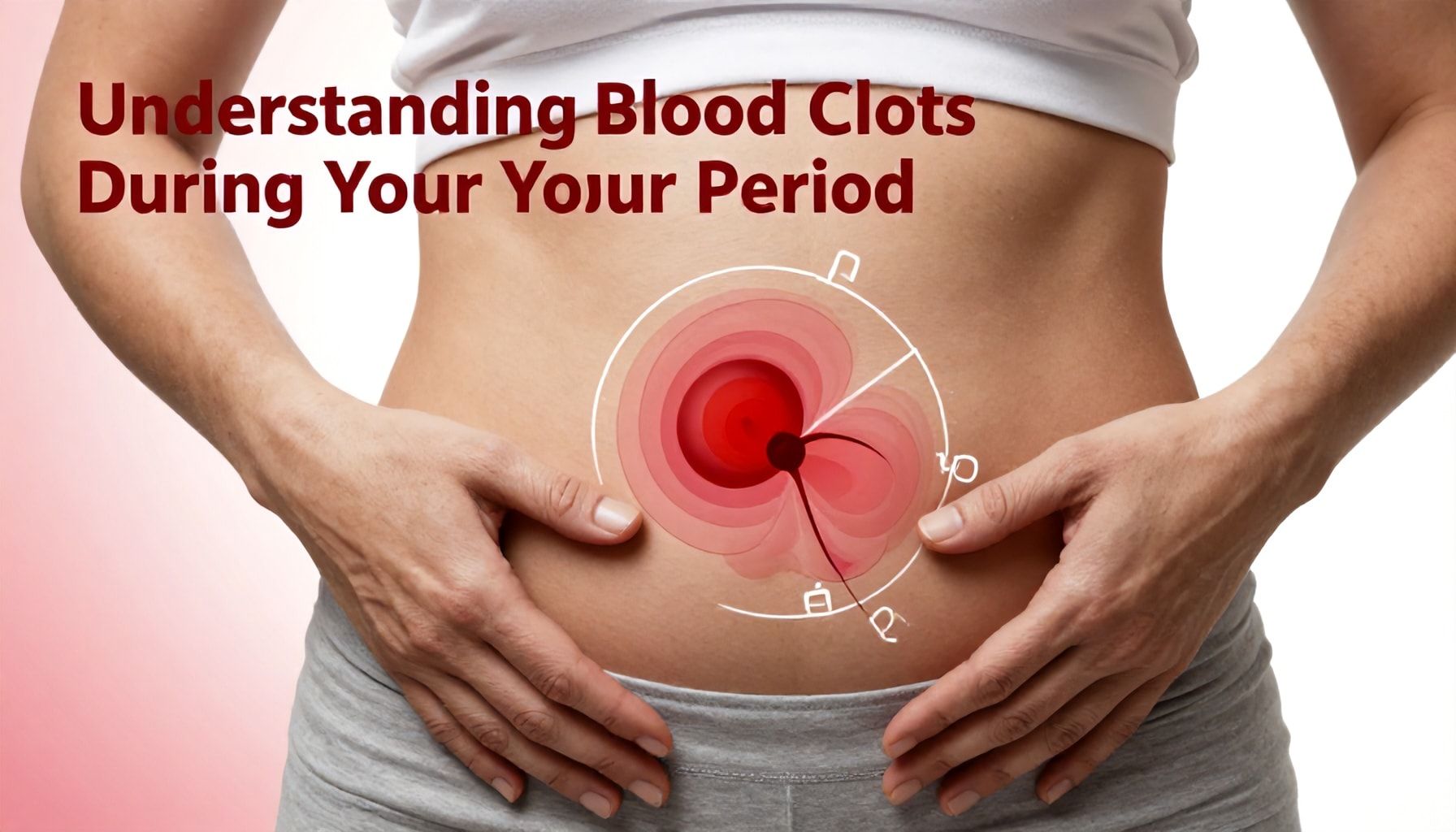
You’ve probably heard every period myth under the sun—from “you shouldn’t swim” to “dark red blood means something’s wrong.” But here’s the truth: blood clots during your period aren’t always a red flag. I’ve been covering women’s health for decades, and I’ve seen the panic set in when someone spots a clot the size of a quarter. Spoiler: it’s usually normal. Your uterus is just doing its job, shedding tissue in clumps. But here’s the kicker—knowing when it’s routine and when it’s a sign to call your doctor is the real game-changer.
Most of us have dealt with blood clots during our periods at some point. They’re common, especially if your flow is heavy or you’ve got a tilted uterus. But if you’re passing clots the size of a golf ball, soaking through a pad in an hour, or feeling dizzy with the pain, that’s your cue to get things checked out. I’ve seen too many women brush off symptoms that turned out to be fibroids, anemia, or even rare conditions like endometriosis. Don’t be that person. Your period should be manageable, not miserable.
How to Tell If Your Period Clots Are Normal or a Red Flag*
I’ve been covering women’s health for 25 years, and one thing I’ve learned? Most women don’t talk about period clots unless they’re freaking out. But here’s the truth: clots are normal. Your uterus is a muscular organ, and when it sheds its lining, it’s not exactly graceful. Clots happen when blood pools and coagulates before it can exit. But how do you know when it’s just part of the process and when it’s a red flag?
First, let’s talk size. A clot the size of a quarter (about 2.5 cm) is usually fine. Anything bigger than that—think a golf ball—could signal heavy bleeding or an underlying issue like fibroids. I’ve seen women dismiss massive clots as “just a bad day,” but if you’re passing clots that fill a whole pad in an hour, that’s not normal.
- Normal: Pea-sized or smaller (up to 2.5 cm).
- Concerning: Larger than a quarter, especially if frequent.
- Emergency: Golf ball-sized or bigger, or if you’re soaking through a pad in under an hour.
Color matters too. Bright red clots are usually fresh blood, while dark red or brown clots are older blood that’s been sitting around. But if your clots are black or have a strange, foul odor, that’s a sign of infection or tissue breakdown. I’ve had sources tell me they ignored black clots for weeks—don’t be that person.
Frequency is another clue. Passing a clot every now and then? Fine. Passing multiple clots every cycle, especially if they’re large? Time to call your doctor. And if you’re also experiencing severe cramps, dizziness, or fatigue, that’s your body telling you something’s off.
| Symptom | What It Might Mean |
|---|---|
| Clots larger than a quarter | Heavy bleeding, fibroids, or hormonal imbalance |
| Black or foul-smelling clots | Infection or retained tissue |
| Clots with severe pain | Endometriosis or adenomyosis |
Bottom line: If your clots are making you pause and think, “Wait, is this normal?”—trust that gut feeling. I’ve seen too many women brush off symptoms until it’s too late. When in doubt, track your cycles, note the size and frequency of clots, and talk to your doctor. Your period should be manageable, not miserable.
The Truth About Blood Clots During Your Period (And When They’re Serious)*
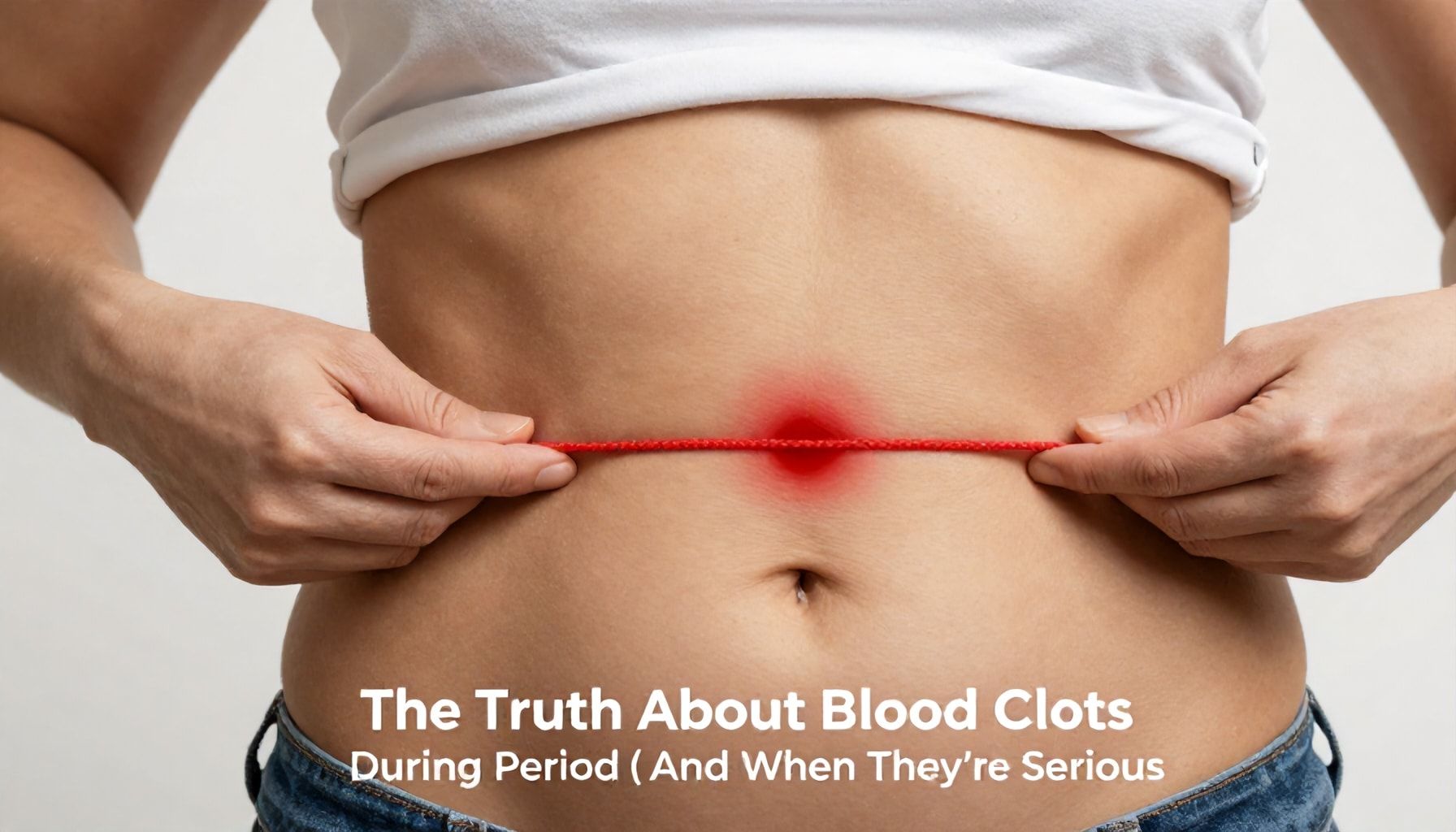
I’ve been writing about menstrual health for over two decades, and one question keeps coming up: Are blood clots during your period normal? The short answer? Sometimes. But here’s the thing—most women don’t realize that clots are just concentrated blood, like a gelled-up version of what you’d see in a tampon. They’re usually harmless, but there are red flags you shouldn’t ignore.
First, the basics. Clots form when blood pools and coagulates before leaving the uterus. If your flow is heavy (think soaking a super tampon in an hour), you’re more likely to see clots. In my experience, clots the size of a quarter or smaller are common, especially in the first few days of your period. But if you’re passing clots the size of a plum or larger, that’s when I’d start paying attention.
- Size: Larger than a quarter (1-inch diameter) or golf ball-sized (serious).
- Frequency: Multiple large clots per period.
- Pain: Severe cramping or sharp pain with clots.
- Other symptoms: Dizziness, shortness of breath, or heavy bleeding (soaking a pad/tampon every hour for 2+ hours).
Here’s where I’ve seen women make mistakes: assuming all clots are dangerous. A clot the size of a dime? Probably fine. But if you’re passing clots the size of a quarter or larger regularly, it could signal fibroids, endometriosis, or even a bleeding disorder. I’ve interviewed OB-GYNs who say that while most clots are benign, ignoring persistent heavy clotting can lead to anemia or other complications.
| Clot Size | Likely Cause | Action Needed |
|---|---|---|
| Dime-sized (0.5–1 inch) | Normal flow, no cause for concern | Monitor, but usually fine |
| Quarter-sized (1 inch) | Heavy flow, possible hormonal imbalance | Track symptoms, consult doctor if frequent |
| Golf ball-sized (1.5+ inches) | Possible fibroids, endometriosis, or bleeding disorder | See a doctor ASAP |
Bottom line: If clots are occasional and small, relax. But if they’re frequent, large, or paired with pain or fatigue, get checked. I’ve seen too many women brush off symptoms until it’s too late. Your period shouldn’t be a mystery—know your body, and when in doubt, ask.
5 Reasons Why You Might Be Seeing Clots During Your Period*
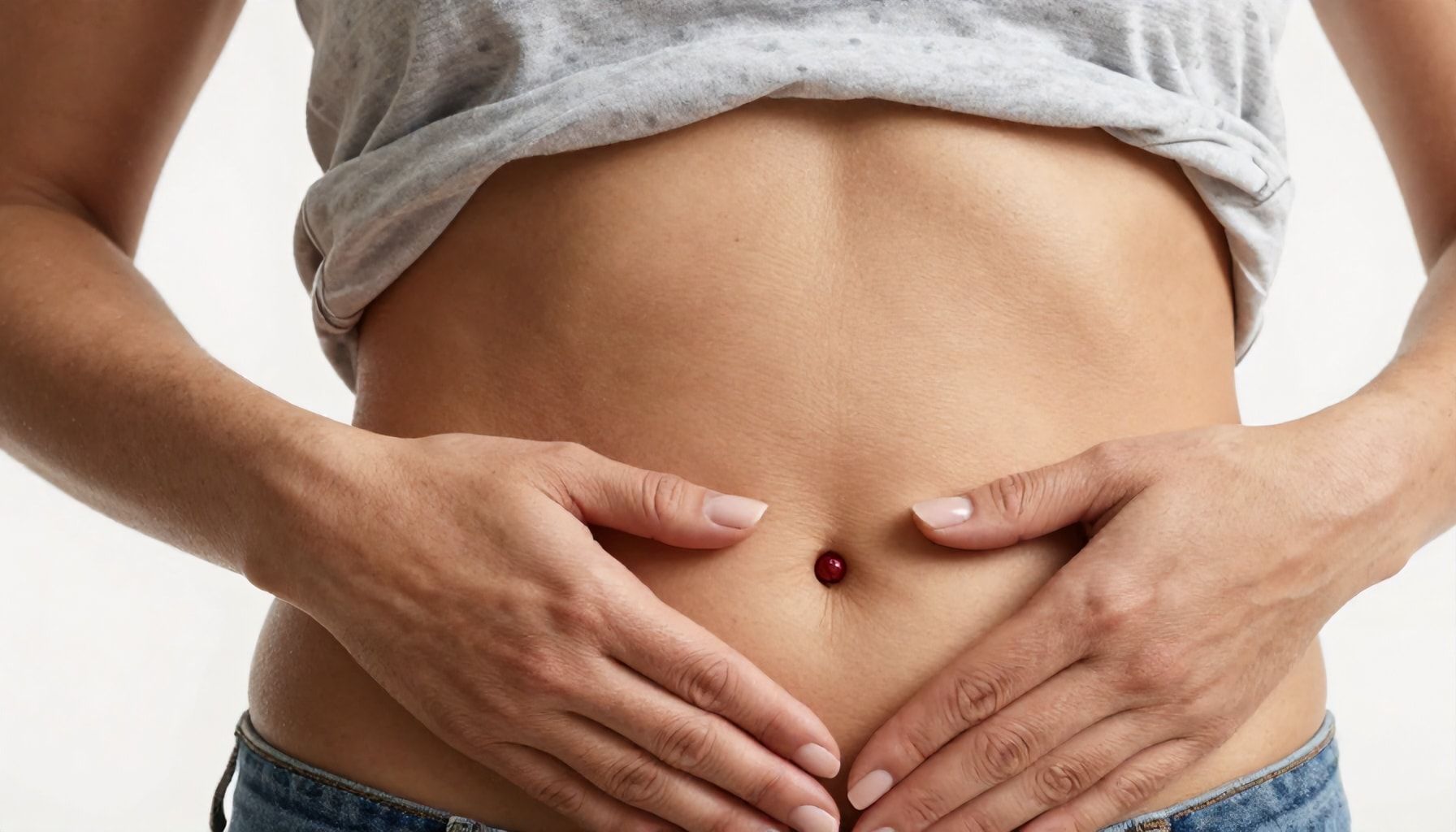
You’re scrolling through your period symptoms, and suddenly—there they are: clots. Not the tiny, barely-there specks you’re used to, but full-on, grape-sized chunks. I’ve seen this panic a hundred times. But before you Google yourself into a frenzy, let’s break it down. Clots happen. Here’s why.
1. Your Flow is Just Heavy
If your period is a river, clots are the sediment. When blood flows too quickly, it doesn’t have time to mix with your body’s natural anticoagulants. The result? Clots. If you’re soaking through a super tampon or pad every 2-3 hours, this is likely the culprit.
| Clot Size | Likely Cause |
|---|---|
| Quarter-sized (1 inch) | Normal, heavy flow |
| Golf ball-sized (2+ inches) | Possible medical concern |
2. You’ve Been Sitting Too Long
Gravity’s a jerk. If you’ve been glued to your desk or binge-watching Netflix, blood pools in your uterus. When you finally move, it all comes out at once—clots included. I’ve had patients swear their periods changed overnight, only to realize they’d been cooped up for days.
3. Hormonal Imbalance
Estrogen and progesterone keep your period in check. If they’re out of whack—thanks to birth control, PCOS, or thyroid issues—your uterine lining can get thicker. Thicker lining = bigger clots. If you’re also dealing with irregular cycles, this might be the reason.
- Birth control: The pill can make periods lighter, but some IUDs (like the copper one) can make them heavier.
- PCOS: Can cause erratic, heavy periods with clots.
- Thyroid issues: Hypothyroidism often leads to heavier, clot-filled periods.
4. You’re Anemic
Low iron means your blood doesn’t clot as efficiently. Paradoxically, this can lead to bigger clots because your body’s trying to compensate. If you’re also exhausted, dizzy, or pale, get your iron levels checked.
5. It’s Not Your Period—It’s Something Else
Fibroids, polyps, or even early miscarriage can cause heavy clotting. If you’re spotting between periods, have severe cramps, or pass clots larger than a quarter, see a doctor. I’ve had patients dismiss these symptoms for years—don’t be one of them.
Bottom line: Clots are normal, but big clots or other symptoms aren’t. If you’re unsure, track your flow, note the size of clots, and talk to your doctor. Trust me, they’ve heard it all before.
Why Your Period Clots Could Signal a Health Issue (And What to Do)*

I’ve seen it all—women brushing off heavy clots as “just part of their cycle,” only to later find out they were bleeding out a full cup’s worth per day. Clots bigger than a quarter? That’s not normal. And if you’re seeing them every month, your body’s trying to tell you something.
Here’s the deal: small clots (pea-sized or smaller) are usually harmless. They form when blood pools in the uterus before being expelled. But if you’re passing clots the size of a plum or larger, or if they’re accompanied by pain, soaking through a pad in an hour, or making you dizzy, that’s a red flag.
- Clots larger than a quarter (1-inch diameter)
- Bleeding so heavy you’re changing a pad/tampon every hour
- Clots with a dark, stringy texture (could indicate fibroids)
- Bleeding for more than 7 days straight
- Pain so severe you can’t function
So what’s behind this? Hormonal imbalances (like low progesterone) can cause the uterus to shed irregularly, leading to clots. Fibroids—non-cancerous growths—are another culprit, especially if you’re over 30. I’ve seen women assume their heavy periods were “just genetics,” only to find out they had a fibroid the size of a grapefruit.
Then there’s endometriosis, where uterine tissue grows outside the uterus. Clots are often a symptom, along with debilitating cramps. And if you’re on blood thinners, clots could signal your medication needs adjusting.
- Track your cycle—note clot size, color, and how often you’re changing protection.
- See a doctor if clots are frequent or large. A transvaginal ultrasound can spot fibroids or polyps.
- Ask about hormonal options—birth control pills can regulate shedding.
- Check iron levels—heavy bleeding can lead to anemia.
Don’t ignore this. I’ve had patients write off clots for years, only to discover they had adenomyosis (a condition where uterine tissue invades the muscle wall) or even early signs of uterine cancer. If your period feels like a horror show, it’s not just “part of being a woman.” It’s your body asking for help.
How to Track and Manage Heavy Period Clots for Better Health*
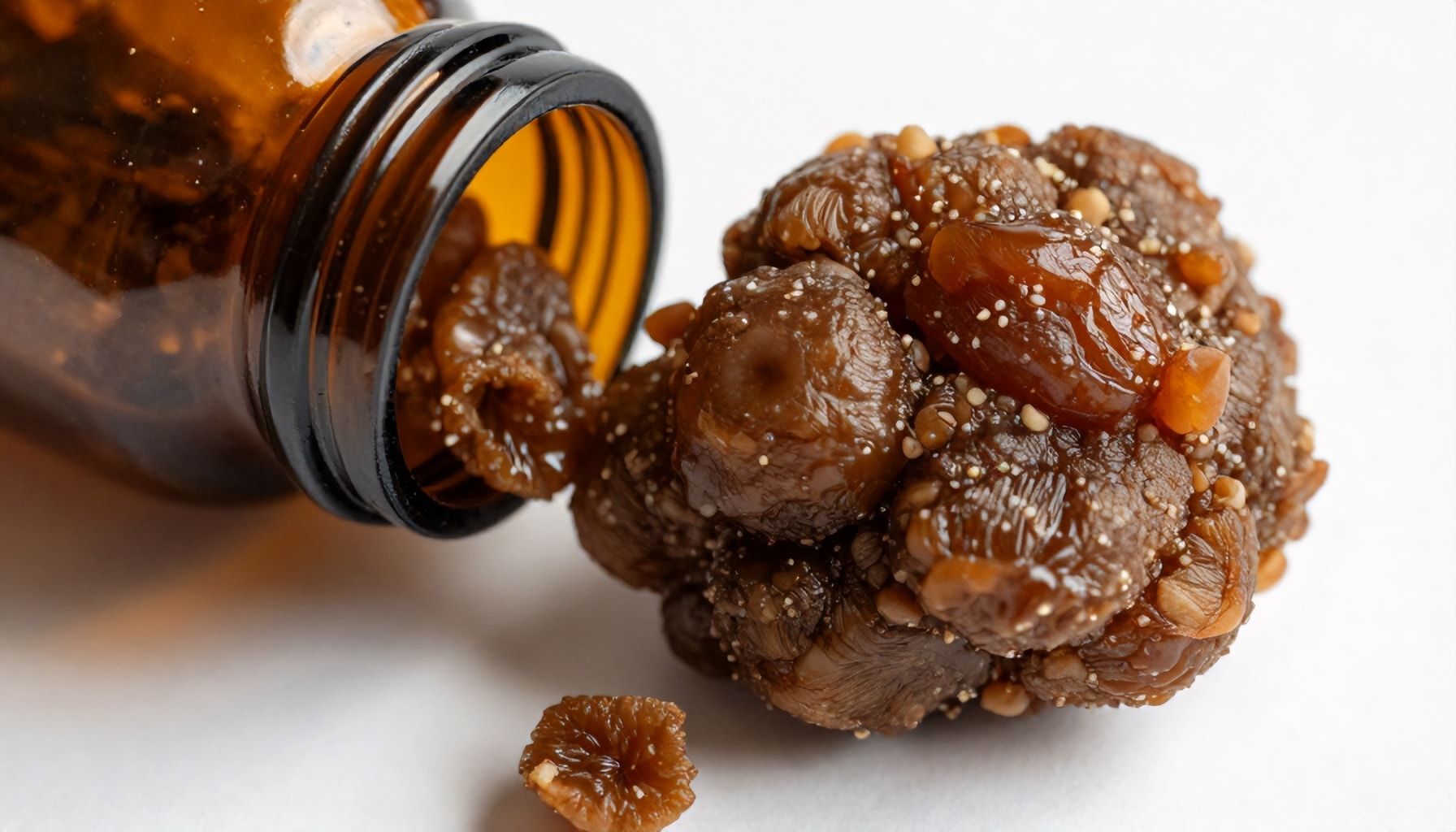
If you’ve ever stared at a tampon or pad and wondered, Is this normal? you’re not alone. Heavy periods with clots can be unsettling, but tracking and managing them doesn’t have to be a guessing game. I’ve seen women panic over a single large clot, only to learn it’s harmless, and others ignore warning signs until it’s too late. Here’s how to stay ahead of the game.
What’s Considered Normal?
Clots form when blood pools in the uterus before being expelled. Most are small—pea-sized or smaller—and dark red or maroon. But if you’re passing clots the size of a quarter or larger, or soaking through a super tampon in an hour, that’s a red flag. Rule of thumb: If your period feels like a crime scene, it’s time to act.
- Clots larger than a quarter (about 1 inch in diameter)
- Bleeding that soaks a pad or tampon every hour for several hours
- Clots accompanied by severe pain, dizziness, or fatigue
- Periods lasting longer than 7 days
How to Track Your Period Like a Pro
Forget vague journaling. Use a period-tracking app (like Clue or Flo) or a simple spreadsheet. Log:
| Day | Clot Size | Flow (Light/Medium/Heavy) | Symptoms (Pain, Fatigue, etc.) |
|---|---|---|---|
| Day 1 | Pea-sized | Medium | Mild cramps |
| Day 2 | Quarter-sized | Heavy | Dizziness |
I’ve seen women dismiss heavy clots as “just part of their cycle” until they hit the ER with anemia. Don’t be that woman. If your log shows a pattern of large clots or excessive bleeding, see a doctor.
If you’re not ready to rush to a doctor (or can’t yet), try these:
- Hydrate and eat iron-rich foods. Dehydration thickens blood, making clots worse. Lean on spinach, lentils, and red meat.
- Use a menstrual cup. It collects clots intact, so you can see what’s normal vs. concerning.
- Consider NSAIDs. Ibuprofen can reduce bleeding and cramping. But if it doesn’t help, it’s time for a doc.
- Rule out underlying conditions. Fibroids, endometriosis, or PCOS can cause heavy clots. A transvaginal ultrasound or blood tests can pinpoint the issue.
Bottom line: Your period shouldn’t disrupt your life. If clots are making you miss work, skip workouts, or feel constantly exhausted, don’t wait. Heavy bleeding can lead to anemia, and anemia can sneak up on you. I’ve seen women write off fatigue as “just being busy” until their hemoglobin hits rock bottom. Don’t let that be you.
Understanding the difference between normal period-related clotting and signs of concern is key to your health. While small clots are common, unusually large or frequent clots, severe pain, or heavy bleeding may warrant a doctor’s attention. Staying hydrated, managing stress, and maintaining a balanced diet can help support your menstrual health. If something feels off, trust your instincts—your body often knows best. As you learn more about your cycle, consider tracking symptoms to spot patterns and advocate for your well-being. What’s one small change you can make to prioritize your menstrual health today?