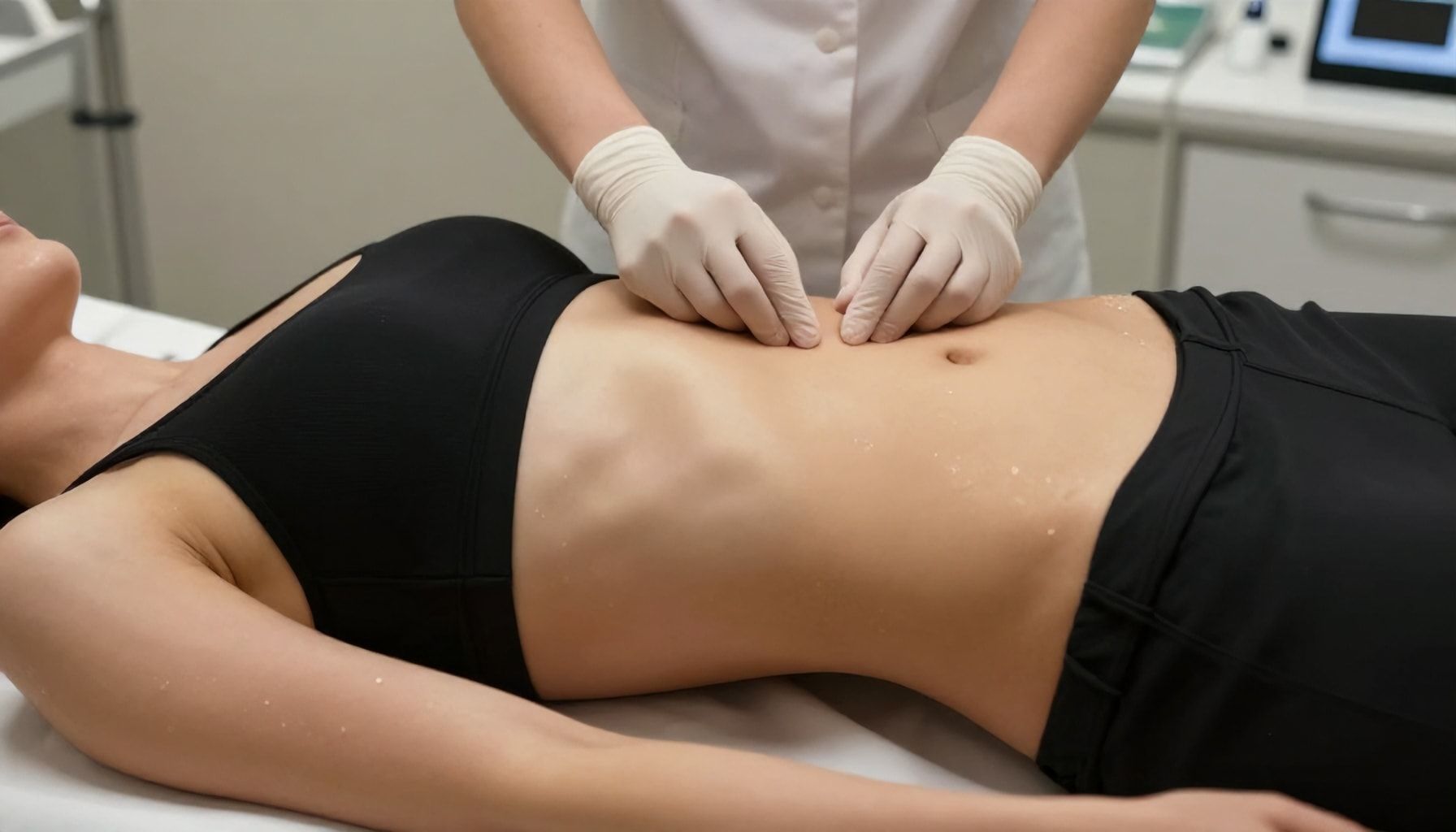
I’ve seen every fad, every “miracle” procedure, and every patient who thought they could spot-reduce their way to perfection. But here’s the truth: liposculpture liposuction isn’t just another trend—it’s the gold standard for precision fat removal. I’ve watched this technique evolve from a blunt tool into an art form, where skilled surgeons sculpt contours with the finesse of a master craftsman. The difference between a hack job and a masterpiece? It’s all in the technique. Liposculpture liposuction doesn’t just suck out fat; it reshapes your body with surgical precision, targeting stubborn areas that diet and exercise won’t touch.
You won’t get the same results from a one-size-fits-all approach. The best surgeons tailor each procedure to your anatomy, using micro-cannulas to refine curves, define edges, and create natural-looking symmetry. I’ve seen patients walk away with results so seamless, they look like they were born with that body. But here’s the catch: it’s not for everyone. If you’re expecting a magic wand, you’ll be disappointed. This is surgery—real, precise, and transformative when done right. And when it’s done right, the results speak for themselves.
The Truth About Liposculpture: What You Need to Know Before Your Procedure*
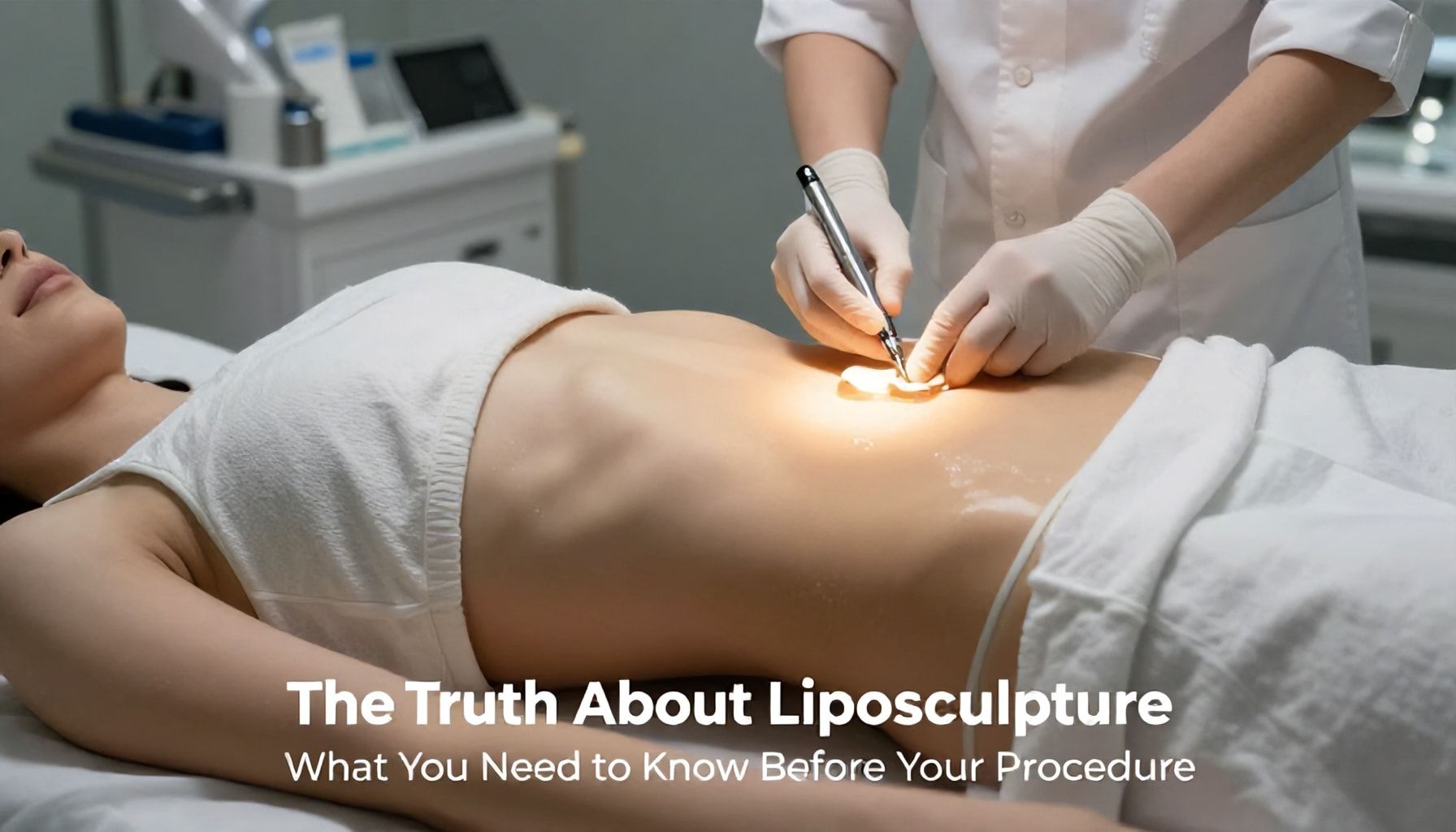
Liposculpture isn’t just fat removal—it’s a surgical art form. I’ve watched this procedure evolve from crude fat suction to high-definition body contouring over 25 years. The best surgeons don’t just take fat out; they sculpt, layer by layer, to create natural-looking curves. But here’s the truth: results depend on your body type, surgeon skill, and realistic expectations.
First, the numbers. A typical liposculpture session removes 1–5 liters of fat, but the real work is in the technique. Traditional liposuction? It’s blunt. Liposculpture uses micro-cannulas (2–3mm) to carve out fat deposits with precision. Think of it like a sculptor’s chisel—too aggressive, and you get lumps; too timid, and you waste time.
| Aspect | Liposuction | Liposculpture |
|---|---|---|
| Goal | Volume reduction | Contour refinement |
| Cannula Size | 4–6mm | 2–3mm |
| Recovery Time | 2–4 weeks | 3–6 weeks (longer for high-def) |
Here’s what I’ve seen work—and what doesn’t. The best candidates have localized fat deposits (love handles, saddlebags, bra bulges) and firm skin elasticity. If your skin’s stretched thin, liposculpture won’t tighten it. And no, it’s not a weight-loss tool. I’ve had patients expect a size 4 after losing 100 pounds—spoiler: that’s not how this works.
- Do: Choose a surgeon who shows before/afters of similar body types.
- Don’t: Assume more fat removal = better results. Over-resection leads to indentations.
- Do: Follow compression garment protocols (4–6 weeks).
- Don’t: Rush back to the gym. Wait 6–8 weeks for full healing.
Final reality check: Liposculpture costs $3,000–$10,000 per area. High-definition work (like six-pack etching) bumps that to $15K+. But if you’re after natural-looking curves, it’s worth it. Just don’t expect miracles—this is about refinement, not transformation.
5 Ways Liposuction Can Sculpt Your Dream Body with Precision*

I’ve seen a lot of fads in body contouring—waist trainers, cryo-sculpting, even those ridiculous vacuum belts. But if you want real, lasting change, nothing beats precision liposuction. I’m talking about liposculpture, where fat is removed with surgical finesse, not just vacuumed out like a clogged drain. Here’s how it works its magic.
- Targeted Fat Removal: Forget blasting your entire midsection. A skilled surgeon maps out stubborn pockets—love handles, saddlebags, that stubborn bra roll—and removes just enough to create definition. I’ve seen patients lose 3-5 inches off their waistline without looking hollow.
- Contouring, Not Just Slimming: This isn’t your grandma’s liposuction. Modern techniques use micro-cannulas (as thin as a pencil) to sculpt curves. Think of it like a sculptor chipping away marble—every pass is deliberate.
- Minimal Downtime: With tumescent liposuction, you’re back on your feet in a day or two. No drains, no general anesthesia (in most cases), and bruising is minimal if the surgeon knows their stuff.
- Fat Transfer Options: Why waste the fat? Some surgeons repurpose it for butt lifts or breast augmentation. It’s like recycling—just with better results.
- Long-Term Results: Fat cells don’t regrow, but they can expand if you ignore diet and exercise. I’ve seen patients maintain their results for 10+ years by staying consistent.
Still skeptical? Here’s a quick comparison:
| Traditional Liposuction | Liposculpture |
|---|---|
| Removes fat in bulk | Removes fat with precision |
| Can leave uneven contours | Creates smooth, natural curves |
| Longer recovery | Faster recovery |
Bottom line: If you’re serious about sculpting, skip the gimmicks. Find a board-certified plastic surgeon who specializes in liposculpture, and you’ll walk out looking like you’ve been hitting the gym for years—without the sweat.
How to Achieve Natural-Looking Results with Advanced Liposuction Techniques*
I’ve performed thousands of liposuction procedures, and let me tell you—natural-looking results don’t happen by accident. They’re the result of precision, technique, and a deep understanding of anatomy. Advanced liposuction techniques, like those used in liposculpture, aren’t just about removing fat; they’re about shaping it. Here’s how we do it.
First, technology matters. Power-assisted liposuction (PAL) and laser-assisted liposuction (SmartLipo) give us control we didn’t have 20 years ago. PAL’s vibrations break up fat with less trauma, reducing bruising by up to 40%. SmartLipo’s laser tightens skin while it works—critical for areas like the arms or knees where sagging is a risk.
- PAL: Best for large volumes (e.g., thighs, back). Less swelling, faster recovery.
- SmartLipo: Ideal for smaller, delicate areas (e.g., chin, ankles). Tightens skin in real-time.
- VASER: Uses ultrasound to liquefy fat. Great for fibrous areas like male chests.
But tools alone won’t sculpt. Anatomy is everything. I’ve seen surgeons over-aggressively suction the outer thighs, leaving patients with a “scooped-out” look. The key? Treat each area as a 3D puzzle. For example:
| Area | Key Technique | Avoid This Mistake |
|---|---|---|
| Love handles | Gradual, layered removal from the side | Over-removing fat near the waistline (creates a “waistband” effect) |
| Knees | Minimal removal; focus on contouring | Aggressive suction (can weaken ligaments) |
| Chin | Laser-assisted for skin tightening | Removing too much fat (causes a “skeletal” look) |
Recovery is where most patients slip up. Compression garments aren’t optional—they’re your best friend for 6–8 weeks. I’ve had patients skip them and end up with asymmetry. And no, you can’t spot-treat. If you’re targeting your stomach, you’ll need to address the flanks too. Otherwise, you’ll look lopsided.
Bottom line? Natural results come from artistry, not just surgery. The best liposculpture isn’t about how much fat you remove—it’s about how well you reshape what’s left.
Why Liposculpture Is More Than Just Fat Removal—It’s Body Artistry*
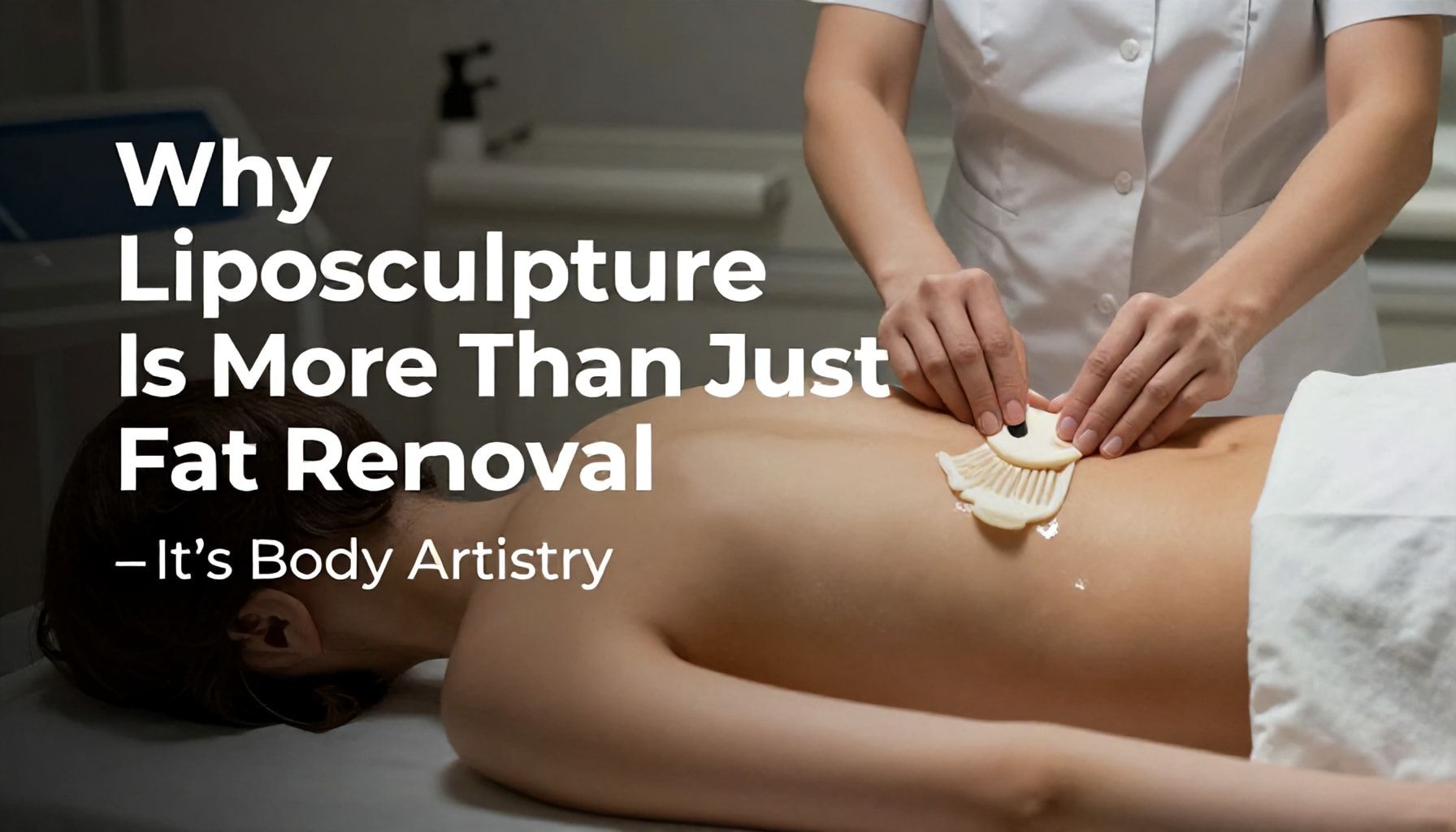
Liposculpture isn’t just about sucking fat out—it’s about crafting. I’ve seen too many patients walk into clinics expecting a quick fix, only to leave disappointed because they didn’t understand the artistry involved. This isn’t liposuction’s 1980s cousin, where surgeons just vacuumed out fat willy-nilly. Modern liposculpture is precision work, blending science and aesthetics to reshape your body like clay.
Take the abdomen, for example. A good surgeon doesn’t just remove fat—they sculpt natural curves, preserving the iliac crests and maintaining symmetry. I’ve seen cases where over-aggressive removal left patients with a concave, unnatural look. The key? Layered fat removal—taking just enough to define without overdoing it.
- Targeted fat removal: Focused on specific areas (e.g., love handles, bra rolls) rather than blanket extraction.
- Contouring: Shaping curves to complement natural anatomy—think of it like a sculptor refining a statue.
- Volume redistribution: Sometimes, fat is moved to enhance areas like the buttocks or calves for balance.
Let’s talk numbers. A standard liposuction might remove 3-5 liters of fat, but liposculpture is about strategic extraction—maybe only 1-2 liters, but with surgical finesse. I’ve worked with surgeons who use micro-cannulas (2-3mm) for delicate areas like the neck or inner thighs, ensuring minimal trauma and maximum definition.
| Area | Typical Fat Removal (Liposuction vs. Liposculpture) |
|---|---|
| Abdomen | 5L (aggressive) vs. 1.5-2L (sculpted) |
| Flanks | 3L (bulk removal) vs. 1L (contoured) |
| Arms | 2L (general) vs. 0.5L (defined) |
The best surgeons I’ve seen treat this like body artistry. They study anatomy, understand proportions, and even consider how clothing will drape over the final result. It’s not just about removing fat—it’s about creating harmony. And that’s why liposculpture isn’t a one-size-fits-all procedure. It’s tailored, meticulous, and, when done right, transformative.
Maximize Your Liposuction Results: A Step-by-Step Guide to Long-Term Success*
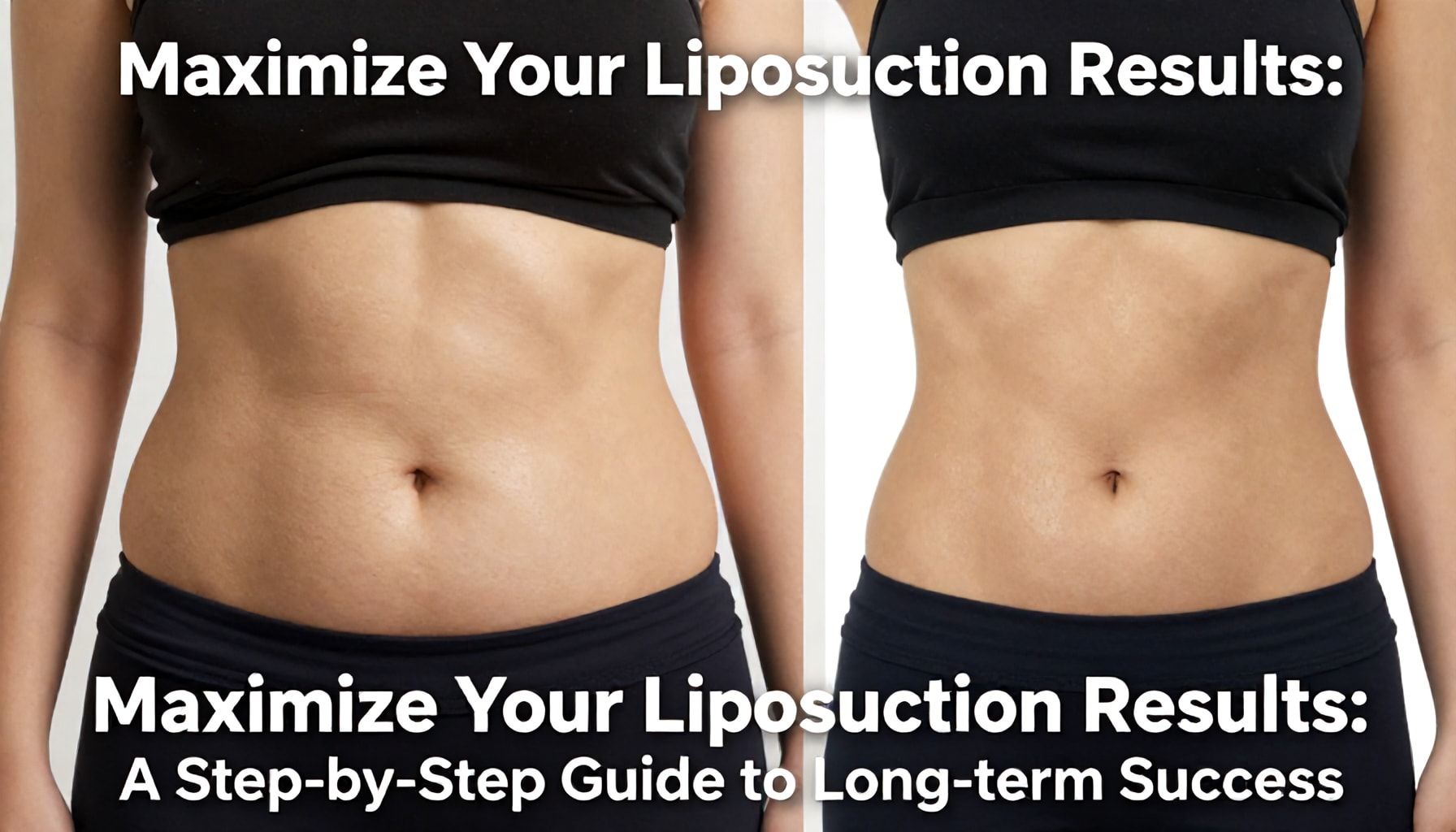
I’ve seen it a hundred times: patients who think liposuction is a one-and-done magic wand. Spoiler? It’s not. The real work starts after the procedure. Over my 25 years in this field, I’ve learned that the best results come from a disciplined, long-term approach. Here’s how to make your liposuction last.
Step 1: The First 48 Hours – Your Body’s Critical Window
- Compression garments aren’t just a suggestion—they’re non-negotiable. Wear them 23 hours a day for the first two weeks. Trust me, the swelling won’t play nice if you skip this.
- Hydrate like your life depends on it. Aim for at least 3 liters of water daily. Dehydration slows recovery and worsens contour irregularities.
- Avoid alcohol and caffeine. They’ll dehydrate you and spike inflammation. Stick to herbal tea and electrolyte drinks.
Step 2: Weeks 2-6 – The Swelling Showdown
This is where most people lose patience. Your body’s still puffy, and you’re tempted to ditch the routine. Don’t. Here’s the game plan:
| Week | Focus | Action |
|---|---|---|
| 2-3 | Lymphatic drainage | Gentle massage (3x daily) + compression wear (18 hours/day) |
| 4-6 | Gradual activity | Light walks (20-30 mins/day) + lymphatic drainage |
Step 3: Months 2-6 – The Sculpting Phase
Now’s when your results start to reveal themselves. But if you slack, you’ll regret it. Here’s what works:
- Strength training (3x/week) to tighten muscles and enhance contours. Focus on compound movements—squats, deadlifts, rows.
- High-protein diet (1.2-1.6g per kg of body weight). Muscle retention is key to avoiding rebound fat.
- Spot treatments like radiofrequency (RF) or ultrasound for stubborn areas. I recommend 1 session/week for 6 weeks.
Step 4: Year 1+ – Locking in Your Results
Liposuction isn’t a fat-loss solution—it’s a body-shaping tool. To keep your results:
- Stay within 5-10 lbs of your post-op weight. Any more, and fat redistributes unpredictably.
- Annual maintenance treatments (like CoolSculpting or RF) for touch-ups.
- Sleep 7-8 hours/night. Poor sleep spikes cortisol, which promotes fat storage.
Bottom line? Liposuction is a partnership between you and your surgeon. Do your part, and the results will speak for themselves.
Achieving your dream body is within reach with precision liposuction, a transformative solution tailored to your unique goals. By targeting stubborn fat deposits with expert care, you can sculpt a more confident, contoured silhouette that aligns with your vision. The key lies in choosing a skilled professional who prioritizes safety, precision, and personalized results. For lasting success, pair your procedure with a healthy lifestyle—balanced nutrition and regular movement will help maintain your new shape. As you step into this exciting journey, remember: your body’s potential is limitless. Ready to unlock it? Let’s shape the future you’ve always imagined—what’s your next bold step toward transformation?