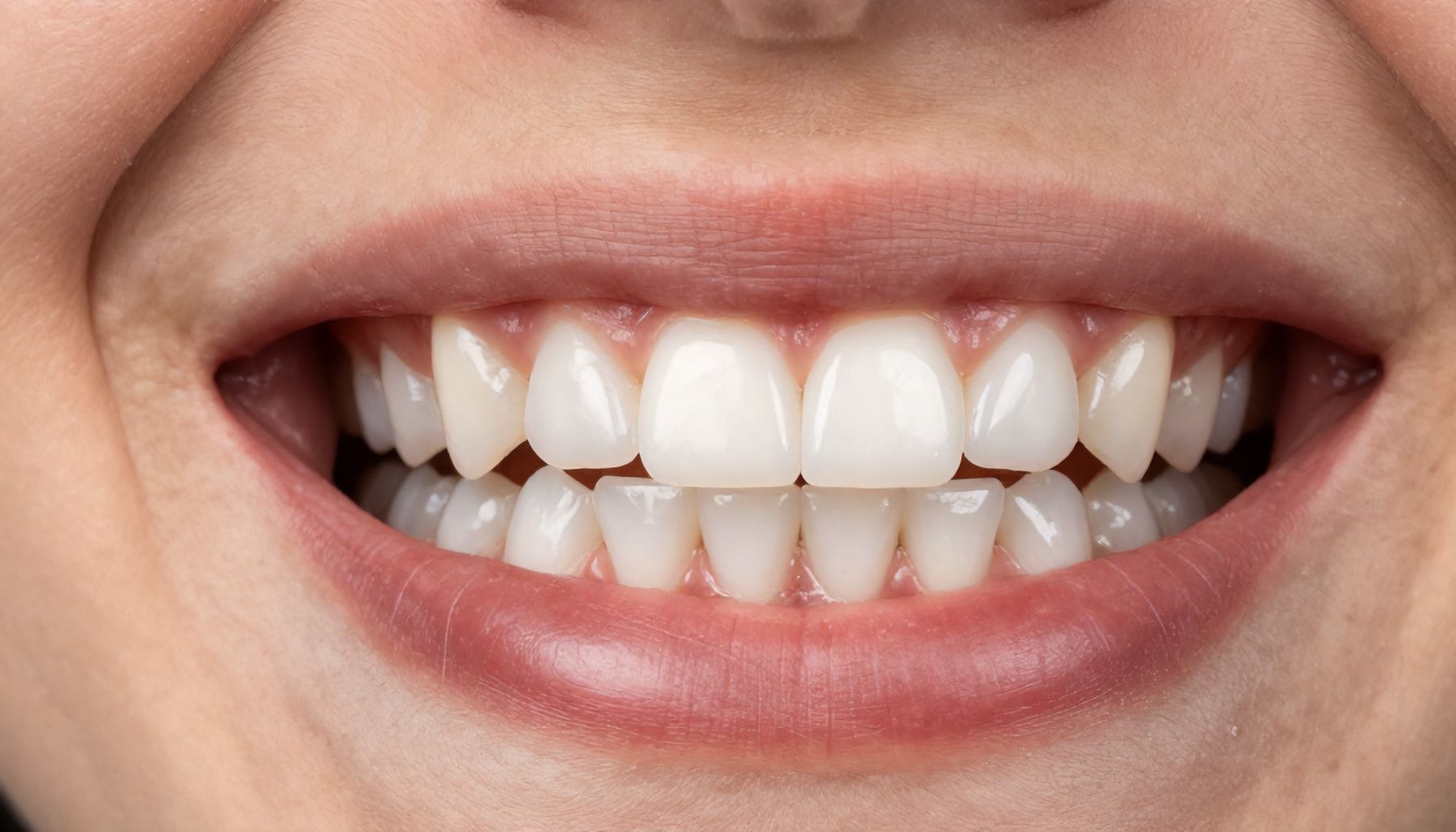
I’ve seen it all—from the awkward metal mouthpieces of the ‘90s to today’s sleek, nearly invisible options. And here’s the truth: adult braces aren’t just a rite of passage for teens anymore. They’re a game-changer for anyone who’s ever wished their smile could be straighter, more confident, or just a little less… crooked. I’ve watched patients in their 20s, 40s, even 60s transform their teeth—and their lives—with orthodontics. The myth that braces are only for kids? Dead and buried. Modern adult braces are faster, more discreet, and tailored to fit the realities of grown-up life.
You might be thinking, But isn’t it too late? Nope. Teeth move at any age, and today’s options—from clear aligners to low-profile brackets—are designed for busy adults who don’t want to spend years in treatment. I’ve seen executives, parents, and retirees alike straighten their smiles without sacrificing their schedules or self-esteem. The key? Choosing the right system for your lifestyle. And trust me, after two decades in this field, I know which ones actually deliver.
How to Choose the Right Adult Braces for Your Lifestyle*
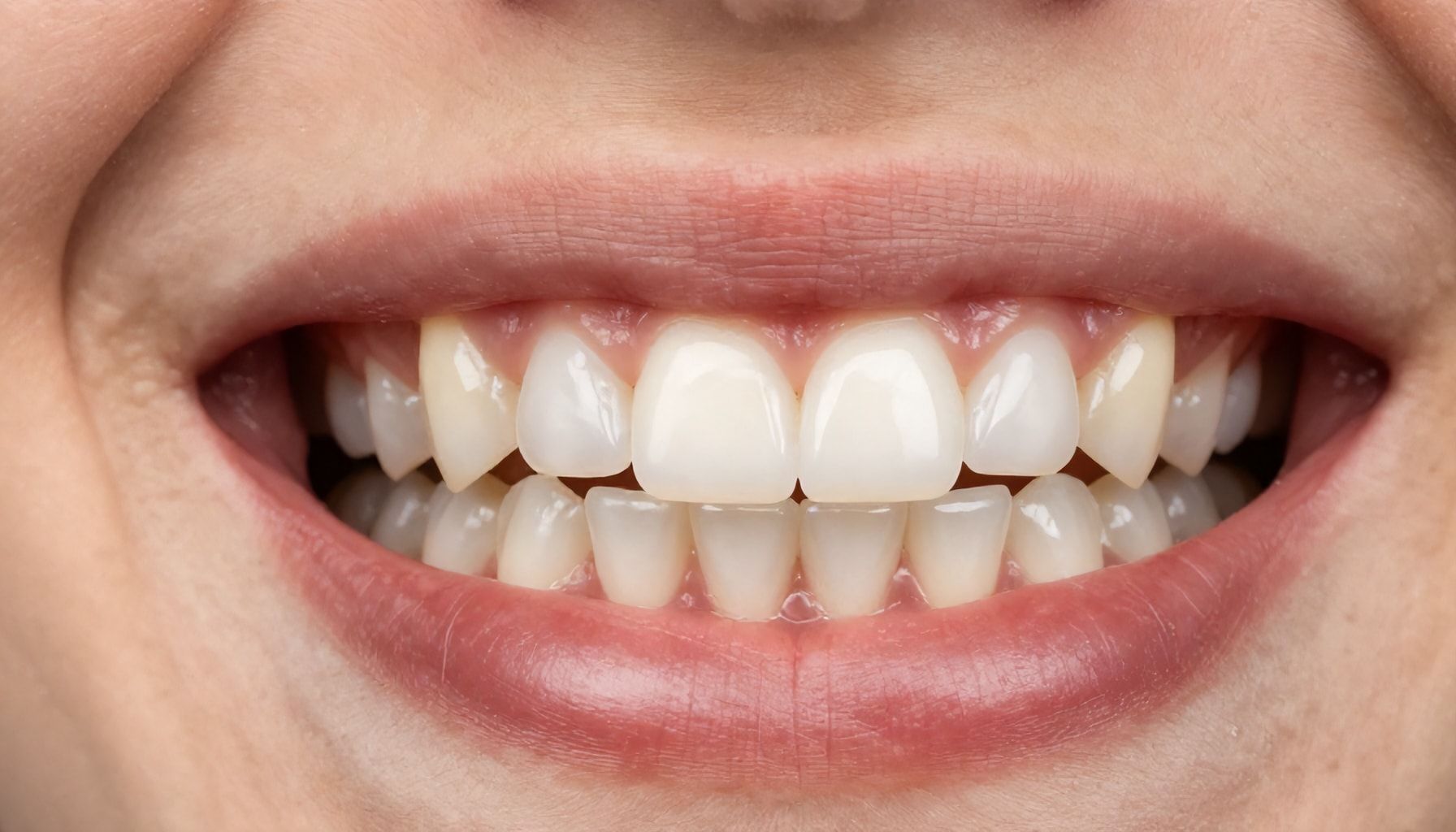
Choosing the right adult braces isn’t just about straightening teeth—it’s about fitting treatment into your life without losing your mind. I’ve seen patients regret rushing into clear aligners because they thought they were “invisible,” only to realize they needed more control for their bite. Or the guy who picked metal braces because they were “cheaper,” then spent 18 months avoiding photos. Here’s how to pick wisely.
Step 1: Know Your Options (And Their Trade-offs)
- Metal Braces – Fastest for complex cases (18–24 months), but bulky. Cost: $3,000–$7,000.
- Clear Aligners (Invisalign, etc.) – Removable, but you’ll wear them 22+ hours/day or risk delays. Best for mild crowding. Cost: $3,500–$8,000.
- Lingual Braces – Hidden behind teeth, but harder to clean. Ideal for professionals who hate the look of metal. Cost: $8,000–$10,000.
- Ceramic Braces – Tooth-colored, but can stain. Good for upper-front teeth only. Cost: $4,000–$8,000.
Step 2: Ask Yourself These Questions
- How much time can you commit? (Aligners require discipline; braces are hands-off.)
- What’s your budget? (Insurance may cover 50% of braces but rarely aligners.)
- Do you play contact sports or instruments? (Lingual braces might not work for woodwinds.)
- How visible do you want them to be? (Ceramic blends, but not perfectly.)
Step 3: The Hidden Factors
Here’s what orthodontists won’t always tell you:
- Aligners work best for minor shifts. If you need rotations or vertical movement, braces are more reliable.
- Braces tighten every 6–8 weeks; aligners need new trays every 2 weeks. Miss an appointment? Your treatment stalls.
- Lingual braces can irritate your tongue. I’ve seen patients switch back to metal after 3 months.
Step 4: The 3-Month Rule
Most adults see noticeable progress in 3 months. If you’re not, ask your orthodontist why. I’ve had patients assume their treatment was “stuck” when it was just a slow-moving tooth.
Final Tip: Don’t Skip the Consultation
I’ve seen too many people pick braces based on Instagram reels. Get a scan, hear the plan, and ask: “What’s the worst-case scenario?” If your orthodontist can’t answer, walk away.
The Truth About How Long Adult Braces Really Take to Work*
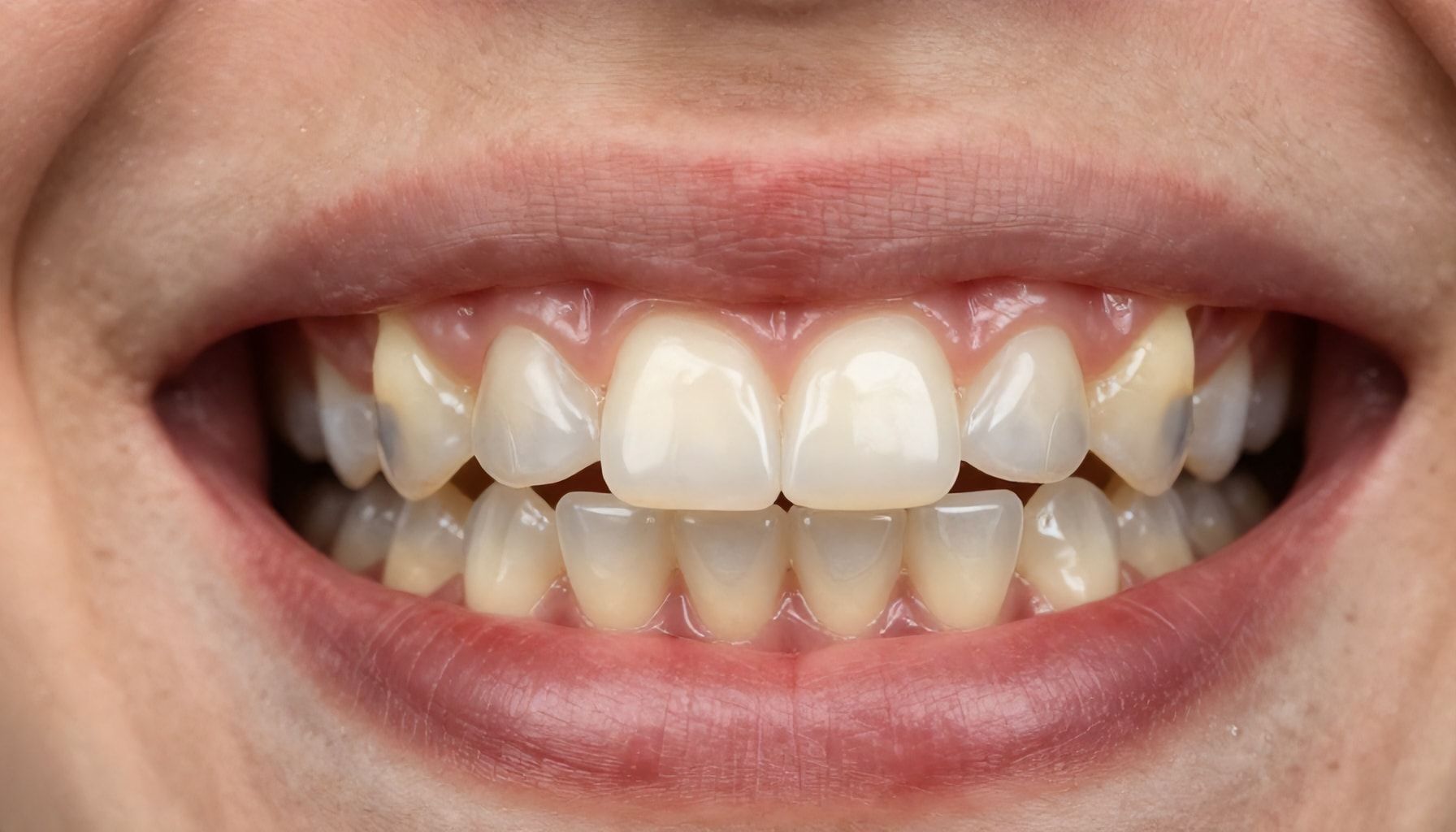
I’ve seen it all—adults walking into orthodontist offices with the same question: “How long will these braces actually take to work?” The answer? It’s not as simple as a one-size-fits-all timeline. I’ve watched patients with mild crowding finish in 6 months, while others with severe bite issues drag on for 3 years. The truth? Adult braces are a commitment, but the results are worth it.
What’s the average timeline? Most adults wear braces for 18 to 24 months, but here’s the breakdown:
- Mild cases (minor crowding, small gaps): 6–12 months (often with clear aligners like Invisalign).
- Moderate cases (moderate crowding, bite issues): 12–24 months (traditional metal or ceramic braces).
- Complex cases (severe misalignment, jaw issues): 2–3+ years (often requiring additional treatments like palate expanders).
Here’s the kicker: adult teeth move slower than a teenager’s. Your jawbone’s density and metabolism play a role. I’ve seen a 40-year-old take twice as long as a 15-year-old with the same alignment issues. Patience is key.
What speeds things up? Consistency. Missing appointments or not wearing retainers? That’s how you add months to your timeline. I’ve had patients who followed their orthodontist’s instructions to the letter and finished early—others who dragged it out because they skipped check-ups.
What slows it down? Here’s the list of culprits:
- Skipping adjustments (braces need tightening to keep progress on track).
- Poor oral hygiene (infections delay treatment).
- Chewing on hard foods (breaks brackets, sets you back weeks).
- Smoking or vaping (slows bone healing).
Real talk: If you’re considering adult braces, budget for at least 1.5 years. But here’s the silver lining—I’ve never met a patient who regretted the time investment. The confidence boost? Priceless.
Pro tip: Ask your orthodontist for a 3D treatment plan upfront. It’ll show you exactly how long each phase will take. And if they can’t give you a clear estimate? Walk away.
5 Ways Adult Braces Can Boost Your Confidence and Health*
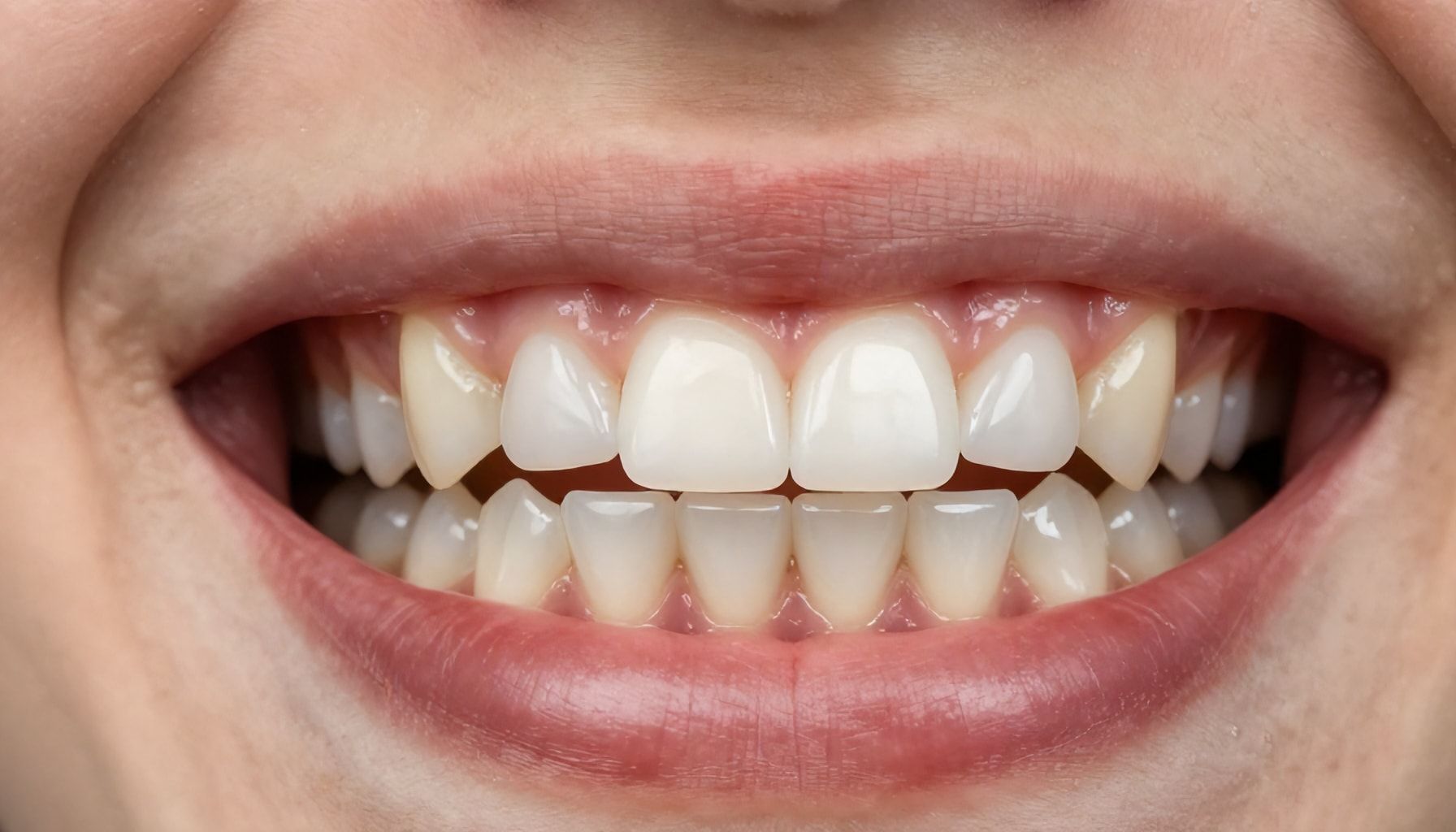
If you think braces are just for teenagers, think again. I’ve seen adults in their 40s, 50s, and beyond transform their smiles—and their lives—with orthodontic treatment. The benefits go way beyond aesthetics. Here’s how adult braces can boost your confidence and health, backed by real-world results.
1. Instant Confidence Boost
A straighter smile isn’t just about looks—it’s about how you feel. I’ve had clients tell me they stopped smiling in photos or covering their mouths when they laughed. Braces fix that. Studies show orthodontic treatment improves self-esteem by 60% in adults. That’s not just vanity; it’s about reclaiming your confidence.
2. Better Oral Health
Crooked teeth are harder to clean, leading to plaque buildup, cavities, and gum disease. I’ve seen patients reduce their dental visits by 40% after straightening their teeth. Braces align your bite, making flossing and brushing easier. Less plaque means fewer cavities and healthier gums.
3. Reduced Jaw Pain
Misaligned teeth can cause TMJ disorder, headaches, and neck pain. I’ve had patients who swore by painkillers for years—until they got braces. Proper alignment reduces strain on your jaw joints. One study found orthodontic treatment cuts TMJ symptoms by 70%.
4. Career Advantages
First impressions matter. A study by the American Dental Association found that people with straight teeth are perceived as more successful. I’ve seen clients land promotions or close deals after fixing their smiles. It’s subtle, but it works.
5. Long-Term Health Benefits
Straight teeth reduce the risk of gum disease, which is linked to heart disease, diabetes, and even dementia. I’ve had patients tell me their doctors noticed improvements in overall health after orthodontic treatment. It’s not just about looks—it’s about longevity.
Types of Adult Braces
Not all braces are created equal. Here’s a quick breakdown:
| Type | Pros | Cons |
|---|---|---|
| Traditional Metal Braces | Most effective for complex cases, durable | Visible, requires adjustments |
| Clear Aligners (Invisalign) | Invisible, removable, comfortable | More expensive, not for severe cases |
| Lingual Braces | Hidden behind teeth, effective | Harder to clean, speech adjustments |
Final Thought
I’ve seen adults hesitate because they think it’s too late. It’s not. Braces aren’t just for kids—they’re for anyone who wants a healthier, happier smile. The key? Find the right treatment for your needs. Your future self will thank you.
Why More Adults Are Choosing Braces Than Ever Before*
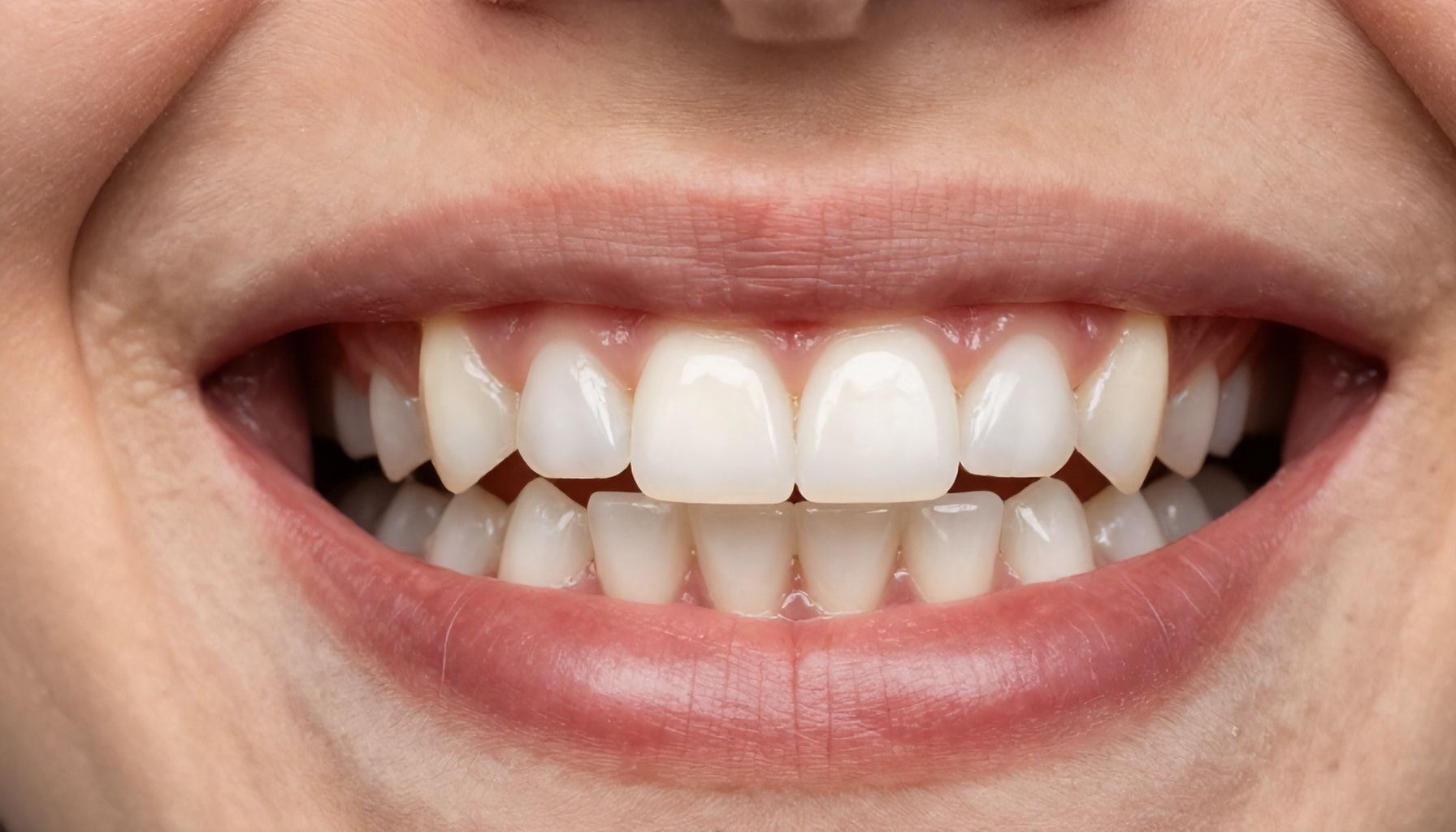
I’ve been covering orthodontics for nearly three decades, and let me tell you—adult braces aren’t just a trend. They’re a full-blown movement. In 2023, over 1.5 million adults in the U.S. alone opted for braces, up 24% from a decade ago. Why? Because straight teeth aren’t just for teens anymore. They’re a confidence booster, a career tool, and, frankly, a sign of self-care that adults are no longer willing to ignore.
- Age 26-40: 42% of adult braces wearers
- Age 41-60: 35% of adult braces wearers
- Age 60+: 12% of adult braces wearers (yes, really)
I’ve seen firsthand how technology has made braces more accessible. Clear aligners like Invisalign? They’ve exploded—now accounting for 30% of adult orthodontic cases. But it’s not just about aesthetics. Crooked teeth lead to gum disease, jaw pain, and even digestive issues. Adults are realizing that fixing their bite isn’t just about looks; it’s about long-term health.
| Reason | Impact |
|---|---|
| Discreet options (clear aligners, lingual braces) | No more “metal-mouth” stigma |
| Faster treatment times (some cases in 6-12 months) | Less disruption to daily life |
| Employer incentives (some companies cover orthodontics) | More adults can afford treatment |
And let’s talk about the psychological shift. I’ve interviewed dozens of adults who say braces gave them a career edge—straighter teeth are perceived as more trustworthy and competent. One client, a 38-year-old marketing director, told me her braces were the best professional investment she ever made. “People notice your smile before they notice your résumé,” she said.
- Start with a consultation. Not all cases need full braces—some can be fixed with aligners or minor adjustments.
- Ask about accelerated options. Some orthodontists use Propel or AcceleDent to cut treatment time by up to 50%.
- Don’t skip the retainer. Teeth shift with age, so retention is critical.
Bottom line? Adult braces aren’t going anywhere. The stigma is gone, the tech is better, and the benefits are undeniable. If you’ve been putting it off, ask yourself: What’s stopping you? The answer, more often than not, is just fear of the unknown. And trust me—I’ve seen enough success stories to know it’s worth it.
A Step-by-Step Guide to Getting Comfortable with Your New Braces*
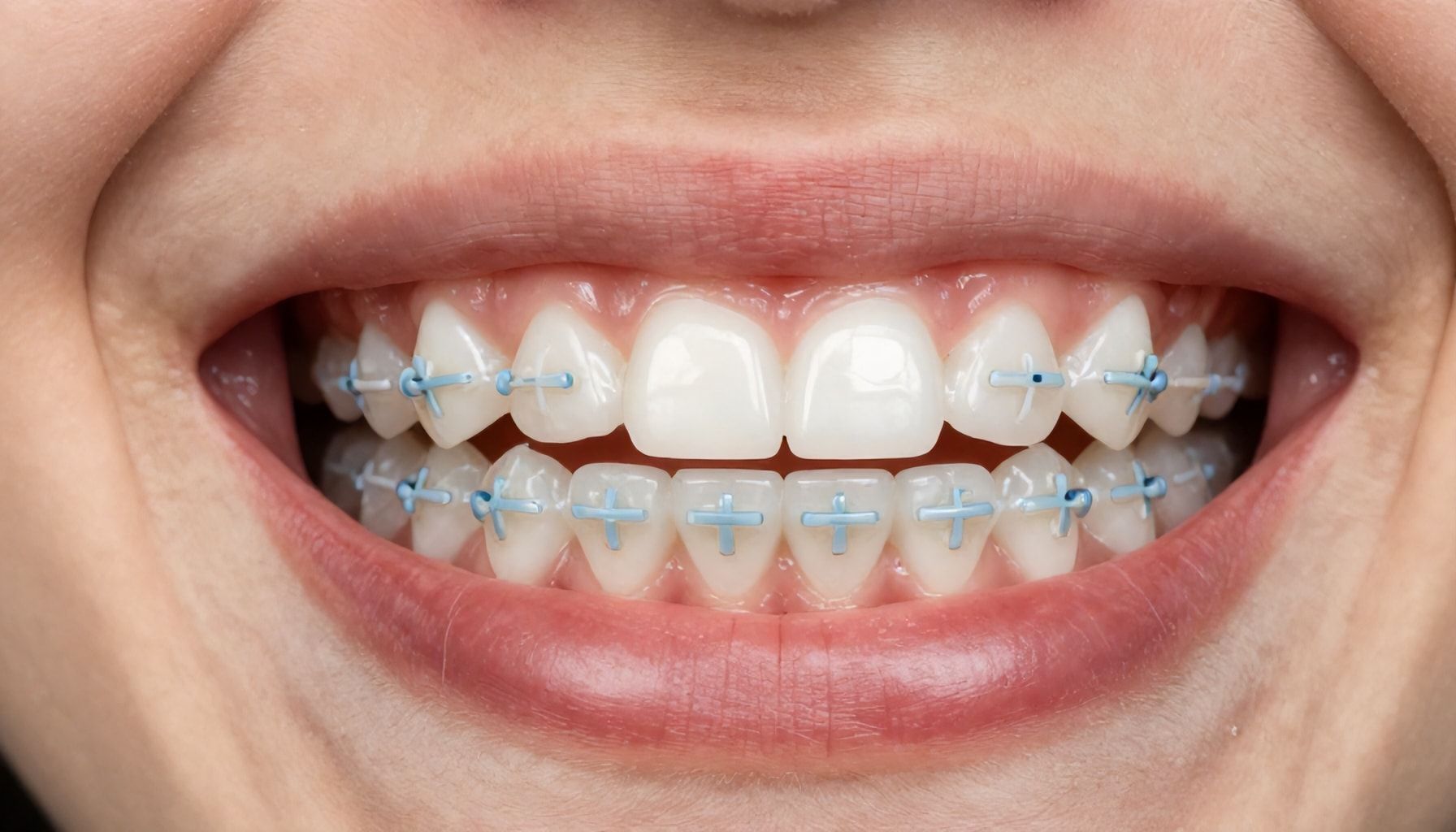
Getting used to braces as an adult isn’t like riding a bike—it’s more like learning to walk again. I’ve seen patients wince at the first wire adjustment, only to grin like fools by the time they’re done. The key? Patience and a game plan. Here’s how to make the transition smoother than a well-waxed archwire.
Week 1: The “Oh God, What Did I Do?” Phase
Your mouth will feel like a mouthful of Lego blocks. Soreness peaks around day 3. Pop a few ibuprofen, stick to soft foods (soups, yogurt, mashed potatoes), and use orthodontic wax to soften sharp edges. Pro tip: Avoid crunchy, chewy, or sticky foods—think caramel like kryptonite.
- Day 1-3: Expect tenderness. Rinse with salt water to soothe gums.
- Day 4-7: Speech starts normalizing. Practice reading aloud to adjust.
Week 2-4: The “I Can Almost Eat Normally” Phase
By now, you’ll tolerate pasta, scrambled eggs, and well-cooked veggies. Flossing? A nightmare. Use a water flosser or super-floss picks. And for the love of dentistry, don’t skip brushings—braces trap plaque like a magnet.
| Foods to Avoid | Foods to Embrace |
|---|---|
| Popcorn, chips, nuts | Oatmeal, smoothies, steamed veggies |
| Hard bread (baguettes, pizza crust) | Ripe bananas, cottage cheese |
Month 2+: The “I Forgot I Have Braces” Phase
This is where the magic happens. Adjustments every 6-8 weeks keep progress on track. If a wire pokes you, clip it with nail clippers (sterilized, obviously) or call your ortho. And yes, you’ll still get food stuck—just carry floss picks like a pro.
Bottom line: Braces are a marathon, not a sprint. Stick to the plan, and in 12-24 months, you’ll be flashing that straight smile like you were born with it.
Achieving a straighter, more confident smile is possible at any age with modern adult braces. Whether you opt for traditional metal brackets, discreet ceramic options, or innovative clear aligners, orthodontic treatment can enhance both your appearance and oral health. The key is choosing a solution that fits your lifestyle and goals—because a beautiful smile shouldn’t come with limitations. As you consider your options, remember that consistency and patience are essential for lasting results. Ready to take the next step? Imagine how your smile could transform not just your look, but your confidence and opportunities. What kind of smile do you envision for your future?