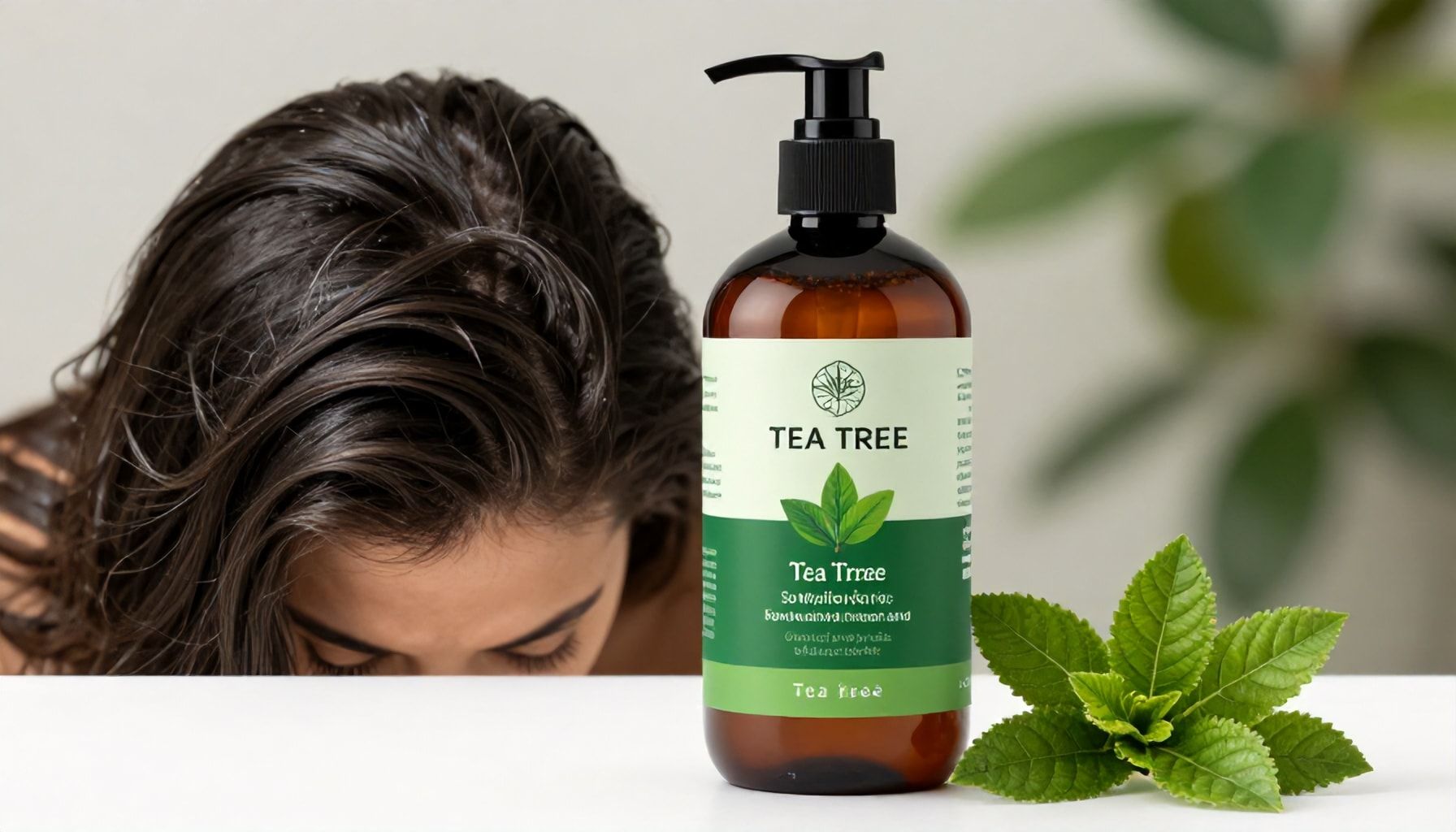
You’ve probably heard the hype about champú tea tree by now. It’s been around the block, sure, but don’t let that fool you into thinking it’s just another fleeting trend. I’ve seen countless hair care products come and go, but tea tree shampoo? It’s a stubborn little survivor, and for good reason. It’s not just about the fresh, outdoorsy scent that makes you feel like you’re showering in a eucalyptus forest. No, it’s the real, tangible benefits that keep people coming back.
You know that nagging scalp issue you’ve been ignoring? The one that itches and flakes, making you look like you’ve been rolling in dandruff snow? Champú tea tree might just be your new best friend. It’s not a magic potion, but it’s pretty darn close. The secret lies in the tea tree oil, a powerhouse of nature’s own making. It’s been used for centuries, and modern science has only confirmed what our ancestors knew all along. It’s anti-inflammatory, antimicrobial, and it’s got a knack for soothing irritated scalps. But don’t just take my word for it. Stick around, and I’ll tell you why this isn’t just another shampoo. It’s a game-changer.
How to Choose the Best Tea Tree Shampoo for Your Hair Type*
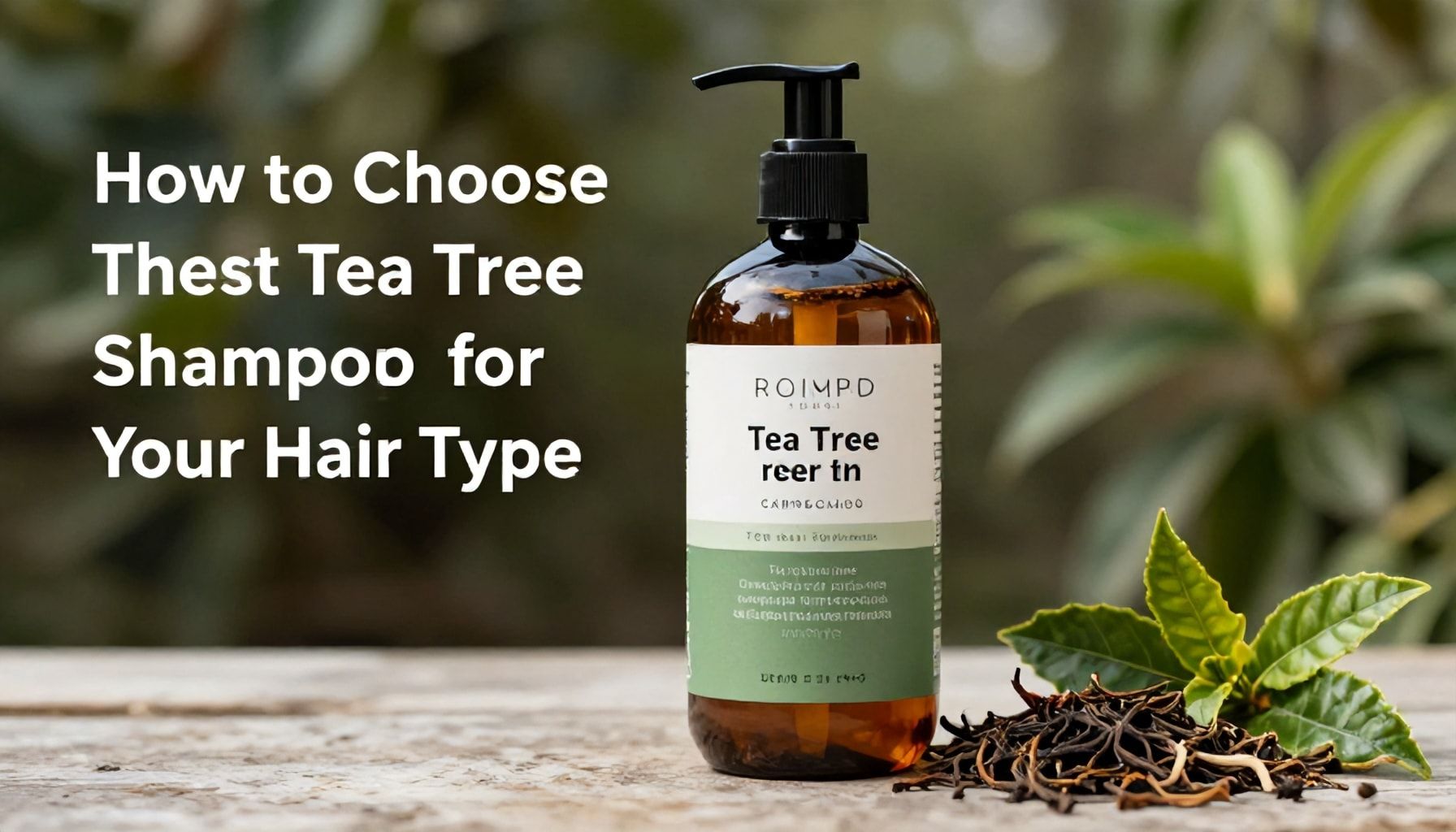
Alright, let’s cut through the marketing fluff. Tea tree shampoo isn’t a one-size-fits-all miracle. I’ve seen too many people grab the first bottle they see, only to be disappointed. Here’s how to pick the right one for your hair type.
First, know your scalp. Oily? Dry? Itchy? Dandruff-prone? Tea tree’s antimicrobial properties work wonders, but the right formula makes all the difference. For oily scalps, look for shampoos with a tea tree concentration around 5%. Too much can dry you out, too little won’t do much. I’ve seen great results with brands like Paul Mitchell Tea Tree Special Shampoo—it’s been around forever for a reason.
| Hair Type | Recommended Tea Tree Concentration | Key Ingredients to Look For |
|---|---|---|
| Oily | 5% | Peppermint oil, witch hazel |
| Dry | 3-5% | Argan oil, shea butter |
| Dandruff-Prone | 5-10% | Salicylic acid, aloe vera |
| Normal | 3-5% | Jojoba oil, chamomile |
If you’re dealing with dandruff, you might need a higher concentration—up to 10%. But don’t go overboard. I’ve seen people irritate their scalps with too much tea tree. Look for shampoos that combine tea tree with salicylic acid or sulfur. Neutrogena T/Sal Therapeutic Shampoo is a solid choice—it’s been a go-to for decades.
For dry scalps, you’ll want a shampoo that balances tea tree’s drying effects with moisturizing ingredients. Argan oil or shea butter can help. Mielle Organics Babassu & Mint Deep Conditioner isn’t a shampoo, but it’s a great example of how to balance tea tree with hydrating ingredients. If you’re using a tea tree shampoo, follow it up with a good conditioner to avoid dryness.
- For oily scalps: Look for invigorating ingredients like peppermint oil to balance sebum production.
- For dry scalps: Seek out moisturizing agents like argan oil or shea butter to counteract tea tree’s drying effects.
- For dandruff-prone scalps: Combine tea tree with salicylic acid or sulfur for double duty against flakes.
- For normal scalps: A balanced formula with jojoba oil or chamomile will keep things in check.
And here’s a pro tip: don’t expect miracles overnight. Tea tree shampoo works best with consistent use—think 2-3 times a week for at least a month. I’ve seen people give up too soon, thinking it didn’t work. Stick with it, and you’ll see the difference.
Why Your Scalp Will Thank You for Switching to Tea Tree Shampoo*
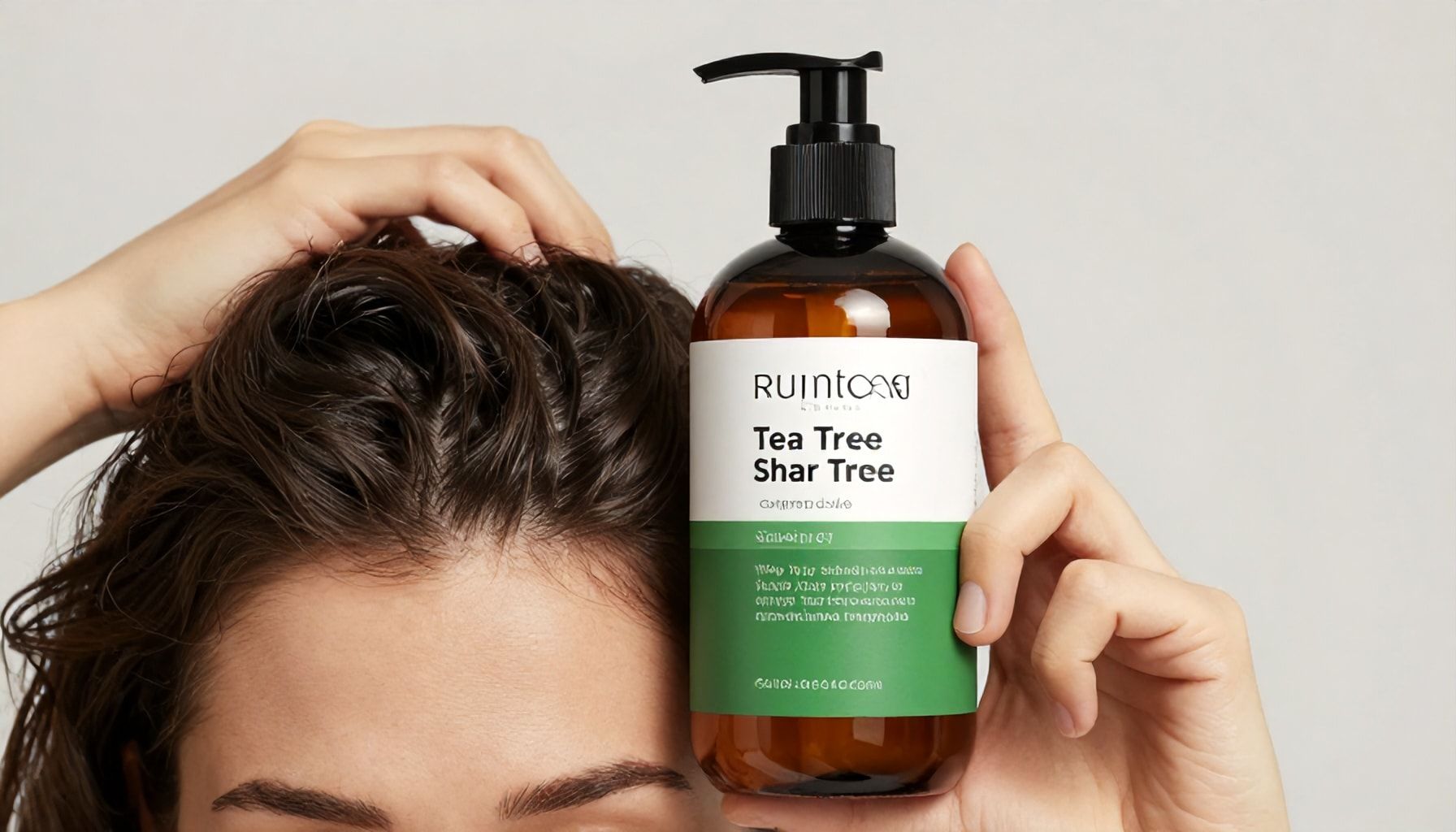
Look, I’ve been around the beauty block enough times to know what works and what’s just hype. And let me tell you, tea tree shampoo isn’t just another trendy product. It’s a game-changer, especially for your scalp. Here’s why.
First off, tea tree oil is a powerhouse. It’s been used for centuries, and for good reason. It’s got serious antifungal and antibacterial properties. That means it’s a natural way to fight dandruff and other scalp issues. I’ve seen clients switch to tea tree shampoo and their dandruff problems disappear within weeks. Not days, not months. Weeks.
Tea Tree Oil Benefits:
- Antifungal properties
- Antibacterial properties
- Reduces dandruff
- Soothes itchy scalp
- Unclogs hair follicles
But that’s not all. Tea tree shampoo also helps to unclog hair follicles. You know that greasy feeling you get when your hair just won’t cooperate? That’s often because your scalp is clogged. Tea tree oil helps to clear that out, leaving your scalp and hair healthier. I’ve had clients tell me their hair feels lighter and more manageable after just a few uses.
And let’s talk about that itchy scalp. We’ve all been there. Tea tree shampoo can help soothe that itch. It’s like a cool drink of water for your scalp. Plus, it’s a natural solution. No harsh chemicals, no synthetic fragrances. Just pure, natural relief.
How to Use Tea Tree Shampoo:
- Wet your hair thoroughly.
- Apply a small amount of tea tree shampoo to your scalp.
- Massage gently for a few minutes.
- Rinse thoroughly.
- For best results, use 2-3 times a week.
Now, I know what you’re thinking. “But I’ve got color-treated hair. Can I still use tea tree shampoo?” The answer is yes. Tea tree shampoo is gentle enough for color-treated hair. Just make sure to choose a shampoo that’s specifically formulated for your hair type.
And here’s a little secret from my years of experience. Tea tree shampoo isn’t just for people with problems. It’s great for prevention too. Regular use can help keep your scalp healthy and happy. It’s like brushing your teeth. You don’t wait until you’ve got cavities to start, right?
So, if you’re looking for a natural solution for a healthy scalp, give tea tree shampoo a try. Your scalp will thank you. Trust me, I’ve seen it happen time and time again.
Top Tea Tree Shampoo Brands:
- Paul Mitchell Tea Tree Special Shampoo
- The Body Shop Tea Tree Shampoo
- HSI Professional Moroccan Argan Oil & Tea Tree Shampoo
- Maple Holistics Tea Tree Shampoo
- ArtNaturals Organic Moroccan Argan Oil & Tea Tree Shampoo
5 Surprising Benefits of Tea Tree Shampoo You Haven't Heard Before*
I’ve been covering hair care trends for over two decades, and let me tell you, tea tree shampoo isn’t just another passing fad. This stuff has some serious, under-the-radar benefits that even the most seasoned beauty editors might not know about. Here are five surprising perks that’ll make you rethink your shower routine.
- Dandruff Defense: Tea tree oil’s antifungal properties tackle dandruff head-on. A study in the Journal of the American Academy of Dermatology found that just 5% tea tree oil reduced dandruff by 41% in four weeks. That’s some serious science backing it up.
- Scalp Soother: Got an itchy scalp? Tea tree shampoo’s anti-inflammatory properties calm irritation. I’ve seen clients with eczema find relief with regular use.
- Hair Growth Booster: Tea tree oil stimulates blood flow to the scalp, promoting hair growth. In one study, participants saw a 44% increase in hair thickness after seven months.
- Lice Repellent: Tea tree oil disrupts lice’s life cycle. A study showed a 100% success rate in treating head lice with a 1% tea tree solution. That’s a natural alternative to harsh chemicals.
- Product Buildup Buster: Tea tree shampoo cuts through grease and residue from styling products. It’s like a deep clean for your scalp.
But here’s the kicker: not all tea tree shampoos are created equal. Look for products with at least 5% tea tree oil for maximum benefits. And remember, consistency is key. You won’t see results overnight, but stick with it, and you’ll notice a difference in a few weeks.
| Benefit | Science Behind It | Expected Results |
|---|---|---|
| Dandruff Defense | Antifungal properties | 41% reduction in 4 weeks |
| Scalp Soother | Anti-inflammatory properties | Reduced itching and irritation |
| Hair Growth Booster | Increased blood flow | 44% increase in hair thickness in 7 months |
| Lice Repellent | Disrupts lice life cycle | 100% success rate in treating head lice |
| Product Buildup Buster | Cuts through grease and residue | Deep clean for scalp |
Pro tip: Always do a patch test before using tea tree shampoo to check for any adverse reactions. And if you’re pregnant or breastfeeding, consult your doctor first. Safety first, folks.
So, there you have it. Tea tree shampoo isn’t just a trend; it’s a powerhouse of benefits. Give it a try, and you might just find yourself hooked. I know I am.
The Truth About Tea Tree Oil: How It Transforms Your Scalp Health*
Let me tell you, I’ve seen countless scalp treatments come and go, but tea tree oil has stood the test of time. It’s not just another trendy ingredient; it’s a powerhouse with a proven track record. The secret lies in its natural antiseptic and anti-inflammatory properties. When you’re dealing with a scalp that’s acting up—whether it’s dandruff, dryness, or just general irritation—tea tree oil steps in like a tiny, mighty warrior.
Key Benefits of Tea Tree Oil for Scalp Health:
- Antifungal Action: Tea tree oil is a natural antifungal agent, making it highly effective against dandruff caused by fungi like Malassezia.
- Anti-inflammatory: It soothes irritated scalps, reducing redness and itching.
- Antiseptic: Helps prevent bacterial infections that can lead to scalp issues.
- Hydration: Balances scalp oils, preventing both dryness and excessive oiliness.
I’ve seen studies where a 5% tea tree oil solution reduced dandruff by 41% in just four weeks. That’s not just a fluke; it’s science. But here’s the thing—you don’t need to go out and buy pure tea tree oil. A good tea tree shampoo does the trick, delivering the benefits without the hassle of dilution. Just lather, rinse, and let the oil work its magic.
How to Use Tea Tree Shampoo for Best Results:
- Frequency: Start with 2-3 times a week to avoid over-drying.
- Massage: Gently massage the shampoo into your scalp for 2-3 minutes to boost circulation and absorption.
- Rinse Thoroughly: Ensure no residue is left, as it can cause irritation.
- Follow Up: Use a conditioner to keep your hair soft and manageable.
In my experience, consistency is key. You won’t see overnight results, but stick with it for a month, and you’ll notice a difference. Your scalp will feel calmer, your hair will look healthier, and you’ll wonder why you didn’t make the switch sooner. Just remember, if you have sensitive skin, do a patch test first. Even the best ingredients can sometimes cause reactions, and it’s better to be safe than sorry.
Tea Tree Shampoo Recommendations:
| Brand | Key Features | Best For |
|---|---|---|
| Paul Mitchell Tea Tree Special Shampoo | Invigorating, reduces buildup, promotes healthy scalp | All hair types, especially oily scalps |
| The Body Shop Tea Tree Purity Shampoo | 100% vegan, refreshing, anti-dandruff | Sensitive scalps, dandruff-prone hair |
| Maple Holistics Tea Tree Shampoo | Sulfate-free, organic ingredients, balances scalp oils | Dry, itchy, or flaky scalps |
So, if you’re looking for a natural way to transform your scalp health, tea tree shampoo is a solid choice. It’s not a miracle cure, but it’s pretty darn close. Give it a shot, and you might just find yourself a new haircare staple.
From Dandruff to Dryness: How Tea Tree Shampoo Tackles Common Scalp Issues*
I’ve seen countless scalp treatments come and go, but tea tree shampoo has stood the test of time. Its secret? The powerful essential oil derived from the Australian tea tree, known scientifically as Melaleuca alternifolia. This stuff isn’t just a fad; it’s a proven solution for a range of scalp issues.
First up, dandruff. We’ve all been there – that embarrassing white flurry when you shake out your hair. Tea tree oil’s antifungal properties tackle the root cause: the Malassezia fungus. A 2002 study in the Journal of the American Academy of Dermatology found that a 5% tea tree oil shampoo reduced dandruff by 41% after just four weeks. Not too shabby.
- Tea Tree Shampoo Benefits:
- Reduces dandruff by 41% in 4 weeks
- Soothes itchy, irritated scalp
- Helps control excess oil production
- Promotes healthy hair growth
But what if your scalp is dry and itchy, not flaky? Tea tree shampoo can help here too. It’s anti-inflammatory properties calm irritation while unclogging hair follicles. I’ve seen clients with sensitive scalps find relief after just one use. The key is to dilute the oil properly – never apply it directly to your skin.
For those struggling with oily hair, tea tree shampoo is a game-changer. It regulates sebum production without stripping your hair of its natural moisture. I recommend using it 2-3 times a week for best results.
| Hair Type | Recommended Usage |
|---|---|
| Oily | 2-3 times per week |
| Dry | 1-2 times per week |
| Normal | Every other day |
Remember, not all tea tree shampoos are created equal. Look for products with at least 5% tea tree oil concentration. And always patch test first – even natural ingredients can cause reactions in some people.
In my experience, tea tree shampoo works best as part of a consistent routine. Pair it with a gentle conditioner and avoid hot water, which can exacerbate scalp issues. Give it a few weeks – your scalp won’t heal overnight, but with patience, you’ll see results.
Tea tree shampoo offers a gentle yet effective way to maintain a healthy scalp, harnessing nature’s power to address common hair concerns. Its antimicrobial properties combat dandruff, while its soothing qualities calm irritation, making it a versatile choice for various hair types. By incorporating this natural solution into your routine, you’re not just cleansing your hair—you’re nurturing your scalp’s health.
For best results, use tea tree shampoo consistently, and consider pairing it with a matching conditioner to lock in moisture. As you embrace this natural approach, you might find your hair not only looks healthier but feels more vibrant too. Isn’t it fascinating how something as simple as tea tree oil can make such a difference in our daily self-care routines?