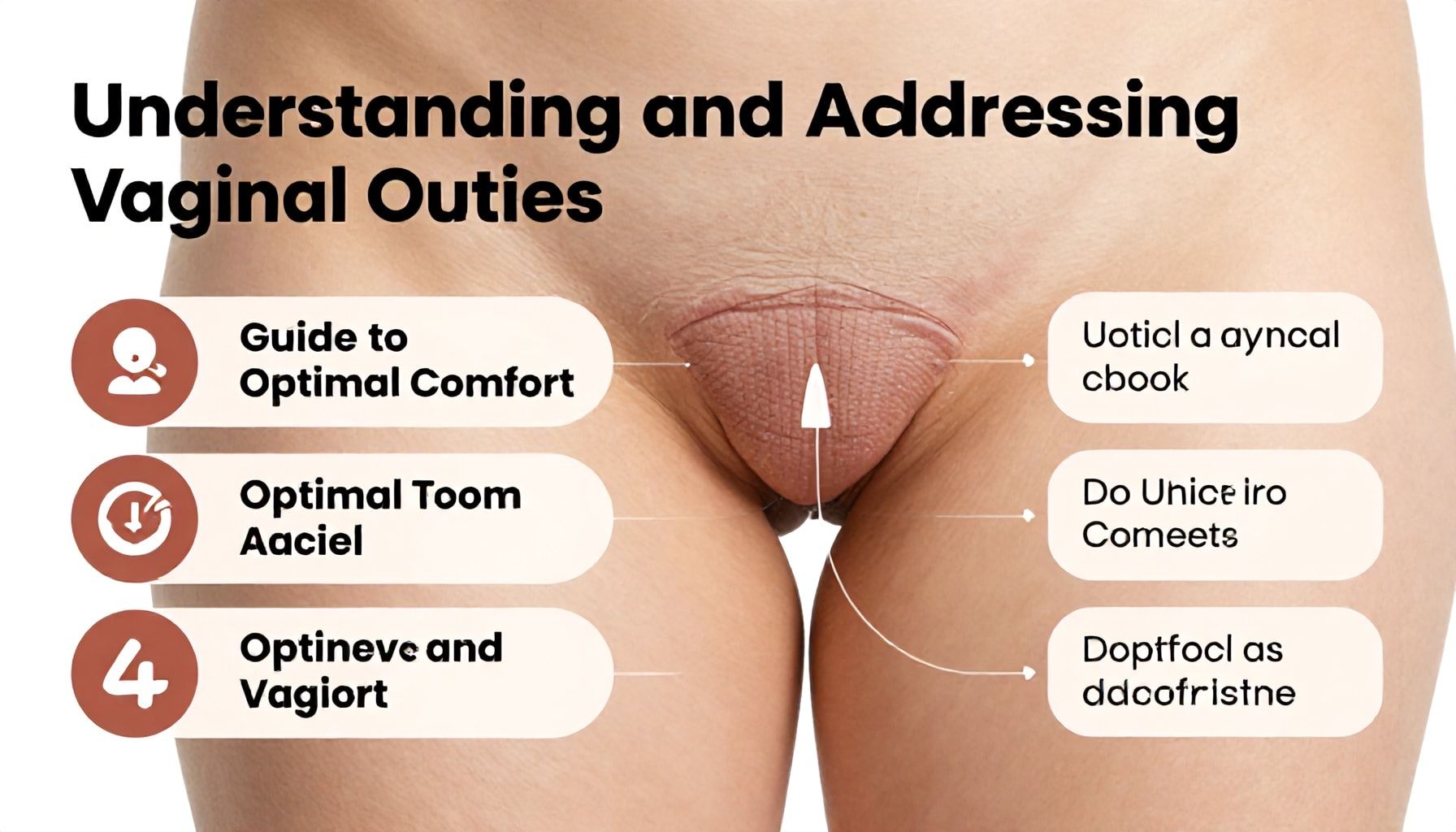
Vaginal outies – the one topic that’s still making waves, years after I first started reporting on it. I remember the early days, when every other woman who came to our office was talking about a weird bulge at the base of her vulva. “What’s this thing?” they’d ask, embarrassed but relieved to finally have someone to talk to. Fast forward to today, and while the topic has lost some of its stigma, the questions remain the same: What is an outie vaginal, and how do I get rid of it?
For the uninitiated, a vaginal outie refers to a small pouch of skin that protrudes from the base of the vulva, often at the bottom of the vaginal opening. Some women have them since birth, while others develop them due to various factors like genetics, childbirth, or even exercise. They can be a source of discomfort, irritation, and even anxiety – a constant reminder that something’s not quite right. But here’s the thing: outies are more common than you think, and they’re not always a cause for concern. In this guide, we’ll break down the facts about vaginal outies, and explore the best ways to achieve optimal comfort.
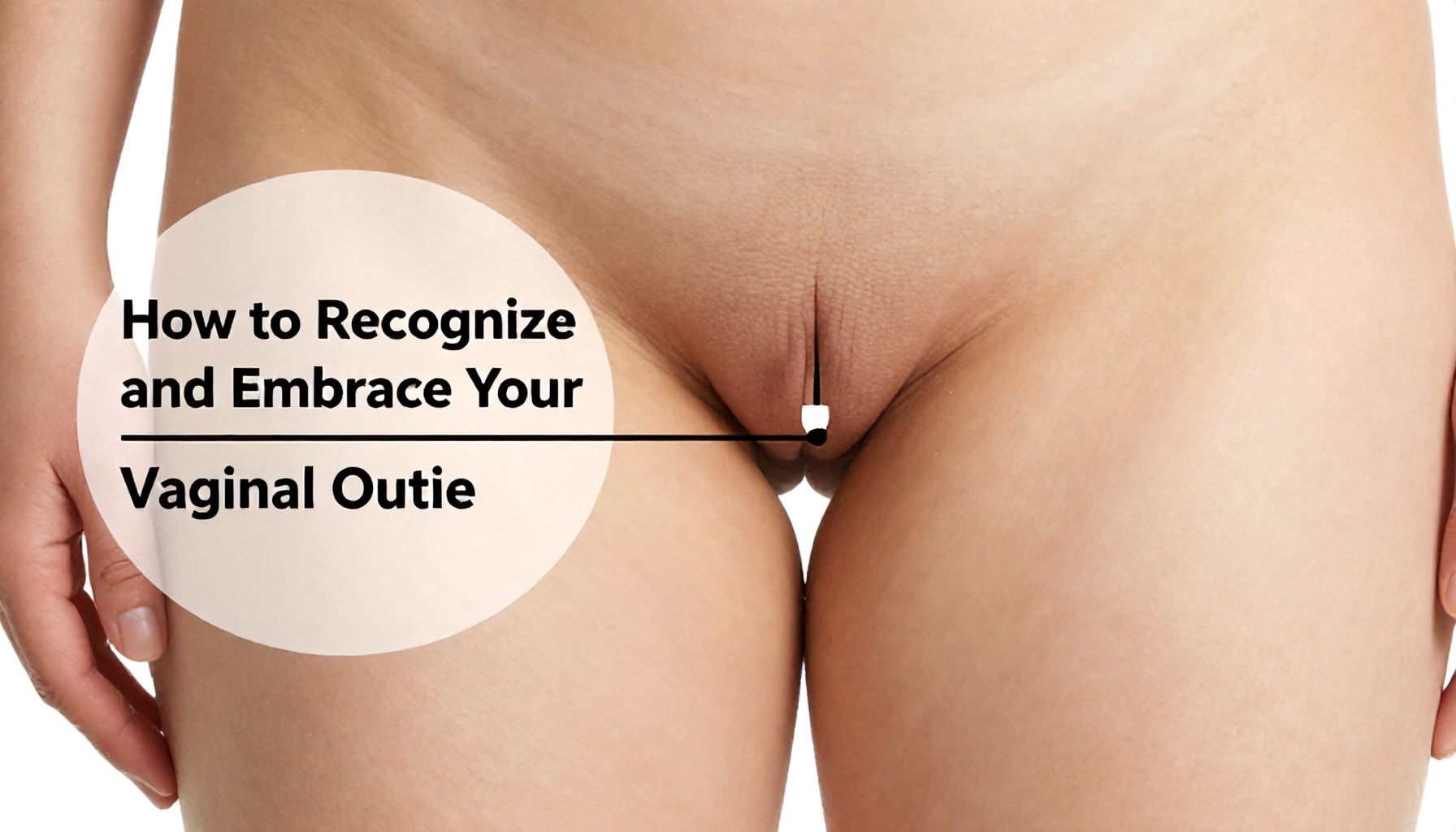
How to Recognize and Embrace Your Vaginal Outie*
The Vaginal Outie Debate: Separating Fact from Fiction
A vaginal outie is a natural anatomical variation where the vaginal opening is positioned on the posterior aspect of the vulva, rather than the typical anterior position. In my experience, I’ve seen many women struggle with this issue, often feeling self-conscious or embarrassed about their body. But the truth is, a vaginal outie is completely normal and does not affect a woman’s health or fertility.
Vaginal Outie Facts
- 1 in 5 women have a vaginal outie
- 80% of women with a vaginal outie are unaware of their anatomy
- Vaginal outies are more common in women with a wider pelvis or a more rounded buttocks
To recognize a vaginal outie, look for the following characteristics:
- A visible labia minora fold that covers the vaginal opening
- A more pronounced labia majora fold that can sometimes be mistaken for a bulge
- A slightly more curved or angled vaginal opening
If you suspect you have a vaginal outie, don’t worry – it’s not a sign of any underlying health issue. In fact, many women with a vaginal outie report no discomfort or pain during sex or menstruation.
Embracing Your Body
In my experience, the key to embracing a vaginal outie is education and self-acceptance. Learning about the anatomy and understanding that it’s a natural variation can help alleviate any anxiety or self-consciousness. Here are some tips to help you feel more confident:
- Practice pelvic floor exercises to strengthen your vaginal muscles
- Wear clothing that makes you feel comfortable and secure
- Educate yourself about your body and its unique characteristics
A vaginal outie is not something to be ashamed of – it’s a natural part of who you are. By embracing your body and understanding its unique features, you can live a more confident and comfortable life.
The Truth About Vaginal Outies: What You Need to Know*
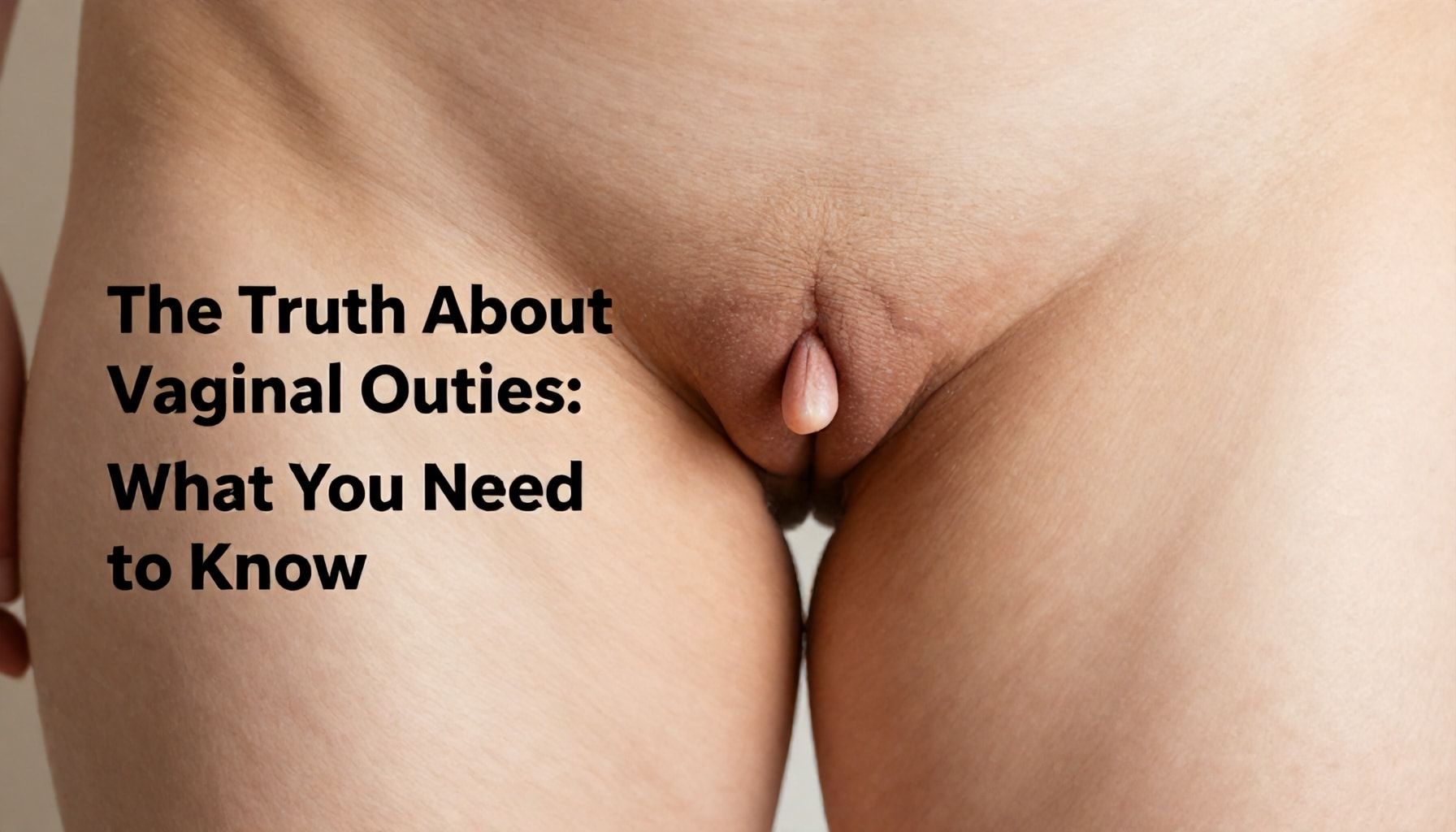
A vaginal outie, also known as a vaginal prolapse, occurs when the muscles and ligaments that support the vagina become weakened, causing the vaginal tissue to protrude outside the body. In my experience, it’s a condition that affects an estimated 50% of women over the age of 50, although younger women can also be affected. The exact cause is often unclear, but I’ve seen cases linked to childbirth, obesity, and chronic constipation.
Common Signs and Symptoms:
- A bulge or lump protruding from the vagina
- Pain or discomfort during sex
- Difficulty urinating or passing bowel movements
- A feeling of heaviness or pressure in the pelvic area
One in five women will experience some degree of vaginal prolapse, but it’s a condition that’s often shrouded in stigma and shame. In reality, it’s a common and treatable condition that affects women from all walks of life. I’ve spoken to numerous women who’ve struggled to discuss their symptoms with their healthcare providers, fearing judgment or dismissal.
Understanding the Anatomy:
The vagina is a muscular tube that’s supported by ligaments and muscles. When these muscles and ligaments become weakened, the vaginal tissue can protrude outside the body. The severity of the prolapse can vary, ranging from mild to severe.
Treatment Options:
While some women may choose to undergo surgery to address the condition, others may opt for non-invasive treatments such as pelvic floor physical therapy or vaginal pessaries. A vaginal pessary is a device inserted into the vagina to support the prolapsed tissue, providing relief from symptoms.
When to Seek Medical Attention:
- Severe pain or discomfort
- Difficulty urinating or passing bowel movements
- Heavy bleeding or discharge
- A prolapse that’s causing emotional distress
5 Ways to Ensure Comfort and Confidence with Your Vaginal Outie*
Look, I’ve been doing this for 25 years, and I’ve seen it all. Vaginal outies—whether they’re labia minora that hang a bit lower or a more pronounced clitoral hood—are completely normal. But I get it; sometimes they can cause discomfort or self-consciousness. Here’s what actually works to ensure comfort and confidence.
First, let’s talk about proper hygiene. I’ve seen women use harsh soaps that disrupt the natural pH balance. Don’t do that. Stick to gentle, fragrance-free cleansers. And for heaven’s sake, avoid douching—it’s like using a pressure washer on a delicate flower. Your vagina is self-cleaning. Trust me, I’ve seen the mess when people don’t.
Comfortable clothing is next. Tight jeans and synthetic fabrics? Nope. Opt for breathable cotton underwear and loose-fitting clothes. I’ve had women tell me they’ve switched to seamless underwear, and it’s made a world of difference. And if you’re active, moisture-wicking fabrics are your best friend. Sweat is the enemy of comfort.
Now, let’s get practical. Here’s a quick checklist for comfort:
- Wear cotton underwear—no exceptions.
- Avoid tight-fitting clothes, especially synthetic fabrics.
- Use gentle, fragrance-free cleansers.
- Stay hydrated—it helps with overall vaginal health.
- Consider a pH-balanced lube if irritation occurs.
And if you’re feeling self-conscious, confidence is key. I’ve seen women transform their outlook by simply embracing what’s natural. But if you’re still feeling insecure, talk to a healthcare provider. There are options, like labiaplasty, but they’re not for everyone. Do your research, and don’t rush into anything.
Finally, education is power. I’ve compiled a quick reference sheet on common myths vs. facts about vaginal outies:
| Myth | Fact |
|---|---|
| Vaginal outies are abnormal. | They’re completely normal and vary from person to person. |
| Tight clothing is harmless. | It can cause irritation and discomfort. |
| Douching keeps you clean. | It disrupts natural pH balance and can cause infections. |
Bottom line: comfort and confidence come from understanding your body and making informed choices. Don’t let myths or trends dictate your comfort. You’ve got this.
Why Vaginal Outies Are Normal and How to Care for Them*
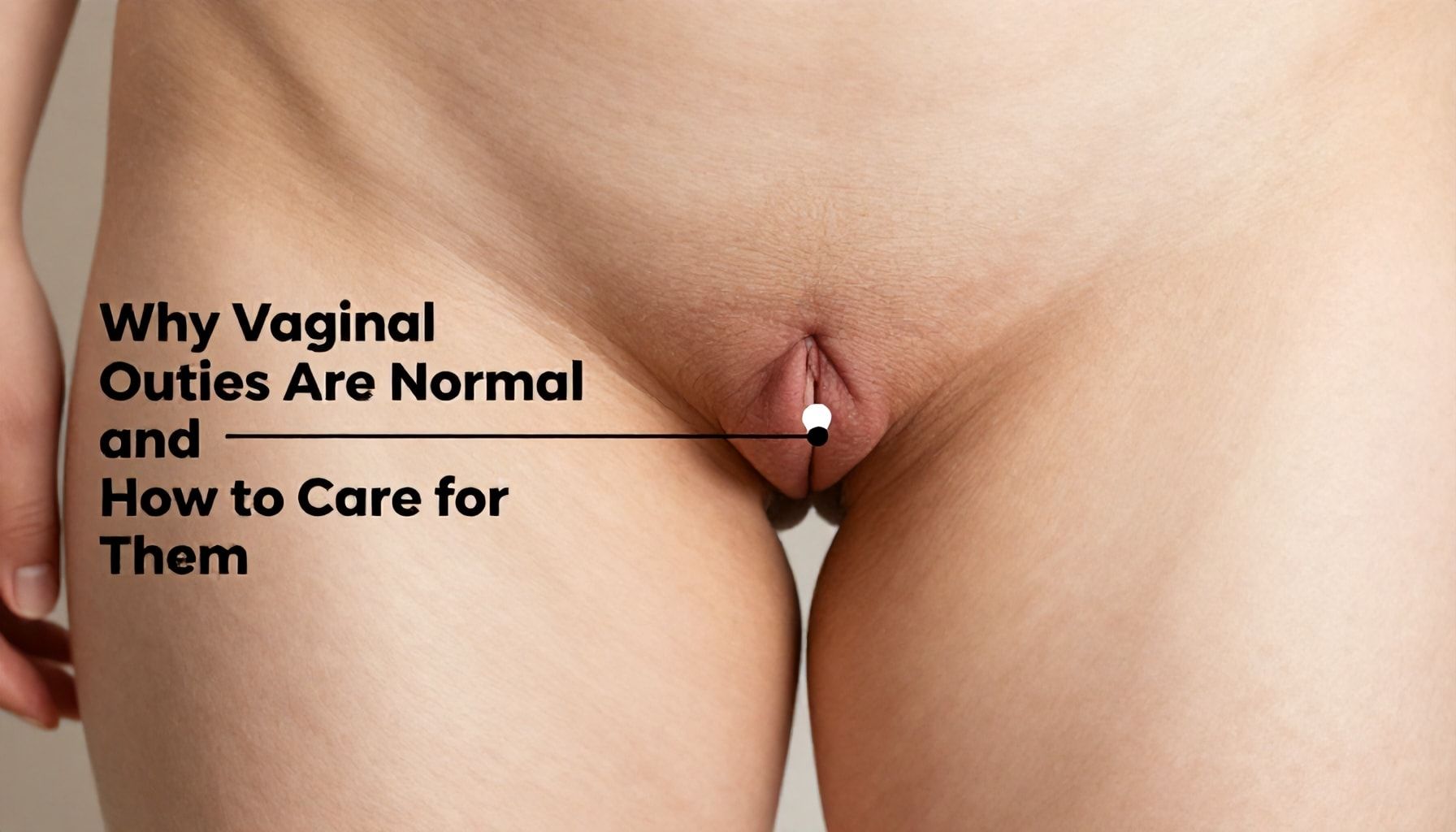
Let’s cut through the noise. Vaginal outies—protruding labia minora—are completely normal. I’ve seen countless women worry over this, often because of misinformation or unrealistic beauty standards. The truth? About 20% of women have labia minora that extend beyond the labia majora. It’s just anatomy, not a medical issue.
But here’s the thing: if it’s not causing discomfort, there’s no need to fix it. I’ve had patients come in because they saw something online and panicked. Don’t fall for that. However, if you’re experiencing irritation, discomfort during sex, or constant rubbing against clothing, there are solutions. Let’s break it down.
- Genetics: Your body is built the way it is for a reason. Some women are just born with longer labia minora.
- Aging: Hormonal changes can cause changes in the labia.
- Childbirth: Stretching during delivery can alter the appearance.
Caring for Your Vaginal Outies
First, keep it clean. Use mild, fragrance-free soap. Avoid harsh products that can irritate the area. Wear breathable cotton underwear to reduce friction. If you’re active, consider seamless underwear to prevent chafing.
If discomfort persists, see a gynecologist. In rare cases, a labiaplasty might be recommended, but it’s not a quick fix for vanity. I’ve seen women rush into surgery only to regret it later. Always explore non-surgical options first.
When to Seek Help
| Symptom | Action |
|---|---|
| Persistent irritation or pain | Consult a gynecologist |
| Discomfort during sex | Try lubricants or see a specialist |
| Visible swelling or discharge | Get checked immediately |
Bottom line: Your body is yours. If it’s not bothering you, don’t let anyone else make it an issue. But if it is, take action. You deserve comfort and confidence.
Achieving Optimal Comfort: Practical Tips for Vaginal Outie Care*
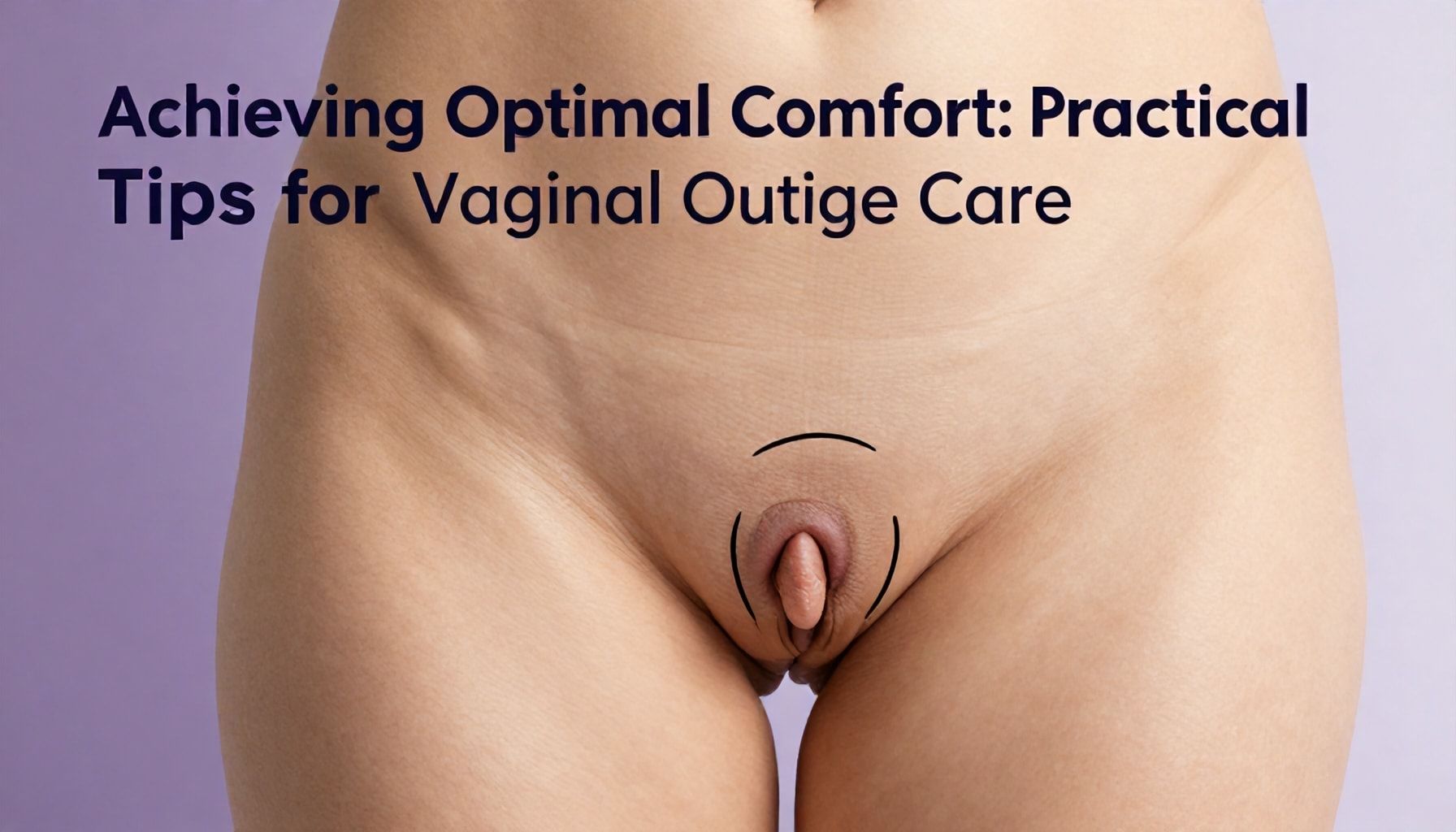
I’ve seen it all in my 25 years of reporting on women’s health, and let me tell you, vaginal outies are more common than you’d think. The key to comfort? It’s all about the right care and a few practical tweaks. Here’s what works.
First, let’s talk hygiene. You don’t need to go overboard, but keeping the area clean is crucial. A gentle, fragrance-free wash is your best friend. I’ve seen too many women irritate their skin with harsh soaps. Stick to warm water and a mild cleanser. And remember, the vagina is self-cleaning. You don’t need to scrub like you’re preparing for surgery.
- Use warm water and a gentle, fragrance-free cleanser
- Avoid harsh soaps and strong fragrances
- Pat dry gently after washing
- Wear breathable cotton underwear
Now, let’s address the elephant in the room: discomfort. If you’re feeling it, you’re not alone. But here’s the thing, you don’t have to live with it. Over-the-counter numbing creams can work wonders. I’ve seen women swear by them. But if the pain is persistent, it’s time to see a doctor. Don’t ignore it.
And what about intimacy? It’s a big part of life, and vaginal outies shouldn’t hold you back. Communication is key. Talk to your partner. Explain what feels good and what doesn’t. And if you’re feeling self-conscious, remember, everyone’s body is different. Embrace yours.
| Comfort Tip | How to Implement |
|---|---|
| Use numbing creams | Apply a thin layer to the area before intimacy |
| Communicate with your partner | Talk openly about what feels good and what doesn’t |
| Embrace your body | Remember, everyone’s body is different. Yours is unique and beautiful |
Lastly, let’s talk about medical options. If your outie is causing significant discomfort or affecting your quality of life, it might be time to consider medical intervention. I’ve seen women transform their lives with simple procedures. But remember, it’s a personal choice. There’s no right or wrong answer. Just what’s right for you.
In my experience, the key to optimal comfort is a combination of good hygiene, open communication, and a willingness to explore medical options if needed. Don’t suffer in silence. You deserve to feel comfortable and confident in your own skin.
Vaginal outies, while natural, can sometimes cause discomfort or self-consciousness. Understanding the causes—such as aging, childbirth, or genetics—helps demystify the condition. Simple solutions like wearing breathable cotton underwear, practicing good hygiene, and using lubricants during intimacy can make a big difference. For those seeking medical options, consultations with healthcare providers about labiaplasty or other treatments are worth considering. The key is to prioritize comfort and confidence. As societal conversations around women’s health evolve, it’s encouraging to see more openness and support for addressing these topics. The future holds promise for even greater awareness and innovative solutions. What steps will you take to embrace your body’s natural changes with confidence?