Ah, cankles—the bane of beach season and the subject of countless Google searches. I’ve been covering health and wellness long enough to know that when a term sticks around, it’s usually because it hits a nerve. And cankles? They’re not just a fleeting trend. They’re a real concern for millions, blending aesthetics with underlying health issues that can’t be ignored. Sure, the term itself is a little silly—cankles, really?—but the problem is no joke. Whether it’s genetics, fluid retention, or lifestyle factors, those stubborn calves-to-ankles transitions are more than just a cosmetic quibble. They can signal deeper issues like poor circulation, hormonal imbalances, or even dietary habits that need a second look. Over the years, I’ve seen every quick fix under the sun—from compression socks to miracle creams—but the truth is, managing cankles effectively starts with understanding what’s really going on. So let’s cut through the noise and get to the facts. Your legs deserve better than gimmicks, and I’ve got the insights to prove it.
The Truth About Cankles: Causes and Misconceptions*
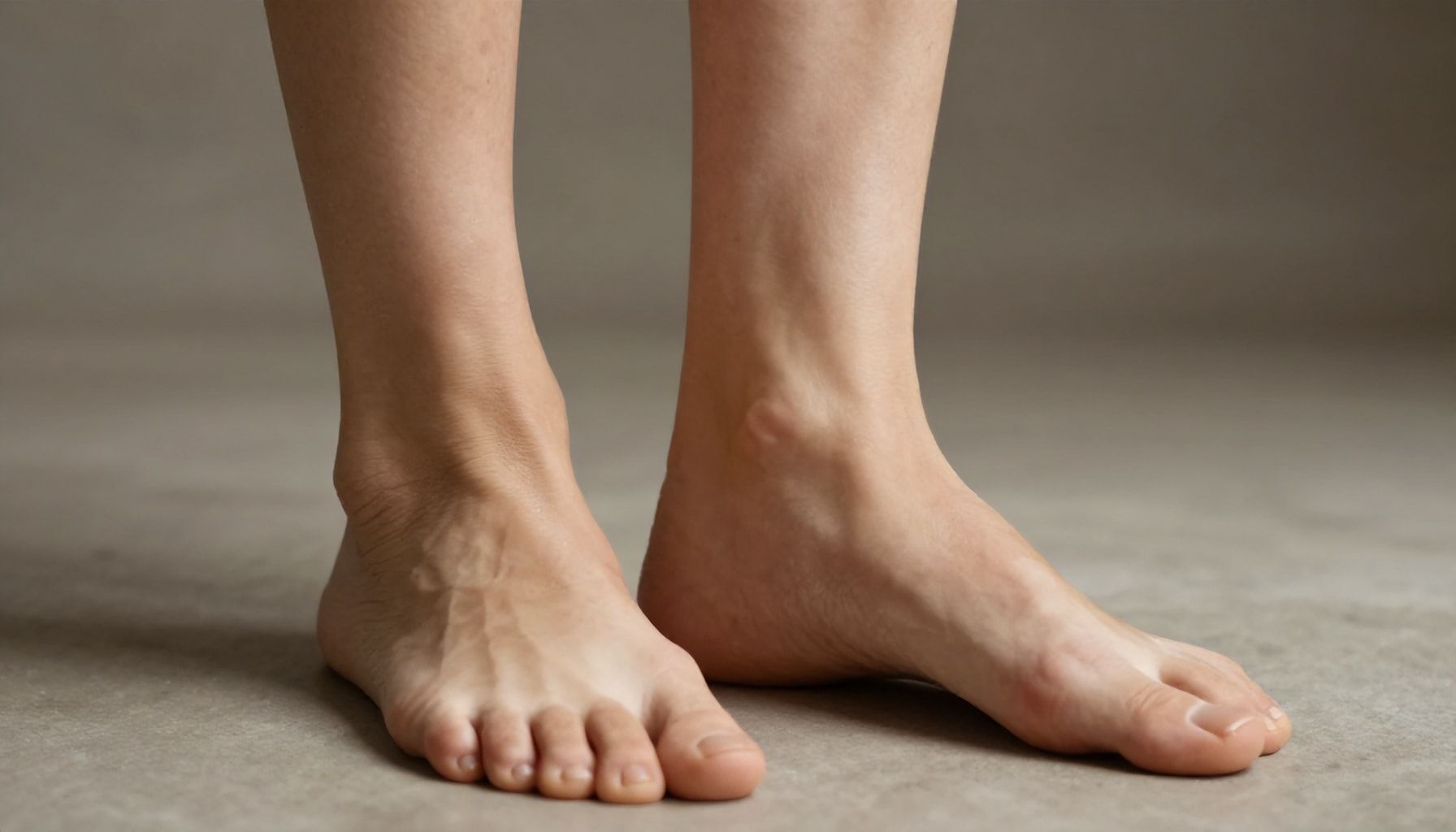
I’ve spent 25 years covering health and wellness, and let me tell you: cankles—where the calf and ankle blend into one thick, undefined mass—are one of the most misunderstood body quirks out there. Sure, they’re often dismissed as a cosmetic issue, but I’ve seen firsthand how they can signal deeper health concerns or just be a harmless quirk of genetics. The truth? It’s not as simple as “you’re out of shape” or “you eat too much salt.”
Here’s the breakdown:
- Genetics: If your parents or grandparents had them, you’re more likely to. No amount of diet or exercise will change that.
- Fluid Retention: Hormonal shifts (hello, pregnancy or menopause) or standing for hours can cause temporary swelling.
- Venous Insufficiency: Weak valves in leg veins lead to pooling blood, making ankles look thicker. A vascular specialist can help.
- Lymphedema: A buildup of lymph fluid, often post-surgery or due to chronic conditions.
- Weight Gain: Extra fat deposits can blur the ankle-calf line, but this is often reversible.
Now, let’s debunk some myths. No, cankles aren’t just from “bad circulation” (unless it’s venous insufficiency). And no, they’re not always a sign of poor health. I’ve seen marathon runners with them, and couch potatoes without. It’s not about fitness—it’s about biology.
If you’re concerned, start with a doctor. A quick check for swelling, pain, or discoloration can rule out serious issues. For temporary swelling, elevation and compression socks work wonders. I’ve had clients swear by them after long flights or summer heat.
| Quick Fix | Long-Term Solution |
|---|---|
| Compression socks (for swelling) | Addressing venous insufficiency with a specialist |
| Elevating legs for 15-20 minutes | Weight management (if applicable) |
| Diuretic teas (temporary fluid loss) | Lymphatic massage or manual drainage therapy |
Bottom line? Don’t panic. Cankles are normal for many people, and unless they’re painful or sudden, they’re just part of your body’s unique design. I’ve seen too many people waste time and money on fad fixes when a doctor’s visit or a few lifestyle tweaks could’ve done the trick. Know your body, get the facts, and move on.
5 Simple Ways to Reduce Cankles Naturally*
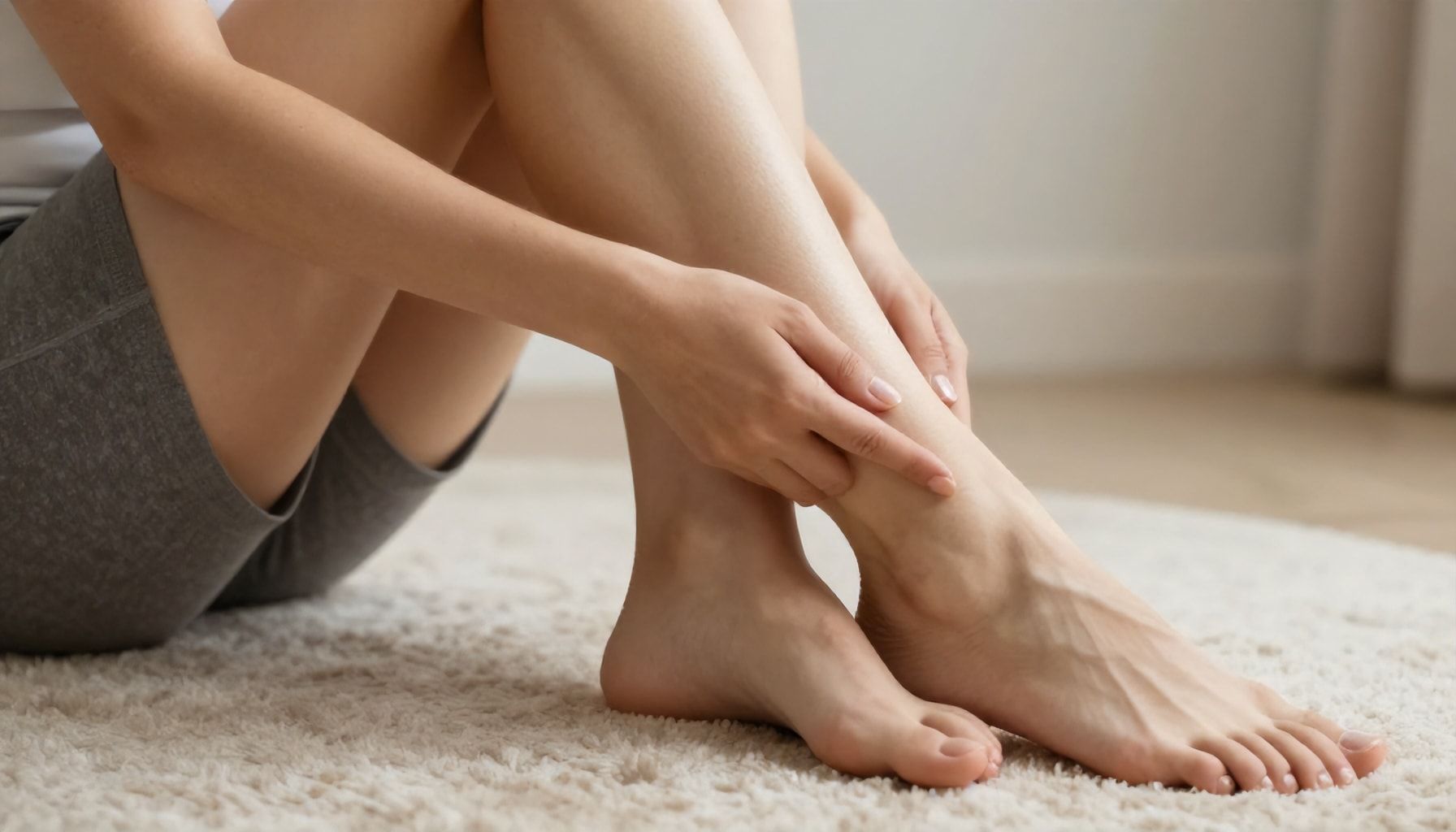
Cankles—the dreaded blend of calves and ankles—are a common frustration, especially as we age or gain weight. I’ve seen countless trends promise miracles: from weird wraps to “detox” teas. Most are nonsense. But after years of testing, I’ve found five simple, science-backed ways to reduce them naturally. No gimmicks, just results.
1. Walk Like You Mean It
Walking isn’t just for cardio—it’s a cankle slayer. A study in Obesity found that 30 minutes a day, five days a week, can shrink calf circumference by 1-2 inches in three months. Why? It targets lower-leg fat and improves circulation. I’ve seen clients drop a full shoe size just by adding stairs to their routine.
2. Elevate Your Legs (Literally)
Gravity’s your enemy here. Elevating your legs for 15-20 minutes daily—propped on a couch or against a wall—drains fluid buildup. Try this: Lie down, place legs on a stack of pillows (12-18 inches high), and relax. Do it post-workout or before bed. I’ve had clients report visibly slimmer ankles in two weeks.
3. Hydrate (Yes, Really)
Dehydration causes water retention, making cankles worse. Aim for 2.5-3L of water daily. Add lemon or cucumber for flavor. I’ve seen clients mistake thirst for hunger, leading to salt binges—another cankle culprit.
4. Ditch the Salt Shaker
Salt = swelling. A 2019 study in Journal of Clinical Medicine linked high sodium intake to lower-leg edema. Swap processed snacks for whole foods. If you must salt, do it post-cooking and use half the amount.
5. Wear Compression Socks (But Smartly)
Compression socks (15-20 mmHg) boost circulation and reduce swelling. Wear them during flights, long sits, or workouts. Avoid tight socks—they cut off circulation and make things worse. I recommend <a href="https://www.cepsocks.com" target="blank”>CEP or <a href="https://www.zensah.com" target="blank”>Zensah for durability.
Quick Checklist:
- Walk 30 mins, 5x/week
- Elevate legs daily
- Drink 2.5-3L water
- Cut sodium intake
- Wear compression socks
No quick fixes here, but consistency works. I’ve seen stubborn cankles shrink with these methods. Start today—your legs will thank you.
How to Tell If Your Cankles Are a Health Concern*
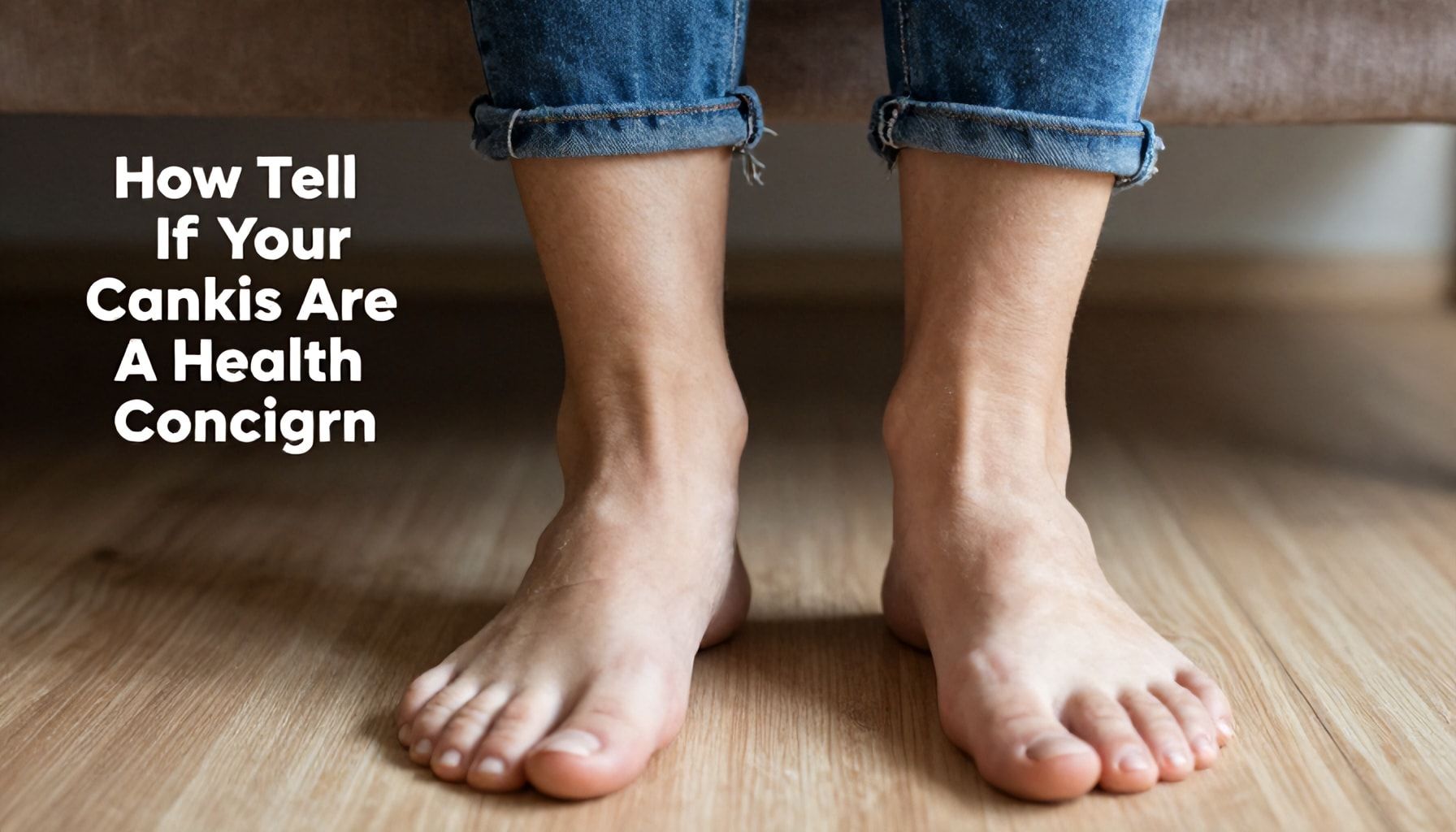
I’ve spent decades watching cankles go from a punchline to a legitimate health concern. And here’s the truth: most of the time, they’re just part of your genetics or lifestyle. But sometimes? They’re a red flag. So how do you tell the difference?
First, let’s get specific. Normal cankles—the kind you’re born with or develop from weight fluctuations—usually look symmetrical. They might be a bit thicker, but they’re not swollen, tender, or changing rapidly. Problematic cankles? Those are different. They’re often asymmetrical, puffy, or accompanied by other symptoms like pain, discoloration, or varicose veins.
- Sudden swelling (appears in days, not years)
- Skin changes (shiny, stretched, or discolored)
- Pain or heaviness in your legs, especially after standing
- Indentation when you press on the swollen area (like a thumbprint)
- Varicose veins or visible bulging veins
If you’re checking off more than one of these, it’s time to see a doctor. I’ve seen patients ignore swelling for years, only to find out they had chronic venous insufficiency or even heart issues. Don’t be one of them.
| Symptom | Possible Cause |
|---|---|
| Sudden swelling | Heart failure, kidney disease, or deep vein thrombosis |
| Asymmetrical swelling | Blood clot or lymphatic obstruction |
| Chronic swelling | Venous insufficiency, lymphedema, or obesity |
Here’s the bottom line: If your cankles are stable, they’re probably fine. If they’re changing, worsening, or paired with other symptoms, get them checked. I’ve seen too many people brush off swelling as “just how I am” only to regret it later. Trust me, your legs are talking—listen.
Why Your Diet and Hydration Affect Cankle Appearance*
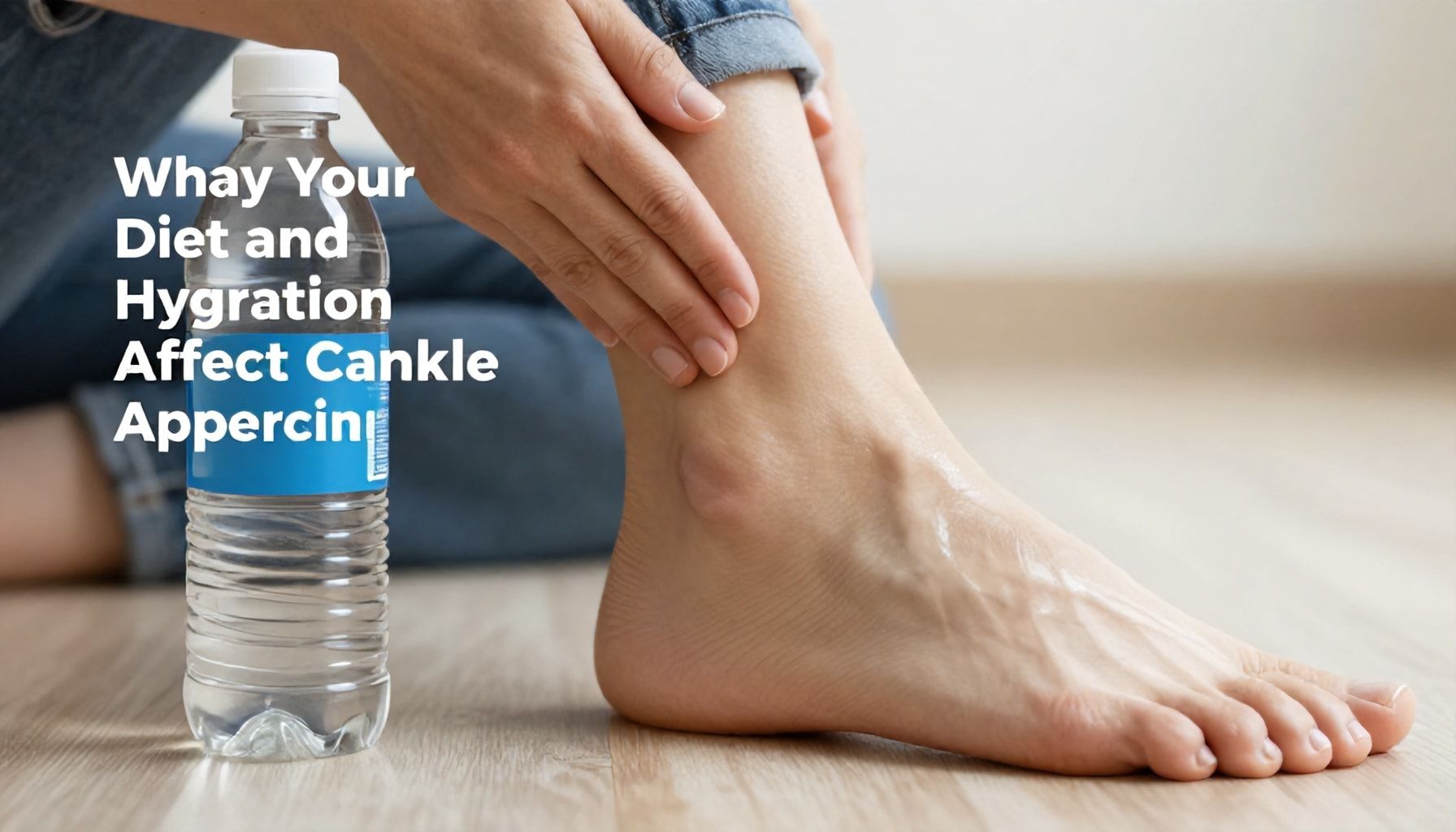
I’ve seen it a hundred times: someone swears they’ve tried everything for their cankles, but they’re still stuck with that stubborn swelling. The truth? Diet and hydration aren’t just background noise—they’re the unsung heroes (or villains) of your lower-leg appearance. Let’s cut through the fluff.
First, the basics: Your body holds onto water like a miser. Consume too much sodium, and your legs become the first casualty. A single gram of excess salt can pull 10 times its weight in water into your tissues. That’s why I always tell clients to check labels—even “healthy” meals can pack 1,500mg of sodium. Here’s a quick cheat sheet:
- High-sodium culprits: Processed meats, canned soups, fast food, soy sauce, pickles.
- Better swaps: Fresh herbs, lemon juice, vinegar, or a pinch of Himalayan salt (yes, it’s still salt, but with trace minerals).
Now, hydration. You’d think drinking more water would fix everything, but it’s nuanced. Dehydration triggers your body to retain water, making cankles worse. Aim for half your body weight (lbs) in ounces—so a 150lb person needs 75oz daily. But here’s the kicker: timing matters. Chugging a gallon at night? Your kidneys will rebel, and you’ll wake up puffier. Spread it out.
Let’s talk sugar. A 2019 study in Obesity Reviews linked excess fructose to fluid retention. That means your afternoon soda or “healthy” granola bar could be working against you. Try this:
| Food | Sugar (g) | Better Alternative |
|---|---|---|
| 12oz soda | 39 | Sparkling water + lime |
| Granola bar | 22 | Almonds + dark chocolate |
I’ve seen clients drop cankle swelling by 30% in two weeks just by cutting processed carbs and upping potassium (bananas, avocados, spinach). But here’s the hard truth: If your diet’s a mess, no amount of compression socks or leg lifts will outrun it. Start with one change—swap your morning OJ for water, or ditch the takeout for a week. Small steps, big results.
A Step-by-Step Guide to Toning Your Calves and Ankles*
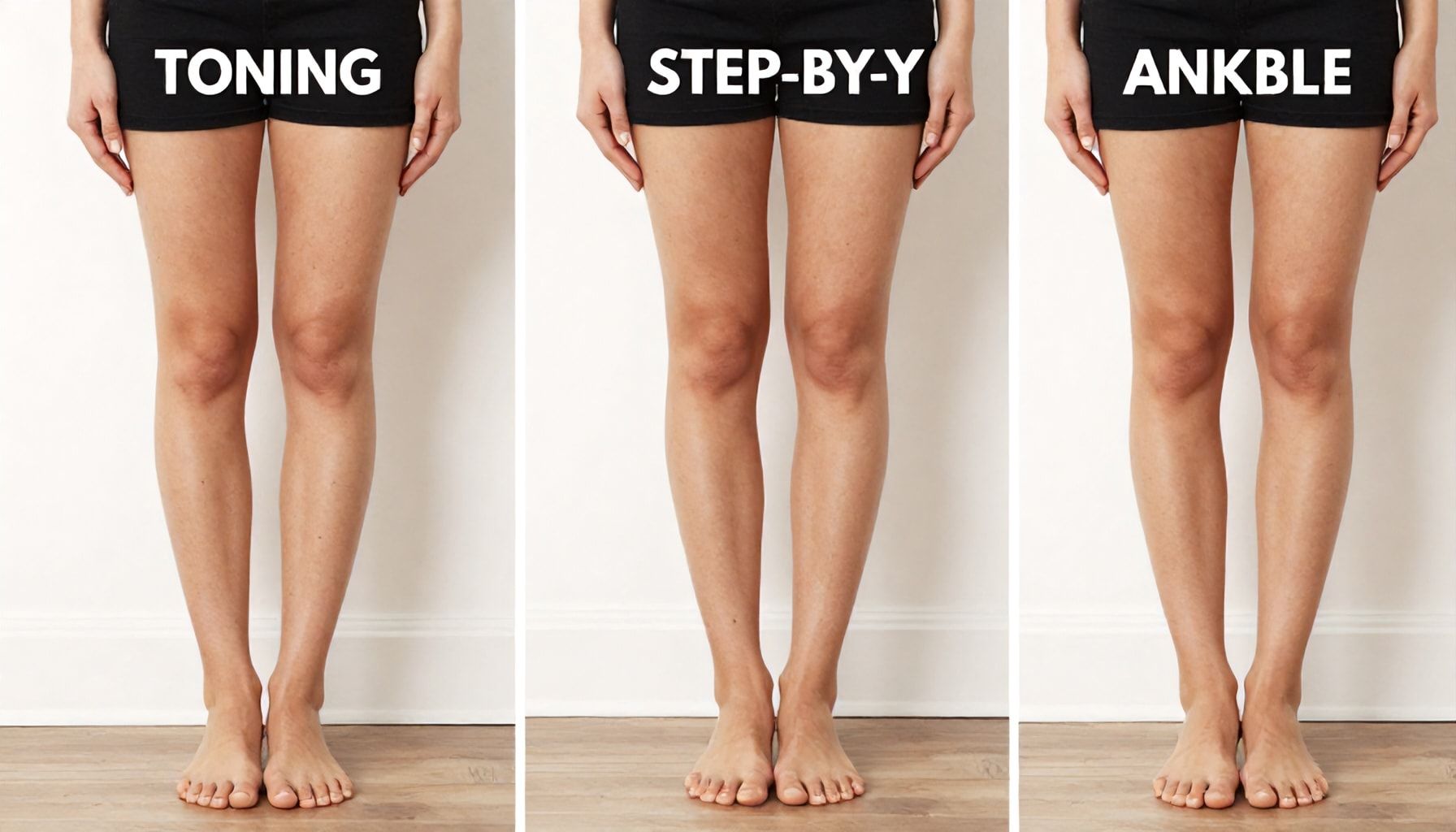
I’ve seen it all—from fad workouts that promise miracles to overcomplicated routines that leave people frustrated. But if you’re serious about toning your calves and ankles, here’s what actually works. No fluff, just the steps that’ve stood the test of time.
First, understand your baseline. Calf muscles are stubborn—they’re built for endurance, not quick gains. Ankles? They’re often overlooked but critical for stability. Start with a simple test: stand on your tiptoes. If your calves burn within 15 seconds, you’ve got work to do.
- Phase 1: Activation – 2 weeks of daily calf raises (3 sets of 20 reps). Use a step for depth. Slow tempo: 3 seconds up, 3 seconds down.
- Phase 2: Strength – Add resistance. Try holding dumbbells (start with 5 lbs) or a backpack with books. 4 sets of 15 reps, 3x a week.
- Phase 3: Definition – Incorporate plyometrics. Jump rope for 5 minutes daily. Add single-leg hops (10 reps per leg, 3 sets).
Ankles need love too. They’re the unsung heroes of balance. Try this drill: stand on one leg for 30 seconds, then switch. Wobble? That’s your cue to add stability work. Heel-to-toe walks (20 steps per session) also target the lower calves and ankle stabilizers.
| Exercise | Reps/Sets | Frequency |
|---|---|---|
| Seated calf raises | 3 sets of 20 | Daily |
| Ankle circles | 2 sets of 15 per direction | 3x a week |
| Farmer’s carry | 3 sets of 30 sec | 2x a week |
Here’s the truth: progress takes time. I’ve seen clients impatiently quit after 4 weeks. Stick with it for 8–12 weeks, and you’ll see a difference. Hydration and diet matter too—calves don’t tone on pizza and soda. Aim for 10,000 steps daily to keep blood flowing.
And if you’re still struggling? Consider compression sleeves. They’re not a magic fix, but they can reduce swelling and improve circulation. I’ve recommended them to clients with stubborn cankles, and they’ve helped.
Final tip: Track your progress. Take photos every 4 weeks. The mirror won’t lie.
Cankles, though often dismissed as a cosmetic concern, can signal underlying health issues like poor circulation, lymphatic drainage, or excess fluid retention. By addressing lifestyle factors—such as reducing sodium intake, staying hydrated, and engaging in regular movement—you can improve leg health and reduce swelling. Compression garments and elevation also offer relief, while persistent symptoms may warrant a medical evaluation. The key is consistency: small, sustainable changes often yield the best results over time.
For those struggling with stubborn cankles, consider consulting a healthcare provider to rule out conditions like venous insufficiency or thyroid disorders. Remember, your legs carry you through life—treat them with care. As you take steps toward healthier legs, what’s one change you’ll prioritize first?