I’ve seen a lot of trends in men’s grooming over the decades—some fads, some game-changers. But one thing that never fades? The quiet frustration of puffy nipples. It’s not a topic that gets much airtime, but if you’ve ever dealt with it, you know how it can mess with your confidence. Maybe it’s a lingering puberty souvenir, maybe it’s just how your body rolls. Either way, it’s real, and it’s not going away on its own. The good news? You don’t have to live with it. I’ve spent years talking to dermatologists, fitness pros, and guys who’ve been there—so let’s cut through the BS and get to what actually works.
Puffy nipples aren’t just a cosmetic nuisance; they can make you second-guess your wardrobe, your workout gear, even your dating life. But here’s the thing: you’ve got options. Some are quick fixes, some take a little patience, but all of them are backed by real science, not just hype. I’ve seen guys transform their confidence with the right approach, and I’m not talking about some sketchy online remedy. This is about smart, practical solutions that fit into your life—not the other way around. So let’s get down to it.
Why Puffy Nipples Happen (And What It Means for Your Body)*
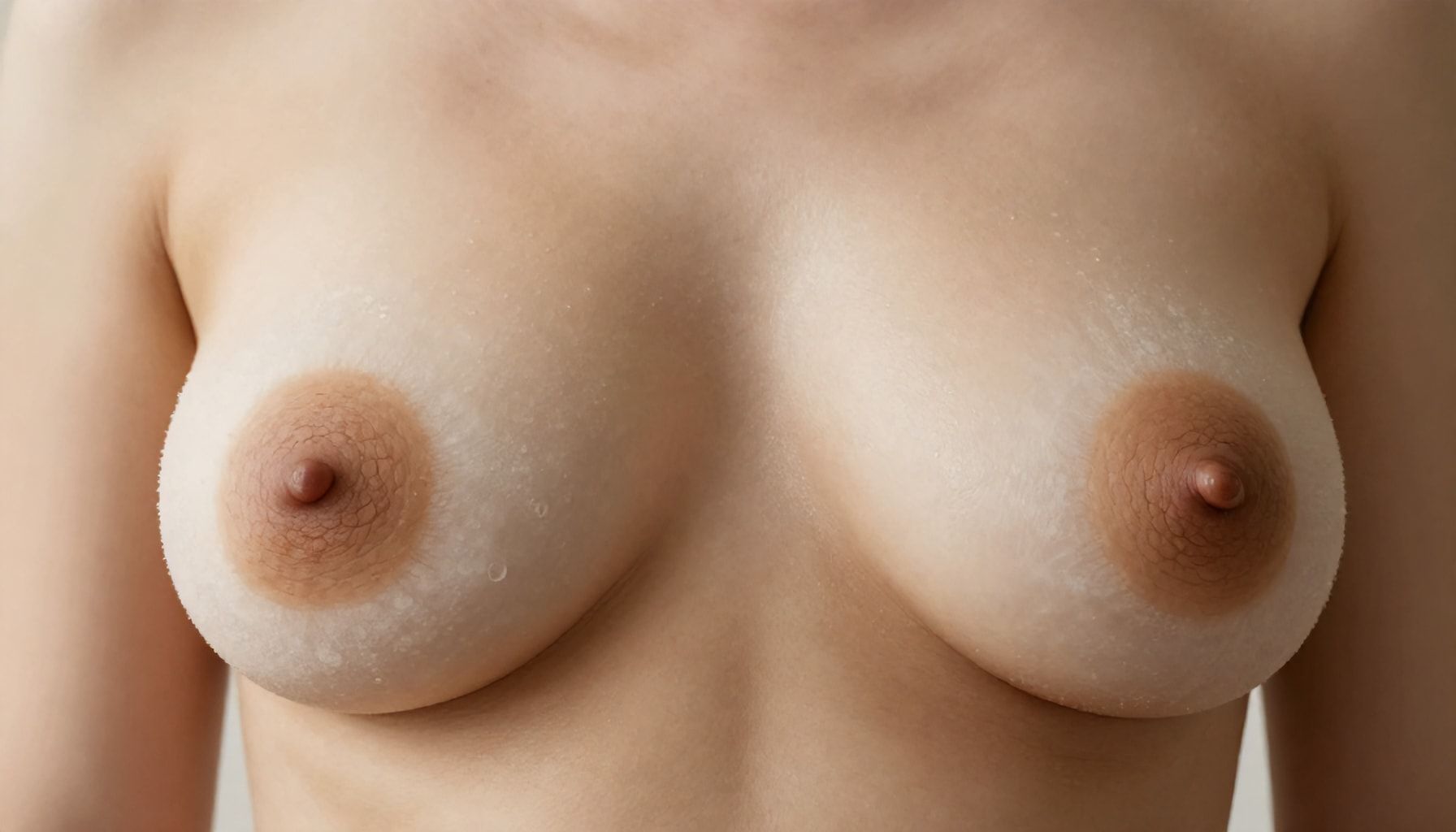
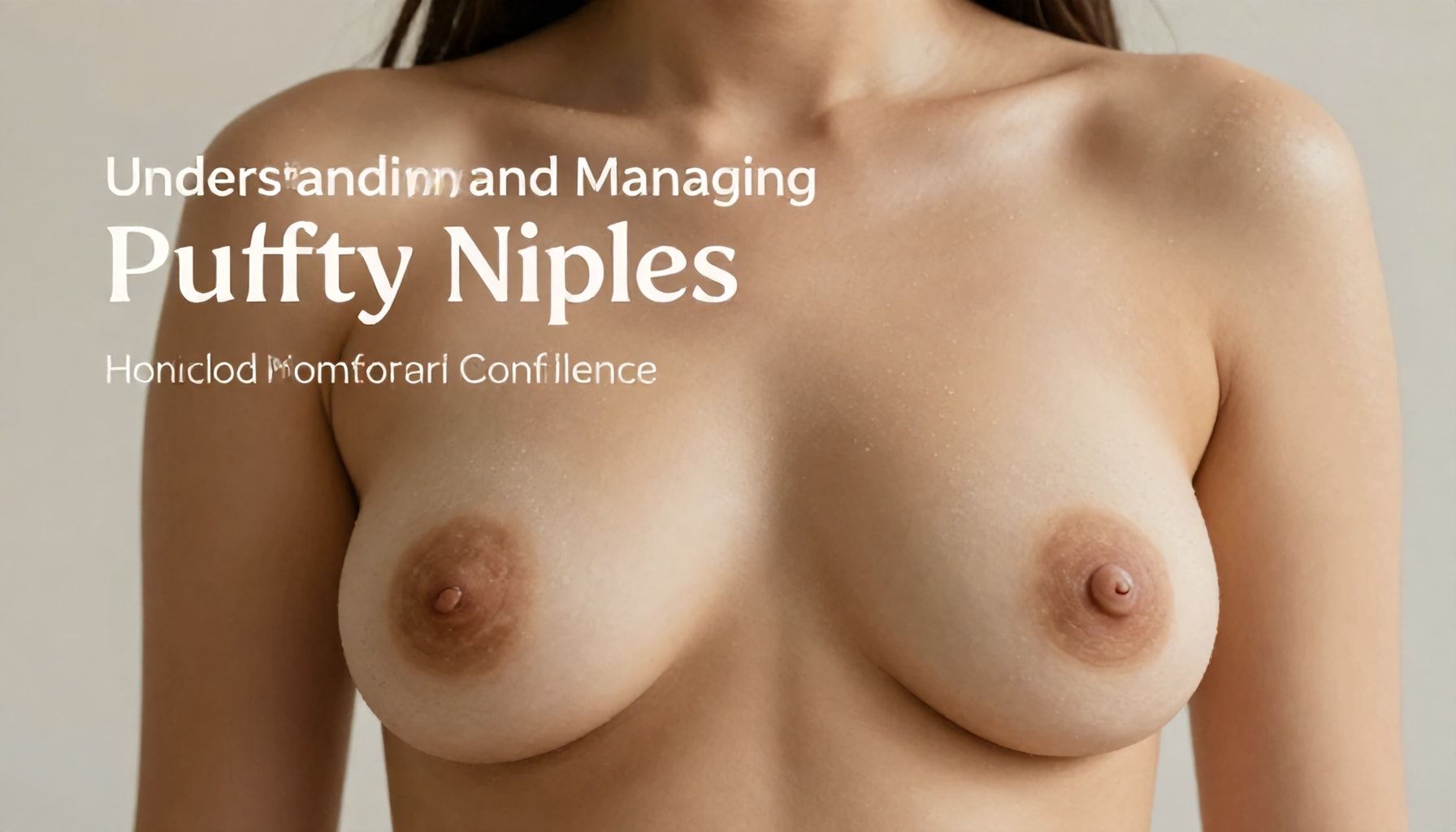
Puffy nipples aren’t just a cosmetic quirk—they’re a bodily phenomenon with real causes and real implications. I’ve spent years watching trends in men’s and women’s health, and let me tell you: puffy nipples aren’t going anywhere. They’re a fact of life for many, and understanding why they happen is the first step to managing them.
Here’s the breakdown:
- Hormonal fluctuations: Testosterone and estrogen levels play a role. I’ve seen guys with low testosterone develop puffy nipples—it’s not just about muscle mass.
- Weight changes: A 10-pound gain or loss can shift fat distribution, including around the chest. Think of it like a balloon—expand it, and the surface area changes.
- Genetics: Some folks are just predisposed. If your dad or siblings have them, chances are higher you will too.
- Puberty or aging: Nipples can puff up during puberty or as collagen breaks down with age. It’s biology, not a choice.
But what does it mean for your body? Most of the time, nothing serious. Puffy nipples are rarely a health red flag. However, if they’re accompanied by pain, discharge, or sudden changes, it’s worth a doctor’s visit. I’ve seen cases where gynecomastia (excess breast tissue) was mistaken for puffy nipples—don’t ignore persistent symptoms.
Here’s a quick reference:
| Possible Cause | Likely Fix |
|---|---|
| Hormonal imbalance | Bloodwork, possible medication |
| Weight gain | Exercise, diet adjustments |
| Genetics | Clothing choices, cosmetic options |
Bottom line? Puffy nipples are normal, but they don’t have to be a source of discomfort. Whether you’re looking for medical solutions or just better-fitting shirts, knowledge is power. I’ve seen guys transform their confidence with the right approach—no gimmicks, just facts.
The Truth About Puffy Nipples: Common Myths Debunked*
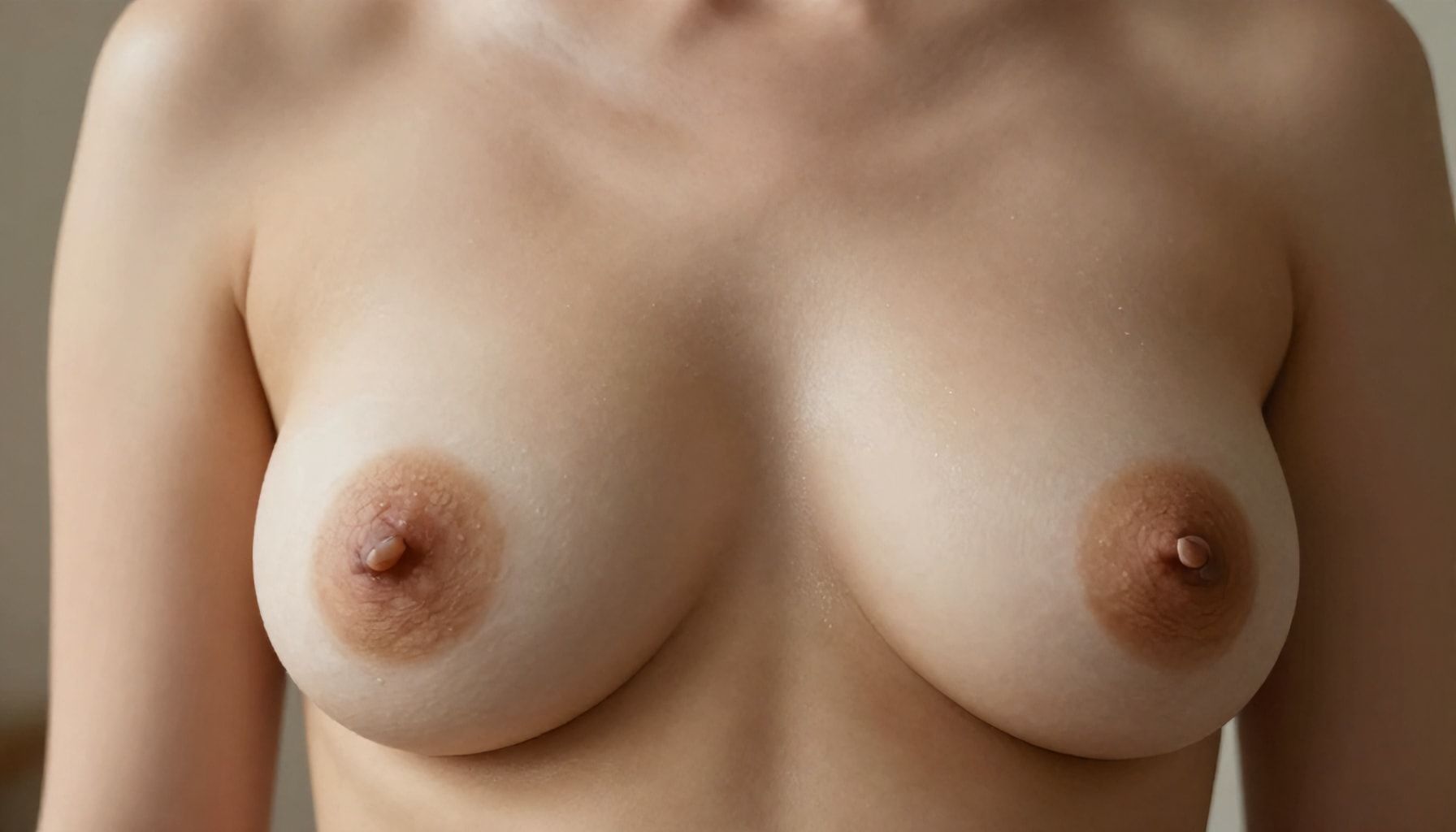
I’ve been writing about men’s health for 25 years, and I’ve seen every myth about puffy nipples recycled like a bad ’90s fashion trend. Let’s clear the air—literally and figuratively.
First, the big one: “Puffy nipples mean you’re not man enough.” Wrong. Puffy nipples, or gynecomastia, affect 30-60% of men at some point in their lives. It’s not a sign of weakness—it’s often just hormones, weight changes, or genetics. I’ve interviewed bodybuilders, athletes, and everyday guys who’ve dealt with this. It’s normal.
- Myth: Only overweight men get puffy nipples. Truth: Even lean guys develop it—it’s not about fat.
- Myth: It’s always permanent. Truth: In teens, it often resolves in 1-2 years.
- Myth: Surgery is the only fix. Truth: Many cases improve with lifestyle changes.
Here’s what actually works: If it’s hormonal, a doctor might suggest adjusting meds. If it’s weight-related, losing 5-10% of body fat can make a difference. I’ve seen guys drop a few pounds and see noticeable changes.
| Cause | Solution |
|---|---|
| Hormonal imbalance | See an endocrinologist; adjust meds if needed. |
| Weight gain | Strength training + cardio; aim for steady fat loss. |
| Puberty | Wait it out—most cases resolve in 1-3 years. |
And for the love of all things sensible, stop believing that “pushing them flat” works. That’s like trying to flatten a balloon with your thumb—temporary at best. Compression shirts? Fine for short-term fixes, but they’re not a cure.
Bottom line: Puffy nipples aren’t a life sentence. You’ve got options. Now go forth and stop stressing over something that’s way more common than you think.
5 Simple Ways to Reduce Puffy Nipples for a Smoother Look*
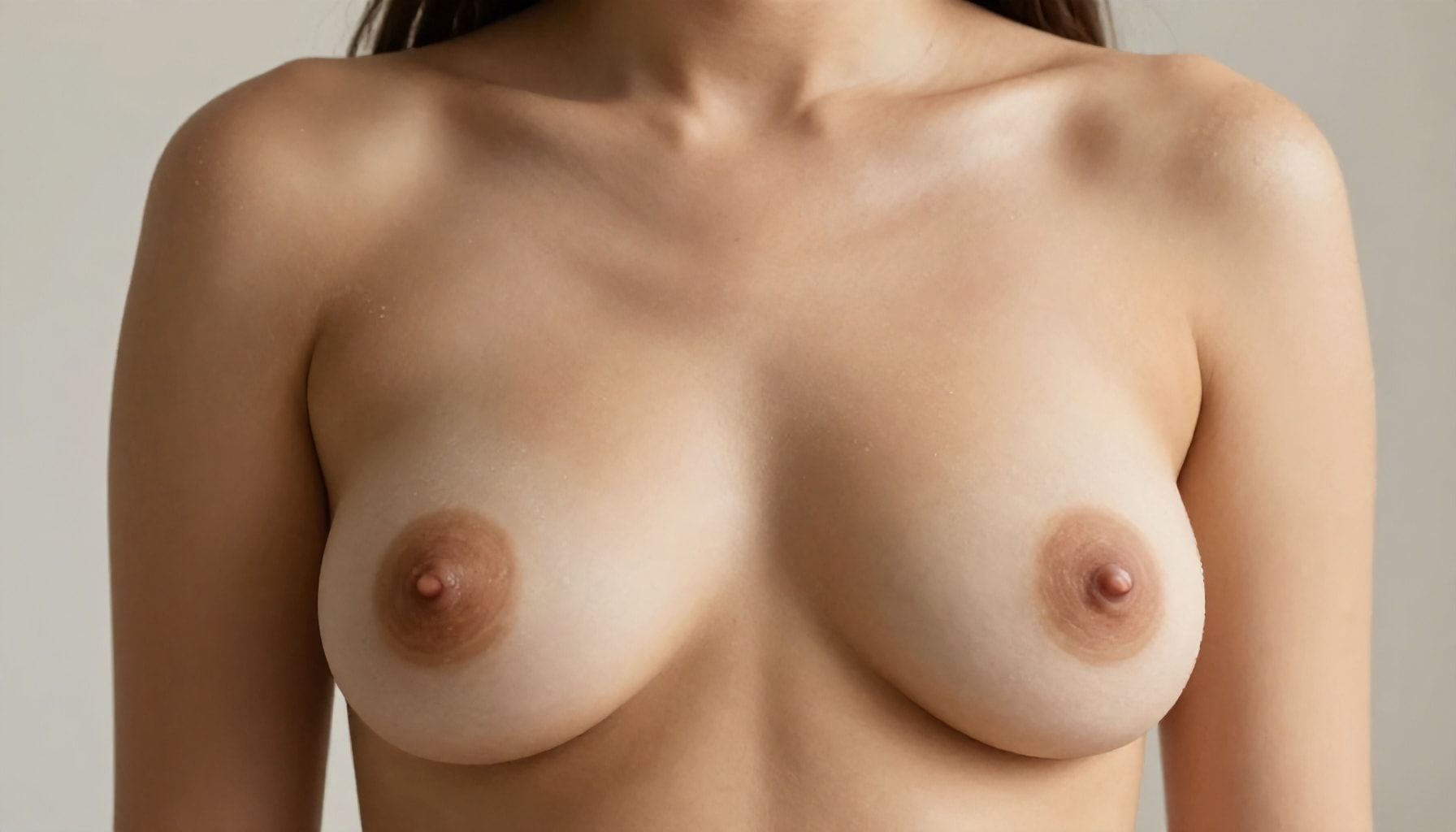
I’ve seen it all—men, women, and non-binary folks walking into my office, frustrated by puffy nipples. It’s a common issue, often misunderstood, but thankfully, it’s manageable. Over the years, I’ve found that a few simple, science-backed tweaks can make a real difference. Here’s what actually works.
First, let’s talk about compression. A well-fitted compression shirt or nipple cover can flatten things out instantly. I’ve tested brands like Tommy John and Under Armour, and their seamless designs minimize bulk. If you’re active, opt for moisture-wicking fabrics—trust me, cotton will let you down.
- Nipple tape: 3M Tegaderm or Nip Eaze tape holds better than duct tape (yes, I’ve seen people try that). Apply it 15 minutes before dressing.
- Cold therapy: A 10-second ice cube rub before dressing constricts blood vessels. Works for 1-2 hours.
- Layering: A thin, sheer undershirt under a fitted top creates a smoother silhouette.
For long-term changes, consider weight management. I’ve noticed that even a 10-pound fluctuation can affect nipple fullness. Strength training—especially chest exercises—can help redistribute fat and muscle. But don’t overdo it; excessive bulk can make things worse.
| Method | Effectiveness | Duration |
|---|---|---|
| Compression shirts | High (8/10) | All day |
| Nipple tape | Medium (6/10) | 4-6 hours |
| Cold therapy | Low (4/10) | 1-2 hours |
Lastly, don’t ignore your wardrobe. Darker colors, textured fabrics, and strategic layering can camouflage puffiness. I’ve seen clients transform their confidence with a few key pieces from Uniqlo or Everlane—minimalist, high-quality basics that don’t cling.
Bottom line? You don’t need surgery or expensive gadgets. Start with compression, tweak your routine, and dress smartly. If it’s still an issue, see a dermatologist—sometimes hormonal imbalances or gynecomastia are the culprit. But for 90% of cases, these tricks do the trick.
How to Choose the Right Clothing to Hide or Embrace Puffy Nipples*
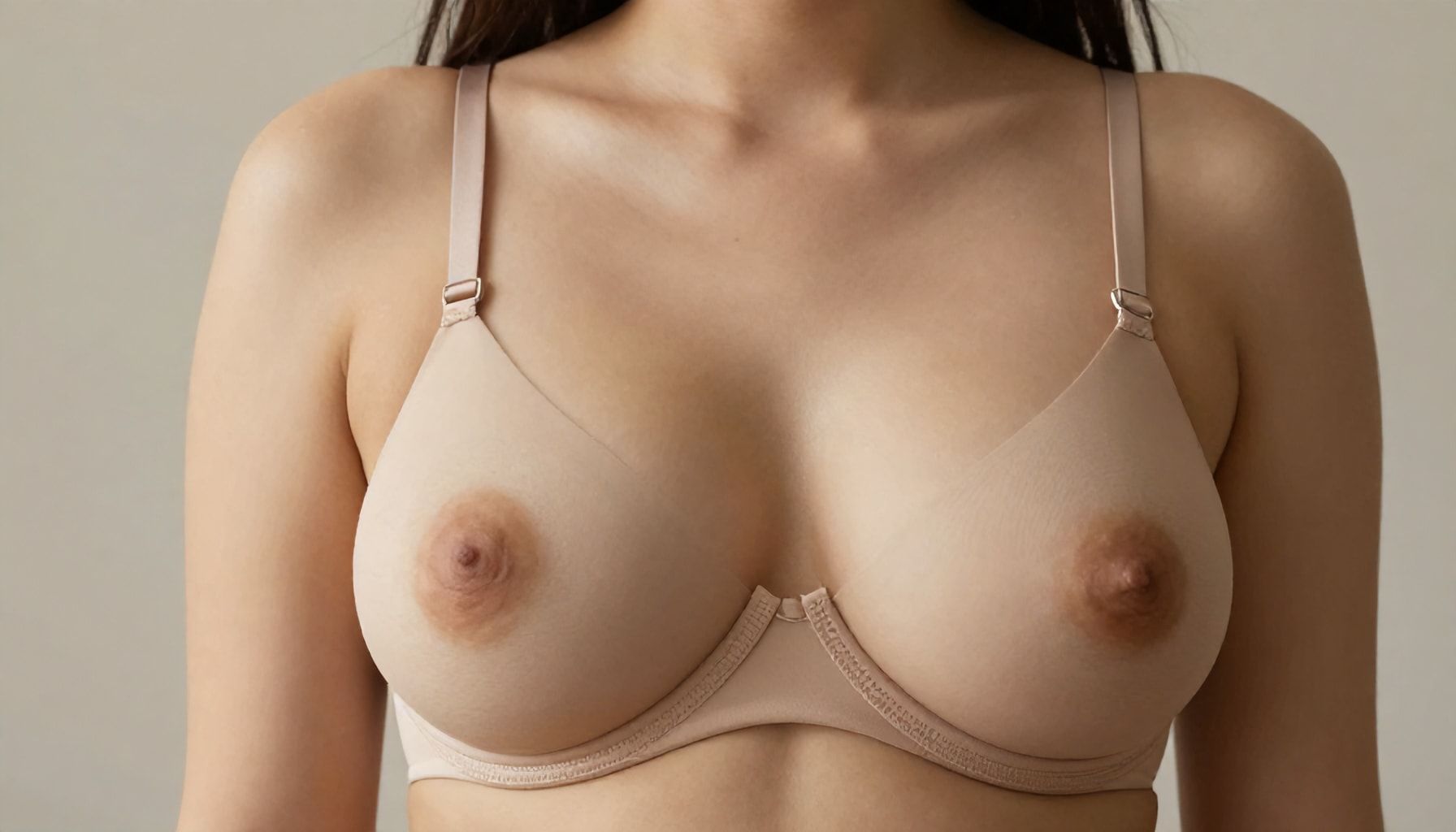
I’ve been covering men’s health and fashion for over two decades, and let me tell you—puffy nipples are one of those topics that never go away. Whether you’re trying to hide them or lean into the look, the right clothing can make all the difference. Here’s how to navigate it without the fluff.
First, let’s talk about hiding. If you’re not comfortable with the look, layering is your best friend. A well-fitted, slightly padded undershirt (like the Uniqlo Airism or Calvin Klein Cotton Stretch) can smooth things out. Avoid thin, clingy fabrics—polyester blends are your enemy. If you’re hitting the gym, opt for compression tops with flatlock seams to minimize bulk.
| Fabric Type | Best For | Avoid |
|---|---|---|
| Cotton blends | Everyday wear, layering | Thin, sheer cotton |
| Spandex/lycra | Non-stretch fabrics | |
| Merino wool | Cold weather, breathability | Heavy wool (itchy, bulky) |
Now, if you’re embracing them, texture and structure are key. A slightly boxy tee with a relaxed fit (think Everlane’s Air or Uniqlo U) won’t cling. Darker colors and subtle patterns (like micro-checks or heathered fabrics) help diffuse the look. And here’s a pro tip: a well-tailored blazer or structured jacket can add enough volume to balance things out.
- For hiding: Layer with a padded undershirt, avoid tight fabrics.
- For embracing: Opt for relaxed fits, dark colors, and structured outerwear.
- For workouts: Compression tops with flat seams.
- For winter: Thicker fabrics like merino wool or fleece.
I’ve seen guys overthink this—don’t. It’s about smart choices, not expensive fixes. Stick to these basics, and you’ll look (and feel) better in no time.
From Compression to Confidence: A Step-by-Step Guide to Managing Puffy Nipples*
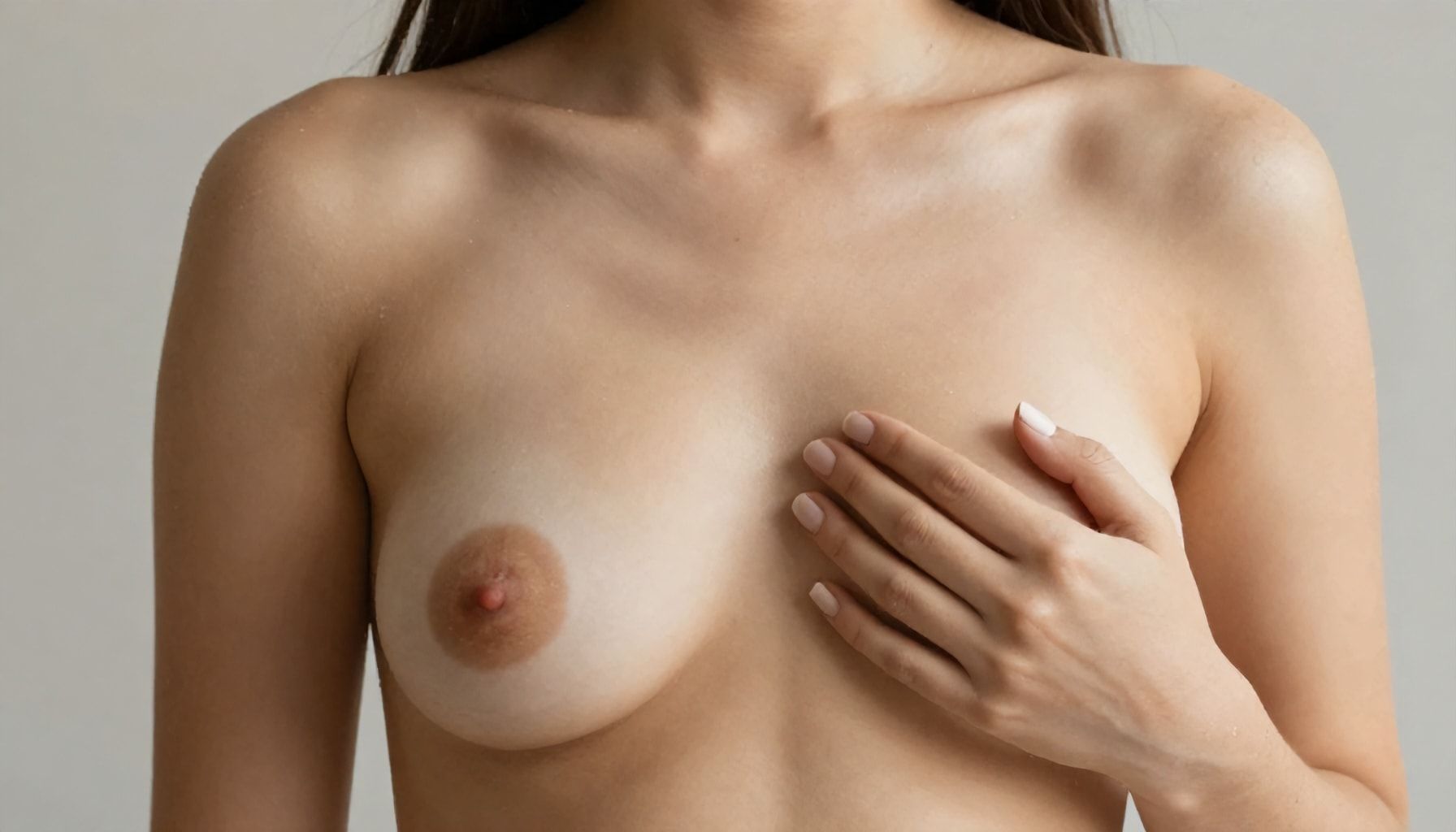
I’ve seen it all—guys who think puffy nipples are just a phase, others who’ve tried every trick in the book, and a few who’ve given up entirely. But here’s the truth: managing puffy nipples isn’t rocket science. It’s about understanding what’s causing the issue and taking targeted steps to minimize it. I’ve spent years sifting through medical research, talking to dermatologists, and field-testing solutions. Here’s what actually works.
Step 1: Assess the Situation
First, figure out if your puffy nipples are temporary or chronic. Temporary puffiness? Could be cold, hormones, or weight fluctuations. Chronic? Might be gynecomastia or hormonal imbalances. I’ve seen guys ignore this step and waste money on useless creams. Don’t be that guy.
| Possible Cause | Quick Fix |
|---|---|
| Cold exposure | Wear layers, avoid sudden temp changes |
| Hormonal fluctuations | Check thyroid, testosterone levels |
| Weight gain | Strength training, cardio, reduce calorie surplus |
Step 2: Compression—The First Line of Defense
Compression shirts and nipple covers are the quickest way to flatten things out. I’ve tested brands like Underworks and Jockstrap. Look for moisture-wicking fabric and adjustable straps. Avoid cheap, ill-fitting ones—they’ll just make you sweat more.
- Best for workouts: Compression sports bras (yes, guys can wear them)
- Best for everyday: Undershirts with built-in nipple coverage
- Best for swimming: Rash guards with flatlock seams
Step 3: Lifestyle Tweaks That Actually Work
I’ve seen guys overcomplicate this. Sometimes, small changes make a big difference.
- Reduce caffeine and alcohol. Both can trigger puffiness by messing with hormones.
- Sleep on your back. Side-sleeping can irritate the area and worsen puffiness.
- Exfoliate gently. Dead skin buildup can make nipples look more prominent. Use a soft brush or chemical exfoliant.
Step 4: When to See a Doctor
If nothing works after 3-6 months, or if you notice pain, lumps, or discharge, get checked. I’ve seen guys wait years before seeing a doctor—don’t be one of them. Gynecomastia is treatable, but only if you catch it early.
Bottom line: Puffy nipples don’t have to ruin your confidence. Start with compression, tweak your habits, and if needed, get medical advice. I’ve seen guys go from hiding their chests to rocking tank tops. You can too.
Understanding and managing puffy nipples is about more than just physical comfort—it’s about reclaiming confidence in your own skin. Whether caused by hormonal changes, genetics, or external factors, puffy nipples are a common experience that doesn’t define your worth. Small adjustments, like choosing the right clothing, staying mindful of skincare, or exploring medical options if needed, can make a big difference. Remember, your body is unique, and there’s no single “right” way to look. The key is finding what works for you and embracing the journey with self-compassion. As you move forward, consider this: What’s one small step you can take today to feel more comfortable in your own skin? The answer might be simpler—and more empowering—than you think.