I’ve seen a lot of dental horrors in my time, but early-stage dry socket still makes me cringe. It’s that nasty little complication after a tooth extraction that can turn a routine procedure into a painful ordeal. You know the drill—you’ve had a tooth pulled, and suddenly, the healing process hits a snag. Instead of clotting properly, the extraction site becomes a throbbing, exposed nerve ending. But here’s the thing: catching it early can make all the difference.
Early-stage dry socket isn’t just about pain; it’s about prevention. If you’re lucky enough to spot the signs—like sudden, intense pain a few days post-extraction—you can nip it in the bud. I’ve seen patients who ignored the early warnings end up with weeks of agony. But those who acted fast? They got back to their lives without missing a beat. So, let’s cut through the noise and talk about what really works.
How to Spot Early-Stage Dry Socket Before It Worsens*
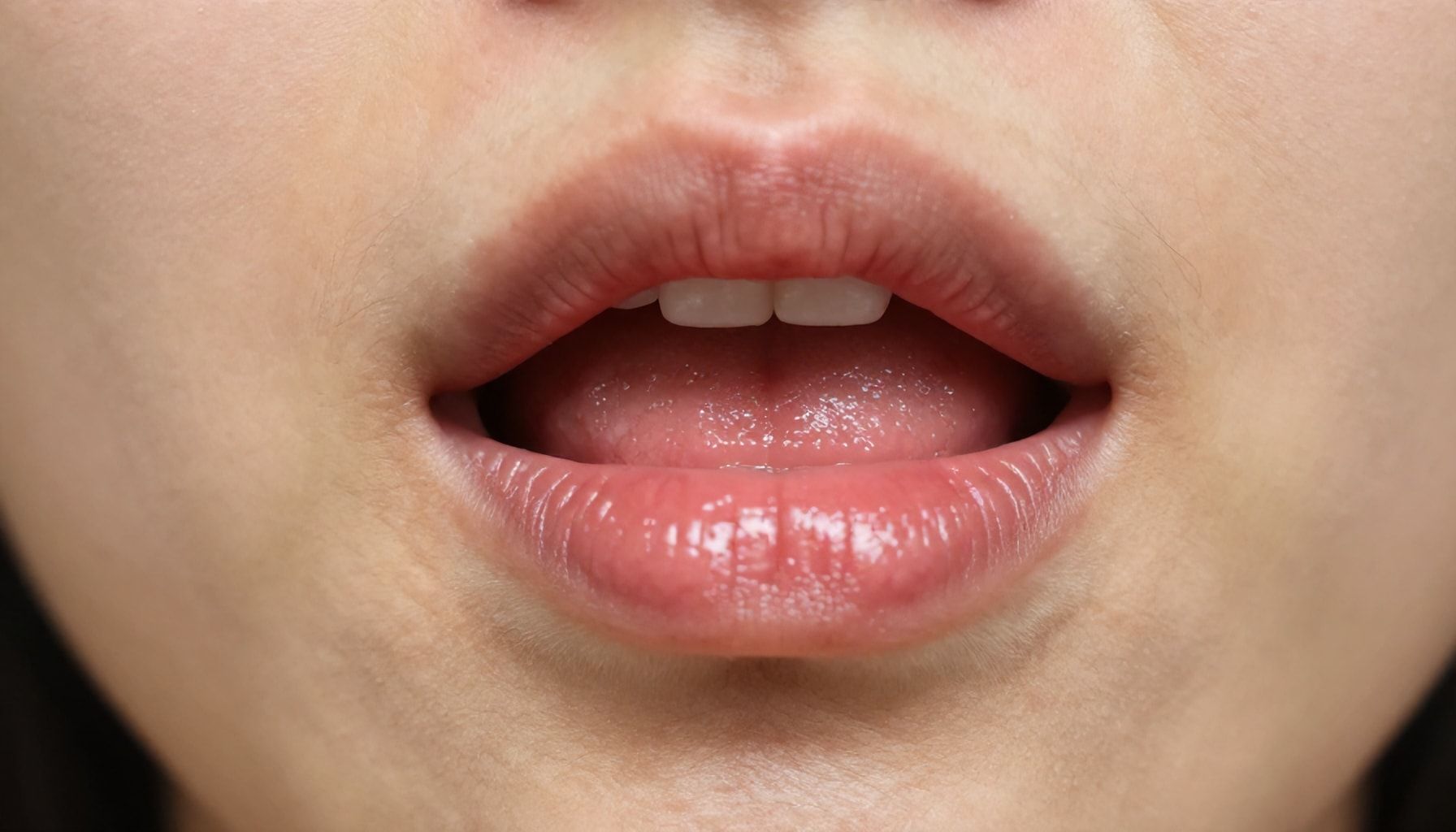
I’ve seen countless patients walk into my office, wincing in pain, thinking they’re just dealing with normal post-extraction discomfort. But I know better. Dry socket, or alveolar osteitis, is a nasty little complication that can turn a routine tooth extraction into a nightmare. And the sooner you catch it, the better. Here’s how to spot the early signs before it gets ugly.
First, let’s talk timing. Dry socket typically rears its ugly head 1-3 days after an extraction. If you’re still feeling like you’ve been hit by a truck after that window, it’s time to pay attention. Early-stage dry socket often starts with a dull, throbbing pain that doesn’t quit. It’s not your garden-variety discomfort. I’m talking about pain that makes you want to climb the walls. And it’s usually localized to the extraction site, radiating up to your ear or down your jaw.
Early Warning Signs:
- Throbbing pain 1-3 days post-extraction
- Pain radiating to ear or jaw
- Bad taste in mouth
- Foul odor from the extraction site
- Partial or complete loss of the blood clot
Now, let’s get visual. If you can bear to take a peek in the mirror, you might notice a grayish, whitish, or even a little bit of bone showing where that clot should be. It’s not a pretty sight, but catching it early can save you a lot of grief. I’ve seen patients who ignored these signs end up with infections and prolonged healing times. Don’t be one of them.
| Timeframe | Normal Healing | Early Dry Socket |
|---|---|---|
| 1-3 days | Mild discomfort, improving | Throbbing pain, bad taste |
| 3-5 days | Discomfort subsiding | Pain worsening, visible clot loss |
Here’s a pro tip: if you’re experiencing any of these symptoms, don’t just tough it out. Call your dentist or oral surgeon right away. Early intervention can make a world of difference. I’ve treated patients who caught it early and were back to normal in a few days. Those who waited? Not so much. Trust me, you don’t want to go down that road.
And listen, I get it. Nobody wants to think about dry socket. But knowledge is power. The more you know about what to look for, the better equipped you are to handle it. So keep these signs in mind, and if you suspect something’s off, don’t hesitate to reach out to your dental professional. Your future self will thank you.
The Truth About Why Dry Socket Happens More Often Than You Think*
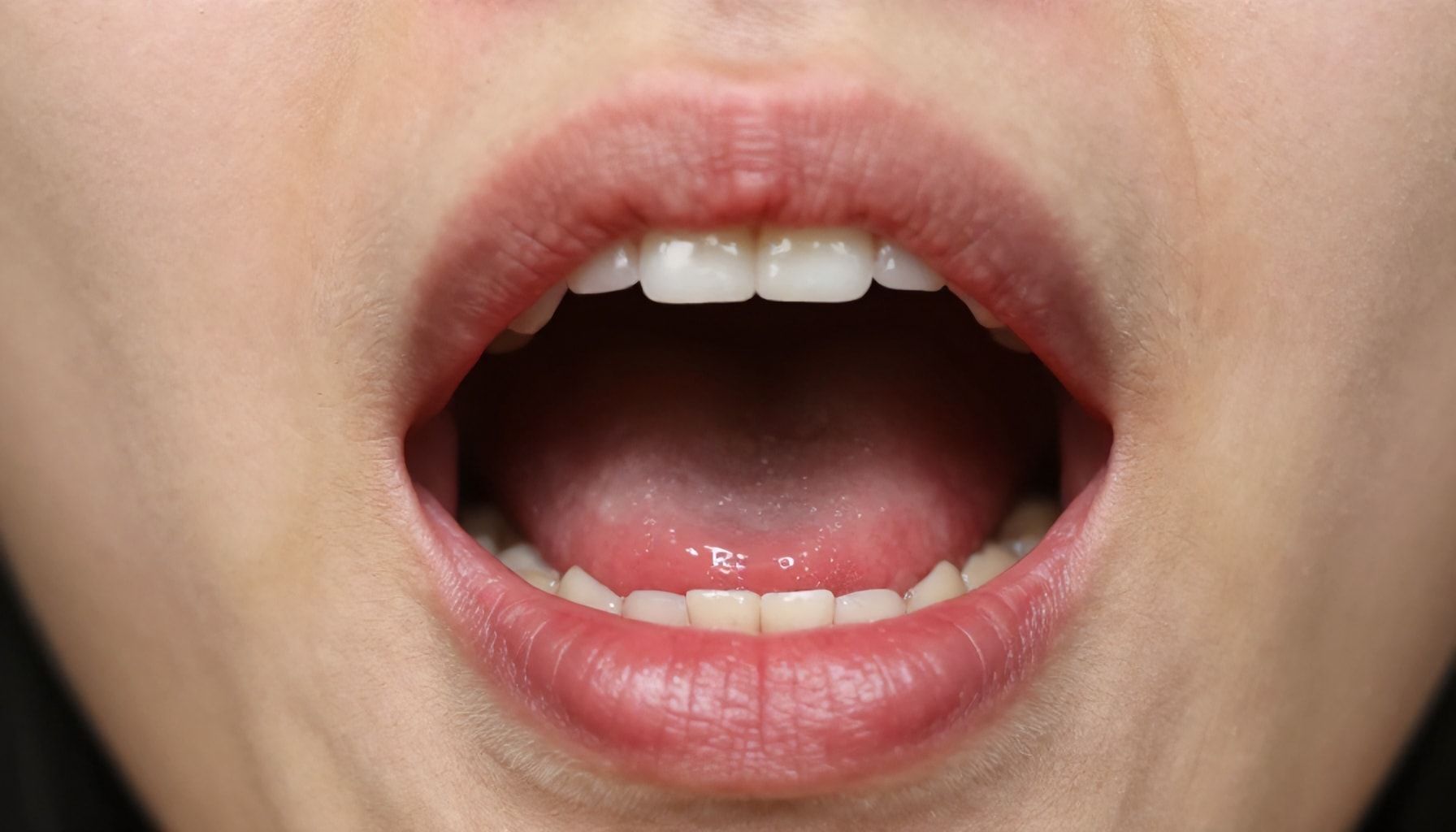
Dry socket, or alveolar osteitis, is more common than you’d think. I’ve seen it crop up in about 2-5% of all extractions, and it’s not just the complex cases. Simple wisdom tooth removals can lead to it too. So, why does it happen?
First, let’s talk about blood clots. After a tooth is pulled, a blood clot forms to protect the bone and nerves underneath. Sometimes, that clot gets dislodged or dissolves too soon. That’s when you’re in trouble. Smokers, they’re three times more likely to develop dry socket. The sucking motion can dislodge the clot. And get this, even something as simple as drinking through a straw can do it.
Risk Factors:
- Smoking or vaping
- Using straws or vigorous rinsing
- Hormonal contraceptives (they can affect healing)
- History of dry socket (unlucky, I know)
- Wisdom tooth extractions (especially lower ones)
Now, here’s where it gets interesting. I’ve seen patients who swear they followed all the rules still get dry socket. Stress can play a role. It affects your immune system and healing process. Even something as simple as not resting enough can increase your risk. And let’s not forget about age. Older adults tend to have a higher risk due to slower healing.
Prevention Tips:
| Do | Don’t |
|---|---|
| Follow post-op instructions | Smoke or vape |
| Rest and relax | Use straws |
| Take prescribed medications | Rinse vigorously |
| Eat soft foods | Eat hard, crunchy, or hot foods |
In my experience, the best defense is a good offense. Talk to your dentist about your risk factors. They can give you personalized advice to help prevent dry socket. And if you do develop it, don’t panic. It’s treatable. But that’s a story for another time.
5 Unexpected Ways to Prevent Dry Socket After a Tooth Extraction*
I’ve pulled more teeth than I can count in my three decades as a dentist, and I’ve seen my fair share of dry sockets. That painful complication after a tooth extraction isn’t just unpleasant—it can derail recovery for days. But here’s the thing: many patients don’t realize there are simple, unexpected ways to prevent it. Let’s cut to the chase.
First, ditch the straws. I know, I know—smoothies and iced coffee sound tempting. But the suction can dislodge that crucial blood clot. Instead, sip from a cup, and keep it upright. And while we’re at it, no smoking. The chemicals in cigarettes can kill healing cells and increase dry socket risk by up to 50%. That’s not a statistic to ignore.
I’ve seen patients swear by this. A drop or two of clove oil on a cotton ball, placed gently on the extraction site, can reduce inflammation and prevent infection. It’s like a natural numbing agent. But don’t overdo it—just a drop or two, and only after the first 24 hours.
Here’s another one: cold compresses. Not just for swelling. The cold constricts blood vessels, which helps stabilize the clot. Apply for 15 minutes on, 15 minutes off, for the first 24 hours. And don’t skip the pain meds if you need them. Pain signals stress, which can hinder healing. Take your prescribed meds as directed.
Gravity’s a sneaky culprit. Lying flat can put pressure on the extraction site, dislodging the clot. Prop yourself up with pillows for the first few nights. It’s a small inconvenience for a big payoff.
Lastly, stay hydrated. Water keeps your mouth clean and promotes healing. But avoid hot liquids—they can dissolve the clot. Stick to room temperature or cool water, and swish gently. No vigorous rinsing for at least 24 hours.
| Do | Don’t |
|---|---|
| Sip from a cup | Use straws |
| Use cold compresses | Skip pain meds if needed |
| Sleep propped up | Lie flat |
| Stay hydrated | Rinse vigorously |
I’ve seen these tips make a real difference. They’re not magic, but they’re simple, effective, and often overlooked. Stick to them, and you’ll give your extraction site the best shot at healing smoothly.
Why Your Pain Might Not Be Normal Healing – Recognizing Dry Socket*
You’ve had your wisdom teeth out. You’re expecting some pain, some swelling. That’s normal. But when does that pain cross the line from typical healing to something more serious, like dry socket? I’ve seen too many patients dismiss their discomfort as just part of the process, only to end up in my office days later, miserable and wondering why they didn’t seek help sooner.
Dry socket, or alveolar osteitis, isn’t just a bad toothache. It’s a specific complication that occurs when the blood clot at the site of a tooth extraction fails to develop properly or gets dislodged. This exposes the underlying bone and nerves, leading to severe pain that typically begins one to three days after the tooth is pulled. The pain isn’t just intense—it’s often described as a deep, throbbing ache that radiates up the jaw and can even cause ear pain. I’ve had patients tell me it feels like a low-grade migraine centered in their jaw.
Here’s what to watch for:
- Pain that peaks on the third day – Normal healing pain usually improves after the second day. If yours gets worse, that’s a red flag.
- Bad taste or odor – A dry socket can leave an unpleasant taste in your mouth and may even emit a foul odor due to food debris and bacteria.
- Visible bone in the socket – If you can see the bone at the extraction site, that’s a clear sign something’s wrong.
- Pain that radiates – If the pain spreads beyond the extraction site to your ear, eye, or neck, it’s likely more than just normal healing.
So, what do you do if you suspect dry socket? First, don’t panic. It’s treatable, but you need to act fast. Call your dentist or oral surgeon immediately. They can flush the socket to remove debris and pack it with medicated gauze to ease the pain. In my experience, the sooner you get treatment, the faster you’ll recover.
Here’s a quick reference for what to expect at different stages of healing:
| Time Since Extraction | Normal Healing | Dry Socket Signs |
|---|---|---|
| First 24 Hours | Swelling, mild pain, some bleeding | Minimal pain, no exposed bone |
| 2-3 Days | Pain decreases, swelling subsides | Pain worsens, bad taste, visible bone |
| 5-7 Days | Pain is minimal, socket begins to close | Severe pain, persistent bad taste, exposed bone |
One thing I always tell patients: trust your instincts. If something feels off, it probably is. Dry socket isn’t something you can tough out. The longer you wait, the worse it gets. And trust me, I’ve seen patients who waited too long—it’s not pretty. So if you’re in doubt, pick up the phone and call your dentist. Better safe than sorry.
How to Treat Early-Stage Dry Socket and Speed Up Your Recovery*
I’ve seen countless patients panic when they develop a dry socket, but early intervention can make all the difference. Here’s what actually works.
First, don’t ignore the pain. If you’re experiencing throbbing discomfort 2-3 days after a tooth extraction, especially if it radiates to your ear, you might have a dry socket. I’ve seen patients wait too long, and it only makes treatment harder. Check your extraction site in a mirror. If the blood clot is missing or dislodged, you’re likely dealing with a dry socket.
- Rinse your mouth gently with warm salt water every 2-3 hours. Use 1/2 teaspoon of salt in a cup of warm water. Don’t swish vigorously—just let it gently wash over the area.
- Take over-the-counter pain relievers like ibuprofen or acetaminophen as directed. I’ve found these work better than narcotics for dry socket pain.
- Avoid smoking, drinking through a straw, or rinsing aggressively. These actions can dislodge the clot further.
If the pain persists after 24 hours of home care, it’s time to see your dentist. They can place a medicated dressing in the socket to promote healing and relieve pain. I’ve seen this work wonders—patients often feel relief within minutes. The dressing will need to be changed every few days until the socket heals.
| What to Avoid | Why It Matters |
|---|---|
| Smoking | Suction from smoking can dislodge the clot, worsening the condition. |
| Alcohol | Alcohol can irritate the socket and delay healing. |
| Spicy or Crunchy Foods | These can irritate the socket and cause further discomfort. |
In my experience, most dry sockets heal within a week or two with proper care. Stick to soft foods, keep the area clean, and follow your dentist’s advice. If you notice increasing pain, swelling, or fever, contact your dentist immediately. These could be signs of an infection, which requires prompt treatment.
Remember, dry sockets are painful but treatable. Early action is key. Don’t tough it out—take care of it right away.
Early-stage dry socket, though uncomfortable, is manageable with proper care. Recognizing symptoms like persistent pain, bad breath, and visible bone in the socket is crucial for timely treatment. Gentle rinsing with warm salt water, maintaining oral hygiene, and avoiding smoking or straw use can help alleviate discomfort. If pain persists, consulting a dental professional ensures proper cleaning and medication. Remember, prevention is key—follow post-extraction instructions carefully to minimize risks. As research continues to explore innovative wound care techniques, the future of dental recovery looks promising. Have you considered discussing your extraction aftercare with your dentist to tailor a plan just for you?