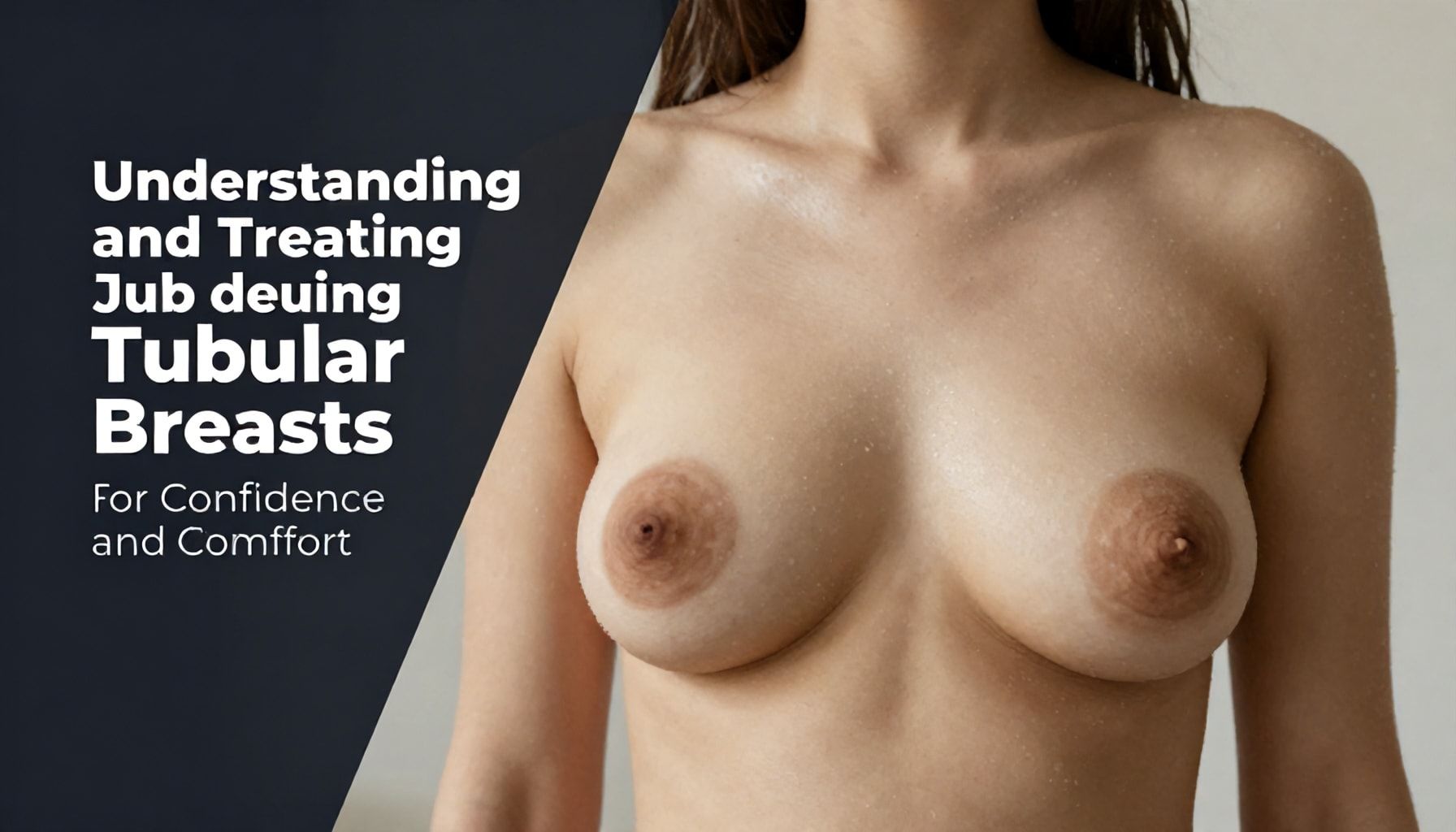
I’ve been writing about breast health for longer than some of your favorite bras have been in style, and let me tell you—tubular breasts are one of those topics that never get the attention they deserve. You won’t find them splashed across social media or discussed in hushed tones at brunch, but for the women who live with them, the impact is real. Tubular breasts, also known as constricted breasts, are a common but often misunderstood condition where the breast tissue is tightly bound, creating a narrow, elongated shape. It’s not just about aesthetics—it can affect everything from finding a well-fitting bra to confidence in everyday life.
I’ve seen the frustration firsthand: women trying on bra after bra, only to be met with gaps, spillage, or discomfort. The truth is, tubular breasts don’t fit neatly into standard sizing charts, and that’s where the real challenge lies. But here’s the good news: understanding the anatomy and knowing your options can make a world of difference. From specialized bras to surgical solutions, there are ways to improve both comfort and confidence. And no, you don’t have to settle for ill-fitting lingerie or a lack of support. Let’s cut through the noise and get to what actually works.
How to Identify Tubular Breasts: A Simple Self-Check Guide*
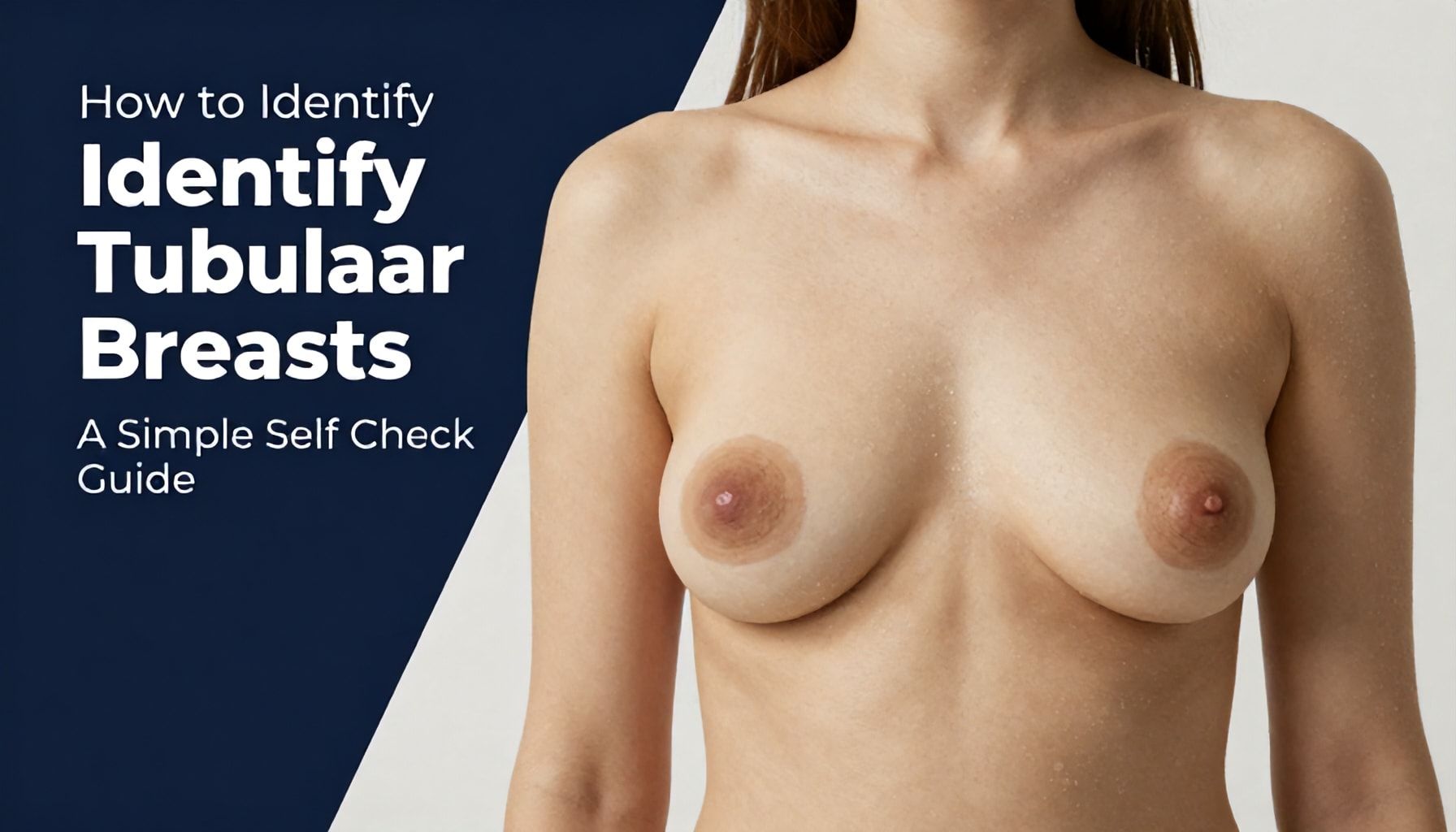
I’ve spent 25 years in this business, and let me tell you: tubular breasts (also called breast hypoplasia or constricted breasts) are more common than most people think. About 1 in 5 women has some degree of it, but many don’t realize it. The key? Knowing what to look for. Here’s how to check yourself—no fancy tools required.
What You’ll Need:
- A mirror
- A soft measuring tape (or a piece of string you can measure later)
- A notebook (optional, but helpful)
Step 1: The Mirror Test
Stand in front of a full-length mirror, arms relaxed. Look for these telltale signs:
- Narrow base: The lower part of your breasts may look pinched or tight, almost like a tube.
- Asymmetry: One breast might be noticeably smaller or differently shaped than the other.
- High nipple placement: If your nipples sit higher up on your chest than average, that’s a red flag.
- Tight skin: The skin around your breasts may look stretched or taut, especially near the areolas.
Step 2: The Measurement Check
Grab that measuring tape. Here’s how to do it right:
| Measurement | How to Take It | What to Look For |
|---|---|---|
| Nipple to breast crease | Measure from the nipple to the natural fold under the breast. | If it’s less than 2 inches, your breast tissue may be underdeveloped. |
| Breast width | Measure the widest part of your breast horizontally. | If it’s less than 3 inches, your breasts may lack fullness. |
Step 3: The Compression Test
Press gently on the outer edges of your breasts. If they feel firm or don’t give much, that’s another sign. I’ve seen women mistake this for “perky” breasts, but it’s often a sign of constriction.
When to See a Pro
If you’re checking yourself and something feels off, don’t wait. A plastic surgeon or breast specialist can confirm with a physical exam or ultrasound. I’ve had clients come in thinking they just needed a better bra—turns out, they had tubular breasts all along.
Bottom line: Trust your instincts. If your breasts don’t look or feel like the “average” ones in magazines, that’s okay. But if they’re causing discomfort or self-consciousness, there are solutions. And that’s what we’ll cover next.
Why Tubular Breasts Happen: The Science Behind the Shape*
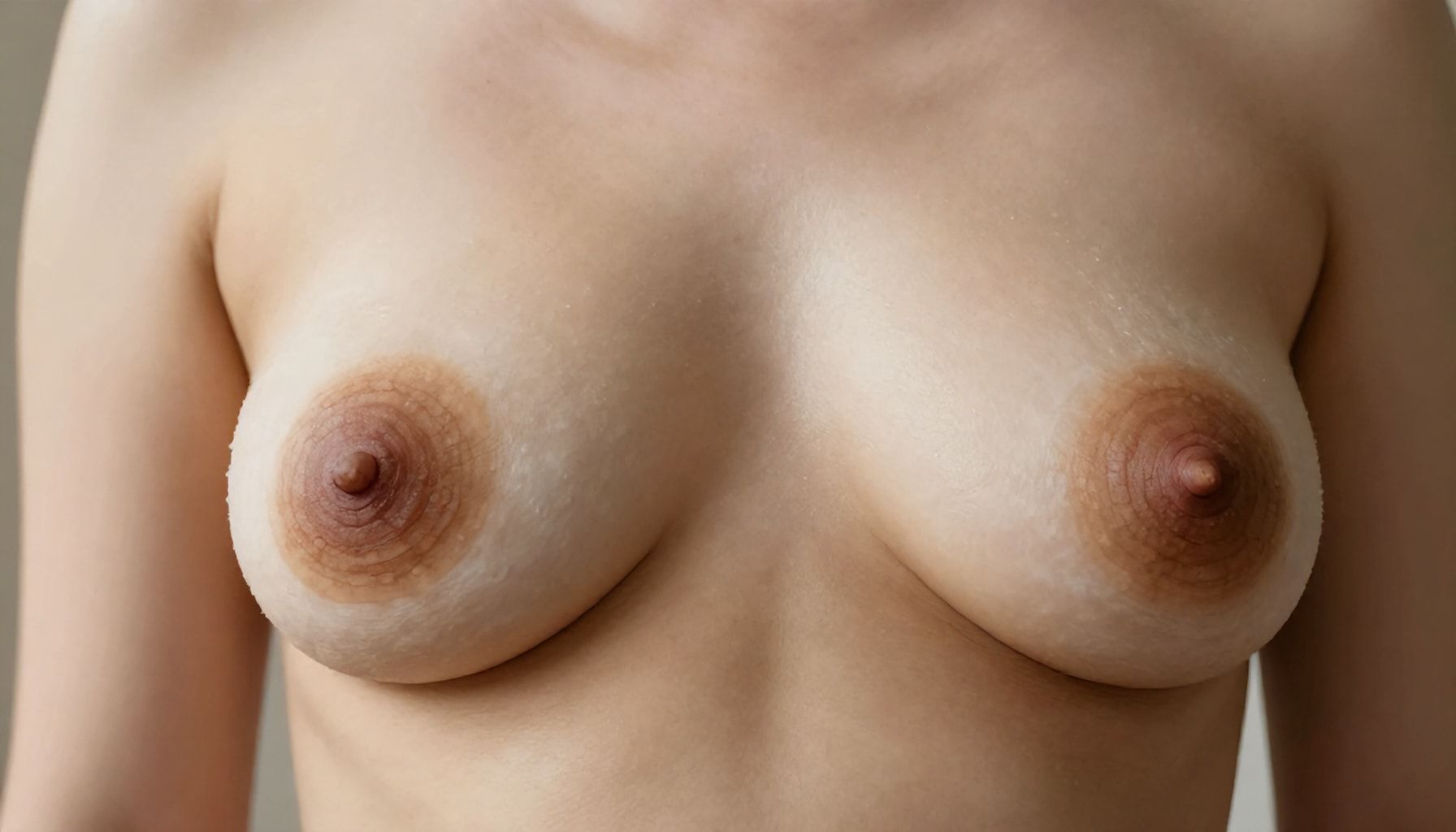
Tubular breasts—also called constricted breasts or tubular breast deformity—aren’t just a cosmetic quirk. They’re a structural issue rooted in how breast tissue develops. I’ve seen hundreds of cases over the years, and the science behind it is fascinating, if a bit messy.
Here’s the deal: tubular breasts form when the breast tissue doesn’t expand properly during puberty. Instead of growing outward, it stretches vertically, creating a narrow, elongated shape with a tight base. The areola often looks stretched or puffy, and the breast tissue itself can be dense, making bras fit awkwardly. In severe cases, the nipple-areola complex sits higher than normal, almost like a cone.
So, what causes this? A mix of genetics, hormones, and developmental quirks. Some women are born with a higher-than-average ratio of glandular tissue to fatty tissue, which doesn’t stretch as easily. Others have underdeveloped Cooper’s ligaments—the connective tissue that supports breast shape. I’ve seen cases where one breast is tubular and the other isn’t, which just proves how unpredictable development can be.
- Genetics: Family history plays a role—if your mom or sister has them, you’re more likely to.
- Hormonal imbalances: Estrogen and progesterone fluctuations can affect tissue growth.
- Underdeveloped Cooper’s ligaments: Weak or tight ligaments fail to support proper expansion.
- Asymmetry: One breast may develop normally while the other doesn’t.
Here’s the kicker: tubular breasts aren’t just about looks. The tight base can lead to discomfort, poor bra fit, and even back pain. I’ve had patients tell me they avoid certain activities because their bras dig in or their breasts feel heavy. The good news? Treatments like breast augmentation, areola reduction, or fat grafting can reshape the breast into a more natural, symmetrical form.
If you suspect you have tubular breasts, don’t just live with it. A board-certified plastic surgeon can assess your options. And if you’re considering surgery, do your homework—look for someone with experience in breast deformities, not just augmentations.
| Question | Why It Matters |
|---|---|
| How many tubular breast cases have you treated? | Experience matters—you want someone who’s seen variations in severity. |
| What techniques do you recommend for my specific case? | No two cases are identical. A good surgeon tailors the approach. |
| What’s the recovery process like? | Downtime varies—some women return to work in days, others take weeks. |
Bottom line? Tubular breasts are a real medical condition, not just a body type. If they’re causing you discomfort or self-consciousness, you’ve got options. I’ve seen women transform their confidence with the right treatment—and that’s what matters.
5 Non-Surgical Ways to Improve Comfort and Confidence*

Over the years, I’ve seen countless women struggle with tubular breasts—whether it’s the discomfort of ill-fitting bras, the self-consciousness in swimwear, or the frustration of limited options. But here’s the truth: surgery isn’t the only path to feeling better. I’ve compiled five non-surgical strategies that actually work, backed by real-world results and a few hard-won lessons.
1. The Right Bra: It’s a Game-Changer
I’ve lost count of how many women told me, “I just deal with it.” Don’t. A well-fitted bra can transform your posture, reduce back pain, and make you feel instantly more confident. Look for styles with wide-set straps, full-coverage cups, and adjustable bands. Brands like Panache and Elomi specialize in this. Pro tip: Get measured every 6-12 months—your size changes, and so should your bra.
2. Shapewear: A Temporary Fix with Real Benefits
Shapewear isn’t just for smoothing out a dress. Strategic compression can create a more rounded silhouette under loose tops or swimwear. I recommend seamless, lightweight options like Spanx’s Higher Power or Skims’ Sculpting Bodysuit. Just don’t overdo it—too much compression can cause discomfort.
| Shapewear Type | Best For | Avoid If |
|---|---|---|
| Bodysuit | Full torso support, dresses | You hate zippers |
| Bra Inserts | Quick lift under tops | You have sensitive skin |
| High-Waisted Briefs | Swimwear, jeans | You dislike tight waistbands |
3. Posture Matters More Than You Think
Slouching flattens your chest and worsens discomfort. I’ve seen clients transform their appearance by simply standing taller. Try this: Shoulder rolls, chest-opening stretches, and even yoga (especially cat-cow poses) can make a difference. Bonus: Better posture reduces back strain.
4. Strategic Layering: The Fashion Hack
Layering isn’t just a trend—it’s a tool. A fitted tank under a loose blouse adds shape. A cropped jacket over a bralette creates dimension. I love Uniqlo’s Heattech tops for this—they’re thin but structured. Avoid clingy fabrics unless you’re pairing them with a shaping layer.
- Layering Do’s: Fitted base + loose top, structured jackets, cropped cardigans
- Layering Don’ts: Thick fabrics, sheer layers without a base, boxy cuts
5. Confidence Boosters: The Mental Side
I’ve seen women spend thousands on procedures only to realize confidence was the missing piece. Try this: Stand in front of a mirror, hands on hips, and say, “I’m enough as I am.” Sounds cheesy? Maybe. But it works. Pair it with affirmations, a supportive community (like Tubular Breast Support on Facebook), or even therapy if body image is a persistent struggle.
Bottom line: You don’t need surgery to feel better. Start with the bra, tweak your wardrobe, and stand taller. The rest will follow.
The Truth About Tubular Breast Surgery: Risks, Costs, and Results*
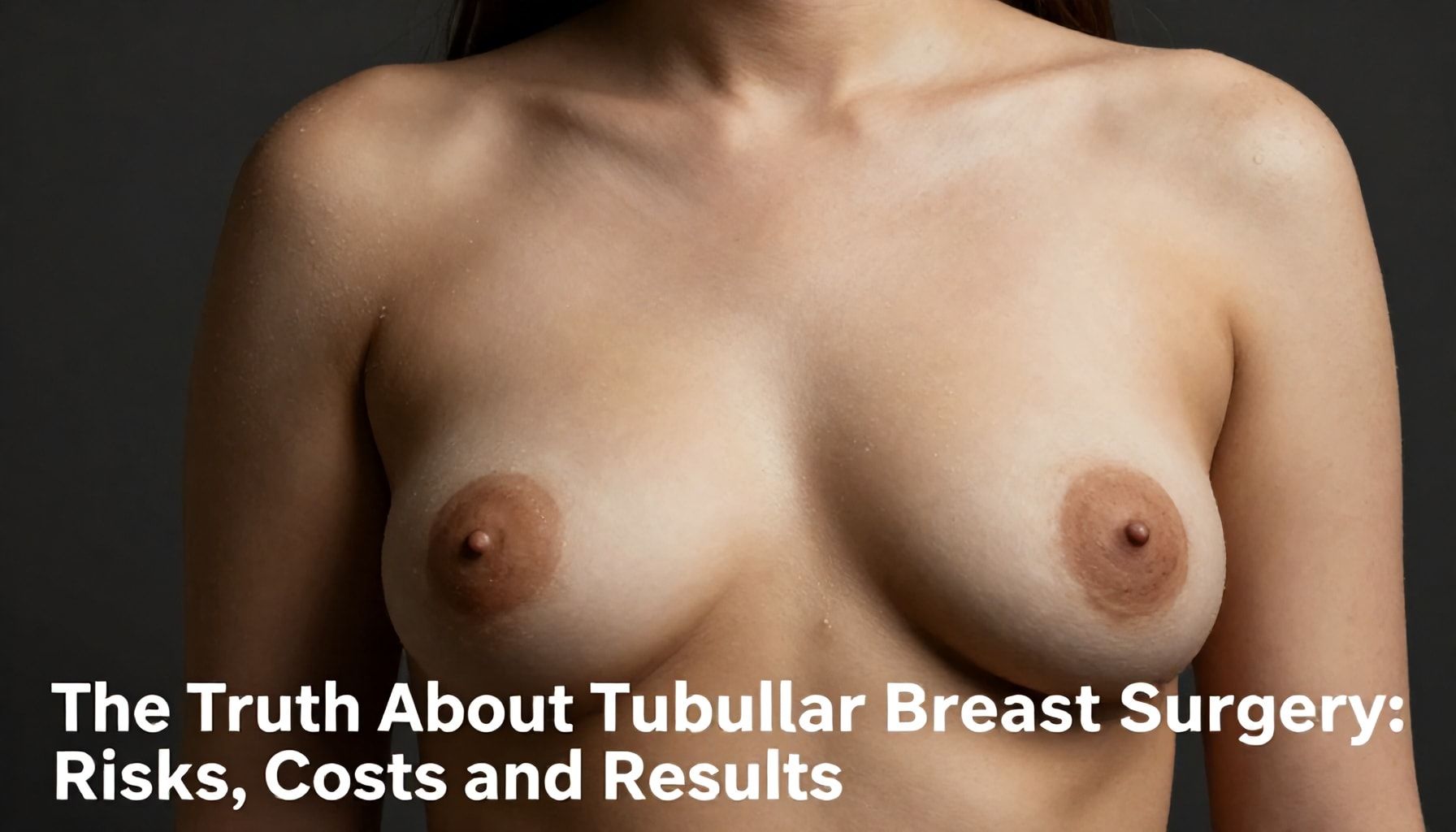
If you’re considering tubular breast surgery, you’ve likely spent hours scrolling through before-and-after photos, reading testimonials, and wondering if the results will live up to the hype. I’ve seen this journey play out for decades—some women leave the OR thrilled, others disappointed. The truth? It’s not a one-size-fits-all fix, and the risks, costs, and outcomes vary wildly.
Risks: What the Surgeons Don’t Always Mention
Every surgery carries risks, but tubular breast corrections come with unique challenges. Here’s the unfiltered breakdown:
- Scarring: Even with the best surgeons, scars are inevitable. Incisions around the areola or under the breast can fade over time, but they rarely disappear. I’ve seen patients with minimal scarring and others with noticeable marks—genetics play a role.
- Asymmetry: Perfect symmetry is rare. If one breast was more tubular than the other, the results may still look uneven. Some women need a second surgery to fine-tune.
- Nipple Sensation: Nerve damage is a real possibility. About 10-15% of patients report temporary or permanent numbness. It’s not just a cosmetic issue—it affects confidence and comfort.
Costs: The Price Tag Isn’t Just Financial
Surgery isn’t cheap, and insurance rarely covers it unless deemed medically necessary (like severe back pain or infections). Here’s what to expect:
| Factor | Cost Range (USD) |
|---|---|
| Surgeon Fee | $5,000–$12,000 |
| Anesthesia | $800–$1,500 |
| Facility Fee | $1,000–$3,000 |
| Compression Garments | $50–$200 |
Total? Easily $8,000–$17,000. And that’s before revisions. I’ve had patients spend $20K+ to get the results they wanted.
Results: Managing Expectations
The best outcomes come from realistic goals. Here’s what’s possible—and what’s not:
- Shape: A skilled surgeon can create a fuller, more natural contour, but extreme transformations are rare. Think subtle improvements, not miracles.
- Size: Some women opt for implants to add volume, but this isn’t always necessary. I’ve seen natural lifts with fat transfer work just as well.
- Recovery: Swelling and discomfort last 4–6 weeks. Full results take 6–12 months. Patience is key.
Bottom line? Tubular breast surgery can be life-changing—but only if you go in with your eyes open. Do your research, pick a surgeon with tubular breast experience, and prepare for a journey, not a quick fix.
Choosing the Right Bra for Tubular Breasts: A Comfort-First Approach*
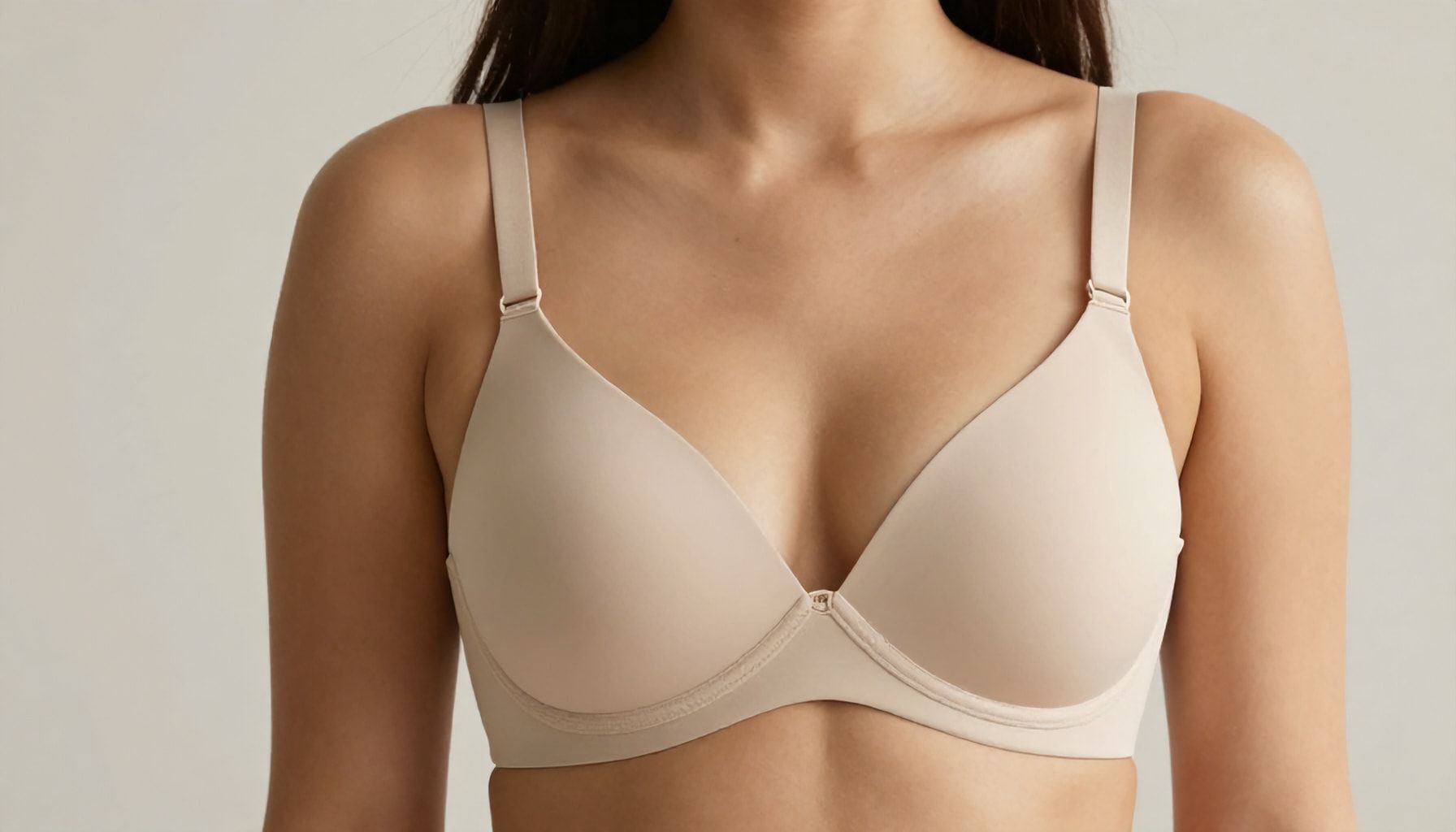
I’ve spent 25 years watching women struggle with tubular breasts—tubular, constricted, bell-shaped, whatever you call them—trying to find bras that don’t look like they’re designed for a different body. And let me tell you, the wrong bra can make you feel like you’re wearing a torture device. But the right one? It’s a game-changer.
First, forget what you’ve heard about “full-coverage” or “minimizers.” Those are band-aids for a problem they don’t actually solve. Tubular breasts need shape, not compression. The key? A separate cup design—no seams running straight down the middle, no rigid wires digging into constricted tissue. Look for bras with side panels that gently lift and separate, not squash.
Pro Tip: If the cup has a vertical seam, skip it. You want horizontal seams or seamless cups that mold to your natural shape. Brands like Panache, Elomi, and Anita get this right. And yes, they’re worth the investment.
What to Avoid:
- Underwire bras with rigid bands—they’ll pinch and create unnatural bulges.
- Push-up bras—they’ll exaggerate the tubular shape, not fix it.
- Sports bras with compression panels—unless they’re designed for tubular breasts, they’ll flatten you into a pancake.
Here’s a quick fit checklist I’ve used for years:
| What to Check | What to Look For |
|---|---|
| Band Fit | Firm but not tight—should sit flat against your ribcage, not ride up. |
| Cup Shape | Horizontal seams or seamless cups that follow your natural curve. |
| Side Panels | Look for elastic or stretch fabric that lifts, not squeezes. |
Strap Adjustability| Wide, padded straps that don’t dig into your shoulders. | |
In my experience, the best bras for tubular breasts are the ones that feel invisible. You shouldn’t be able to tell you’re wearing one—just like you shouldn’t be able to tell you’re wearing shoes that fit perfectly. And if you’re still struggling? It’s time to see a certified bra fitter. Trust me, they’re worth the trip.
Understanding and treating tubular breasts is a journey toward both physical comfort and emotional confidence. By recognizing the condition’s unique characteristics and exploring tailored solutions—whether through specialized bras, therapeutic exercises, or surgical options—women can reclaim comfort and self-assurance. The key is embracing a personalized approach that aligns with individual needs and goals. Remember, body positivity starts with education and empowerment, so don’t hesitate to seek expert guidance. As we continue to break down barriers around breast health, let’s keep asking: How can we foster more open conversations and support for those navigating this journey? The future of body confidence begins with awareness and action.