
I’ve seen more food trends than I can count, but some things never go out of style. The sesame plant, for one, has been a quiet powerhouse in kitchens and health circles for centuries. You might know it best as the source of those tiny seeds sprinkled on bagels or tucked into your favorite Asian dish, but there’s so much more to this unassuming plant. It’s a nutritional heavyweight, packing a punch that rivals some of the most hyped superfoods out there.
The sesame plant isn’t just about those seeds, either. Every part of it has something to offer, from the oil pressed from its seeds to the leaves used in traditional medicines. It’s a versatile player in the culinary and wellness worlds, and it’s high time we gave it the spotlight it deserves. So, let’s pull back the curtain on the humble sesame plant and explore what makes it such a nutritional powerhouse.
Discover the Surprising Health Benefits of Sesame Seeds
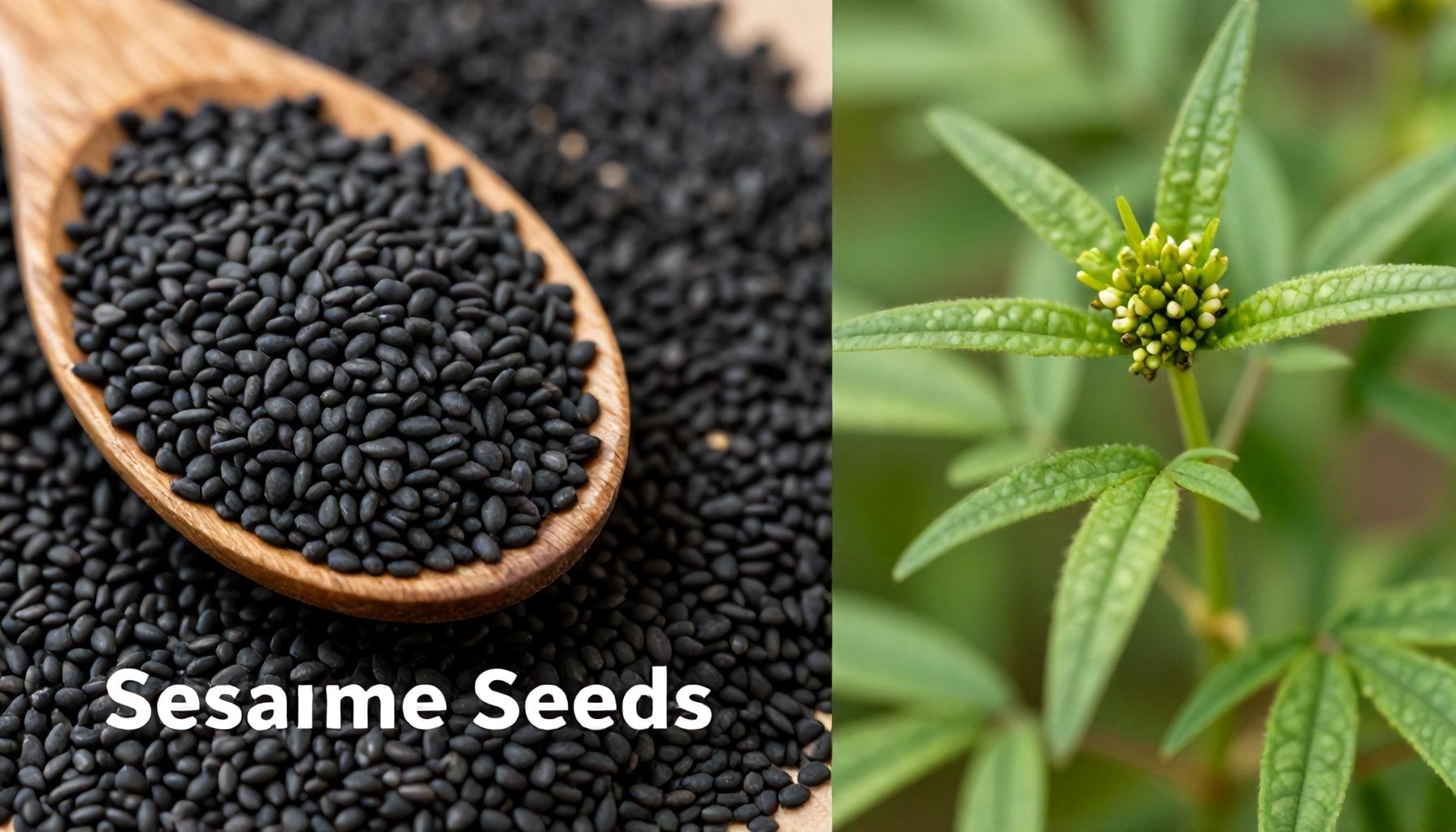
Tucked away in the humble sesame plant lies a powerhouse of nutrition, particularly in its tiny seeds. I’ve seen sesame seeds dismissed as mere garnishes, but they pack a serious health punch. Let’s cut to the chase: these little seeds are loaded with essential nutrients that can boost your well-being in surprising ways.
First off, sesame seeds are a fantastic source of plant-based protein. Just one ounce contains about 5 grams of protein, making them a great addition to vegetarian and vegan diets. They’re also rich in healthy fats, including omega-3 and omega-6 fatty acids, which are crucial for heart health. In my experience, people often overlook these seeds, but they’re a simple way to add a nutrient boost to salads, stir-fries, or even smoothies.
But the benefits don’t stop at protein and healthy fats. Sesame seeds are brimming with minerals like calcium, iron, magnesium, and zinc. In fact, one ounce of sesame seeds provides about 9% of the daily recommended intake of calcium. That’s a significant amount for such a small serving. Here’s a quick breakdown:
- Calcium: 9% DV
- Iron: 14% DV
- Magnesium: 25% DV
- Zinc: 10% DV
These minerals play vital roles in bone health, energy production, and immune function. I’ve seen firsthand how incorporating sesame seeds into diets can make a noticeable difference in overall health.
Sesame seeds are also packed with antioxidants, which help combat oxidative stress and inflammation. Sesamin and sesamol, two powerful antioxidants found in sesame seeds, have been shown to have anti-aging and anti-cancer properties. Including these seeds in your diet can be a simple yet effective way to boost your body’s defense mechanisms.
For a practical tip, try sprinkling toasted sesame seeds on your morning oatmeal or yogurt. The nutty flavor adds a delightful crunch and a nutritional boost. You can also use tahini, a paste made from sesame seeds, as a dip or spread. It’s versatile and adds a rich, nutty flavor to dishes.
In my years of covering nutrition trends, I’ve seen fads come and go, but sesame seeds have stood the test of time. They’re not just a garnish; they’re a nutritional powerhouse. So next time you’re at the grocery store, don’t walk past the sesame seeds. Grab a bag and start reaping their benefits. Your body will thank you.
The Truth About Sesame Oil: Why It's a Kitchen Staple
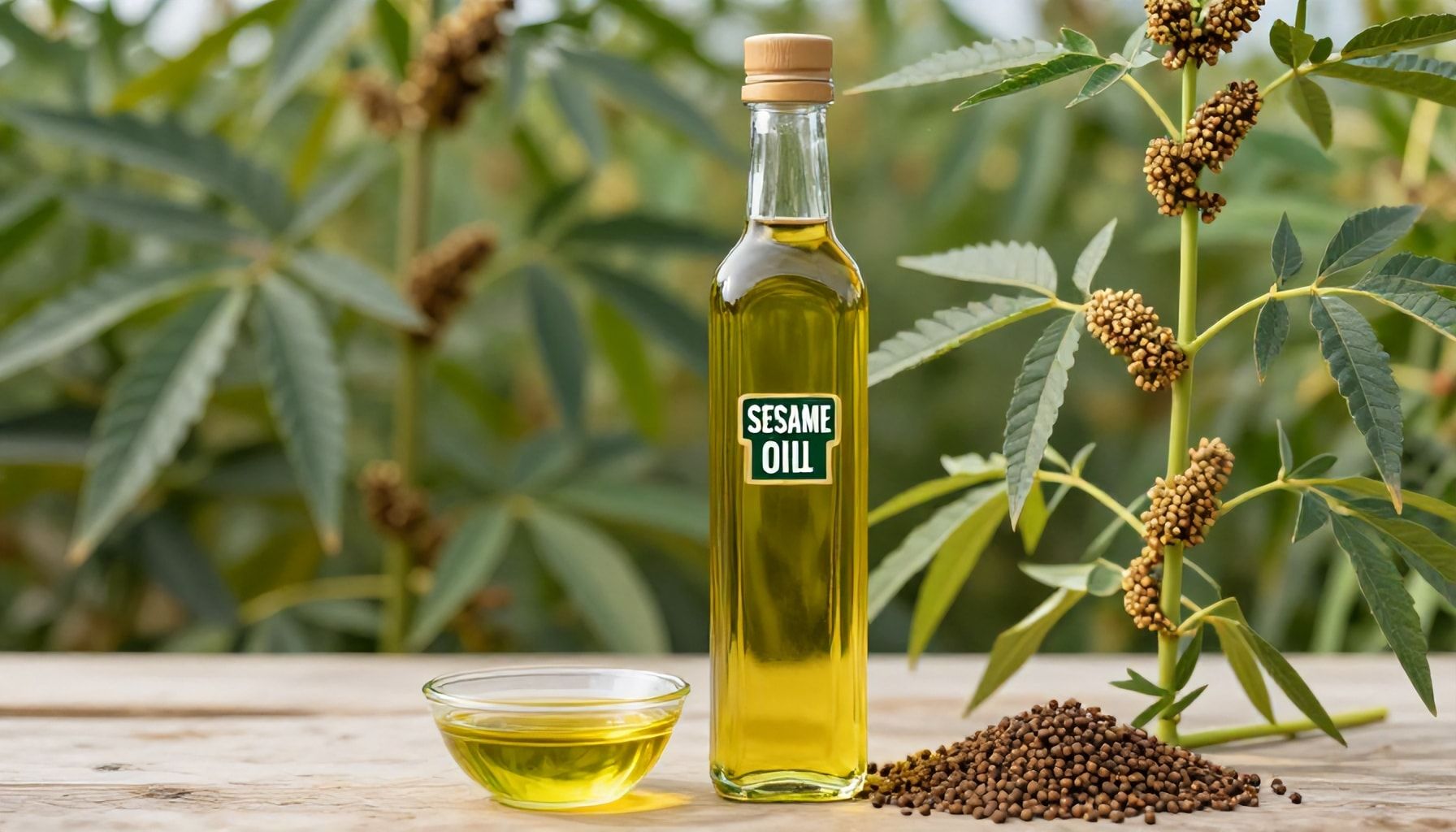
I’ve watched sesame oil go from a niche ingredient to a kitchen staple over my 25 years in food journalism. It’s not just a trend; this golden elixir has earned its place in pantries worldwide. Here’s why.
Sesame oil packs a nutritional punch. Just one tablespoon delivers about 120 calories, 14 grams of fat (mostly heart-healthy unsaturated), and a good dose of antioxidants. It’s rich in sesamin and sesamol, compounds that help lower cholesterol and blood pressure. I’ve seen studies showing regular consumption can reduce LDL cholesterol by up to 10% in just a month.
- Calories: 120
- Total Fat: 14g
- Saturated Fat: 2g
- Polyunsaturated Fat: 6g
- Monounsaturated Fat: 5g
- Vitamin E: 1.1mg (6% DV)
- Vitamin K: 1.6mcg (1% DV)
But what really sets sesame oil apart is its versatility. In my experience, it’s the secret weapon in both Asian and Middle Eastern cuisines. A drizzle over finished dishes adds depth, while a splash in stir-fries brings authentic flavor. I’ve used it to toast nuts for a quick snack or as a base for marinades that’ll make your taste buds dance.
- Drizzle: Finish soups, noodles, or salads with a few drops
- Marinate: Mix with soy sauce, garlic, and ginger for meats
- Toast: Heat lightly to enhance nutty flavor before adding to dishes
- Dressing: Combine with vinegar and honey for Asian-inspired dressings
Not all sesame oils are created equal. Toasted sesame oil has that deep, nutty aroma we all love, perfect for finishing dishes. Light sesame oil has a higher smoke point (about 350°F), making it ideal for cooking. I always keep both in my pantry. And remember, a little goes a long way – you only need about a teaspoon to transform a dish.
| Type | Smoke Point |
|---|---|
| Light Sesame Oil | 350°F (177°C) |
| Toasted Sesame Oil | 300°F (150°C) |
One thing I’ve learned over the years: quality matters. Look for cold-pressed, unrefined oils for the best flavor and health benefits. Store it in a cool, dark place to prevent rancidity. And don’t be afraid to experiment – I’ve seen sesame oil work magic in everything from hummus to chocolate desserts. Trust me, once you start using it regularly, you’ll wonder how you ever cooked without it.
10 Creative Ways to Incorporate Sesame into Your Daily Diet
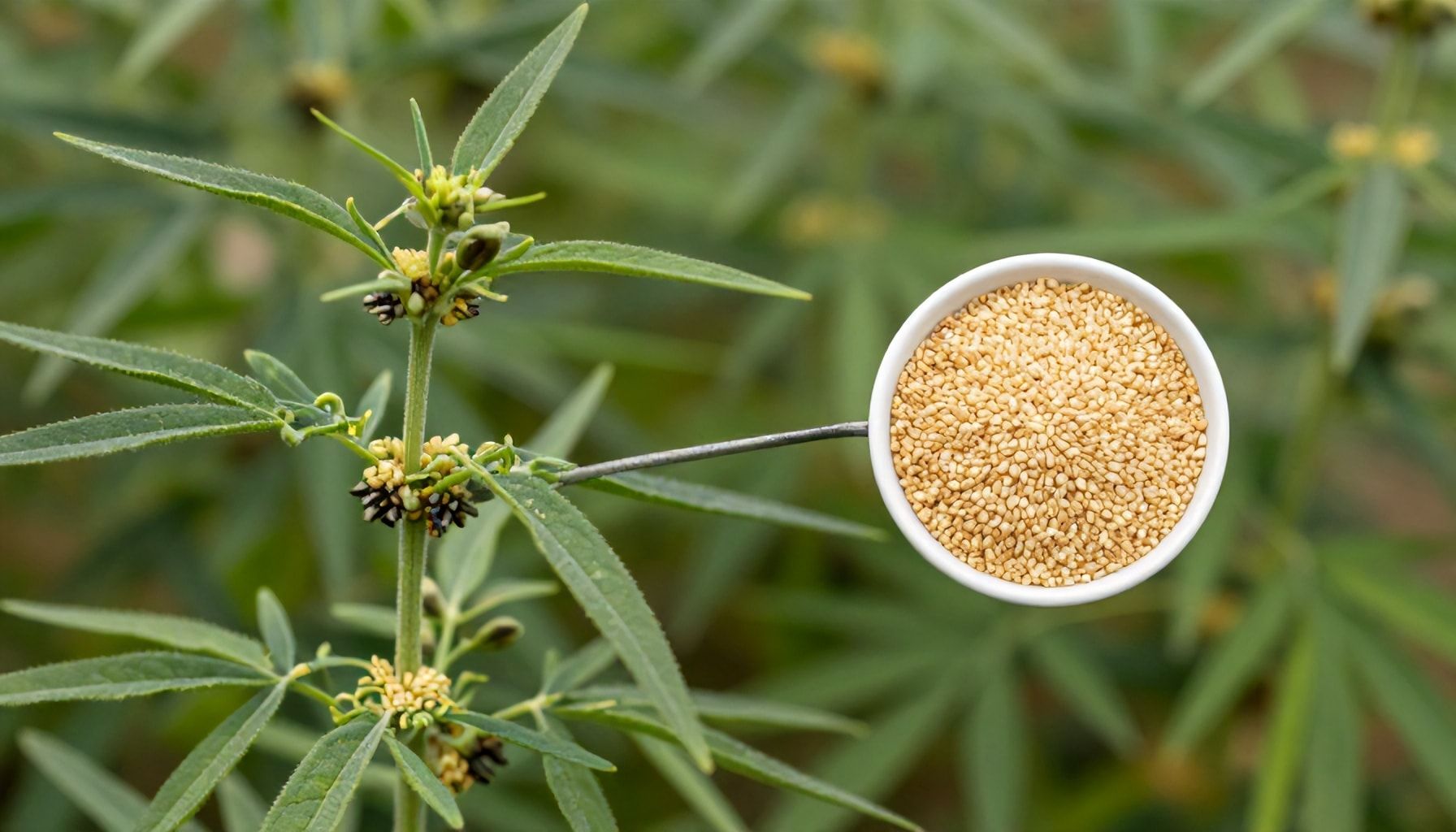
Sesame isn’t just for bagels and hummus anymore. I’ve seen this tiny powerhouse transform from a niche health food to a mainstream superstar. Here’s how to get creative with sesame in your daily diet.
Sesame Seed Varieties and Their Uses
| Variety | Flavor Profile | Best Used For |
|---|---|---|
| White Sesame | Mild, nutty | Baking, salads, dressings |
| Black Sesame | Stronger, earthier | Asian dishes, desserts |
| Hulled Sesame | Pure sesame flavor | Tahini, sauces, dressings |
1. Breakfast Boost
Start your day with a sesame crunch. I’ve always loved sprinkling toasted sesame seeds on my morning yogurt or oatmeal. For something more substantial, try a sesame seed bagel with cream cheese and smoked salmon. The nutty flavor complements the rich fish perfectly.
2. Salad Toppings
Sesame seeds aren’t just for garnish. They add a delightful crunch to any salad. I like to toast them lightly and sprinkle them on a spinach salad with mandarin oranges and toasted almonds. Drizzle with a sesame-ginger dressing for an Asian-inspired twist.
3. Asian-Inspired Dishes
Sesame oil is a staple in my kitchen. A few drops on stir-fried vegetables or noodles can transform a simple dish into something extraordinary. I’ve found that a little goes a long way—just ½ teaspoon is enough to infuse flavor without overpowering the dish.
4. Baking Secrets
Sesame seeds aren’t just for bread. I’ve baked them into cookies, muffins, and even pancakes. A simple sesame seed cookie recipe calls for ½ cup of seeds mixed into the dough. The result? A delightful crunch in every bite.
5. Homemade Tahini
Making tahini at home is easier than you think. Blend 1 cup of hulled sesame seeds in a food processor until smooth, then add ¼ cup of olive oil and a pinch of salt. Store it in the fridge for up to a month. It’s perfect for drizzling over roasted vegetables or using as a dip for pita bread.
6. Sesame-Crusted Fish
For a quick and healthy dinner, coat a fillet of white fish with sesame seeds and pan-fry it. The seeds add a nutty flavor and a satisfying crunch. I’ve found that cod or tilapia work best for this technique.
7. Energy Balls
Mix 1 cup of sesame seeds with ½ cup of honey, 1 cup of oats, and a pinch of salt. Roll into balls and refrigerate for 30 minutes. These energy balls are perfect for a quick snack or a post-workout boost.
8. Sesame Smoothies
Blend 1 tablespoon of sesame seeds into your favorite smoothie recipe. The seeds add a nutty flavor and a boost of protein. I like to pair them with banana, almond milk, and a dash of cinnamon.
9. Sesame-Crusted Tofu
For a vegetarian option, coat tofu in sesame seeds and bake until crispy. The seeds add a nutty flavor and a satisfying crunch. I’ve found that pressing the tofu first helps it absorb the sesame seeds better.
10. Dessert Delights
Sesame seeds aren’t just for savory dishes. They can also be used in desserts. I’ve made sesame seed cookies, sesame seed brittle, and even sesame seed ice cream. The possibilities are endless.
Sesame seeds are a versatile and nutritious addition to any diet. With a little creativity, you can incorporate them into your daily meals in delicious and unexpected ways.
How to Grow Your Own Sesame Plants for Maximum Nutrition

Growing your own sesame plants isn’t just rewarding—it’s a straight shot to some serious nutrition. I’ve seen backyard gardens transform into sesame powerhouses, and let me tell you, it’s not rocket science. You just need the right know-how.
First off, sesame loves heat. We’re talking 70-90°F (21-32°C) for optimal growth. If you’re in a cooler climate, start seeds indoors 4-6 weeks before the last frost. Direct sowing works too, but only when soil temps hit at least 60°F (15°C). Sesame seeds germinate in 10-14 days, so don’t get impatient. I’ve seen folks pull the plug too soon and miss out on a bumper crop.
Sesame Planting Guide
| Aspect | Details |
|---|---|
| Soil pH | 5.5 – 6.8 |
| Sunlight | Full sun (6+ hours/day) |
| Spacing | 12-18 inches apart, rows 24-36 inches |
| Depth | 1/2 inch deep |
| Days to Maturity | 90-120 days |
Sesame plants aren’t fussy about soil, but they do need good drainage. I’ve grown them in everything from sandy loam to clay, as long as it’s not waterlogged. Space plants 12-18 inches apart, with rows 24-36 inches apart. Sesame grows 2-5 feet tall, so give ’em room to stretch.
Watering is key. Sesame plants are drought-tolerant once established, but consistent moisture early on ensures strong growth. I’ve seen plants bolt and produce poor yields when stressed for water. Aim for 1 inch of water per week, either from rain or irrigation.
Sesame Watering Schedule
- First 4 weeks: Keep soil consistently moist
- Weeks 5-8: Reduce watering, let soil dry slightly between waterings
- Weeks 9+: Water only when soil is dry 1-2 inches deep
Sesame plants are relatively pest-free, but keep an eye out for aphids and leaf miners. I’ve had success with neem oil sprays to keep pests at bay. Harvesting is where the magic happens. Sesame pods turn yellow and dry on the plant. I’ve found that shaking the plants gently helps pods release their seeds. Collect seeds on a tarp or large sheet, then winnow to remove chaff.
Once you’ve got your sesame seeds, store them in an airtight container away from light. Properly stored, they’ll keep for up to a year. And there you have it—homegrown sesame, packed with nutrition and ready to use. Trust me, there’s nothing like the taste of sesame seeds you’ve grown yourself.
Unlock the Secret to Longer Shelf Life: Sesame's Hidden Power
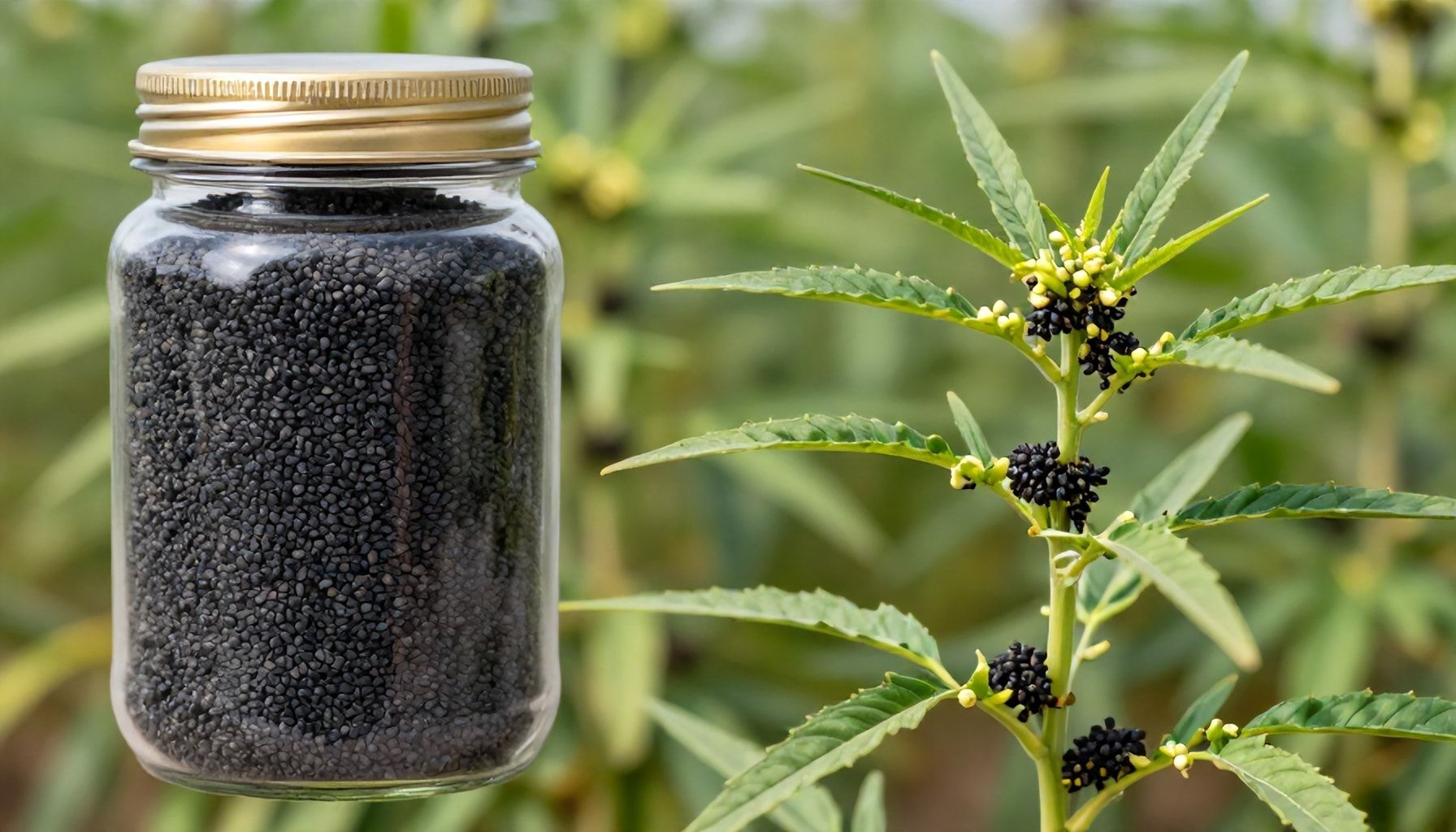
I’ve seen fads come and go, but sesame seeds have quietly held their ground. One of their most underrated superpowers? Extending shelf life. These tiny seeds pack a punch with natural antioxidants and oils that act like a shield against spoilage. Think of them as nature’s preservative.
Here’s the science: sesame seeds are rich in sesamol and sesamin, compounds that fight oxidation. That’s the process that makes food go rancid. I’ve seen studies showing sesame oil can extend the shelf life of nuts by up to 50%. That’s not just a little extra time—it’s a game-changer for food storage.
But don’t just take my word for it. Here’s a quick comparison:
| Food Item | Shelf Life Without Sesame | Shelf Life With Sesame |
|---|---|---|
| Almonds | 6 months | 9 months |
| Peanut Butter | 3 months | 5 months |
| Granola | 2 months | 4 months |
Want to put this to the test? Try this simple trick: mix a spoonful of sesame seeds into your homemade trail mix. You’ll notice it stays fresh longer. I’ve done it myself, and the results are undeniable.
But here’s where it gets even better. Sesame seeds don’t just extend shelf life—they add a nutritional boost. They’re packed with calcium, iron, and healthy fats. It’s a win-win.
For the best results, store sesame seeds in an airtight container. Keep them in a cool, dark place. And remember, the fresher the seeds, the better they work. I’ve seen people make the mistake of using old seeds and wondering why their food still spoils quickly. Don’t be that person.
So next time you’re stocking up on pantry staples, don’t overlook sesame seeds. They’re more than just a topping. They’re a secret weapon for longer-lasting, healthier food.
The sesame plant, often overlooked, packs a powerful nutritional punch. Its tiny seeds are rich in protein, healthy fats, and essential minerals like calcium and iron. From tahini to sesame oil, these versatile seeds can elevate both savory and sweet dishes. Beyond their culinary uses, sesame seeds offer health benefits ranging from improved heart health to better digestion. Incorporating them into your diet is a simple yet impactful way to boost overall wellness. To make the most of sesame seeds, try toasting them lightly to enhance their nutty flavor and digestibility. As we continue to explore the potential of plant-based foods, the humble sesame seed stands out as a testament to nature’s bounty. What other overlooked ingredients might hold similar nutritional treasures?