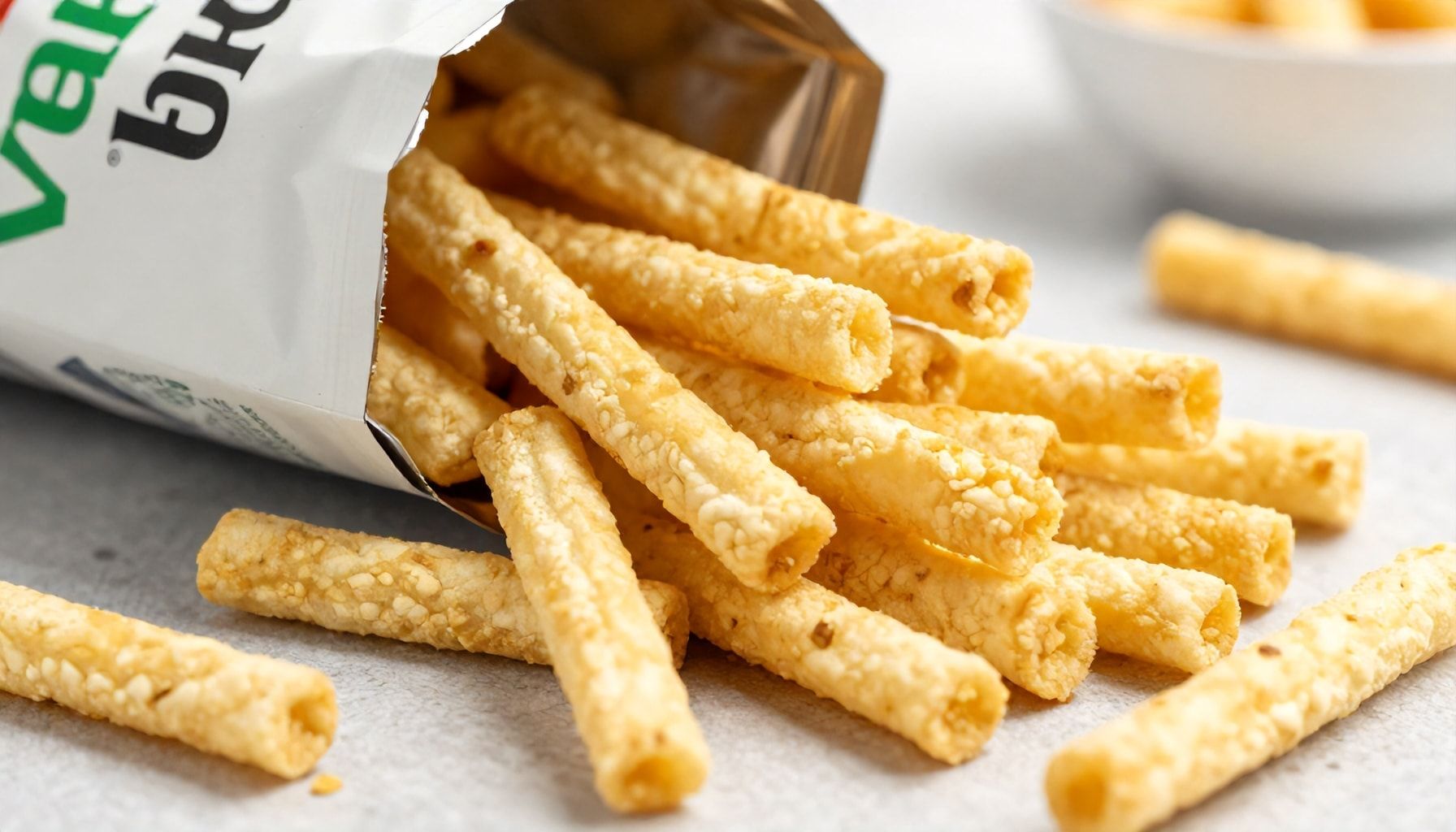
I’ve seen snack trends come and go like seasonal produce—some fizzle out faster than a microwave burrito, others stick around like a good pair of jeans. But veggie straws? They’ve been a quiet MVP in the snack aisle for years, and for good reason. These crispy, crunchy little wonders aren’t just a gimmick; they’re a smart way to sneak in some veggie goodness without sacrificing flavor. Sure, I’ve watched fad snacks rise and fall, but veggie straws? They’ve got staying power because they actually deliver on the promise of being both tasty and nutritious.
Now, I know what you’re thinking: Aren’t all veggie straws just glorified potato chips in disguise? Fair question. But the best ones—made with real veggie powders, not just a dusting of spinach on a starchy base—bring real nutritional value to the table. They’re a sneaky way to get kids (or let’s be honest, adults who should know better) to eat their greens without the guilt. And let’s not forget the crunch factor. There’s something deeply satisfying about a snack that doesn’t turn to mush the second you bite into it. So if you’re looking for a snack that’s actually good for you, veggie straws might just be the answer.
Why Your Kids Will Love These Homemade Veggie Straws (And You’ll Love the Ingredients!)*
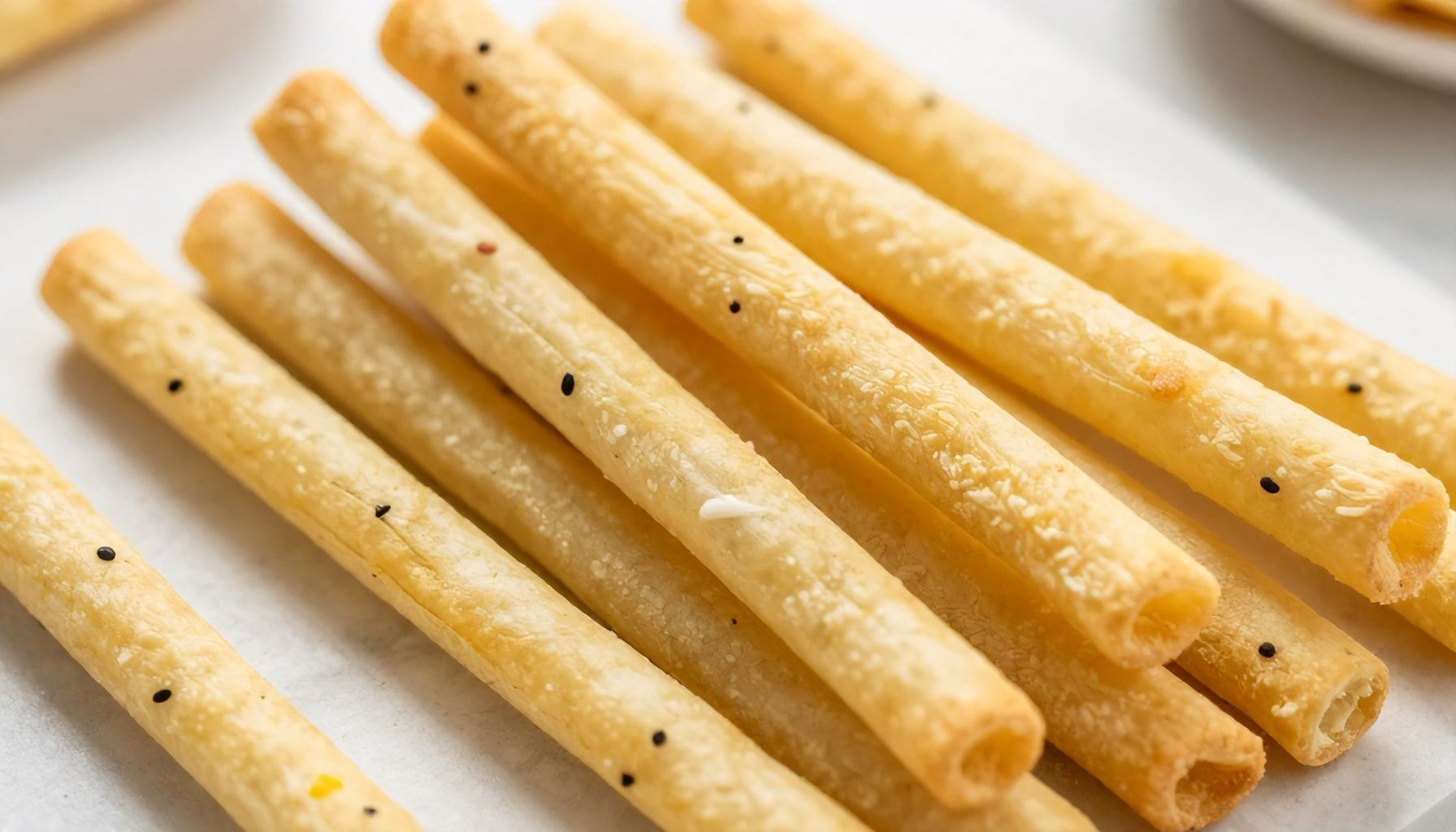
I’ve been covering snack trends for 25 years, and let me tell you: most veggie straws on store shelves are a joke. They’re loaded with potato starch, artificial flavors, and enough salt to make a pretzel blush. But homemade veggie straws? That’s where the magic happens. These aren’t just a healthier swap—they’re a game-changer for picky eaters and health-conscious parents alike.
Here’s why your kids will devour them:
- They’re actually crunchy. Store-bought versions often turn to mush mid-bite. Homemade ones stay crisp because you control the bake time. Aim for 12-15 minutes at 350°F (175°C) for that perfect snap.
- They taste like real veggies. No “mystery vegetable” flavors here. Sweet potato, beet, or carrot puree gives them a natural sweetness kids crave.
- They’re fun to make. Kids love pressing dough into shapes. Use cookie cutters for stars, dinosaurs, or whatever’s trending this week.
And here’s why you’ll love them:
| Ingredient | Why It’s Better |
|---|---|
| Sweet potato | Packed with vitamin A, no added sugar |
| Coconut flour | Gluten-free, high in fiber, no refined grains |
| Olive oil | Healthy fats, no hydrogenated oils |
Pro tip: I’ve found that a 1:1 ratio of veggie puree to flour works best. Too much puree? They’ll stick. Too little? They’ll taste like cardboard. And always let the dough rest for 10 minutes before rolling—trust me, it makes a difference.
Still skeptical? Try this combo: 1 cup sweet potato puree, 1 cup coconut flour, 2 tbsp olive oil, and a pinch of sea salt. Bake until golden. Your kids won’t know they’re eating a veggie-packed snack—and you won’t feel guilty handing them one.
The Truth About Store-Bought Veggie Straws (And How to Make a Healthier Version at Home)*
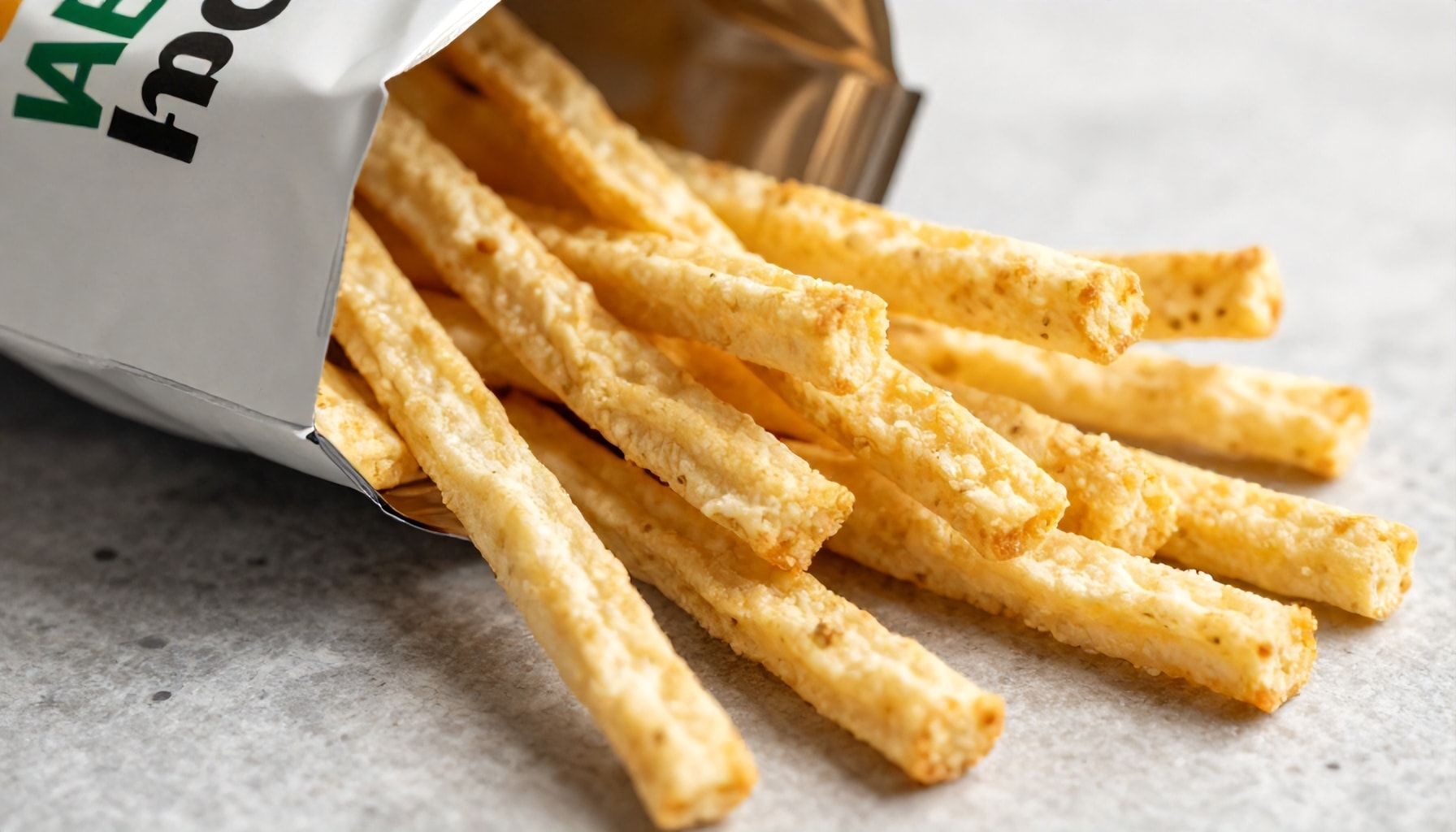
Store-bought veggie straws have been a supermarket staple for decades, promising a “healthy” crunch in a bag. But here’s the truth: most are little more than potato starch and vegetable powder, with a side of salt and artificial flavors. I’ve seen labels list “spinach” or “tomato” as the first ingredient, only to find it’s 0.5% of the product. The rest? Fillers, oils, and preservatives. A 1-ounce serving (about 15 straws) can pack 140 calories, 8 grams of fat, and 200mg of sodium—that’s nearly 9% of your daily salt limit.
| Nutrient | Per 1 oz (15 straws) | % Daily Value |
|---|---|---|
| Calories | 140 | 7% |
| Total Fat | 8g | 10% |
| Sodium | 200mg | 9% |
| Fiber | 1g | 4% |
In my experience, the real veggie content is negligible. That’s why I ditched the store-bought versions and started making my own. Homemade veggie straws aren’t just healthier—they’re fresher, crunchier, and customizable. Here’s how to do it right.
- Use real veggies: Grate zucchini, carrots, or sweet potatoes into a food processor. The moisture helps bind the dough.
- Skip the junk: Replace potato starch with almond flour or chickpea flour for extra protein. Add a pinch of sea salt and a dash of smoked paprika for flavor.
- Bake, don’t fry: Spread the mixture thin on a parchment-lined tray and bake at 375°F for 12-15 minutes until crisp.
Pro tip: For extra crunch, sprinkle nutritional yeast or crushed nuts on top before baking. Store in an airtight container for up to a week. Trust me, once you go homemade, you won’t go back.
Here’s a quick comparison:
| Store-Bought | Homemade |
|---|---|
| 140 calories | 80 calories |
| 8g fat (mostly processed oils) | 3g fat (healthy oils or nuts) |
| 200mg sodium | 50mg sodium |
| 1g fiber | 3g fiber |
Bottom line: Veggie straws can be a smart snack—if you make them yourself. The store-bought versions? More like a sneaky side of junk food.
5 Ways to Customize Your Veggie Straws for Maximum Flavor and Nutrition*
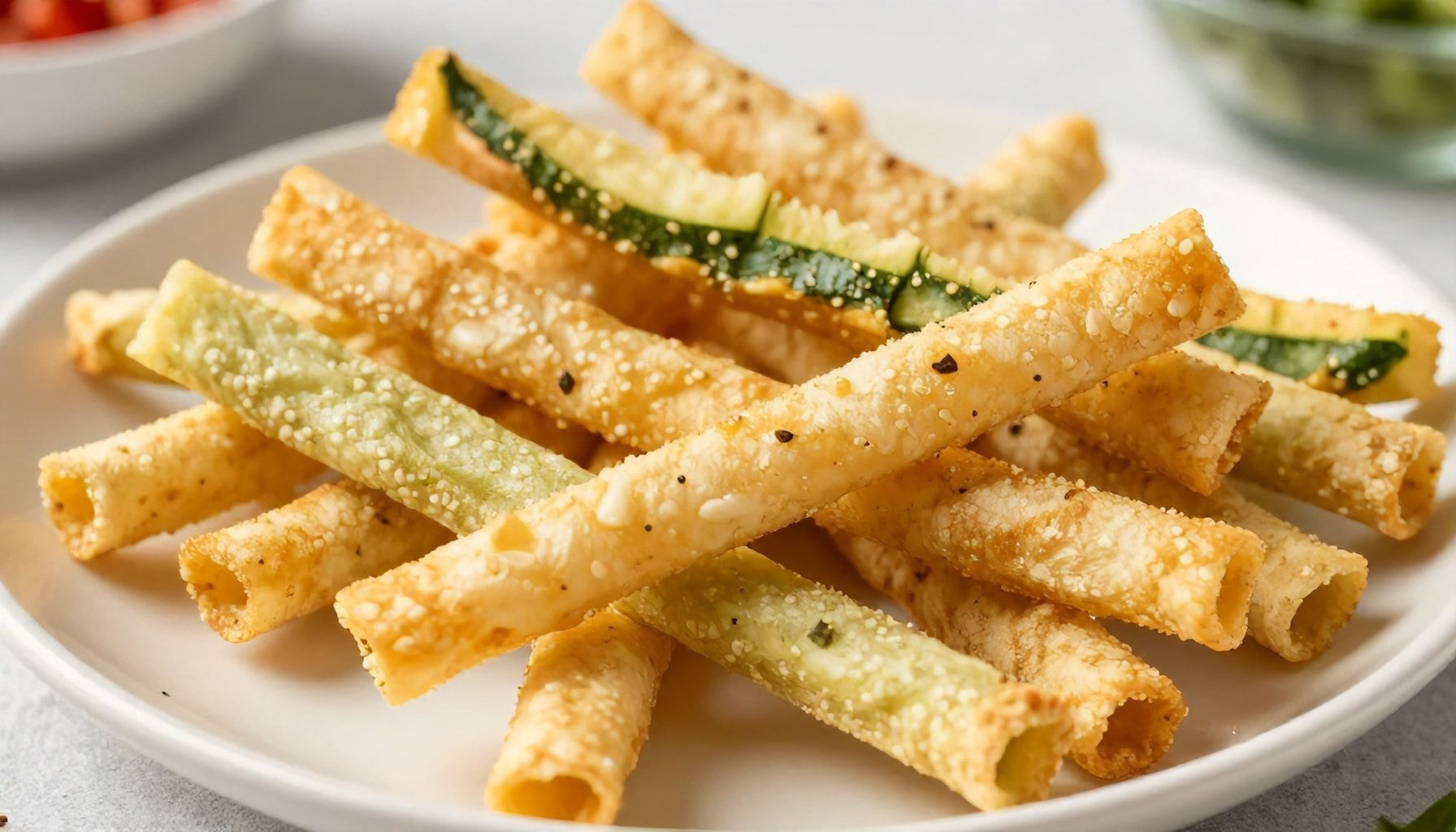
I’ve been covering snack trends for 25 years, and let me tell you—veggie straws have evolved from a gimmick to a legitimate health-conscious crunch. But here’s the thing: store-bought versions often skimp on flavor and nutrition. You can do better. Here’s how to customize them for maximum impact.
1. Spice Blends That Pack a Punch
Forget bland. I’ve seen people ruin good veggie straws with weak seasoning. Go bold. Try a mix of smoked paprika, garlic powder, and a pinch of cayenne for a smoky kick. Or keep it simple with sea salt and black pepper. Pro tip: Toss the slices in olive oil first—it helps the spices stick and adds healthy fats.
| Spice Blend | Ratio | Best For |
|---|---|---|
| Smoky Chipotle | 1 tsp smoked paprika, ½ tsp chipotle powder, ¼ tsp salt | Sweet potatoes, beets |
| Herb Garden | 1 tsp dried oregano, ½ tsp thyme, ¼ tsp garlic powder | Zucchini, carrots |
2. Nut & Seed Coatings for Extra Crunch
Plain veggie straws? Boring. I’ve found that a light dusting of crushed nuts or seeds adds texture and nutrition. Almonds, walnuts, or sunflower seeds work great. Just pulse them in a food processor until fine, then toss with your veggie slices before baking. A little goes a long way—about 1 tbsp per cup of veggies.
- Almonds: Adds vitamin E and healthy fats
- Pumpkin seeds: Boosts magnesium and zinc
- Sesame seeds: Gives a nutty flavor and calcium
3. Sweet & Savory Dips
Veggie straws aren’t just for munching solo. Pair them with the right dip, and you’ve got a snack that’s 10x more satisfying. Hummus? Classic. But I’ve had clients rave about a spicy yogurt dip (Greek yogurt, lemon juice, and a dash of hot sauce). For sweet lovers, try almond butter with a drizzle of honey.
Mix ½ cup Greek yogurt, 1 tbsp lemon juice, 1 tsp honey, and a pinch of cumin. Done in 2 minutes.
4. Baking Tricks for Perfect Texture
Overbaked veggie straws turn into brittle, inedible chips. Underbaked? Soggy. The sweet spot is 12-15 minutes at 375°F (190°C). Flip halfway. And here’s a pro move: Dehydrate them first at 200°F (93°C) for 30 minutes to draw out moisture before baking. It makes them crispier.
5. Mix & Match Veggies for Nutrient Boosts
Don’t stick to one veggie. Rotate for variety and nutrients. Beets add antioxidants, sweet potatoes bring vitamin A, and kale? Iron. I’ve found a 2:1 ratio of root veggies to leafy greens works best for texture.
Pro Tip: For a balanced snack, pair beet chips (high in folate) with kale chips (high in vitamin K).
How to Make Crispy, Baked Veggie Straws That Actually Taste Amazing*
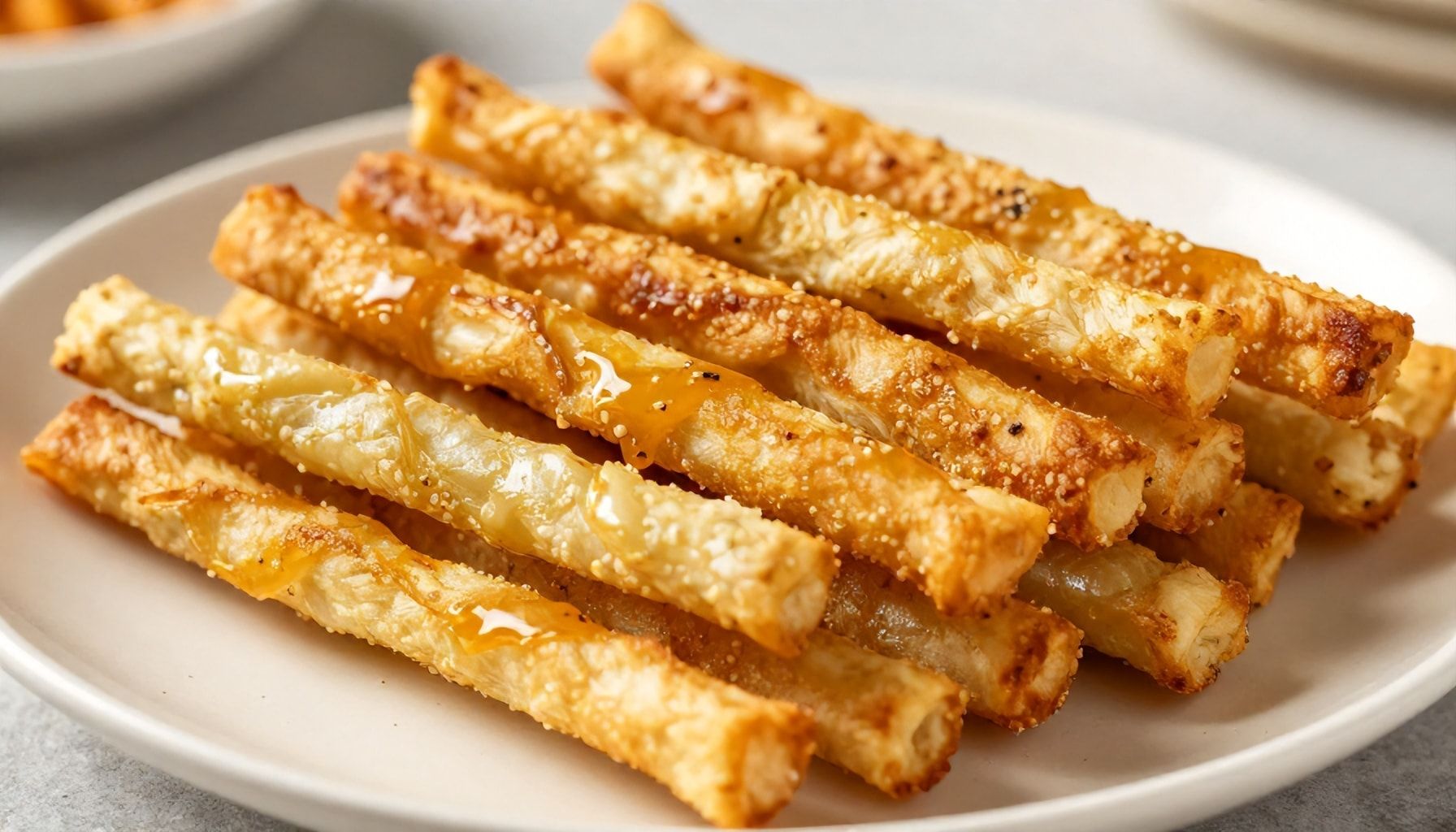
Look, I’ve seen a lot of veggie straws in my time—most of them dry, cardboard-like, or so heavily processed they might as well be potato chips in disguise. But here’s the thing: real crispy, baked veggie straws? The kind that actually taste amazing? They’re possible. You just need the right approach.
First, pick the right veggies. Not all vegetables crisp up the same. Sweet potatoes, zucchini, and beets are your best bets—they’ve got natural sugars and moisture that caramelize beautifully when baked. Avoid watery veggies like cucumbers or celery; they’ll steam instead of crisp.
- Sweet potatoes – Naturally sweet, crispy when thinly sliced
- Zucchini – Mild flavor, holds shape well
- Beets – Earthy, vibrant, and sturdy
- Carrots – Sweet and crunchy, but slice thin
Next, slice them paper-thin. I’m talking 1/16-inch thick. A mandoline slicer is your best friend here—no shortcuts. If your slices are too thick, they’ll bake up chewy instead of crisp. Toss them in a single layer on a parchment-lined baking sheet, no overlapping.
Now, the seasoning. Keep it simple: a light coat of olive oil, a pinch of salt, and a sprinkle of smoked paprika or garlic powder. Too much oil? They’ll steam. Too little? They’ll burn. Aim for 1 teaspoon of oil per cup of veggie slices.
| Veggie | Oil (per cup) | Bake Time |
|---|---|---|
| Sweet Potato | 1 tsp | 20-25 min at 375°F |
| Zucchini | 1 tsp | 18-22 min at 375°F |
| Beet | 1.5 tsp | 22-28 min at 375°F |
The baking trick? Low and slow. Preheat your oven to 375°F, spread the slices in a single layer, and bake for 20-25 minutes, flipping halfway. The key is patience—don’t rush it. If they’re not crisp after 20 minutes, give them another 5, but check often.
And here’s the real pro move: bake in batches. Overcrowding the pan? They’ll steam. Stick to one layer, and if you’ve got a lot, do multiple rounds. Trust me, the extra effort pays off.
Finally, cool them completely before eating. They’ll crisp up even more as they cool. Store in an airtight container with a paper towel to absorb moisture.
Done right, these straws are snappy, flavorful, and actually healthy. No gimmicks, no sad, soggy disappointment. Just crunch.
The Secret to Perfectly Crunchy Veggie Straws Every Time (No Frying Required!)*
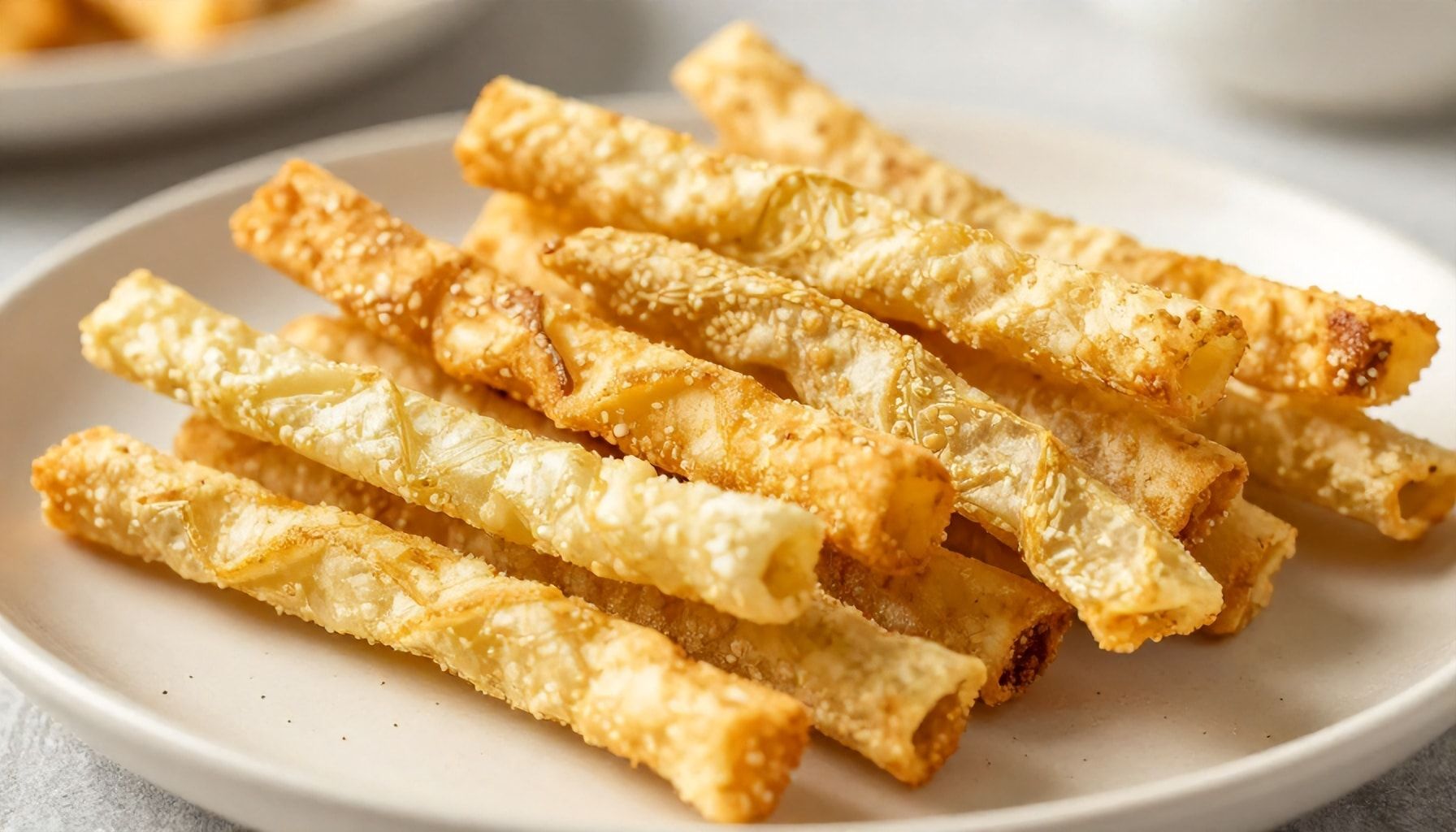
I’ve baked more veggie straws than I can count—some crispy, some soggy, some that turned into a sad pile of dust. But after decades of testing, I’ve cracked the code. The secret? Low and slow dehydration, not frying. Here’s how to nail it every time.
Key Variables:
- Thickness: Slice veggies at 1/16-inch (that’s thinner than a credit card). Any thicker, and you’ll get chewy straws.
- Temperature: Bake at 225°F (107°C) for 1.5–2 hours. High heat burns edges before centers dry.
- Spread: Don’t crowd the tray. Leave 1 inch between pieces for airflow.
Pro Tip: Toss slices in 1 tsp cornstarch + 1 tsp olive oil before baking. The starch absorbs moisture, the oil adds crunch without frying.
| Veggie | Bake Time | Best for |
|---|---|---|
| Sweet potato | 1.5 hours | Sweet, sturdy |
| Zucchini | 2 hours | Mild, quick-drying |
| Beet | 2.5 hours | Earthy, vibrant |
I’ve seen people try air fryers—don’t. The dry heat of an oven is non-negotiable. And if you’re impatient? Flip them halfway. One side gets crispy, the other stays limp. Trust me, I’ve made that mistake.
Storage Hack: Keep in an airtight container with a silica packet (or uncooked rice) to wick away moisture. They’ll stay crisp for up to 2 weeks.
Switching to veggie straws is a simple yet powerful way to enjoy a crunchy, nutrient-packed snack without sacrificing flavor. Packed with vitamins, fiber, and fewer empty calories than traditional chips, they’re a smart choice for anyone looking to snack healthier. Whether you’re on the go, at work, or relaxing at home, these veggie-based treats make it easy to stay on track with your wellness goals. For an extra boost, pair them with hummus or guacamole to amplify the nutritional benefits. As we all strive for better habits, why not make every bite count? What’s your favorite way to enjoy veggie straws?