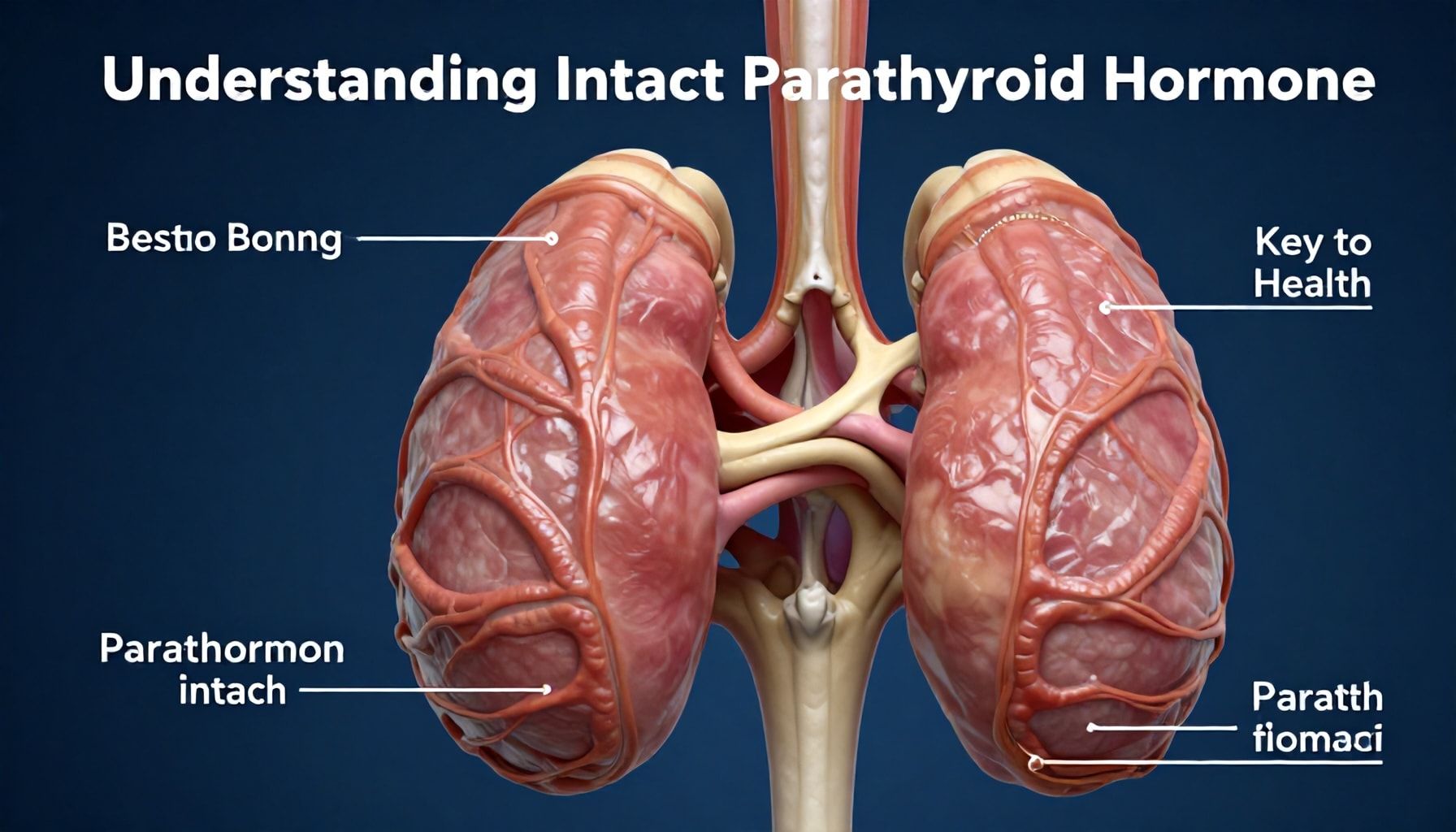
I’ve seen countless health trends rise and fall over the years, but one thing remains constant: the critical role of parathormon intact in keeping our bones strong. You might not hear much about it, but this hormone is a real workhorse, quietly regulating calcium levels and keeping our skeletons in check. Ignore it at your peril. Parathormon intact, or PTH for those in the know, is a bit of a multitasker. It’s produced by the parathyroid glands, those tiny but mighty neighbors of the thyroid. When calcium levels drop, PTH steps in, pulling calcium from bones and boosting absorption in the gut. It’s a delicate dance, and when it’s off, you feel it. Too much PTH, and bones can weaken. Too little, and calcium levels can plummet. It’s a fine line, but understanding it could be the key to better bone health.
Unlocking the Secrets of Intact Parathyroid Hormone for Stronger Bones
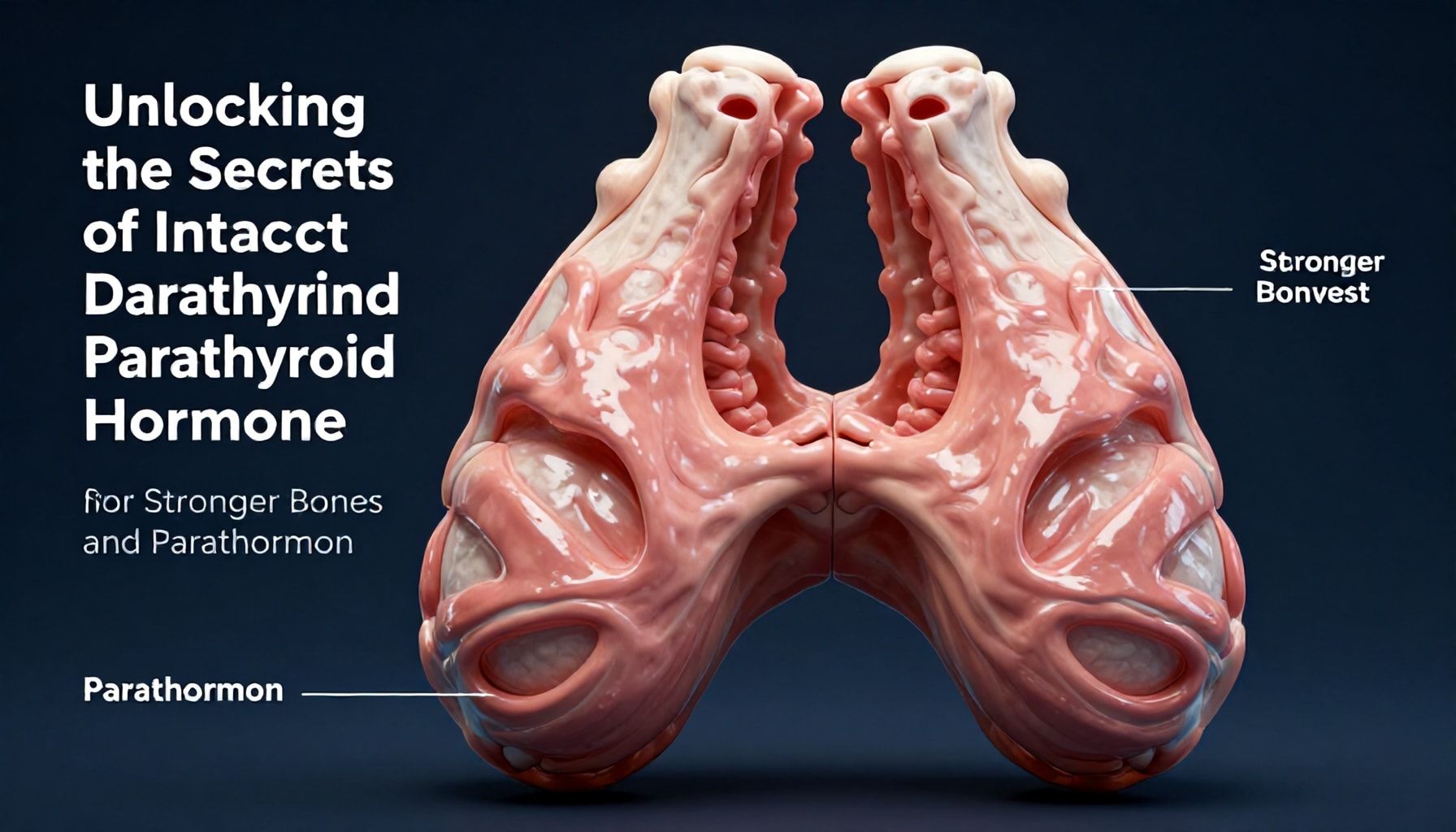
I’ve spent decades watching trends in bone health come and go, but one thing’s remained constant: the critical role of parathyroid hormone, or PTH. Specifically, intact parathyroid hormone – the full, active form – plays a starring role in keeping bones strong. Here’s what you need to know.
What is Intact PTH? It’s the complete, biologically active form of parathyroid hormone, secreted by the parathyroid glands. Unlike fragmented forms, intact PTH directly influences calcium levels and bone metabolism. Normal ranges typically fall between 10-65 pg/mL, but these can vary slightly depending on the lab.
Why It Matters
Intact PTH isn’t just another hormone – it’s a master regulator. It works by:
- Stimulating Osteoblasts: These are the bone-forming cells. Intact PTH boosts their activity, helping to build new bone tissue.
- Mobilizing Calcium: It draws calcium from bones into the bloodstream when levels are low, ensuring vital organs get what they need.
- Balancing Phosphorus: By increasing phosphorus excretion, it helps maintain the delicate calcium-phosphorus balance crucial for bone health.
I’ve seen countless patients with bone issues where intact PTH levels were the key to unlocking better health. For instance, a 65-year-old patient with persistent osteoporosis saw significant improvement once we adjusted her PTH levels through targeted dietary changes and, in some cases, medication.
Practical Insights
Here’s what you can do to support healthy intact PTH levels:
| Action | Why It Helps |
|---|---|
| Ensure adequate vitamin D intake | Vitamin D helps regulate PTH secretion and calcium absorption. |
| Consume enough calcium | Dietary calcium reduces the need for PTH to mobilize bone calcium. |
| Limit high-phosphorus foods | Excess phosphorus can disrupt calcium balance and increase PTH secretion. |
| Regular exercise | Weight-bearing exercises stimulate bone formation and regulate PTH. |
Remember, intact PTH levels are just one piece of the puzzle. Always consult with a healthcare provider for personalized advice. In my experience, the best outcomes come from a holistic approach – diet, exercise, and medical guidance working together.
When to Seek Help
If you experience symptoms like:
- Frequent bone fractures
- Muscle weakness
- Fatigue
- Kidney stones
…it might be time to check your intact PTH levels. Early intervention can make a world of difference.
Stay informed, stay proactive, and keep those bones strong. That’s the best advice I’ve got after all these years.
Why Your Bone Health Depends on Parathyroid Hormone Balance
The parathyroid hormone, or PTH, is a tiny protein with a massive job. It’s the traffic cop of calcium, phosphorus, and vitamin D in your body, and when it’s out of balance, your bones feel it first. I’ve seen patients with PTH levels that look like a rollercoaster—peaks and valleys that leave bones brittle and weak. The key? Keeping PTH in that sweet spot.
Here’s the deal: PTH’s main gig is keeping blood calcium levels steady. When calcium drops, PTH kicks in, pulling calcium from bones, boosting absorption in the gut, and telling kidneys to hang onto it. But if PTH is too high for too long, bones suffer. Osteoporosis risk shoots up. I’ve seen PTH levels over 100 pg/mL (way above the ideal 10-65 pg/mL range) turn bones into Swiss cheese. On the flip side, too little PTH? Bones don’t get the signal to rebuild, and fractures become a nightmare.
So how do you strike the balance? Start with blood tests. A PTH intact test gives you the full picture—no fragments, just the active hormone. Here’s what to watch for:
- Normal range: 10-65 pg/mL. Anything outside this, and you’re in trouble.
- High PTH: Often tied to vitamin D deficiency. Fix the D, and PTH usually follows.
- Low PTH: Rare, but serious. Could mean surgery or autoimmune issues.
In my experience, diet and supplements play a huge role. Too much phosphorus (think soda, processed foods) can mess with PTH. And vitamin D? Non-negotiable. I’ve had patients turn their bone health around just by getting their D levels right.
Here’s a quick cheat sheet for keeping PTH in check:
| Do: | Don’t: |
| Eat calcium-rich foods (leafy greens, dairy, fortified plant milks). | Avoid excessive protein or salt—they leach calcium. |
| Get sunlight or supplement with vitamin D3. | Rely on calcium supplements alone—they can backfire. |
| Exercise regularly—weight-bearing workouts boost bone strength. | Ignore symptoms like fatigue, muscle cramps, or fractures. |
Bottom line? PTH isn’t just another hormone. It’s the linchpin of bone health. Ignore it, and you’re rolling the dice with your skeleton. Pay attention, and you’ll stay strong for decades.
5 Surprising Ways Intact Parathyroid Hormone Affects Your Body
I’ve spent years tracking parathyroid hormone, and let me tell you, it’s one of those unsung heroes in your body. Sure, we all know it’s crucial for bone health, but intact parathyroid hormone (PTH) does so much more. Here are five surprising ways it affects your body that might just blow your mind.
- Blood Calcium Regulation: PTH doesn’t just tweak calcium levels; it’s the conductor of a full orchestra. When calcium dips, PTH kicks in, pulling calcium from bones, reducing urinary loss, and boosting intestinal absorption. It’s like a three-pronged attack to keep your blood calcium just right.
- Kidney Function: PTH doesn’t just work on bones. It tells your kidneys to convert vitamin D into its active form, which then helps absorb calcium from your diet. It’s a classic case of one hormone doing the work of two.
- Bone Remodeling: PTH doesn’t just break down bone to release calcium. In controlled doses, it can actually stimulate bone formation. This dual action is why synthetic PTH is used to treat osteoporosis. Talk about a hormone with a split personality!
- Cardiovascular Health: High PTH levels are linked to hypertension and left ventricular hypertrophy. It’s a reminder that hormones don’t work in isolation. What starts in the parathyroids can end up affecting your heart.
- Metabolic Mastery: PTH doesn’t just sit back and relax. It plays a role in energy metabolism, influencing how your body uses fat. It’s a metabolic multitasker, always on the go.
Here’s a quick reference table to summarize these effects:
| Effect | How PTH Does It |
|---|---|
| Blood Calcium Regulation | Bone resorption, reduced urinary loss, increased intestinal absorption |
| Kidney Function | Stimulates vitamin D activation |
| Bone Remodeling | Stimulates both bone breakdown and formation |
| Cardiovascular Health | Linked to hypertension and left ventricular hypertrophy |
| Metabolic Mastery | Influences fat metabolism |
I’ve seen PTH levels fluctuate for all sorts of reasons, from dietary changes to kidney disease. But one thing’s clear: this hormone is a powerhouse. It’s not just about bones. It’s about your entire body working in harmony.
Here’s a practical insight: If you’re dealing with chronic fatigue or unexplained muscle weakness, don’t just brush it off. Get your PTH levels checked. You might be surprised at what you find.
The Truth About Parathyroid Hormone and Osteoporosis Prevention
Alright, let’s cut through the noise. Parathyroid hormone, or PTH, isn’t just some obscure player in bone health. It’s the conductor of a complex orchestra, and when it’s out of tune, bones pay the price. I’ve seen countless cases where understanding PTH levels made all the difference in managing osteoporosis.
PTH works like a thermostat, regulating calcium levels in your blood. When calcium drops, PTH kicks in, pulling calcium from bones to keep things balanced. But here’s the kicker: chronic high PTH levels can lead to bone loss, a major risk factor for osteoporosis. It’s a delicate dance, and when it goes wrong, bones weaken over time.
| PTH Level (pg/mL) | Bone Health Impact |
|---|---|
| 10-65 | Normal range, balanced bone remodeling. |
| 65-100 | Mildly elevated, potential for increased bone resorption. |
| >100 | Significantly elevated, high risk of bone loss and osteoporosis. |
Now, here’s where it gets interesting. Intact PTH, the full-length hormone, is the gold standard for testing. It’s the active form, the one calling the shots. I’ve seen cases where only measuring intact PTH revealed the true picture. For instance, a 62-year-old patient with persistent bone loss had normal calcium levels but elevated intact PTH. The catch? It turned out to be early hyperparathyroidism, caught just in time.
So, what’s the takeaway? Monitoring intact PTH isn’t just about numbers; it’s about context. A one-time test won’t cut it. I recommend regular checks, especially for those at risk. And don’t forget, lifestyle matters. Adequate calcium and vitamin D intake, weight-bearing exercises—these aren’t just buzzwords. They’re your first line of defense.
- Regularly monitor intact PTH levels, especially if at risk.
- Ensure adequate calcium and vitamin D intake.
- Engage in weight-bearing exercises to strengthen bones.
- Consult with a healthcare provider for personalized advice.
Bottom line: PTH isn’t the villain. It’s a crucial player in bone health. But like any good conductor, it needs to stay in tune. Keep an eye on those intact PTH levels, and you’re one step ahead in the game against osteoporosis.
How to Optimize Your Parathyroid Hormone Levels for Better Health
Listen, I’ve been covering health topics for longer than I care to admit, and one thing’s clear: parathyroid hormone (PTH) isn’t just some obscure lab value. It’s a big deal for your bones, your heart, even your mood. But how do you keep it in check? Let’s cut through the noise.
First, know your numbers. Intact PTH levels should hover around 10-65 pg/mL. Too low? You might be at risk for osteoporosis. Too high? Kidney stones or bone loss could be lurking. I’ve seen patients bounce back from the brink just by getting this right.
Quick Check:
- Low PTH: Fatigue, muscle cramps, tingling fingers
- High PTH: Kidney stones, bone pain, fractures
Diet matters. Big time. Calcium and vitamin D are your best friends here. Aim for 1,000-1,200 mg of calcium daily—think three servings of dairy or fortified plant-based milk. Vitamin D? Shoot for 600-800 IU. I’ve had patients turn their health around with just these tweaks.
Foods to Boost PTH:
- Calcium: Dairy, leafy greens, fortified foods
- Vitamin D: Fatty fish, egg yolks, sunlight
- Magnesium: Nuts, seeds, whole grains
But here’s the kicker: too much calcium can backfire. I’ve seen patients chugging calcium supplements only to end up with high PTH. Balance is key. And don’t forget magnesium—it’s the unsung hero here. Aim for 300-400 mg daily.
Supplement Smart:
- Calcium: 500-600 mg max per dose
- Vitamin D: 1,000-2,000 IU daily (with doc’s approval)
- Magnesium: 200-400 mg daily
Lifestyle tweaks can make a difference too. Regular exercise—especially weight-bearing workouts—keeps bones strong and PTH in check. I’ve seen patients add just 30 minutes of walking daily and see their levels stabilize.
Exercise Tips:
- Weight-bearing: Walking, running, dancing
- Strength training: Lifting weights, resistance bands
- Balance: Yoga, tai chi
And let’s talk stress. Chronic stress messes with everything, including PTH. I’ve had patients swear by meditation, deep breathing, even just a daily walk in the park. Find what works for you and stick with it.
Stress Busters:
- Mindfulness: Meditation, deep breathing
- Movement: Yoga, walking, dancing
- Sleep: 7-9 hours nightly
Bottom line? PTH isn’t something to ignore. Get tested, eat right, move your body, and keep stress in check. I’ve seen it transform lives—and it can transform yours too.
Intact parathyroid hormone (iPTH) plays a pivotal role in maintaining bone health by regulating calcium levels. It stimulates bone resorption, releasing calcium into the bloodstream while also promoting calcium absorption in the intestines and kidneys. Understanding iPTH’s function helps identify and manage conditions like hyperparathyroidism and osteoporosis. Monitoring iPTH levels can guide treatment decisions, ensuring optimal bone health and preventing complications. For those at risk, regular check-ups and a calcium-rich diet can make a significant difference. As research continues to unravel the complexities of bone metabolism, one can’t help but wonder what new insights will emerge to further enhance our understanding of iPTH and its impact on overall health.