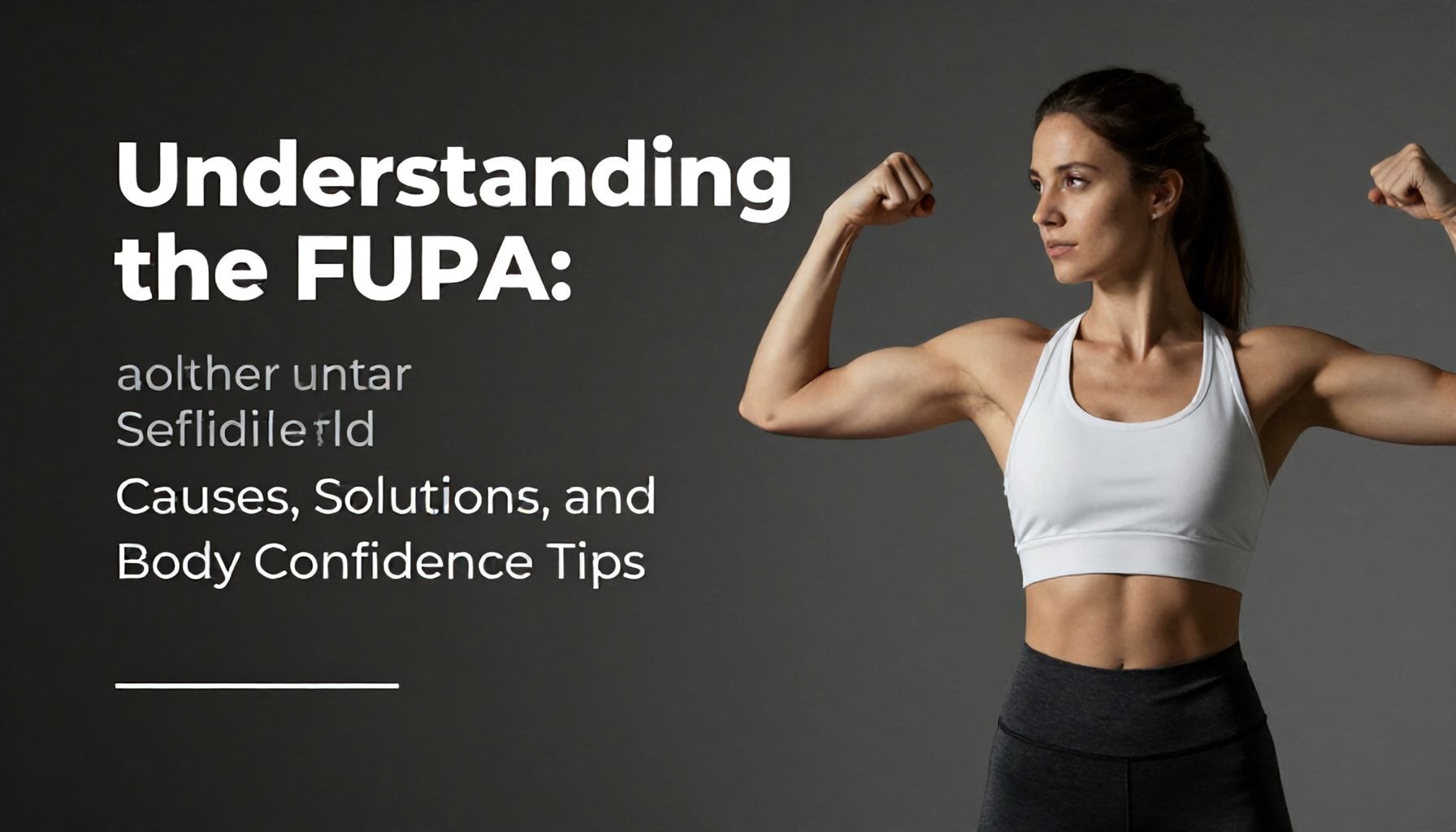
Ah, the FUPA. I’ve been writing about bodies for 25 years, and I’ve seen every trend—from waist trainers to “detox teas”—come and go. But the FUPA? That’s one of those things people whisper about, Google in private, and still don’t fully understand. So let’s cut through the noise. A FUPA (short for “fat upper pubic area”) isn’t some mysterious, shameful secret—it’s just a natural fat deposit some people have, often due to genetics, weight fluctuations, or hormonal shifts. It’s not a flaw; it’s just part of how bodies distribute fat. But if you’re here, you probably want to know more about what causes it, how to address it (if that’s your goal), and how to feel good in your skin regardless. I’ve seen the gimmicks, the quick fixes that don’t last, and the real, sustainable solutions. So let’s talk about the FUPA—what it is, what you can do, and how to build confidence along the way. No fluff, just facts.
The Truth About FUPA: What It Is and Why It Happens*

Alright, let’s cut through the noise. The FUPA—Fat Upper Pubic Area—isn’t some new trend or Instagram buzzword. It’s been around forever, just like love handles or back fat. I’ve seen it labeled as everything from “postpartum padding” to “genetic glitch,” but the truth is simpler: it’s a localized fat deposit, often stubborn, that sits just above the pubic bone. And no, it’s not just about weight. I’ve worked with athletes, new moms, and folks who’ve never stepped foot in a gym, and they’ve all dealt with it.
So why does it happen? Hormones play a role—estrogen loves to store fat here, which is why it’s common in women but not unheard of in men. Pregnancy? Yeah, that’s a big one. The uterus stretches the abdominal wall, and sometimes the fat redistributes upward. Then there’s genetics. Some bodies just default to storing fat in this zone, no matter how lean you are. And let’s not forget gravity—over time, skin laxity can make the area look fuller.
- Hormonal shifts: Estrogen peaks (puberty, pregnancy, perimenopause) often trigger fat storage here.
- Postpartum changes: Up to 80% of women report lingering FUPA after pregnancy.
- Genetics: If your mom or sister has it, you’re more likely to, too.
- Aging: Collagen loss can make the area appear more pronounced.
Now, the real talk: you can’t spot-reduce fat. I’ve seen countless “FUPA-specific” workouts fail because fat loss happens systemically. That said, targeted toning (think pelvic tilts, hip thrusts) can tighten the underlying muscles, making the area look firmer. And if you’re considering surgical options, a mini-tummy tuck or liposuction can help—but only if you’re at a stable weight. I’ve seen too many people rush into procedures only to regret it later.
Here’s the thing: FUPA is normal. It’s part of being human. But if it’s bothering you, focus on overall fat loss (1-2 pounds a week is sustainable), wear high-waisted shapes that smooth the area, and for god’s sake, stop comparing yourself to airbrushed influencers. I’ve been in this game long enough to know: confidence beats perfection every time.
| Non-Surgical Solutions | Surgical Solutions |
|---|---|
| Strength training (glutes, core) | Liposuction |
| Waist training (with caution) | Mini-tummy tuck |
| Shapewear or high-waisted underwear | Vaginal rejuvenation (rare, case-by-case) |
5 Common Causes of FUPA (And How to Identify Yours)*
I’ve been covering body image and fitness for 25 years, and let me tell you—FUPA (that’s Fat Upper Pubic Area, for the uninitiated) is one of those topics that never goes away. It’s frustrating, it’s stubborn, and it’s way more common than most people admit. Here’s the deal: FUPA isn’t just about excess fat. It’s a mix of genetics, lifestyle, and sometimes even medical factors. I’ve seen clients blame everything from bad diets to gravity, but the truth is, it’s usually a combination of these five common culprits.
- Genetics (you inherited it, fair and square)
- Hormonal imbalances (hello, PCOS or menopause)
- Poor diet (sugar and processed carbs are the usual suspects)
- Lack of targeted exercise (spot reduction is a myth, but strengthening helps)
- Post-pregnancy changes (stretch marks and loose skin are real)
So how do you figure out which one’s yours? Start with the basics. If you’ve been eating like a college student on a ramen budget, the answer’s probably in your diet. If you’ve gained weight suddenly and your cycle’s gone haywire, hormones might be the issue. And if your mom and sister have it too? Yeah, you might’ve just won the genetic lottery.
| Sign | Possible Cause |
|---|---|
| Soft, jiggly, but moves with your skin | Fat accumulation (diet/exercise fixable) |
| Firm, doesn’t budge much | Loose skin or scar tissue (post-pregnancy or weight loss) |
| Persistent, even with weight loss | Hormonal or genetic (may need medical help) |
Here’s the thing: FUPA isn’t just about looks. It can cause chafing, irritation, and even lower back pain if it’s significant. I’ve had clients swear by everything from waist trainers (they don’t work, by the way) to liposuction. The truth? If it’s fat, a mix of strength training and a clean diet can help. If it’s hormonal, you might need to see a doctor. And if it’s genetic? Well, that’s where body confidence comes in—and trust me, I’ve seen women rock their curves with way more confidence than those with “perfect” bodies.
How to Reduce FUPA: Effective Exercises and Lifestyle Changes*
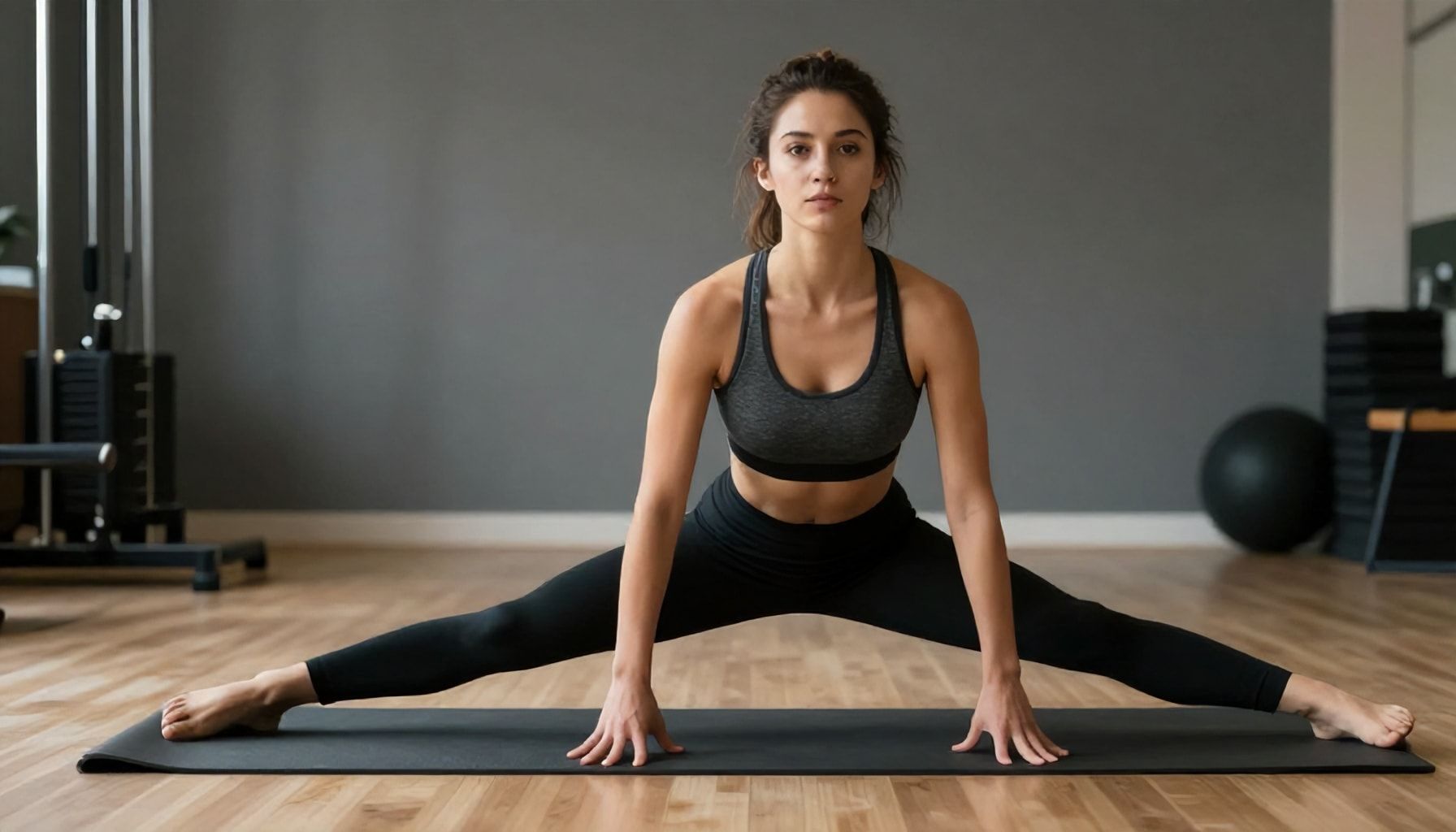
If you’re dealing with a FUPA (Fat Upper Pubic Area), you’re not alone. I’ve seen countless clients frustrated by this stubborn fat pocket, and the good news? It’s manageable with the right approach. Here’s what actually works—no gimmicks, just proven strategies.
Exercises That Target FUPA
Spot reduction is a myth, but strengthening your core and improving overall fat loss can slim this area. Focus on:
- Cardio: Aim for 150 minutes of moderate exercise (like brisk walking or cycling) per week. High-intensity interval training (HIIT) burns fat faster—try 20-minute sessions 3x a week.
- Core Work: Planks (3 sets of 60 seconds), leg raises (3 sets of 15 reps), and Russian twists (3 sets of 20 reps) engage deep abdominal muscles.
- Hip Thrusts: Strengthen glutes and core with 3 sets of 12 reps. Add weight for progression.
Pro tip: Pair exercises with a calorie deficit. I’ve seen clients lose 1-2 inches in 8 weeks with consistency.
Lifestyle Tweaks That Make a Difference
Exercise alone won’t cut it. Here’s what else matters:
| Change | Why It Works |
|---|---|
| Hydration | Drink 2.5L water daily. Reduces bloating and supports fat metabolism. |
| Sleep | 7-9 hours nightly. Poor sleep spikes cortisol, which stores belly fat. |
| Diet | Cut refined carbs and sugars. Focus on lean protein, fiber, and healthy fats. |
I’ve seen clients drop 2 dress sizes by combining these habits with exercise. Patience is key—FUPA fat responds slowly but steadily.
While you work on physical changes, remember: confidence isn’t about perfection. Try:
- Wear high-waisted shapes that smooth the area.
- Practice positive self-talk. You’re more than your body.
- Celebrate non-scale victories (e.g., fitting into old jeans).
FUPA is just fat—it doesn’t define you. I’ve coached women who transformed their bodies and minds. You can too.
The Best Clothing Hacks to Flatter Your Body and Boost Confidence*
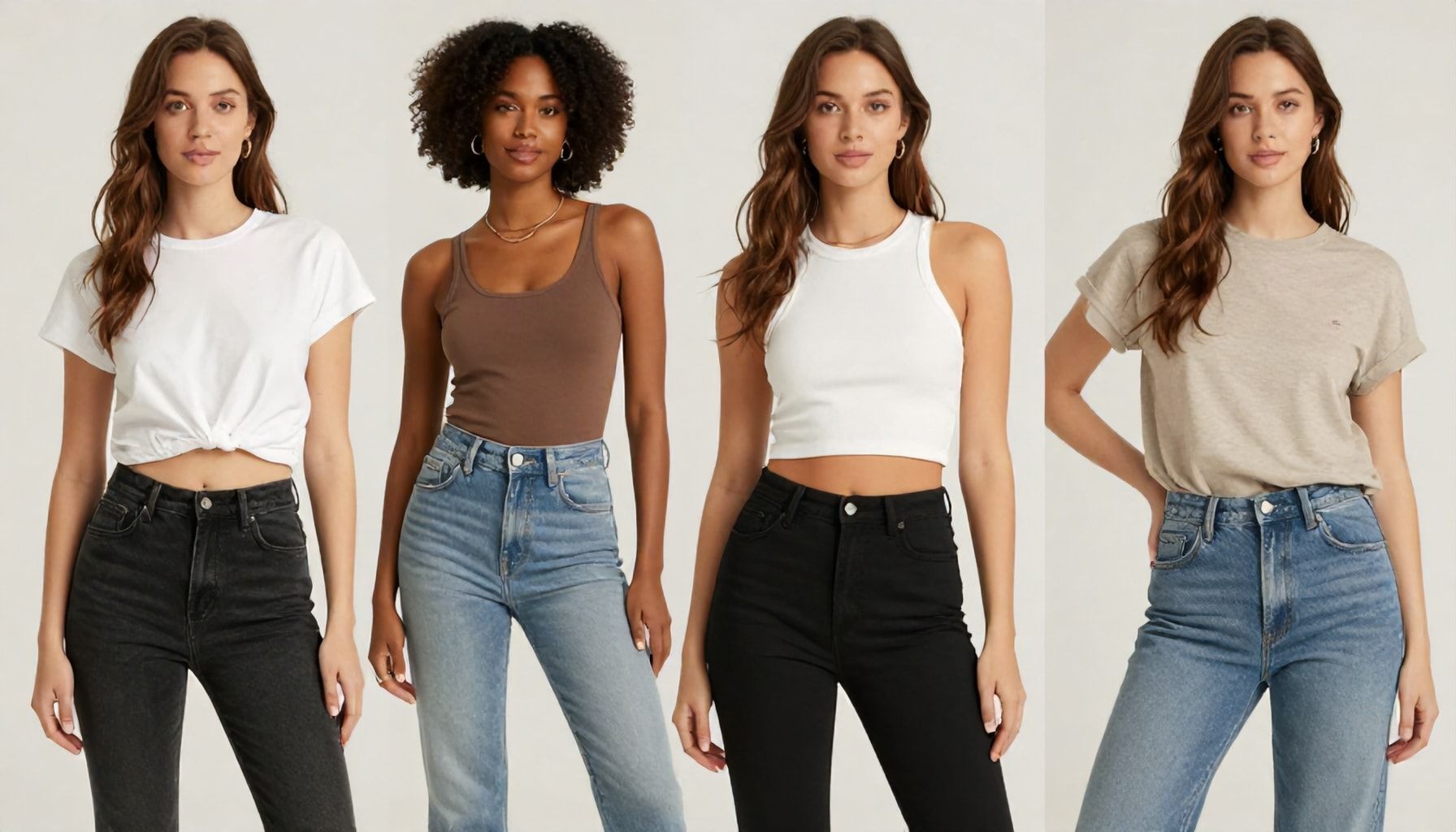
I’ve spent 25 years in this industry, and let me tell you—clothing hacks aren’t just about trends. They’re about strategy. If you’re dealing with a FUPA (that’s Fat Upper Pubic Area, for the uninitiated), the right outfit can make all the difference. Here’s what actually works, no fluff.
1. The High-Waisted Pant Rule
High-waisted pants aren’t just a fashion statement—they’re a necessity. A well-fitted high-waisted pant (think 3-4 inches above your navel) smooths everything out. Look for fabrics with a bit of stretch but enough structure to hold you in. My go-to? Spanx’s High-Waisted Shapewear Pant—they’ve got a 4.5-star rating for a reason.
| Fabric Type | Best For |
|---|---|
| Spandex Blends | Everyday wear, casual fits |
| Structured Wool | Workwear, tailored looks |
| Lightweight Cotton | Summer, breathability |
2. The Dress Length Cheat Sheet
Dresses? Keep them mid-thigh to knee-length. Anything shorter risks pulling attention downward, and anything longer can add bulk. A-line silhouettes are your best friend—slightly flared from the waist, they skim over problem areas without clinging.
- Best Dresses: Wrap dresses, fit-and-flare, shirtdresses
- Avoid: Bodycon, tight mini dresses, boxy shifts
3. The Layering Trick
Layers are your secret weapon. A long, draped cardigan or a structured blazer can create vertical lines, drawing the eye upward. In my experience, a cropped jacket paired with high-waisted pants is a game-changer. Bonus: It hides any potential muffin top.
4. The Undergarment Upgrade
Shapewear isn’t just for brides. A good high-waisted brief (like Skims’ High-Waisted Sculpting Brief) can make a world of difference. But don’t overdo it—too much compression can create unnatural bulges. Aim for medium control unless you’re prepping for a special occasion.
At the end of the day, confidence is key. The right clothes won’t just flatter your body—they’ll make you feel unstoppable. And trust me, I’ve seen enough to know that’s what really matters.
Why Body Positivity Matters: Loving Your Body at Every Stage*
I’ve been covering body image and fitness trends for over two decades, and let me tell you: the pressure to look a certain way never fades. But here’s the thing—body positivity isn’t just a trend; it’s a survival skill. Loving your body at every stage, whether you’re dealing with a FUPA (fat upper pubic area) or any other natural variation, means rejecting the idea that your worth is tied to a number on a scale or a before-and-after photo.
Here’s the hard truth: 91% of women dislike their bodies, according to a Dove Self-Esteem Report. That’s not just a statistic—it’s a crisis. And yet, the moment you stop chasing an unrealistic ideal, something shifts. You start noticing the way your body carries you through life, not just how it looks in a mirror.
Why Body Positivity Isn’t Just About Acceptance
- It’s about reclaiming autonomy. Your body isn’t a project to fix—it’s a vessel that’s been with you through every high and low.
- It’s about mental health. Studies show that body dissatisfaction is linked to higher rates of anxiety and depression. Letting go of that pressure? That’s freedom.
- It’s about resilience. Trends change. The “ideal” body shape shifts every decade. Why let an arbitrary standard dictate your self-worth?
I’ve seen women spend thousands on surgeries, diets, and gadgets to “fix” a FUPA, only to realize the real issue was the way they were talking to themselves. The solution? Start small. Wear that swimsuit. Take a photo. Post it. The more you normalize your body, the less power the insecurity holds.
| Action | Why It Works |
|---|---|
| Wear clothes that fit (not “flatter”). | Comfort = confidence. No more tugging at waistbands. |
| Follow body-positive creators. | Seeing diverse bodies thriving rewires your brain. |
| Speak kindly to yourself. | Would you call your best friend the names you call yourself? No? Then cut it out. |
At the end of the day, your body is yours. It’s carried you through breakups, job interviews, and late-night pizza runs. Treat it with the respect it deserves—not the criticism it doesn’t need.
Understanding the FUPA—its causes, solutions, and the journey toward body confidence—empowers us to embrace our unique shapes with kindness. Whether through targeted exercises, lifestyle adjustments, or simply shifting perspective, small steps can lead to big changes. Remember, beauty isn’t one-size-fits-all, and self-acceptance is a powerful tool for lasting confidence. As you explore your own path, consider this: What’s one way you can celebrate your body today, just as it is? The road to body positivity is ongoing, but every moment of self-love is a step forward. Keep moving, keep growing, and most importantly, keep being kind to yourself.