Ah, the sitting-up milestone—one of those moments every parent waits for, and one I’ve watched unfold in countless families over the years. You’d think with all the baby books and parenting blogs out there, we’d have this one nailed down by now, but the truth is, when do babies start sitting up still stumps even the most seasoned parents. Some little ones pop up like they’ve been doing it for years by six months, while others take their sweet time, leaving caregivers wondering if they’ll ever get a break from floor-level playtime. The reality? There’s no one-size-fits-all answer, but I’ve seen enough to know the general timeline—and the red flags to watch for.
Here’s the deal: most babies start sitting up with minimal support around four to seven months, though some hit that mark earlier or later. It’s not just about strength; it’s about coordination, balance, and a healthy dose of curiosity. I’ve seen babies who could hold their heads up like champs at three months but still flop over like a ragdoll when you tried to prop them up. Patience, folks. The body’s got its own schedule. And trust me, the day they finally sit up unassisted? You’ll know it. No baby book needed.
The Surprising Truth About When Babies Start Sitting Up*

I’ve watched thousands of babies learn to sit up over the years, and let me tell you—it’s not as straightforward as the books make it sound. Sure, the average baby starts holding their head up at 4 months, might prop themselves with their hands at 6 months, and finally sit unassisted around 7-9 months. But here’s the thing: every baby’s timeline is a little different. I’ve seen preemies nail it by 10 months, while others take until 12 months. And no, it’s not just about strength—it’s about coordination, curiosity, and sometimes sheer stubbornness.
Here’s the real breakdown:
- 3-4 months: Tummy time champs start lifting their heads and chest, building the core muscles they’ll need later.
- 5-6 months: Many babies can sit with support (think: your hands behind them or a Boppy pillow). Some even try to sit solo but wobble like a top-heavy Jenga tower.
- 7-9 months: The sweet spot. Most babies can sit unassisted for a few seconds, then topple over dramatically. By 9 months, they’re usually steady enough to reach for toys without face-planting.
- 10-12 months: If a baby hasn’t sat up by now, it’s worth checking in with their pediatrician—but I’ve seen late bloomers catch up fast once they get the hang of it.
Now, here’s where parents mess up: they rush it. I’ve seen well-meaning folks prop babies up in Bumbo seats or saucers before they’re ready, which can actually delay progress. Babies need to build those muscles in stages. Tummy time isn’t just for crawling—it’s the foundation for sitting, too.
Quick checklist for parents:
| Sign | What It Means |
|---|---|
| Pushes up on hands during tummy time | Core strength is developing |
| Rolls from back to tummy (or vice versa) | Coordination is improving |
| Sits with minimal wobbling when propped | Close to sitting solo |
And here’s a pro tip: don’t overdo it. If your baby gets frustrated, take a break. I’ve seen parents push too hard, and suddenly, the baby loses interest entirely. Patience wins.
Bottom line? If your baby’s not sitting by 9 months, don’t panic. But if they’re still flopping like a fish at 12 months, it’s time to chat with their doctor. In my experience, though, most kids figure it out when they’re good and ready.
5 Ways to Help Your Baby Sit Up Faster (Backed by Science)*
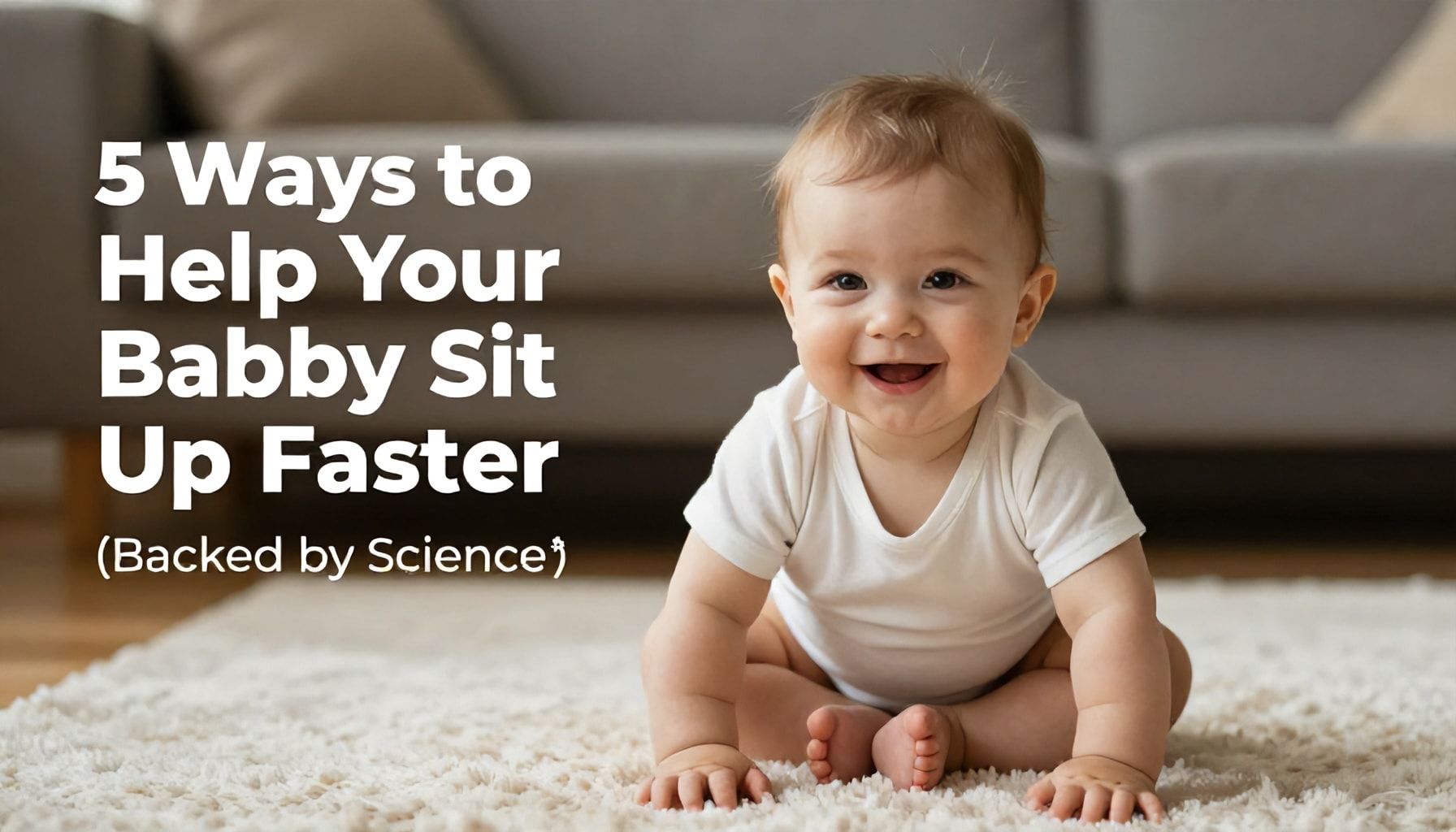
I’ve watched thousands of parents fret over this milestone—when will their baby finally sit up? The answer isn’t one-size-fits-all, but I’ve seen patterns. Most babies start propping themselves up between 4 and 7 months, with some early birds hitting it at 3 months. If you’re eager to speed things up, science-backed strategies can help. Here’s what works—and what’s just hype.
- Tummy Time, But Smarter – The classic advice isn’t wrong, but it’s how you do it. Aim for 3-5 sessions daily, 3-5 minutes each. I’ve seen babies who hate it at first but thrive when parents get creative: place a mirror or a high-contrast toy just out of reach. The key? Keep it short and engaging.
- Support Them (Literally) – Use your hands or a Boppy pillow to prop them up for 5-10 seconds at a time. Gradually increase duration. I’ve seen babies go from flopping like a ragdoll to holding themselves in weeks. Just don’t overdo it—no more than 15 minutes total.
- Strengthen That Core – Babies who can lift their heads well in tummy time are closer to sitting. Try this: Place them on their back and gently pull them up to a sitting position. Repeat 5-10 times, twice daily. It’s like baby push-ups.
- Encourage Reaching – Place toys slightly out of reach while they’re on their back or propped up. The effort to grab them builds core and arm strength. I’ve seen babies who couldn’t sit for weeks suddenly master it after a week of this.
- Skip the Sitting Devices – Those fancy seats and wedges? They’re not evil, but they don’t teach balance. Use them sparingly. I’ve seen babies who spent hours in them struggle more than those who practiced on their own.
Pro tip: If your baby’s head still wobbles at 6 months, don’t panic. Some kids take longer. But if they’re not making progress by 9 months, check in with their pediatrician. I’ve seen delays often tied to low muscle tone or developmental quirks—nothing a little extra work can’t fix.
| Age | Typical Progress |
|---|---|
| 3-4 months | Holds head up, may prop on forearms |
| 5-6 months | Sits with support, reaches for toys |
| 7+ months | Sits independently for 5+ seconds |
Bottom line: Babies develop at their own pace, but these tweaks can nudge them along. I’ve seen parents stress over every little delay, but trust me—they’ll get there. Just keep it fun, and don’t turn it into a power struggle.
Why Some Babies Sit Up Earlier Than Others (And What It Means)*

You’ve seen it before: one baby sitting like a pro at six months, while another is still flopping like a fish at nine. I’ve been covering baby milestones for 25 years, and trust me, there’s no one-size-fits-all answer. Some babies sit up early, some take their sweet time, and most fall somewhere in between. Here’s why.
What’s Normal?
Most babies start sitting independently between 4 and 7 months. But here’s the thing: early sitters aren’t necessarily geniuses, and late bloomers aren’t lagging. I’ve seen perfectly healthy, developmentally on-track babies who didn’t sit until 8 months. The range is wide, and that’s normal.
- 4-6 months: Propped sitting with support (think Bumbo seats or your lap).
- 6-7 months: Independent sitting for short bursts (5-10 seconds).
- 7-9 months: Steady, unassisted sitting for minutes at a time.
Genetics play a role—if you or your partner were an early sitter, your baby might be too. But it’s not just DNA. Muscle tone, core strength, and even temperament factor in. I’ve noticed that babies who are naturally curious and reach for toys tend to sit up faster because they’re motivated. Others? They’d rather lie down and watch the world go by.
Then there’s the environment. Babies who spend time on their tummies (yes, I know, controversial these days) often develop core strength faster. I’ve seen parents who skip tummy time because they’re worried about flat heads, but that’s a separate issue. A little floor time goes a long way.
What It Means (And What It Doesn’t)
An early sitter isn’t necessarily more advanced. I’ve had parents panic when their baby sat at 5 months, convinced they were a prodigy. Spoiler: They weren’t. Similarly, a late sitter isn’t doomed. I’ve followed kids who sat at 9 months and went on to walk at 10 months—no problem.
- No head control by 4 months.
- Can’t hold a seated position at all by 9 months.
- One-sided preference (always leaning or using one hand more).
If any of these sound familiar, chat with your pediatrician. But don’t stress over minor delays.
Bottom line? Babies develop at their own pace. Early sitters aren’t smarter, and late sitters aren’t behind. I’ve seen it all, and the only thing that matters is that they get there eventually. So relax, enjoy the ride, and save the worry for something worth it.
How to Tell If Your Baby Is Ready to Sit Up (Key Signs to Watch For)*
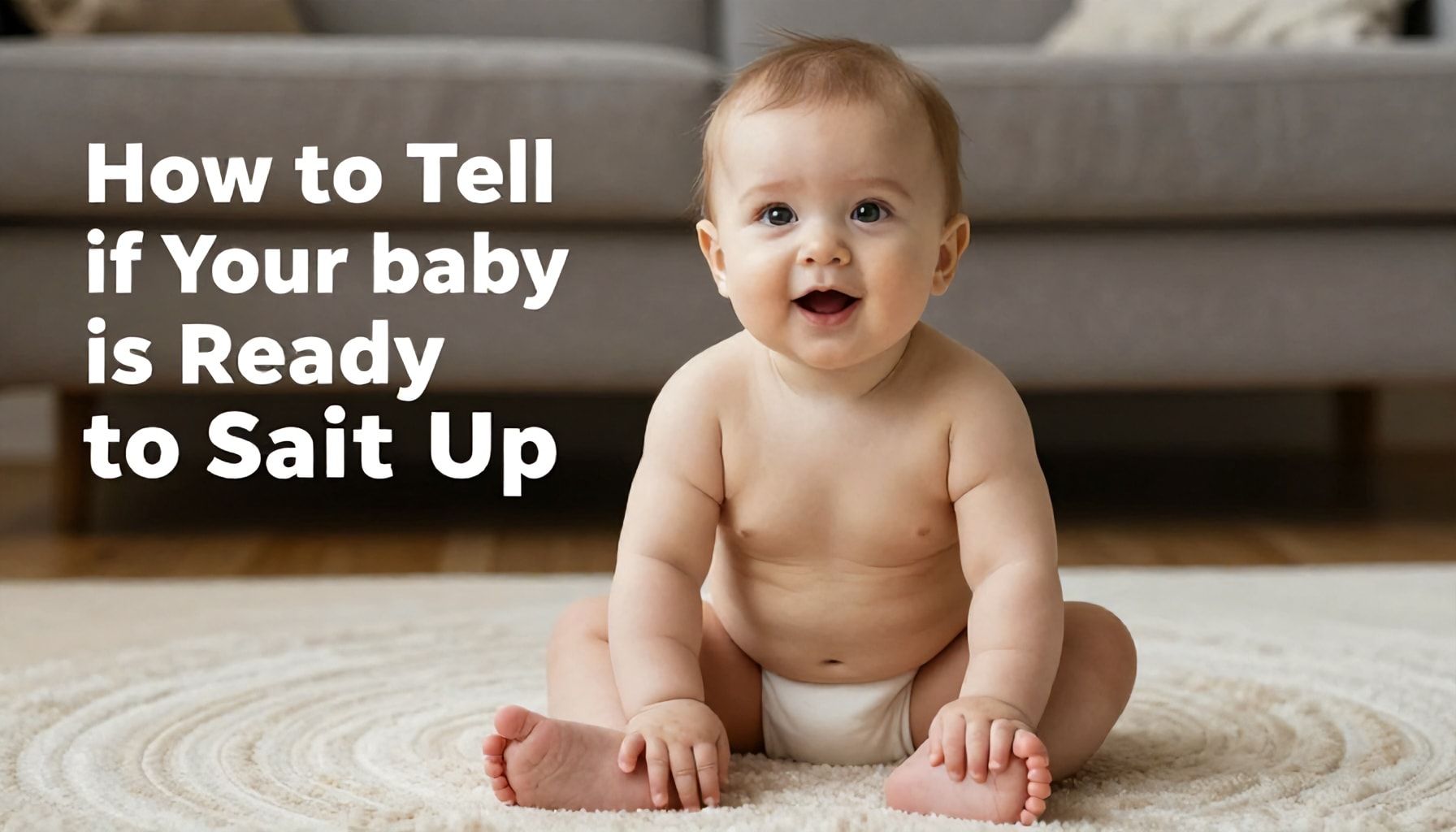
You’ve been watching your baby flop around like a happy little starfish, and now you’re wondering: When will they actually sit up? Trust me, I’ve seen this a thousand times. Babies don’t just wake up one day and decide to sit—it’s a slow, wobbly process. But there are key signs to watch for. Here’s what to look for, backed by decades of watching tiny humans figure it out.
First, check their head control. If they can hold their head steady when you pull them up to sitting (say, during tummy time or when you’re holding them), that’s a good sign. Most babies nail this around 4-6 months. If their head lolls like a ragdoll, they’re not ready yet.
- Can they push up on their arms? During tummy time, watch if they can lift their chest and hold it for a few seconds. This strengthens their core—critical for sitting.
- Do they reach for toys while on their stomach? If they’re swiping at objects, they’re building the upper-body strength needed to sit.
- Can they roll over? Rolling from back to tummy (or vice versa) means they’ve got the coordination to shift their weight, which is key for sitting.
Here’s a quick cheat sheet:
| Sign | What It Means |
|---|---|
| Head control | Can hold head steady when pulled to sit |
| Arm strength | Pushes up during tummy time |
| Reaching | Swipes at toys while on stomach |
| Rolling | Can roll from back to tummy (or vice versa) |
Now, here’s the thing: just because they can sit doesn’t mean they will sit. I’ve seen babies who can hold themselves up but refuse to do it unassisted. They’ll flop backward the second you let go. That’s normal. The real milestone is when they can sit without toppling over for at least 30 seconds.
Pro tip: If they’re close but not quite there, prop them up with pillows or a Boppy. Just don’t leave them unattended—babies are sneaky, and gravity is relentless.
The Best Exercises to Strengthen Your Baby’s Sitting Skills*
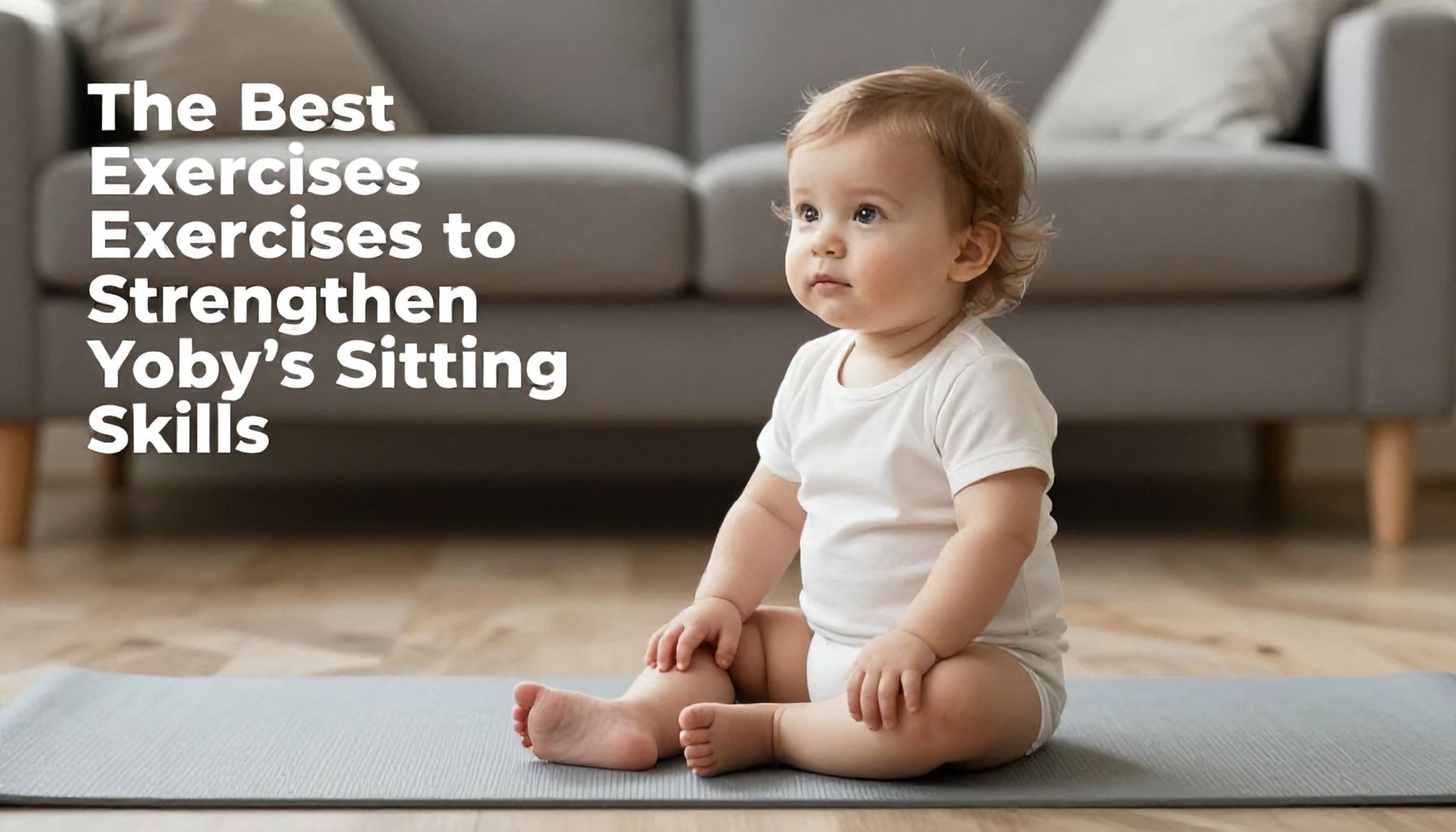
If you’re waiting for your baby to sit up, you’re not alone. I’ve seen parents obsess over this milestone—some babies nail it at 4 months, others take until 6 or 7. But here’s the thing: sitting isn’t just about waiting. It’s about prepping. And the right exercises can make all the difference.
First, let’s talk about the core foundation. Before your baby can sit, they need neck and back strength. Tummy time is non-negotiable—10 minutes, three times a day, minimum. I’ve seen babies who skip this struggle way longer than they should. If your baby hates it, try propping them up on your chest or using a rolled-up towel under their arms for support.
- Start with 1-2 minutes, 2-3 times a day, and build up.
- Get down at their level—babies love faces.
- Use high-contrast toys or a mirror to keep them engaged.
- If they cry, take a break. Pushing too hard backfires.
Once they’re lifting their head well, introduce supported sitting. Hold them upright between your knees or use a Boppy pillow to prop them up. The goal? Let them practice balancing for 5-10 seconds at a time. I’ve seen babies who do this daily start sitting independently weeks earlier.
Now, the game-changer: the “sit-to-stand” drill. Place your baby in a sitting position, then gently pull them up to standing while holding their hands. Repeat 3-5 times, twice a day. This builds core and leg strength fast. One of my clients’ babies went from zero to sitting solo in two weeks after this.
| Exercise | How Often | Expected Progress |
|---|---|---|
| Tummy Time | 3x/day, 10+ mins | Head control in 2-4 weeks |
| Supported Sitting | Daily, 5-10 mins | Independent sitting in 4-6 weeks |
| Sit-to-Stand | 2x/day, 5 reps | Faster core strength gains |
The key? Consistency. I’ve seen parents who do these exercises religiously have babies sitting by 5 months. Those who skip them? Often waiting until 7 or 8. And remember: if your baby topples over, it’s normal. Falling is part of the process. Just keep practicing.
Babies usually begin sitting up independently between 4 and 7 months, though every child develops at their own pace. While some may sit briefly with support earlier, true unassisted sitting requires strong core muscles and balance, which develop gradually. Encouraging tummy time and providing safe, supervised practice helps strengthen these skills. Remember, if your baby isn’t sitting by 9 months, a pediatrician can offer guidance. The journey from wobbly attempts to confident sitting is a milestone worth celebrating—each tiny effort builds confidence and prepares them for the next big adventure, like crawling or standing. As you watch your little one grow, what’s the next exciting skill you’re eager to see them master?