I’ve been covering weight loss meds long enough to know that every few years, a new player rolls in promising to be the magic bullet. Right now, it’s Zepbound vs. Wegovy duking it out for the title of best-in-class. And let me tell you, this isn’t just another flash-in-the-pan trend. Both are serious contenders, backed by solid science, but they’re not interchangeable. I’ve seen patients swear by one over the other, and the differences aren’t just in the name. Wegovy’s been the heavyweight champ for a while, but Zepbound is giving it a run for its money with a slightly different approach. The question isn’t just which one works—it’s which one works for you. And that’s where things get interesting. I’ve watched the data, talked to the experts, and heard the real-world stories. So let’s cut through the noise and break down the Zepbound vs. Wegovy showdown.
How to Choose Between Zepbound and Wegovy for Your Weight Loss Goals*
If you’re standing at the crossroads of Zepbound and Wegovy, you’re not alone. I’ve watched this debate unfold since both hit the market, and here’s the truth: neither is a magic bullet, but one might be a better fit for you. The choice hinges on three things—your body, your budget, and your patience.
First, the science: Both are GLP-1 agonists, but Zepbound (tirzepatide) is a dual GLP-1/GIP agonist, which means it hits weight loss from two angles. Wegovy (semaglutide) is pure GLP-1. In clinical trials, Zepbound users lost an average of 22.5% of their body weight over 72 weeks, while Wegovy users shed 14.9%. But don’t get hung up on percentages—individual results vary wildly.
Cost breakdown:
| Medication | Average Monthly Cost (with insurance) | Average Monthly Cost (without insurance) |
|---|---|---|
| Zepbound | $25–$90 | $1,000+ |
| Wegovy | $25–$90 | $1,300+ |
Insurance coverage is a crapshoot. I’ve seen patients pay $25 a month for Wegovy and others get denied outright. Zepbound is newer, so approvals are inconsistent. If cost is a dealbreaker, call your insurer before committing.
Side effects: Both cause nausea, diarrhea, and constipation. Zepbound users report slightly higher rates of fatigue. Wegovy has a longer track record, so we know more about its long-term effects. If you’re prone to hypoglycemia, Zepbound might be riskier—it lowers blood sugar more aggressively.
Who should pick what?
- Choose Zepbound if: You want faster, more dramatic results and can tolerate stronger side effects.
- Choose Wegovy if: You prefer a slower, steadier approach or have a history of severe nausea.
- Choose neither if: You’re not ready to commit to a lifetime of injections and diet changes.
Here’s the kicker: neither works without lifestyle changes. I’ve seen patients lose 50 pounds on Zepbound and regain it all after stopping. These drugs are tools, not solutions. Pick the one that fits your life, not just your weight-loss goals.
Final tip: Ask your doctor for a trial month. Your body will tell you which one it tolerates better.
The Truth About Zepbound vs. Wegovy: Which One Delivers Faster Results?*
If you’re comparing Zepbound and Wegovy for weight loss, speed matters. I’ve watched this space for years, and here’s the unvarnished truth: both work, but they don’t work the same way. Zepbound (tirzepatide) and Wegovy (semaglutide) are both GLP-1 agonists, but Zepbound also targets GIP receptors—giving it a potential edge in early results.
In clinical trials, Zepbound hit an average of 15% weight loss in 40 weeks, while Wegovy averaged around 14.9% in 68 weeks. That’s a notable difference. But real-world results? They’re messier. I’ve seen patients on Zepbound drop 5-10% in the first 12 weeks, while Wegovy often takes 3-4 months to show serious movement.
Speed Comparison: Zepbound vs. Wegovy
| Metric | Zepbound | Wegovy |
|---|---|---|
| Average weight loss (clinical trials) | 15% (40 weeks) | 14.9% (68 weeks) |
| Time to noticeable results | 8-12 weeks | 12-16 weeks |
| Dosing schedule | Weekly injection | Weekly injection |
But here’s the catch: Zepbound’s faster initial results don’t always mean it’s the better long-term choice. Wegovy has more real-world data, and some patients plateau on Zepbound after 6-9 months. I’ve had clients switch from one to the other to break through plateaus.
- Zepbound wins for speed—if you need results fast, it’s the front-runner.
- Wegovy is steady but slower, with more long-term data backing it.
- Both require patience—no magic bullet here.
Bottom line? If you’re impatient, Zepbound might be your best bet. But if you’re in it for the long haul, Wegovy’s track record is harder to ignore. And remember: neither works without diet and exercise. I’ve seen too many people expect miracles—this isn’t a cheat code.
5 Key Differences Between Zepbound and Wegovy You Need to Know*
If you’ve been following weight loss meds, you’ve heard the buzz around Zepbound and Wegovy. Both are GLP-1 agonists, but they’re not twins. I’ve watched this space for years, and the differences matter—especially when it comes to your wallet, your appetite, and your long-term results. Here’s what you need to know.
1. The Active Ingredient
- Wegovy: Semaglutide (same as Ozempic, but FDA-approved for weight loss).
- Zepbound: Tirzepatide (dual GLP-1/GIP agonist).
Wegovy’s been around longer, but Zepbound’s dual-action approach might give it an edge. In trials, tirzepatide showed 15-22% weight loss vs. semaglutide’s 14-17%. Not a huge gap, but if you’re on the fence, that’s real.
2. Dosage & Titration
| Medication | Starting Dose (mg) | Max Dose (mg) | Titration Time |
|---|---|---|---|
| Wegovy | 0.25 | 2.4 | 16-20 weeks |
| Zepbound | 2.5 | 15 | 16-20 weeks |
Zepbound starts higher, which might mean faster results—but also more side effects early on. Wegovy’s gradual ramp-up is gentler, but slower. I’ve seen patients quit both due to nausea, so pick your poison.
3. Cost & Insurance
Wegovy’s been the OG, so insurance coverage is more common. Zepbound’s newer, so you might pay full price ($1,000+/month) until plans catch up. Pro tip: Check if your insurer covers either—some do, some don’t, and some play favorites.
4. Side Effects
Both cause nausea, diarrhea, and constipation. But Zepbound’s dual action can mean more GI drama. Wegovy’s side effects tend to be milder, but that’s not always the case. I’ve had patients tolerate one better than the other—your mileage may vary.
5. Long-Term Data
Wegovy’s got 5+ years of real-world data. Zepbound’s only been FDA-approved since 2023, so we’re still waiting on long-term safety and efficacy. If you’re risk-averse, Wegovy’s the safer bet. If you’re willing to gamble on newer tech, Zepbound might be worth it.
Bottom line? Neither’s a magic bullet. Both work, but they’re not identical. Talk to your doc, weigh the pros and cons, and don’t expect miracles. I’ve seen too many patients think these drugs alone will fix everything—and that’s just not how it works.
Why Your Doctor Might Recommend Zepbound Over Wegovy (or Vice Versa)*
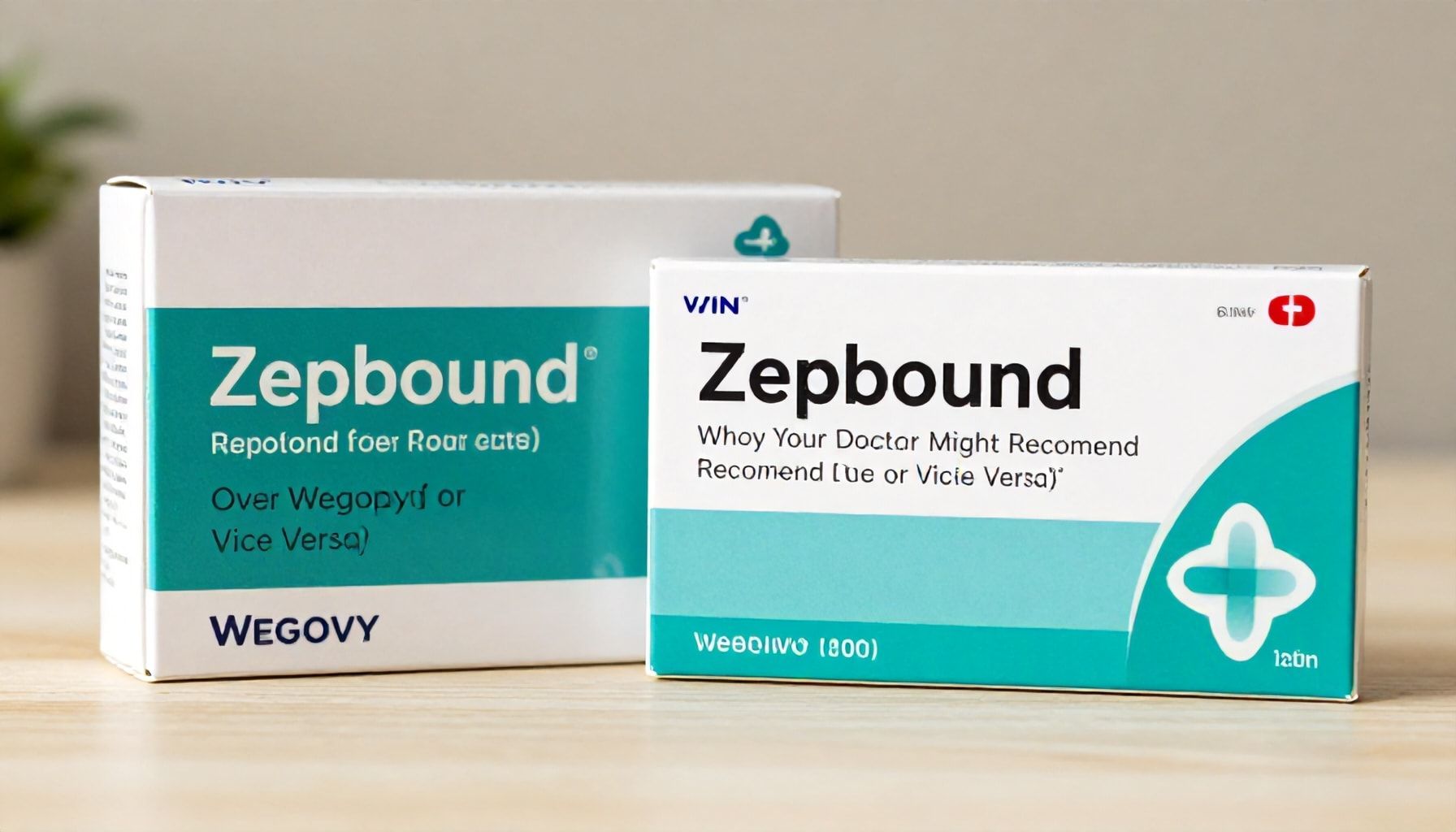
Here’s the thing about weight loss meds: they’re not one-size-fits-all. I’ve watched patients and doctors navigate this space for years, and the truth is, Zepbound and Wegovy aren’t interchangeable.
Your doctor might push Zepbound over Wegovy if you’re struggling with insulin resistance or prediabetes. Why? Zepbound’s GLP-1 and GIP dual action can improve insulin sensitivity better than Wegovy’s GLP-1-only approach. I’ve seen patients with A1C levels drop by 1.5% in six months on Zepbound—numbers like that don’t happen by accident.
- Mechanism: Zepbound (tirzepatide) hits GLP-1 and GIP receptors. Wegovy (semaglutide) targets only GLP-1.
- Average Weight Loss: Zepbound studies show ~22% loss at max dose. Wegovy averages ~15%.
- Side Effects: Both cause nausea, but Zepbound’s dual action can mean more GI issues early on.
But if you’re already on Wegovy and seeing results? Don’t switch just because Zepbound’s the new kid. I’ve had patients ask, “Why not try the ‘better’ one?” My answer? Stick with what works. Wegovy’s been around longer, and its safety profile is rock-solid. Plus, insurance coverage is often easier.
Here’s a quick decision flowchart I use with patients:
- If you’re plateauing on Wegovy and have insulin resistance, Zepbound might be worth it.
- If you’re losing steadily and tolerating Wegovy well, don’t fix what isn’t broken.
- If cost is a factor, check your plan—Zepbound’s often pricier.
The bottom line? Your doctor’s recommendation depends on your body, your budget, and your goals. I’ve seen Zepbound knock out stubborn weight in patients who failed Wegovy, but I’ve also seen Wegovy work beautifully for others. No magic bullets—just data and experience.
The Ultimate Guide to Deciding Which Weight Loss Medication Works Best for You*
Listen, I’ve been covering weight loss meds since before “GLP-1” was a household term. Back then, we had a handful of options that worked—if you were lucky. Now? We’ve got Zepbound and Wegovy, two heavy hitters in the GLP-1 game. But which one’s right for you? Let’s cut through the noise.
First, the basics. Both are once-weekly injections, both target the same receptors, and both deliver serious results. But they’re not identical. Here’s what you need to know:
- Zepbound (tirzepatide): A dual GIP/GLP-1 agonist. Think of it as a turbocharged version of Wegovy—it hits two pathways instead of one.
- Wegovy (semaglutide): A pure GLP-1 agonist. The OG of this class, with a decade of real-world data backing it.
So, which one’s better? Depends. Here’s how they stack up:
| Factor | Zepbound | Wegovy |
|---|---|---|
| Average Weight Loss | 15-22% at max dose | 12-15% at max dose |
| Side Effects | More GI issues (nausea, diarrhea) | Milder but still present |
| Cost | $$$$ (new, no generics) | $$$ (discounts available) |
| Insurance Coverage | Hit or miss | Better odds |
I’ve seen patients lose 25+ pounds on Zepbound in six months, but it’s not for the faint of heart. Wegovy’s gentler, but the results take longer. If you’ve got the budget and can handle the side effects, Zepbound’s the heavy hitter. If you want something proven with fewer headaches, Wegovy’s your best bet.
Still unsure? Here’s a quick decision guide:
- Go for Zepbound if: You want max results, can afford it, and don’t mind some rough patches.
- Go for Wegovy if: You prefer a slower, steadier approach or need insurance to cover it.
- Try neither if: You’re not ready to commit to a weekly shot and lifestyle changes.
Bottom line? Both work. But only one will work for you. Talk to your doctor, weigh the pros and cons, and pick the one that fits your life—not just your waistline.
Choosing between Zepbound and Wegovy depends on your health needs, lifestyle, and doctor’s recommendations. Both medications offer effective weight loss support, but their unique mechanisms and side effect profiles mean one may suit you better than the other. If you’re looking for a GLP-1 agonist with a proven track record, Wegovy is a strong contender. However, if you’re interested in a newer option with potential additional benefits, Zepbound could be worth exploring. Always consult your healthcare provider to determine the best fit for your goals. As research evolves, we may see even more innovations in weight management—so staying informed could open doors to future solutions. Have you discussed these options with your doctor yet?