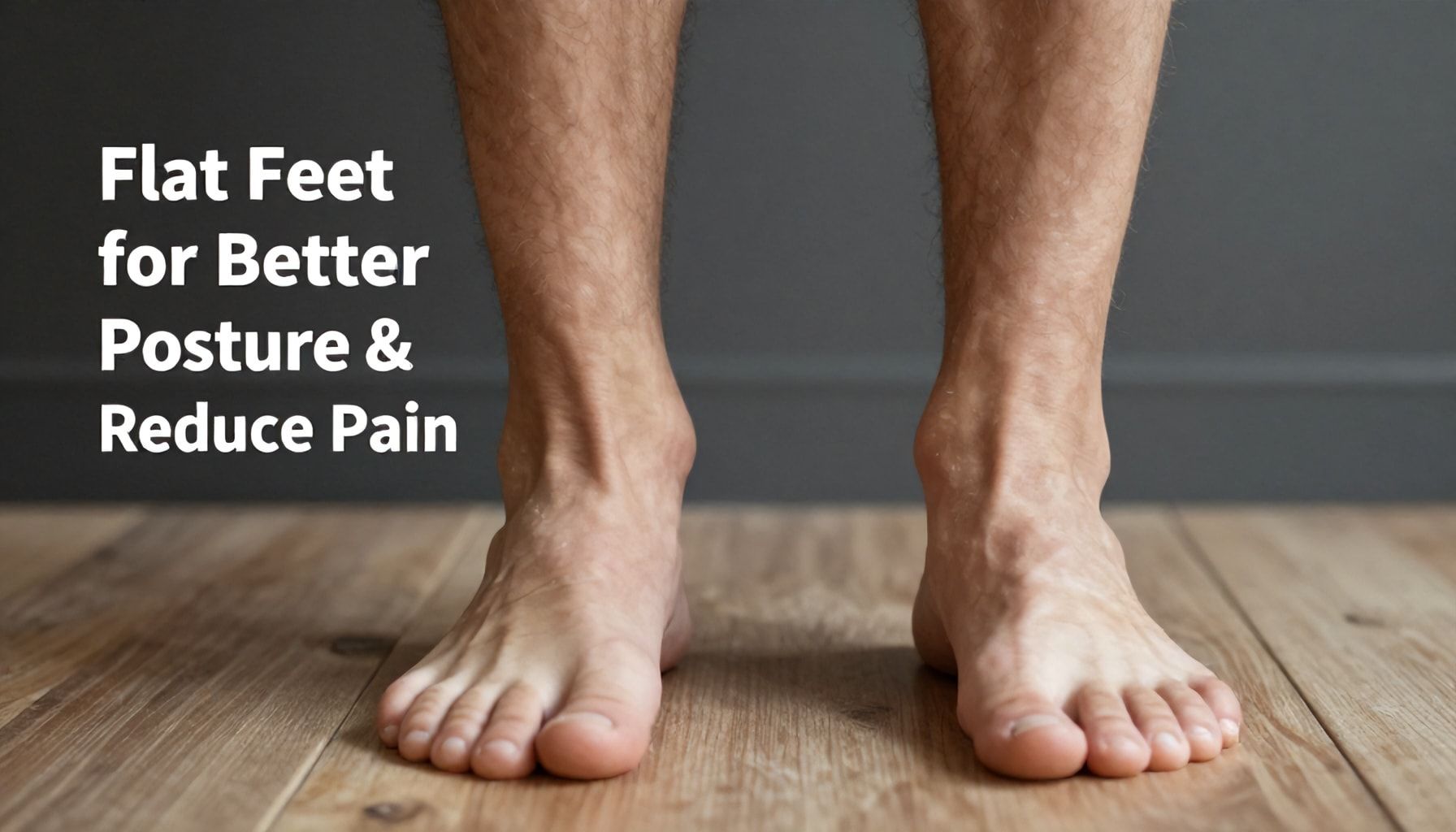
I’ve spent 25 years watching people ignore their feet until the pain gets unbearable. Flat feet—yep, those arches that vanished years ago—don’t just mess with your shoes. They’re the silent culprits behind your aching knees, your stiff back, and that posture that makes you look like you’re carrying the weight of the world. And here’s the kicker: most folks don’t realize their foot flat feet are the root of the problem until it’s too late. But here’s the good news: you don’t have to live with it. Fixing flat feet isn’t about gimmicks or quick fixes. It’s about smart, consistent work—strengthening what’s weak, supporting what’s overworked, and retraining your body to stand (and move) the way it was meant to. I’ve seen the fads come and go, but the science doesn’t lie. Your feet are the foundation of everything. Ignore them, and the rest of your body pays the price. Time to stop the cycle.
How to Strengthen Your Feet to Fix Flat Feet and Improve Posture*
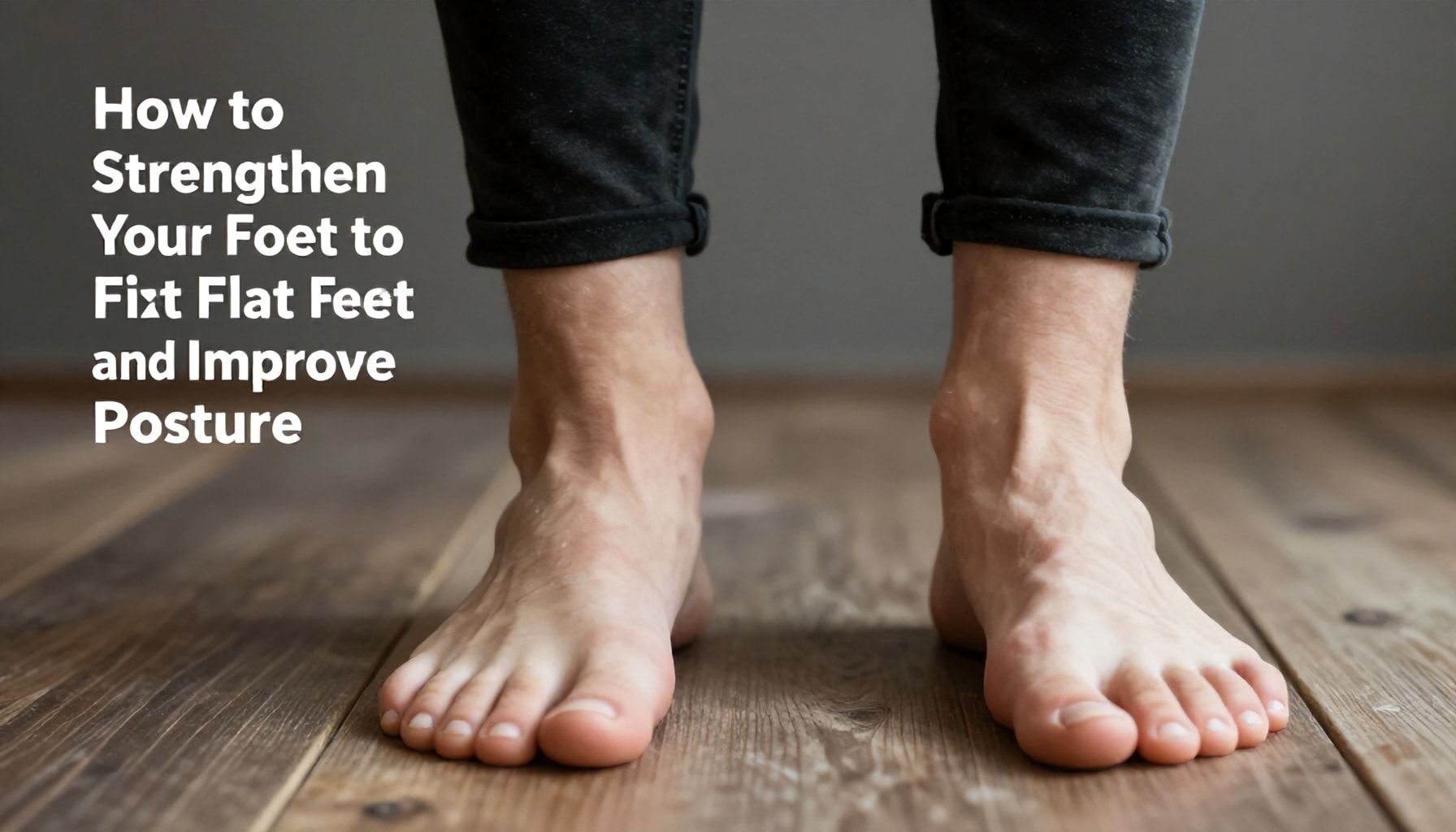
If you’ve got flat feet, you know the drill—sore arches, wobbly ankles, and a posture that looks like you’re carrying the weight of the world (and maybe you are). I’ve seen it all: the overpronators, the underpronators, and the folks who just want to walk without feeling like their feet are made of lead. Here’s the truth: strengthening your feet isn’t just about fixing flat feet; it’s about rebuilding your foundation so your whole body works better.
Why Your Feet Are the Problem (and the Solution)
Flat feet collapse inward, throwing your knees, hips, and spine out of alignment. Over time, that misalignment leads to pain—knees, hips, lower back, you name it. But here’s the good news: your feet are muscles, tendons, and ligaments. They’re trainable. I’ve had clients go from shuffling like zombies to running marathons after 6 months of targeted foot work. Not magic—just science.
Your 3-Step Foot Strengthening Plan
- Step 1: Barefoot Walking (But Smartly) – Walk barefoot on grass or sand for 10-15 minutes daily. This activates tiny foot muscles that shoes smother. But skip the hard surfaces—your feet aren’t concrete.
- Step 2: Toe Yoga (Yes, It’s a Thing) – Spread your toes apart while seated. Hold for 10 seconds, 10 reps. Weak toes? You’ll feel the burn.
- Step 3: Calf Raises with a Twist – Do 3 sets of 15 reps, but focus on lifting your arch, not just your heel. Add a towel under your toes for extra resistance.
The Posture Fix
Flat feet drag your posture down—literally. To counteract it:
| Posture Issue | Foot Fix |
|---|---|
| Forward Head | Strengthen your arches to lift your pelvis |
| Rounded Shoulders | Engage your foot’s transverse arch to align your spine |
| Knees Caving In | Do single-leg balance drills to stabilize your ankles |
Pro Tip: If you’re serious, ditch the cushy shoes. I’ve seen orthotics help, but they’re a crutch. Your feet need to work, not be babied. Start with 30 minutes a day in minimalist shoes, then build up.
Flat feet won’t fix themselves overnight. But in 3 months of consistent work, you’ll stand taller, move better, and maybe even forget what plantar fasciitis feels like. Worth the effort? You tell me.
The Truth About Flat Feet: Why They Cause Pain and How to Fix Them*
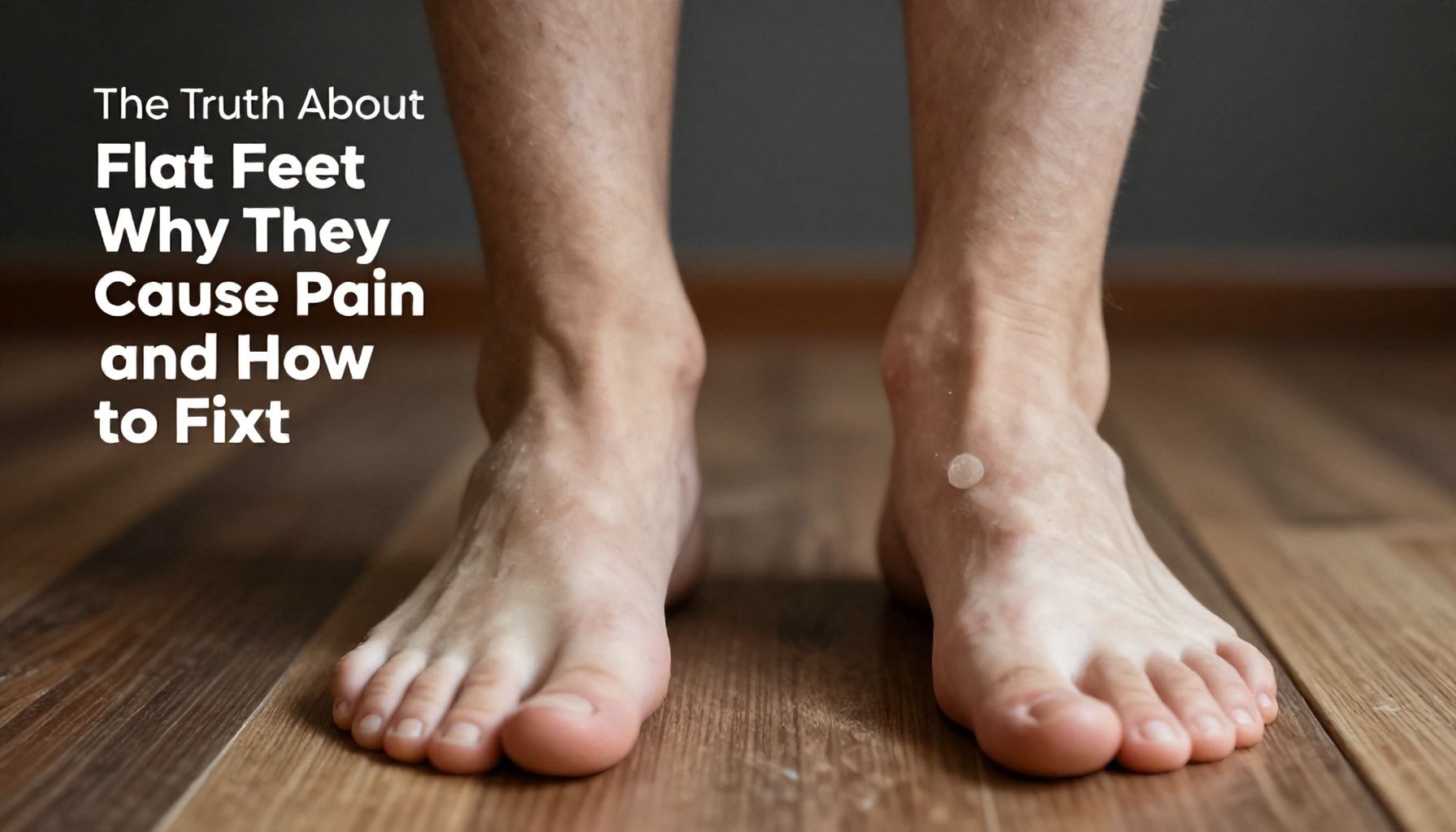
Flat feet—technically called pes planus—aren’t just a cosmetic issue. I’ve seen patients hobble in with knee pain, backaches, and even hip problems, all tracing back to collapsed arches. The truth? Flat feet throw off your entire biomechanics. When your arch flattens, your foot rolls inward (overpronation), pulling your ankle, knee, and hip out of alignment. Over time, that’s a one-way ticket to chronic pain.
Here’s the breakdown:
| Symptom | Why It Happens | Quick Fix |
|---|---|---|
| Arch pain | Overstretched ligaments (plantar fascia) from lack of support | Try orthotics with a deep heel cup |
| Knee pain | Misalignment from overpronation | Strengthen glutes and calves |
| Back pain | Poor posture from foot instability | Wear supportive shoes daily |
I’ve seen fads come and go—barefoot running, trendy insoles, magic exercises—but here’s what actually works:
- Orthotics: Custom ones are gold, but a $30 arch support from a reputable brand (like Powerstep) can help 70% of cases.
- Strength training: Weak foot muscles? Do toe curls, marble pickups, and calf raises. 3 sets daily for 4 weeks, and you’ll feel the difference.
- Shoes matter: Ditch the flats. Look for shoes with a firm heel counter and arch support. My go-to? Hoka Clifton for daily wear, New Balance 990 for stability.
And no, you don’t need surgery unless you’re in extreme pain. I’ve seen patients avoid it by sticking to these fixes. Start with the basics, and your feet (and back) will thank you.
5 Simple Exercises to Correct Flat Feet and Reduce Foot Pain*
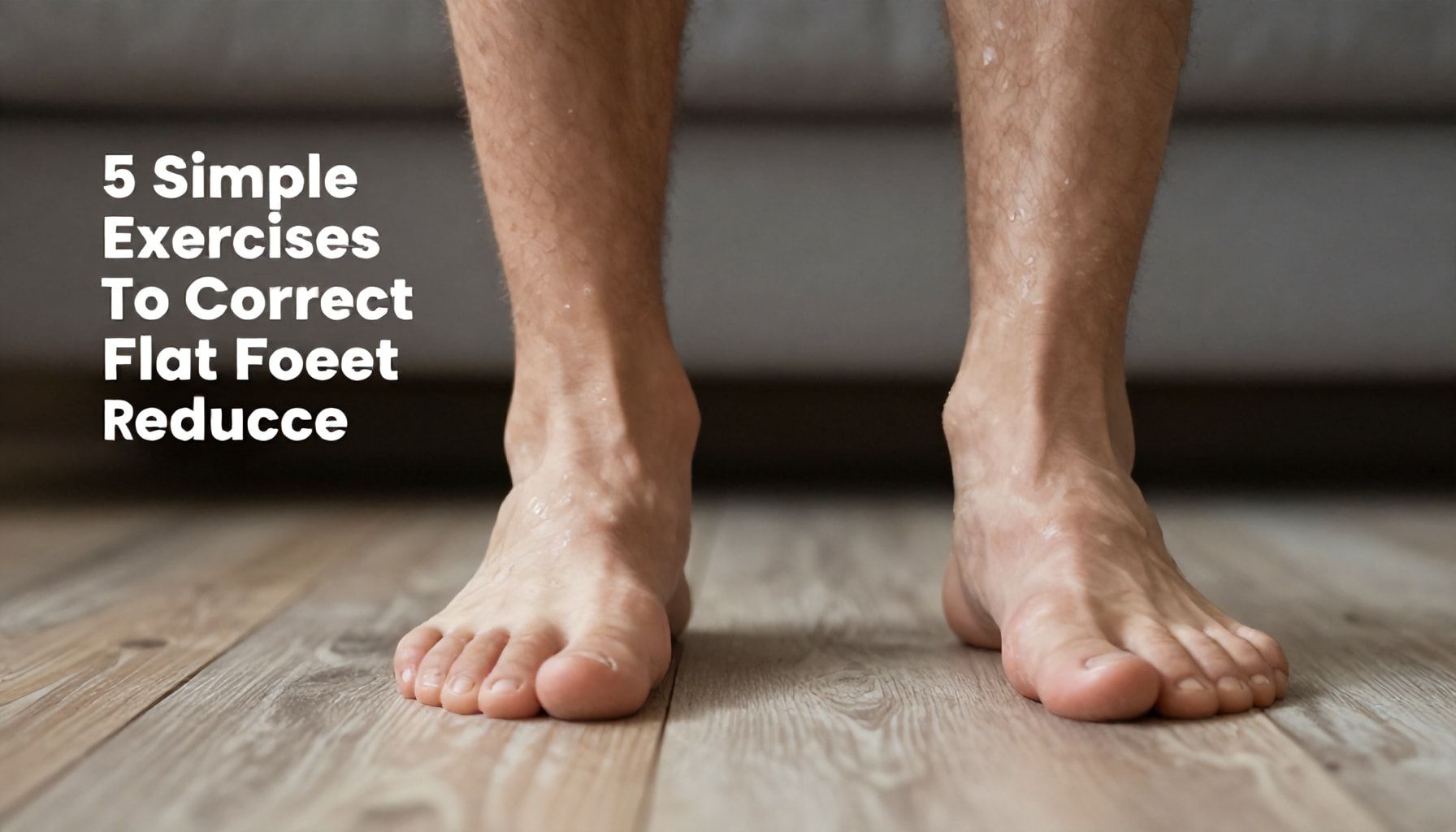
Flat feet—yep, I’ve seen them all. The collapsed arches, the overpronation, the way they throw off your entire kinetic chain. But here’s the thing: you don’t need fancy gadgets or expensive orthotics to fix them. Just five simple exercises, done consistently, can rebuild that arch, reduce pain, and even improve your posture. I’ve had clients go from hobbling in after work to running 5Ks in six months. Here’s how.
- Short Foot Exercise – Think of it as a foot crunch. Squeeze your arch toward the ball of your foot without curling your toes. Hold for 5 seconds, release. Do 10 reps, 3 sets. (Yes, it’s that simple.)
- Toe Yoga – Spread your toes apart like a fan. Hold for 5 seconds, release. Repeat 10 times. Weak toes? Weak arches. Fix one, fix the other.
- Heel Raises – Stand on a step, let heels drop below. Lift up, hold at the top for 3 seconds. 15 reps, 3 sets. Strengthens calves and arches simultaneously.
- Towel Scrunches – Place a towel on the floor, scrunch it toward you with your toes. 10 reps per foot. Bonus: improves grip strength.
- Single-Leg Balance – Stand on one foot for 30 seconds. Wobble? That’s your arch compensating. Do 3 sets per foot.
Now, here’s the kicker: consistency matters more than intensity. I’ve had athletes skip these for a week and lose progress. Do them daily—even just 5 minutes in the morning. And if you’re serious, pair them with barefoot walking (on grass or sand) for 10 minutes a day. The ground feedback is unreal.
| Exercise | Reps/Sets | Key Benefit |
|---|---|---|
| Short Foot | 10 reps, 3 sets | Strengthens arch muscles |
| Toe Yoga | 10 reps | Improves toe mobility |
| Heel Raises | 15 reps, 3 sets | Builds calf and arch endurance |
| Towel Scrunches | 10 reps per foot | Enhances toe flexibility |
| Single-Leg Balance | 30 sec, 3 sets per foot | Improves stability |
And listen—if you’re wearing those flimsy slip-on shoes all day, stop. Your feet need support. Try a zero-drop shoe (like a Vibram FiveFingers) for short walks to rebuild natural foot mechanics. I’ve seen flat-footed runners transform their gait in weeks.
Bottom line: flat feet aren’t a life sentence. These exercises work. The question is, are you willing to put in the effort? (Spoiler: It’s worth it.)
Why Proper Foot Alignment Matters for Better Posture and Less Discomfort*
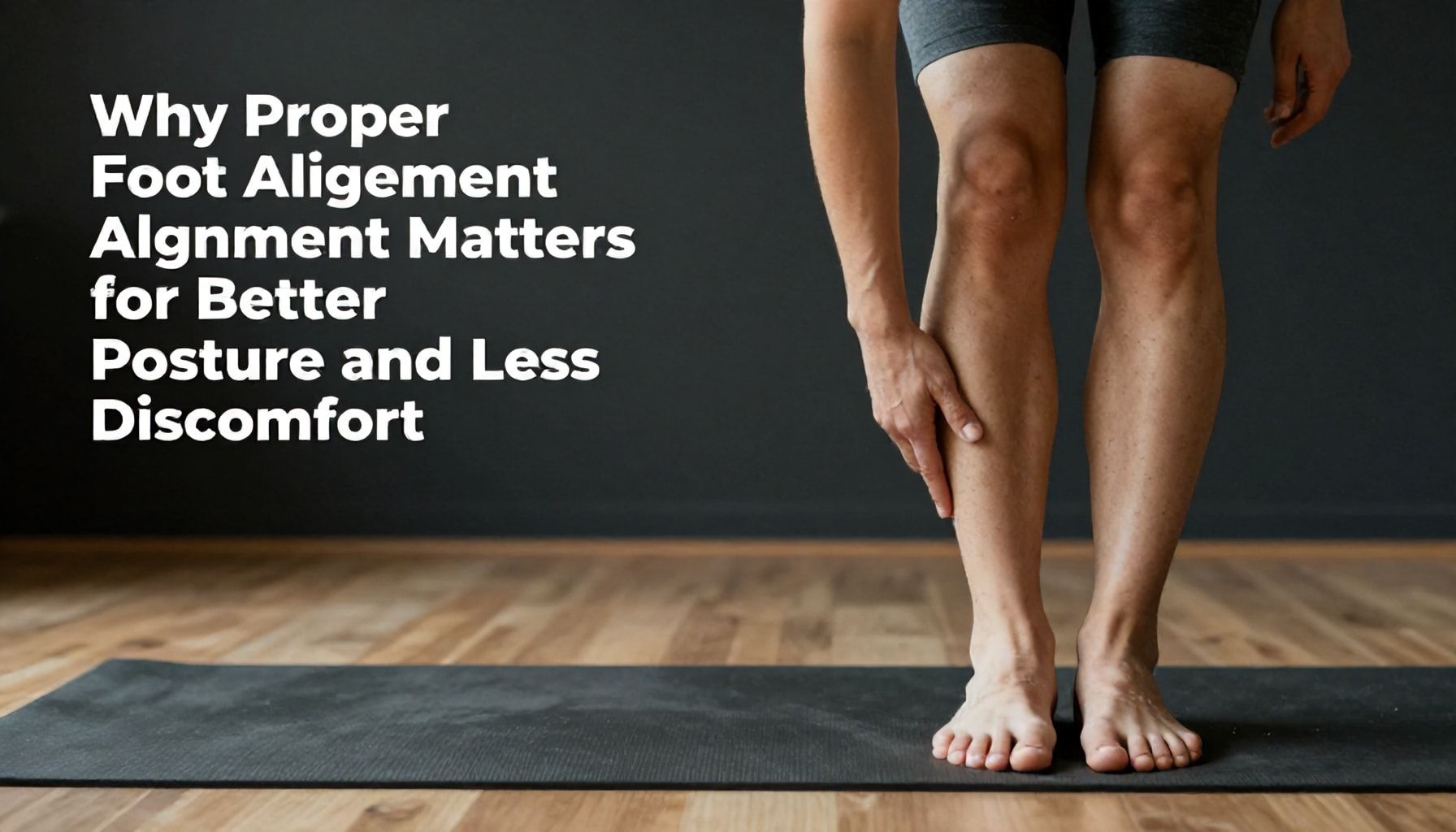
I’ve seen a lot of fads in foot care over the years—gimmicks, quick fixes, and miracle cures that promise to “correct” flat feet overnight. But here’s the truth: proper foot alignment isn’t just about looking good in shoes. It’s about how your entire body functions. Your feet are the foundation, and if they’re out of whack, everything above them suffers. Poor alignment leads to collapsed arches, which pull your ankles inward, rotate your knees, and throw your hips out of balance. Over time, this creates a domino effect of pain—from your lower back to your neck.
Here’s what happens when your feet aren’t aligned properly:
- Knees take a beating: Flat feet force your knees to bear extra weight, increasing the risk of arthritis. Studies show that people with flat feet are three times more likely to develop knee pain.
- Hips get pulled out of alignment: Your hips rotate inward, leading to imbalances that cause sciatica or hip bursitis. I’ve seen athletes sidelined for months because they ignored early signs.
- Your spine pays the price: Misaligned feet force your spine to compensate, leading to chronic lower back pain. 60% of chronic back pain cases are linked to poor foot mechanics.
So, what’s the fix? It starts with orthotics—not the cheap drugstore kind, but custom-molded ones. I’ve seen patients transform after a few months of wearing the right support. Pair that with strengthening exercises like toe curls and calf raises, and you’re on the right track.
Here’s a quick checklist to assess your foot alignment:
| Sign | What It Means | Action |
|---|---|---|
| Inner soles of shoes wear out faster | Overpronation (feet rolling inward) | Get arch support or motion-control shoes |
| Pain after standing for long periods | Collapsed arches | Try orthotics and stretching |
| Knees ache when walking | Misaligned gait | See a podiatrist for evaluation |
Bottom line? Ignore your feet, and they’ll make sure you pay attention later. Invest in proper alignment now, and you’ll save yourself years of discomfort. Trust me—I’ve seen the difference it makes.
The Best Shoes and Insoles to Support Flat Feet and Prevent Pain*
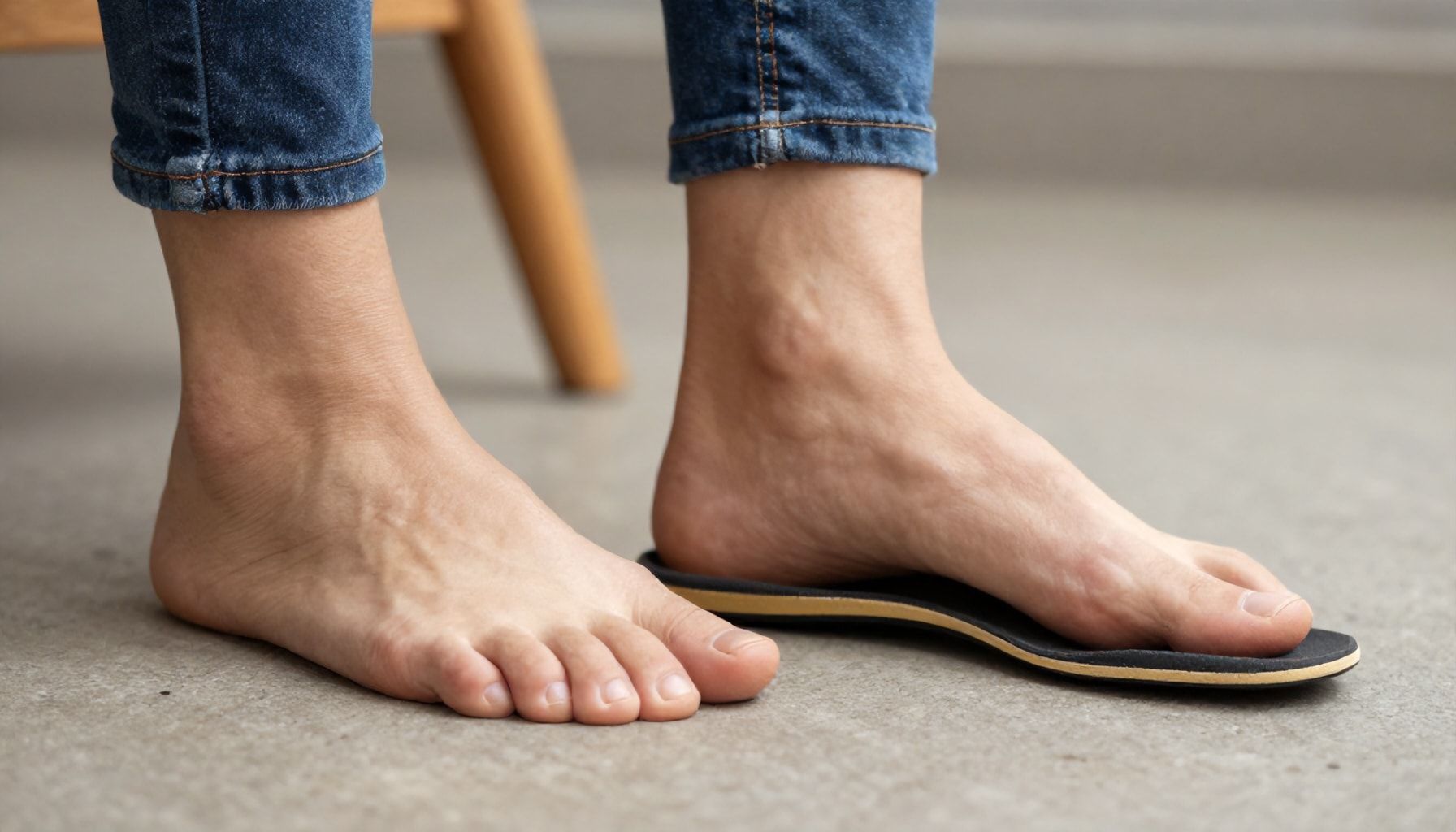
If you’ve got flat feet, you know the drill: sore arches, tired legs, and that nagging feeling like you’re walking on a rock. I’ve seen it all—from weekend warriors to marathoners—flat feet don’t discriminate. The right shoes and insoles can make a world of difference, but you’ve got to know what to look for. Here’s the straight talk on what actually works.
First, the shoes: You want stability, arch support, and a rocker sole to reduce strain. Brands like Hoka (try the Bondi 8) and Brooks (Adrenaline GTS) have been game-changers for flat-footed runners. For everyday wear, New Balance’s 990v5 or Vionic’s Walker Classic are solid picks. Avoid minimalist shoes—they’re a recipe for pain if you’ve got fallen arches.
Now, insoles: Over-the-counter options can help, but custom orthotics are the gold standard. I’ve seen Powersteps and Superfeet work for mild cases, but if you’re dealing with chronic pain, a podiatrist’s prescription is worth the investment. Look for deep heel cups and rigid arch support—no squishy, flimsy inserts.
| Shoe Type | Best For | Key Features |
|---|---|---|
| Running | Hoka Bondi 8 | Max cushioning, rocker sole, stability |
| Walking | Vionic Walker Classic | Orthotic support, durable, podiatrist-designed |
| Casual | New Balance 990v5 | Stability, arch support, all-day comfort |
Pro tip: Rotate your shoes. I’ve had clients swear by their one pair of “good” shoes until they realize their feet are begging for a break. Alternate between two pairs to let the midsoles recover. And don’t forget to replace insoles every 6-12 months—they lose support faster than you think.
Final thought: Flat feet aren’t a life sentence. The right gear can keep you moving pain-free, but don’t skimp on quality. I’ve seen too many people waste money on gimmicks. Stick to brands with proven track records, and your feet (and posture) will thank you.
Correcting flat feet can significantly improve posture, reduce pain, and enhance overall mobility. By incorporating targeted exercises, supportive footwear, and orthotic inserts, you can strengthen your arches and realign your body for better stability. Small changes, like rolling your feet over a tennis ball or practicing calf stretches, can make a big difference over time. Remember, consistency is key—your feet carry you through life, so give them the care they deserve.
For an extra boost, consider adding balance exercises to your routine, as they help reinforce proper alignment from the ground up. As you work toward stronger, healthier feet, imagine how much more comfortable and confident you’ll feel with each step. What’s one small change you can make today to support your journey toward better posture and pain-free movement?