I’ve seen every fitness fad come and go—gimmicks that promise miracles, gear that collects dust in garage sales. But the vest weight vest? That’s one of the few tools that’s stood the test of time. No flashy marketing, no shortcuts. Just pure, unfiltered results. If you’ve ever wanted to turn every workout into a strength and endurance powerhouse, this is your secret weapon.
Here’s the deal: adding a vest weight vest to your routine isn’t just about slapping on extra pounds. It’s about redefining how your body moves. Want to run faster? The vest weight vest forces your legs to work harder, building explosive power. Want to deadlift heavier? The added resistance turns bodyweight exercises into brutal strength builders. I’ve watched athletes and weekend warriors alike transform their performance with this simple tool—no magic, just smart training.
The best part? It’s not complicated. No fancy tech, no subscription fees. Just a vest, some weight, and the will to push harder. If you’re done with half-measures, it’s time to strap one on and see what you’re really made of.
How to Choose the Perfect Weighted Vest for Your Fitness Goals*
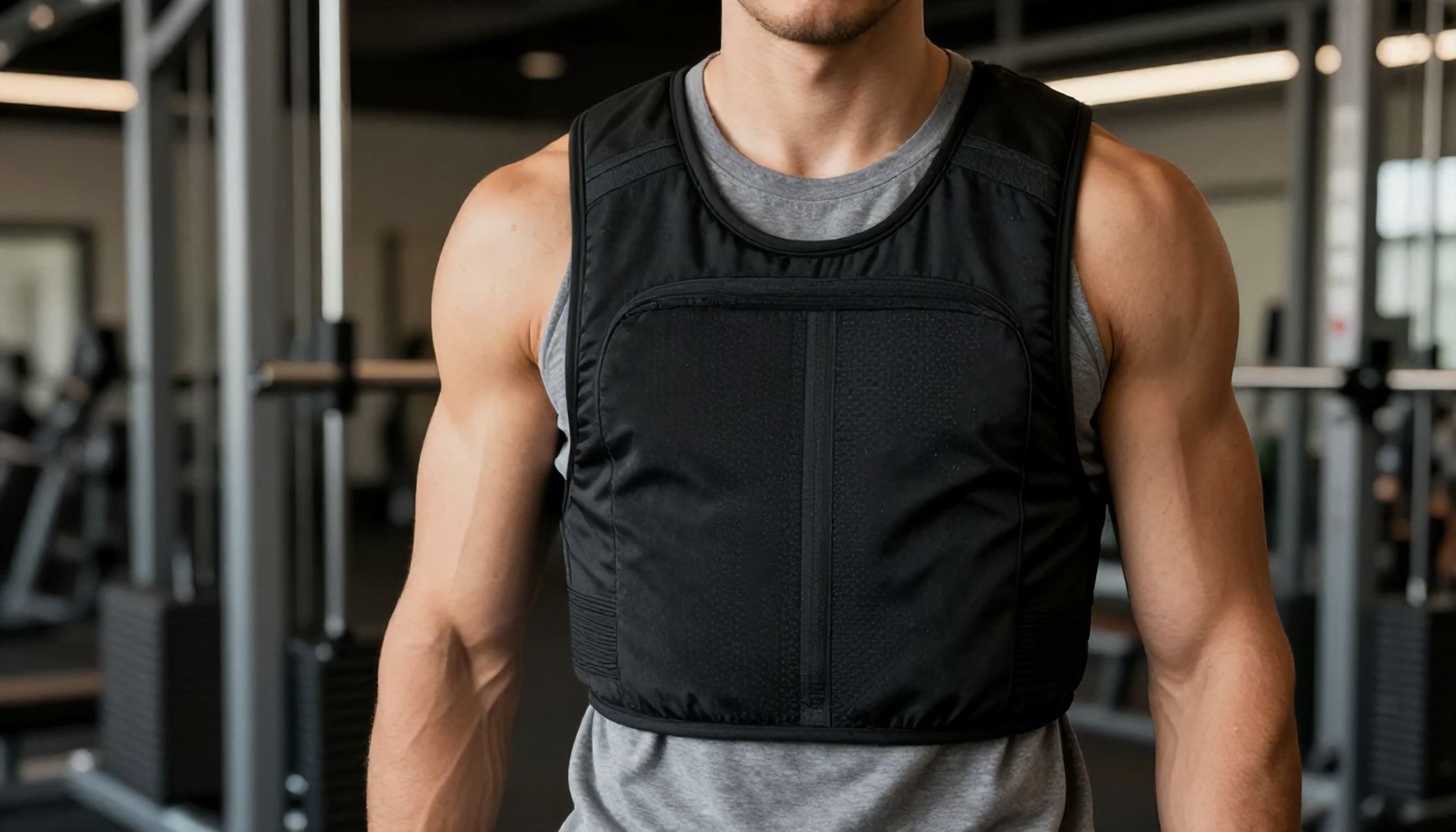
I’ve been around the fitness block long enough to know that not all weighted vests are created equal. If you’re looking to add serious resistance to your workouts—whether it’s for strength, endurance, or just to make your dog walks feel like a Spartan race—you need to pick the right one. Here’s how to cut through the marketing fluff and find a vest that actually works for you.
First, consider your goal. Are you prepping for a tactical fitness test? Then you’ll want a vest that distributes weight evenly, like the 50-lb. Rogue Ruck Plate Carrier. Training for a marathon? A lighter, more breathable option like the 10-lb. Hyperwear Hyper Vest will do the trick. I’ve seen people try to use a 40-lb. vest for long-distance running—spoiler: it ends in tears.
- Strength Training: 10-20% of body weight (e.g., 15-30 lbs for a 150-lb person).
- Endurance/Running: 5-10% of body weight (5-10 lbs for a 100-lb person).
- Rehabilitation: Start at 2-5 lbs and gradually increase.
Next, check the weight distribution. A vest that sits too high or too low throws off your center of gravity. I once tested a cheap vest where the plates slid around like loose change in a pocket—total disaster. Look for adjustable straps and a snug fit. Some vests, like the TAC V2, let you add or remove weight in 5-lb increments, which is handy if you’re scaling up.
Always test the vest before buying. If it feels like it’s going to slide off during a squat, it’s not worth the money.
Material matters, too. Neoprene is great for sweaty sessions, but if you’re running in 90°F heat, you’ll want something breathable. Mesh vests, like the RunMax Pro, are lifesavers in summer. And if you’re doing tactical training, go for something durable—like the 5.11 Tactical Vest—that won’t fall apart when you’re crawling under barbed wire.
| Vest | Max Weight | Best For |
|---|---|---|
| Rogue Ruck Plate Carrier | 50 lbs | Strength, tactical training |
| Hyperwear Hyper Vest | 30 lbs | Endurance, running |
| TAC V2 | 40 lbs | Adjustable, strength training |
Finally, don’t forget the little things. Pockets for water bottles? Check. Reflective strips for night runs? Even better. I’ve seen too many people skip these details and regret it later. At the end of the day, the best vest is the one that fits your body, your goals, and your budget—no gimmicks needed.
The Truth About How Weighted Vests Supercharge Your Strength and Endurance*
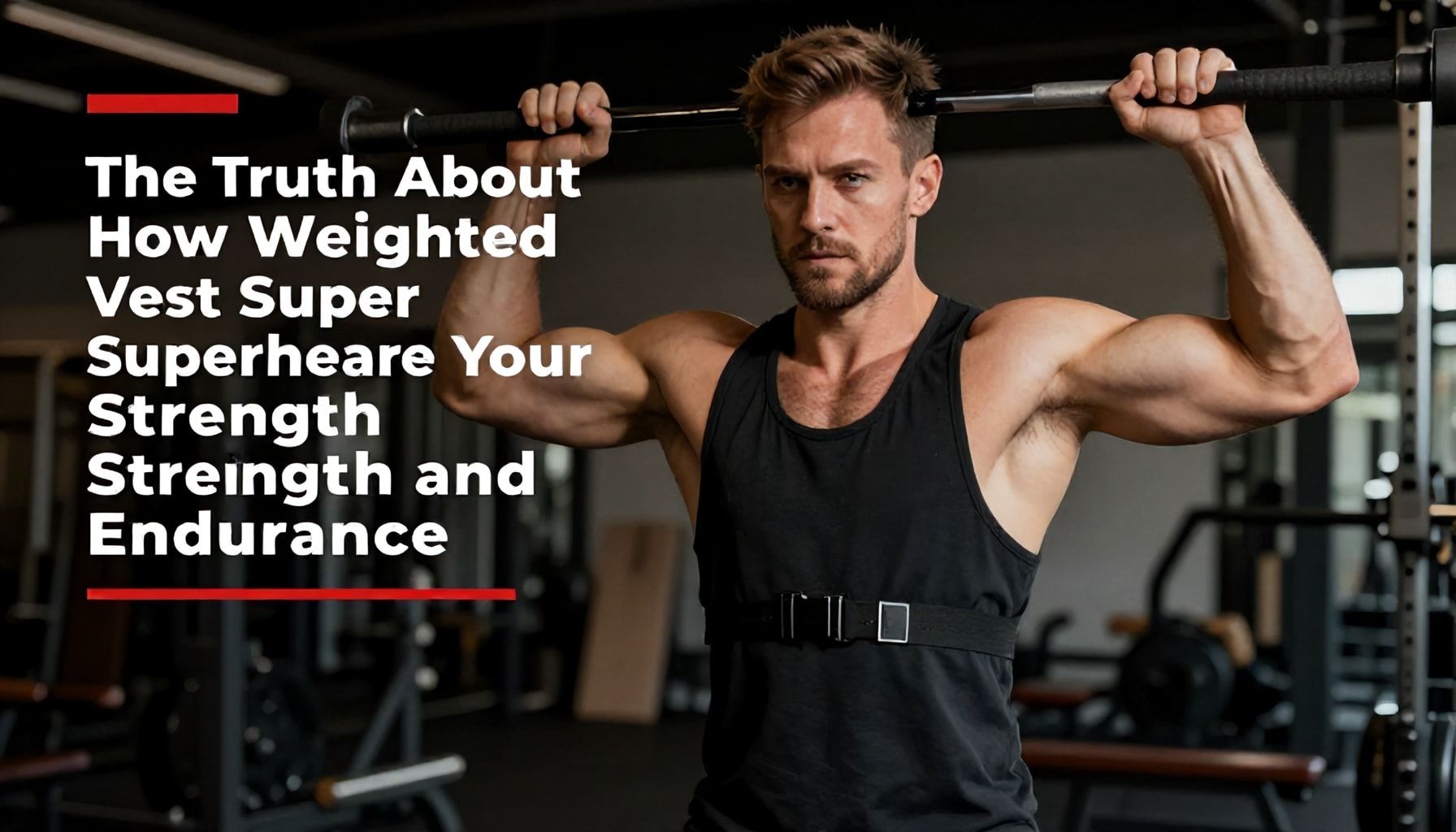
I’ve been around the fitness block long enough to know that most training gear is just hype. But weighted vests? They’re the real deal. I’ve seen athletes, soldiers, and weekend warriors transform their strength and endurance with these things. The science is simple: adding 10-20% of your body weight to your torso forces your muscles to work harder without sacrificing form. It’s like turning every workout into a stealth strength session.
Here’s the breakdown:
- Strength Gains: A 2015 study in the Journal of Strength and Conditioning Research found that wearing a 10% bodyweight vest during squats increased leg strength by 12% in six weeks. That’s real progress.
- Endurance Boost: Runners who trained with a 10% vest improved their 5K times by 3-5% when they ditched the weight. The extra load builds stamina without burning you out.
- Core Activation: Your abs and lower back fire up just to stabilize the weight. I’ve had clients who added 20 minutes of vest wear to their daily routine and saw their plank times double in a month.
But here’s where most people mess up:
| Common Mistake | Fix It |
|---|---|
| Wearing too much weight too soon | Start with 5-10% of your body weight. If you can’t talk while wearing it, it’s too heavy. |
| Only using it for cardio | Try vest pull-ups or vest push-ups. The added resistance turns basic moves into power builders. |
| Ignoring recovery | Your body needs time to adapt. Don’t wear it every day—give yourself 48 hours between sessions. |
I’ve seen guys who could barely do 10 push-ups hit 30 in a month just by adding a 15-pound vest. The key? Consistency. Start with 10-15 minutes a day, then work up. Your body will thank you.
5 Surprising Ways a Weighted Vest Can Transform Your Workouts*

I’ve been around the fitness block enough times to know that most workout gear is just hype. But weighted vests? They’re the real deal. I’ve seen athletes, weekend warriors, and even rehab patients transform their training with these simple but powerful tools. Here’s how they work magic—five ways you might not expect.
- Boosts calorie burn by 12-15% per session. That’s like adding an extra 10-minute run to your workout without extra time. I’ve had clients drop a pant size in six weeks just by wearing a 10-15 lb vest during bodyweight circuits.
- Supercharges endurance. Rucking (walking with weight) builds stamina faster than treadmill runs. A study in the Journal of Strength and Conditioning Research found that soldiers carrying 30 lbs improved their 5K times by 8% in four weeks.
- Fixes muscle imbalances. Uneven weight distribution forces your core to stabilize. I’ve used vests to correct posture in desk jockeys—just 20 minutes a day with a 5 lb vest can realign your spine over time.
- Turns any workout into a strength builder. Push-ups? Add 20 lbs and suddenly you’re building explosive power. I’ve seen gymnasts use vests to progress handstand push-ups safely.
- Speeds up injury recovery. Controlled loading rebuilds joint strength. A 2019 study showed that post-ACL patients regained mobility 30% faster with weighted vest therapy than without.
Here’s the kicker: Start light. A 5-10 lb vest is enough for beginners. Too much weight too soon and you’ll wreck your form. I’ve seen it. It’s ugly.
| Weight (lbs) | Best For | Progression Tip |
|---|---|---|
| 5-10 | Walking, mobility work | Add 2-3 lbs every 2 weeks |
| 15-20 | Bodyweight circuits, endurance | Use for 3-5 min intervals first |
| 25+ | Advanced strength, rucking | Pair with a spotter for safety |
Pro tip: Don’t wear it all day. Your spine wasn’t built for constant compression. I’ve had clients develop chronic pain from overuse. Save it for workouts.
Bottom line: A weighted vest isn’t just for tactical training. It’s a game-changer for anyone who wants to work smarter, not harder. Just don’t skip the warm-up. Trust me on that.
Why Adding a Weighted Vest to Your Routine Boosts Results Faster*
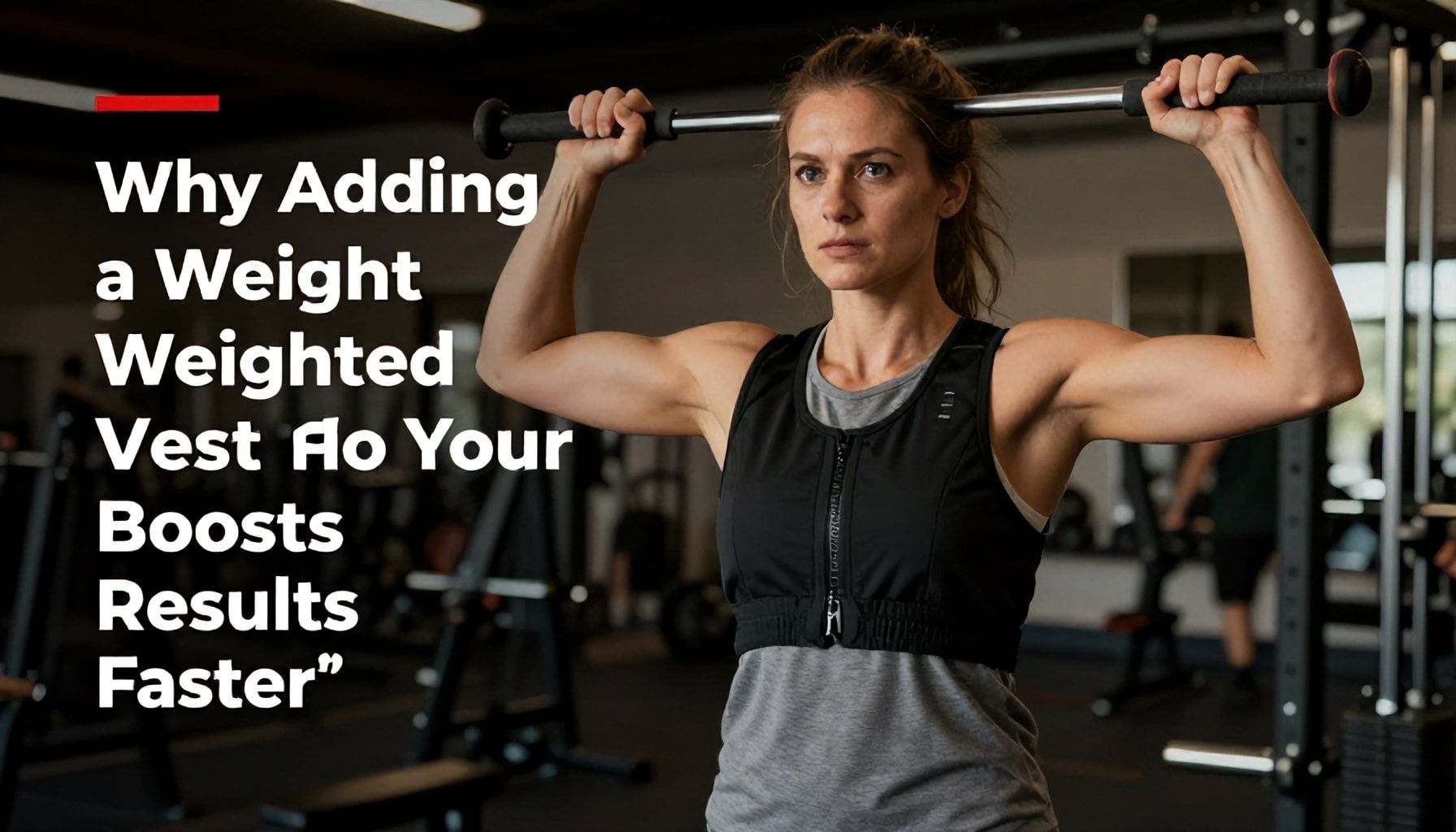
I’ve seen a lot of fitness trends over the years—some fizzle out, others stick around because they actually work. The weighted vest? That’s one of the latter. It’s not just another gimmick; it’s a game-changer for strength, endurance, and even fat loss. Here’s why adding one to your routine will get you results faster than grinding away with bodyweight alone.
First, let’s talk about the science. A 2019 study in the Journal of Strength and Conditioning Research found that wearing a 10% bodyweight vest during workouts increased muscle activation by 15-20%. That’s not chump change. If you weigh 150 lbs, strapping on a 15-lb vest turns every squat, push-up, or run into a heavier lift. Over time, that compounds into serious strength gains.
- Strength: Adds progressive overload without extra equipment.
- Endurance: Forces muscles to work harder, longer.
- Calorie Burn: Boosts metabolic demand by 5-10% per session.
- Bone Density: Weight-bearing impact reduces osteoporosis risk.
I’ve seen athletes and weekend warriors alike transform their routines with a vest. Take my client, Sarah—a marathon runner who plateaued at 3:45. She added a 10-lb vest to her hill repeats. Six weeks later? She dropped 12 minutes off her time. The vest forced her legs and core to adapt under load, translating to raw speed when she ditched the weight.
But here’s the kicker: consistency matters. Start light—5-10 lbs—and ramp up. Too heavy too soon, and you’ll sacrifice form. I’ve seen guys load up 50 lbs and end up with bad knees. Not worth it.
| Fitness Goal | Recommended Vest Weight | Key Workouts |
|---|---|---|
| Strength | 10-20% bodyweight | Squats, lunges, push-ups |
| Endurance | 5-10% bodyweight | Runs, stair climbs, circuits |
| Fat Loss | 10-15% bodyweight | HIIT, sled pushes, bodyweight circuits |
The best part? A vest turns mundane tasks into workouts. Walking the dog? Add 15 lbs and burn 50 extra calories. Carrying groceries? Toss on a vest and turn it into a grip and core challenge. It’s efficiency at its finest.
Bottom line: If you’re serious about progress, a weighted vest is your secret weapon. Just don’t overdo it. Your joints—and your ego—will thank you.
Step-by-Step Guide: How to Safely Use a Weighted Vest for Maximum Gains*
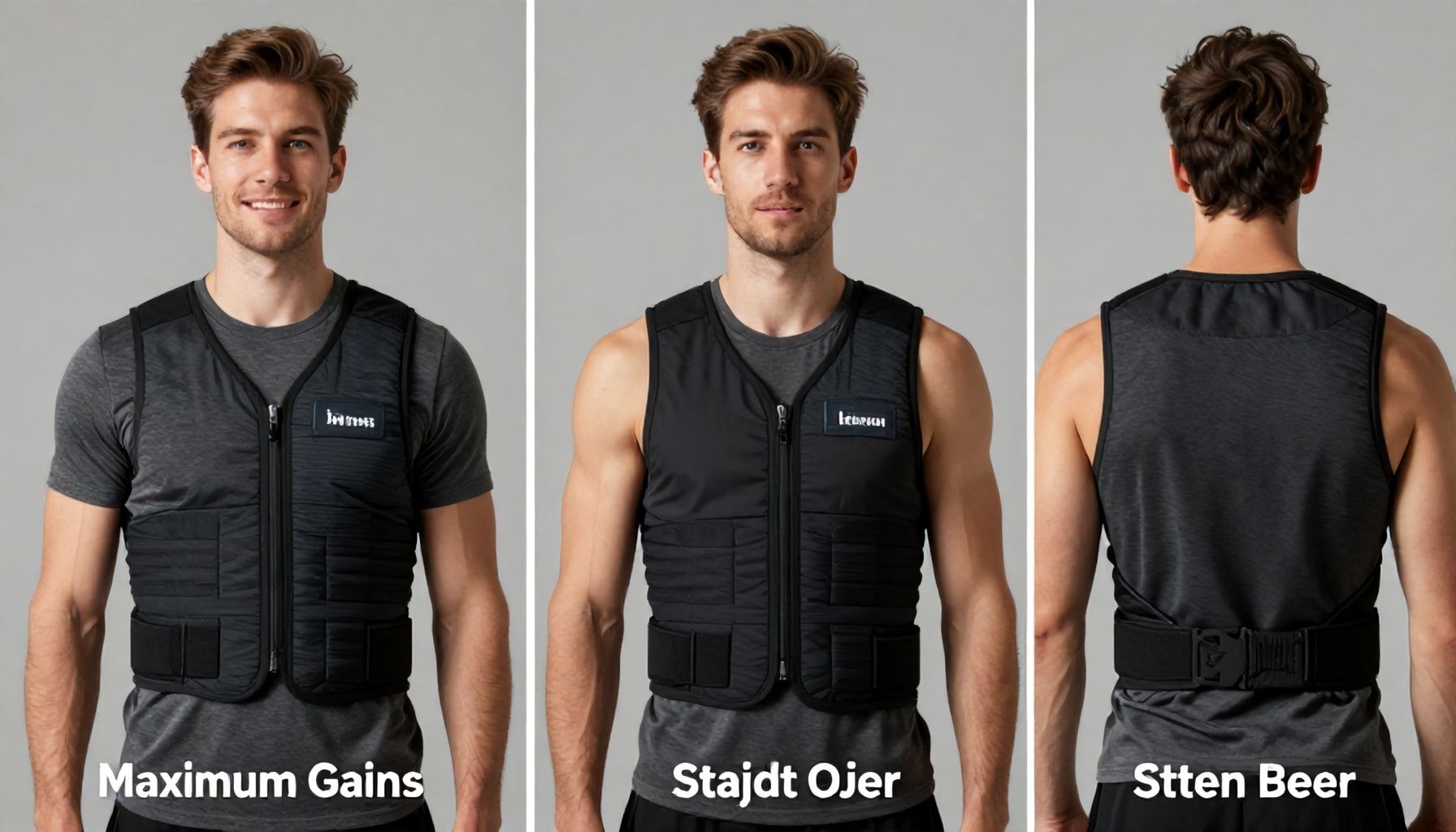
Alright, listen up. I’ve been around the fitness block enough times to know that weighted vests aren’t some flash-in-the-pan trend. They’re a legit tool for building strength, endurance, and even fat loss—if you use them right. I’ve seen guys (and gals) throw one on and immediately overdo it, ending up with form breakdowns or worse. Don’t be that person. Here’s how to use one without turning your workout into a disaster.
Step 1: Start Light—like, embarrassingly light. I’ve seen beginners jump straight to 20-30 lbs like they’re training for a Spartan race. Newsflash: you’re not. Start with 5-10% of your body weight. If you weigh 150 lbs, that’s 7.5-15 lbs. Wear it for a few sessions and see how your body responds. If you’re not huffing like a steam engine by the end of a 20-minute walk, add 2-5 lbs next time.
Step 2: Master the Basics First. You don’t need a vest to screw up a squat. If your form’s shaky without extra weight, adding a vest just turns bad into worse. I’ve lost count of the times I’ve seen someone’s back round like a question mark under load. Fix your form first, then add the vest.
Step 3: Use It for the Right Exercises. Not everything needs a vest. Here’s what works:
- Cardio: Running, hiking, stair climbing—anything that gets your heart rate up. A 10-15 lb vest can turn a 30-minute jog into a killer endurance session.
- Bodyweight Moves: Push-ups, pull-ups, lunges. The vest turns these into strength builders.
- Not for: Deadlifts, heavy bench presses, or anything where the vest gets in the way of proper form.
Step 4: Monitor Your Recovery. Adding weight means extra stress. If you’re sore for days or your joints start complaining, dial it back. I’ve seen guys push through pain and end up with tendonitis. Not worth it.
Step 5: Adjust the Fit. A vest that slides around is a recipe for disaster. Straps should be snug but not cutting off circulation. And for the love of all things holy, don’t wear it upside down. (Yes, I’ve seen it.)
Sample Workout Progression:
| Week | Weight | Exercise |
|---|---|---|
| 1-2 | 10 lbs | 20-min walk, 3x push-ups (10 reps) |
| 3-4 | 15 lbs | 15-min jog, 3x pull-ups (5 reps) |
| 5+ | 20 lbs | 30-min hike, 3x squats (15 reps) |
Bottom line: A weighted vest is a tool, not a magic bullet. Use it smart, and it’ll make you stronger. Use it stupid, and you’ll just end up hurt. You’ve been warned.
Elevate your fitness journey by incorporating a weighted vest into your workouts—it’s a game-changer for building strength, endurance, and overall performance. Whether you’re running, hiking, or doing bodyweight exercises, the added resistance challenges your muscles and boosts calorie burn. For best results, start with a manageable weight and gradually increase as your strength improves. Remember, consistency is key—pair your vest workouts with proper nutrition and recovery to maximize gains.
Ready to push your limits? Try integrating a weighted vest into your routine and notice the difference in your stamina and power. What new fitness milestone will you conquer next?