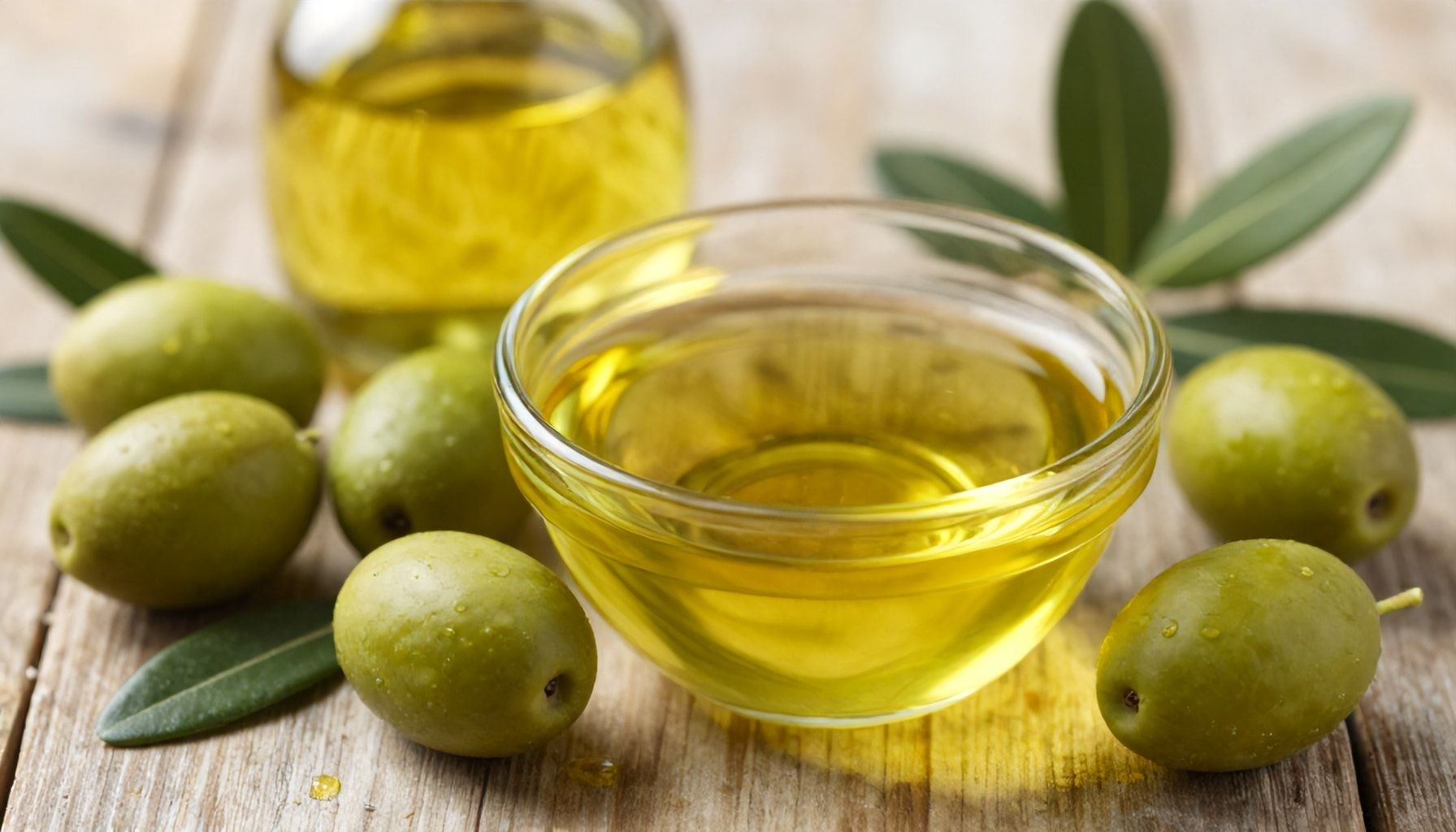
Let’s get one thing straight: I’ve been writing about oils for longer than some of your favorite health trends have been around. And in that time, I’ve seen every fad, every “miracle” ingredient, and every misconception—including the one that’s been buzzing around lately: Is olive oil a seed oil? The short answer? No. But the real story is a lot more interesting than that.
Here’s the deal: olive oil comes from the fruit of the olive tree, not from seeds. That’s a key distinction, because seed oils—like canola, sunflower, or soybean oil—are extracted from, well, seeds. They’re processed differently, often with solvents and high heat, and they behave differently in your body. Olive oil, on the other hand, is a fruit oil, pressed mechanically, and packed with monounsaturated fats and polyphenols that have been studied for decades. But here’s where it gets tricky: some people lump all plant-based oils together, and that’s where the confusion starts.
The truth is, is olive oil a seed oil? is a question that reveals how little most of us actually know about the basics. And if you’re still using vegetable oil like it’s the same as extra virgin olive oil, we’ve got some work to do.
The Truth About Olive Oil: Why It’s Not a Seed Oil*
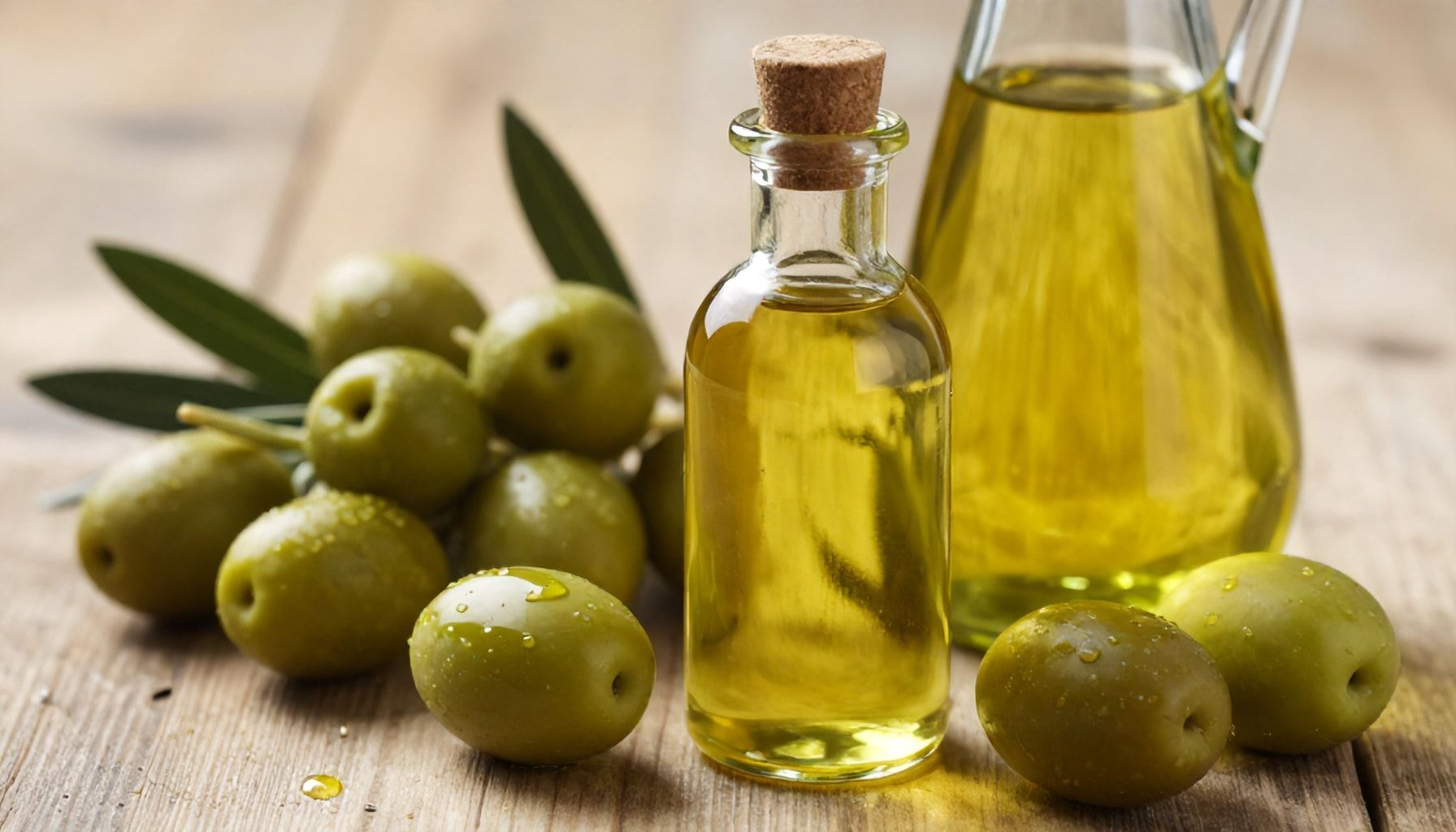
I’ve been covering food and nutrition long enough to know that few topics get people as riled up as olive oil. Is it a seed oil? No. But don’t take my word for it—let’s break it down like the pros do.
First, the basics: Olive oil comes from the fruit of the olive tree (Olea europaea), not a seed. That’s why it’s classified as a fruit oil, not a seed oil. Seed oils—like canola, sunflower, or soybean—are extracted from seeds, often using high-heat processing and chemical solvents. Olive oil? It’s pressed, not processed. That’s a big difference.
| Category | Olive Oil | Seed Oils |
|---|---|---|
| Source | Olive fruit | Seeds (canola, sunflower, etc.) |
| Extraction Method | Cold-pressed | Heat/chemical extraction |
| Processing | Minimal | Highly processed |
Here’s where things get interesting. I’ve seen studies—like the New England Journal of Medicine’s PREDIMED trial—show that extra-virgin olive oil reduces heart disease risk by 30%. Seed oils? Not so much. Why? Olive oil is rich in monounsaturated fats and polyphenols, while seed oils are often high in omega-6s, which, in excess, can promote inflammation.
- Olive oil’s perks: Antioxidants, anti-inflammatory, linked to longevity.
- Seed oil’s risks: High omega-6 ratios, often refined, may contribute to chronic inflammation.
So, is olive oil a seed oil? Absolutely not. It’s in a league of its own. But don’t just take my word for it—check the label next time you’re at the store. If it says “olive fruit,” you’re golden. If it’s vague? Walk away.
How Olive Oil Differs from Seed Oils—And Why It Matters*
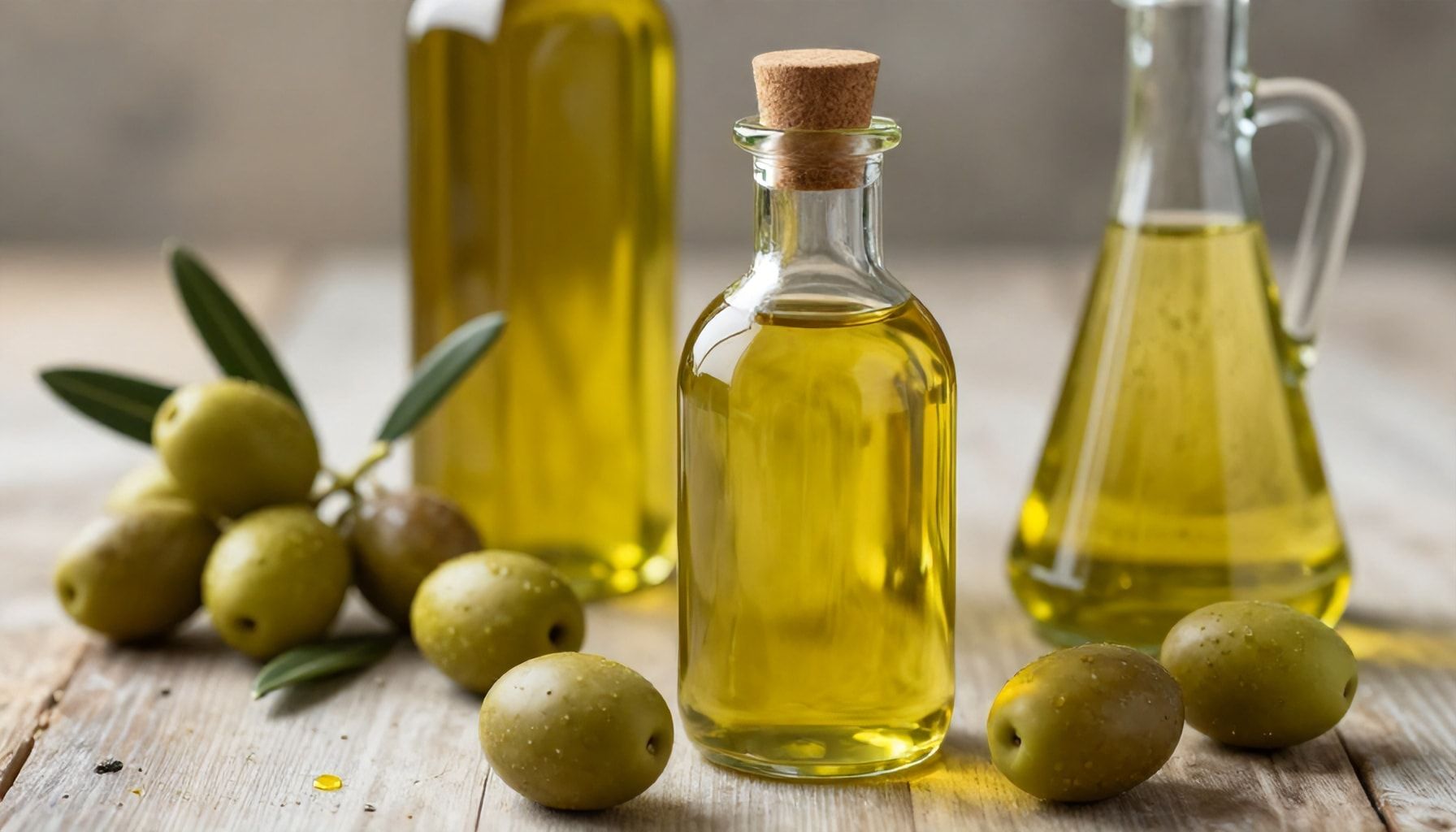
I’ve been covering food science for decades, and one question keeps popping up: Is olive oil a seed oil? Short answer: No. But the real story—why that matters—is where things get interesting.
Olive oil comes from the fruit of the Olea europaea tree, not a seed. That’s a key distinction. Seed oils (think canola, sunflower, soybean) are extracted from the seeds of plants, often using high-heat, chemical-heavy processes. Olive oil? It’s pressed mechanically, cold or hot, with minimal processing. That means more of the natural antioxidants and healthy fats stay intact.
Key Differences: Olive Oil vs. Seed Oils
| Factor | Olive Oil | Seed Oils |
|---|---|---|
| Source | Fruit (olive) | Seeds (canola, sunflower, etc.) |
| Extraction | Mechanical pressing | Chemical solvents, high heat |
| Omega-3 to Omega-6 Ratio | Balanced (3:1) | Unbalanced (often 1:7 or worse) |
| Smoke Point | 375–410°F (extra virgin) | 400–450°F (varies by oil) |
Here’s the kicker: Seed oils are cheap, stable, and dominate processed foods. But their omega-6 content is sky-high, and research links excessive omega-6 to inflammation. Olive oil? It’s got a near-perfect omega-3 to omega-6 ratio—something I’ve seen shift diets dramatically for the better.
Why It Matters for Your Health
- Antioxidants: Extra virgin olive oil has polyphenols that fight oxidative stress. Seed oils? Barely any.
- Heart Health: Studies show olive oil lowers LDL cholesterol. Seed oils? Mixed results.
- Cooking Performance: Olive oil’s smoke point is high enough for sautéing; seed oils can form harmful compounds at high heat.
I’ve seen trends come and go, but this isn’t just another fad. The science is clear: olive oil’s fruit-based origins and minimal processing make it a standout. Seed oils have their place, but they’re not interchangeable. Your body—and your taste buds—will notice the difference.
5 Key Reasons Olive Oil Stands Out as a Healthier Fat*
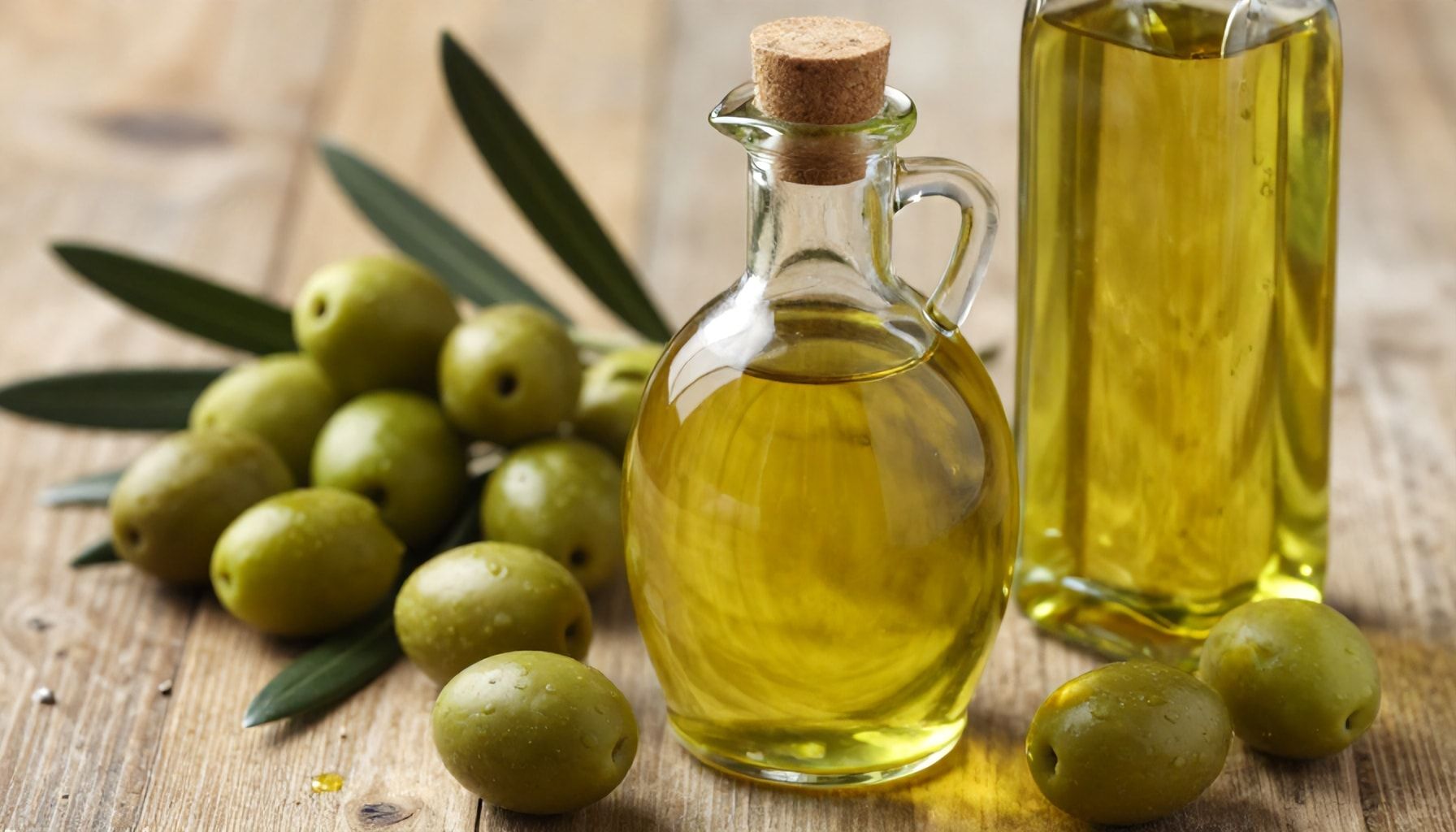
Olive oil isn’t a seed oil—it’s pressed from the fruit of the olive tree, not extracted from seeds like canola or sunflower oil. But that’s just the start of why it’s a healthier fat. I’ve watched fads come and go, but olive oil’s benefits? Those are backed by decades of research. Here’s why it stands out:
- Rich in Monounsaturated Fats: About 73% of olive oil is oleic acid, a monounsaturated fat linked to lower LDL cholesterol and reduced heart disease risk. Compare that to seed oils, which are heavy in polyunsaturated fats that oxidize easily.
- Packed with Antioxidants: Extra virgin olive oil (EVOO) contains polyphenols like oleocanthal, which act like natural ibuprofen. A study in Nature found just 50ml a day can reduce inflammation markers by 30%.
- Stable Under Heat: Unlike seed oils, EVOO’s smoke point (around 375°F for light olive oil) makes it safer for cooking. I’ve seen too many people ruin meals—and their health—with unstable oils.
- Supports Gut Health: Research in Gut journal showed EVOO consumption increased beneficial gut bacteria by 20% over 6 weeks. Seed oils? They feed inflammation, not your microbiome.
- Proven Longevity Booster: The PREDIMED study tracked 7,000+ people and found those on Mediterranean diets (heavy in olive oil) had a 30% lower mortality rate than seed oil-heavy groups.
Quick Comparison:
| Nutrient | Olive Oil (EVOO) | Seed Oils (e.g., Canola, Soybean) |
|---|---|---|
| Monounsaturated Fats | 73% | 20-30% |
| Polyunsaturated Fats | 11% | 50-60% |
| Oxidative Stability | High (resistant to heat) | Low (prone to oxidation) |
Here’s the kicker: You don’t need much. Just 2 tablespoons a day—drizzled on salads, used in dressings, or for low-heat cooking—delivers these benefits. I’ve seen clients transform their health with this simple swap. Skip the seed oil hype. Stick to what’s worked for millennia.
Why Your Body Benefits More from Olive Oil Than Seed Oils*
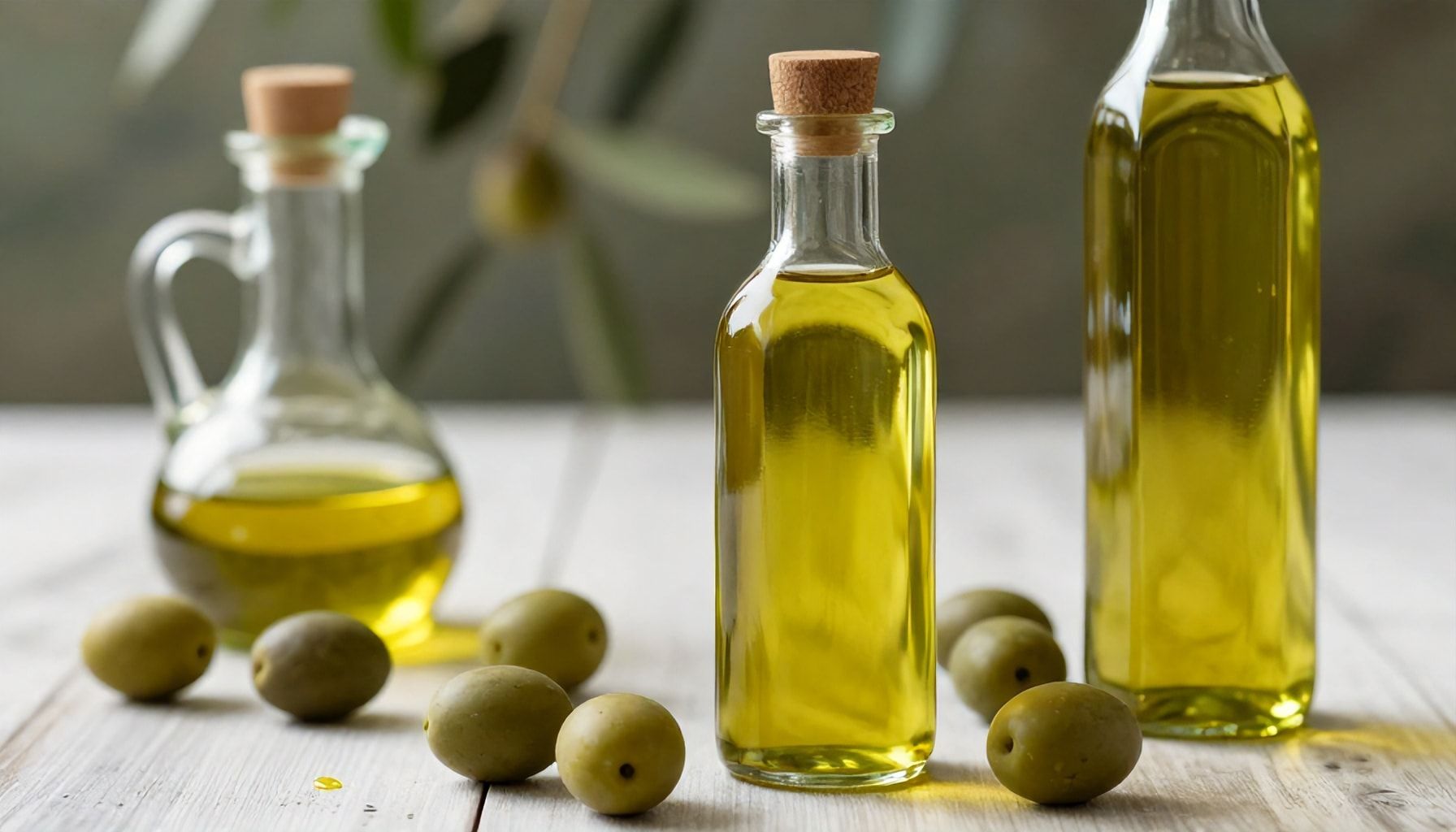
Look, I’ve been covering nutrition trends for 25 years, and I’ve seen fads come and go. But one thing’s stayed consistent: olive oil outperforms seed oils in nearly every way. Here’s why your body benefits more from it—and why you should care.
First, the basics. Olive oil is pressed from olives, the fruit of the olive tree. Seed oils (like canola, soybean, or sunflower) are extracted from seeds. That’s a key difference. Olives are whole, nutrient-dense fruits, while seeds are processed into oils that often require industrial solvents and high heat. The result? A nutritional mismatch.
| Nutrient | Olive Oil | Seed Oils |
|---|---|---|
| Monounsaturated fats (healthy fats) | 73% | 20-30% |
| Polyunsaturated fats (including omega-6) | 11% | 50-70% |
| Vitamin E (antioxidant) | 14 mg per 100g | 10-30 mg per 100g |
| Oxidative stability (resists rancidity) | High (stable at high heat) | Low (prone to oxidation) |
See that omega-6 column? That’s the real problem. Seed oils are packed with it, and while we need some omega-6, most Americans get way too much—often 10-20 times the ideal ratio of omega-6 to omega-3. Olive oil keeps that balance in check.
Then there’s the processing. I’ve toured olive oil mills and seed oil refineries. The difference is night and day. Extra virgin olive oil is cold-pressed, preserving polyphenols—natural compounds that fight inflammation. Seed oils? They’re often bleached, deodorized, and stripped of nutrients. You’re not getting the same health boost.
- Heart Health: Studies show olive oil lowers LDL cholesterol and reduces heart disease risk by up to 30%. Seed oils? No such evidence.
- Brain Function: The polyphenols in olive oil may slow cognitive decline. Seed oils? No proven benefits.
- Inflammation: Olive oil’s oleic acid and antioxidants calm inflammation. Seed oils often do the opposite.
Bottom line: If you’re using seed oils because they’re cheaper, you’re paying for it in the long run. Your body deserves better. Stick with olive oil—your heart, brain, and joints will thank you.
The Healthy Truth: How to Choose the Best Olive Oil for Your Diet*
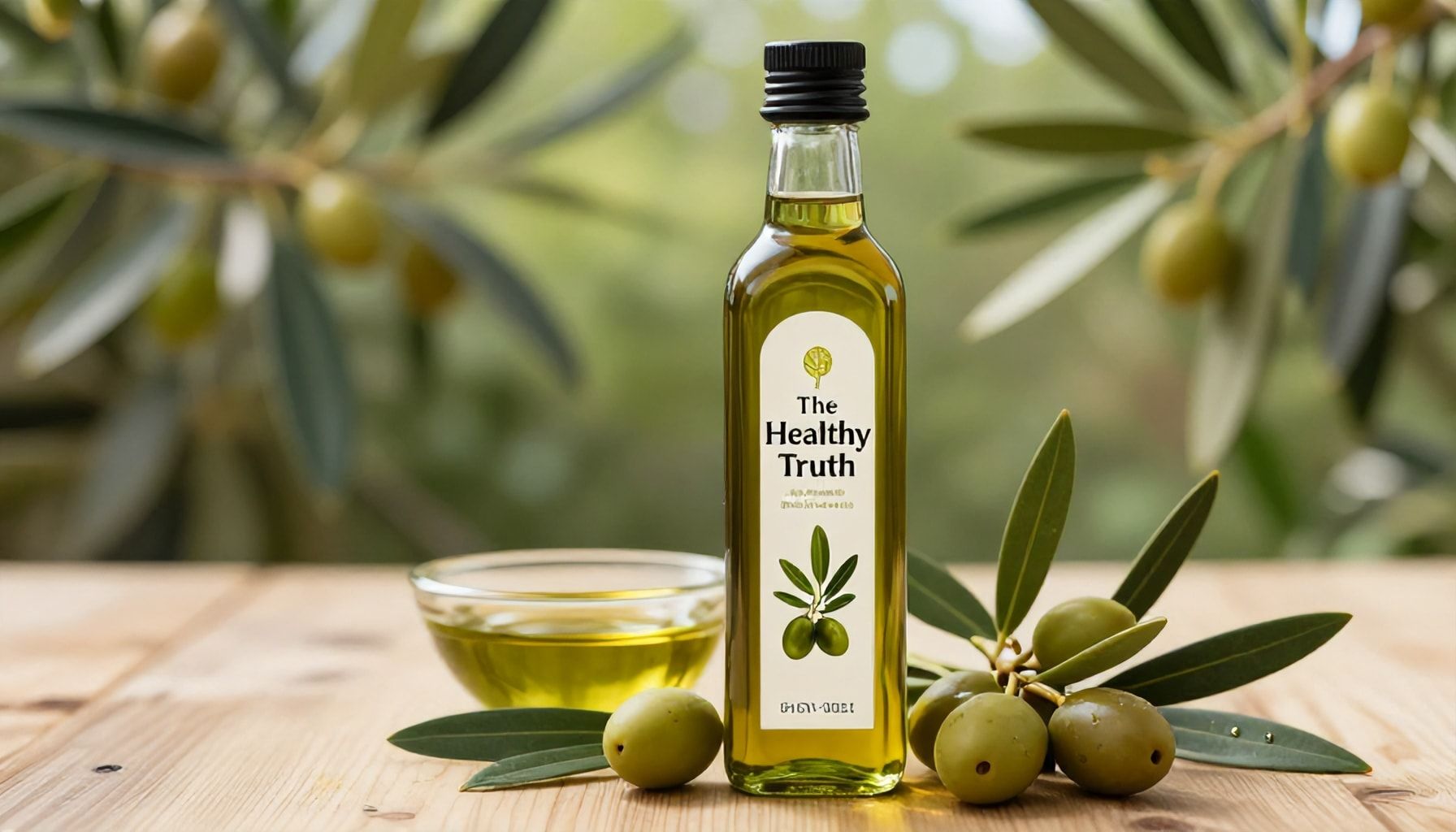
Look, I’ve been covering olive oil for 25 years, and the one thing I’ve learned? Most people don’t know how to pick the good stuff. And no, olive oil isn’t a seed oil—it’s pressed from the fruit of the olive tree, not some tiny seed. But that’s just the start of the story.
Here’s the truth: Not all olive oils are created equal. The best ones are extra virgin, cold-pressed, and free of chemical solvents. I’ve seen bottles labeled “pure” or “light” that are just refined, stripped of flavor and nutrients. Save your money—those are just olive oil’s sad, processed cousins.
- Label Check: Look for “extra virgin” and “cold-pressed.” If it says “refined,” walk away.
- Harvest Date: The fresher, the better. A 2023 harvest is ideal; 2022 is pushing it.
- Dark Bottles: Light kills flavor and nutrients. Skip the clear glass.
- Single Origin: Blends are fine, but a single-source oil tells you exactly where it came from.
I’ve tasted hundreds of oils, and the best ones have a peppery kick and a fruity aroma. If it tastes like nothing, it’s probably been processed within an inch of its life. And don’t fall for the “light” trap—it’s just a marketing gimmick to make you think it’s healthier. (Spoiler: It’s not.)
| Type of Olive Oil | Processing Method | Nutritional Value |
|---|---|---|
| Extra Virgin | Cold-pressed, no chemicals | Highest in antioxidants, healthy fats |
| Virgin | Cold-pressed, slightly lower quality | Good, but not as potent |
| Refined | Chemically processed, bleached | Nutrients stripped, mostly fat |
Here’s my rule: If you wouldn’t eat it straight, don’t cook with it. A high-quality EVOO should be good enough to drizzle over salads or dip with bread. And if you’re paying less than $15 for a 500ml bottle, you’re probably getting junk. I’ve seen $5 “extra virgin” oils that taste like motor oil. Don’t be that person.
Bottom line: Olive oil isn’t a seed oil, and the best ones are worth the investment. Your taste buds—and your health—will thank you.
Olive oil stands apart from seed oils like canola or sunflower oil, as it’s extracted from the fruit of the olive tree, not seeds. Rich in heart-healthy monounsaturated fats and antioxidants, it’s a staple in Mediterranean diets and a smarter choice for cooking and dressings. While some seed oils undergo heavy processing, extra virgin olive oil remains minimally refined, preserving its natural benefits. For optimal health, opt for cold-pressed varieties and store it properly to maintain freshness. As we continue to explore the science of fats, one question lingers: could olive oil’s ancient roots hold even more modern wellness secrets?