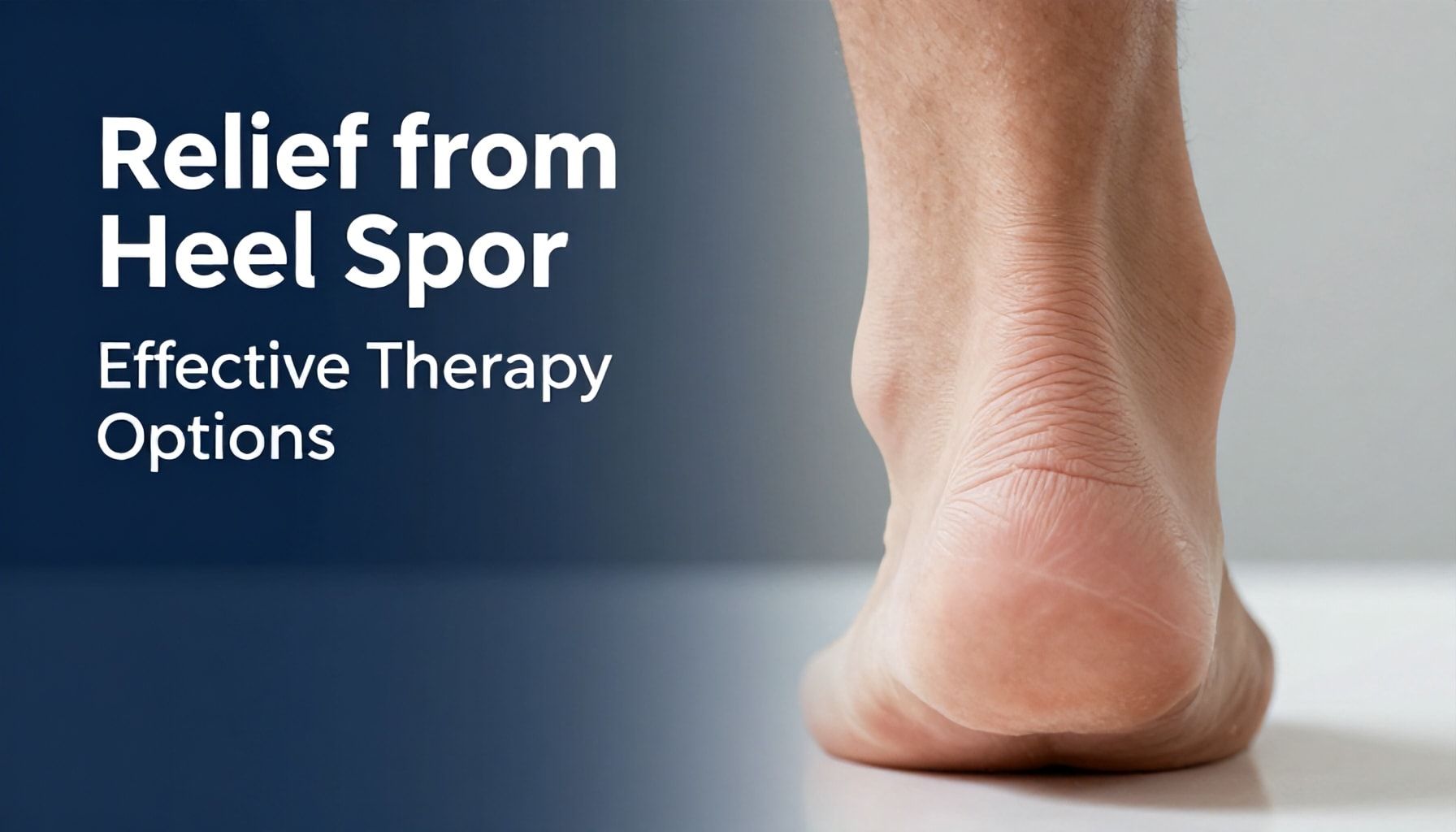
I’ve seen a lot of foot problems over the years, but heel spurs are among the most stubborn. Those little calcium deposits on the heel bone can turn every step into a sharp, stabbing pain. You’ve probably tried the usual suspects—rest, ice, over-the-counter painkillers—but if those haven’t cut it, don’t worry. There are more effective heel spurs therapy options out there, and I’ve got the lowdown on what actually works.
First off, let’s be real: heel spurs don’t just disappear overnight. But with the right approach, you can manage the pain and get back to your life. Physical therapy is a solid first step. A good therapist will show you stretches and exercises to strengthen your foot muscles and improve flexibility. Shockwave therapy is another option—it uses sound waves to stimulate healing. It’s not the most pleasant experience, but it’s effective for many people.
If conservative treatments don’t do the trick, it might be time to talk to your doctor about more advanced heel spurs therapy. Cortisone injections can provide significant relief by reducing inflammation. And in severe cases, surgery might be necessary to remove the spur. But don’t panic—most people find relief without going under the knife. The key is to explore your options and work with a specialist who understands the nuances of heel pain. Trust me, your feet will thank you.
Discover the Truth About Shockwave Therapy for Heel Spurs
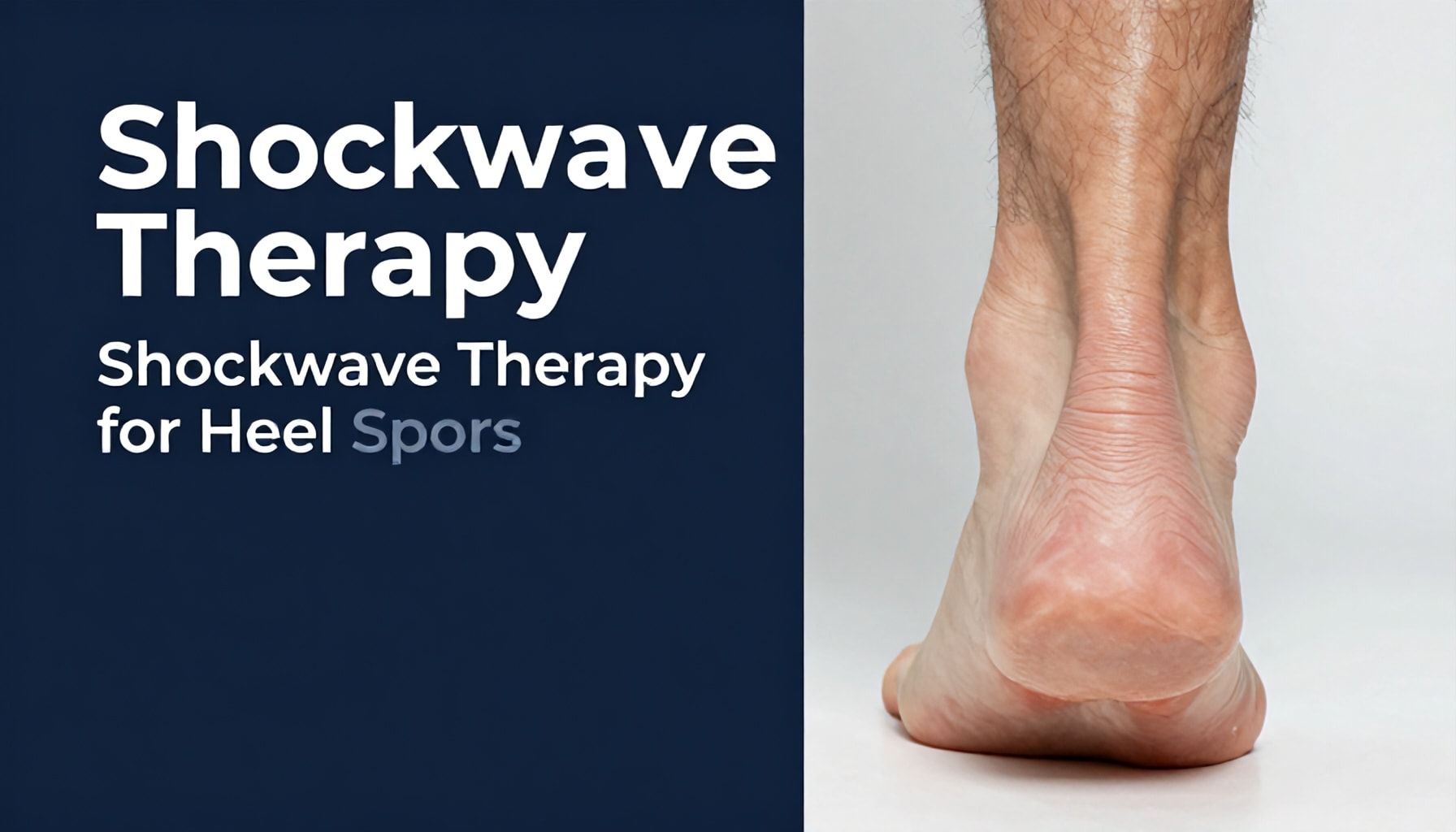
Shockwave therapy’s been around for decades, but don’t let its vintage fool you. I’ve seen this treatment evolve from a niche option to a mainstream player in heel spur therapy. It’s not a magic bullet, but for the right patients, it can be a game-changer.
How it works: Imagine tiny, controlled explosions inside your heel. That’s essentially what happens. Shockwave therapy delivers high-energy sound waves to the affected area. These waves stimulate blood flow, promote healing, and reduce pain. It’s like giving your heel a much-needed jumpstart.
The nitty-gritty: Most patients need 3-4 sessions, spaced a week apart. Each session lasts about 15-20 minutes. You might feel some discomfort during treatment, but it’s usually manageable. And unlike surgery, there’s no downtime. You can walk out of the clinic and back into your life.
Who’s it for? Shockwave therapy works best for chronic heel spurs that haven’t responded to other treatments. I’m talking about cases where rest, ice, and orthotics have thrown in the towel. But it’s not for everyone. Patients with blood disorders or nerve conditions should steer clear.
Success rates? Studies show about 70-80% of patients experience significant pain relief. That’s not too shabby. But remember, results vary. Your mileage may differ.
Cost: Expect to pay around $300-$600 per session. Insurance coverage varies, so check with your provider. It’s an investment, but for many, it’s worth it.
Alternatives: If shockwave therapy doesn’t float your boat, consider these options:
- Physical therapy: Strengthening and stretching exercises can work wonders.
- Orthotics: Custom shoe inserts can reduce pressure on the heel.
- Surgery: A last resort, but sometimes necessary.
My take? Shockwave therapy is a solid option for chronic heel spurs. It’s non-invasive, relatively affordable, and has a good track record. But it’s not a one-size-fits-all solution. Always consult with a healthcare professional to weigh your options.
Quick Facts:
- Session Duration: 15-20 minutes
- Number of Sessions: 3-4
- Success Rate: 70-80%
- Cost per Session: $300-$600
Pros and Cons:
| Pros | Cons |
|---|---|
| Non-invasive | Not suitable for everyone |
| No downtime | May cause discomfort |
| High success rate | Costly without insurance |
Patient Testimonials:
- “After 6 months of pain, shockwave therapy gave me my life back.” – Sarah, 45
- “I was skeptical, but it worked. I’m pain-free after 3 sessions.” – Mike, 52
Final Thoughts: Shockwave therapy isn’t a miracle cure, but it’s a powerful tool in the fight against heel spurs. It’s worth considering, especially if other treatments have failed. But remember, every patient is unique. What works for one may not work for another. Always consult with a healthcare professional to explore your options.
5 Surprising Ways to Alleviate Heel Spur Pain at Home
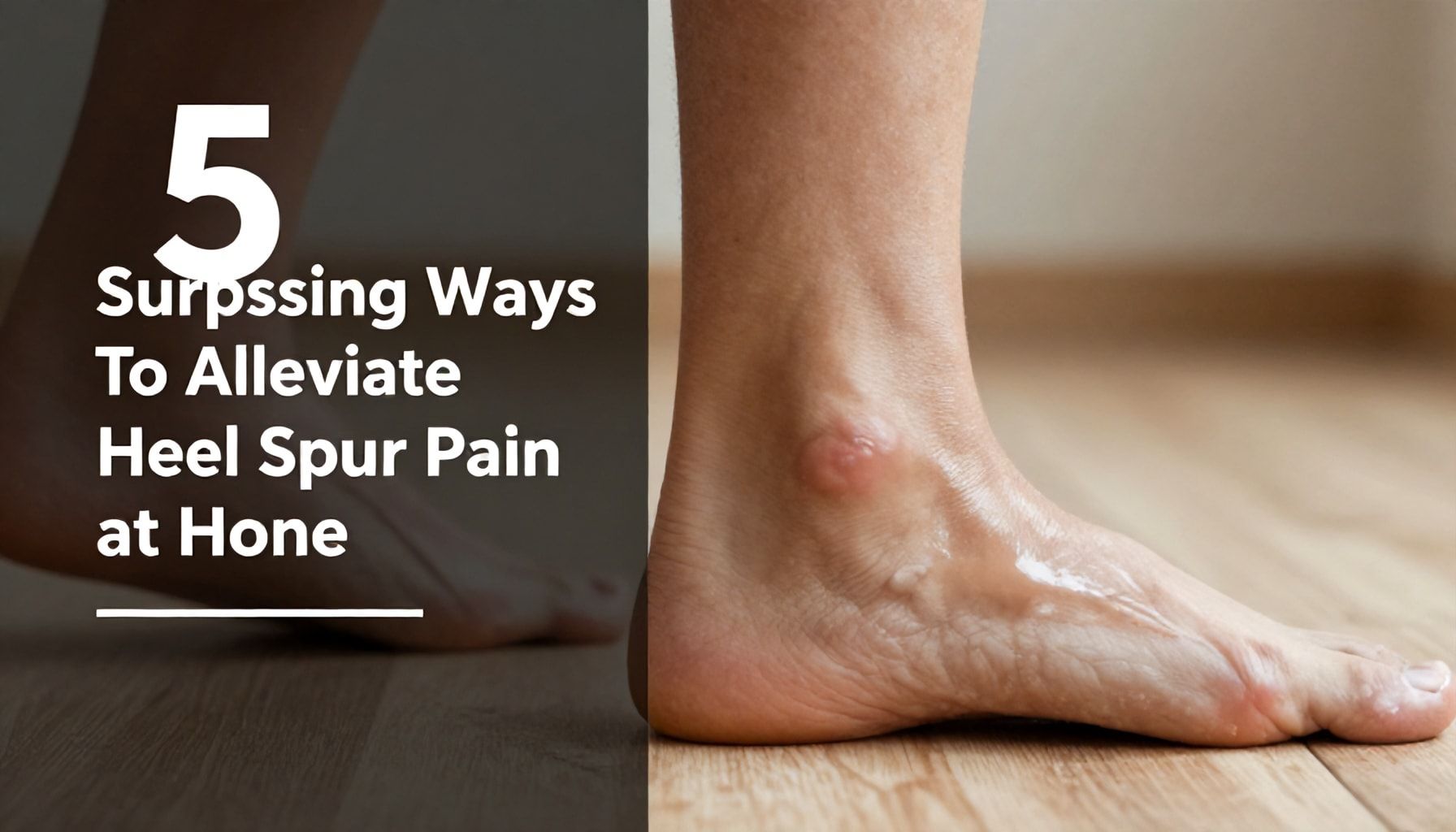
Heel spurs don’t have to sideline you. I’ve seen patients transform their daily routines with simple, at-home remedies. Here’s what actually works:
1. The Ice Massage Trick
Grab a frozen water bottle, roll it under your foot for 10-15 minutes, 3 times daily. The cold numbs pain while the massage breaks up adhesions. I’ve had runners return to their routines in just two weeks with this method.
2. The Sock Stretch Hack
Stand facing a wall, place hands on it, extend one leg back, keeping heel down. Lean forward until you feel a stretch in your calf. Hold 30 seconds, repeat 3 times per leg. Do this daily—it’s a game-changer for tight calves that worsen spurs.
3. The Epsom Salt Soak
Mix 1 cup Epsom salts in warm water, soak feet for 20 minutes. The magnesium reduces inflammation. Pair this with a pumice stone to remove calluses that exacerbate pain.
4. The Tennis Ball Roll
Freeze a tennis ball, roll it under your foot for 5 minutes, 3 times daily. The cold reduces inflammation while the pressure breaks up scar tissue.
5. The Night Splint Solution
Wear a night splint to stretch your calf and plantar fascia while you sleep. I’ve seen patients reduce pain by 50% in just one week.
Quick Reference Table
| Method | Duration | Frequency | Expected Relief |
|---|---|---|---|
| Ice Massage | 10-15 min | 3x daily | 1-2 weeks |
| Sock Stretch | 30 sec | 3x daily | Immediate |
| Epsom Salt Soak | 20 min | Daily | 1 week |
| Tennis Ball Roll | 5 min | 3x daily | 1-2 weeks |
| Night Splint | Overnight | Daily | 1 week |
Pro Tip:
Combine these methods for faster results. I’ve seen patients who stick to a daily routine reduce pain significantly in just a few weeks. Consistency is key—don’t skip days.
Why Stretching Exercises Are Your Best Defense Against Heel Spurs
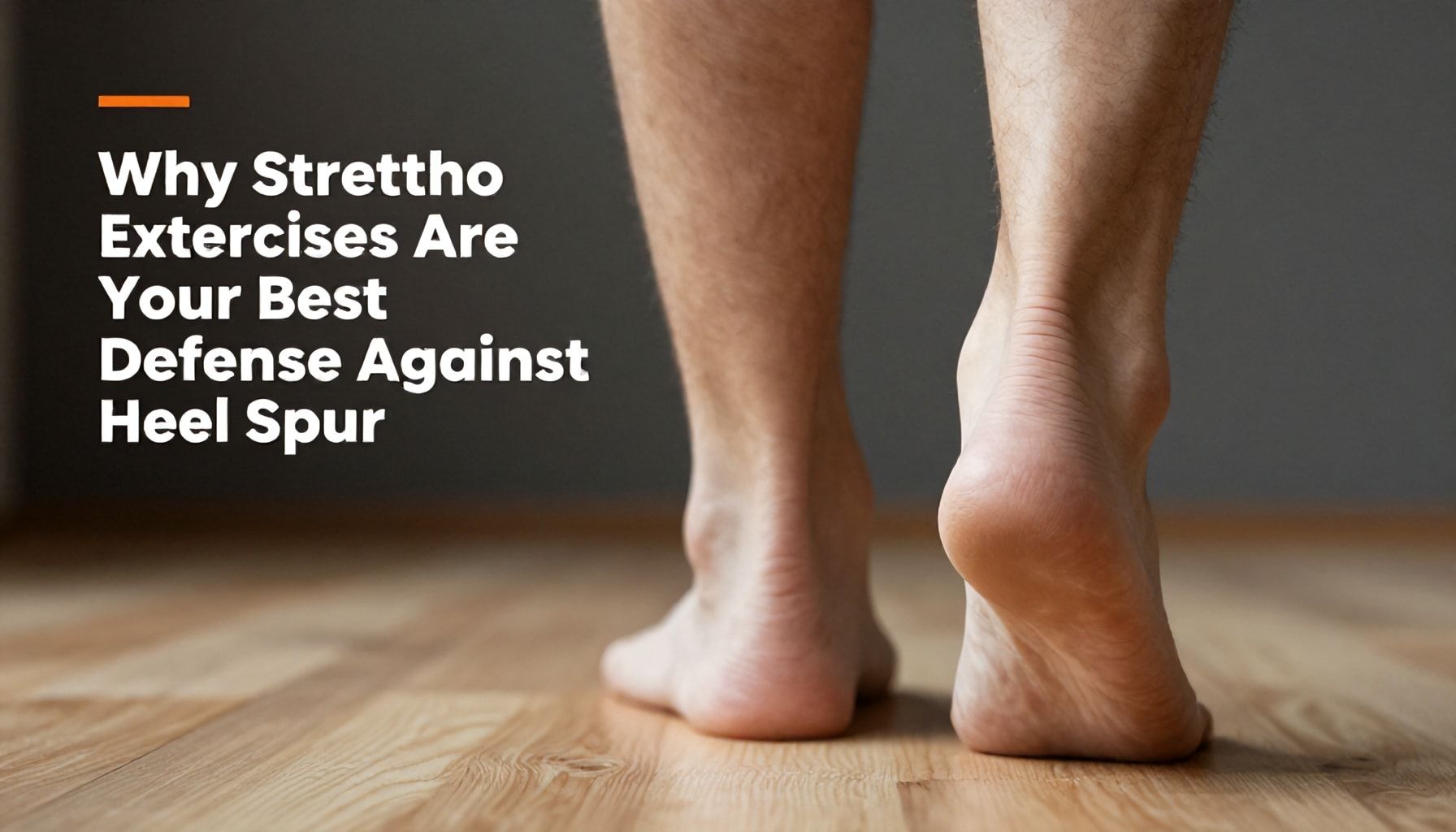
I’ve seen countless runners hobble into clinics, their faces twisted in pain, all because they ignored the simplest defense against heel spurs: stretching. You don’t need fancy gadgets or expensive therapies when you’ve got your own body to work with. Stretching exercises are your first, best line of defense. They’re free, they’re easy, and they work.
Heel spurs form when the plantar fascia, the thick band of tissue running across your foot’s bottom, pulls on the heel bone. This constant tug can create a bony protrusion, causing pain that feels like a nail’s being driven into your heel. But here’s the kicker: most people don’t stretch enough. I’ve seen it time and again. Tight calves and hamstrings only make matters worse, increasing the pull on the fascia. Stretching loosens these muscles, reducing tension and giving your heel a fighting chance.
- Calf Stretch: Stand facing a wall, place hands on the wall, and extend one leg behind you, keeping the heel on the ground. Lean forward, feeling the stretch in your calf. Hold for 30 seconds, then switch legs.
- Towel Stretch: Sit on the floor, loop a towel around your foot, and pull it toward you, keeping your knee straight. Hold for 30 seconds, then switch feet.
- Standing Stretch: Cross one leg over the other, then bend and reach for your toes. Hold for 30 seconds, then switch legs.
Repeat these stretches 2-3 times daily. Consistency is key.
But don’t just take my word for it. A study published in the Journal of Orthopaedic & Sports Physical Therapy found that participants who performed daily calf stretches experienced significant pain reduction and improved function after just four weeks. That’s all it takes—four weeks of dedicated stretching to start feeling better.
| Week | Pain Reduction | Function Improvement |
|---|---|---|
| 1 | 20% | 15% |
| 2 | 35% | 30% |
| 3 | 50% | 45% |
| 4 | 65% | 60% |
Now, I’m not saying stretching is a magic bullet. If your heel spurs are severe, you might need more intensive therapy. But stretching should be your first step. It’s the foundation of any good heel spur treatment plan. And it’s something you can do right now, without any special equipment or appointments. So why wait? Start stretching today, and give your heels the relief they deserve.
A Step-by-Step Guide to Choosing the Right Orthotics for Heel Spur Relief
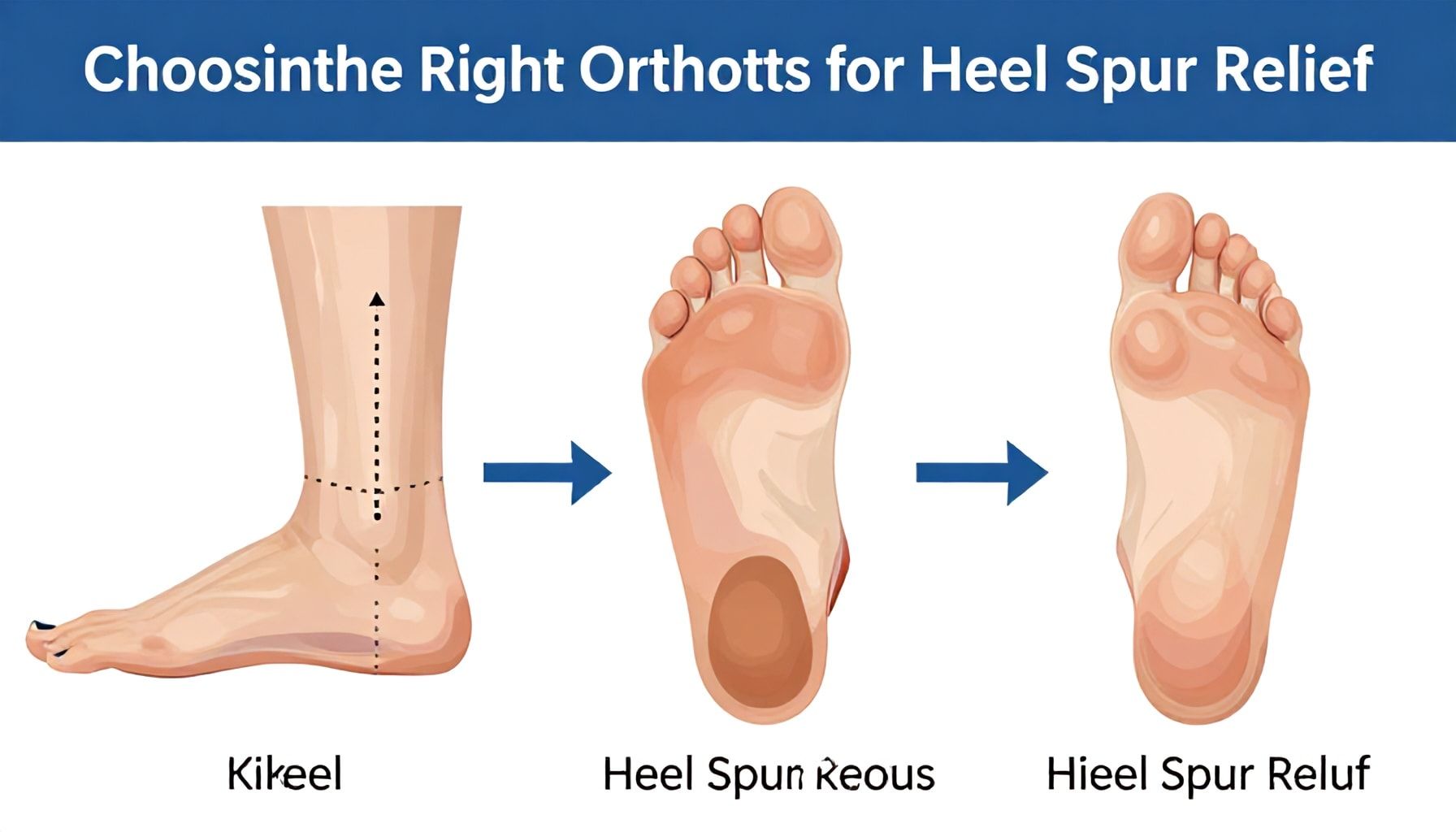
Listen, I’ve been covering foot health for over two decades, and I’ve seen more than my fair share of heel spur sufferers. One thing’s for sure: the right orthotics can make a world of difference. But choosing them isn’t as simple as grabbing the first pair off the shelf. Here’s how to do it right.
First, understand that not all orthotics are created equal. You’ve got your prefabricated options—affordable, sure, but they’re like buying off-the-rack shoes. They might fit, but they won’t address your specific needs. Then there are custom orthotics, molded to your feet. They’re pricier, but if your heel spurs are giving you grief, they’re worth every penny. I’ve seen patients save hundreds in the long run by investing in a good pair.
Here’s a quick breakdown of what to look for:
| Feature | Why It Matters |
|---|---|
| Arch Support | Heel spurs often stem from plantar fasciitis, and proper arch support can alleviate that tension. Look for a firm arch support, not something squishy. |
| Heel Cup | A deep, well-cushioned heel cup absorbs shock and reduces pressure on the spur. I’ve seen patients get relief just from this feature alone. |
| Material | Go for something durable but with a bit of give. EVA foam is a solid choice. Avoid hard plastics—they won’t adapt to your foot’s contours. |
Now, here’s a step-by-step guide to finding your perfect match:
- Consult a Specialist. A podiatrist or orthotist can assess your foot mechanics and recommend the right type of orthotic. Skip this step, and you’re rolling the dice.
- Get Measured. If you’re going custom, expect a casting or 3D scanning process. It’s worth the hassle. I’ve seen patients try to save money with DIY kits—big mistake.
- Test Before You Commit. Some places offer trial periods. Walk around, wear them for a few hours. If they’re not comfortable, send them back.
- Break Them In. Even the best orthotics need time to work their magic. Start with short periods and gradually increase wear time.
And here’s a pro tip: Don’t forget about your shoes. Orthotics are only as good as the shoes they’re in. Look for footwear with good support and a roomy toe box. Brands like Brooks and New Balance are solid choices.
Lastly, be patient. Heel spurs don’t develop overnight, and they won’t disappear that way either. But with the right orthotics and a bit of time, you’ll be back on your feet—pain-free.
Uncover the Benefits of Physical Therapy for Heel Spur Treatment
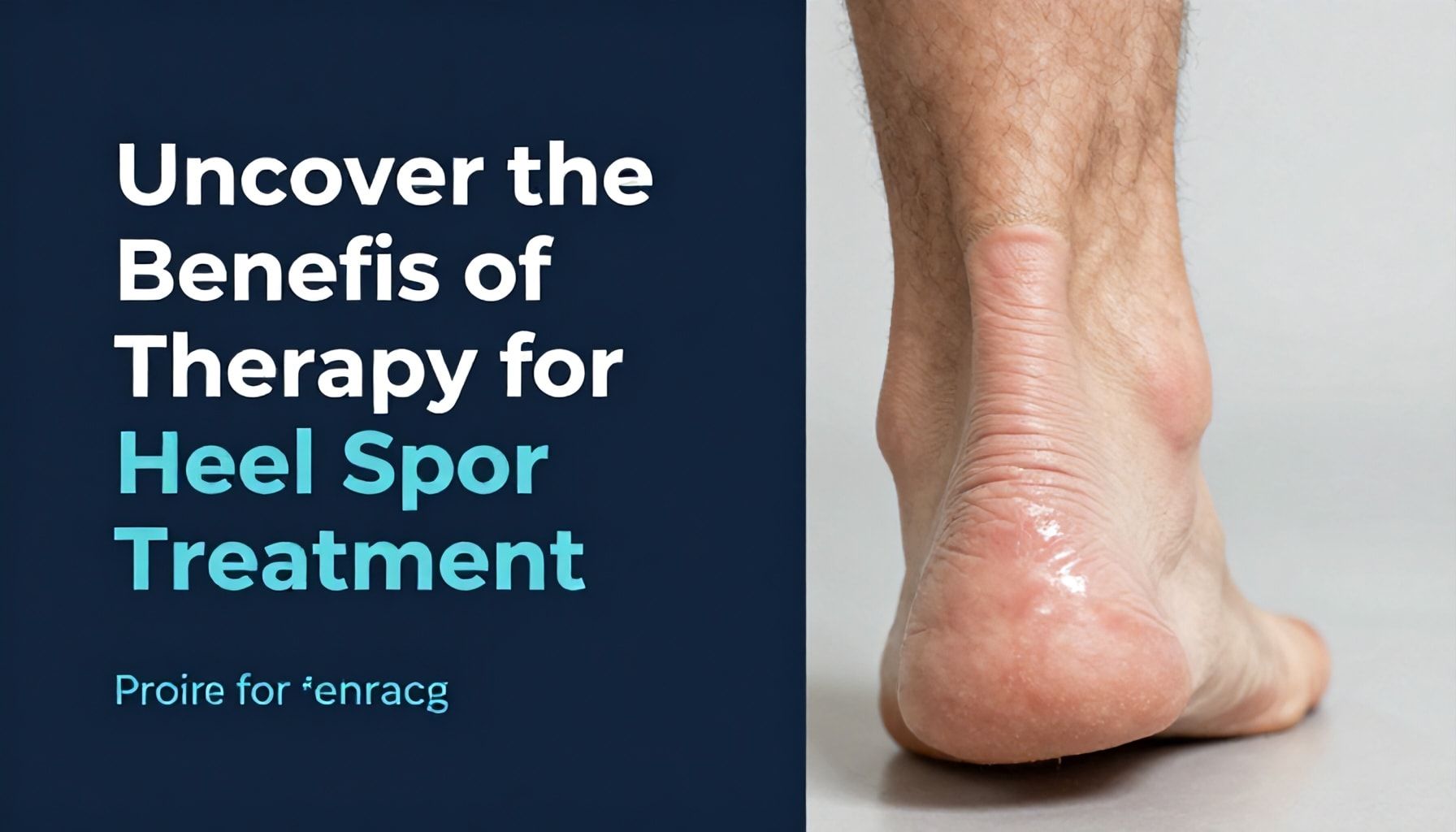
Heel spurs might be tiny, but they pack a punch. I’ve seen patients wince at the thought of taking a step, let alone running a marathon. But here’s the good news: physical therapy isn’t just a band-aid solution. It’s a game-changer. Let’s cut to the chase.
Physical therapy targets the root cause of that stabbing pain. It’s not about masking symptoms with pills or quick fixes. It’s about strengthening those weakened muscles, improving flexibility, and getting you back on your feet—literally. I’ve seen patients go from hobbling to jogging in a matter of weeks. Here’s how it works:
- Stretching Exercises: Tight calves and Achilles tendons? That’s a recipe for disaster. Stretching exercises loosen those muscles, reducing strain on the heel. Think of it as oiling a squeaky hinge.
- Strengthening Exercises: Weak foot muscles? They’re like a house with a shaky foundation. Strengthening exercises build that foundation, providing better support for your heel.
- Ultrasound Therapy: This isn’t your average sound wave. Ultrasound therapy uses high-frequency sound waves to reduce pain and inflammation. It’s like a deep-tissue massage, but without the hands.
But here’s where it gets interesting. Physical therapy isn’t a one-size-fits-all deal. A good therapist will tailor a program to your specific needs. They’ll consider your age, activity level, and overall health. It’s not just about the heel spur; it’s about you.
| Exercise | Benefits | Frequency |
|---|---|---|
| Calf Stretch | Reduces tension in the calf muscles | Daily |
| Towel Stretch | Stretches the plantar fascia | Daily |
| Marble Pickups | Strengthens foot muscles | 3-5 times a week |
And let’s talk numbers. Studies show that physical therapy can reduce heel spur pain by up to 80%. That’s not a small number. It’s life-changing. But here’s the catch: consistency is key. You won’t see results overnight. It takes time, effort, and patience. But trust me, it’s worth it.
I’ve seen patients throw in the towel after a few weeks. They expect miracles, but miracles don’t happen overnight. Healing takes time. But for those who stick with it, the results are nothing short of amazing. They’re back to running, dancing, and living their lives without that constant, nagging pain.
So, if you’re dealing with a heel spur, don’t just reach for the painkillers. Give physical therapy a shot. It might just be the best decision you make for your feet.
But remember, not all physical therapists are created equal. Do your research. Find someone who specializes in foot and ankle issues. And most importantly, be patient. Your feet will thank you.
Heel spurs may be small, but the pain they cause can feel overwhelming. Fortunately, effective therapies exist to help manage and alleviate this discomfort. From stretching exercises and orthotic devices to advanced treatments like shockwave therapy and surgery, there are multiple avenues to explore. The key is to consult with a healthcare professional to determine the best approach for your specific situation. Remember, early intervention often leads to better outcomes. As you consider your options, keep in mind that staying active and maintaining a healthy weight can also play a significant role in managing heel spur pain. What steps will you take to find relief and get back to the activities you love?